Top 8 Castles around Acqui Terme
Castles around Acqui Terme offer a glimpse into the rich history and architectural heritage of Italy's Piedmont region. This historic spa town and its surroundings are characterized by rolling hills, river valleys, and a concentration of medieval fortifications. The area provides a landscape where historical exploration can be combined with outdoor activity. Many castles are situated on elevated positions, offering views of the surrounding countryside.
Best castles around Acqui Terme
- The most popular castles is Monastero Bormida, a settlement…
Last updated: July 13, 2026
Monastero Bormida
Highlight • Settlement
Translated by Google •
Tip by

Rocchetta Palafea
Highlight • Settlement
Translated by Google •
Tip by
Sign up now to discover places like this
Get recommendations on the best single tracks, peaks, & plenty of other exciting outdoor places.
Sign up for free
Ascent from Canelli to Castello Gancia
Highlight (Segment) • Climb
Translated by Google •
Tip by

Cremolino Castle
Highlight • Castle
Translated by Google •
Tip by

Medieval Tower of Castelletto d'Erro
Highlight • Castle
• It dates back to the medieval period (probably between the 13th and 14th centuries).
Showing Translation
Tip by
Sign up for free to discover even more castles around Acqui Terme.
Sign up for free
Already have an account?
Start today with a free account
Your next adventure awaits.
Login or Signup

Other adventures around Acqui Terme

Tips from the Community

It is what remains of the ancient defensive system of the village. • It dates back to the medieval period (probably between the 13th and 14th centuries).
15
0

The Castle of Monastero Bormida was not originally built as a defensive structure but as a Benedictine monastery, founded around 1050 by monks from the Abbey of Fruttuaria, called by the Aleramici Marquises to reclaim the lands devastated by Saracen raids. The 27-meter tower still visible today was originally the bell tower, and the river flowing a few meters from the southern tower confirms the non-military nature of the building. In 1393, the Benedictines abandoned the monastery, and its feudal history began: the fief passed to the Del Carretto marquises, who in the 15th century added the first defensive structures, transforming it into a castle. The building is a quadrangular structure with an internal courtyard, protected by towers on multiple sides and connected to the former bell tower by a small suspension bridge. On the south facade, there is a two-arched Renaissance loggia with a small stone column. Inside, the rooms on the main floor—transformed in the 17th century—feature mosaic floors and sail and cross vaults with frescoes of floral and geometric motifs. The castle later passed to the Della Rovere family and subsequently to the Genoese Polleri family, finally becoming the property of the Municipality starting in 1880. Today it is open to visitors and is part of the regional circuit "Castelli Aperti".
0
0

Beautiful old arched bridge.
3
1

"Castle" of Monastero Bormida Place of tourist, historical, architectural and cultural interest Piazza Castello, 1, 14058 Monastero Bormida AT http://www.comune.monasterobormida.at.it/ 014488450
3
0

The tower joined to the castle by a medieval arch
2
0

The castle stands in a dominant position on a rocky spur overlooking the village of Cremolino, about 450 meters above sea level. The village itself is gathered around the castle and is enclosed by a second wall built in the 15th century 1460 by Isnardo Malaspina. Access to the castle is via a drawbridge.
0
0

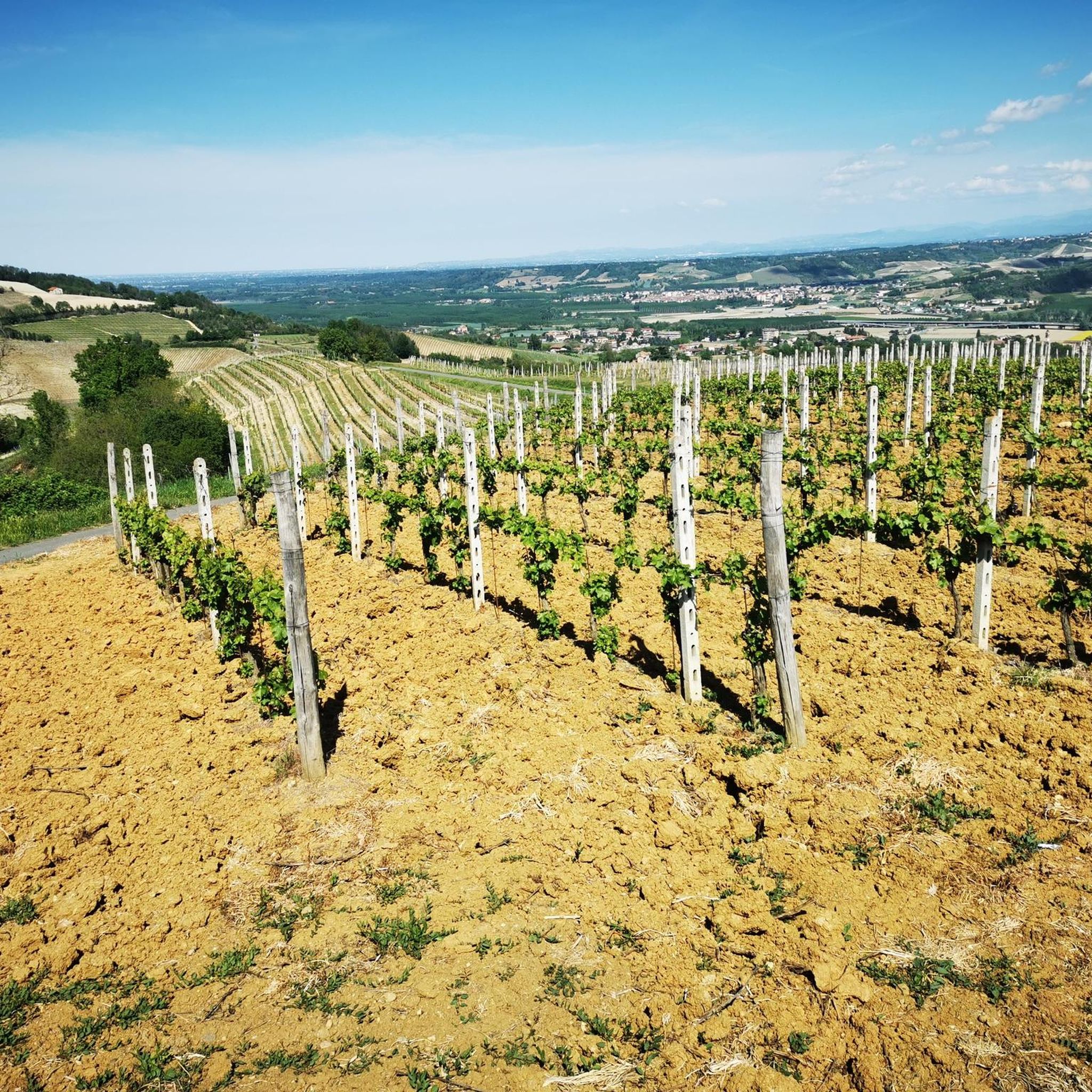
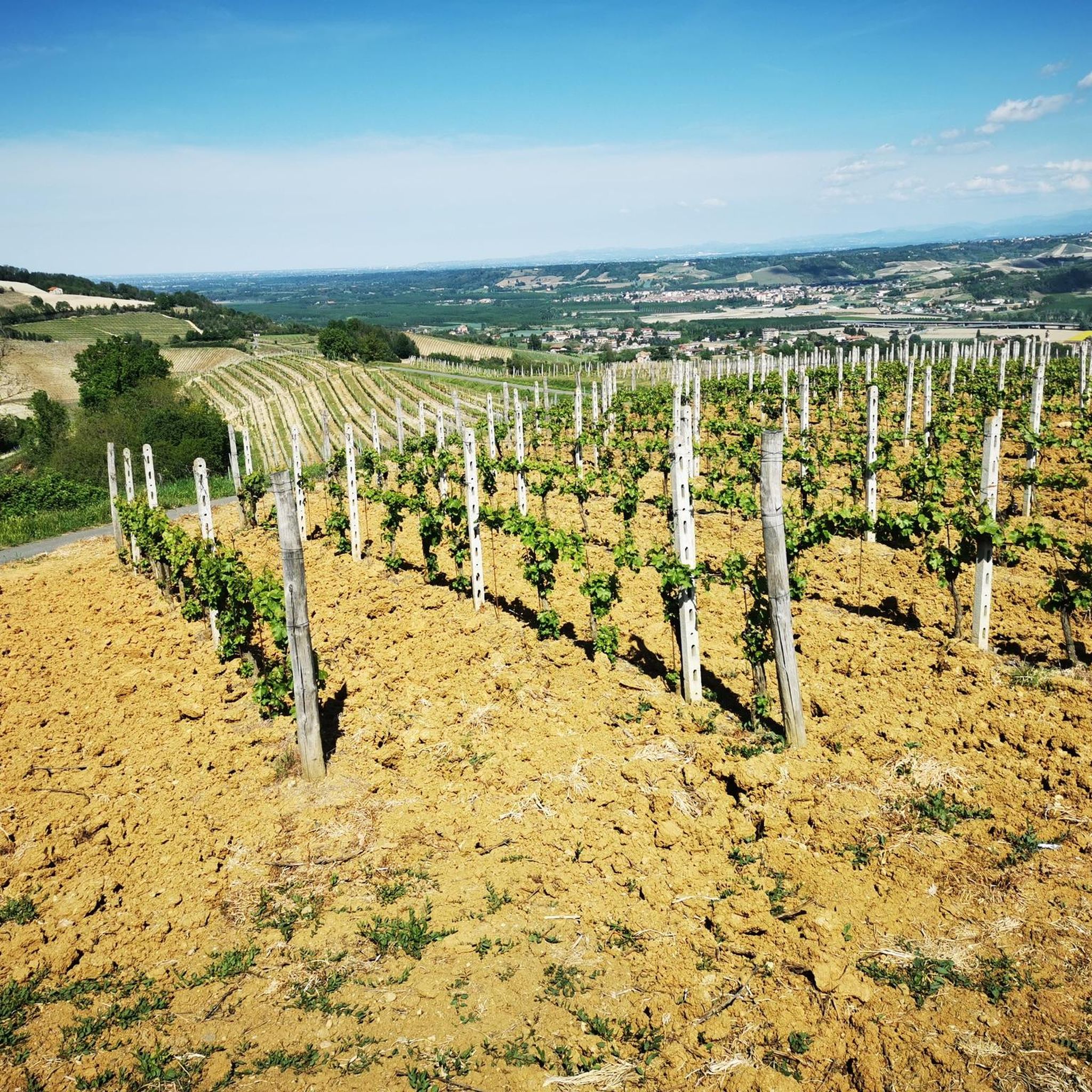
The climb that leads from Canelli to Gancia castle passes through splendid vines. This climb is steep at times and was tackled by the 2023 Giro d'Italia women. The Gancia castle is currently a private villa and cannot be visited: on the other hand, the panoramic views are magnificent.
6
1

Monastero Bormida has a particular charm seen from the medieval bridge
3
0
Frequently Asked Questions
What are some of the most historically significant castles around Acqui Terme?
The region boasts several castles with deep historical roots. The Castello di Monastero Bormida, for instance, originated as an 11th-century Benedictine monastery before becoming a fortified stronghold. The Castello dei Paleologi in Acqui Terme itself dates back to the 11th century and now houses a Civic Archaeological Museum. Further afield, the Castello di Prunetto is a striking 13th-century defensive structure offering a glimpse into medieval architecture.
Which castles offer the best panoramic views of the surrounding landscape?
For breathtaking vistas, the Castello di Prunetto is highly recommended, providing spectacular views of the Ligurian Apennines, Monviso, and Mount Rosa. Rocchetta Palafea, situated on a hill dominating the Belbo Valley, also offers excellent viewpoints. Additionally, Cremolino Castle stands in a dominant position on a rocky spur, providing expansive views over the village and beyond.
Are there any castles within Acqui Terme itself that I can visit?
Yes, the Castello dei Paleologi is located directly within Acqui Terme. It houses the Civic Archaeological Museum, which chronicles the area's history from prehistoric times through the Roman era to the Middle Ages. The castle grounds also feature a botanical garden, the 'Birdgarden', offering a peaceful natural oasis. You can learn more about the botanical garden here: Italian Botanical Heritage.
Can I find family-friendly castles in the Acqui Terme area?
The Castello di Monastero Bormida is considered family-friendly and often hosts cultural activities and exhibitions, sometimes including historical reenactments, which can be engaging for all ages. Its blend of monastic and military architecture provides an immersive historical experience.
What kind of outdoor activities can I do near these castles?
The area around Acqui Terme is excellent for outdoor enthusiasts. You can find numerous hiking and cycling routes. For hiking, consider trails like the 'Roman Aqueduct to Cavatore medieval village' or the 'Monte Marino Summit loop'. Cyclists can explore routes such as the 'Valle Bormida Tour' or the 'Canelli – Monastero Bormida loop'. You can find more details on these activities in the Hiking around Acqui Terme and Cycling around Acqui Terme guides.
Are there specific hiking trails that pass by castles?
Yes, some routes incorporate castle views or pass nearby. For example, the 'Ascent from Canelli to Castello Gancia' is a climb that passes through splendid vineyards leading towards the private Gancia castle, offering magnificent panoramic views. While the castle itself is private, the journey and views are rewarding. You can explore more hiking options in the Hiking around Acqui Terme guide.
What is the best time of year to visit the castles around Acqui Terme?
The spring and autumn months are generally ideal for visiting the castles and exploring the region. The weather is typically mild, making it pleasant for both historical exploration and outdoor activities like hiking or cycling. Summer can be warm, but many castles offer shade and the opportunity to combine visits with other regional attractions.
Are there any castles that are particularly well-preserved or offer unique architectural features?
The Castello di Monastero Bormida stands out with its original Romanesque bell tower and well-preserved interiors featuring mosaic flooring and delicate frescoes. The Castello di Prunetto is also notable for its striking 13th-century defensive architecture, including quadrangular towers and an imposing central keep.
Can I find parking facilities near the castles?
Many castles, especially those in or near towns like Acqui Terme or Monastero Bormida, typically have parking available nearby. For more remote castles like Castello di Prunetto, parking might be in designated areas within the village from which the castle is accessible by a short walk. It's always advisable to check local signage upon arrival.
What kind of historical artifacts can I expect to see in the castles?
The Civic Archaeological Museum within the Castello dei Paleologi in Acqui Terme houses a rich collection of artifacts. These include flint, ceramics, and metallic tools from the Bronze and Iron Ages, as well as Roman-era exhibits like gravestone decorations, sculptures, mosaics, and amphorae. It also features a reconstruction of the ancient 'Bollente' fountain.
Are there any 'hidden gem' castles that are less commonly visited but still worth exploring?
While the region is rich with castles, some, like Castelnuovo Bormida Castle, are notable landmarks that offer a quieter, more intimate historical experience compared to larger, more frequently visited sites. Exploring the smaller villages often reveals charming, less-known fortifications.
What do visitors enjoy most about the castles around Acqui Terme?
Visitors frequently appreciate the blend of rich history and stunning natural beauty. The opportunity to explore ancient fortifications, learn about the region's past through museums, and then enjoy panoramic views or engage in outdoor activities like hiking and cycling is a major draw. The unique architectural features and the immersive historical experiences, sometimes including reenactments, are also highly valued.
Most popular routes around Acqui Terme
Most popular attractions around Acqui Terme

Get inspired with the komoot mobile app


Explore more
Looking for the best castles somewhere else? Discover other guides around Acqui Terme:
