Top 6 Castles around Domodossola
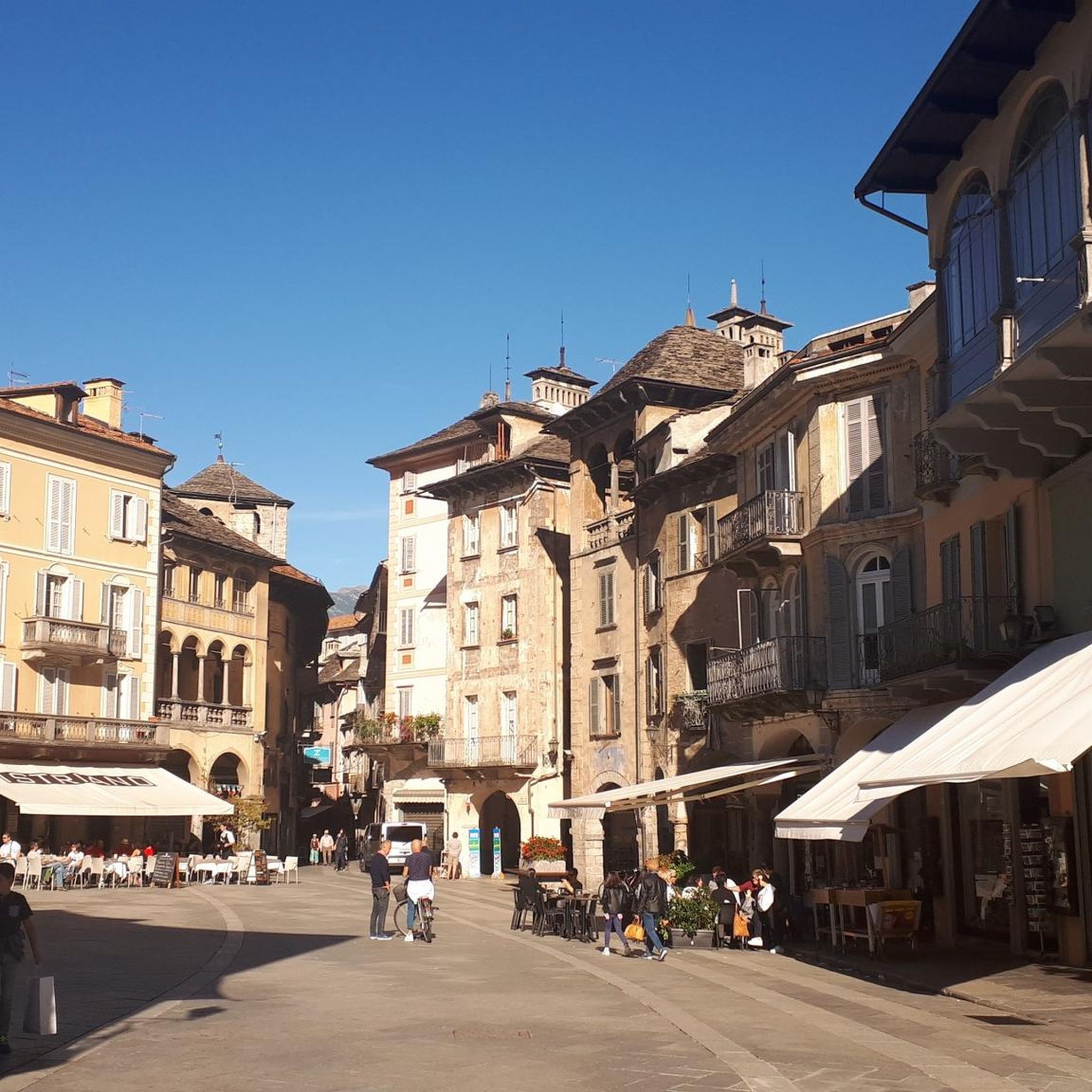
Best castles around Domodossola are found within the Ossola Valley, a region known for its mountainous terrain and historical importance. Domodossola features a medieval tower and visible sections of ancient walls, remnants of its past as a fortified settlement. Nearby, the area includes well-preserved medieval villages and strategic hilltops that once hosted significant fortresses. This landscape provides a tangible connection to the region's architectural heritage and strategic history.
Best castles around Domodossola
- The most popular castles is Mattarella Castle🏰🌳,…
Last updated: October 3, 2026
Mattarella Castle🏰🌳
Highlight • Castle
Translated by Google •
Tip by

Vogogna Castle
Highlight • Castle
Translated by Google •
Tip by

Sign up now to discover places like this
Get recommendations on the best single tracks, peaks, & plenty of other exciting outdoor places.
Cross✝️Mattarella Castle Tower🏰
Highlight • Castle
Translated by Google •
Tip by
Visconti Castle of Vogogna
Highlight • Castle
Translated by Google •
Tip by

Start today with a free account
Your next adventure awaits.


Tips from the Community

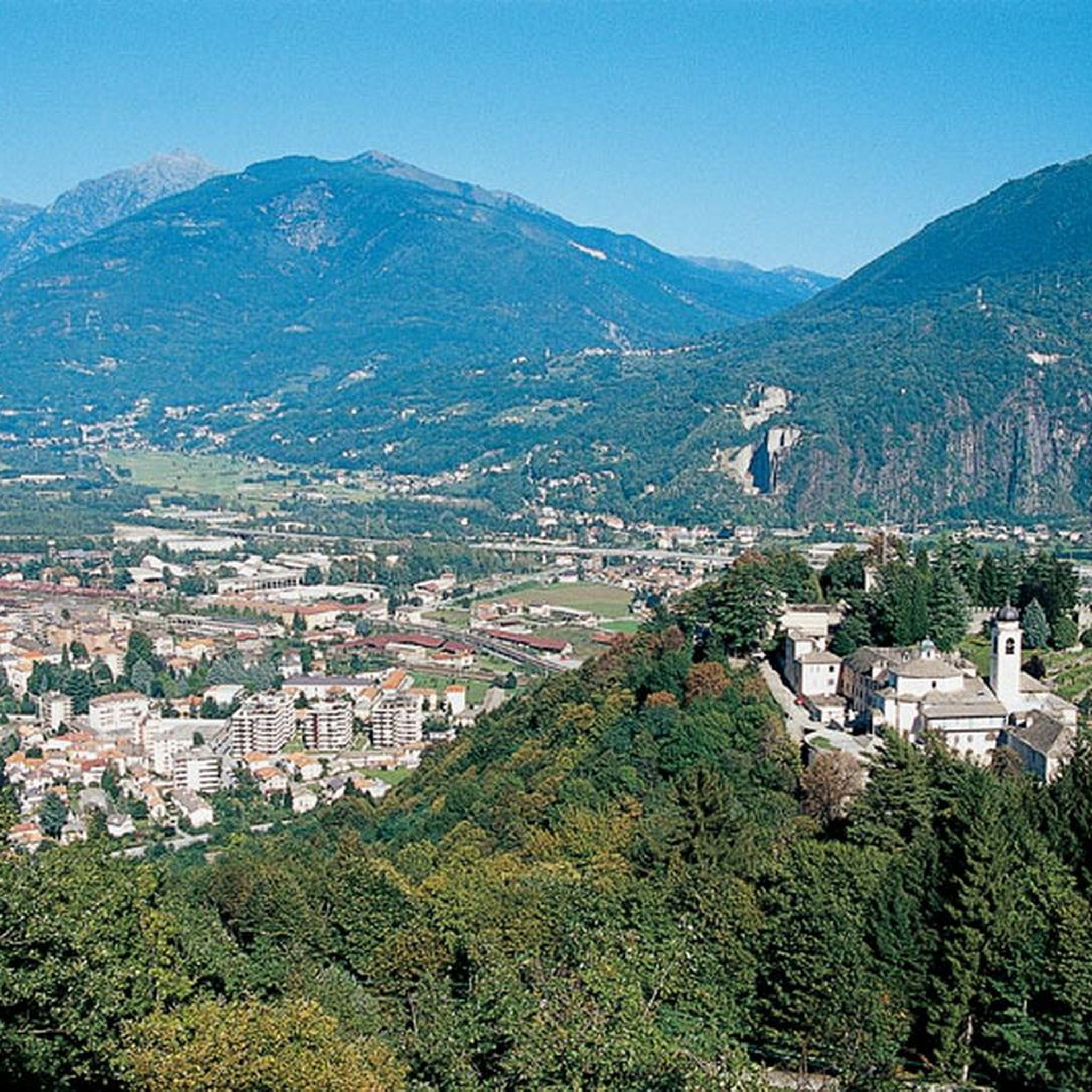
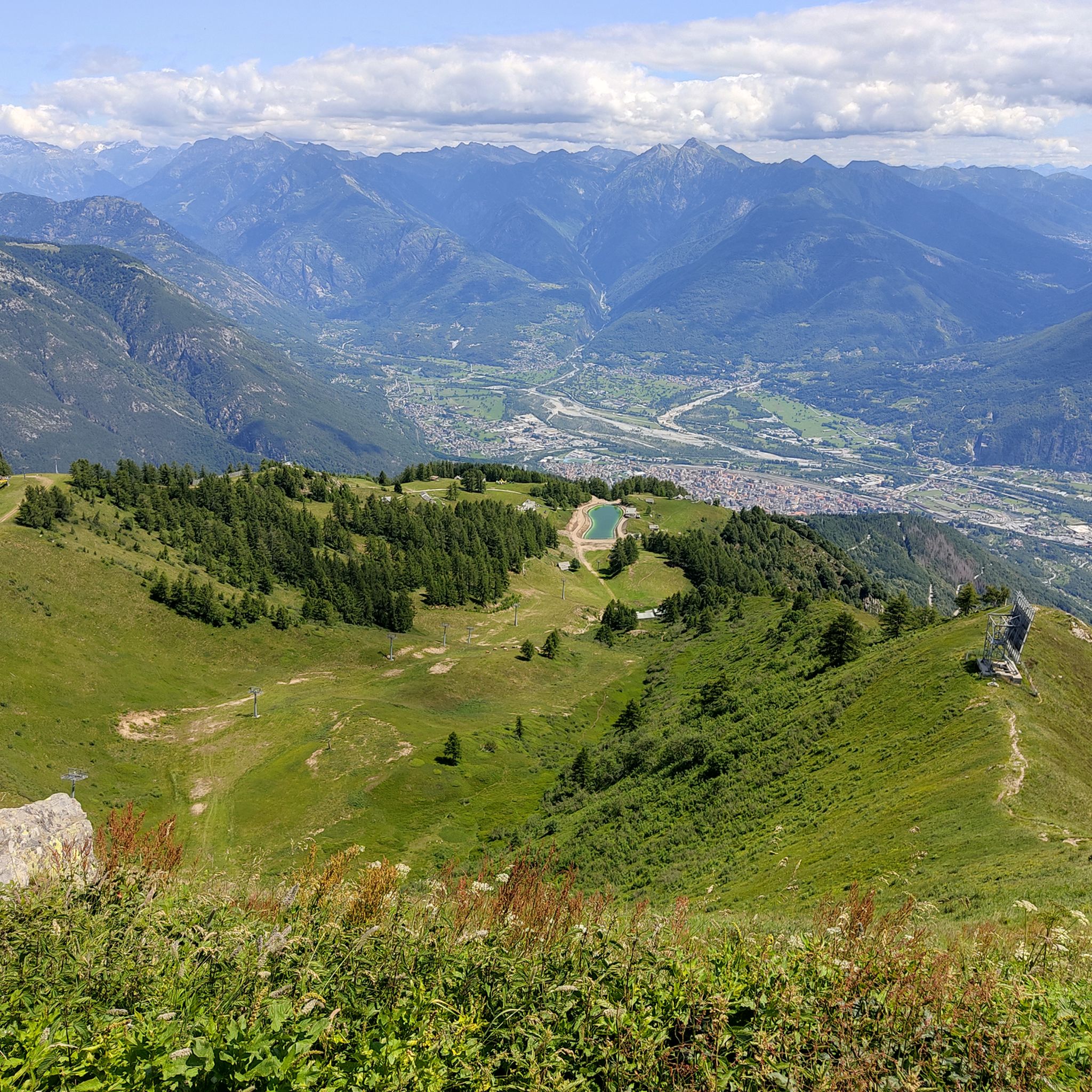
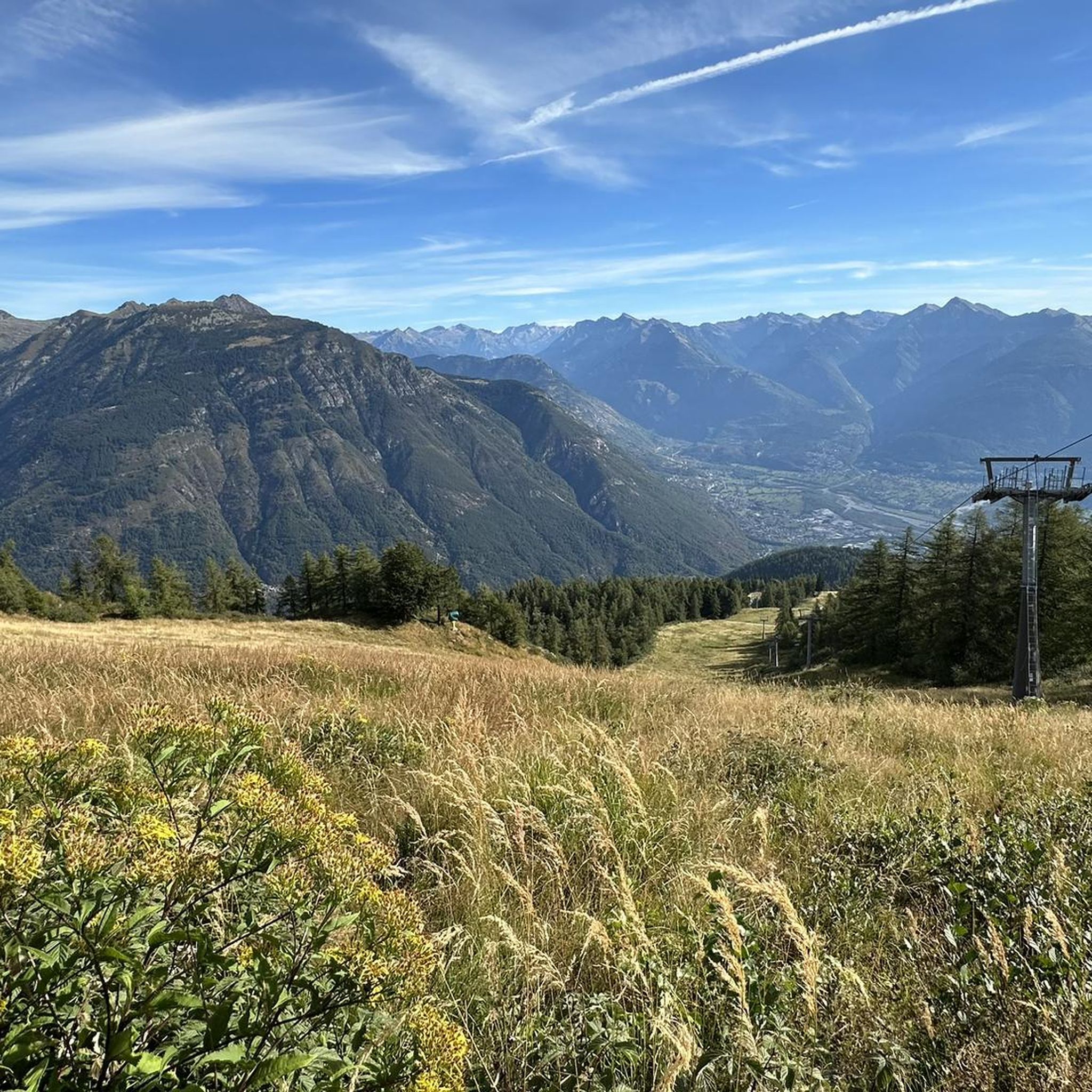
The hill of Mattarella, south of Domodossola, rises on the plain of the Ossola Valley at an altitude of 413 metres. From the hill you can enjoy a splendid view of Domodossola and the mountains that frame the Ossola Valley around the city. Inhabited in ancient times, the hill probably takes its name from a pagan site for the Matrons, on which and around which a church dedicated to the Virgin Mary was later built. The hill of Mattarella was occupied by the military in the 7th century and housed a sprawling castle that was attacked and destroyed several times over the centuries. In 1014, Emperor Henry II transferred the castle to the church in Novara and the Bishop of Novara moved his palace and curia here. In 1312 the Visconti came to power in the Ossola Valley: the Mattarella Castle also became the property of the Duchy of Milan and retained its functions, especially the military ones, until 1415, when the Swiss, coming from the Alpine passes and wanting to conquer the Ossola Valley, practically demolished it completely, destroying the Bishop's Palace, the enclosure and the main towers. After these dramatic events, only a few traces of the old fortress remain today: the tower on the top of the mountain rises majestically above them. The long curtain wall is also well preserved. Unfortunately, only a few foundations remain of the rest of the castle, and especially of the sturdy towers at the entrance. Source: https://www.visitossola.it/de/poi/huegel-und-burg-mattarella-domodossola/ The cross on the tower was erected in modern times and can be clearly seen in Domodossola and the surrounding area.
1
0
The hill of Mattarella, south of Domodossola, rises on the plain of the Ossola Valley at an altitude of 413 metres. From the hill you can enjoy a splendid view of Domodossola and the mountains that frame the Ossola Valley around the city. Inhabited in ancient times, the hill probably takes its name from a pagan site for the Matrons, on which and around which a church dedicated to the Virgin Mary was later built. The hill of Mattarella was occupied by the military in the 7th century and housed a sprawling castle that was attacked and destroyed several times over the centuries. In 1014, Emperor Henry II transferred the castle to the church in Novara and the Bishop of Novara moved his palace and curia here. In 1312 the Visconti came to power in the Ossola Valley: the Mattarella Castle also became the property of the Duchy of Milan and retained its functions, especially the military ones, until 1415, when the Swiss, coming from the Alpine passes to conquer the Ossola Valley, practically demolished it completely, destroying the Bishop's Palace, the enclosure and the main towers. After these dramatic events, only a few traces of the old fortress remain today: the tower on the top of the mountain rises majestically above them. The long curtain wall is also well preserved. Unfortunately, only a few foundations remain of the rest of the castle, and especially of the sturdy towers at the entrance. Source: https://www.visitossola.it/de/poi/huegel-und-burg-mattarella-domodossola/
2
0

Beautiful and kept in excellent condition.
27
0

The castle of Vogogna was built by the Visconti of Milan in the 14th century on a pre-existing tower. In 1515 it was occupied and damaged by the Swiss, and at the end of the 18th century it became municipal property for use as a prison and home. It was restored in the 20th century and is now a historical monument.
5
0

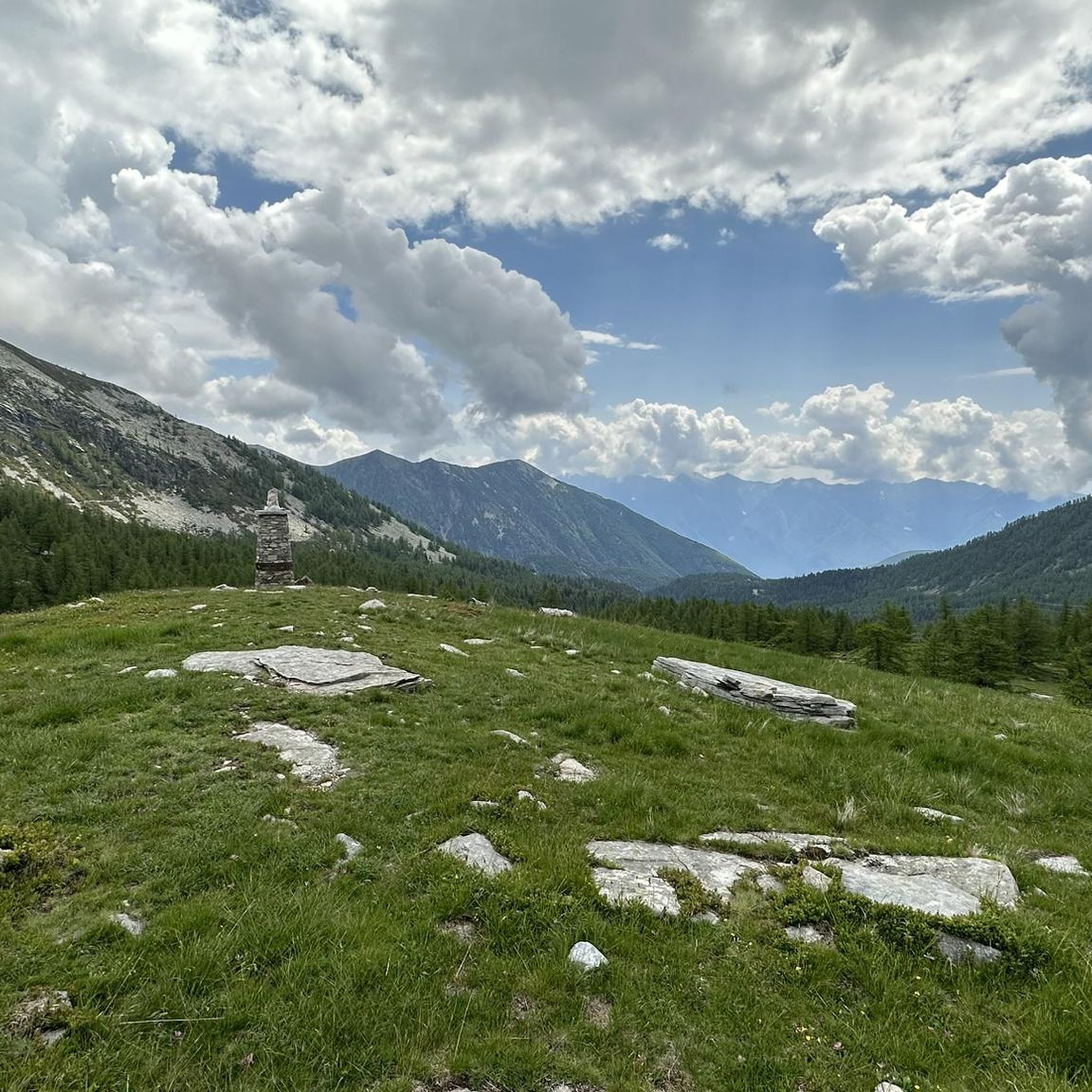
Cross ✝️Mattarella Castle Tower🏰Sacred Mount Calvary⛰️
6
0
Mattarella Castle 🏰Side of the Sacred Mount Calvario⛰️Towards the Domodossola Valley🏘️
8
0

The Visconti castle is part of the medieval complex of Vogogna. Located north of the town, the castle dominates the town from above with its semicircular tower.
1
0
The Visconti castle is part of the medieval complex of Vogogna. Located north of the town, the castle dominates the town from above with its semicircular tower.
1
0
Frequently Asked Questions
What historical castles and fortifications can I explore near Domodossola?
You can explore the ruins of Mattarella Castle🏰🌳, which offers a prominent tower and a well-preserved curtain wall. The well-preserved Vogogna Castle, built by the Visconti, is also a must-see, along with its older Rocca. In Domodossola itself, you can find remnants of ancient walls and the Medieval Tower, offering a glimpse into the town's fortified past.
Which castle near Domodossola offers the best panoramic views?
The remains of Mattarella Castle🏰🌳, located on Mattarella Hill, provide magnificent views of Domodossola and the surrounding Ossola mountains. The ancient Rocca above Vogogna Castle also offers strategic panoramic views of the Ossola valley floor.
Are there any well-preserved medieval castles in the Domodossola area?
Yes, the Vogogna Castle is remarkably well-preserved. Commissioned in 1348, it stands majestically above the medieval village of Vogogna and has undergone restorations, with some rooms now used for conferences and exhibitions. Its semicircular tower even served as a prison until 1914, with intact cells still visible.
What can I see of Domodossola's own medieval fortifications?
While Domodossola's main castle was largely demolished, you can still see sections of its ancient pentagonal walls, particularly within the redeveloped 'Borgo della Cultura' (Cultural Precinct). The Medieval Tower of Domodossola, located at the intersection of Via Facchinetti and Via Monte Grappa, is a notable surviving structure, built with blocks of Beola gneiss.
What kind of historical insights do these castles offer?
The castles around Domodossola provide a deep dive into the region's turbulent past. Mattarella Castle🏰🌳, though in ruins, reveals its history as a military occupation site attacked numerous times. Vogogna Castle showcases medieval military architecture and its role in defending the Ossola valley, with its history as a prison and its Visconti origins.
Are there family-friendly activities or features at the castles?
The area around Vogogna Castle is part of the charming medieval village of Vogogna, which is within the Val Grande National Park, offering a pleasant environment for families. Exhibitions and events related to the Middle Ages are frequently held within the castle and its grounds, which can be engaging for children. The Medieval Tower of Domodossola also has an amphitheater at its base used for outdoor shows and events.
What outdoor activities can I do near these castles?
The region around Domodossola offers a variety of outdoor activities. You can find numerous routes for gravel biking, road cycling, and mountain biking. Exploring the trails around Mattarella Hill, for instance, combines historical exploration with scenic walks.
What is the best time of year to visit the castles around Domodossola?
The spring and autumn months generally offer pleasant weather for exploring the castles and their surroundings, with comfortable temperatures for walking and hiking. Summer can also be enjoyable, though it might be warmer. Winter visits are possible, but some outdoor areas might be less accessible depending on snow conditions.
How accessible are the castles by public transport or car?
Vogogna is easily reachable from Domodossola, which is a key transport hub. Domodossola itself is well-connected by train. For specific details on parking and public transport to individual sites like Vogogna Castle or Mattarella Hill, it's advisable to check local transport schedules or parking information for Vogogna and Domodossola.
Are there any cafes or restaurants near the castles?
The medieval village of Vogogna, where Vogogna Castle is located, offers local amenities including cafes and restaurants. In Domodossola, the 'Borgo della Cultura' and the town center provide numerous dining options close to the Medieval Tower and ancient walls.
What do visitors enjoy most about the castles in this region?
Visitors appreciate the tangible connection to history offered by these sites, from the well-preserved architecture of Vogogna Castle to the evocative ruins of Mattarella Castle🏰🌳. The scenic views, especially from Mattarella Hill, and the charm of the medieval villages like Vogogna are also highly praised. The komoot community has upvoted these highlights over 50 times and shared more than 30 photos, showcasing their appeal.
Can I find any 'hidden gems' among the castles near Domodossola?
While not entirely 'hidden,' the ruins on Mattarella Hill offer a fascinating exploration for those interested in history and archaeology, providing a chance to imagine the former grandeur of the fortress amidst stunning views. The Medieval Tower and ancient walls of Domodossola, often overshadowed by the larger castles, are also a significant historical gem within the town itself.
Most popular routes around Domodossola
Most popular attractions around Domodossola

Get inspired with the komoot mobile app


Explore more
Looking for the best castles somewhere else? Discover other guides around Domodossola:
