Top 15 Huts and Cabins around Cambiasca
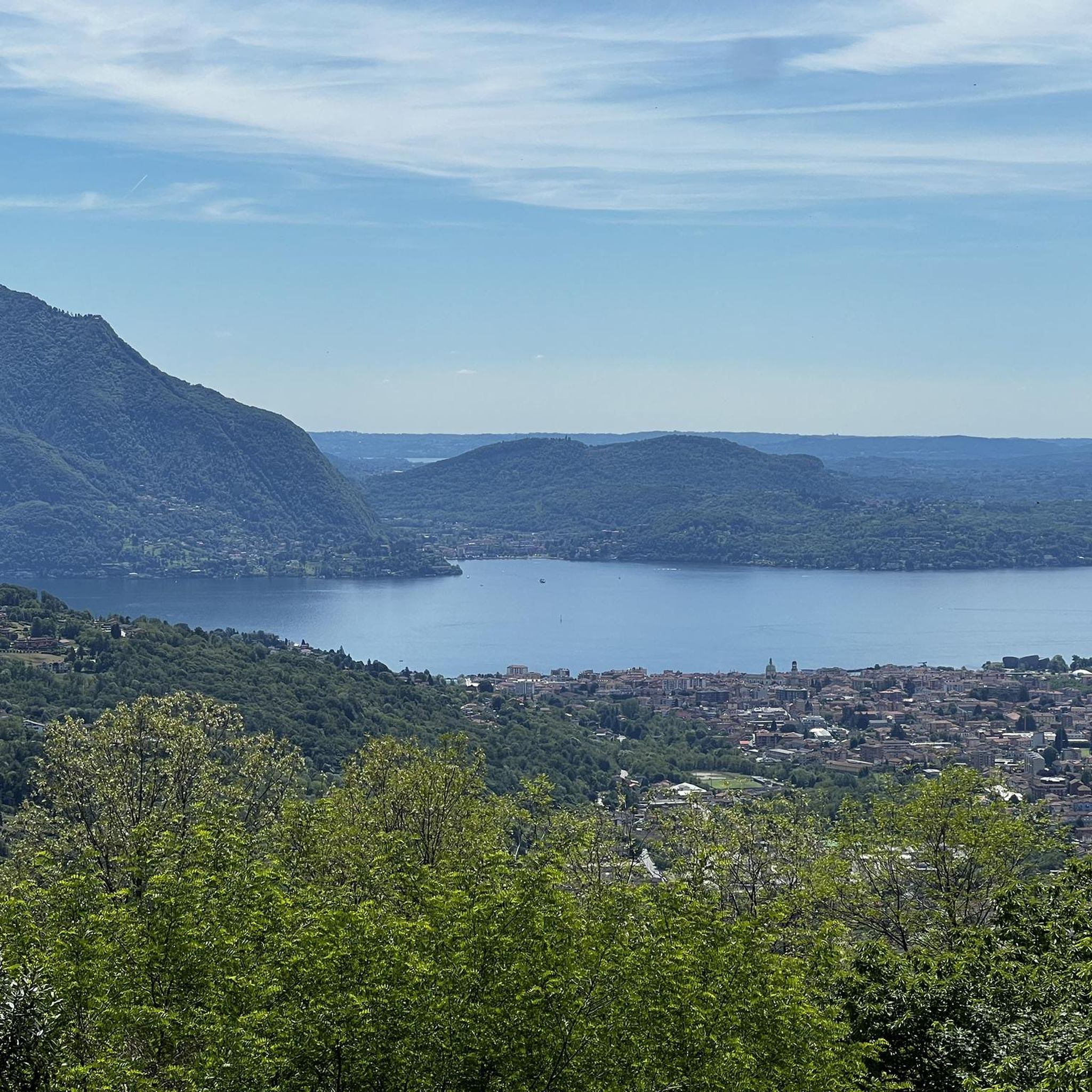
Huts around Cambiasca serve as a base for exploring the Verbano-Cusio-Ossola region and the Val Grande National Park. This area features deep valleys, dense forests, and views of Lake Maggiore. The Val Grande National Park is known as Europe's largest wilderness area, offering a range of mountain refuges and rustic shelters. These provide opportunities for hikers to experience the natural landscape.
Best huts around Cambiasca
- The most popular huts is Pian Cavallone Hut, a hut that was first built…
Last updated: July 13, 2026
Fantoli Hut
Highlight • Mountain Hut
Translated by Google •
Tip by

Pian Cavallone Hut
Highlight • Mountain Hut
Translated by Google •
Tip by

Sign up now to discover places like this
Get recommendations on the best single tracks, peaks, & plenty of other exciting outdoor places.
Sign up for free
Rifugio Monterosso
Highlight • Mountain Hut
Still definitely worth it!
Translated by Google •
Tip by

Pian Vadà Bivouac
Highlight • Mountain Hut
Translated by Google •
Tip by

Alpe Cavallaccio
Highlight • Mountain Hut
Translated by Google •
Tip by

Sign up for free to discover even more huts and cabins around Cambiasca.
Sign up for free
Already have an account?
Start today with a free account
Your next adventure awaits.
Login or Signup


Tips from the Community

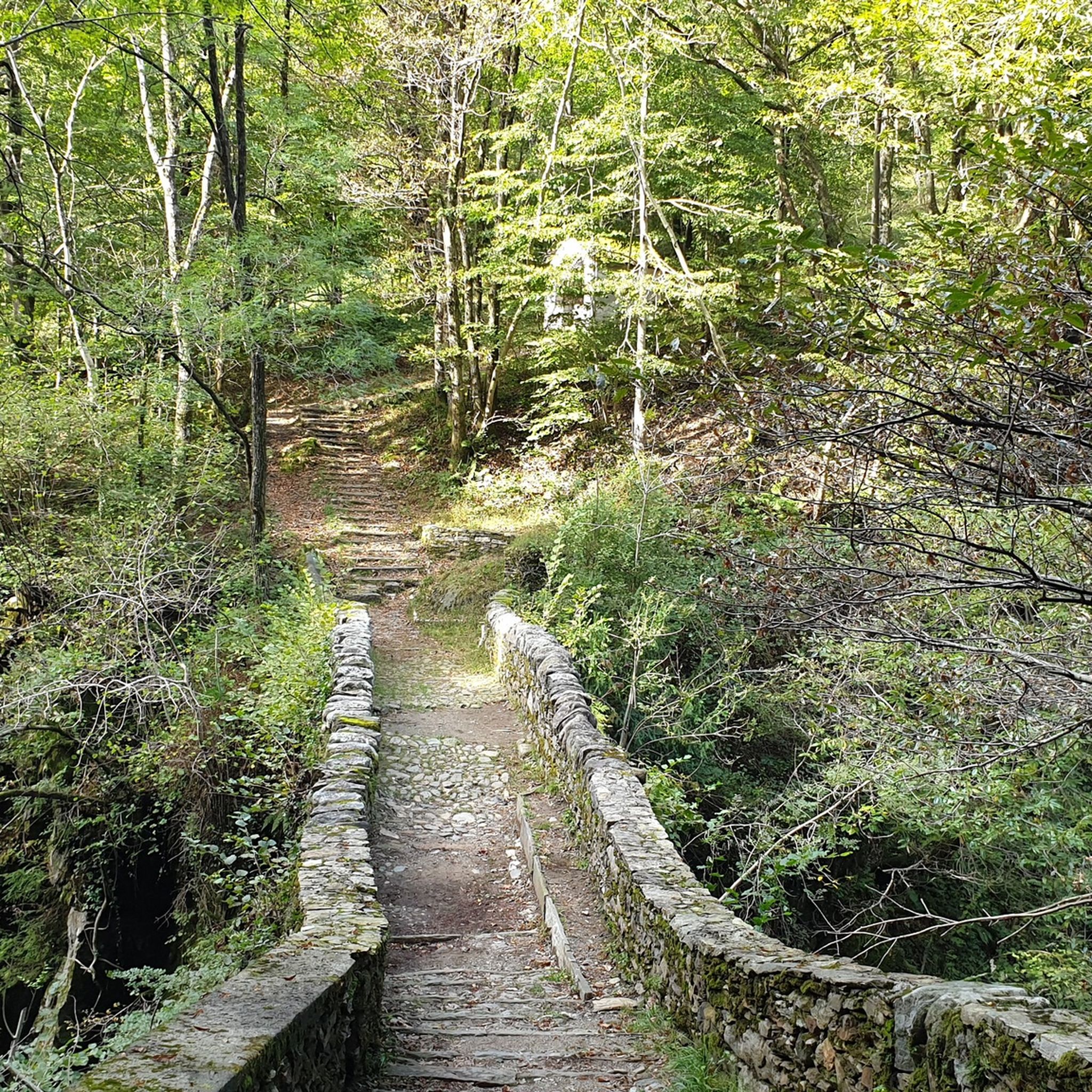
You reach it by following the dirt road of the old Linea Cadorna. Beautiful route.
0
0


In the early 19th century, Alpe Cavallaccio was a vast expanse of pastures and woods. In 1880, the larger hut was built as a stable, while the smaller hut served as a shelter for shepherds and a tool shed. After World War II, they were abandoned and then purchased by a private individual who used them as a support structure for the Baveno pink granite quarry. In the 1960s, a group of fishermen from Baveno created a small lake for recreational fishing. In 1968, the lake was abandoned and turned into a pond. Many children of yesteryear remember it as "the Frog Pond." In the 1980s, the hut was left in use as a tool shed for the quarry. Renovation and reactivation work began in 2009, inspired by ethical and conservationist construction.
0
0

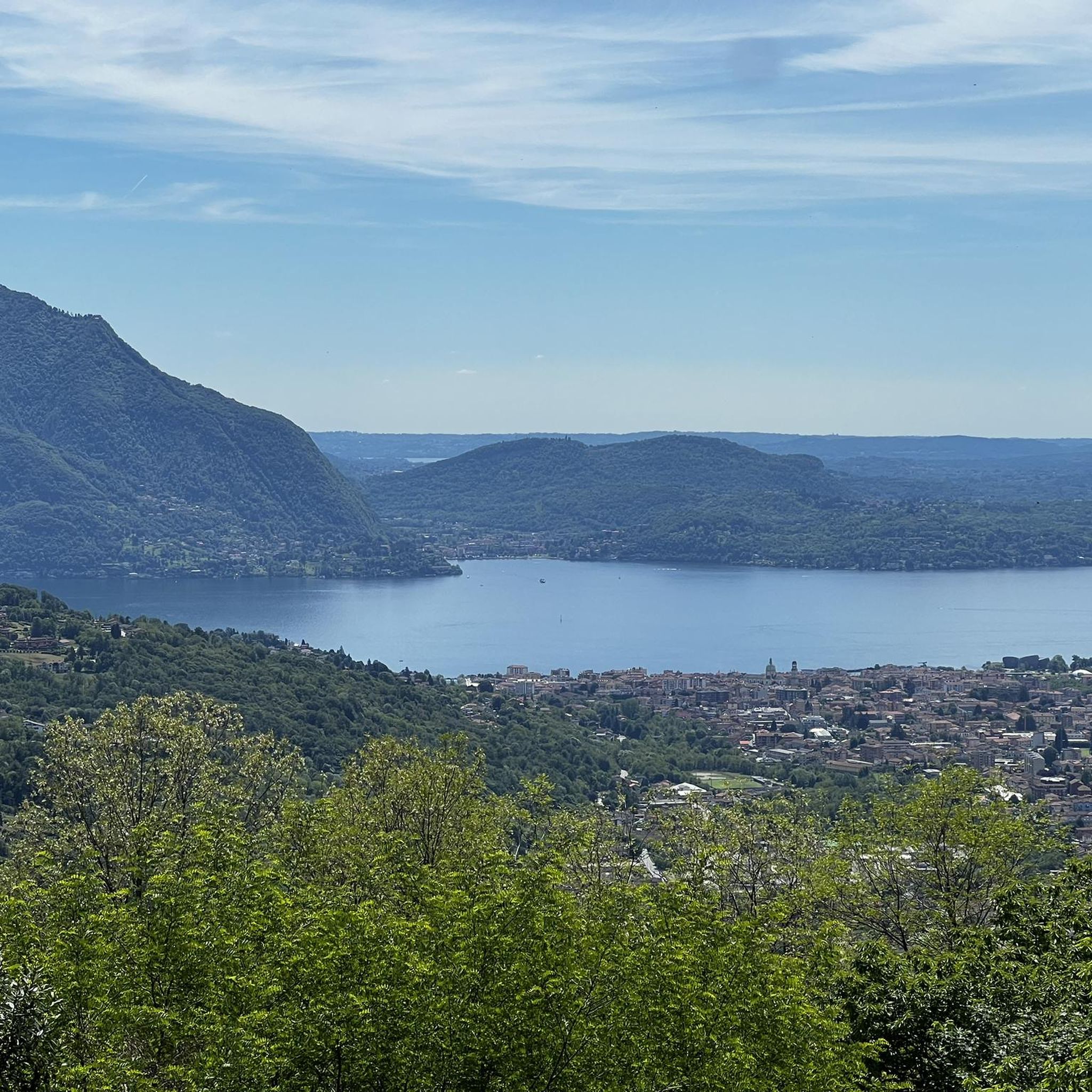
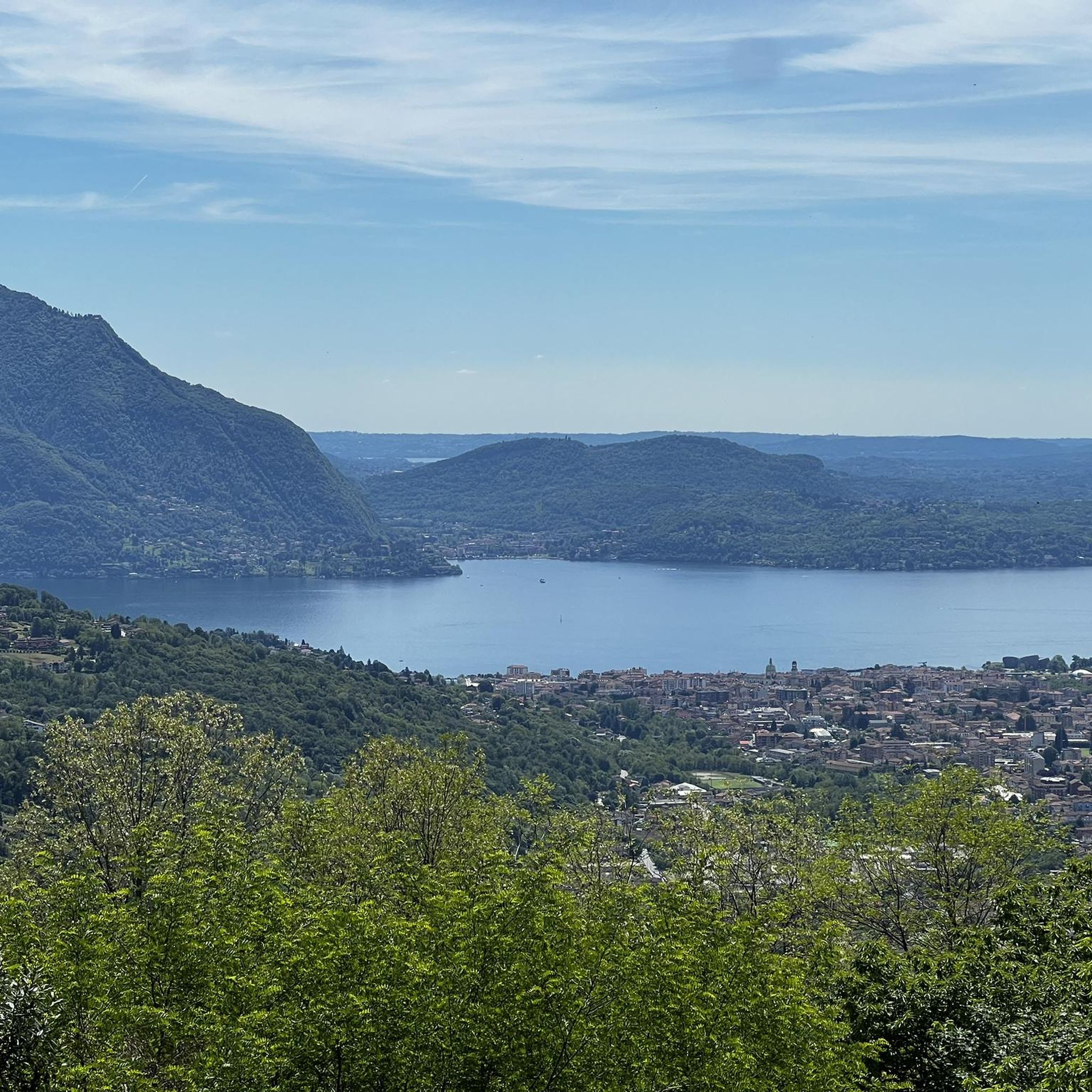
A beautiful hike according to the Rother Lago Maggiore hiking guide (No. 28). Many magnificent views of Lake Maggiore and the Val Grande.
0
0

To access the bivouac you must contact the Val Grande Park Authority. The winter shelter is always open with three bunks on the planks.
0
0


The Monto Rosso rises directly from the city of Verbania. The summit does not reach an impressive height, but it is ideal for a short, brisk mountain run. The 400 meters of elevation can be conquered either on the winding road or, far more fun, on steep trails. From the summit you have a beautiful view over the Golfo Borromeo and towards Omegna.
0
0

📌 Pian Vadà with its two bivouacs.
1
0
Frequently Asked Questions
What types of huts can I find around Cambiasca?
The area around Cambiasca offers a variety of shelters, ranging from managed mountain refuges with amenities to more basic bivouacs and historic stone shelters. You can find huts like Fantoli Hut, which has beds and a dining room, as well as rustic, unguarded huts within the Val Grande National Park that provide a profound wilderness experience.
Are there any historic huts in the region?
Yes, the region has huts with significant history. For example, Pian Cavallone Hut was first built in 1882. Additionally, the Val Grande National Park is dotted with remnants of old shepherd's houses and abandoned settlements, such as the Alpe Pra stone huts, which offer a glimpse into the area's past.
Which huts offer the best views?
Many huts in the Cambiasca area boast excellent views. Rifugio Monterosso is located on a summit and provides beautiful panoramic views after the ascent. The Rifugio Alpe Nuovo, situated on the slopes of Mottarone, also offers panoramic views of Lake Maggiore and the surrounding Alps.
Are there family-friendly huts or easy walks to huts?
While specific 'family-friendly' categories aren't always listed, some huts are more accessible. The Rifugio Alpe Nuovo, for instance, is reachable from the Mottarone summit parking area in approximately 30 minutes, making it relatively accessible for families seeking moderate hikes with rewarding vistas. For more rustic experiences, some of the less challenging trails in Val Grande National Park might lead to basic shelters.
What facilities can I expect at the huts?
Facilities vary significantly. Managed huts like Fantoli Hut offer beds, dining rooms, and sometimes large outdoor terraces. The Rifugio Alpe Nuovo provides 12 beds, a kitchen, dining room, running water (hot in summer), a toilet with a shower, and solar-powered lighting. In contrast, bivouacs and unguarded huts in Val Grande National Park are very basic, often just providing a wooden sleeping platform, a table, benches, and a stove, with visitors expected to bring their own supplies.
What outdoor activities can I do near these huts?
The huts serve as excellent bases for various outdoor activities. You can find numerous mountain hikes, MTB trails, and cycling routes in the vicinity. The Val Grande National Park, accessible from huts like Fantoli, is ideal for challenging treks and immersive wilderness experiences.
What is the best time to visit the huts around Cambiasca?
The best time to visit largely depends on the type of experience you seek. Summer months are ideal for accessing higher altitude huts and enjoying warmer weather for hiking. For those looking for a more rugged experience in the Val Grande National Park, spring and autumn can offer beautiful scenery and fewer crowds, though some facilities might be limited outside peak season.
Can I bring my dog to the huts or on nearby trails?
While specific dog policies for each hut vary, the Val Grande National Park, which is a major draw for hut visitors, has regulations regarding dogs. It's generally advisable to check with individual hut managers or park authorities for specific rules on bringing dogs, especially concerning protected wilderness areas.
What makes the Val Grande National Park unique for hut visitors?
The Val Grande National Park, bordering Cambiasca, is renowned as Europe's largest wilderness area. It offers a profound connection with nature through its deep valleys, dense forests, and basic, unguarded shelters. Staying in these huts allows for an immersive experience away from modern conveniences, providing access to trails through a landscape largely reclaimed by nature and opportunities to observe diverse flora and fauna.
Are there any huts that are particularly good for a short stop or refreshment?
Yes, some huts are well-suited for a break. Pian Cavallone Hut is known for offering cold drinks and being a good place for a rest. The Rifugio Alpe Nuovo also provides limited bar service, and visitors are welcome to consume their own food there.
What are the historical aspects of Alpe Cavallaccio?
Alpe Cavallaccio has a rich history. In the early 19th century, it was a vast expanse of pastures and woods. The larger hut was built in 1880 as a stable, while the smaller one served as a shelter for shepherds. After being abandoned post-WWII, it was renovated and reactivated in 2009, inspired by ethical and conservationist construction principles.
How accessible are the huts from parking or public transport?
Accessibility varies. The Rifugio Alpe Nuovo is relatively accessible, being only about a 30-minute walk from the Mottarone summit parking area. For other huts, especially those deeper within the Val Grande National Park, access might require longer hikes, and public transport options to trailheads may be limited, making private vehicle access to starting points more common.
Most popular routes around Cambiasca
Most popular attractions around Cambiasca

Get inspired with the komoot mobile app


Explore more
Find more beautiful huts and cabins around Cambiasca by checking out the top ones in these nearby places:
