Top 5 Castles around Langosco
Castles around Langosco offer a glimpse into the historical landscape of the Lomellina region in the Province of Pavia, Italy. This area is characterized by its flat terrain, shaped by rivers like the Sesia, which historically influenced the placement of fortified structures. While Langosco itself features the ancient Torre di Langosco, the surrounding municipalities host a collection of medieval castles. These sites reflect the strategic importance and architectural evolution of the region over centuries.
Best castles around Langosco
- The most…
Last updated: June 30, 2026
Robbio Castle
Highlight • Castle
I have already admired it.
Translated by Google •
Tip by

Gallarati-Scotti Castle. Cozzo.
Highlight • Castle
Translated by Google •
Tip by

Sign up now to discover places like this
Get recommendations on the best single tracks, peaks, & plenty of other exciting outdoor places.
Sign up for free
Torre dei Visconti
Highlight • Monument
Translated by Google •
Tip by
Castello Isimbardi
Highlight • Castle
Castello Isimbardi is an impressive 12th century building surrounded by a splendid park.
Translated by Google •
Tip by
Start today with a free account
Your next adventure awaits.
Login or Signup

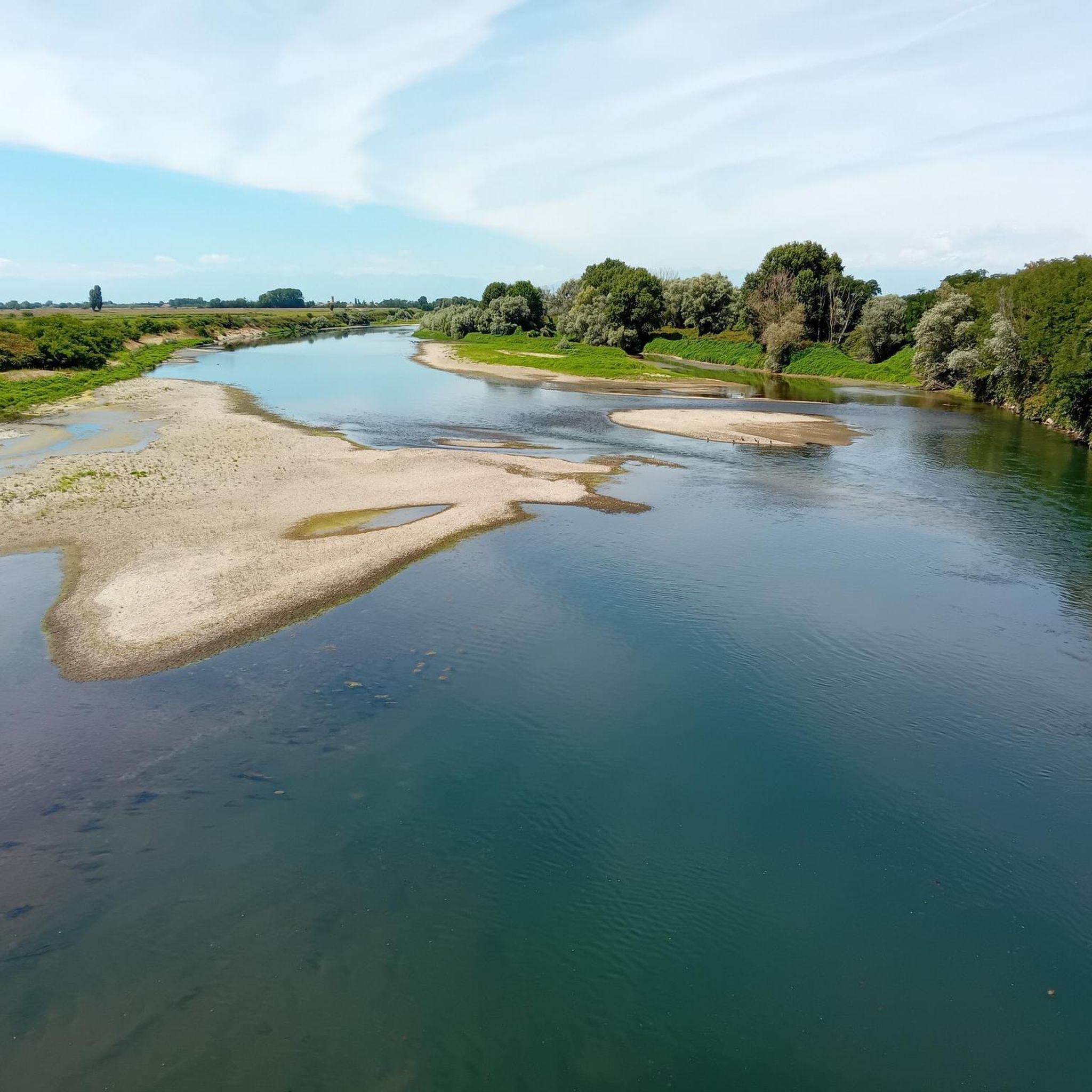
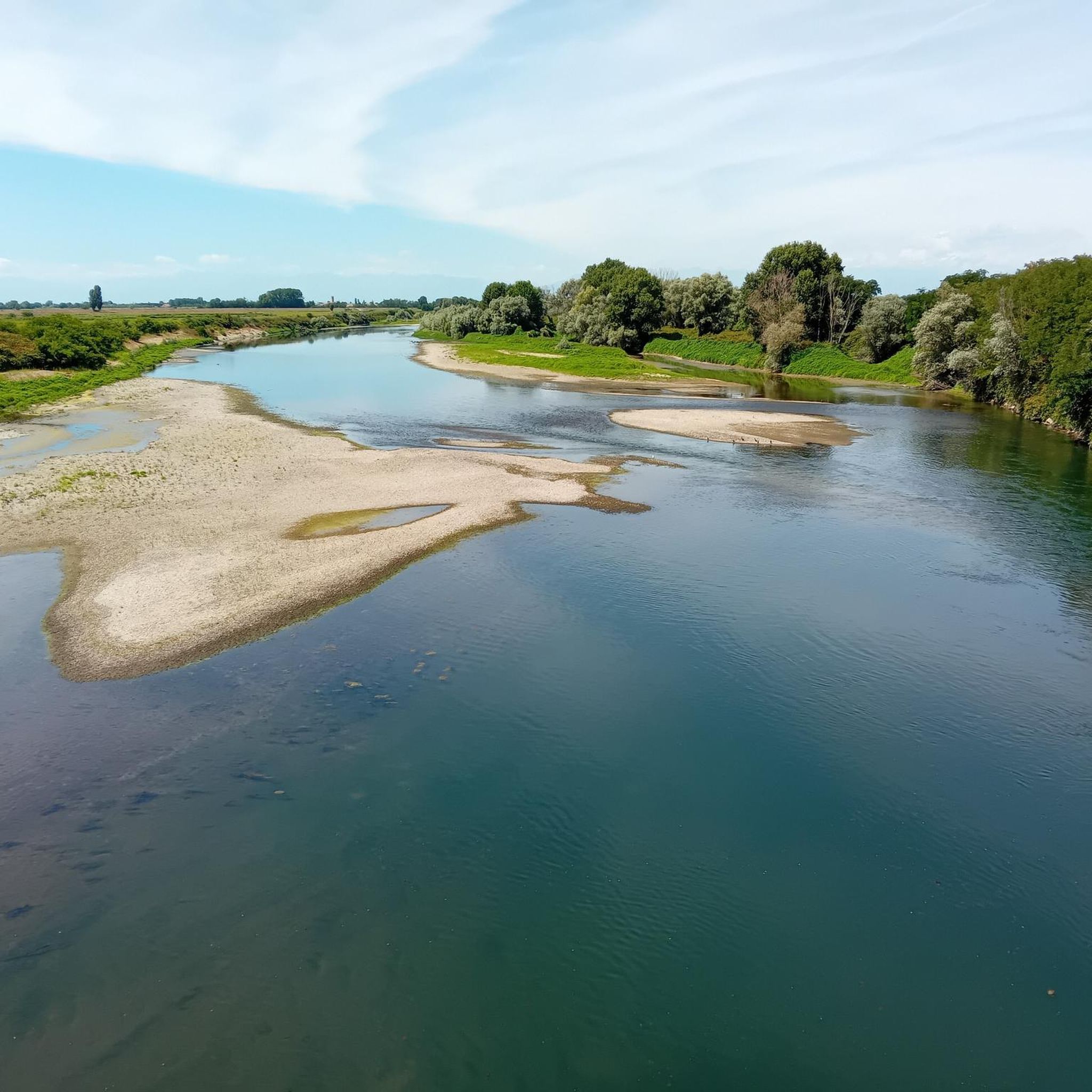
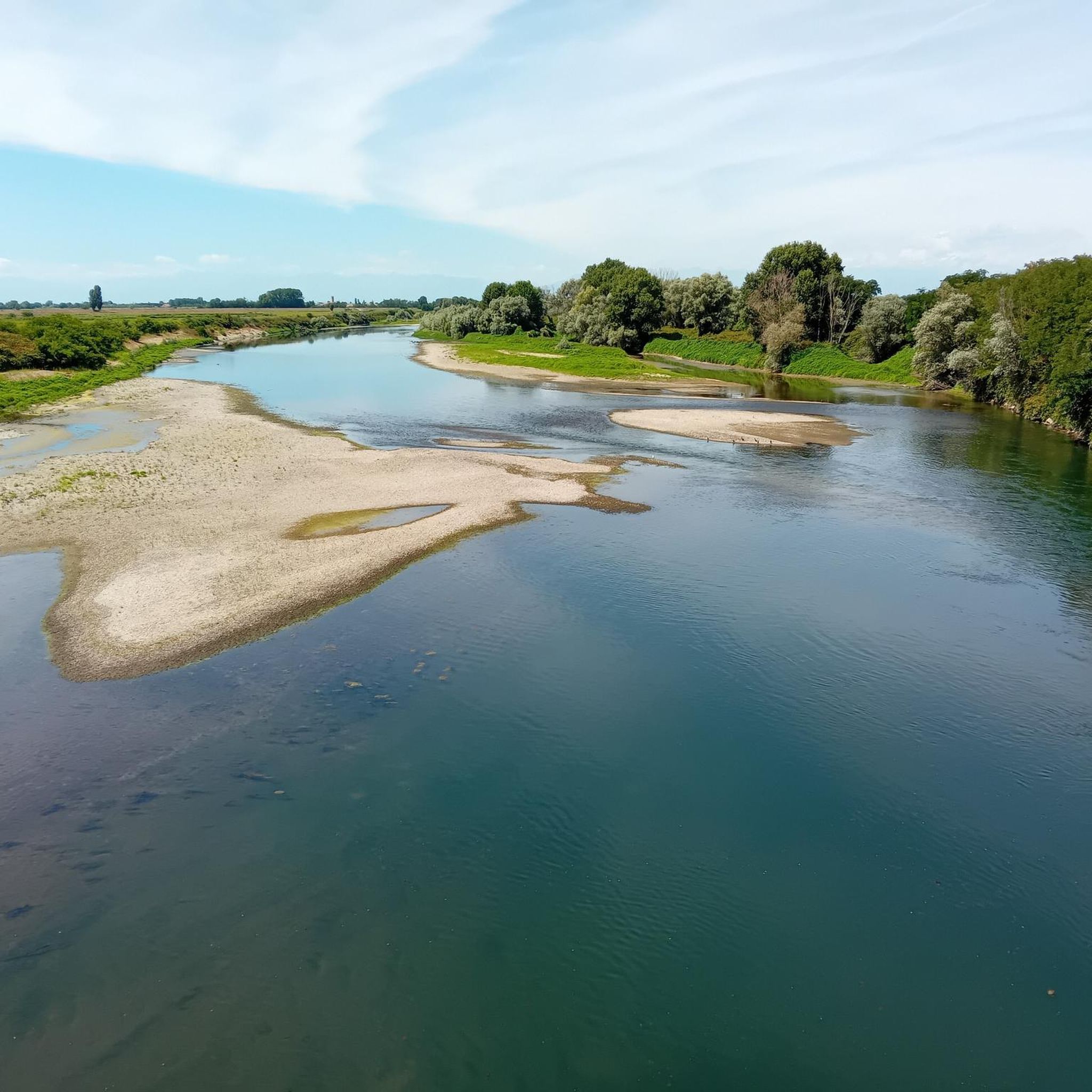
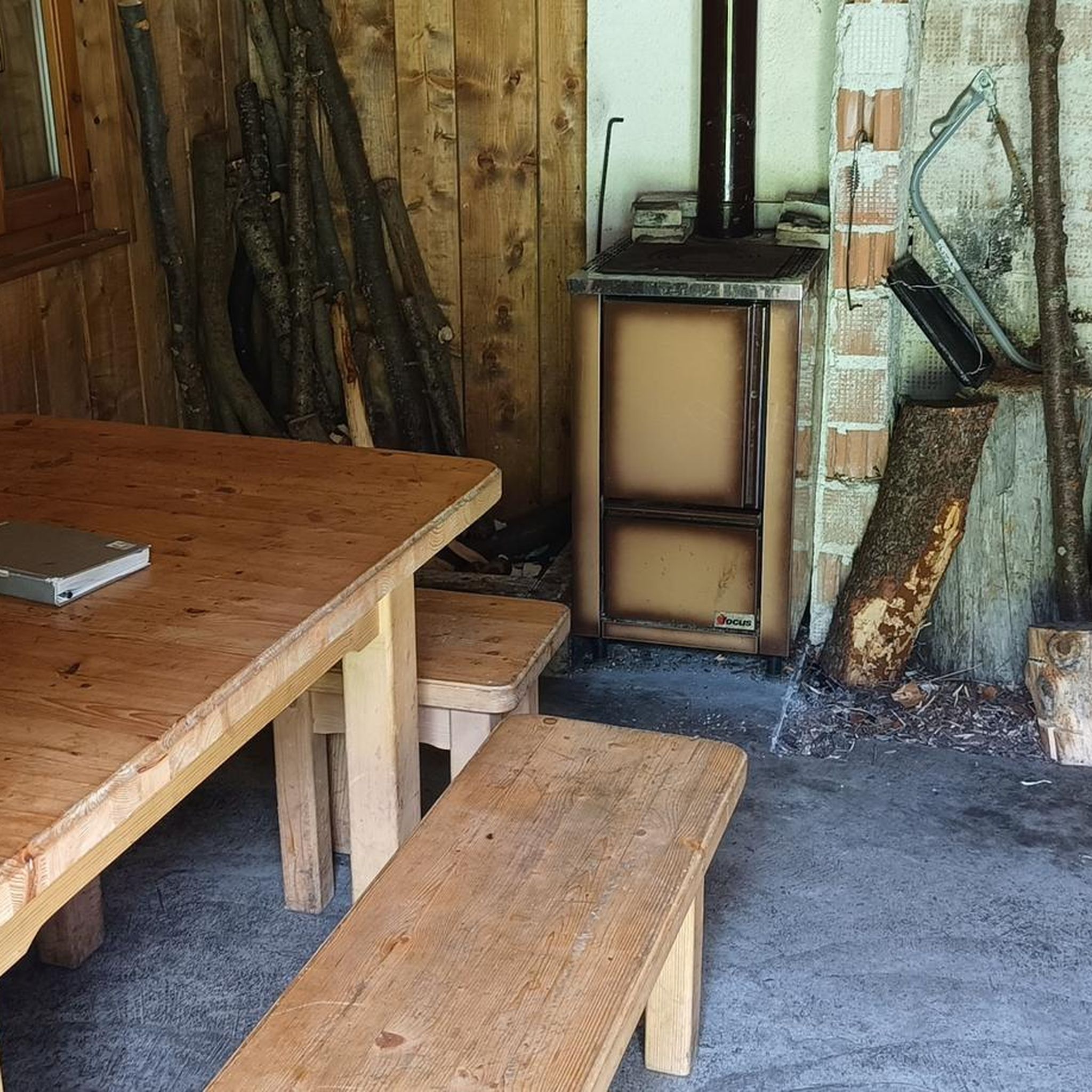
Tips from the Community

On the edge of a natural terrace of the Sesia river, in a short side street from Piazza Vodano you can admire the beautiful and solid tower that in ancient times was part of the medieval castle known as Torre dei Visconti, dating from the twelfth century. In compact red bricks, it has a square plan and is crowned by split battlements resting on a triple motif of sawtooth stones. In ancient times, a few small windows on either side served as light connections. The building was probably connected to the early medieval castrum of which traces have been lost: documents dating from the eleventh and thirteenth centuries indicate the fortified complex "Castro della torre".
6
0
Castello di Robbio is a historic castle located in Robbio, Lombardy, Italy. The castle dates back to the Middle Ages and is an intriguing architectural gem. I have already admired it.
6
0


The medieval complex, dating back to the 12th century, is today a place open to art, solidarity and events, both public and private. Castello Isimbardi is an impressive 12th century building surrounded by a splendid park. The castle offers about a thousand square meters of visits and is home to exhibitions and events as well as an ideal location for weddings and private parties. Weddings, corporate events, private events, exhibitions, conferences, courses CONTACT US Mobile: 0384 296584 Toll Free: (+1) 800 123 456 info@castelloisimbardi.it
15
0

Medieval Lombard castle of Castello d'Agogna
2
0
A well-known building in Lomellina, thanks also to its use as the seat of the "Mondo X" community a few decades ago, it dates back to the 11th century, making it one of the oldest fortified buildings in the area. However, it was then completely transformed, or even rebuilt, in the Visconti era, more precisely around 1350. The addition, or at least the arrangement, of the ravelin, on the other hand, almost certainly dates back to the Sforza period (1467). On the course of the Sesia, Cozzo was endowed with a strong castle, rebuilt by the Milanese in 1214 and rebuilt in the 15th century, when it became the possession of the Gallarati family. On this occasion it was equipped with two drawbridges, a high tower, a Ghibelline battlements, which still crown the building, and numerous internal embellishments such as terracotta moldings and graffiti frescoes. The works were not yet finished when, in September 1499, the castle even hosted the King of France Louis XII, who led his army towards Milan. The event is also remembered in an internal fresco.
14
0
Frequently Asked Questions
What historical sites and castles can I explore near Langosco?
The Lomellina region around Langosco offers several historical castles. You can visit Robbio Castle, an intriguing medieval architectural gem. Another significant site is Monferrato Castle (Castello del Monferrato), known for its unique hexagonal shape. Don't miss Gallarati-Scotti Castle in Cozzo, which dates back to the 11th century, or Castello Isimbardi, a 12th-century complex. The Torre dei Visconti also offers a glimpse into the area's medieval past.
Are there any remnants of the original castle in Langosco itself?
Yes, within Langosco, you can find the **Torre di Langosco**. This tower is believed to be a remnant of a castle that stood there as early as the 12th century. The original castle was largely destroyed by a flood in the 16th century, leaving only this tower, which was later transformed and is now a private residence.
What is unique about Monferrato Castle?
Monferrato Castle (Castello del Monferrato) was ordered to be built by Giovanni II Paleologo, Marquis of Monferrato. It was later strengthened with new military techniques, resulting in its distinctive hexagonal shape, which you can still see today.
What can I expect when visiting Gallarati-Scotti Castle in Cozzo?
Gallarati-Scotti Castle in Cozzo is one of the oldest fortified buildings in the Lomellina area, dating back to the 11th century. It was rebuilt in the 15th century and features Ghibelline battlements, two drawbridges, a high tower, and internal embellishments like terracotta moldings and graffiti frescoes. King Louis XII of France even stayed there in 1499.
Are there family-friendly castles around Langosco?
Yes, Castello Isimbardi is a family-friendly option. This impressive 12th-century complex is surrounded by a splendid park and hosts various events and exhibitions, making it suitable for visitors of all ages.
What outdoor activities can I do near these castles?
The area around Langosco is great for cycling. You can find numerous routes for different types of bikes. For example, there are many cycling routes, including easy loops like the 'Church of Rivoltella, Rosasco – Robbio Castle loop from Robbio'. If you prefer off-road adventures, explore the gravel biking trails, or enjoy the road cycling routes through the Monferrato Hills.
What is the best time to visit the castles around Langosco?
The best time to visit the castles in the Lomellina region is generally during the spring (April to June) and autumn (September to October) months. The weather is typically mild and pleasant for exploring historical sites and enjoying outdoor activities like cycling, avoiding the heat of summer and potential chill of winter.
Are there any castles or historical buildings related to the Langosco family?
While the Torre di Langosco is a remnant of a castle in Langosco itself, the prominent Langosco family also built the Palazzo Langosco Orlandi in Pavia. This is a significant historical building, though it is a palace rather than a traditional castle and is located in the city of Pavia, not Langosco.
What do visitors enjoy most about the castles around Langosco?
Visitors appreciate the historical depth and architectural variety of the castles. Many enjoy discovering the stories behind structures like Robbio Castle and the unique design of Monferrato Castle. The blend of ancient history with the opportunity for outdoor activities in the surrounding flat terrain also makes the region appealing.
Are there any castles near Langosco that are particularly well-preserved or restored?
While many castles in the region have undergone transformations over centuries, Gallarati-Scotti Castle in Cozzo is notable for its 15th-century rebuilding, which added Ghibelline battlements and internal embellishments that are still visible today. Castello Isimbardi is also a well-maintained medieval complex that now hosts public and private events.
Can I find cafes or restaurants near the castles?
While specific cafes directly adjacent to every castle might be limited, the towns and municipalities where these castles are located, such as Robbio, Cozzo, and Casale Monferrato (near Monferrato Castle), offer various dining options. You'll find cafes, restaurants, and accommodation in these local centers to refresh during your visit.
Most popular routes around Langosco
Most popular attractions around Langosco

Get inspired with the komoot mobile app


Explore more
Looking for the best castles somewhere else? Discover other guides around Langosco:
