Top 5 Castles around Sali Vercellese
Castles around Sali Vercellese offer a glimpse into the region's rich history and architectural evolution. Sali Vercellese, a small town in the province of Vercelli, is known for its historical structures, including the Castello di Sali Vercellese. This area, situated on the Via Francigena, provides cultural and natural itineraries for visitors. The landscape features agricultural plains, contributing to the historical context of these fortifications.
Best castles around Sali Vercellese
- The most popular castles is Elvo Castle, a castle that…
Last updated: July 13, 2026
Visconti Castle
Highlight • Castle
Translated by Google •
Tip by

Desana Castle and Town Hall
Highlight • Castle
Translated by Google •
Tip by

Sign up now to discover places like this
Get recommendations on the best single tracks, peaks, & plenty of other exciting outdoor places.
Sign up for free
Lignana
Highlight • Settlement
Translated by Google •
Tip by

Desana Gravel Route and Castle
Highlight (Segment) • Cycleway
In Desana, next to the Church, a small fountain useful for refilling water
Translated by Google •
Tip by

Start today with a free account
Your next adventure awaits.
Login or Signup

Tips from the Community

The Visconti Castle in Vercelli, Italy, is a medieval castle that stands proudly in the heart of the city. Built at the end of the 13th century, the castle has undergone several transformations over the years. Today it serves as the seat of the Tribunal of Vercelli. The original design, attributed to Matteo Visconti, follows the classic pattern of the Visconti castles of the Lombardy plains: square, with towers at each corner, two entrances on opposite sides, and an inner courtyard. In addition to serving as a symbol of Visconti power over Vercelli, the castle also strengthened the city walls on the south side. Over time, the castle fell into disrepair, but was restored and adapted for various purposes. During the Franco-Spanish War in the 17th century, the castle was damaged during the Spanish siege of 1638. It served as a residence for the governors of Vercelli during the Napoleonic era and later housed the prison. Further restorations were carried out in the 20th century, allowing the castle to regain its original grandeur. Today the castle can only be admired from the outside and is used internally only for official state functions.
6
0

10th century castle, now private for receptions and events. In the Castle Square there is the Town Hall (the building looks like a small church with a clock), on the ground floor there is the post office but above all there is a fountain with fresh water even in August
0
0
The detour to Desana allows for a route up to the village on a gravel road. Very nice. In Desana, next to the Church, a small fountain useful for refilling water
1
0

Among the monuments, the city castle stands out, the first records of which date back to the year 1034.
18
0
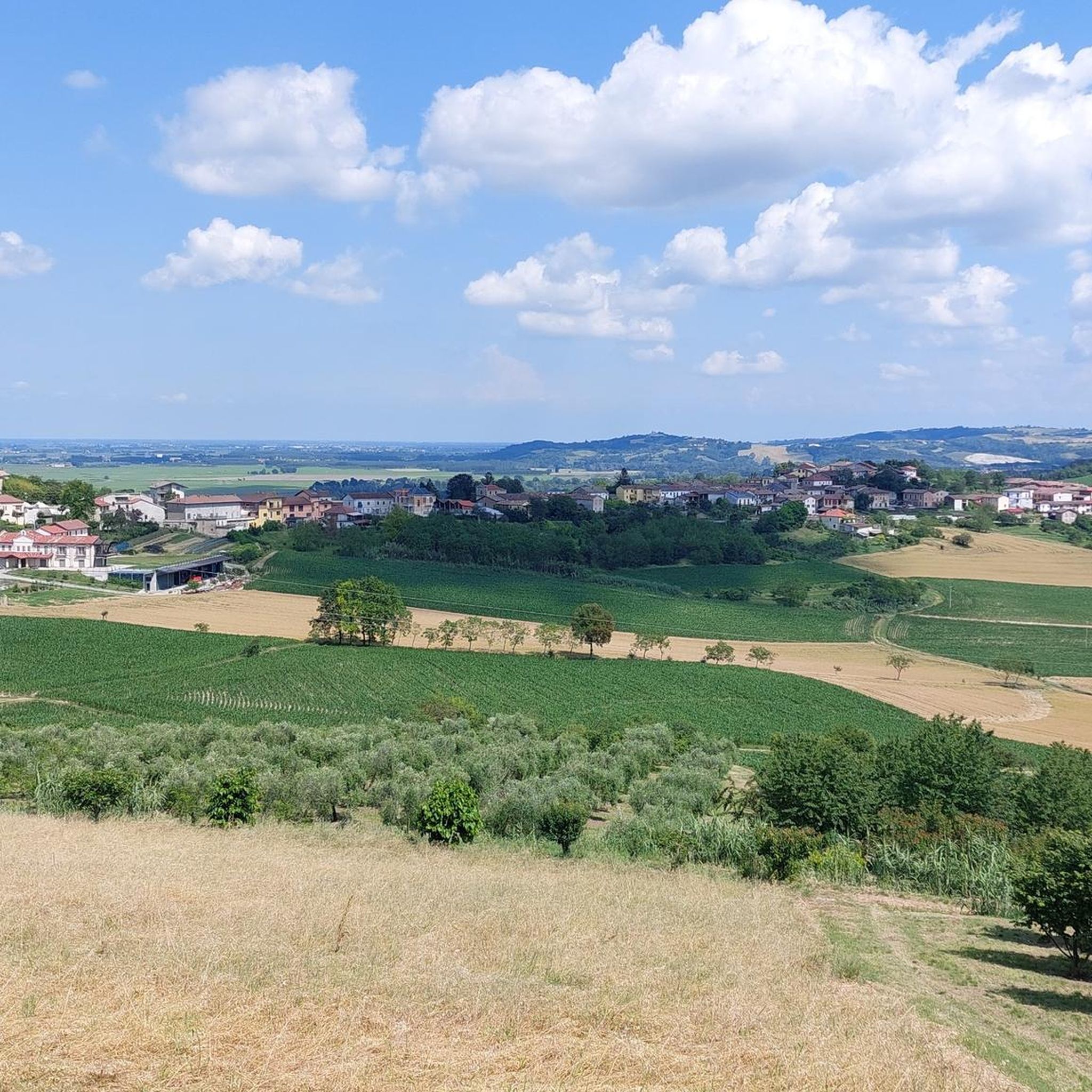
A small community on the plain, of ancient origin, probably Roman, it bases its economy on traditional agricultural activity accompanied by a growing development of related tourism.
20
0

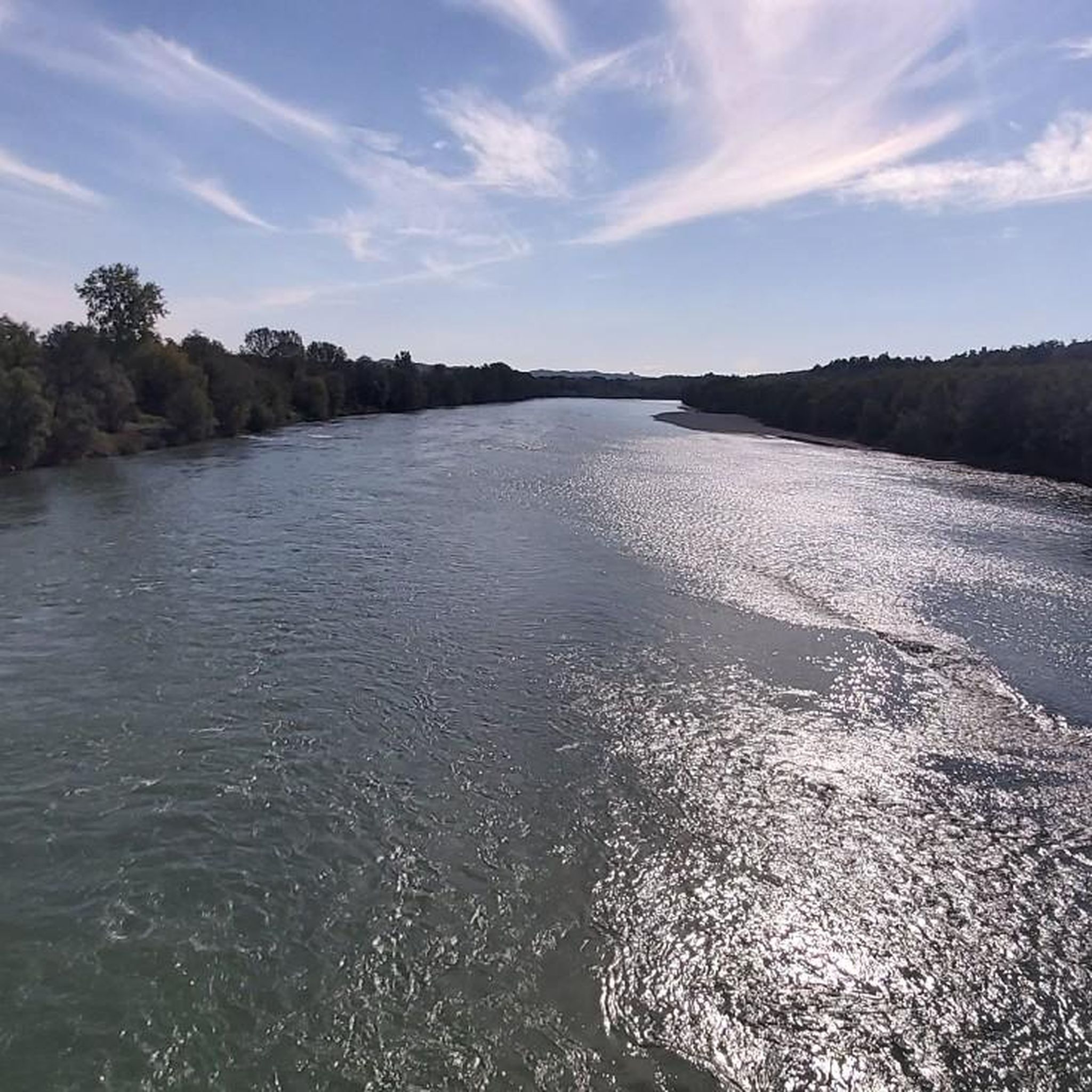
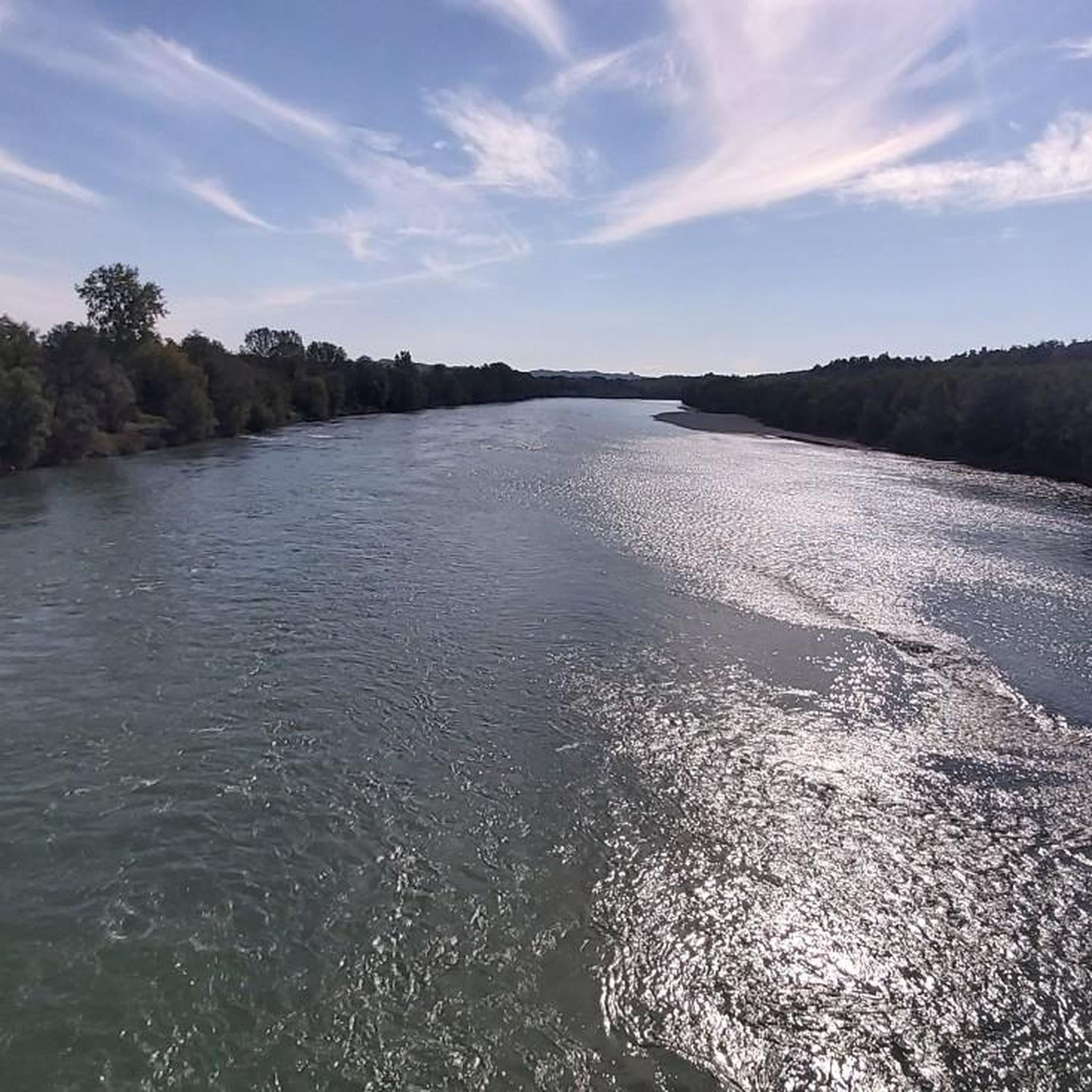
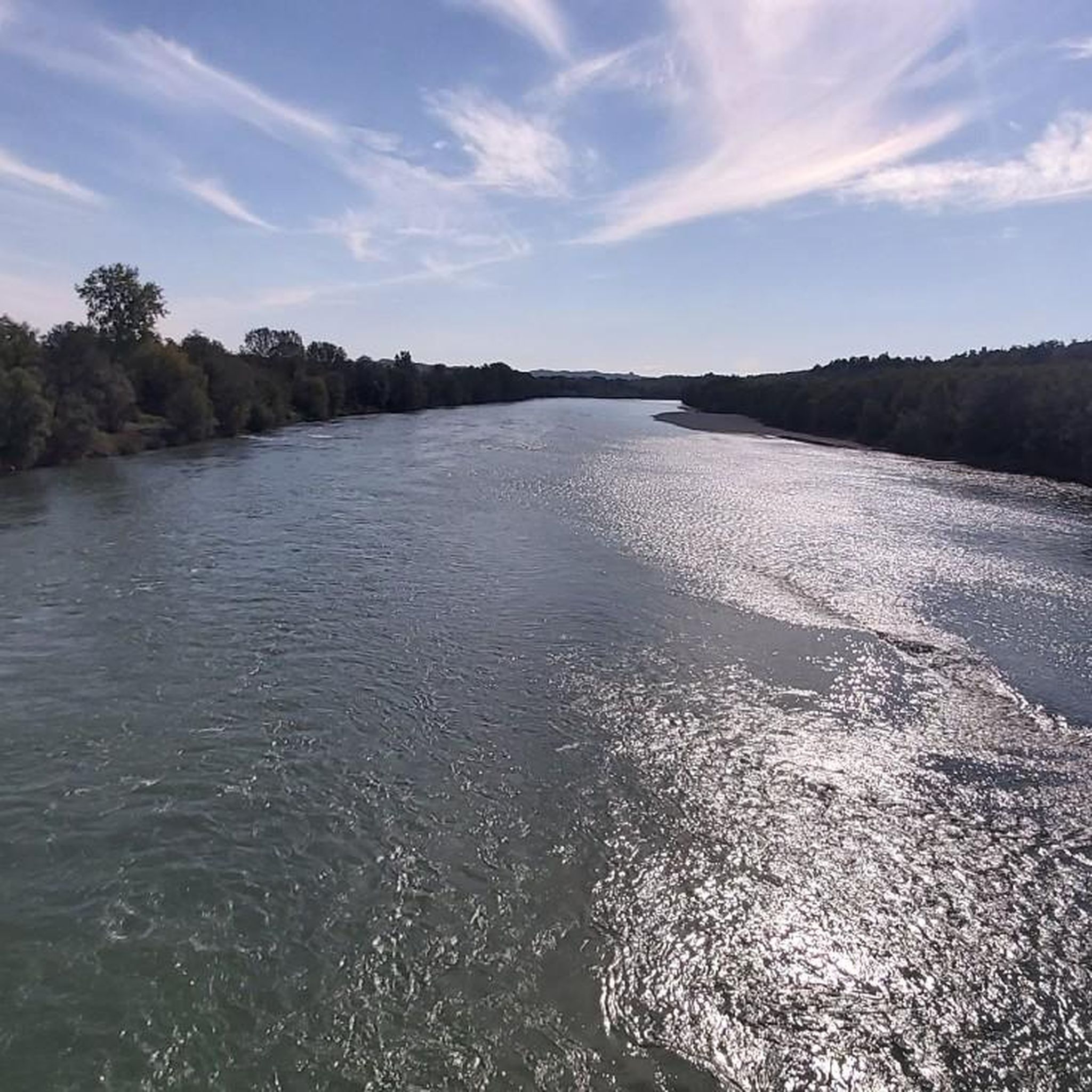
There are feelings of peace and silence.
0
0
Frequently Asked Questions
What is the history of the Castello di Sali Vercellese?
The Castello di Sali Vercellese has a rich history, with its earliest mention dating back to 1268. It originally functioned as a 'ricetto,' a fortified enclosure for protecting agricultural products, rather than a military stronghold. Over centuries, it endured conflicts and was damaged, notably in 1704 by French troops. By the 17th century, it was reduced to a farmhouse. A significant restoration in 1910 by Eusebio Saviolo, with architects Luigi Broggi and Cesare Nava, transformed it, though its original medieval layout remains.
Can I visit the Castello di Sali Vercellese?
The Castello di Sali Vercellese is currently a private residence and agricultural estate. Due to its private ownership, it is generally not open to the public for tours, meaning direct visits to explore its interiors or grounds are typically not possible.
What other historical castles can I see near Sali Vercellese?
Beyond the Castello di Sali Vercellese, you can explore other historical sites. Elvo Castle served as a shelter for the town's population and agricultural goods. The Desana Castle and Town Hall, a 10th-century castle, is now privately used for receptions. You can also find the ancient settlement of Lignana, which features a city castle first recorded in 1034.
Are there any castles that are open to the public for tours?
Many of the castles in the Sali Vercellese area, including the Castello di Sali Vercellese and the Desana Castle, are privately owned and not generally open for public tours. The Visconti Castle in Vercelli, for example, serves as the seat of the Tribunal and can only be admired from the outside.
What makes Elvo Castle unique?
Elvo Castle is notable for its historical function as a 'Casanova Castle,' which dominated the center of its small town. It served as a vital shelter for the local population, agricultural equipment, and crops, highlighting its role in the community's survival and economy.
What can I expect when visiting Desana Castle?
When visiting Desana Castle, you'll observe a 10th-century structure that is now privately used for receptions and events. While you can't typically tour the interior, the Castle Square features the Town Hall and a fountain with fresh water, even in August, offering a peaceful atmosphere.
What is the Visconti Castle in Vercelli used for today?
The Visconti Castle in Vercelli, a medieval castle built in the late 13th century, now serves as the seat of the Tribunal of Vercelli. While it has undergone several transformations and restorations, it can primarily be admired from the outside, with internal use reserved for official state functions.
What is the best time of year to visit the castles around Sali Vercellese?
The best time to visit the castles and explore the surrounding area is generally during the spring (April to June) and autumn (September to October) months. The weather is typically mild and pleasant for outdoor activities like hiking and cycling, and the agricultural plains offer scenic views.
Are there family-friendly activities near the castles?
Yes, the region offers family-friendly options. The area around Desana Castle and Town Hall is tagged as family-friendly, and the presence of fountains and open squares can be pleasant for families. Additionally, the flat agricultural terrain makes many of the nearby cycling and hiking routes suitable for families.
Are there hiking opportunities near the castles around Sali Vercellese?
Yes, there are several hiking opportunities near the castles. You can find various routes, including easy options like the 'Cathedral of Saint Eusebius – Amedeo Avogadro Monument loop' or the 'Former Church of Saint Victor – Fountain loop.' For more details and route options, explore the Hiking around Sali Vercellese guide.
Can I go cycling near the castles?
Absolutely. The Sali Vercellese area, known for its agricultural plains, is well-suited for cycling. You can find routes like 'Pedalling among the paddies – Vercelli and Bianzè loop' or easier options such as the 'Historic Center of Vercelli – Vercelli Tree-Lined Cycle Path loop.' For more cycling routes, check out the Cycling around Sali Vercellese guide.
What kind of terrain can I expect on trails around Sali Vercellese?
The terrain around Sali Vercellese is characterized by agricultural plains, making most trails relatively flat and easy to navigate. You can expect gravel roads, paved paths, and dirt tracks, particularly if you venture onto routes like the 'Desana Gravel Route and Castle' highlight. This flat landscape is ideal for leisurely walks and cycling.
Most popular routes around Sali Vercellese
Most popular attractions around Sali Vercellese

Get inspired with the komoot mobile app


Explore more
Looking for the best castles somewhere else? Discover other guides around Sali Vercellese:
