Top 9 Castles around Confienza
Castles around Confienza are primarily found in the surrounding Lomellina region, reflecting a rich historical landscape. Confienza itself, a former Roman village, is characterized by its rural setting and the Gothic architecture of the Chiesuola (Madonna del Carmine) church. While historical records indicate periods of rule by powerful families like the Visconti and Sforza, prominent standing castles within the immediate municipality are not widely recognized. The broader area, however, offers a glimpse into medieval fortifications and historical residences.
Best castles…
Last updated: November 13, 2026
Visconti-Sforza Castle (Novara)
Highlight • Castle
Translated by Google •
Tip by

Villanova, a small hamlet of Cassolnovo
Highlight • Settlement
Translated by Google •
Tip by

Sign up now to discover places like this
Get recommendations on the best single tracks, peaks, & plenty of other exciting outdoor places.
Nibbiola Castle
Highlight • Castle
Translated by Google •
Tip by

Monticello Village and Church
Highlight • Settlement
Translated by Google •
Tip by

Villanova Castle
Highlight • Castle
Translated by Google •
Tip by

Sign up for free to discover even more castles around Confienza.
Already have an account?
Start today with a free account
Your next adventure awaits.

Tips from the Community

The Visconti-Sforza Castle of Novara is a castle located in the south-western border of the old center of Novara. It was erected on the former corner of the Roman and Middle Age walls that surrounded the city. The origin of the castle is connected to the transfer of Novara under the influence of Milan, taking place in the second half of the 13th century. In 1272 Francesco Della Torre (member of the family ruler of Milan), after taking over the city, ordered the construction of a fortification on the site belonged to the Tettoni family. In the 14th century, after the exchange of the ruling families from the Della Torre to the Visconti, the Lord of Milan Giovanni Visconti (1339-1354) paid again attention to Novara and had the castle built. The castle was strengthened by his successors Galeazzo II (1354-1378) and Gian Galeazzo (1378-1402). Works and repairs were done over the years by Francesco Sforza. His son, the duke Galeazzo Maria, carried out the major transformation of the building. https://en.wikipedia.org/wiki/Visconti-Sforza_Castle_(Novara)
0
0

Place of cultural, historical, architectural and tourist interest Via del Castello, 5, 27023 Villanova PV
1
0
Place of historical, cultural, architectural and tourist interest Via Giacomo Matteotti, 3, 28070 Nibbiola NO https://www.comune.nibbiola.no.it/it-it/vivere-il-comune/cosa-vedere/castello-dei-tornielli-sec-xvi-1508-1-7e9642c99f50bcd94c59251ea96c529b
1
0

Novara Castle is located in the city center
0
0

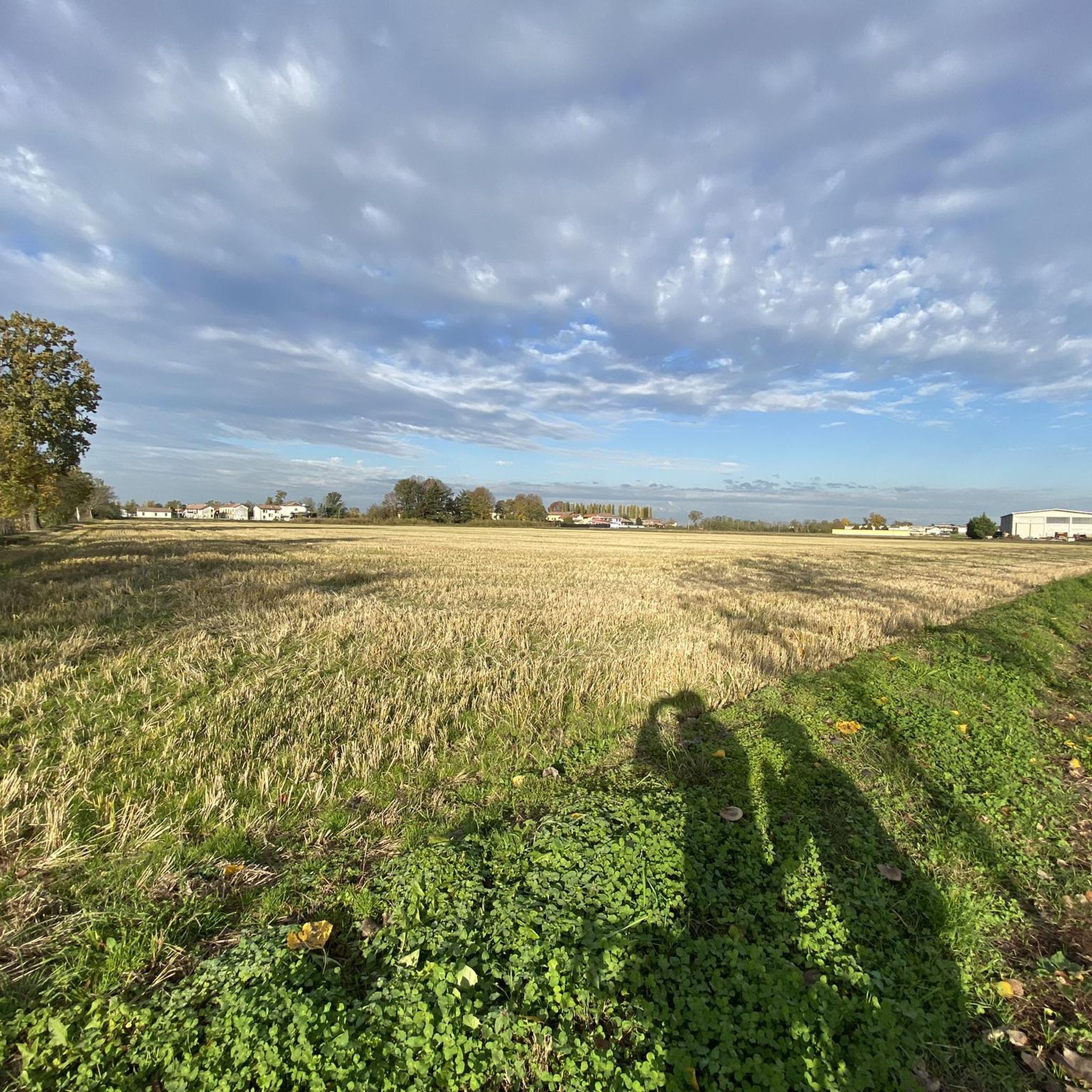
Small, very quiet hamlet, characterised by an ancient castle!
0
0
Once you reach Monticello, either by dirt road or by road, you can take a break right in front of the church and the old castle!!! In fact, we find a column for bike maintenance next to a fountain
0
0

The Parish Church, dedicated to Saints Gervasio and Protasio, was consecrated by Bishop Carlo Bascapè on 6 May 1608, as evidenced by a plaque walled inside, to the left of the presbytery. Currently the facade has two niches with statues of the titular saints.
0
0
There is evidence of the presence of a fortification in the village of Nibbiola as early as 1198. Located in the center of the village, in a slightly elevated position, the current castle dates back to the 15th century and shows traces of partial renovations carried out in the 18th century. It is entirely built of brick and after the radical renovation in the 18th century it was transformed into a private residence.
1
0
Frequently Asked Questions
Are there any castles directly within Confienza?
Confienza itself, while historically significant as a Roman village, does not have prominent standing castles that are widely recognized as worth visiting today. The area is more noted for its rural character and the Gothic architecture of the Chiesuola (Madonna del Carmine) church. The castles mentioned in this guide are primarily found in the surrounding Lomellina region.
What are some of the most historically significant castles near Confienza?
The region boasts several castles with rich histories. The Visconti-Sforza Castle (Novara), for instance, was originally a 13th-century fortification and now serves as a museum complex. Nibbiola Castle dates back to the 15th century with evidence of even older fortifications from 1198.
Are there any family-friendly castles to visit around Confienza?
Yes, several castles in the area are considered family-friendly. The Visconti-Sforza Castle (Novara) is categorized as family-friendly and offers a museum experience. The hamlet of Villanova, which includes a historical castle, is also listed as family-friendly, offering a glimpse into medieval rural fortifications.
What kind of outdoor activities can I do near these castles?
The area around Confienza and its castles offers various outdoor activities, especially cycling. You can explore numerous routes for road cycling, mountain biking, and general touring. For example, there are easy road cycling loops like the 'Monticello Village and Church – Novara Countryside Roads loop' or moderate MTB trails such as the 'Villanova Castle – Lago dell’Olmo, Tornaco loop'. You can find more details on these and other routes in the Road Cycling Routes around Confienza, MTB Trails around Confienza, and Cycling around Confienza guides.
Can I visit a castle that has been transformed into a private residence?
Yes, Nibbiola Castle, located in the center of Nibbiola village, was transformed into a private residence after 18th-century renovations. While it offers historical and architectural interest, access might be limited as it is no longer a public attraction in the traditional sense.
Are there any castles near Confienza that are particularly noted for their architecture?
The castles in the region showcase various architectural styles reflecting different historical periods. The Villanova Castle, for example, is a typical rural fortification from the Visconti-Sforza period, with a square layout, central courtyard, and corner towers. It still retains crenellations and traces of a drawbridge on its entrance tower.
What is the best way to explore the area around Confienza's castles?
Exploring by bicycle is a popular option, with many routes available for different skill levels. The transition from asphalt roads to gravel, as noted near Villanova Castle, suggests a mix of terrain suitable for various cycling experiences. Walking routes are also available, allowing for a closer look at the historical sites and natural features of the Lomellina region.
What kind of historical context do these castles provide?
The castles around Confienza offer insights into the region's rich history, including periods under the Bishop of Vercelli, the lords of Robbio, Pavia, and influential Italian families like the Visconti and Sforza. They reflect the strategic importance of the area and the architectural evolution of fortifications from the 13th to the 15th centuries and beyond, often undergoing transformations into residences or public spaces.
Are there any castles that also function as cultural centers or museums?
Yes, the Visconti-Sforza Castle (Novara) is a prime example. Originally a fortification, it now serves as a museum complex and houses various associations dedicated to promoting the territory's culture and history.
What do visitors particularly enjoy about the castles and surrounding area?
Visitors appreciate the historical, cultural, and architectural interest offered by these sites. The komoot community has shared over 25 photos and given more than 35 upvotes, highlighting the appeal of exploring these historical fortifications, rural castles, and renovated private residences, often combined with outdoor activities like cycling through the picturesque Lomellina region.
Are there any specific villages or hamlets near Confienza known for their historical significance related to castles?
The hamlet of Villanova, a small fraction of Cassolnovo, is particularly notable. It features a historical castle where Ludovico il Moro is said to have been born, dating back to the 14th century and later restored by the Gonzagas of Mantua.
Most popular routes around Confienza
Most popular attractions around Confienza

Get inspired with the komoot mobile app


Explore more
Looking for the best castles somewhere else? Discover other guides around Confienza:
