Top 8 Castles around Vespolate
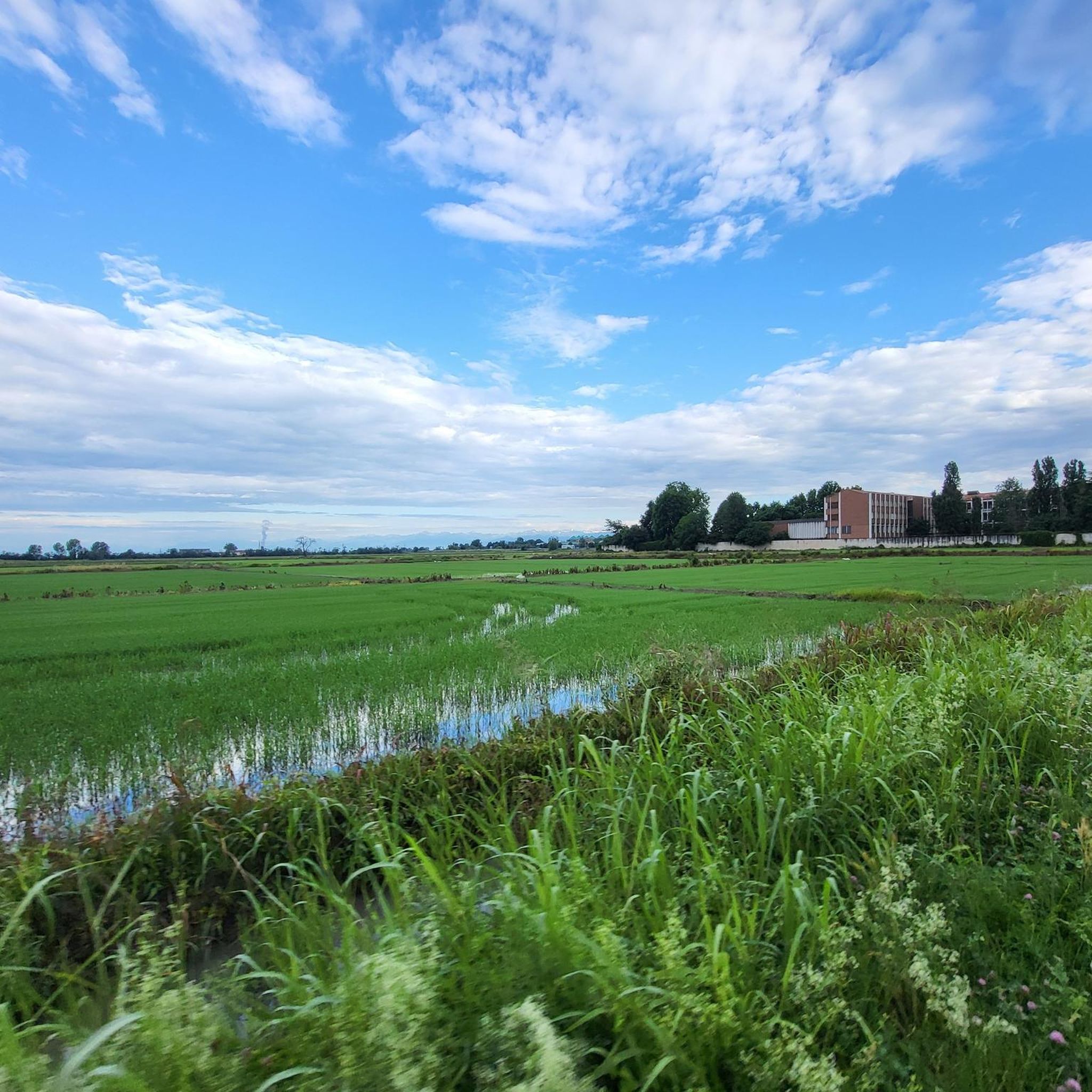
Castles around Vespolate are found in the province of Novara, Italy, an area known for its historical fortifications and agricultural landscape. The region features medieval buildings, some dating back to the 11th century, often set amidst rice fields. These landmarks offer insights into the area's rich past and architectural heritage. Vespolate and its surroundings provide a blend of historical sites and natural scenery.
Best castles around Vespolate
- The most popular castles is Nibbiola Castle, a castle that shows traces…
Last updated: May 2, 2026
Visconti-Sforza Castle (Novara)
Highlight • Castle
Translated by Google •
Tip by

Villanova, a small hamlet of Cassolnovo
Highlight • Settlement
Translated by Google •
Tip by

Sign up now to discover places like this
Get recommendations on the best single tracks, peaks, & plenty of other exciting outdoor places.
Sign up for free
Nibbiola Castle
Highlight • Castle
Translated by Google •
Tip by

Monticello Village and Church
Highlight • Settlement
Translated by Google •
Tip by

Villanova Castle
Highlight • Castle
Translated by Google •
Tip by

Sign up for free to discover even more castles around Vespolate.
Sign up for free
Already have an account?
Start today with a free account
Your next adventure awaits.
Login or Signup

Tips from the Community

The Visconti-Sforza Castle of Novara is a castle located in the south-western border of the old center of Novara. It was erected on the former corner of the Roman and Middle Age walls that surrounded the city. The origin of the castle is connected to the transfer of Novara under the influence of Milan, taking place in the second half of the 13th century. In 1272 Francesco Della Torre (member of the family ruler of Milan), after taking over the city, ordered the construction of a fortification on the site belonged to the Tettoni family. In the 14th century, after the exchange of the ruling families from the Della Torre to the Visconti, the Lord of Milan Giovanni Visconti (1339-1354) paid again attention to Novara and had the castle built. The castle was strengthened by his successors Galeazzo II (1354-1378) and Gian Galeazzo (1378-1402). Works and repairs were done over the years by Francesco Sforza. His son, the duke Galeazzo Maria, carried out the major transformation of the building. https://en.wikipedia.org/wiki/Visconti-Sforza_Castle_(Novara)
0
0

Place of cultural, historical, architectural and tourist interest Via del Castello, 5, 27023 Villanova PV
1
0
Place of historical, cultural, architectural and tourist interest Via Giacomo Matteotti, 3, 28070 Nibbiola NO https://www.comune.nibbiola.no.it/it-it/vivere-il-comune/cosa-vedere/castello-dei-tornielli-sec-xvi-1508-1-7e9642c99f50bcd94c59251ea96c529b
1
0

Novara Castle is located in the city center
0
0

Small, very quiet hamlet, characterised by an ancient castle!
0
0
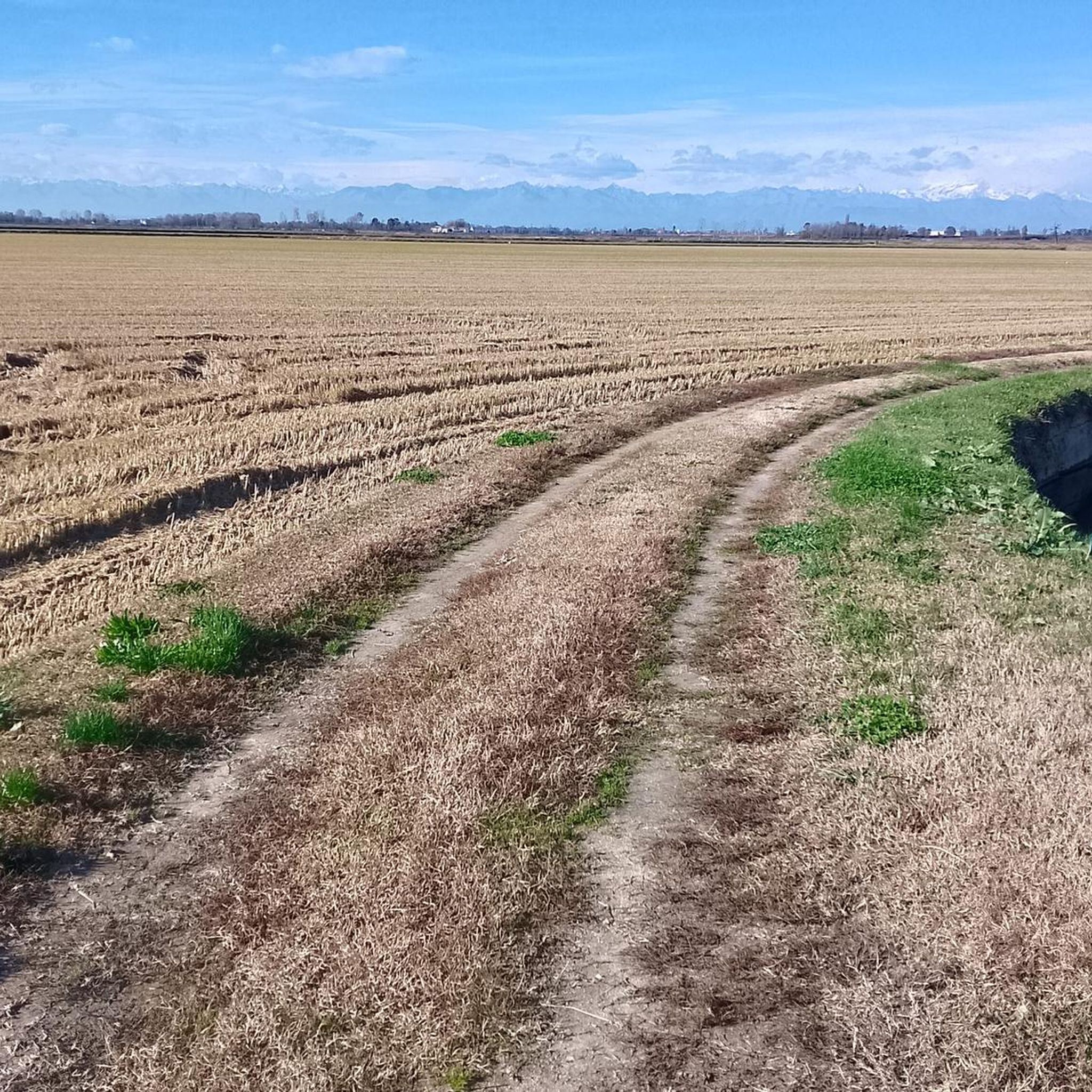
Once you reach Monticello, either by dirt road or by road, you can take a break right in front of the church and the old castle!!! In fact, we find a column for bike maintenance next to a fountain
0
0

The Parish Church, dedicated to Saints Gervasio and Protasio, was consecrated by Bishop Carlo Bascapè on 6 May 1608, as evidenced by a plaque walled inside, to the left of the presbytery. Currently the facade has two niches with statues of the titular saints.
0
0
There is evidence of the presence of a fortification in the village of Nibbiola as early as 1198. Located in the center of the village, in a slightly elevated position, the current castle dates back to the 15th century and shows traces of partial renovations carried out in the 18th century. It is entirely built of brick and after the radical renovation in the 18th century it was transformed into a private residence.
1
0
Frequently Asked Questions
What is the historical significance of castles in the Vespolate area?
The castles around Vespolate, located in the province of Novara, Italy, are deeply rooted in medieval history. Many, like the Castello di Vespolate, date back to the early Middle Ages, with origins possibly as early as the 11th century. They reflect centuries of regional history, having passed through the hands of prominent families such as the Sforza and Farnese, and often served as strategic fortifications amidst the agricultural landscape.
Can I visit the Castello di Vespolate?
The episcopal fortress portion of the Castello di Vespolate is privately owned and not generally open to the public for tours. However, other parts of the complex are integrated with the town and are accessible. The castle is known for hosting various events, and its elegant interiors and well-kept gardens are often enjoyed by guests during these occasions.
What are some notable architectural features of the Castello di Vespolate?
The Castello di Vespolate, largely constructed between the 14th and 16th centuries, features rooms adorned with brick vaults, stone columns, or coffered ceilings. It also boasts a large room with ancient terracotta floors and an extensive, well-maintained garden. Historically, it was surrounded by a moat and accessed via a drawbridge, contributing to its distinctive and slender profile amidst the rice fields.
Are there family-friendly castles to visit around Vespolate?
Yes, several castles in the area are considered family-friendly. For instance, Visconti-Sforza Castle (Novara), Villanova, a small hamlet of Cassolnovo (which includes a castle), and Nibbiola Castle are all categorized as family-friendly, offering historical exploration suitable for all ages.
What is the best time of year to visit castles near Vespolate?
The best time to visit castles near Vespolate is typically during the spring (April to June) and early autumn (September to October). During these months, the weather is generally mild and pleasant, making it ideal for exploring historical sites and enjoying the surrounding natural scenery without the intense heat of summer or the chill of winter.
What outdoor activities can I do near these castles?
The area around Vespolate offers various outdoor activities. You can find numerous routes for running, mountain biking, and gravel biking. For example, there are running loops from Torrion Quartara and Nibbiola, and MTB trails like the 'Gravel Road Between Rice Fields – Lanca del Lupo loop'. You can explore more options on the Running Trails around Vespolate, MTB Trails around Vespolate, and Gravel biking around Vespolate guide pages.
Are there hiking or walking trails near the castles?
While specific hiking trails directly to castles are not detailed, the region's flat terrain, characterized by rice fields, is suitable for easy walks and cycling. You can find various running and gravel biking routes that pass through the countryside, offering opportunities for leisurely walks near historical sites. Check the Running Trails around Vespolate guide for routes that might suit a walk.
Are any castles around Vespolate wheelchair accessible?
Given the medieval origins of most castles in the region, full wheelchair accessibility can be challenging. While some modern renovations might have improved access to certain areas, it's best to check directly with specific sites for their current accessibility provisions, especially for older structures like Nibbiola Castle or Villanova Castle.
What other historical landmarks can I visit near Vespolate?
Beyond the castles, you can explore other historical landmarks such as Monticello Village and Church. This small village just outside Novara features the Parish Church, dedicated to Saints Gervasio and Protasio, consecrated in 1608, offering a glimpse into local religious and architectural history.
What do visitors enjoy most about the castles around Vespolate?
Visitors appreciate the rich historical and architectural significance of the castles, which offer a journey back in time. The blend of medieval structures with the surrounding agricultural landscape, particularly the rice fields, creates a unique and picturesque setting. The elegant interiors and well-maintained gardens of places like the Castello di Vespolate are also highly regarded, especially during events.
Are there any hidden gem castles or less crowded options?
While the Castello di Vespolate itself is a significant local landmark, its private nature means it's not typically crowded with tourists. For a quieter experience, exploring smaller historical sites or the less frequented parts of villages like Villanova, a small hamlet of Cassolnovo, which includes a castle, might offer a more intimate historical encounter away from larger crowds.
Can I find cafes or accommodation near the castles in Vespolate?
Vespolate and its surrounding towns offer local amenities including cafes and accommodation options. While specific facilities directly adjacent to every castle might vary, you can generally find places to eat and stay within a short driving distance in the villages and towns of the Novara province.
Most popular routes around Vespolate
Most popular attractions around Vespolate

Get inspired with the komoot mobile app


Explore more
Looking for the best castles somewhere else? Discover other guides around Vespolate:
