Top 10 Castles around Lessolo
Best castles around Lessolo are located within the Piedmont region, an area known for its historical structures. This region, where Lessolo is situated, features a variety of castles, from medieval fortresses to more recent architectural examples. The landscape, characterized by rolling hills and former vineyards, provides a historical setting for exploration. These sites offer insights into the local past and regional nobility.
Best castles around Lessolo
- The most popular castles is Ivrea Historic Centre and the Dora Baltea Riverside, a historical site that features the silhouette of a 14th-century castle above the city. It is considered the center of the Canavese area and has been included in the UNESCO World Heritage List.
- Another must-see spot is Castello di Pavone Canavese, a castle and historical site. This castle, which resembles a fairy tale structure, is said to bring good luck and love to visitors.
- Visitors also love Montestrutto Castle and Church, a castle built in medieval style on the ruins of a 14th-century structure. The castle is currently an accommodation facility, while the church is deconsecrated.
- Lessolo is known for its medieval fortresses, historical sites, and castles that have been converted into residences or hotels. The area offers a variety of castles to see and explore, reflecting different periods of history and architectural styles.
- The castles around Lessolo are appreciated by the komoot community, with 141 upvotes and 33 photos shared by visitors.
Last updated: June 30, 2026
Ivrea Historic Centre and the Dora Baltea Riverside
Highlight • Historical Site
On the other bank of the Dora, near Via Jervis, the old Olivetti factories have been converted into Musea dell'Architecture Moderna.
Translated by Google •
Tip by

Ivrea Castle
Highlight • Castle
Translated by Google •
Tip by

Sign up now to discover places like this
Get recommendations on the best single tracks, peaks, & plenty of other exciting outdoor places.
Sign up for free
San Martino
Highlight • Settlement
Translated by Google •
Tip by

Montestrutto Castle and Church
Highlight • Castle
Translated by Google •
Tip by

Castello di Pavone Canavese
Highlight • Castle
It looks like the castle of a fairy tale by the Grimm brothers, it owes its present appearance to the important restoration work carried out in 1885 by the architect Alfredo d'Andrade.
Translated by Google •
Tip by

Sign up for free to discover even more castles around Lessolo.
Sign up for free
Already have an account?
Start today with a free account
Your next adventure awaits.
Login or Signup

Tips from the Community

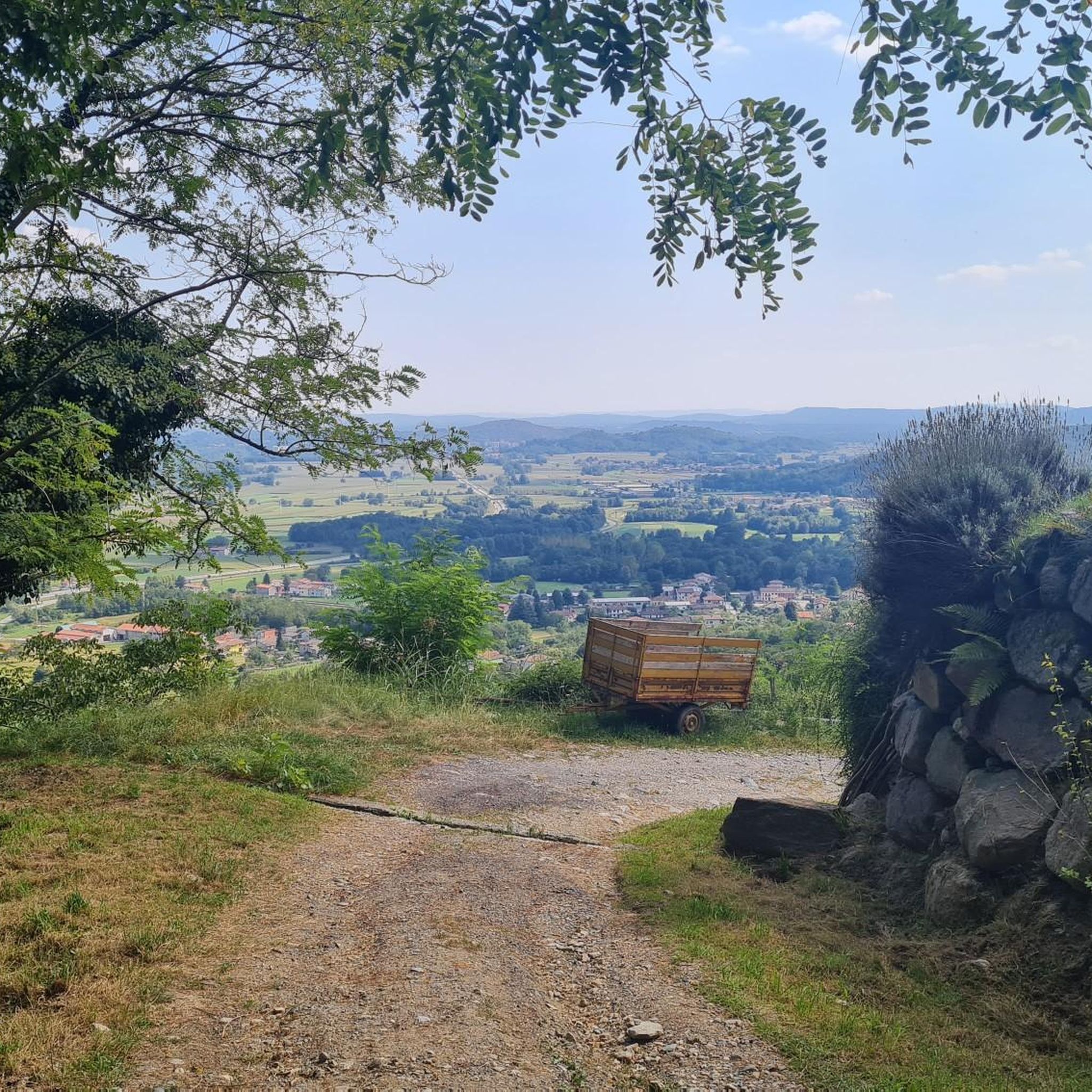
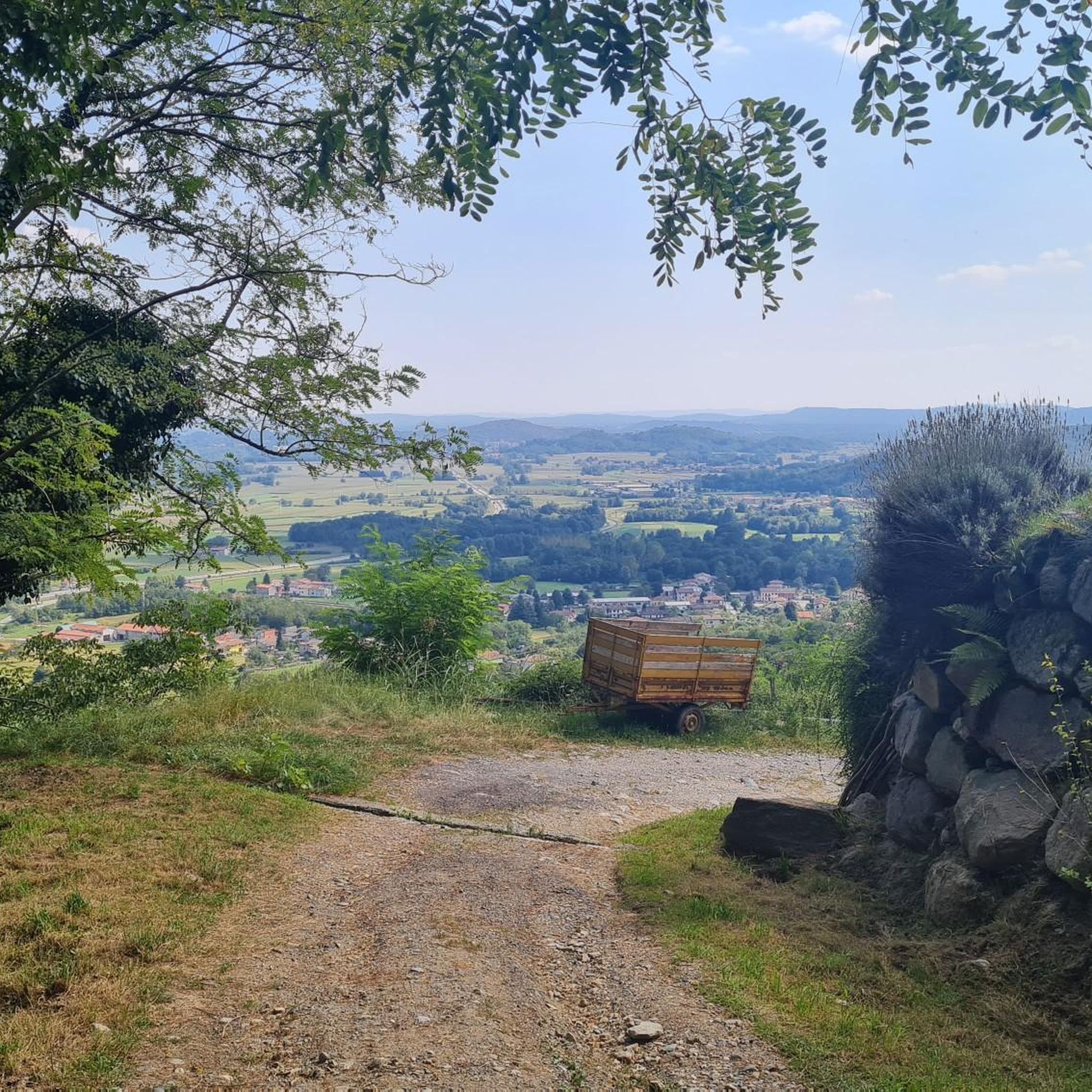
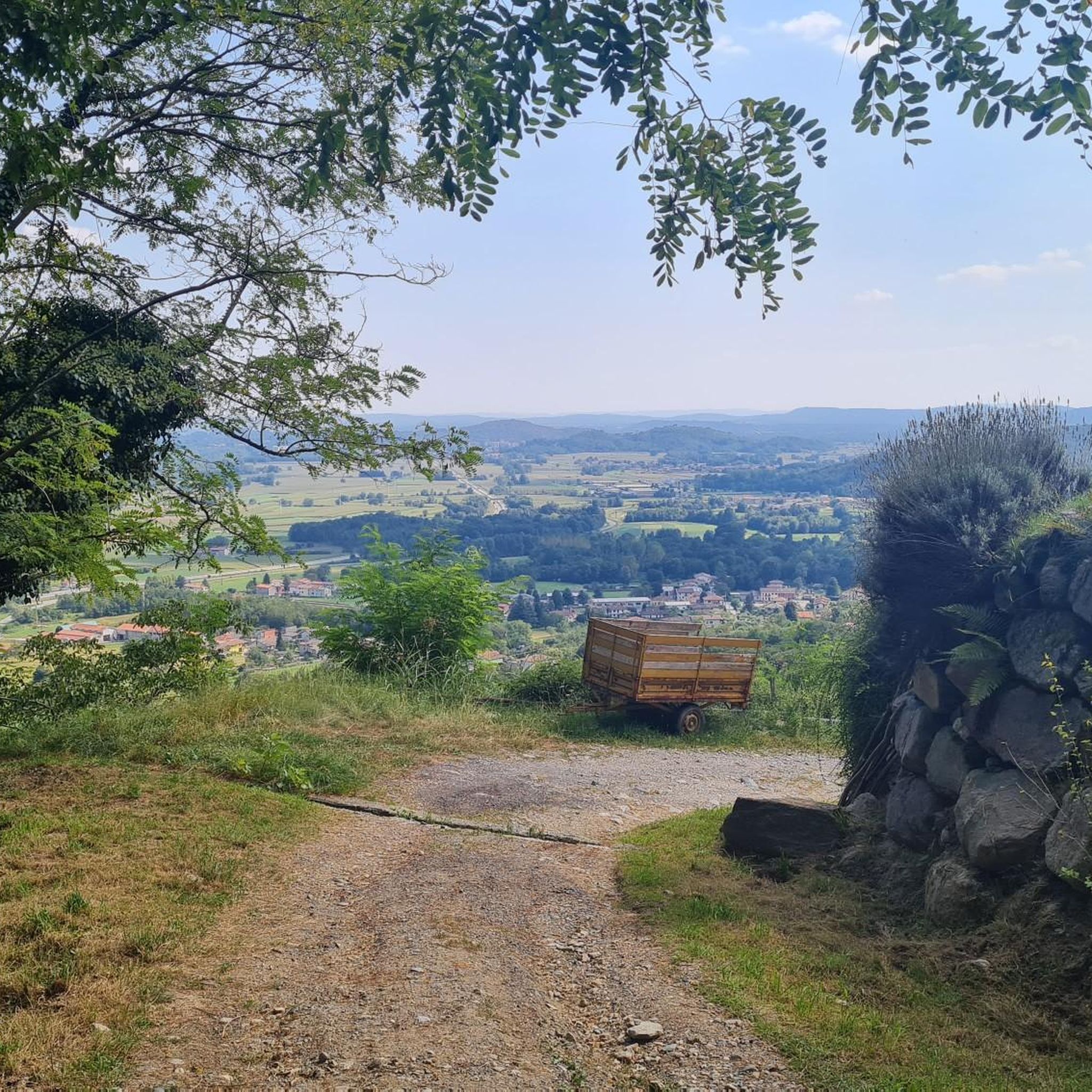
Nestled in the rolling hills of Morena Ovest, the village of San Martino enchants visitors with its ancient charm and evocative atmosphere. Its history has its roots in the distant 11th century, when the construction of the majestic Torre-porta maggiore marked the beginning of the settlement. It was a fortified village, surrounded by mighty walls and moats that guaranteed its defense. The walls, made with pebbles arranged in a herringbone pattern and reinforced by megaliths still visible on the north side, testify to the construction skill of the time. Along the perimeter of the walls, there were at least six tower-gates, smaller in size than the main tower, which allowed access to the village. The village of San Martino was long linked to the powerful family of the Counts of San Martino, who exercised control over it for centuries. Their presence is evidenced by numerous historic buildings, including the castle, now in ruins, which dominated the village from above.
0
0

Passage made during Erratico Gravel
0
0

The Castello di Ivrea, also known as the “Castello dalle rosse torri” (Castle of the Red Towers), is an impressive medieval castle that towers over the town of Ivrea in the Piedmont region. The castle was built in 1358 by order of Amedeo VI of Savoy, also known as the Conte Verde. It served as a symbol of Savoyard rule over Ivrea and Canavese, mainly for defensive purposes. It stands on a hill overlooking the town and the road to the Valle d’Aosta. The castle has four imposing round towers that characterize its structure. These towers, each 34 meters high, are located next to the cathedral and the bishop’s palace. The castle walls were once surrounded by a wide moat, and the only access was via a drawbridge. From the battlements, defenders could throw stones and boiling water at attackers. Unfortunately, the interior of the castle was completely dismantled and altered when it served as a political and criminal prison from 1700 to 1970. Once a stronghold of power and defense, the castle was transformed by time and the changing needs of society.
1
0

Castle home to hotel/restaurant
1
0
Ivrea, the cradle of the Olivetti company and its famous typewriters, is located on the right bank of the Dora Baltea, west of the Serra di Ivrea, the largest moraine wall in Europe. The silhouette of a 14th century castle rises above the city. In the upper town there is also the originally Romanesque Duomo, which was renovated in the 19th century. On the other bank of the Dora, near Via Jervis, the old Olivetti factories have been converted into Musea dell'Architecture Moderna.
8
0

So much history in just one castle. In the city of Ivrea the large Castle was once the residence of the Savoys, before becoming a military garrison. In addition to this, it was then transformed and used as a prison. The location is very strategic as is the very characteristic structure.
2
0

The imposing Castle of Ivrea, located in the upper part of the city, is called by Giosuè Carducci the castle "with the red towers".
11
0

Stage of the Via Francigena. Worth a visit
2
0
Frequently Asked Questions
What makes the castles around Lessolo historically significant?
The castles in the Lessolo area, particularly within the broader Piedmont region, offer a rich glimpse into local history. For instance, the Ivrea Historic Centre and the Dora Baltea Riverside features a 14th-century castle silhouette and is part of a UNESCO World Heritage site. The local Ivrea Castle, known for its 'red towers,' served as a Savoy residence, military garrison, and even a prison, showcasing centuries of regional power shifts. Lessolo itself is home to the Castello di Lessolo, built by the Counts of Castellamonte, which provides a direct link to the local nobility and their influence.
Are there any castles near Lessolo that are particularly unique in their architecture or story?
Yes, several castles stand out. The Castello di Pavone Canavese is often described as a fairy tale structure, with a legend that it brings good luck and love to visitors. The Castello di Lessolo itself is notable for its central body flanked by distinct round and square towers, an interesting example of medieval and early modern design. Additionally, Montestrutto Castle and Church, built in a medieval style on 14th-century ruins, now serves as an accommodation facility.
What kind of outdoor activities can I do near the castles around Lessolo?
The area around Lessolo offers various outdoor activities. You can find several running trails, such as the 'Lake Pistono Loop' or the 'Lago Nero and Lago Pistono Loop Trail.' For cycling enthusiasts, there are routes like the 'Historic Cemetery of Fiorano – Path to Fiorano loop from Lessolo.' Gravel biking options include longer routes like the 'Ivrea Canal – Lake Bertignano loop from Ivrea.' You can explore more options on the running trails guide, gravel biking guide, and cycling guide for Lessolo.
Are there family-friendly castles to visit near Lessolo?
Many castles in the region offer an engaging experience for families. The Ivrea Historic Centre and the Dora Baltea Riverside is listed as family-friendly, offering historical exploration within a UNESCO site. While specific family programs vary by location, the historical and architectural appeal of these sites can be captivating for all ages. It's always a good idea to check individual castle websites for specific family-oriented activities or events.
What is the best time of year to visit the castles around Lessolo?
The Piedmont region, where Lessolo is located, generally enjoys pleasant weather from spring through early autumn (April to October). During these months, the weather is typically mild, making it ideal for exploring castle grounds and nearby outdoor activities. Summer can be warm, but the surrounding natural beauty is at its peak. Winter visits are possible, but some attractions might have reduced hours, and the weather can be cold.
Can I find cafes or accommodation near the castles in the Lessolo area?
Yes, you can. Some castles, like the Castello di Pavone Canavese, have been converted into hotels or restaurants, offering direct accommodation and dining options. Similarly, Montestrutto Castle is currently an accommodation facility. In the towns and villages surrounding the castles, such as Lessolo and Ivrea, you'll find various cafes, pubs, and accommodation choices ranging from hotels to guesthouses.
What natural features or viewpoints can I find near the castles?
The castles around Lessolo are often set amidst picturesque landscapes. The Ivrea Historic Centre and the Dora Baltea Riverside offers views of the Dora Baltea river and is situated in a basin that once formed a large lake, with five minor lakes still present today. The Castello di Lessolo was historically surrounded by extensive vineyards, suggesting a scenic environment. Many castles, like Ivrea Castle, are strategically located on elevated ground, providing excellent viewpoints over the surrounding towns and countryside.
How can I get to the castles around Lessolo using public transport?
While specific public transport options vary for each castle, the town of Ivrea, a central hub in the Canavese area, is well-connected by train and bus services. From Ivrea, local buses or taxis can often take you closer to individual castle sites. For more remote castles, a combination of public transport to a nearby town and then a short walk or taxi ride might be necessary. Checking local transport schedules in advance is recommended.
Are there any lesser-known or 'hidden' castles worth exploring near Lessolo?
While the region is rich with castles, some might be less frequented than others. The village of San Martino, nestled in the Morena Ovest hills, features the ruins of an ancient castle that once dominated the village. This site offers a glimpse into an 11th-century fortified settlement with visible megaliths and ancient walls, providing a more rustic and less commercialized historical experience.
What do visitors enjoy most about the castles around Lessolo?
Visitors frequently appreciate the rich historical significance and diverse architectural styles of the castles. The 'fairy tale' appearance of Castello di Pavone Canavese and the imposing presence of Ivrea Castle are often highlighted. Many also enjoy the picturesque settings, such as the riverside location of the Ivrea Historic Centre, and the opportunity to explore sites with deep historical roots, some even offering accommodation within their ancient walls.
Is there parking available for visitors at the castles?
Parking availability varies by castle. Larger, more popular sites like those in Ivrea or castles that have been converted into hotels (e.g., Castello di Pavone Canavese, Montestrutto Castle) typically offer dedicated parking facilities or nearby public parking. For smaller or more remote historical sites, parking might be limited to roadside spots or small village car parks. It's advisable to check specific castle websites or local information for detailed parking instructions before your visit.
Most popular routes around Lessolo
Most popular attractions around Lessolo

Get inspired with the komoot mobile app


Explore more
Looking for the best castles somewhere else? Discover other guides around Lessolo:
