Top 9 Castles around Susa
Best castles around Susa are found in the Susa Valley, a historic transit route in Piedmont, Italy. This region is characterized by its strategic importance, leading to a rich collection of castles and fortifications. The valley's landscape combines historical sites with natural features, offering diverse exploration opportunities. Its location has made it a significant area for centuries, connecting different eras and cultures.
Best castles around Susa
- The most popular castles is Augustus Park (Susa), a historical site that includes the Castle of Countess Adelaide, Roman remains, and the Cathedral of San Giusto. The presence of the castle alongside Roman remains highlights Susa's long and layered history.
- Another must-see spot is Borello Castle, a 12th-century castle. The building is private, but its external view from a splendid position on a large plateau makes it a worthwhile detour.
- Visitors also love Fort of Exilles, an imposing fortress in the upper Susa Valley. This castle has an interesting history, including its association with the legend of the "man in the iron mask."
- Susa is known for medieval castles, fortified structures, and historical sites with castle elements. Visitors can explore a variety of castles, from well-preserved feudal residences to imposing fortresses and ancient ruins.
- The castles around Susa are appreciated by the komoot community, with 40 photos and 33 upvotes from visitors.
Last updated: June 30, 2026
Augustus Park (Susa)
Highlight • Historical Site
Translated by Google •
Tip by

San Giorio, Chestnut Festival
Highlight • Settlement
Translated by Google •
Tip by

Sign up now to discover places like this
Get recommendations on the best single tracks, peaks, & plenty of other exciting outdoor places.
Sign up for free
San Giorio di Susa
Highlight • Settlement
Starting point to go up to Cortavetto, where we find the Paradiso delle Rane lake
Translated by Google •
Tip by
Borello Castle
Highlight • Castle
Translated by Google •
Tip by

Fort of Exilles
Highlight • Castle
More information: de.wikipedia.org/wiki/Exilles#Die_Festung and de.wikipedia.org/wiki/Mann_mit_der_eisernen_Maske
Translated by Google •
Tip by

Sign up for free to discover even more castles around Susa.
Sign up for free
Already have an account?
Start today with a free account
Your next adventure awaits.
Login or Signup
Popular around Susa
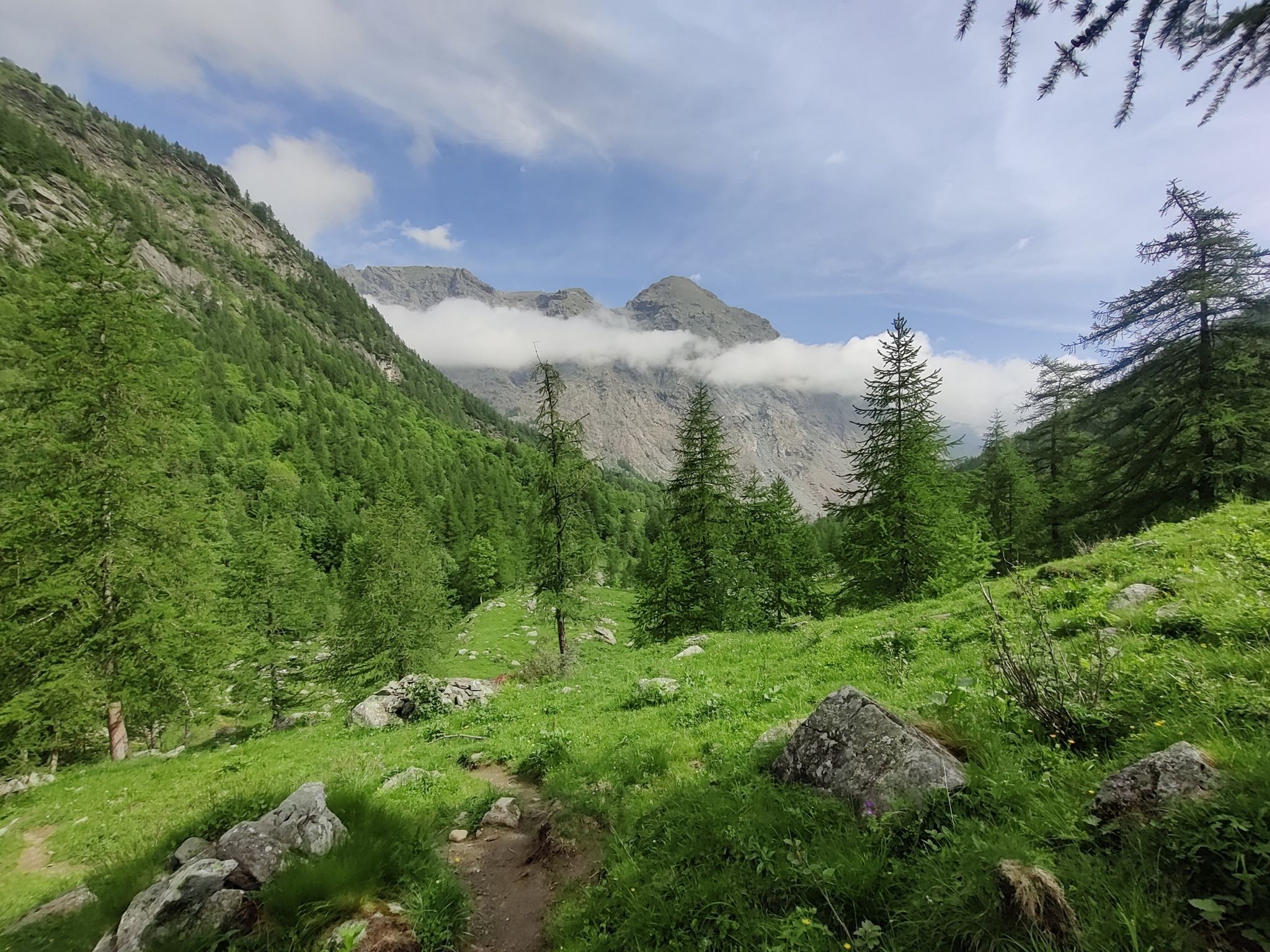
GTA Central Piedmont – Dense forests, lakes and impressive waterfalls
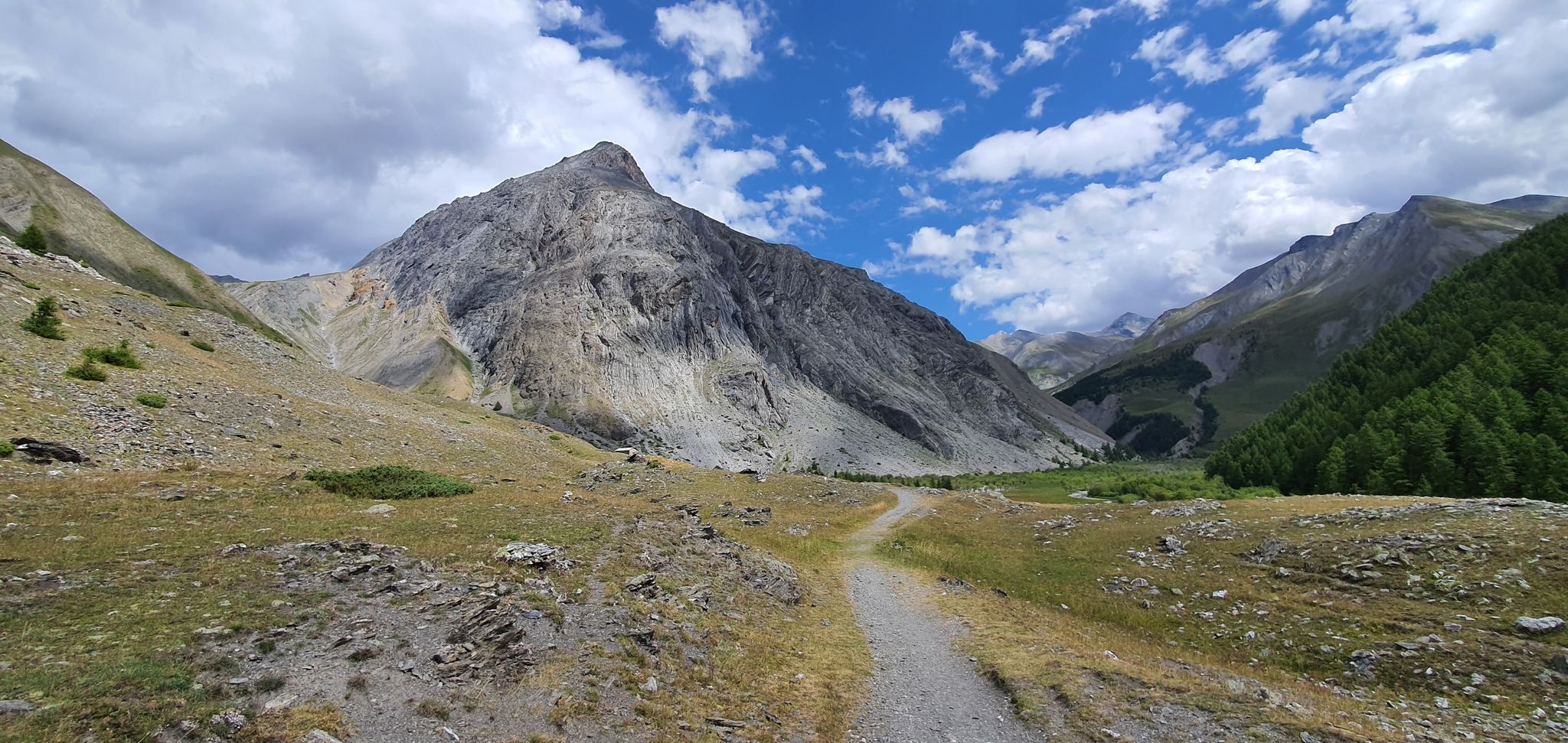
Western trans-alpine crossing – pure adventure on your mountain bike
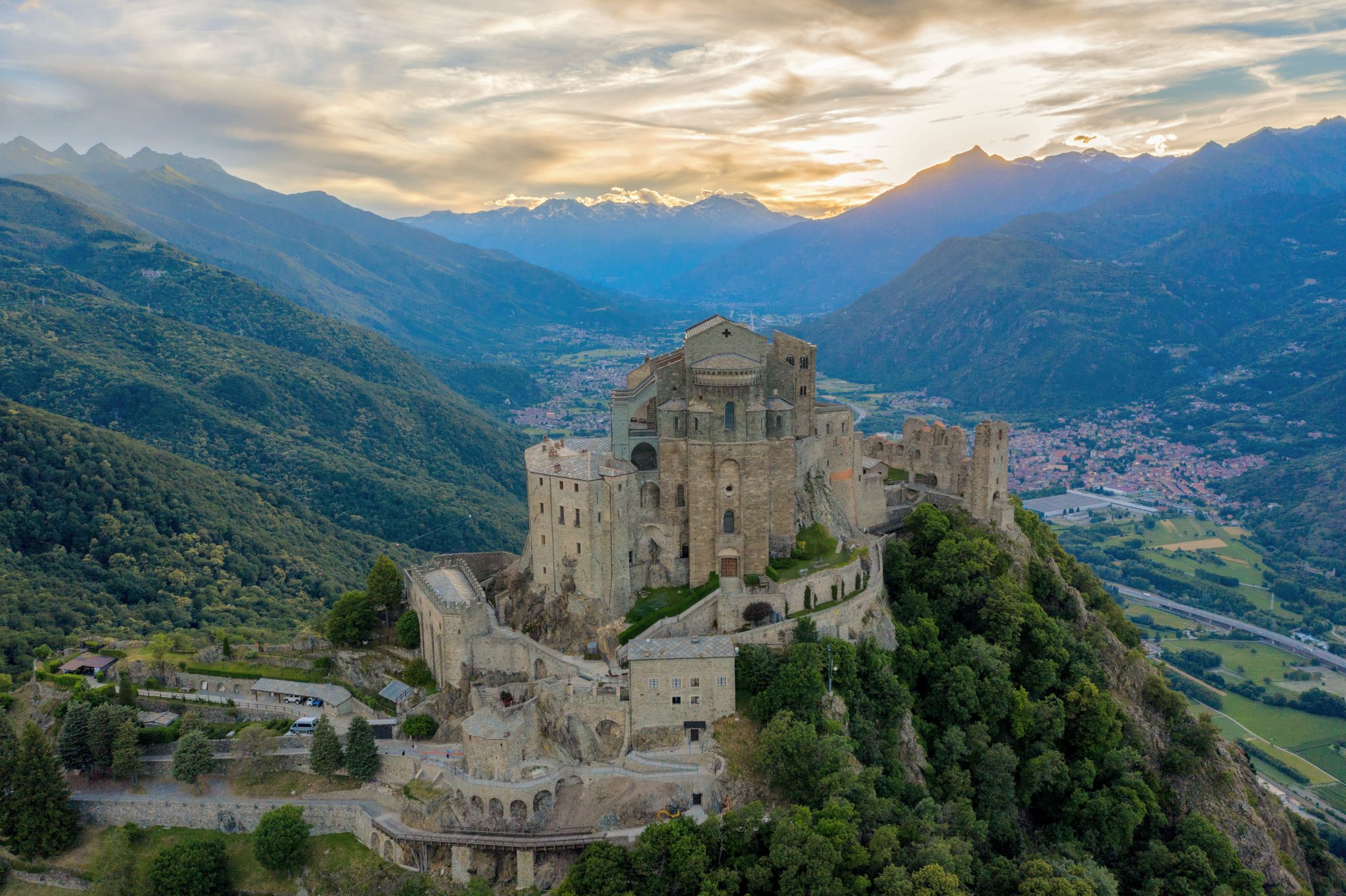
Via Francigena in Valle di Susa – complete route and 'for all' section
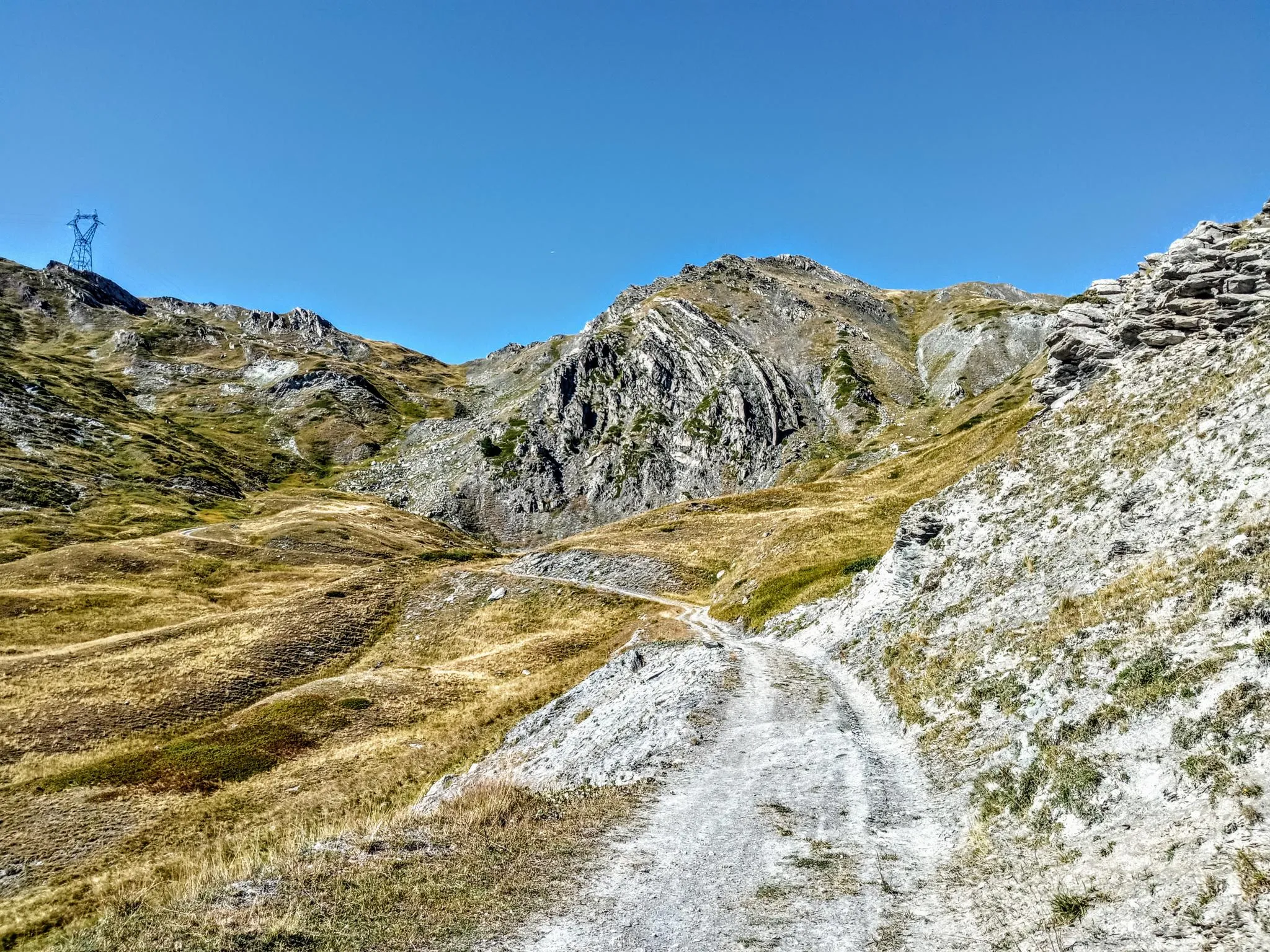
Between valleys and peaks – Ultra Gravel Tour des Alpes
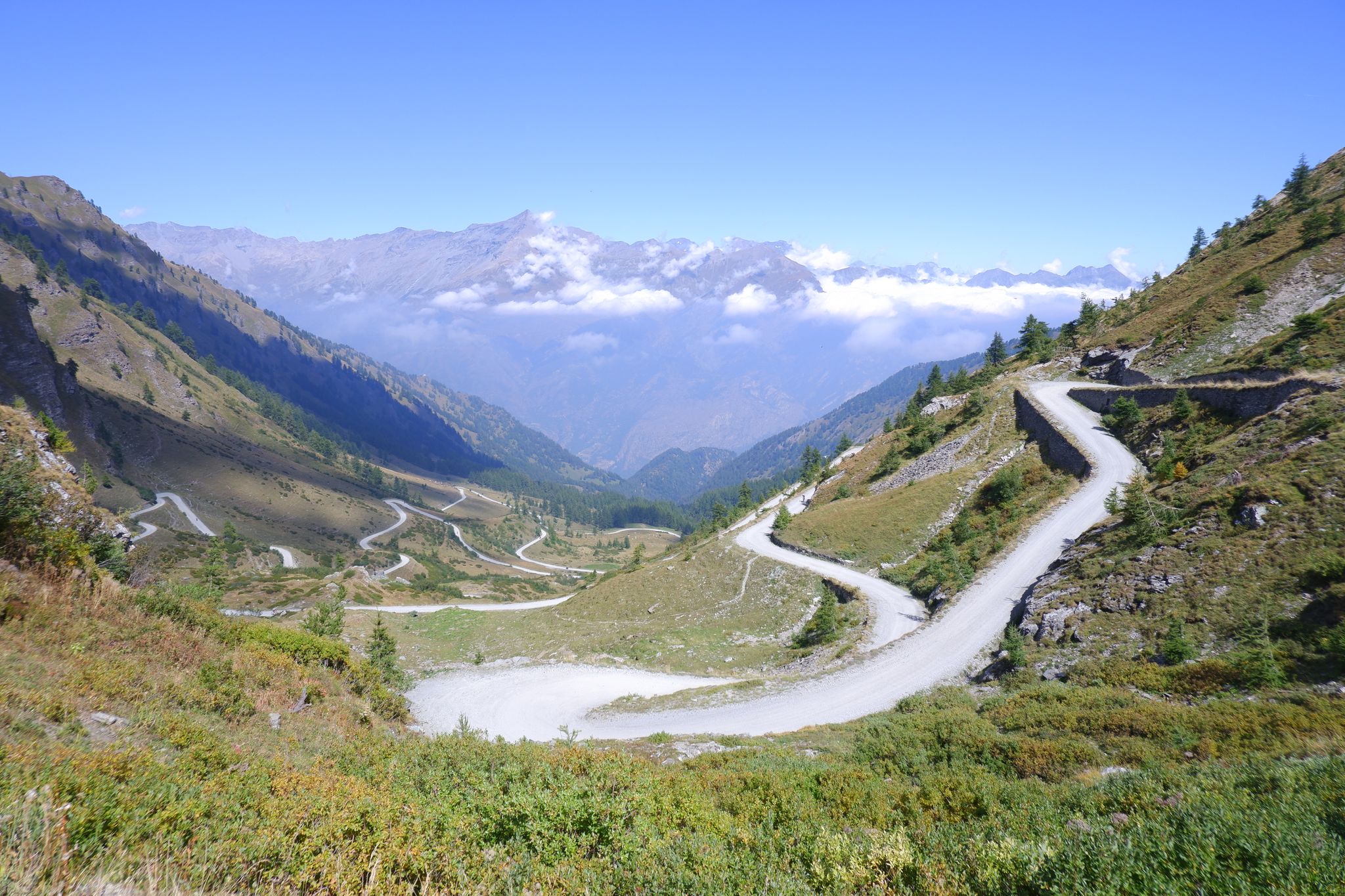
Chris Froome's feat – the epic Finestre hill of the 2018 Giro
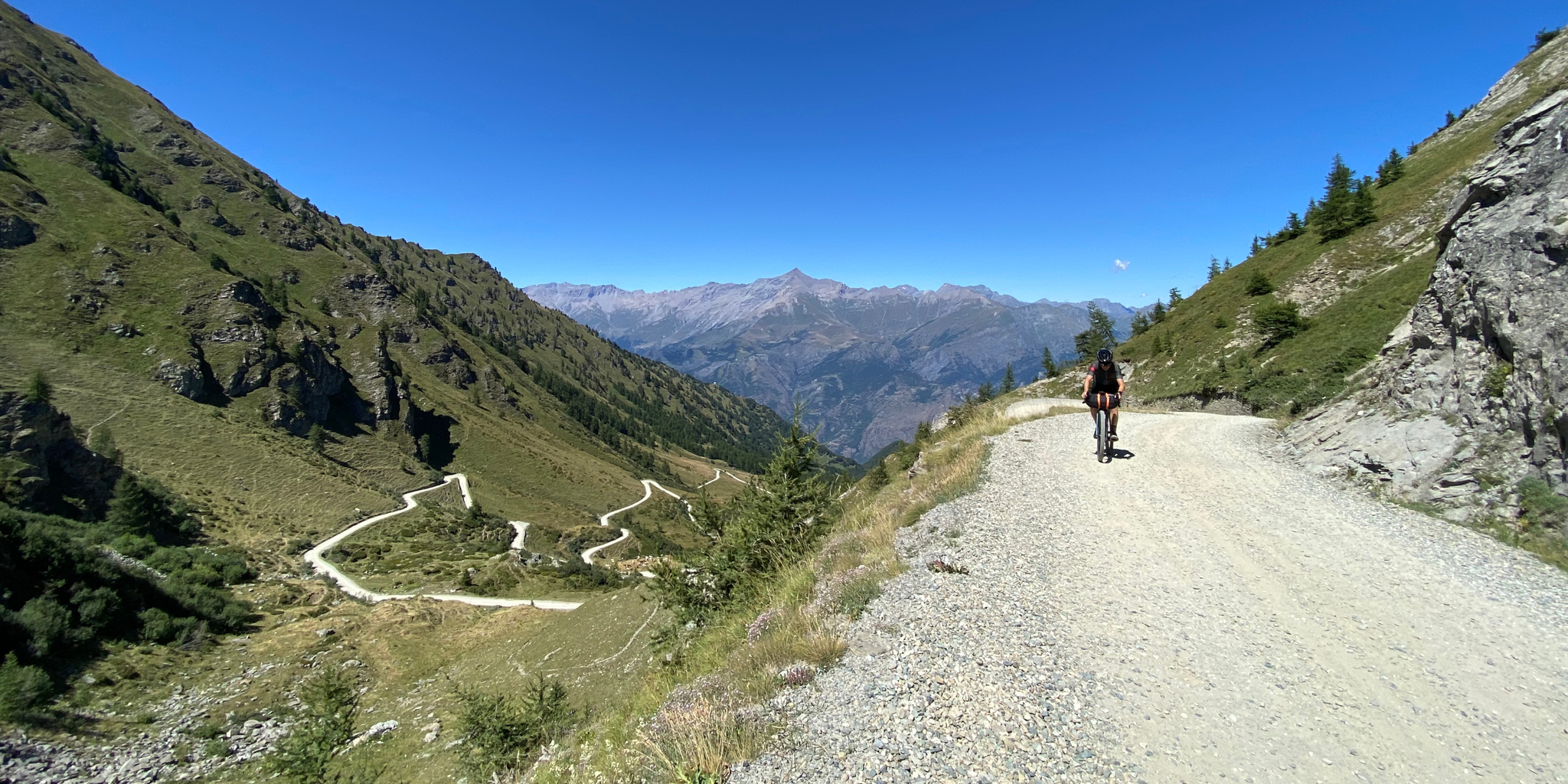
High altitude military roads – gravel routes on the Assietta road
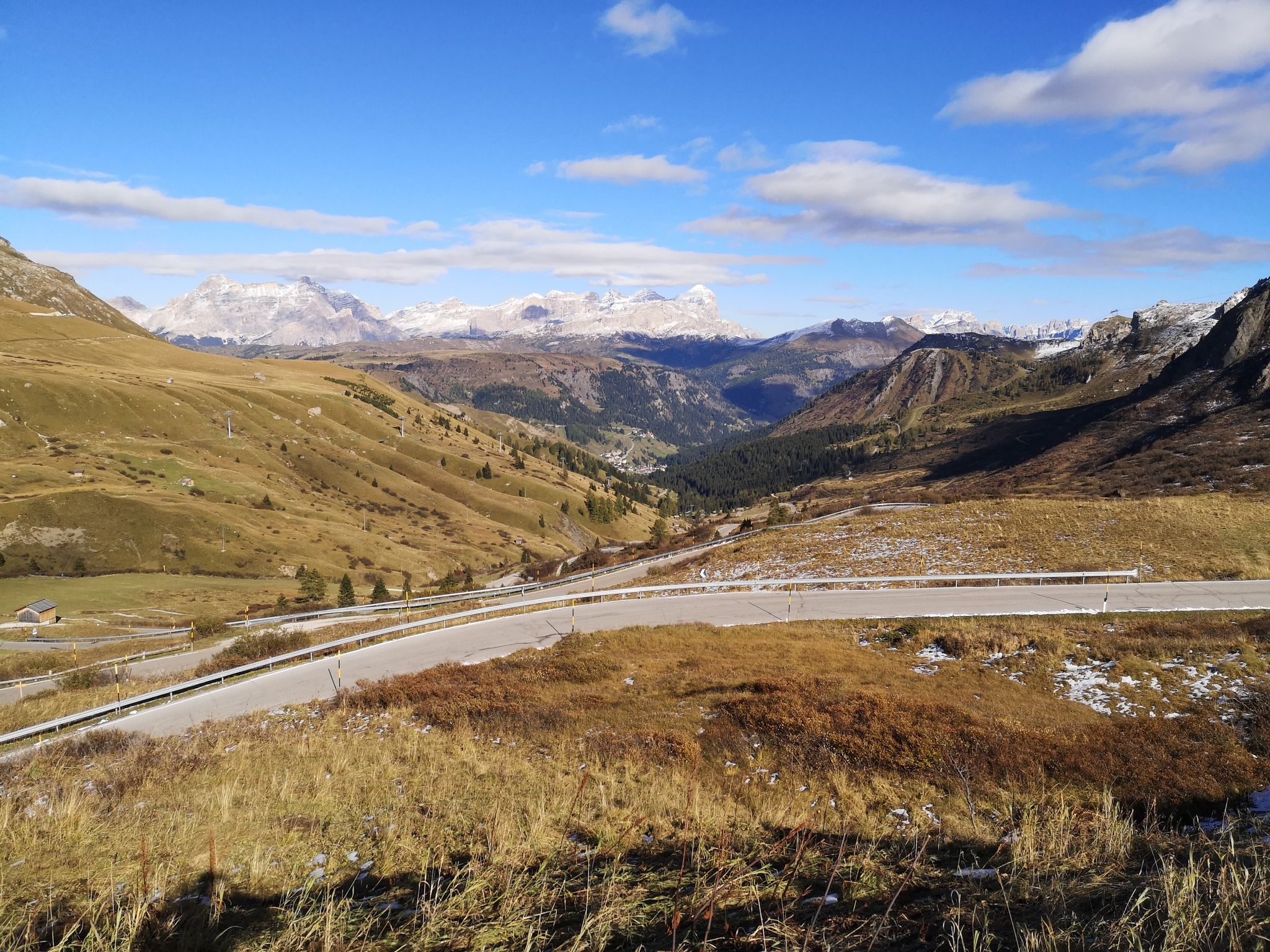
The great passes of the Giro d'Italia – 10 historic climbs
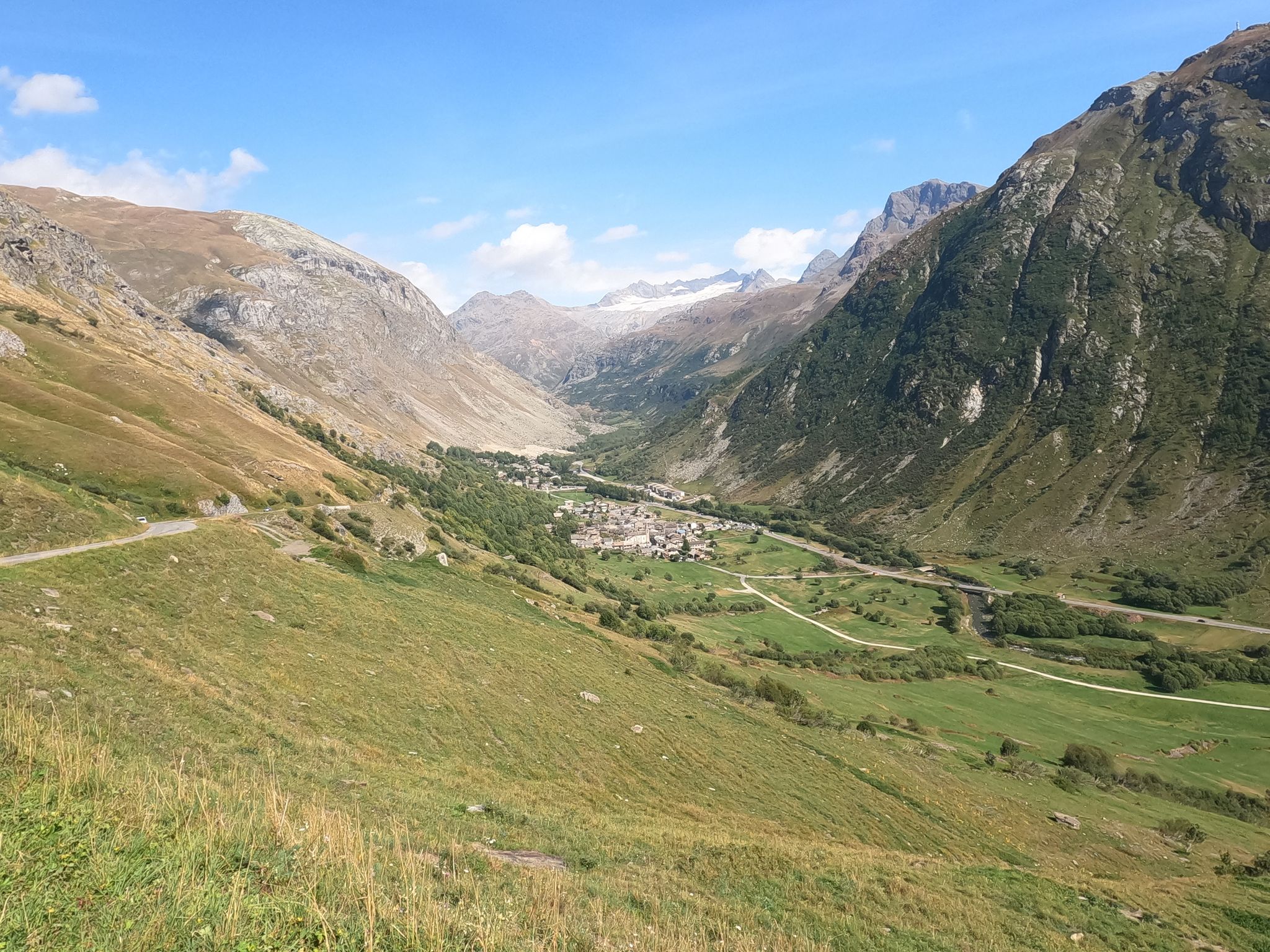
Cycle three great passes between Italy and France
Hiking around Susa
Cycling around Susa


Tips from the Community

Nice little town, but not really cyclist-friendly: the castle, a nice point of interest, is accessible only if you go to eat a lot (they say explicitly: "We are not a museum, a bar, a restaurant - here we have lunch, dinner and a snack"), the fountains are not drinkable, in short, the impression is that of being unwelcome guests. That said, visiting it in their face is a great satisfaction.
0
0
Nice little town, but not really cyclist-friendly: the castle, a nice point of interest, is accessible only if you go to eat a lot (they say explicitly: "We are not a museum, a bar, a restaurant - here we have lunch, dinner and a snack"), the fountains are not drinkable, in short, the impression is that of being unwelcome guests. That said, visiting it in their face is a great satisfaction.
0
0

Village in the Susa Valley. Starting point to go up to Cortavetto, where we find the Paradiso delle Rane lake
0
0
Locality of Val di Susa, where an excellent quality and size of "Marrone" chestnuts is collected and sold
0
0

Because it's beautiful. There are also guided tours
0
0

In the historic village of Susa, some splendid monuments are located in the Parco d'Augusto area: the arch erected in the 1st century BC. in honor of Octavian Augustus, the cathedral of San Giusto, Roman remains of the aqueduct, the castle of Countess Adelaide and an ancient access gate, Porta Savoia. Of particular importance is the arch, which expresses well the value that Susa had for the Romans.
1
0

This castle dates back to the 12th century and is said to have been built by the Knights Templar. We know for sure that it belonged to the Rotari family and later to the Borello family, from which it has kept its name. It is located in a splendid position, on the edge of a large plateau, almost invisible from below. The building is private, consequently the castle is only visible externally... but the place is certainly worth a detour for a short visit!
1
0
Core of the historical Susa, from the Cathedral of San Giusto (XI - XV century) to the Roman gate (Porta Savoia) to the Roman remains (Arco di Augusto and aqueduct). The park itself isn't accessible by bike, but that's not a big deal. Worth a visit.
2
0
Frequently Asked Questions
What are the most historically significant castles in the Susa Valley?
The Susa Valley is rich in history. Notable castles include Augustus Park (Susa), which encompasses the Castle of Countess Adelaide and Roman remains like the Arch of Augustus. The Fort of Exilles is another imposing fortress with a long history controlling the Montgenèvre road. Further afield, Castello di Rivoli, a UNESCO World Heritage site, transformed from a defensive post to a royal residence for the Savoy family.
Are there family-friendly castles to visit in the Susa Valley?
Yes, several sites are suitable for families. Augustus Park (Susa) is considered family-friendly, offering a mix of Roman ruins and medieval castle elements within a park setting. Exploring the grounds of the Fort of Exilles can also be an engaging experience for older children interested in history and legends.
What outdoor activities can I do near the Susa Valley castles?
The Susa Valley offers diverse outdoor activities. You can find excellent options for gravel biking, mountain hikes, and road cycling. For instance, there are challenging gravel routes like the Assietta gravel ring from Susa, mountain hikes to destinations like Rifugio Ca' d'Asti, and scenic road cycling routes such as the Colle delle Finestre climb. You can explore more routes in the Gravel biking around Susa, Mountain Hikes around Susa, and Road Cycling Routes around Susa guides.
Are there hiking trails that connect castles in the Susa Valley?
While there aren't specific trails designed to connect multiple castles directly, many castles are situated within areas offering extensive hiking opportunities. For example, the Fort of Exilles is in the upper Susa Valley, which is a popular area for mountain hikes. You can plan routes that incorporate castle visits as part of a larger trekking experience. Check the Mountain Hikes around Susa guide for nearby trails.
What is the best time of year to visit the castles around Susa?
The Susa Valley experiences distinct seasons. Spring (April-June) and autumn (September-October) generally offer pleasant weather for exploring, with milder temperatures and beautiful scenery. Summer (July-August) can be warm but is also popular. Winter visits are possible, but some sites might have reduced hours or be less accessible, especially in the upper valley.
How can I reach the castles in the Susa Valley using public transport?
Public transport options exist, primarily by bus and train, connecting towns within the Susa Valley. Susa itself is accessible by train, and from there, local buses can take you to nearby villages. However, reaching some of the more remote castles like the Fort of Exilles might require a combination of public transport and a walk, or a private vehicle. It's advisable to check local bus schedules for specific routes.
Where can I find parking when visiting Susa Valley castles?
Parking is generally available in the towns where the castles are located. For example, in Susa, there are parking areas near the historic center for visiting Augustus Park. For sites like the Fort of Exilles, designated parking lots are usually provided nearby. It's always a good idea to check local signage for specific parking regulations and availability upon arrival.
Are there any castles in the Susa Valley associated with unique legends?
Yes, the Susa Valley is rich in folklore. The Fort of Exilles is famously associated with the legend of the "man in the iron mask," who was temporarily imprisoned in a previous building on its site. The Castello di Villardora is also linked by locals to this same legend, adding a mysterious allure to these historical structures.
Can I visit castles in the Susa Valley with my dog?
Policies regarding dogs vary by site. Outdoor areas, such as the grounds around Augustus Park in Susa, are often dog-friendly, especially if dogs are kept on a leash. However, access to interior castle buildings or museums might be restricted. It's best to check the specific rules for each castle before your visit.
Are there viewpoints near the Susa Valley castles offering scenic views?
Many castles in the Susa Valley are strategically positioned on hills or elevated terrain, offering panoramic views of the surrounding landscape. Borello Castle, for instance, is located in a splendid position on a large plateau. The ruins of Castello di Avigliana also provide excellent views over the village and its lakes. The Fort of Exilles, due to its imposing nature, also offers commanding vistas of the upper Susa Valley.
Which castles in the Susa Valley are considered well-preserved?
The Castello di Villardora is considered one of the best-preserved medieval feudal residences in the Susa Valley. While Augustus Park (Susa) has undergone restorations, its medieval castle elements are well-maintained alongside Roman ruins. The Fort of Exilles, though a military fortress, has also been well-preserved and restored over centuries, showcasing its complex architecture.
What kind of historical periods do the Susa Valley castles represent?
The castles in the Susa Valley span a wide range of historical periods, reflecting the region's long and strategic importance. You can find Roman remains dating back to the 1st century BC at Augustus Park, alongside medieval castles from the 10th-12th centuries, such as Castello di Avigliana and Borello Castle. Fortifications like the Fort of Exilles evolved over centuries, showcasing architectural styles from the 12th century through later military engineering.
Are there guided tours available for the castles in the Susa Valley?
Yes, guided tours are often available for some of the major castles and historical sites. For example, the Fort of Exilles offers guided tours that delve into its rich history and legends. For sites like Castello di Rivoli, which now houses a contemporary art museum, guided visits are also common. It's recommended to check the official websites of individual castles for tour schedules and booking information.
Most popular routes around Susa
Most popular attractions around Susa

Get inspired with the komoot mobile app


Explore more
Looking for the best castles somewhere else? Discover other guides around Susa:
