The 9 Most Amazing Peaks around San Giustino
Best mountain peaks around San Giustino are found in the Apennine foothills, offering a landscape of rolling hills and woodlands in Umbria, Italy. This region provides elevated terrain for outdoor activities, blending natural beauty with historical significance. While not home to towering peaks directly bearing its name, the surrounding area features notable elevated points and nature reserves. These locations offer opportunities for hiking and exploring the Umbrian and Tuscan landscape.
Best mountain peaks around San Giustino
- The most popular mountain…
Last updated: May 2, 2026
Ripa della Luna Viewpoint
Highlight • Viewpoint
Translated by Google •
Tip by

La Rocca and La Rocchetta
Highlight • Summit
Translated by Google •
Tip by

Sign up now to discover places like this
Get recommendations on the best single tracks, peaks, & plenty of other exciting outdoor places.
Sign up for free
Monte dei Frati (1453 m)
Highlight • Summit
Translated by Google •
Tip by

Monte Verde
Highlight • Summit
Translated by Google •
Tip by

Bocca Trabaria Pass
Highlight • Mountain Pass
Translated by Google •
Tip by

Sign up for free to discover even more peaks around San Giustino.
Sign up for free
Already have an account?
Start today with a free account
Your next adventure awaits.
Login or Signup

Tips from the Community

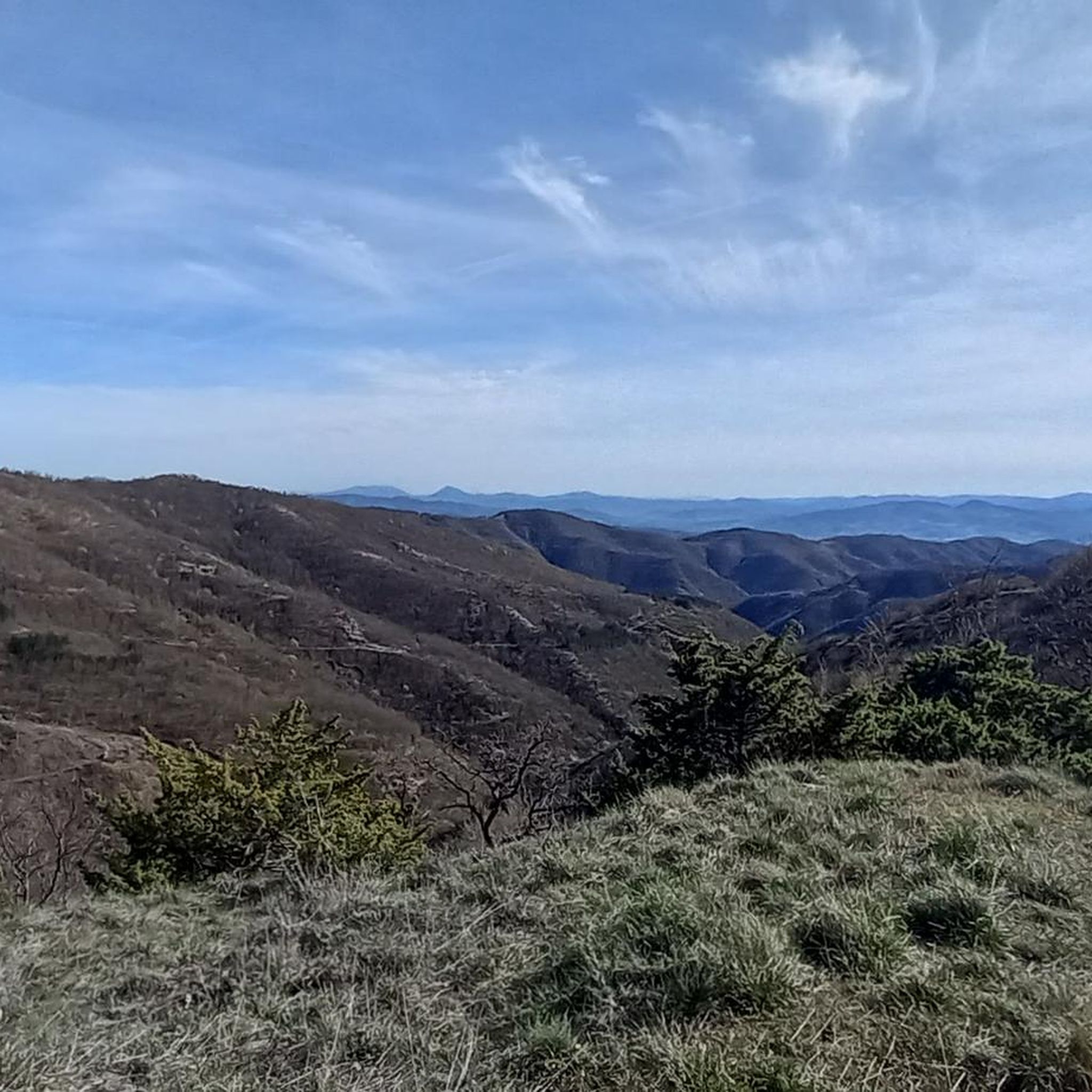
The peaks of Rocca and Rocchetta form a mountainous complex characterized by the presence of sedimentary rocks and sandstone rocks. From this composition derives the characteristic layered and sloped appearance. This conformation is visible above all on the southern slopes of Poggio della Rocca.
1
0

The route is of intermediate difficulty and requires good training.
1
0
Ripa della Luna is a mountain massif in the northern Apennines of central Italy. It is located beyond the borders of Tuscany, Marche, Umbria. Its highest peaks are Monte dei Frati, at 1,453 m above sea level, and Monte Maggiore (1,384 m)
0
0

On the geological trail of Saint Francis of Assisi. Above the Sasso Spicco di Monte Casale in Sansepolcro, on the border ridge with Umbria, there are two flat hills on Marnoso-Arenacea, a primeval sea from earlier times.
2
1
Monte dei Frati is a mountain in the Italian province of Arezzo near the borders of Pesaro and Urbino and Perugia.
0
0

Bocca Trabaria is the most important pass of the Alpe della Luna. Located at 1,049 meters, it divides the Metauro valley from the Tiber valley on the border between the provinces of Perugia and Pesaro and Urbino, and therefore between Umbria and the Marches.
2
0

We briefly lost the Franziskusweg here - but the unwanted detour over the summit was more than worth it - and we were obviously not the first, because there is another rope at the top that makes it easy to find the way back to the route. 😉 So - recommended detour. (10 minutes more)
1
0

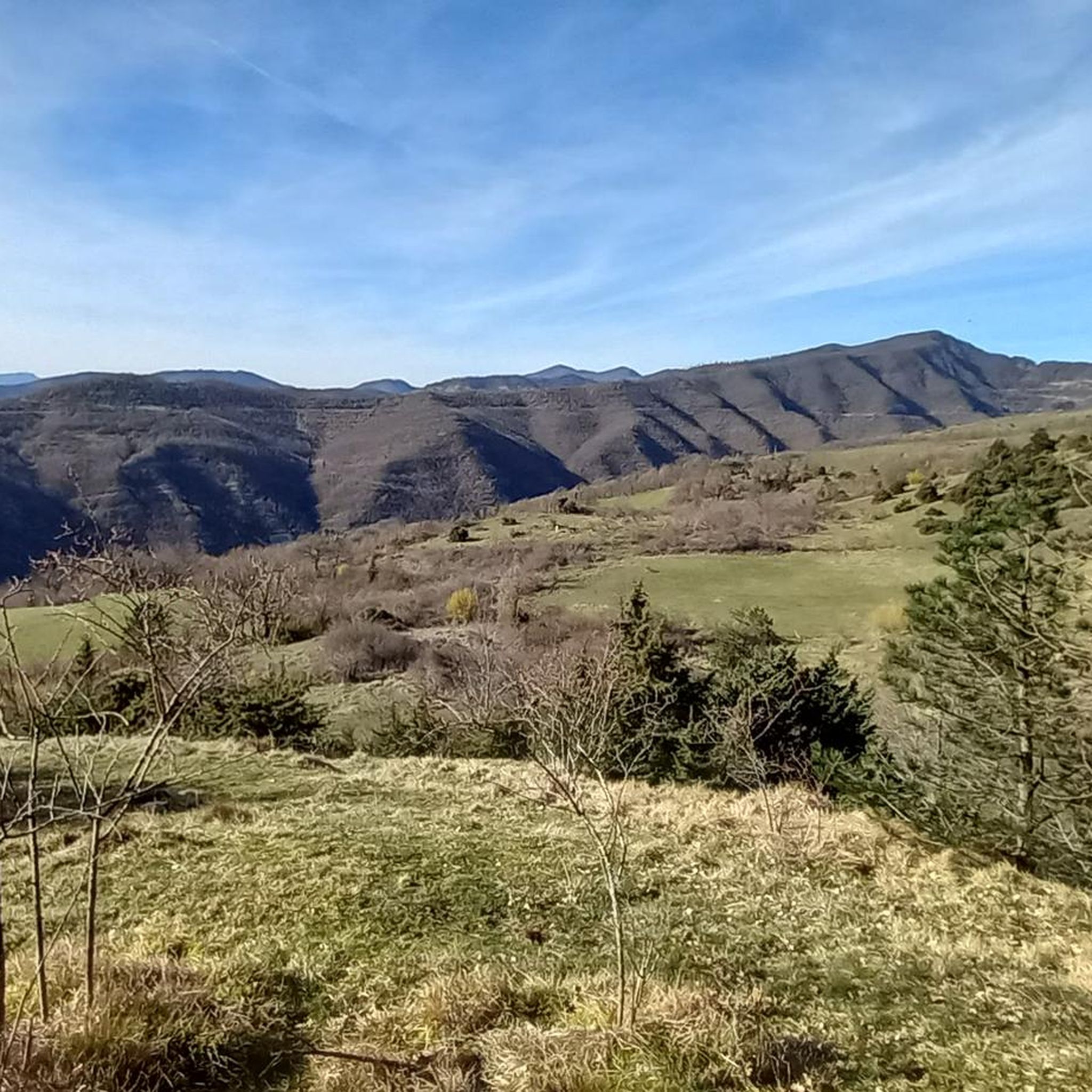
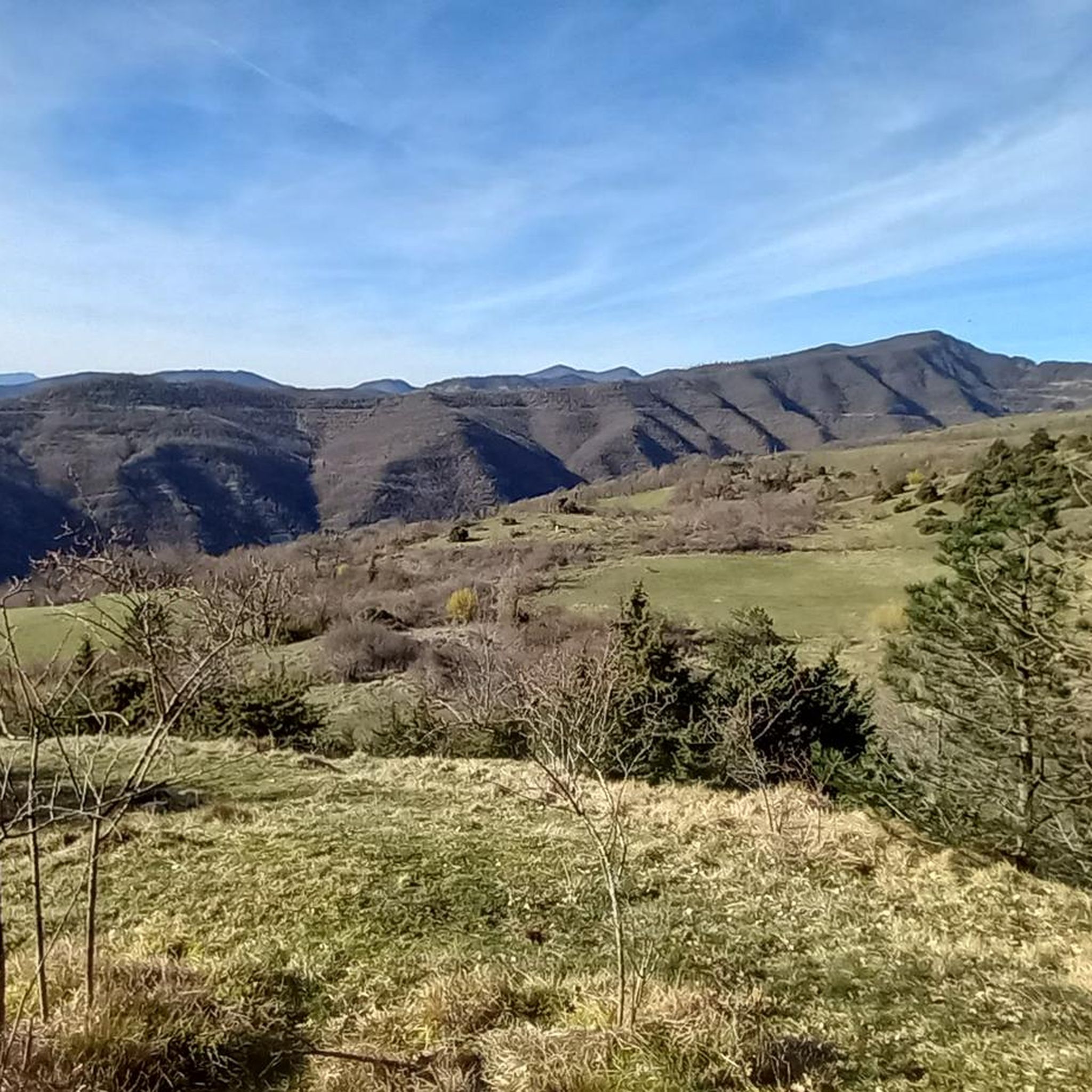
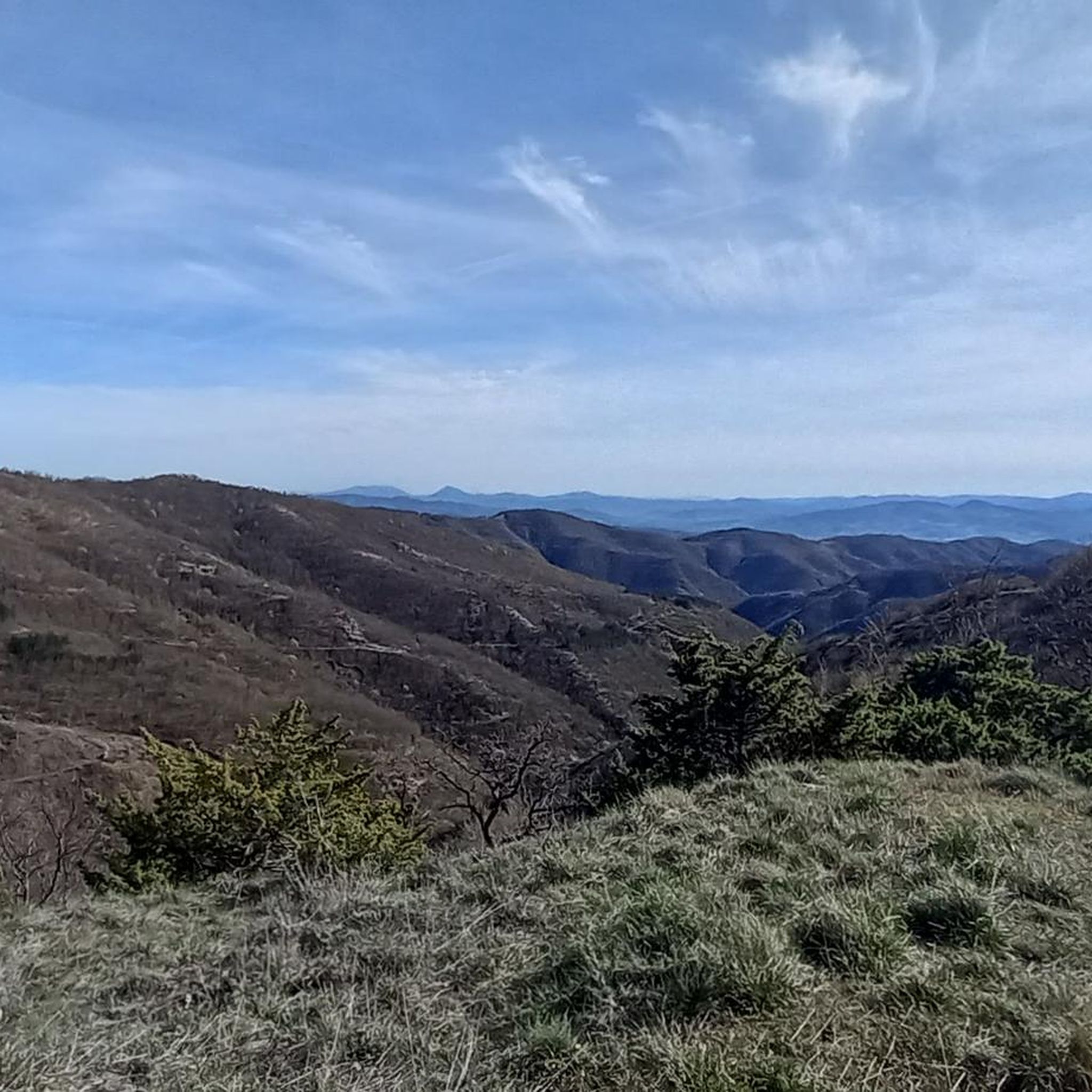
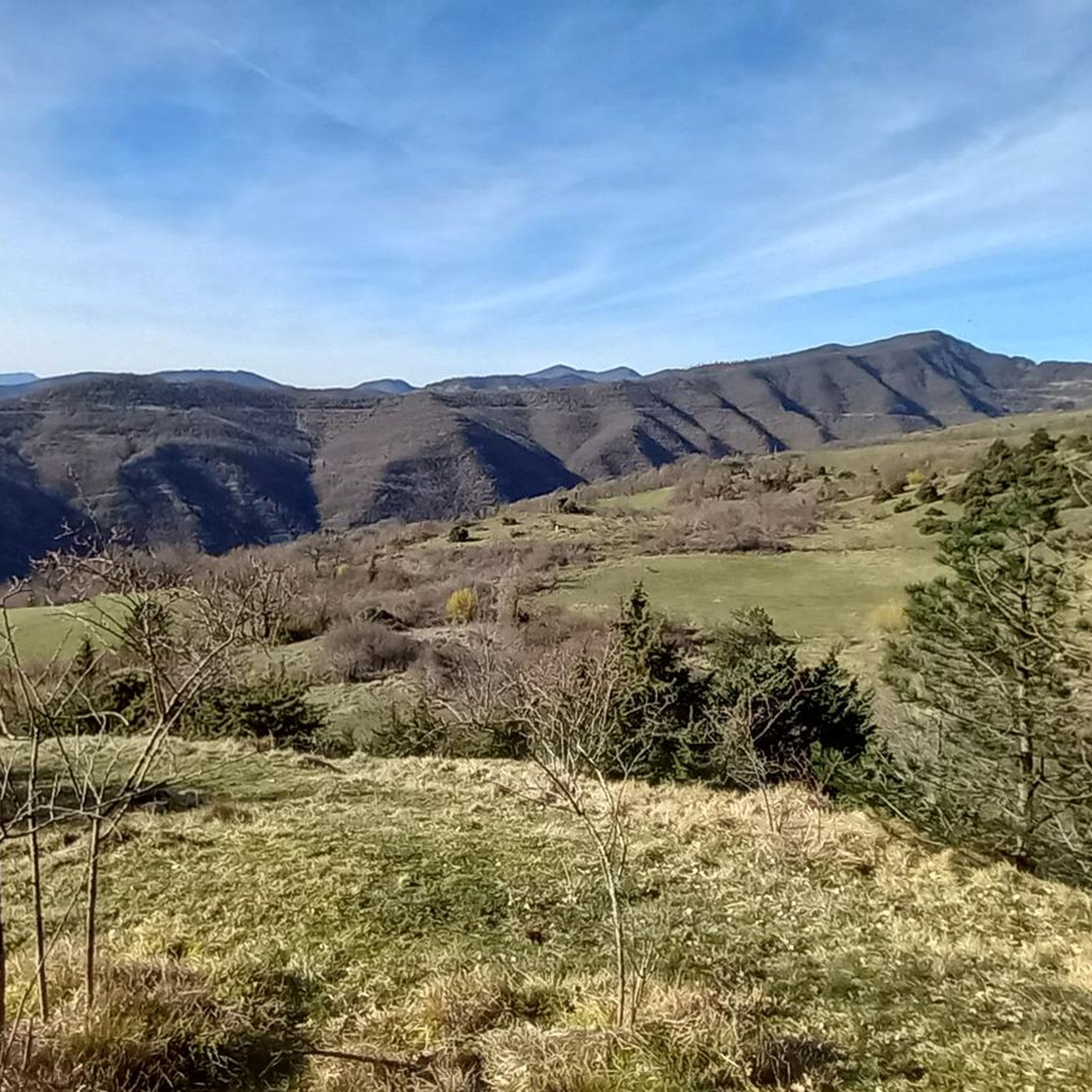
A breathtaking view that alone is worth the whole climb
0
0
Frequently Asked Questions
What are some of the most popular elevated areas or 'peaks' to explore near San Giustino?
While San Giustino is known for its rolling hills rather than towering peaks, visitors frequently enjoy exploring areas like Monte dei Frati (1453 m), which is the highest point in the Alpe della Luna Nature Reserve. Another popular spot is the Ripa della Luna Viewpoint, offering expansive panoramas from a dramatic rock face. The Bocca Trabaria Pass is also a significant and historically important elevated point.
What kind of natural landscapes can I expect to see around San Giustino?
The region around San Giustino is characterized by picturesque rolling hills, dense woodlands, and elevated terrain within the Apennine foothills. You'll find extensive beech forests at higher altitudes, particularly in the Alpe della Luna Nature Reserve, and mixed deciduous species at lower elevations. Features like the dramatic 200-meter-high Ripa della Luna rock wall and various streams forming waterfalls, such as Sasso Spicco, add to the natural beauty.
Are there any historically significant elevated sites near San Giustino?
Yes, Colle Plinio, a hill rising behind San Giustino, is of considerable historical importance. It's traditionally identified as the site of Pliny the Younger's Roman villa 'in Tuscis' and is an archaeological site where remains of ancient structures have been found. The Bocca Trabaria Pass also holds historical significance as it marks the border between Umbria and the Marches and has been an important geographical point for centuries.
What are the best viewpoints in the San Giustino area?
For breathtaking views, the Ripa della Luna Viewpoint is highly recommended, offering a spectacular panorama from its semicircular rock face. Other elevated spots like Monte dei Frati (1453 m) and Monte Verde also provide excellent vistas of the surrounding Umbrian and Tuscan landscape.
Are there hiking trails suitable for different fitness levels near San Giustino?
Yes, the area offers a variety of hiking trails. While many routes, such as those leading to the Ripa della Luna Viewpoint or Monte dei Frati, are considered intermediate and require good training, there are also easier options. For a comprehensive list of routes, you can explore the Hiking around San Giustino guide, which includes trails like the 'Roccolo Park loop from San Giustino' that is rated as easy.
What is the best season for hiking in the San Giustino mountains?
The spring and autumn months are generally ideal for hiking around San Giustino. During these seasons, the weather is typically mild and pleasant, and the natural scenery is particularly vibrant with blooming flowers or rich autumn colors. Summer can also be suitable, especially at higher elevations, but it's advisable to start early to avoid the midday heat. Winter hikes are possible, but some trails might be challenging due to snow or ice, especially in the higher parts of the Alpe della Luna Nature Reserve.
What outdoor activities, besides hiking, can I do near these elevated areas?
Beyond hiking, the region around San Giustino is excellent for cycling. There are numerous routes for both touring bicycles and road bikes that take you through scenic landscapes and past elevated points. For example, you can find routes like the 'View of Lake Montedoglio – Viamaggio Pass loop' or 'Bocca Serriola Pass – Città di Castello loop'. You can explore these options in the Cycling around San Giustino and Road Cycling Routes around San Giustino guides.
What is special about the Alpe della Luna Nature Reserve?
The Alpe della Luna Nature Reserve is a significant mountainous area in the Tuscan-Romagna Apennines, known for its dense woodlands, primarily beech forests. It's home to Monte dei Frati (1453 m), its highest point, and the impressive Ripa della Luna, a 200-meter-high rocky wall. The reserve offers a variety of hiking trails and is a popular destination for those seeking immersive nature experiences, with features like the Pian della Capanna Forest Refuge and numerous streams and waterfalls.
What is the Bocca Trabaria Pass known for?
The Bocca Trabaria Pass is a mountain pass located at 1,049 meters, serving as a natural division between the Metauro valley and the Tiber valley. It's notable for marking the border between Umbria and the Marches, making it an important historical and geographical point. It's also a popular spot for cyclists and offers scenic views.
What do visitors enjoy most about Monte dei Frati?
Visitors to Monte dei Frati (1453 m) are particularly captivated by its fairytale-like landscape. The dense beech forest and the sounds of the wind create a unique and atmospheric experience, often described as beautiful and immersive. It's appreciated for its natural setting and the sense of tranquility it offers.
Are there any less-known elevated spots or 'hidden gems' worth exploring near San Giustino?
While not as widely known as the Alpe della Luna, Monte Verde offers a rewarding detour for hikers, providing excellent views. Another interesting area is Poggio I Tre Termini, which is part of a moderate hiking loop starting from Mercatello sul Metauro, suggesting it's a prominent elevated point with scenic paths for those looking to explore beyond the main highlights.
Can I find circular hiking routes around the elevated areas near San Giustino?
Yes, there are circular hiking routes available. For instance, the 'Bocca Trabaria Pass – Poggio I Tre Termini loop from Bocca Trabaria' is a moderate 9 km circular trail. You can find more options and details in the Hiking around San Giustino guide, which lists various routes, including loops, to help you plan your exploration.
Most popular routes around San Giustino
Most popular attractions around San Giustino

Get inspired with the komoot mobile app


Explore more
See even more amazing summits around San Giustino with these guides:
