Top 8 Castles around Verghereto
Castles around Verghereto offer insights into the region's medieval past and strategic importance. Situated in the Apennines, Verghereto historically served as a key location for controlling traffic between the Savio and Tiber valleys. The area features remnants of ancient fortifications and medieval villages, reflecting its history as a border town and stronghold. Visitors can explore sites that illustrate medieval defensive architecture and urban planning.
Best castles around Verghereto
- The most popular castles is S.Agata Feltria, a historical settlement that…
Last updated: July 13, 2026
S.Agata Feltria
Highlight • Settlement
Translated by Google •
Tip by

Fregoso Fortress, Sant'Agata Feltria
Highlight • Castle
Translated by Google •
Tip by

Sign up now to discover places like this
Get recommendations on the best single tracks, peaks, & plenty of other exciting outdoor places.
Sign up for free
Petrella Guidi Medieval Village
Highlight • Historical Site
Translated by Google •
Tip by
Corzano Fortress
Highlight • Castle
Translated by Google •
Tip by

Bascio Tower
Highlight • Monument
Translated by Google •
Tip by

Sign up for free to discover even more castles around Verghereto.
Sign up for free
Already have an account?
Start today with a free account
Your next adventure awaits.
Login or Signup
Popular around Verghereto
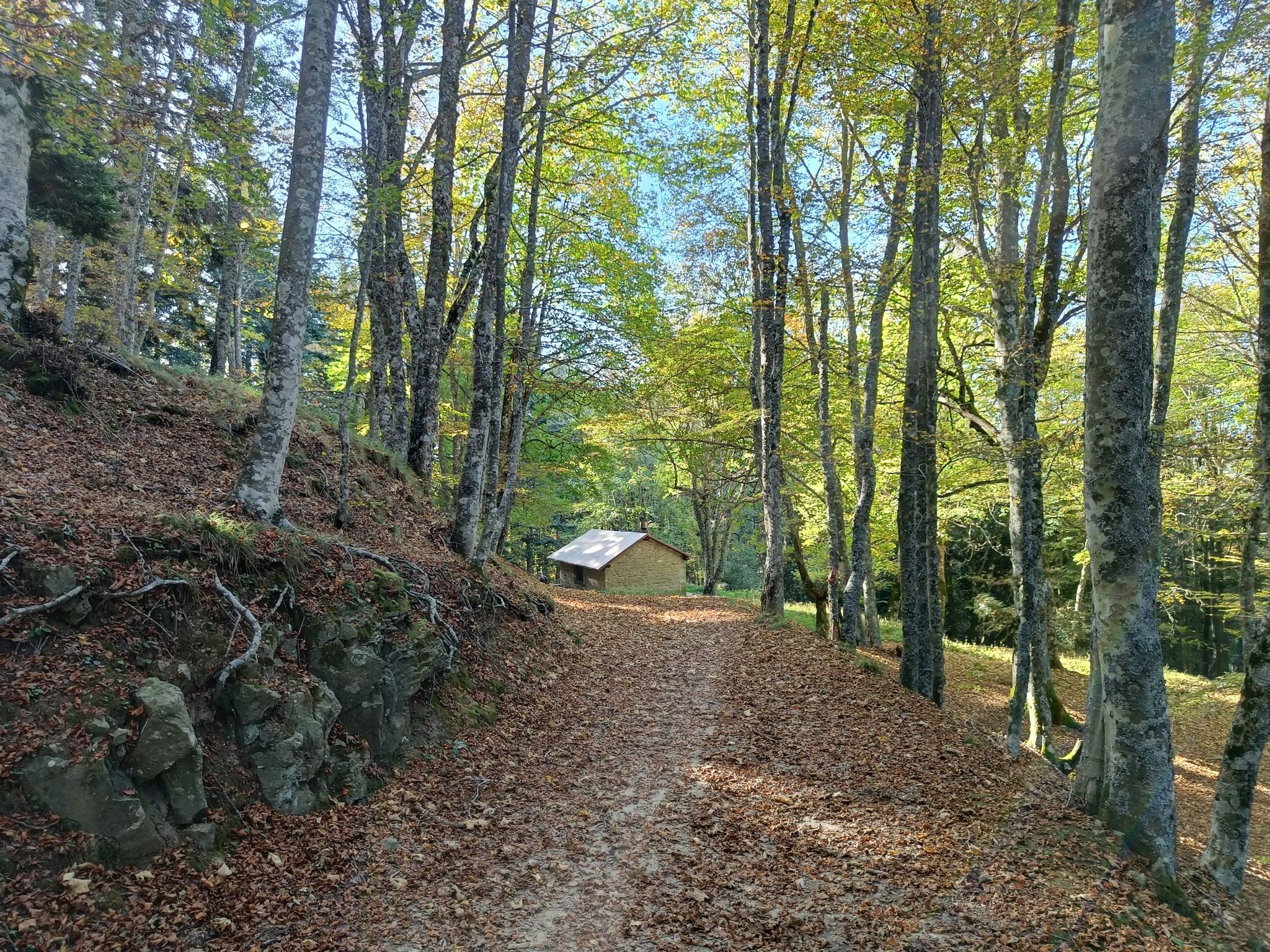
Camaldoli to Carpegna – Alta Via dei Parchi (part 5)
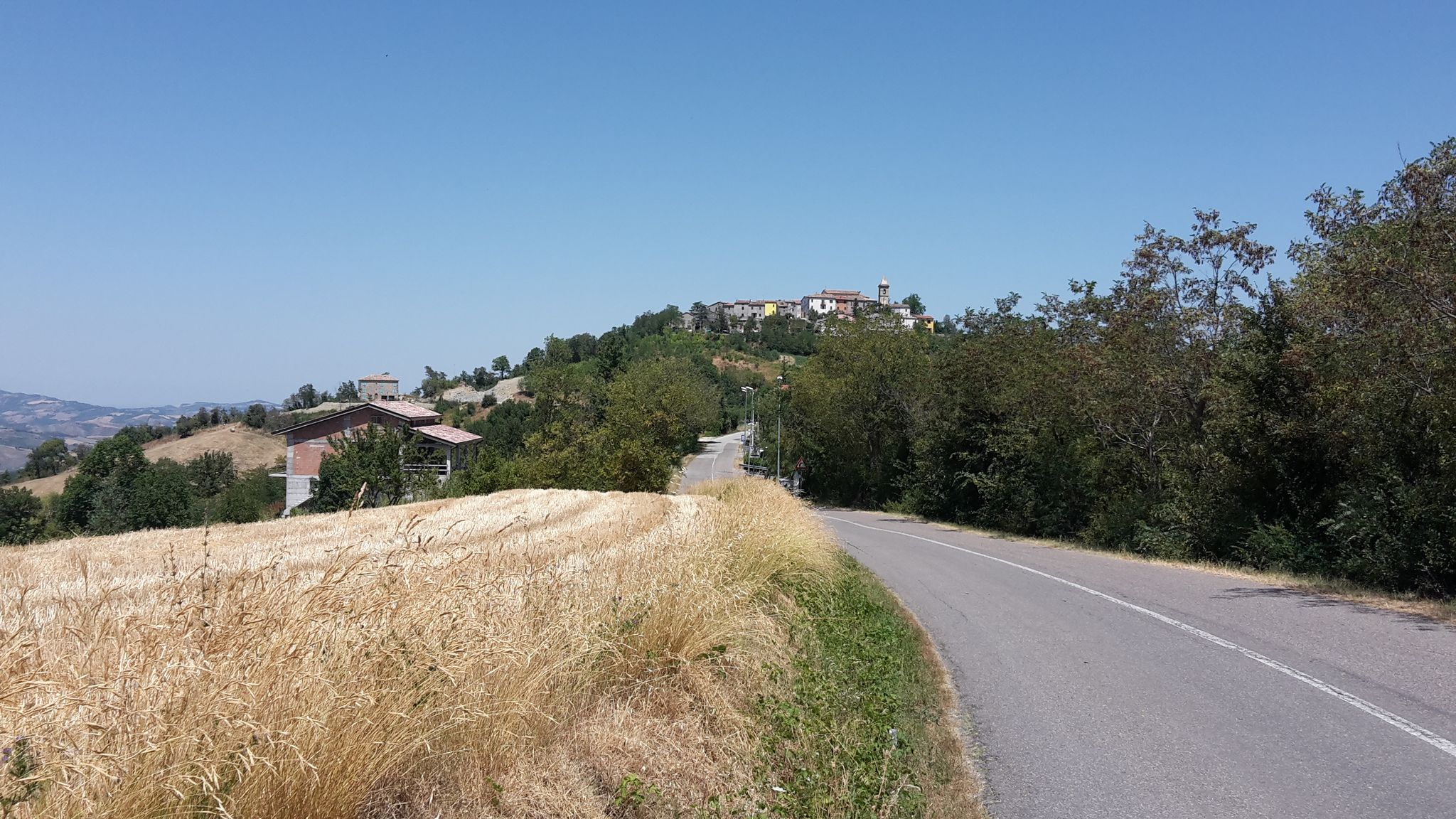
Grand Tour Valle del Savio – between hills, water and cycling
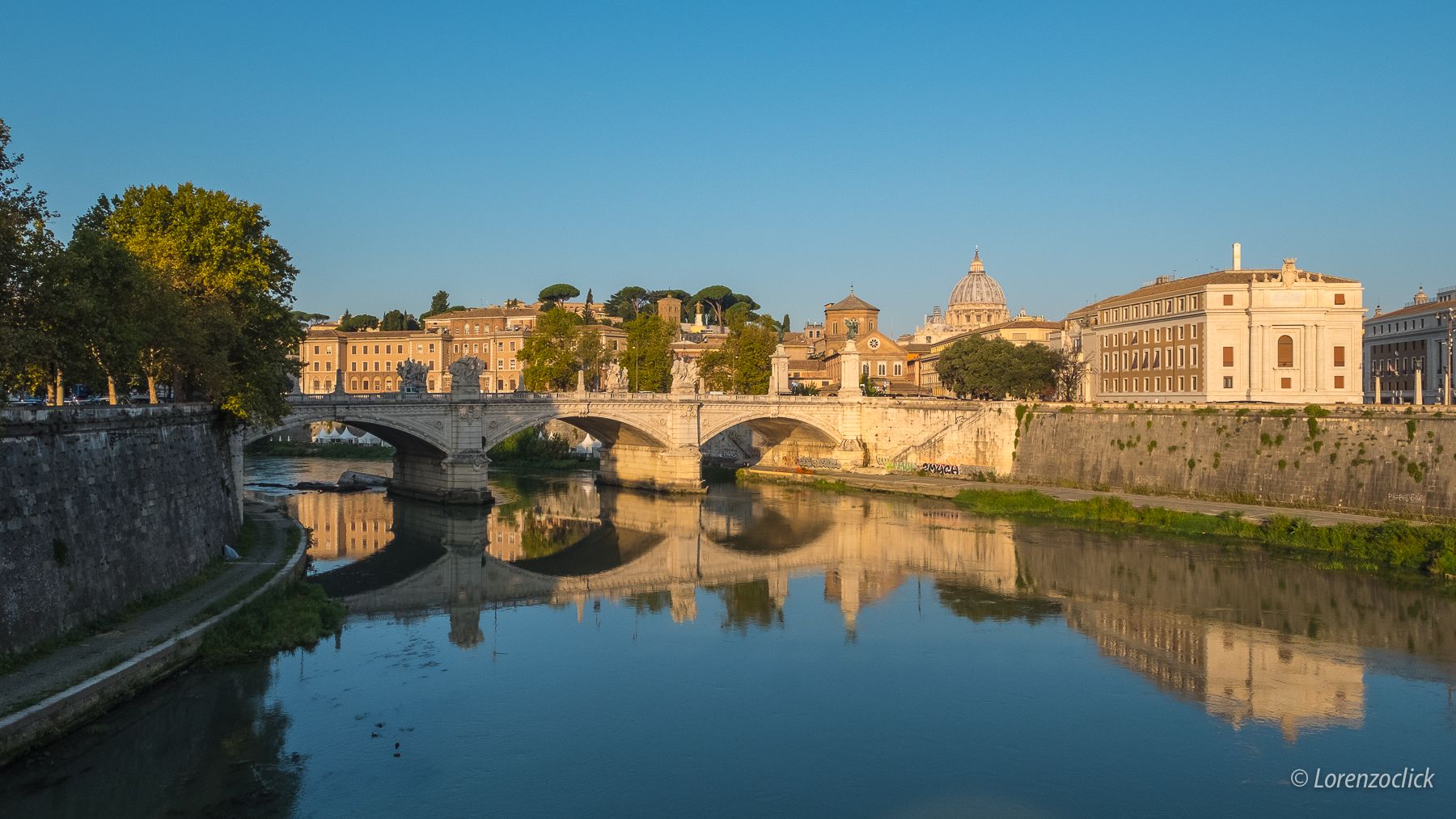
Cycling from the source to the mouth of the Tiber — the Regina Ciclarum
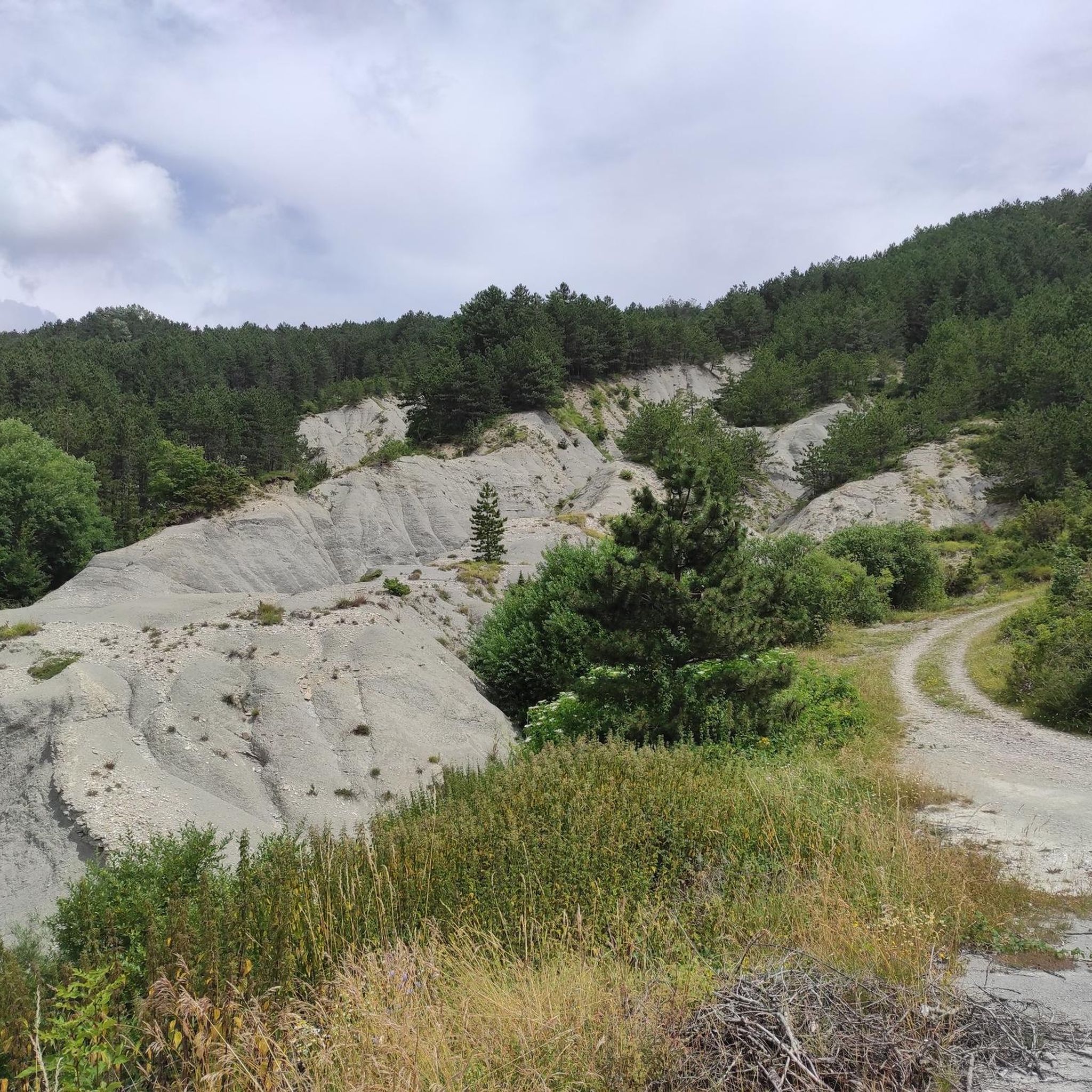
Hiking around Verghereto
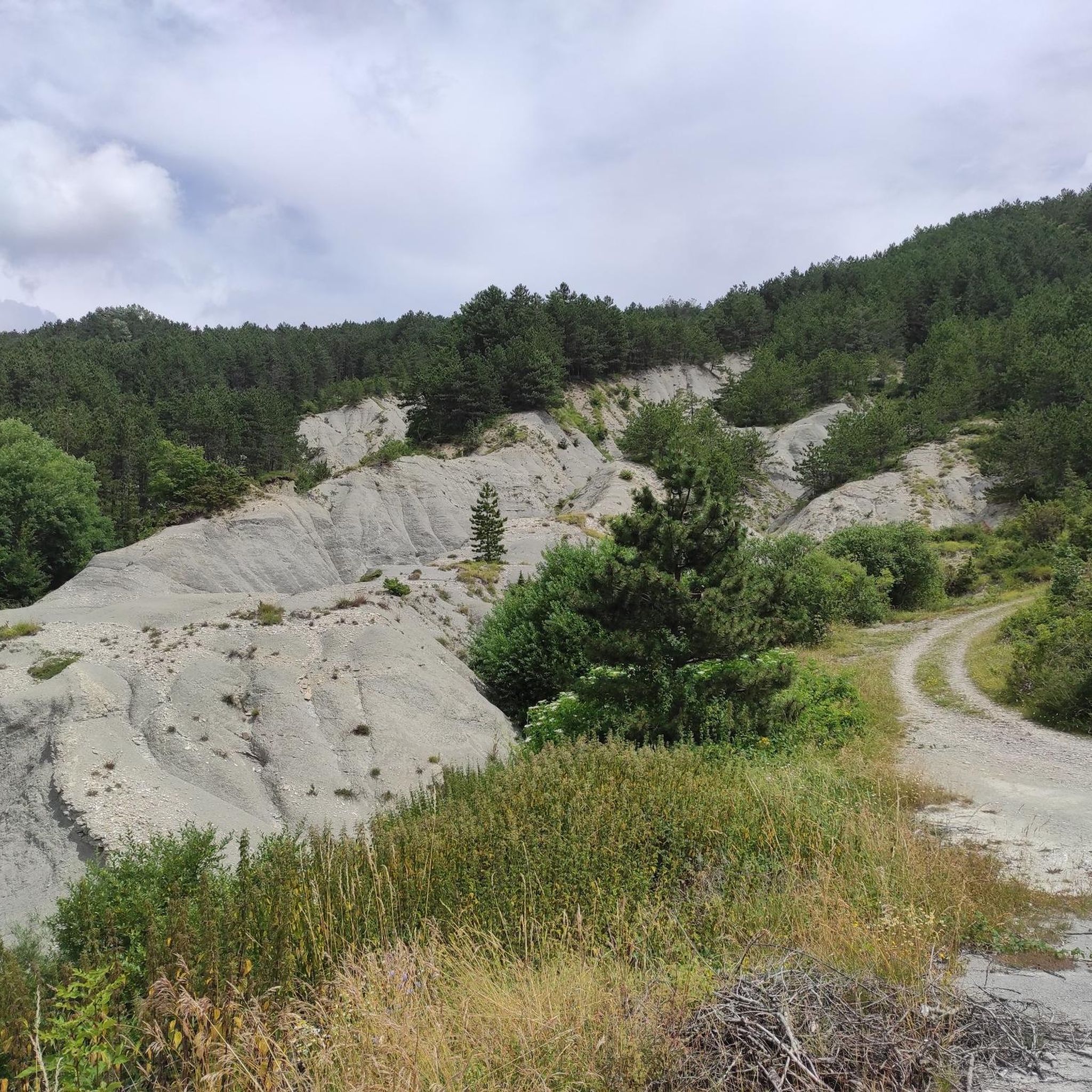
MTB Trails around Verghereto
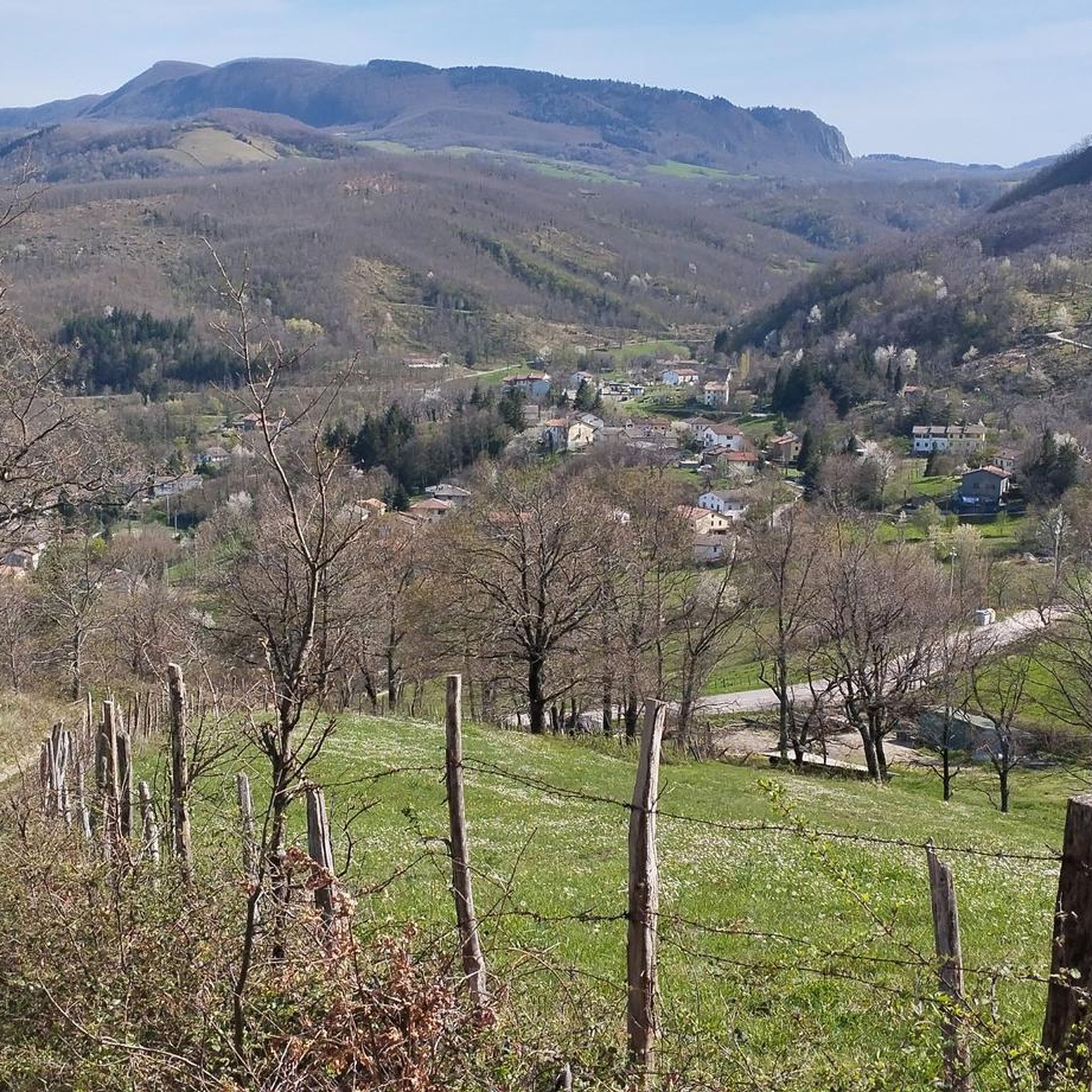
Road Cycling Routes around Verghereto
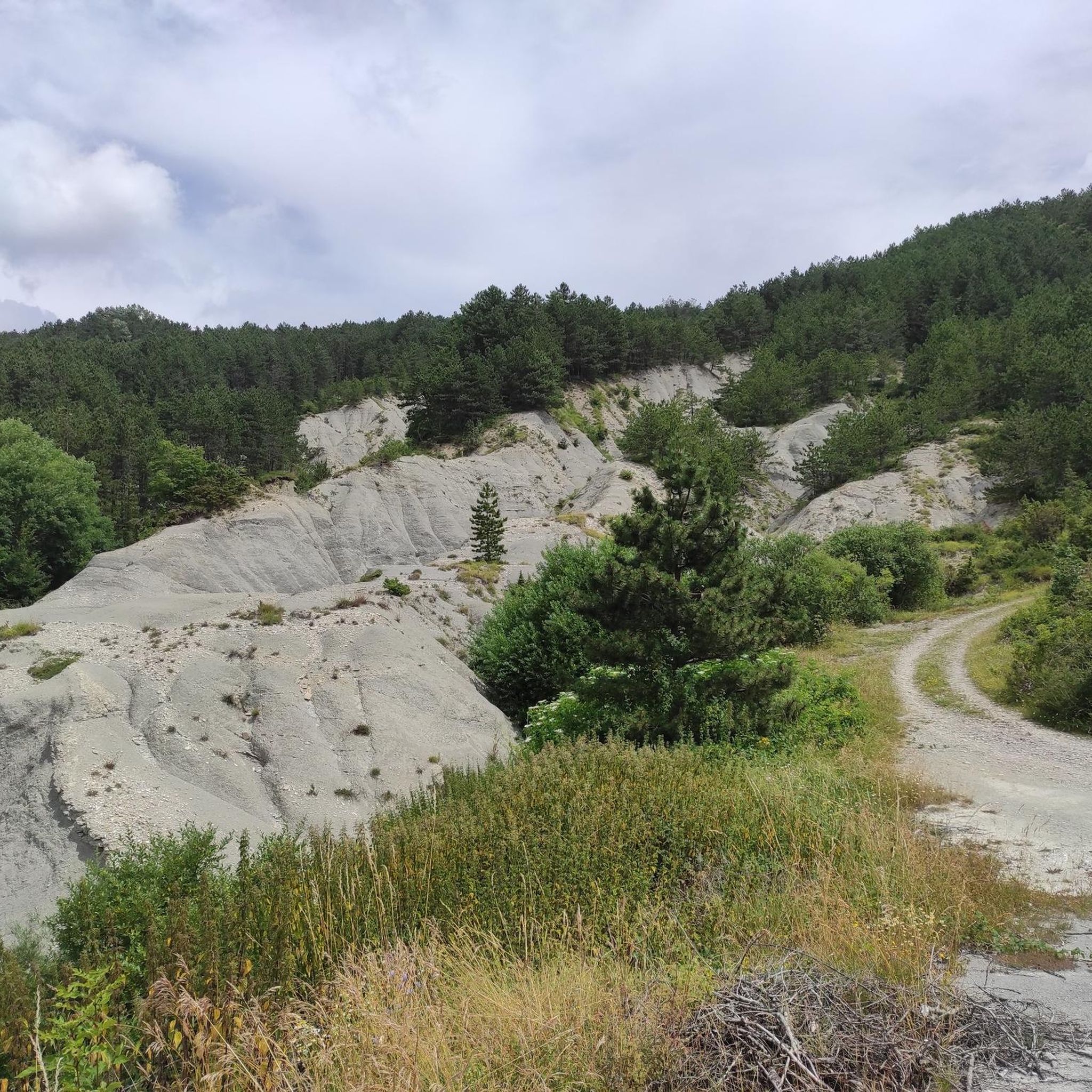
Cycling around Verghereto
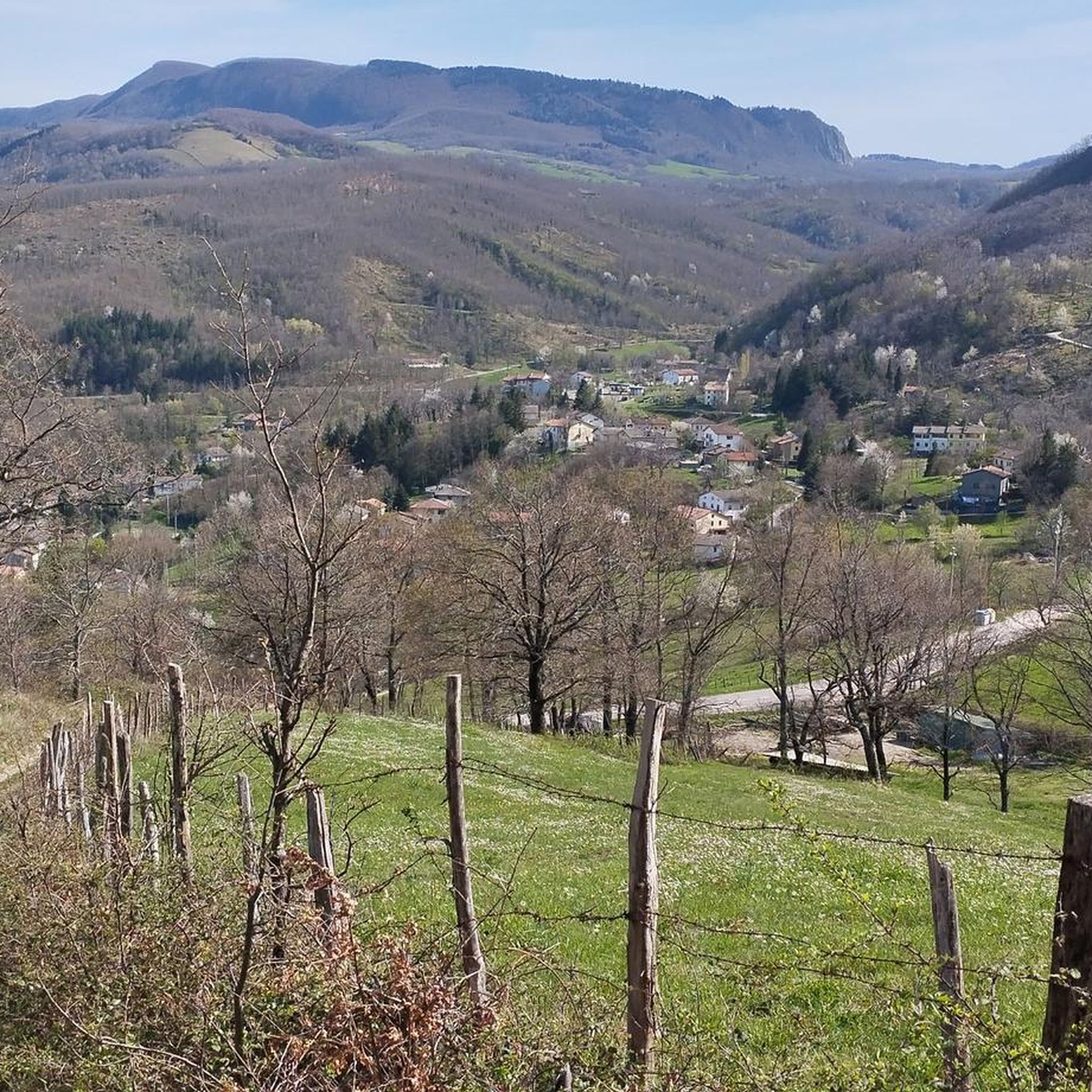
Running Trails around Verghereto

Gravel biking around Verghereto
Other adventures around Verghereto


Tips from the Community

Worth visiting in October for the Truffle Fair
0
0

It is located on the Sasso del Lupo or Pietra Anellaria (from sandstone) and from the top of this natural cliff it dominates the underlying Savio valley. The fortress was probably built around the year 1000 by the Cavalca family of the Counts of Bertinoro, who at the time dominated the territory by ecclesiastical investiture. Around 1100 it was expanded by Altruda Frangipani, also of the Cavalca family, who managed the country with justice and wisdom ... When the Counts of Bertinoro died out ... the fortress belonged to the Archbishops of Ravenna and, later, to the Faggiolani, the Guidi, the Tarlati, the Brancaleoni, the Malatesta and the Montefeltro. And it was precisely with the arrival of this last family that the original fortress underwent the first radical transformations. ... it was the first change from a war bulwark to the princely residence that it would become with the Fregoso. .... In 1660 S. Agata and its castle returned under the dominion of the Church. Since then the fortress continued to be used as a residence at least until 1781 when it was transformed into a convent; on this occasion the Conventuals built, leaning against the fortress, the church dedicated to San Francesco della Rosa. Over the last two centuries the Fortress has been used as a Convent of the Friars Minor Conventual, a high school, a prison, a courthouse and finally a civilian residence. ... Today the Fortress is managed by the Pro-loco Association and is home to the permanent museum "Rocca delle Fiabe". (Source: https://www.roccadellefiabe.it/rocca-fregoso/ )
0
0

Ruins of an old 12th century castle, on the top of a hill, in a beautiful panoramic position.
0
0

The Rocca Fregoso is a fortified construction located in the village of Sant'Agata Feltria, in the province of Rimini, Emilia-Romagna, Italy. The fortress dates back to the 10th century, but its definitive construction is attributed to the famous architect Francesco di Giorgio Martini. From 1474 to 1660, the fortress was the residence of the Fregoso family, originally from the Republic of Genoa and closely related to the da Montefeltro, dukes of Urbino. The fortress has been restored and well preserved and can be visited.
0
0
It is located on the Sasso del Lupo or Pietra Anellaria (from sandstone) and from the top of this natural overhang it dominates the Savio valley below. The fortress was probably built around the year one thousand by the Cavalca family of the counts of Bertinoro, who at the time dominated the territory by ecclesiastical investiture. Around 1100 it was enlarged by Altruda Frangipani, also from the Cavalca family, who managed the town with justice and wisdom ... Once the Counts of Bertinoro were extinct... the Rocca belonged to the Archbishops of Ravenna and, later, to the Faggiolani, the Guidi, the Tarlati, the Brancaleoni, the Malatesta and the Montefeltro. And it is precisely with the advent of this last family that the primitive fortress underwent its first radical transformations. ... it is the first change from a war bastion to that princely residence that it will become with the Fregoso family. .... In 1660 S. Agata and its castle returned under the dominion of the Church. Since then the fortress continued to be used as a residence at least until 1781 when it was transformed into a convent; on this occasion the conventuals built the church dedicated to San Francesco della Rosa, leaning against the fortress. In the last two centuries the Fortress has been used as a Convent of the Conventual Friars Minor, as a high school, as a prison, as a Magistrates' Court and finally as a civil residence. ... Today the Rocca is managed by the Pro-loco Association and is home to the permanent "Rocca delle Fiabe" museum. (Source: https://www.roccadellefiabe.it/rocca-fregoso/ )
0
0

San Agata Feltri, an enchanting town, rises among the hills and woods of the Marche region. This picturesque place exudes history and tradition, with its cobbled streets and ancient buildings telling stories of the past. The atmosphere here is a harmonious balance between the tranquility of the surrounding nature and the vibrant glow of village life. San Agata Feltri, with its authenticity and beauty, invites visitors to immerse themselves in the authenticity of this community which is intertwined with the magnificence of the Marche.
1
0
With a square plan with a side measuring 5.30 meters per side at the base, 21 meters high and with a raised access door, the tower cannot be visited internally. The castle had been placed to guard the ancient road that led from the Adriatic to Rome, due to its position it had an important control role so much so that pilgrims traveling to Rome used to say: "We will go to Rome if God wants and those of Bascio". The remains of the castle are almost non-existent, at the foot of the tower you can glimpse alignments of the ancient walls and a moat that is now dry. Also at the foot of the tower it is possible to admire "the petrified garden" born from an idea by Tonino Guerra, with work by Giò Urbinati and set up by Rita Ronconi. These are seven ceramic carpets dedicated to seven characters from the past who lived or passed through these places.
1
0
Petrella Guidi is located in the right fork of the Marecchia river about six kilometers from the capital of Sant'Agata Feltria. In ancient times it was called Petrella dei Tiberti. The first news dates back to 1125 when Honorius II, with his own bull, assigns the Castle of Petrella specifying "novum" to Pietro Vescovo del Montefeltro. The best known character is certainly Guido (Petrella Guidi - Petrella di Guido) who, in 1297, robbed a count of Savoy who went on pilgrimage to Rome.
0
0
Frequently Asked Questions
What kind of historical fortifications can I explore around Verghereto?
Verghereto offers a glimpse into its medieval past through historical remnants rather than grand, fully preserved castles. You can explore the ancient walls and a castle gate integrated into the modern village of Verghereto itself, which was a stronghold for the Guidi Counts. Additionally, the impressive ruins of Corzano Fortress and Bascio Tower provide a more direct experience of medieval defensive architecture.
Are there any medieval villages to visit near Verghereto?
Yes, you can visit Petrella Guidi Medieval Village, a historical site that belonged to the Guidi da Montefeltro counts with records dating back to 1125. It's a small, charming old town. Also, S.Agata Feltria is an enchanting historical settlement with cobbled streets and ancient buildings.
What are some of the most popular castle-related sites in the Verghereto area?
Among the most popular sites is S.Agata Feltria, a historical settlement known for its ancient architecture. Another must-see is Corzano Fortress, offering ruins of a 12th-century castle with panoramic views. Visitors also appreciate Petrella Guidi Medieval Village for its historical charm.
What can I expect to see at the Fregoso Fortress in Sant'Agata Feltria?
The Fregoso Fortress, also known as Rocca Fragoso or Castello delle Fiabe, is located in S.Agata Feltria. It has a rich history, transforming from a war bastion to a princely residence. Today, it houses the permanent 'Rocca delle Fiabe' museum, offering a unique cultural experience within its historic walls.
Are there good viewpoints near the castles around Verghereto?
Yes, Corzano Fortress is situated on a hilltop with beautiful panoramic views. The Petrella Guidi Medieval Village also offers scenic vistas of the surrounding landscape.
What outdoor activities can I do near these historical sites?
The Verghereto area is excellent for outdoor activities. You can find numerous running trails, such as the 'Poggio Tre Vescovi – Passo Rotta dei Cavalli loop'. For cycling, options like the 'Casentino Cycle Path – View of Bibbiena loop' are available. Mountain biking enthusiasts can explore routes like the 'Source of the Tiber River – Sant'Alberico Hermitage loop'. You can find more details on these and other routes in the Running Trails around Verghereto, Cycling around Verghereto, and MTB Trails around Verghereto guides.
What is unique about Bascio Tower?
Bascio Tower is a square-plan tower, 21 meters high, that once guarded the ancient road from the Adriatic to Rome. While the interior cannot be visited, you can see alignments of ancient walls and a dry moat at its base. It also features 'the petrified garden,' an art installation by Tonino Guerra with work by Giò Urbinati, dedicated to historical figures of the area.
What do visitors enjoy most about the castles and historical sites around Verghereto?
Visitors appreciate the authentic historical atmosphere, particularly in places like S.Agata Feltria with its cobbled streets and ancient buildings. The opportunity to explore ruins like Corzano Fortress and imagine their past strategic importance is also highly valued. The blend of history with the tranquility of the surrounding nature is a common highlight.
Is Verghereto itself a historical site worth exploring?
Yes, Verghereto, the town center, is built on a medieval rocky spur and retains a strong medieval imprint. You can observe sections of ancient walls and a castle gate integrated into the modern village. Many houses feature traditional stone blocks and 'pietra serena' portals, offering a tangible connection to its past as a strategic border town and stronghold for the Guidi Counts.
Are there any 'hidden gems' among the historical sites near Verghereto?
While not widely publicized as grand castles, the remnants within Verghereto itself, including its ancient walls and castle gate, offer a 'hidden gem' experience for those interested in medieval urban planning and the history of feudal families. Similarly, the evocative ruins of Pianetto Castle (not listed in highlights but mentioned in region research) provide a direct and less crowded encounter with medieval fortification.
Most popular routes around Verghereto
Most popular attractions around Verghereto

Get inspired with the komoot mobile app


Explore more
Looking for the best castles somewhere else? Discover other guides around Verghereto:
