Top 10 Castles around Bagno Di Romagna
Best castles around Bagno Di Romagna include historical remnants and defensive structures that reflect the region's medieval past. The area features ruins of fortifications, providing insight into its strategic importance and medieval life. These sites offer a tangible connection to the power struggles and daily life of past eras. Visitors can explore various historical structures, from imposing fortresses to remnants of city walls.
Best castles around Bagno Di Romagna
- The most popular castles is Premilcuore Fortress, a castle where…
Last updated: June 30, 2026
Premilcuore Fortress
Highlight • Castle
Translated by Google •
Tip by

Castello di Romena
Highlight • Castle
Translated by Google •
Tip by

Sign up now to discover places like this
Get recommendations on the best single tracks, peaks, & plenty of other exciting outdoor places.
Sign up for free
Palagio Fiorentino
Highlight • Castle
Translated by Google •
Tip by

Corniolino Castle
Highlight • Castle
Translated by Google •
Tip by
Corzano Fortress
Highlight • Castle
Translated by Google •
Tip by

Sign up for free to discover even more castles around Bagno Di Romagna.
Sign up for free
Already have an account?
Start today with a free account
Your next adventure awaits.
Login or Signup
Popular around Bagno Di Romagna
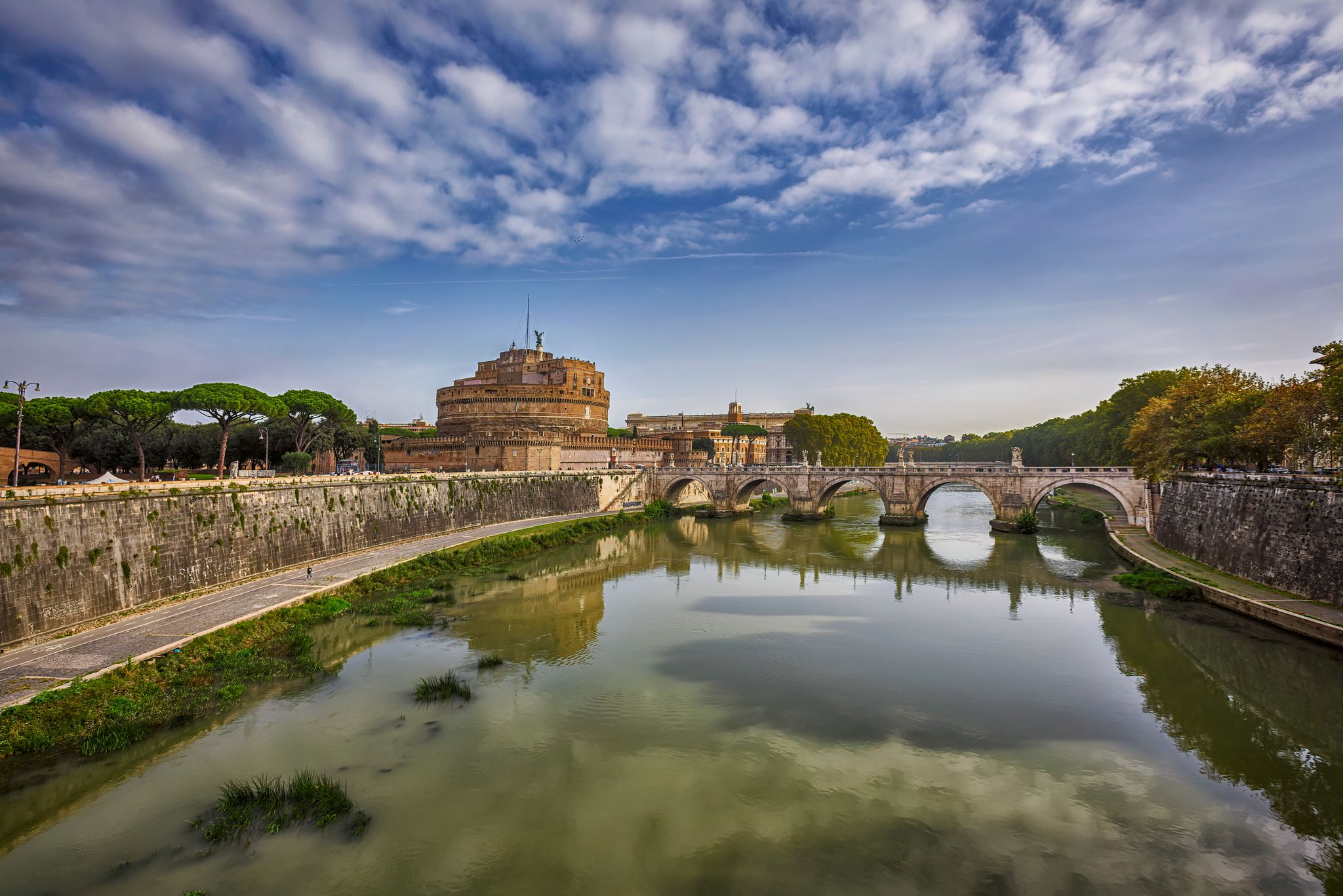
All roads lead to Rome – Romea Tiberina Cycleway
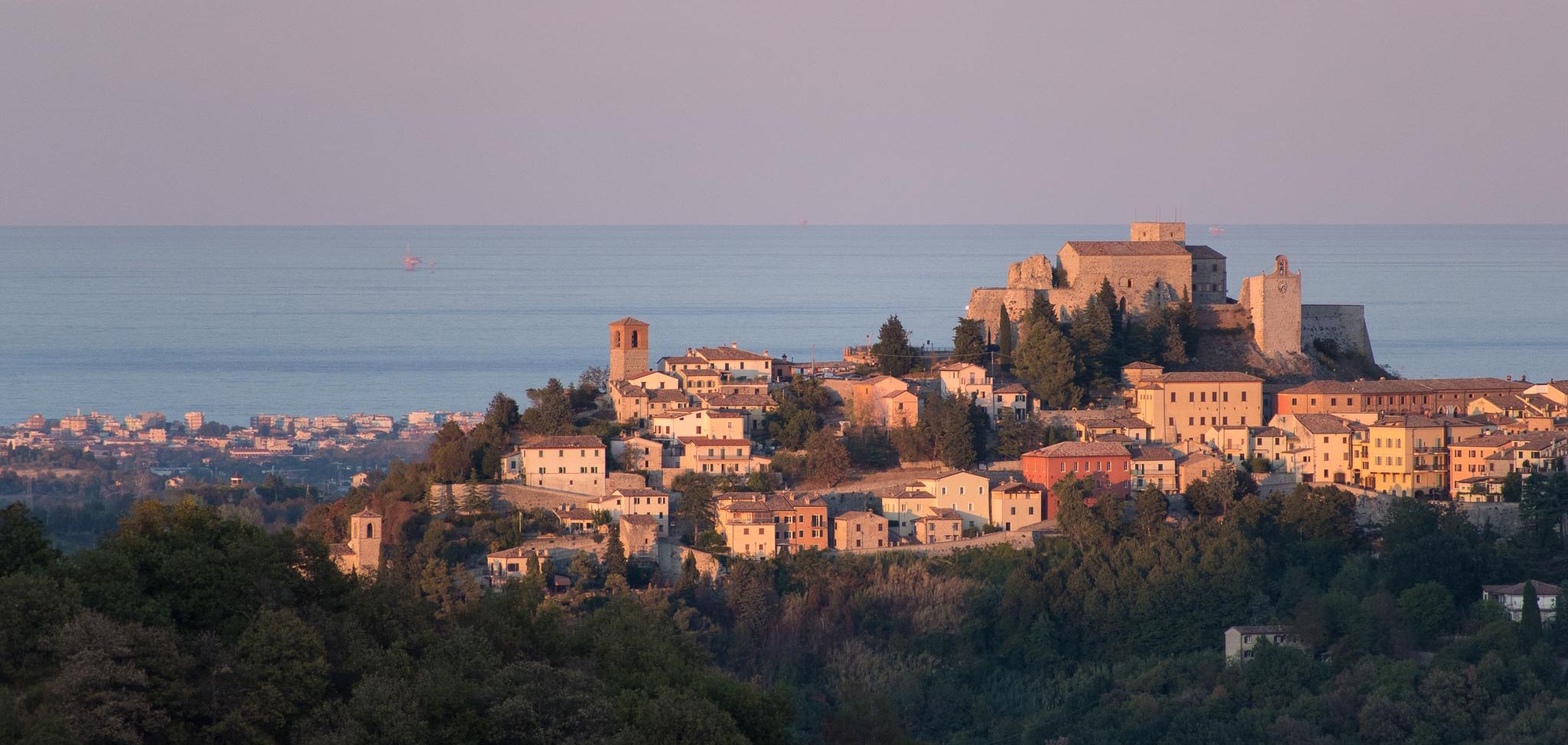
In the quiet backcountry of the Adriatic — cycling in Emilia Romagna
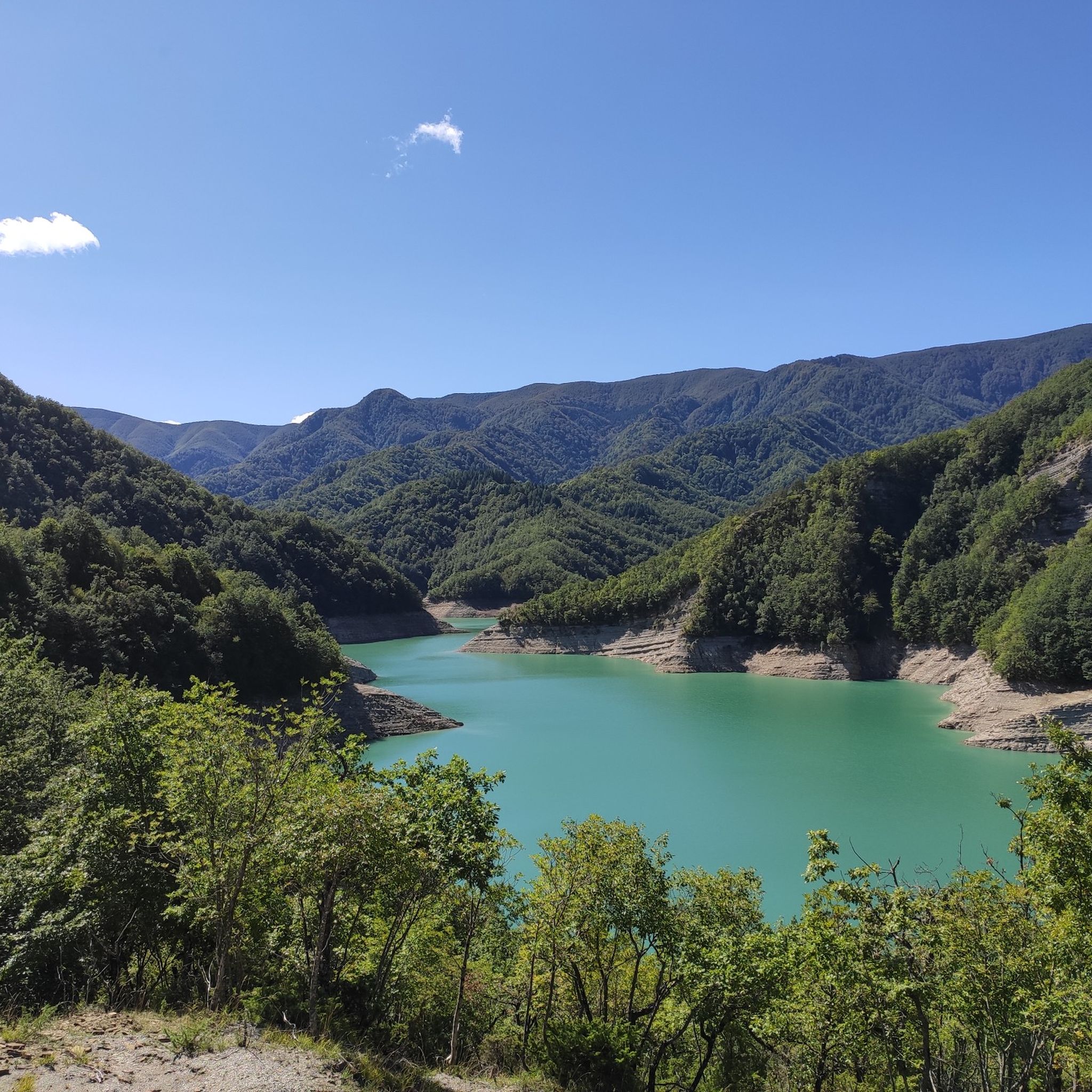
Hiking around Bagno Di Romagna
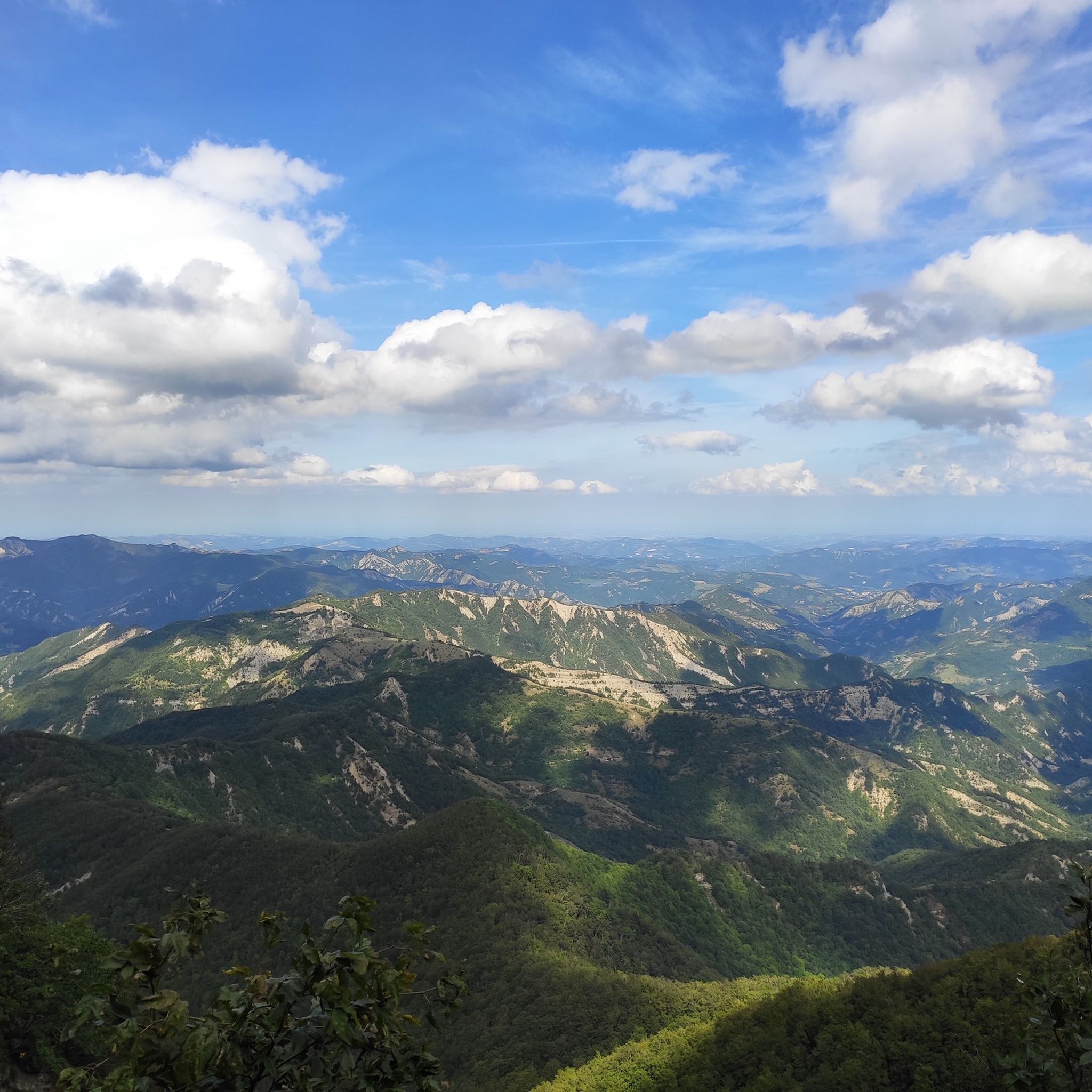
MTB Trails around Bagno Di Romagna
Cycling around Bagno Di Romagna
Road Cycling Routes around Bagno Di Romagna
Running Trails around Bagno Di Romagna

Gravel biking around Bagno Di Romagna


Tips from the Community

short path, you reach the parish church from the fields, ..rather suggestive. ..
0
1

Ruins of an old 12th century castle, on the top of a hill, in a beautiful panoramic position.
0
0

Premilcuore, like many other villages in the area, experienced its period of maximum expansion around the 13th and 14th centuries under the dominion of the Guidi family. In this period the castle known as Rocca di Premilcuore was built, today not much remains of this structure except one of the doors and remains of the walls incorporated into other buildings in subsequent periods. The life of Premilcuore is linked to the course of the Rabbi river. Today the river is a popular summer destination to escape the heat, while in the past the watercourse served to irrigate the surrounding fields and gave power to various mills in the area, two of which are still visible near the town.
2
0

The Palagio Fiorentino belonged to the Guidi Counts, like other castles in the area. Built around 1230 by Count Bandino, the branch of the counts of Palagio originated from this castle, to whom it belonged for many years The last exponent of the branch of the counts of Palagio was Count Antonio, who, in 1381, freed all his subjects from all bonds of servitude and vassalage. In 1398 Count Antonio allied himself with Florence, Bologna, Venice, Padua, Ferrara and Mantua against the Visconti of Milan, even if he later switched to the side of the Visconti. In 1402 Count Antonio had to cede the territories to the Republic of Florence, to avoid the consequences of some livestock raids against the Republic in the lands of Count Piero di Porciano. After this capitulation, Montemezzano, Lonnano, Papiano and Stia also spontaneously submitted to Florence, all subsequently reunited in the Community of Palagio Fiorentino. In 1440, during the clashes between Florence and Milan, the Milanese army commanded by Niccolò Piccinino burned and destroyed the castle. The current building of the Palagio Fiorentino was built at the beginning of the twentieth century by the lawyer Carlo Beni, mayor of Stia and author of a famous Guide to the Casentino. During the reconstruction work, medieval artefacts were found, including coins and a seal with the Guidi coat of arms The appearance of the structure, rather than respecting the original architectural layout, recalls the neo-Gothic taste in vogue in the years of the renovation. (Source: https://casentino.it/palagio-fiorentino/ )
0
0
The Castle was probably built around the 10th century, as it was mentioned in documents as early as 1008 as a possession of Guido Alberto, Marquis of Spoleto. This then passed through marriage into the hands of the Guidi Counts, lords of Romagna and Casentino, who held it until 1357, when it was sold to Florence for 9,600 gold florins. With the end of the Grand Duchy, Romena became the seat of the Municipality only to be abandoned after its abolition was decided. Damaged by the earthquake of 1678 and by the local population, who used it as a stone quarry for the construction of houses and farms, the castle was finally purchased at auction in 1768 by Count Ascanio of the Goretti de' Flamini family, who still owns it today the property. The castle originally consisted of three large central towers and eleven turrets to reinforce the external walls. At the end of the large parade ground, it is possible to recognize the prison tower, larger than the others and characterized by a large shoe. Here the prisoners entered from above and were lowered down through a trap door in the floor. Apparently the more serious the crime committed, the lower the prisoners were lowered: this system of punishment at various levels seems to have given Dante, who stayed here during his exile, the inspiration for the structure of Hell. Romena is in fact remembered by Dante Alighieri in the XXX canto of the Inferno, composed right here, regarding Mastro Adamo da Brescia, a forger in the pay of the Guidi counts captured and burned alive in a locality which, precisely because of this affair, takes Omomorto's name. The large tower in the center of the courtyard is the Postierla tower, equipped with a drawbridge, from which you access the Cassero area. Here the lords resided with their family, protected by the moat and by the men guarding the towers and patrol walkways at the top of the walls. In this area there is also the Mastio tower, the highest and most fortified of all as well as the last defense in the event of a siege: from here, a secret passage led outside the castle walls, allowing the besieged to escape. Romena also inspired Gabriele D'Annunzio, guest of the Goretti de' Flamini Counts, who wrote much of the Alcyone here while contemplating the sacred mountain of La Verna and the beauty of the Casentino landscapes. (Source: https://casentino.it/castello-di-romena/ )
0
0

The Castle of Romena is a historic fortification located on top of a hill overlooking the Arno River valley. The construction of the castle dates back to the 10th century, although it has undergone many modifications and renovations over the following centuries. The castle was originally built as a defensive fortification, but over time it has also been used as a stately home and as a prison. The castle is surrounded by a wall that protects it from three sides, while the downstream side has been opened to enjoy the panoramic view. Within the castle are a number of buildings, including a church, keep and loggia. Most of the structure has been restored and reopened to the public as a museum, housing a collection of objets d'art and contemporary art. Today the Castello di Romena is a popular tourist attraction and is often used as a location for weddings and other events. Its breathtaking landscape and fascinating history attract tourists from all over the world. If you are interested in the history and art of Tuscany, the Castello di Romena is definitely a place worth visiting.
0
0
The origins of Premilcuore are mysterious, although there are several versions and legends about its foundation. The most fascinating and imaginative version is linked to the legend of the Roman soldier named Marcello, who fled Rome at the time of Caracalla, because he was part of a conspiracy against the emperor, and who found refuge in these places. Marcello fortified the small villages already existing, one of which, the current via Marciolame, is named in honor of its founder. And even the name of Premilcuore seems to date back to “PREMIT COR” (“pain oppresses our hearts” for the death of their benefactor) or to “PREMUNT COR” (“rather than hand him over we would tear out our hearts” because the Roman captain was wanted to be killed). (Source: http://www.turismopremilcuore.it/scopri-premilcuore/storia/ )
3
1
It dates back to the XII - XIII century and belonged to the Guidi Counts (in 1371). In the fifteenth century it fell under the influence of the Florentines, from this moment its decline began. Cardiane Anglico describes the castle as follows in 1371: 'It is on the Alpe on a high insepugnable mountain. It has a fortress and a very strong tower. There is another one-shot crossbow tower called the Oak. The main road that leads from Galeata to Tuscany passes here in the middle (...) '. The structures currently visible are the walls (partially hidden by vegetation) with the mighty arched entrance door in sandstone blocks and part of the central keep. Below the castle you can see the road 'that led from Galeata to Tuscany' with retaining walls. (Source: http://www.turismoforlivese.it/servizi/menu/dinamica.aspx?ID=27901)
0
0
Frequently Asked Questions
What kind of historical sites can I expect to see around Bagno di Romagna?
The Bagno di Romagna area is rich in historical remnants, primarily featuring ruins of fortifications and defensive structures. You'll find imposing remains of fortresses like Corzano Fortress, as well as parts of ancient city walls and towers within the towns themselves, offering a glimpse into the region's medieval past and strategic importance.
Are there any lesser-known historical sites worth exploring in the region?
Beyond the more prominent ruins, you can discover intriguing sites like the Resti del Castello di Rondinaia, which features an imposing 20-meter high tower and foundations, offering a captivating site for medieval archaeology enthusiasts. The Civic Tower in S. Piero in Bagno also represents the area's administrative history.
Do these historical sites offer good viewpoints or natural features?
Yes, many of these sites are strategically located on hilltops. For instance, Corzano Fortress is situated in a beautiful panoramic position. The ruins of Rondinaia Castle also offer picturesque views from their isolated spur overlooking river confluences, inviting visitors to appreciate the natural landscape alongside the history.
Are there family-friendly historical sites to visit around Bagno di Romagna?
While many sites are ruins, their open-air nature can be engaging for families. Palagio Fiorentino is noted as family-friendly. Exploring the restored sections of the city walls and the 'Torrione' in Bagno di Romagna itself can also be an accessible and interesting activity for all ages.
When is the best time to visit the castles and historical sites?
The best time to visit is generally during spring, early summer, or autumn. The weather is usually pleasant for exploring outdoor ruins and walking to sites like Corzano Fortress. Winters can be cold, and some paths might be less accessible due to weather conditions.
How accessible are these historical sites by car or public transport?
Accessibility varies by site. Many ruins, like Rocca di Corzano, can be reached by car, often followed by a walk on tracks and pathways from nearby towns like Bagno di Romagna or S. Piero in Bagno. Public transport options are more limited for remote ruins, so a car is generally recommended for wider exploration. Within Bagno di Romagna and S. Piero in Bagno, town-based historical elements like the City Walls or Civic Tower are easily accessible on foot.
Can I visit these historical sites with my dog?
Most outdoor historical ruins and paths in the Bagno di Romagna area are generally dog-friendly, especially if your dog is kept on a leash. However, always be mindful of local regulations and ensure your dog is well-behaved, particularly around other visitors or wildlife.
What outdoor activities can I do near these historical sites?
The region offers excellent opportunities for outdoor activities. You can find numerous hiking trails, such as the moderate Ridracoli Loop Trail or the more challenging Tour of Monte Penna. There are also extensive road cycling and mountain biking routes available. For more details, explore the Hiking around Bagno Di Romagna, Road Cycling Routes around Bagno Di Romagna, and MTB Trails around Bagno Di Romagna guides.
Are there hiking opportunities near these historical sites?
Absolutely. Many historical sites, especially those on hilltops like Corzano Fortress, are excellent destinations for hikers. You can reach them via scenic trails. The wider Bagno di Romagna area boasts a variety of hiking routes, from moderate to difficult, allowing you to combine historical exploration with nature walks. Check the Hiking around Bagno Di Romagna guide for specific routes.
What are some easy-to-access historical remnants in Bagno di Romagna itself?
Within the town of Bagno di Romagna, you can easily explore the remnants of its 14th-century city walls, particularly along Via del Popolo and Circonvallazione. A significant restored circular defensive structure, known as the 'Torrione,' is also accessible. The Campanile of the Basilica di S. Maria Assunta, potentially a former defensive tower, is another easily visited historical point.
What do visitors enjoy most about the historical sites in Bagno di Romagna?
Visitors appreciate the tangible connection to medieval history that these ruins provide. The strategic hilltop locations often offer stunning panoramic views, making the journey to sites like Corzano Fortress a rewarding experience. The blend of historical exploration with the natural beauty of the Apennine landscape is a key draw.
Can I combine a visit to a castle with a circular walk?
Yes, many of the historical sites are integrated into the local trail network. For example, Rocca di Corzano can be reached via tracks and pathways from Bagno di Romagna, making it suitable for a circular walk. You can plan routes that incorporate these historical points into longer hikes, offering both cultural and natural exploration. Refer to the Hiking around Bagno Di Romagna guide for inspiration.
Most popular routes around Bagno Di Romagna
Most popular attractions around Bagno Di Romagna

Get inspired with the komoot mobile app


Explore more
Looking for the best castles somewhere else? Discover other guides around Bagno Di Romagna:
