Top 5 Castles around Lucignano
Castles around Lucignano are characterized by the region's unique fortified medieval villages and historical defensive structures. Lucignano itself is a remarkably preserved elliptical, concentric ring village, reflecting its strategic importance during conflicts between Siena, Florence, Arezzo, and Perugia. The area features ancient walls, fortresses, and traditional castles, offering insights into centuries of military architecture and regional history. These sites provide a tangible sense of the town's past and panoramic views of the surrounding Tuscan countryside.
Best castles around Lucignano
- The…
Last updated: October 3, 2026
Borgo di Modanella
Highlight • Settlement
Translated by Google •
Tip by

Gargonza Castle
Highlight • Castle
Translated by Google •
Tip by

Sign up now to discover places like this
Get recommendations on the best single tracks, peaks, & plenty of other exciting outdoor places.
Scrofiano
Highlight • Settlement
Translated by Google •
Tip by

Gargonza Climb (La Chianina Ciclostorica)
Highlight (Segment) • Climb
Translated by Google •
Tip by

Serre di Rapolano Historic Village
Highlight • Historical Site
Nice view on the surronding
Tip by

Start today with a free account
Your next adventure awaits.
Tips from the Community

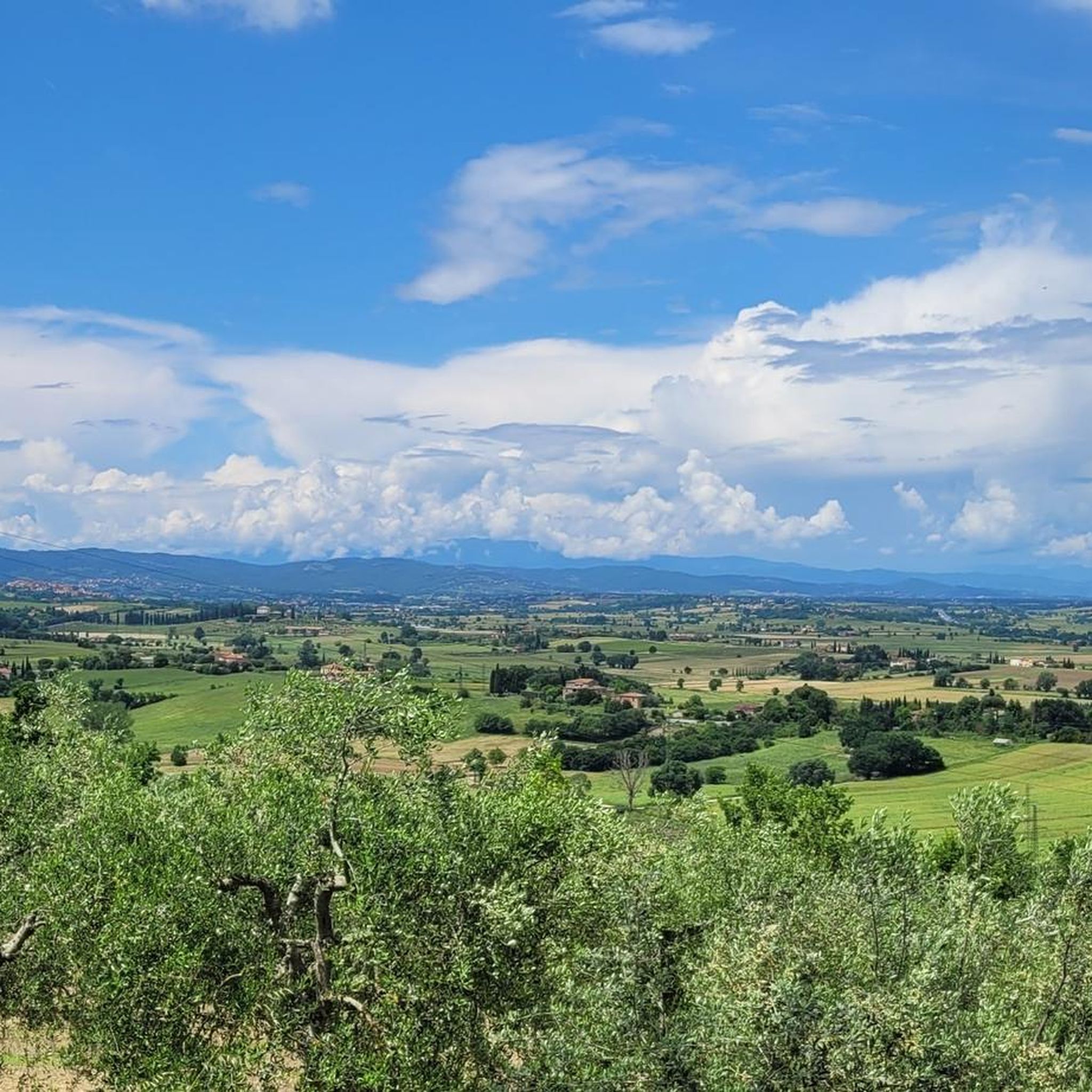
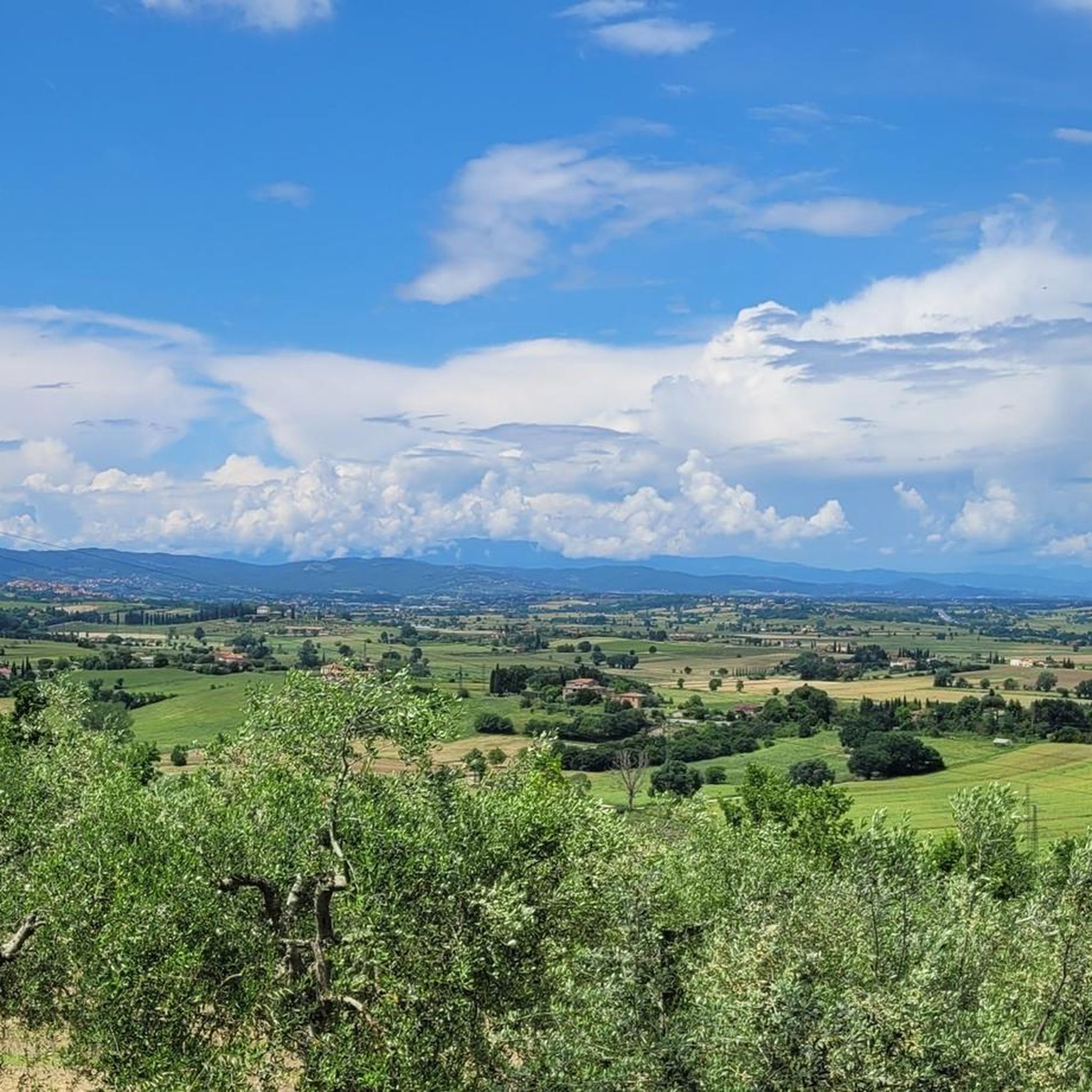
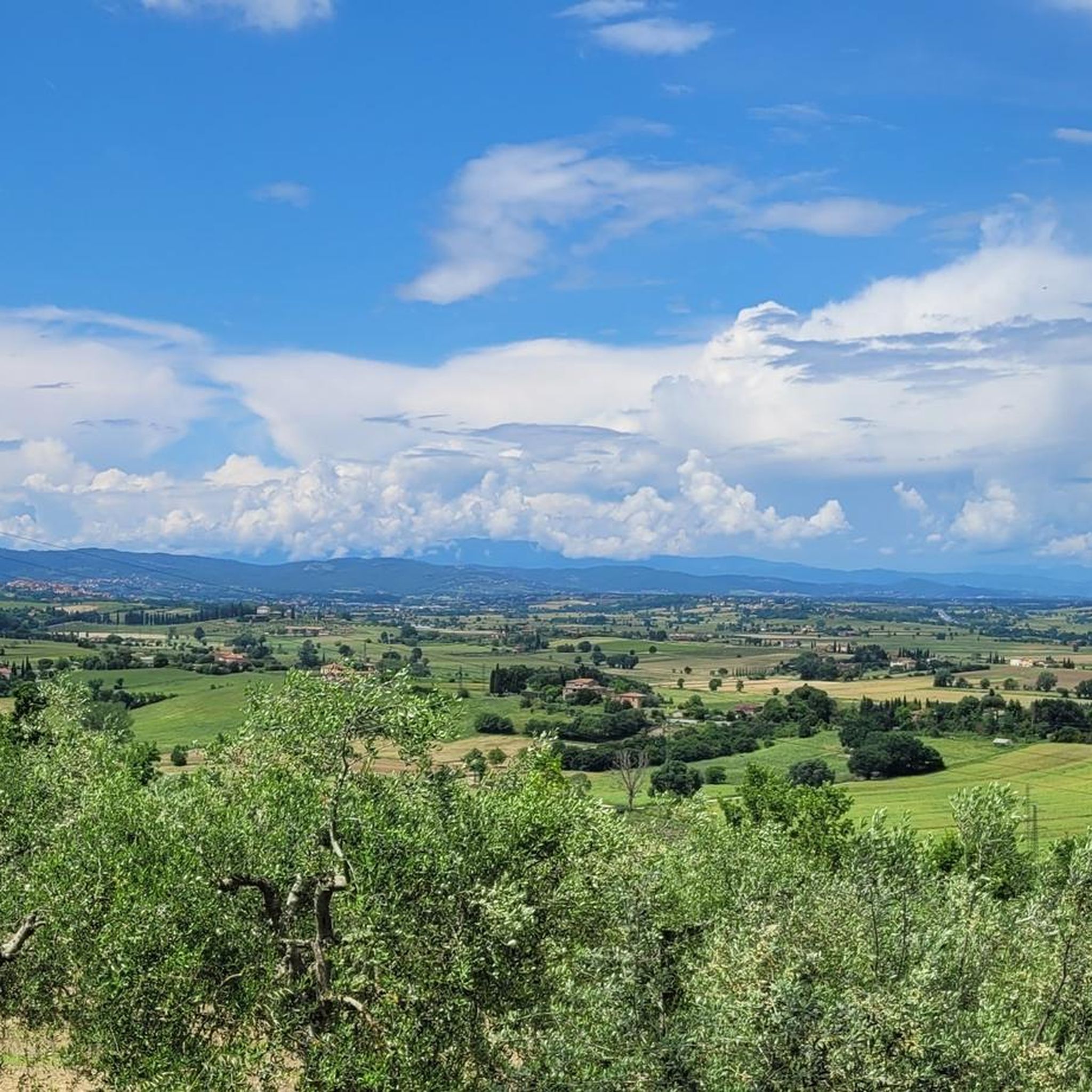
A panoramic spot from which to observe the entire Valdichiana.
0
0

A castle immersed in a forest, with an unmistakable tower visible from various points and with a wide view of the Valdichiana up to Arezzo and the Apennines.
0
0

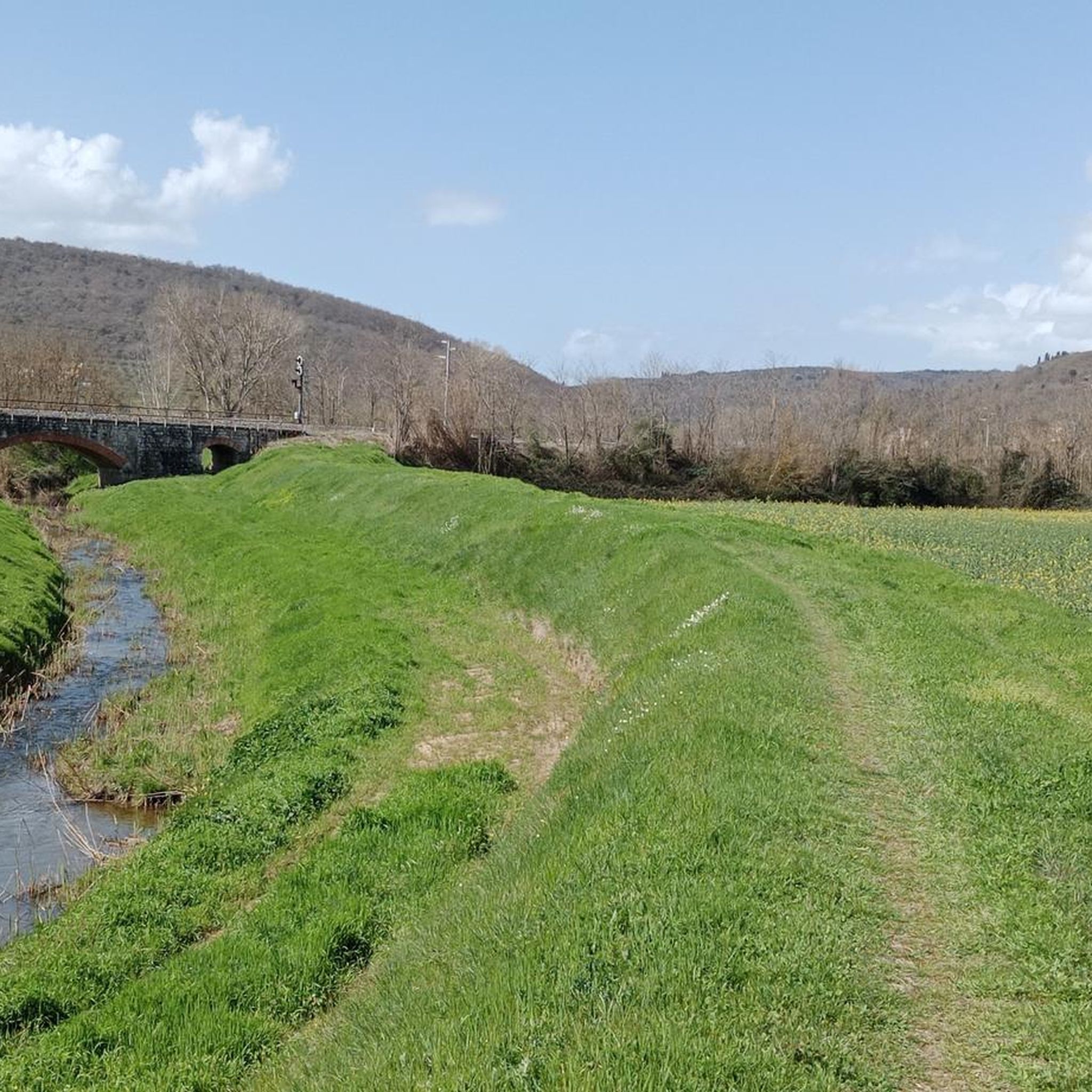
beautiful dirt road ideal for gravel!
0
0

Località Modanella is a small village, or frazione, within the municipality of Rapolano Terme in the province of Siena, Tuscany. It is renowned for the Castello di Modanella, a medieval castle that stands as the focal point of the area. The castle's origins date back to the 12th century when it was constructed by the noble Cacciaconti family. In the 14th century, ownership transitioned to the Piccolomini family, who maintained possession for several centuries. The castle has undergone various modifications over the years but has retained its fortress-like appearance. Its architectural features include a well-preserved outer wall with towers featuring sloped bases. Within the castle grounds, the courtyard boasts a charming loggia and gardens, offering a glimpse into its historical grandeur. Adjacent to the castle is the Church of San Giovanni Evangelista, a medieval structure that once fell under the patronage of the Piccolomini family. In the 19th century, the church underwent a restoration that imparted a neoclassical facade, while its interior reflects 17th-century renovations. Notable artworks within the church include "The Supper at Emmaus," attributed to Raffaello Vanni, and a revered 1657 wooden crucifix, which is central to a local festival held annually on the first Friday of March. Today, Castello di Modanella and its surrounding estate span approximately 630 hectares. The meticulously restored farmhouses within the estate serve as accommodations for visitors seeking tranquility and a historical ambiance in the heart of Tuscany. The preservation of the entire village, including the castle, church, a
0
0

Attention! Shortly after this point there are some sheepdogs
0
0
Very beautiful castle - excellent restaurant
0
0
From the crossroads of the state road, go up for about 5 km of dirt road to the castle of Gargonza. Not impossible woods and slopes, dirt road in good condition
0
0

Frequently Asked Questions
What are the main historical fortifications to explore in Lucignano itself?
Lucignano is unique as its entire medieval village acts as a 'castle,' with a remarkably preserved elliptical layout. Key fortifications include its ancient 14th-century walls with three main gates (Porta San Giusto, Porta San Giovanni, Porta Murata), the Rocca Senese (Sienese Fortress) with its imposing quadrangular tower, and the remains of the Medici Fortress just outside the village, which offers a contrasting perspective on Florentine military engineering.
Are there other notable fortified villages or castles near Lucignano?
Yes, beyond Lucignano's own fortifications, you can explore other significant sites. Gargonza Castle is a small, characteristic village with a perfectly preserved castle and an excellent restaurant. Another must-see is Scrofiano, a medieval village and Ghibelline fortress that appears suddenly after a stretch of dense wood. You can also visit Borgo di Modanella, a typically Tuscan hamlet centered around the medieval Castello di Modanella.
What kind of outdoor activities can I do near the castles around Lucignano?
The area around Lucignano offers various outdoor activities. You can find numerous trails for running, hiking, and mountain biking. For example, there are several running loops around Lucignano, such as the 'Lucignano Historic Center – View of Lucignano loop'. Hiking options include routes like 'Calcione Waterfall and Lake loop from Modanella'. Mountain bikers can enjoy trails like 'Lucignano Historic Center – Diga del Calcione loop'. You can find more details on these activities in the running, hiking, and MTB guides for the region.
Are there family-friendly options when visiting castles in the Lucignano area?
Exploring the fortified village of Lucignano itself is a great family activity, as children can enjoy walking along the ancient walls and imagining medieval life. The well-preserved nature of places like Gargonza Castle, which is a small village, also offers a safe and engaging environment for families to wander and explore.
Can I bring my dog to the castles or fortified villages around Lucignano?
While specific rules for each site may vary, generally, dogs on a leash are welcome in the outdoor areas of fortified villages like Lucignano, Gargonza Castle, and Scrofiano. It's always advisable to check local signage or official websites for any specific restrictions, especially if planning to enter indoor exhibits or restaurants.
What is the best time of year to visit the castles around Lucignano?
The spring (April-May) and autumn (September-October) months are generally ideal for visiting the castles and fortified villages around Lucignano. During these periods, the weather is pleasant for exploring on foot, and the Tuscan countryside is particularly beautiful. Summer can be hot, but early mornings or late afternoons are still enjoyable. Winter offers a quieter experience, though some services might have reduced hours.
Are there easy walks or trails connecting the castles or fortified villages?
Yes, the region offers various trails suitable for different fitness levels. Within Lucignano, walking the concentric streets and walls is an easy and rewarding experience. For slightly longer, easy hikes, you can find routes like the 'Calcione Waterfall and Lake loop from Modanella' which is rated as easy. Many of the fortified villages are connected by scenic country roads and dirt tracks, ideal for leisurely walks or gravel cycling, such as the Gargonza Climb which features a beautiful dirt road leading to the castle.
How long should I plan for a visit to the fortified village of Lucignano?
To thoroughly explore the fortified village of Lucignano, including its walls, the Rocca Senese, and the Medici Fortress, and to wander through its charming streets, you should plan for at least half a day. If you wish to visit local museums or enjoy a meal, a full day would be more appropriate.
Are there cafes or restaurants near the castles in the Lucignano area?
Yes, you'll find dining options near many of these historical sites. Lucignano itself has various cafes and restaurants within its medieval walls. Gargonza Castle is noted for having an excellent restaurant within its perfectly preserved village. Other fortified villages like Scrofiano and Borgo di Modanella also offer local eateries or accommodations with dining facilities.
What makes Lucignano's fortifications unique compared to traditional castles?
Lucignano's uniqueness lies in its entire village being a 'castle' – a perfectly preserved elliptical, concentric ring layout. This urban planning is a rare example of medieval defensive architecture, reflecting its strategic importance in conflicts between Siena, Florence, Arezzo, and Perugia. Unlike a single, standalone castle, Lucignano offers an immersive experience of a complete fortified medieval town, with its walls, gates, and internal structures like the Rocca Senese and Medici Fortress integrated into the urban fabric.
Are there any viewpoints offering panoramic views of the Tuscan countryside near these sites?
Yes, many of the fortified sites around Lucignano offer stunning panoramic views. Walking along Lucignano's ancient walls provides expansive vistas of the surrounding Valdichiana. The remains of the Medici Fortress, located on a hill opposite Lucignano, offer excellent views of the village itself. Additionally, sites like Serre di Rapolano Historic Village are situated on hilltops, providing beautiful views of the surrounding Tuscan landscape.
What should I wear for exploring the castles and fortified villages?
Comfortable walking shoes are essential, as you'll be navigating cobblestone streets, uneven paths, and potentially stairs within the fortifications. Layered clothing is recommended, especially during spring and autumn, to adapt to changing temperatures. A hat and sunscreen are advisable during sunny months, and a light jacket can be useful in the evenings or cooler seasons.
What are the parking options when visiting Lucignano's fortifications?
Lucignano, being a pedestrian-friendly medieval village, has parking available outside its historic center. There are designated parking areas just a short walk from the main gates. For other fortified villages and castles in the region, parking is typically available nearby, often in small lots or along the roadside, but it's always good to check for specific signage upon arrival.
Most popular attractions around Lucignano

Get inspired with the komoot mobile app


Explore more
Looking for the best castles somewhere else? Discover other guides around Lucignano:
