Top 16 Castles around Poppi
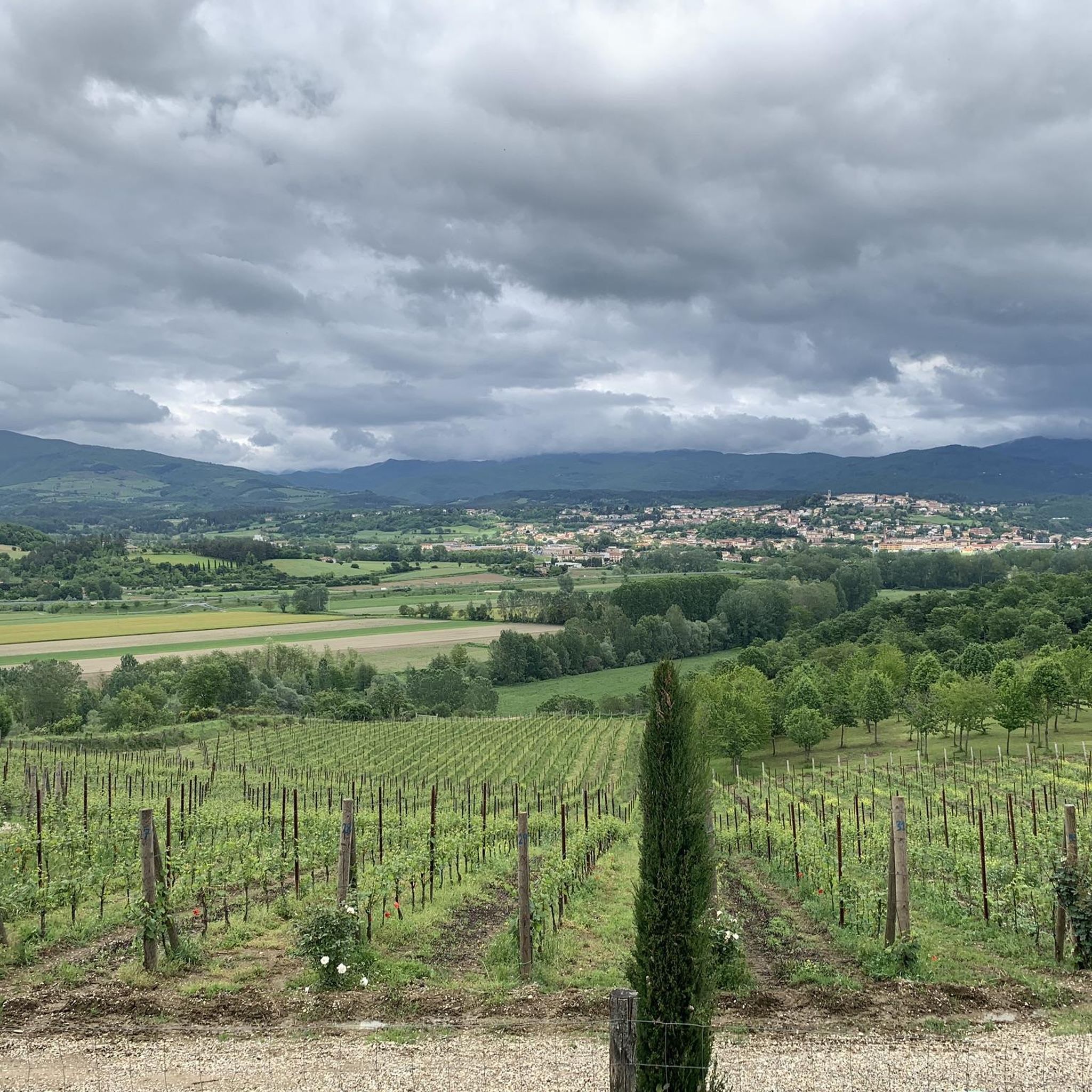
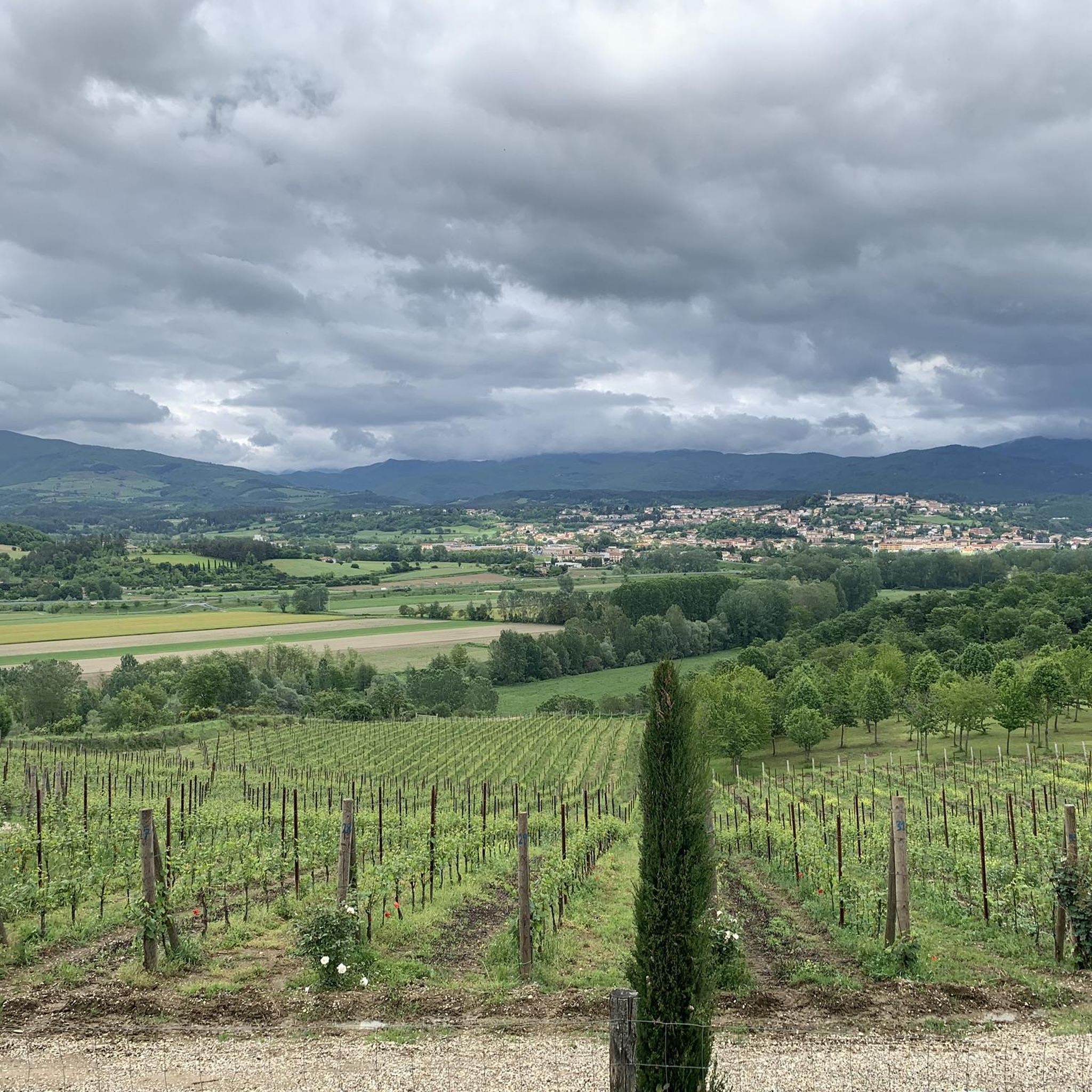
Best castles around Poppi are found in the Casentino valley, a region characterized by its historical significance and natural landscape. The area features medieval fortresses situated on hills, offering views of the Arno River valley. These structures reflect centuries of history, from their origins as defensive fortifications to their roles as noble residences. The surrounding environment provides a backdrop for exploring these historical sites.
Best castles around Poppi
- The most popular castles is Castle of the Guidi Counts in Poppi…
Last updated: August 23, 2026
Castello di Romena
Highlight • Castle
Translated by Google •
Tip by

Montemignaio Castle (Castel Leone)
Highlight • Castle
Translated by Google •
Tip by

Sign up now to discover places like this
Get recommendations on the best single tracks, peaks, & plenty of other exciting outdoor places.
Sign up for free
Palagio Fiorentino
Highlight • Castle
Translated by Google •
Tip by
Corniolino Castle
Highlight • Castle
Translated by Google •
Tip by
Castle of the Guidi Counts in Poppi
Highlight • Castle
Translated by Google •
Tip by

Sign up for free to discover even more castles around Poppi.
Sign up for free
Already have an account?
Start today with a free account
Your next adventure awaits.
Login or Signup



Tips from the Community

Great views and resting areas all around the castle.
0
0

I recommend a stop with a visit to understand the battle of Campaldino
0
0

short path, you reach the parish church from the fields, ..rather suggestive. ..
0
1

Castello dei Conti Guidi, beautiful stone village. Wonderful view.
0
0

The origin of the Montemignaio castle is linked to the passage through the area of the ancient Roman road which, from Florence ... led to Arezzo. The ancient route was still widely used during the Middle Ages and this generated the development of the Castle, located in a dominant position, at the top of a buttress overlooking the Fiana torrent valley. The first written document proving the existence of the settlement dates back to 1103, it is a papal bull in which the authority over the Pieve di Montemignaio was confirmed to the Bishop of Fiesole. Already in the following years and throughout the 12th century the area was remembered among the dominions of the Guidi counts... It was the Guidi family who built the castle on site, also known as 'Castel Leone' or simply 'Castiglione', which remained in their possession until the revolt of Castel S. Niccolò with whose inhabitants the Montemignanesi made common cause against the abuses of the last descendant of the feudal family, Count Galeoto. In 1440 the same inhabitants submitted to the Municipality of Florence and were aggregated to the Podesteria of the Montagna Fiorentina. The remains of the castle walls still partially surround the town. To the right of the main access door the mighty tower still stands out, which also served as a bell tower, to the left a second tower, probably originally the twin of the other, is today significantly reduced in height. The two towers are joined by a mighty curtain wall in which opens the beautiful round arched door that leads into the heart of the castle. Once through the entrance on the left, the majestic remains of the palace rise, first the residence of the counts and then of the Florentine Podestà, and of the square-shaped keep. In the curtain walls you can still see the walled shape of what was once the door that led into the courtyard of the Palagio. Today, to access the splendid courtyard, with a beautiful well in the centre, you need to go around the outside of the walls from the right of the main door. The original small church of the castle still stands immediately behind the bulk of the keep. The whole, rather well maintained, is one of the best examples of a fortified medieval Tuscan mountain village. (Source: https://castellitoscani.com/castel-leone-montemignaio/ )
0
0
The arrival at the Castle of the Guidi Counts is immediately announced by a bronze statue depicting Dante Alighieri, which overlooks the Casentino valley and the Campaldino plain, where in 1289 Dante himself, among the ranks of the Florentine Guelphs, fought against the Arezzo Ghibellines. (Source: https://www.centrostoricopoppi.it/attrazioni-turistiche/#castello-e-piazza-delle-armi)
1
0
Poppi Castle is the main monument of the Casentino. Unlike all the other castles and medieval architecture in the area, it has not been ruined by time and men, having always been used as the residence of the local political or administrative power, in fact the Municipality of Poppi is still located there today. Since its origins, the history of the castle has been closely linked to that of the largest feudal family in Casentino who placed Poppi at the center of its large properties and inhabited this manor for almost four hundred years: the Guidi counts. Although the first written news of the existence of the castle dates back to 1191, its architecture and the fact that the Guidi family were already owners of vast possessions in Tuscany and Romagna at the time lead us to assume that its foundation was two or three years earlier. centuries, dating back to the period between the Lombard and Frankish invasions in these territories. ... (Source: https://castellitoscani.com/poppi/ )
1
0

The climb to reach the castle will initially make you regret not staying in the valley, but the square, the gardens, and the view over the Arno valley and the mountains of the Casentinesi Forests will repay the effort. The castle has a square tower and can also be visited inside, where it houses a library, a chapel and a historical museum.
2
0
Frequently Asked Questions
Which castle is considered the most significant in the Poppi area?
The most significant castle in the Poppi area is the Castello dei Conti Guidi in Poppi. It stands prominently on a hill, dominating the Casentino valley, and is unique for its continuous use as a residence of local political power, housing the municipality of Poppi even today. It's believed to have served as a prototype for Florence's Palazzo Vecchio and has connections to Dante Alighieri. You can learn more about it here: Castle of the Guidi Counts in Poppi.
Are there family-friendly castles to visit around Poppi?
Yes, the Castle of the Guidi Counts in Poppi is considered family-friendly. Its continuous use and careful restoration make it an engaging and educational experience for all ages, offering a tangible journey through medieval history. The castle features a library, a chapel with frescoes by Taddeo Gaddi, and a historical museum.
What historical connections do the castles around Poppi have?
The castles in the Poppi area are deeply rooted in history, often linked to the powerful Guidi family who controlled the Casentino region for centuries. For instance, the Castello di Romena, dating back to the 10th century, was a Guidi possession and is famously remembered by Dante Alighieri in the XXX canto of the Inferno. The Castle of the Guidi Counts in Poppi also hosted Dante during his exile.
What kind of outdoor activities can I do near the castles around Poppi?
The area around Poppi offers a variety of outdoor activities. You can find numerous routes for gravel biking, cycling, and mountain biking. For example, there are challenging gravel biking routes like the 'Arno River Cycle Path – Camaldoli Monastery loop from Poppi' and difficult cycling routes such as the 'Passo del Carnaio – Calla Pass loop from Poppi'. Explore more options on the Gravel biking around Poppi, Cycling around Poppi, and MTB Trails around Poppi guide pages.
What are some other notable castles to visit besides the main one in Poppi?
Beyond the main castle in Poppi, you can explore the Castello di Romena, a historic fortification with a church, keep, and loggia, offering panoramic views of the Arno River valley. Another interesting site is Corniolino Castle, which dates back to the 12th-13th century and features partially hidden walls with an arched entrance and part of its central keep.
Are there any castles with unique architectural features in the region?
Yes, the Castle of the Guidi Counts in Poppi is an excellent example, known for its well-preserved medieval architecture, including a majestic tower and mighty walls. It's even believed to have influenced the design of Florence's Palazzo Vecchio. Another unique example is the Montemignaio Castle (Castel Leone), which retains significant remains of its walls, a mighty tower, and a beautiful round arched entrance, showcasing a fortified medieval Tuscan mountain village.
What is the best time to visit the castles around Poppi?
The castles around Poppi are generally pleasant to visit during spring and autumn when the weather is mild and the natural landscape of the Casentino valley is particularly beautiful. Summer can also be a good time, though it might be warmer, while winter offers a different, often quieter, experience.
What can I expect to see inside the Castle of the Guidi Counts in Poppi?
Inside the Castle of the Guidi Counts in Poppi, you can explore the Guidi Chapel adorned with 14th-century frescoes by Taddeo Gaddi, the Rilliana Library with over 25,000 ancient volumes, and the magnificent stone staircase. Visitors can also see the inner courtyard, the 'Sala delle Feste,' and ancient prisons. The bell tower offers breathtaking panoramic views of the Casentino valley.
Are there any castles that were rebuilt or significantly altered over time?
Yes, the Palagio Fiorentino, originally built around 1230 by Count Bandino, was destroyed by the Milanese army in 1440. The current building was constructed at the beginning of the 20th century, recalling a neo-Gothic style rather than its original medieval layout.
What do visitors particularly enjoy about the castles in the Poppi region?
Visitors appreciate the intact grandeur and architectural beauty of the castles, especially the Castle of the Guidi Counts in Poppi. The historical depth, connections to figures like Dante Alighieri, and the stunning frescoes are major draws. Many also enjoy the breathtaking panoramic views from the castle towers across the Casentino valley and the surrounding natural landscape.
Is there parking available for day trips to Poppi Castle?
Yes, there is parking available in Poppi for visitors to the castle. Specific parking areas are usually signposted as you approach the town center. It's advisable to check local signage upon arrival for the most convenient options.
Can I find cafes or restaurants near the castles?
Poppi, being a lively town, has several cafes and restaurants within easy walking distance of the Castle of the Guidi Counts. For other castles located in more rural settings, such as Castello di Romena, you might find smaller local eateries or need to venture to nearby villages for more options.
Most popular attractions around Poppi

Get inspired with the komoot mobile app


Explore more
Looking for the best castles somewhere else? Discover other guides around Poppi:
