Top 9 Castles around Santa Sofia
Best castles around Santa Sofia are found in the Emilia-Romagna region of Italy, offering insights into centuries of history. This area features a landscape characterized by river valleys and strategic hilltop locations. The municipality of Santa Sofia and its surroundings are home to various historic fortifications. These sites provide a blend of medieval architecture and cultural connections.
Best castles around Santa Sofia
- The most popular castles is Premilcuore Fortress, a castle that experienced its peak expansion under the Guidi family. Not much remains of the original structure, but a surviving gate and portions of walls are visible.
- Another must-see spot is Corniolino Castle, a castle dating back to the 12th-13th century. Visitors can observe its walls, a mighty arched entrance, and part of the central keep.
- Visitors also love Castello di Romena, a historic fortification located on a hill overlooking the Arno River valley. This castle, dating to the 10th century, has been modified over centuries and is now a popular tourist attraction.
- Santa Sofia is known for its castle ruins, medieval fortresses, and restored historical sites. The region offers a variety of castles, from those with visible remnants to well-preserved structures used for events.
- The castles around Santa Sofia are appreciated by the komoot community, with more than 100 upvotes and 50 photos shared across the highlights.
Last updated: June 30, 2026
Premilcuore Fortress
Highlight • Castle
Translated by Google •
Tip by

Castello di Romena
Highlight • Castle
The castle is surrounded by a wall that protects it from three sides, while the downstream side has been opened to enjoy the panoramic view. Within the castle are a number of buildings, including a church, keep and loggia. Most of the structure has been restored and reopened to the public as a museum, housing a collection of objets d'art and contemporary art.
Today the Castello di Romena is a popular tourist attraction and is often used as a location for weddings and other events. Its breathtaking landscape and fascinating history attract tourists from all over the world. If you are interested in the history and art of Tuscany, the Castello di Romena is definitely a place worth visiting.
Translated by Google •
Tip by

Sign up now to discover places like this
Get recommendations on the best single tracks, peaks, & plenty of other exciting outdoor places.
Sign up for free
Palagio Fiorentino
Highlight • Castle
The last exponent of the branch of the counts of Palagio was Count Antonio, who, in 1381, freed all his subjects from all bonds of servitude and vassalage.
In 1398 Count Antonio allied himself with Florence, Bologna, Venice, Padua, Ferrara and Mantua against the Visconti of Milan, even if he later switched to the side of the Visconti.
In 1402 Count Antonio had to cede the territories to the Republic of Florence, to avoid the consequences of some livestock raids against the Republic in the lands of Count Piero di Porciano.
After this capitulation, Montemezzano, Lonnano, Papiano and Stia also spontaneously submitted to Florence, all subsequently reunited in the Community of Palagio Fiorentino.
In 1440, during the clashes between Florence and Milan, the Milanese army commanded by Niccolò Piccinino burned and destroyed the castle.
The current building of the Palagio Fiorentino was built at the beginning of the twentieth century by the lawyer Carlo Beni, mayor of Stia and author of a famous Guide to the Casentino. During the reconstruction work, medieval artefacts were found, including coins and a seal with the Guidi coat of arms
The appearance of the structure, rather than respecting the original architectural layout, recalls the neo-Gothic taste in vogue in the years of the renovation.
(Source: casentino.it/palagio-fiorentino )
Translated by Google •
Tip by

Corniolino Castle
Highlight • Castle
Cardiane Anglico describes the castle as follows in 1371: 'It is on the Alpe on a high insepugnable mountain. It has a fortress and a very strong tower. There is another one-shot crossbow tower called the Oak. The main road that leads from Galeata to Tuscany passes here in the middle (...) '.
The structures currently visible are the walls (partially hidden by vegetation) with the mighty arched entrance door in sandstone blocks and part of the central keep.
Below the castle you can see the road 'that led from Galeata to Tuscany' with retaining walls.
(Source: turismoforlivese.it/servizi/menu/dinamica.aspx?ID=27901)
Translated by Google •
Tip by
Portico di Romagna
Highlight • Settlement
Translated by Google •
Tip by
Sign up for free to discover even more castles around Santa Sofia.
Sign up for free
Already have an account?
Start today with a free account
Your next adventure awaits.
Login or Signup
Popular around Santa Sofia



Tips from the Community

short path, you reach the parish church from the fields, ..rather suggestive. ..
0
1

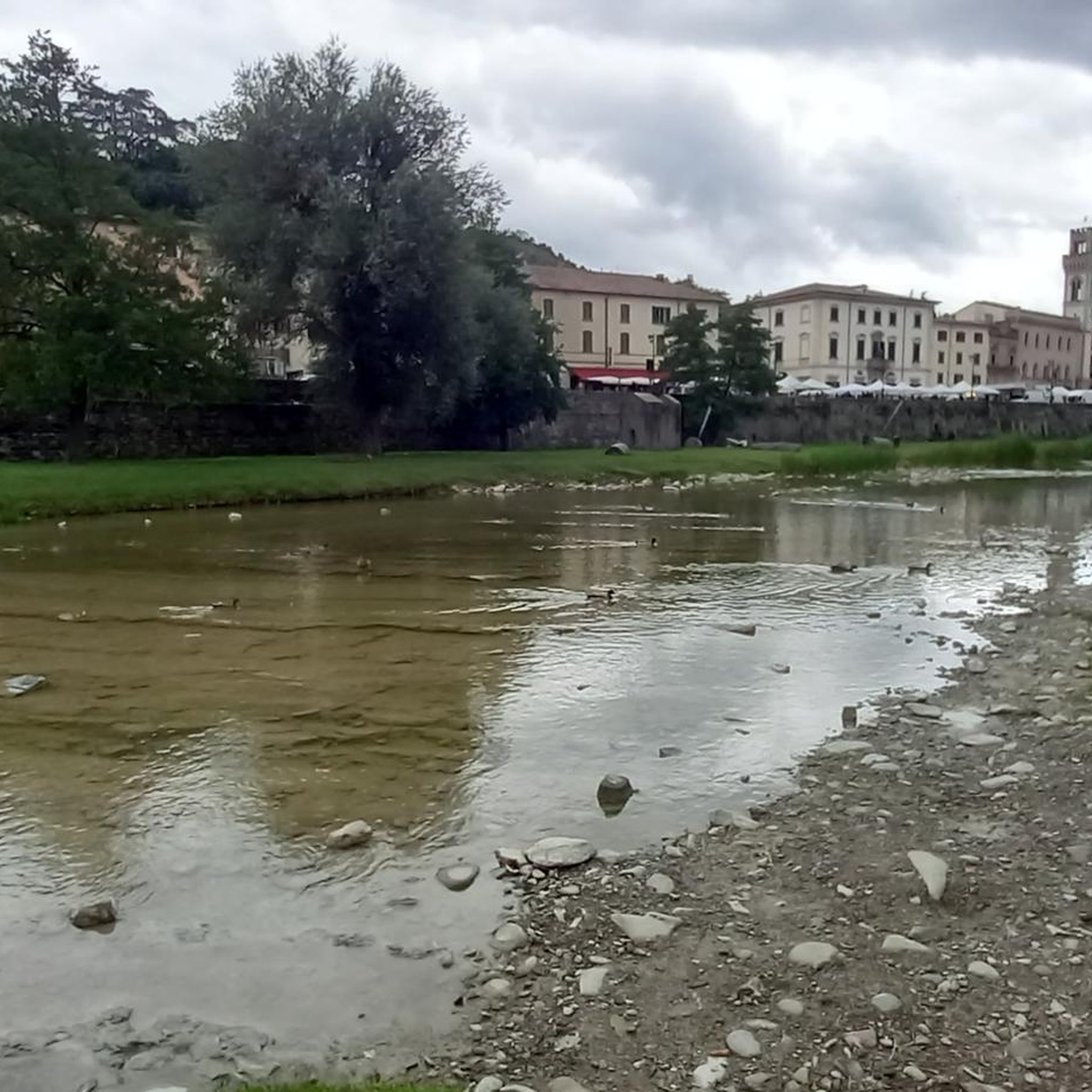
Premilcuore, like many other villages in the area, experienced its period of maximum expansion around the 13th and 14th centuries under the dominion of the Guidi family. In this period the castle known as Rocca di Premilcuore was built, today not much remains of this structure except one of the doors and remains of the walls incorporated into other buildings in subsequent periods. The life of Premilcuore is linked to the course of the Rabbi river. Today the river is a popular summer destination to escape the heat, while in the past the watercourse served to irrigate the surrounding fields and gave power to various mills in the area, two of which are still visible near the town.
2
0
Portico di Romagna is a quiet town on the banks of the Montone river. Despite its small size, the town played a very important role in medieval and Renaissance history thanks to its strategic position. Under the rule of the Guidi family it reached its maximum extension, becoming a fortified citadel complete with a castle, of which today only a tower remains. History and legend meet among the cobbled streets of this village: it is said that it was here that Dante met Beatrice for the first time. In fact, Folco Portinari, Beatrice's father, had a summer residence here where it is believed Dante was hosted while fleeing from Florence.
2
0

The Palagio Fiorentino belonged to the Guidi Counts, like other castles in the area. Built around 1230 by Count Bandino, the branch of the counts of Palagio originated from this castle, to whom it belonged for many years The last exponent of the branch of the counts of Palagio was Count Antonio, who, in 1381, freed all his subjects from all bonds of servitude and vassalage. In 1398 Count Antonio allied himself with Florence, Bologna, Venice, Padua, Ferrara and Mantua against the Visconti of Milan, even if he later switched to the side of the Visconti. In 1402 Count Antonio had to cede the territories to the Republic of Florence, to avoid the consequences of some livestock raids against the Republic in the lands of Count Piero di Porciano. After this capitulation, Montemezzano, Lonnano, Papiano and Stia also spontaneously submitted to Florence, all subsequently reunited in the Community of Palagio Fiorentino. In 1440, during the clashes between Florence and Milan, the Milanese army commanded by Niccolò Piccinino burned and destroyed the castle. The current building of the Palagio Fiorentino was built at the beginning of the twentieth century by the lawyer Carlo Beni, mayor of Stia and author of a famous Guide to the Casentino. During the reconstruction work, medieval artefacts were found, including coins and a seal with the Guidi coat of arms The appearance of the structure, rather than respecting the original architectural layout, recalls the neo-Gothic taste in vogue in the years of the renovation. (Source: https://casentino.it/palagio-fiorentino/ )
0
0
The Castle was probably built around the 10th century, as it was mentioned in documents as early as 1008 as a possession of Guido Alberto, Marquis of Spoleto. This then passed through marriage into the hands of the Guidi Counts, lords of Romagna and Casentino, who held it until 1357, when it was sold to Florence for 9,600 gold florins. With the end of the Grand Duchy, Romena became the seat of the Municipality only to be abandoned after its abolition was decided. Damaged by the earthquake of 1678 and by the local population, who used it as a stone quarry for the construction of houses and farms, the castle was finally purchased at auction in 1768 by Count Ascanio of the Goretti de' Flamini family, who still owns it today the property. The castle originally consisted of three large central towers and eleven turrets to reinforce the external walls. At the end of the large parade ground, it is possible to recognize the prison tower, larger than the others and characterized by a large shoe. Here the prisoners entered from above and were lowered down through a trap door in the floor. Apparently the more serious the crime committed, the lower the prisoners were lowered: this system of punishment at various levels seems to have given Dante, who stayed here during his exile, the inspiration for the structure of Hell. Romena is in fact remembered by Dante Alighieri in the XXX canto of the Inferno, composed right here, regarding Mastro Adamo da Brescia, a forger in the pay of the Guidi counts captured and burned alive in a locality which, precisely because of this affair, takes Omomorto's name. The large tower in the center of the courtyard is the Postierla tower, equipped with a drawbridge, from which you access the Cassero area. Here the lords resided with their family, protected by the moat and by the men guarding the towers and patrol walkways at the top of the walls. In this area there is also the Mastio tower, the highest and most fortified of all as well as the last defense in the event of a siege: from here, a secret passage led outside the castle walls, allowing the besieged to escape. Romena also inspired Gabriele D'Annunzio, guest of the Goretti de' Flamini Counts, who wrote much of the Alcyone here while contemplating the sacred mountain of La Verna and the beauty of the Casentino landscapes. (Source: https://casentino.it/castello-di-romena/ )
0
0

The Castle of Romena is a historic fortification located on top of a hill overlooking the Arno River valley. The construction of the castle dates back to the 10th century, although it has undergone many modifications and renovations over the following centuries. The castle was originally built as a defensive fortification, but over time it has also been used as a stately home and as a prison. The castle is surrounded by a wall that protects it from three sides, while the downstream side has been opened to enjoy the panoramic view. Within the castle are a number of buildings, including a church, keep and loggia. Most of the structure has been restored and reopened to the public as a museum, housing a collection of objets d'art and contemporary art. Today the Castello di Romena is a popular tourist attraction and is often used as a location for weddings and other events. Its breathtaking landscape and fascinating history attract tourists from all over the world. If you are interested in the history and art of Tuscany, the Castello di Romena is definitely a place worth visiting.
0
0
The origins of Premilcuore are mysterious, although there are several versions and legends about its foundation. The most fascinating and imaginative version is linked to the legend of the Roman soldier named Marcello, who fled Rome at the time of Caracalla, because he was part of a conspiracy against the emperor, and who found refuge in these places. Marcello fortified the small villages already existing, one of which, the current via Marciolame, is named in honor of its founder. And even the name of Premilcuore seems to date back to “PREMIT COR” (“pain oppresses our hearts” for the death of their benefactor) or to “PREMUNT COR” (“rather than hand him over we would tear out our hearts” because the Roman captain was wanted to be killed). (Source: http://www.turismopremilcuore.it/scopri-premilcuore/storia/ )
3
1
It dates back to the XII - XIII century and belonged to the Guidi Counts (in 1371). In the fifteenth century it fell under the influence of the Florentines, from this moment its decline began. Cardiane Anglico describes the castle as follows in 1371: 'It is on the Alpe on a high insepugnable mountain. It has a fortress and a very strong tower. There is another one-shot crossbow tower called the Oak. The main road that leads from Galeata to Tuscany passes here in the middle (...) '. The structures currently visible are the walls (partially hidden by vegetation) with the mighty arched entrance door in sandstone blocks and part of the central keep. Below the castle you can see the road 'that led from Galeata to Tuscany' with retaining walls. (Source: http://www.turismoforlivese.it/servizi/menu/dinamica.aspx?ID=27901)
0
0
Frequently Asked Questions
What is the historical significance of castles in the Santa Sofia region?
The castles around Santa Sofia, such as the original Castello di Santa Sofia, Premilcuore Fortress, Corniolino Castle, Castello di Romena, and Castello di Porciano, played crucial strategic roles in controlling valley roads and borders between Tuscany and Emilia-Romagna. They reflect centuries of Italian history, from medieval strongholds under families like the Guidi to later modifications and uses as stately homes or prisons. Many have connections to significant historical events and figures.
Which castles are associated with famous historical figures like Dante Alighieri?
Both the Castello di Romena and Castello di Porciano are notably associated with Dante Alighieri. Dante was hosted at both castles during his exile from Florence in the early 14th century. The Castello di Romena is even mentioned in his Divine Comedy, and Castello di Porciano features a dedicated 'Salone di Dante' for cultural events.
Are there any castle ruins to explore near Santa Sofia?
Yes, the original Castello di Santa Sofia is largely in ruins, though remnants like the steep cobbled road and parts of the embankment are still visible. The Premilcuore Fortress also has only a surviving gate and portions of walls integrated into later buildings. Corniolino Castle offers visible walls, a mighty arched entrance, and part of its central keep, partially covered by vegetation, showcasing its ancient structure.
How long should I plan for visiting the castles around Santa Sofia?
The time needed varies by castle. For well-preserved sites like Castello di Romena or Castello di Porciano, which offer museums and extensive grounds, you might spend 2-3 hours at each. For ruins or smaller sites like Premilcuore Fortress or Corniolino Castle, an hour or less might suffice to explore the visible remains and surrounding area. Consider a full day if you plan to visit multiple castles and enjoy the scenic drives between them.
Are there family-friendly castles to visit near Santa Sofia?
Many castles in the region offer an engaging experience for families. Castello di Romena, with its historical significance and panoramic views, is a popular attraction. Palagio Fiorentino is also categorized as family-friendly. Exploring the medieval villages surrounding castles like Premilcuore can also be a fun activity for children.
What outdoor activities can I do near the castles?
The region around Santa Sofia is excellent for outdoor activities. You can find numerous hiking trails, such as the 'Ridracoli Loop Trail' or 'Monte Falco and Monte Falterona — Ring Tour', which are often near historical sites. For gravel biking, routes like 'Saint Sophia – Santa Sofia Bridge loop' offer scenic rides. You can explore more options on the Hiking around Santa Sofia or Gravel biking around Santa Sofia guides.
What are the parking options near these castles?
Parking availability varies by castle. For popular sites like Castello di Romena and Castello di Porciano, designated parking areas are usually available for visitors. For smaller ruins or less developed sites like Premilcuore Fortress or Corniolino Castle, you might find street parking in nearby villages or small pull-offs. It's advisable to check local signage upon arrival.
Is public transport available to reach the castles?
While Santa Sofia itself has some public transport connections, reaching the more remote castles primarily relies on personal vehicles. Some castles, especially those in or near larger towns like Pratovecchio Stia (for Romena and Porciano), might be accessible via local bus services, but schedules can be infrequent. Planning your visit by car offers the most flexibility to explore multiple sites.
What is the best time of year to visit the castles around Santa Sofia?
The best time to visit is generally during the spring (April-June) and autumn (September-October) months. The weather is pleasant for exploring, and the natural scenery is beautiful. Summer (July-August) can be hot, but it's also a popular time, especially for those combining castle visits with river activities. Winter visits are possible, but some sites might have reduced hours, and the weather can be cold or rainy.
Are there viewpoints or scenic spots near the castles?
Absolutely. Many castles are strategically located on hilltops, offering breathtaking panoramic views. Castello di Romena, for instance, provides stunning views of the Arno River valley. Castello di Porciano also boasts incredible vistas of the Casentino Valley. Even the ruins of Corniolino Castle are situated on an 'insepugnable mountain,' suggesting scenic surroundings.
Can I bring my dog to the castles?
Dog policies vary by site. Outdoor areas and grounds of many castles, especially ruins or those in natural settings, are often dog-friendly, provided dogs are kept on a leash. However, access to indoor areas, museums, or specific historical rooms might be restricted. It's recommended to check the specific rules for each castle before your visit, or look for information on local tourism sites like italia.it for general regional guidelines.
Are there cafes or restaurants near the castles?
Yes, many of the castles are located near charming medieval villages or towns that offer dining options. For example, Premilcuore, near Premilcuore Fortress, has a well-preserved medieval core with local establishments. Towns like Pratovecchio Stia, close to Castello di Romena and Castello di Porciano, provide a range of cafes and restaurants where you can enjoy local Emilia-Romagna cuisine.
Most popular routes around Santa Sofia
Most popular attractions around Santa Sofia

Get inspired with the komoot mobile app


Explore more
Looking for the best castles somewhere else? Discover other guides around Santa Sofia:
