Top 3 Castles around Roccalbegna
Best castles around Roccalbegna are found in a region rich in history, with the village itself nestled amidst rocky outcrops. This area of Tuscany is characterized by its ancient fortifications, which reflect its strategic past. The historical structures, including keeps and fortresses, offer insights into medieval defensive architecture and the evolution of the region under various ruling families. These sites provide a glimpse into Roccalbegna's historical significance and its connection to the surrounding landscape.
Best castles around Roccalbegna
- The most…
Last updated: November 13, 2026
Historic center of Arcidosso
Highlight • Castle
Translated by Google •
Tip by

Castello di Arcidosso
Highlight • Castle
Showing Translation
Tip by

Sign up now to discover places like this
Get recommendations on the best single tracks, peaks, & plenty of other exciting outdoor places.
View of Saturnia Fortress
Highlight • Viewpoint
Tip by

Montorgiali — Medieval Village
Highlight • Settlement
Translated by Google •
Tip by

Colonne della Sabatina
Highlight • Historical Site
Translated by Google •
Tip by
Start today with a free account
Your next adventure awaits.

Tips from the Community

The Castle of Arcidosso (also known as Rocca Aldobrandesca) is one of the oldest and best-preserved medieval fortresses in Italy and Europe, dating back to a period between the 9th and 10th centuries. Located at the highest point of the historic center of Arcidosso, on Monte Amiata, the building was constructed on pre-existing Lombard structures by the powerful Aldobrandeschi family.
0
0


The ancient core of Saturnia stands on a rocky plateau to the left of the Albegna River, at its confluence with the Stellata stream. The settlement's existence is documented from the 12th century, although it was originally an Etruscan (nearby Etruscan necropolis of Pian di Palma) and Roman center (along the Via Clodia), as the site of a parish church and the already famous thermal baths. In 1170, the castle was under the control of the Counts of Tentennano, from 1216 under the Aldobrandeschi, and then passed to Count Bonifacio di Santa Fiora. In 1274, with the dismemberment of the Aldobrandeschi fiefdom, Saturnia became part of the County of Sovana. It was sacked by the Sienese in 1299 and by the Orvietans in 1313, who occupied it. In 1328, it passed to the Baschi family and subsequently to the Orsini. Siena conquered it, but only temporarily, in 1389 and, unable to control it, destroyed it in 1419 as it had become a haven for exiles from the Republic. In the following years, it was decided to rebuild the keep and the walls and to settle a certain number of families from Romagna and Lombardy on site. Saturnia remained under the Sienese dominion until its submission to Cosimo de' Medici in 1559. It was a fiefdom of the Marquises Ximenes from 1593 and of the Panciatichi from 1738.
0
0

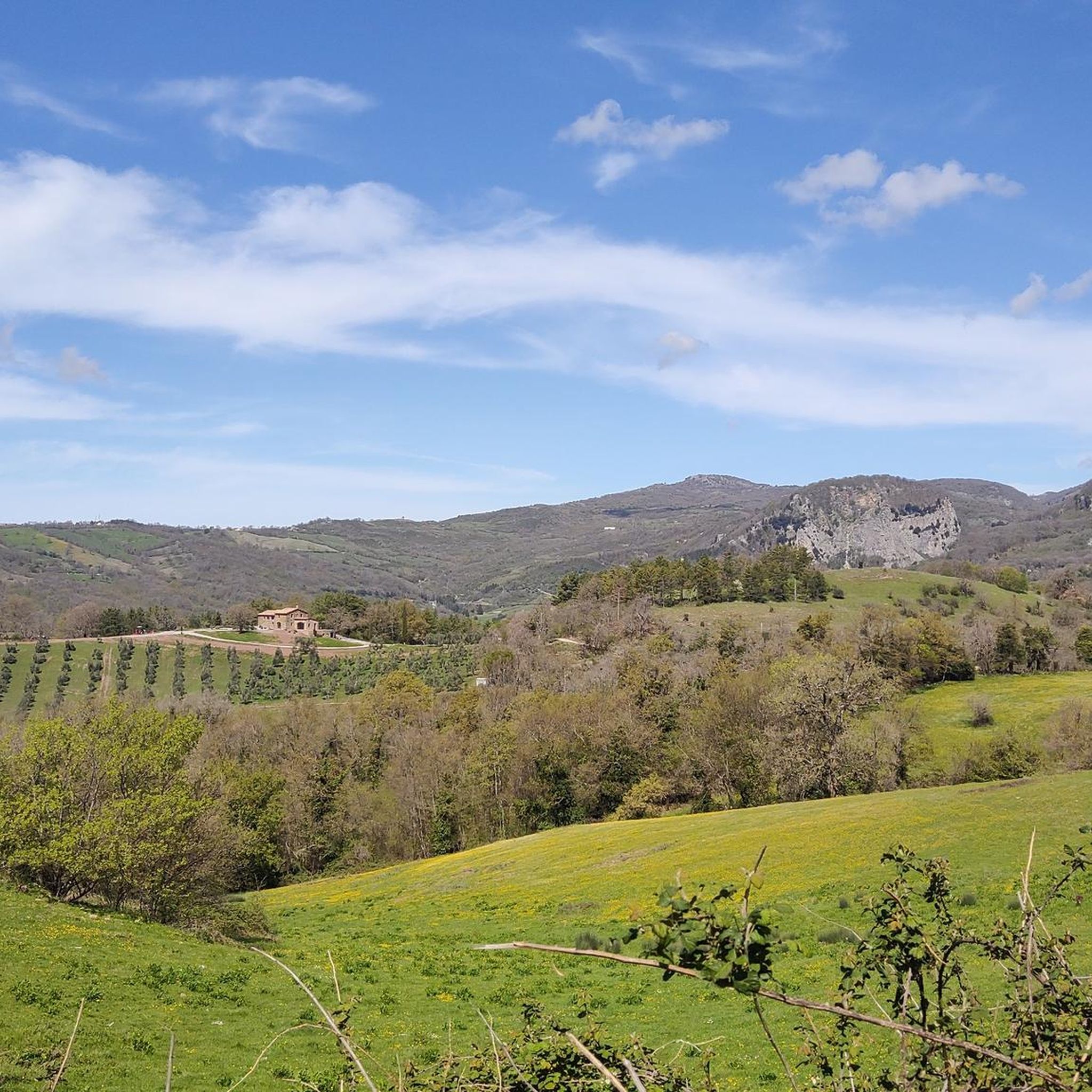
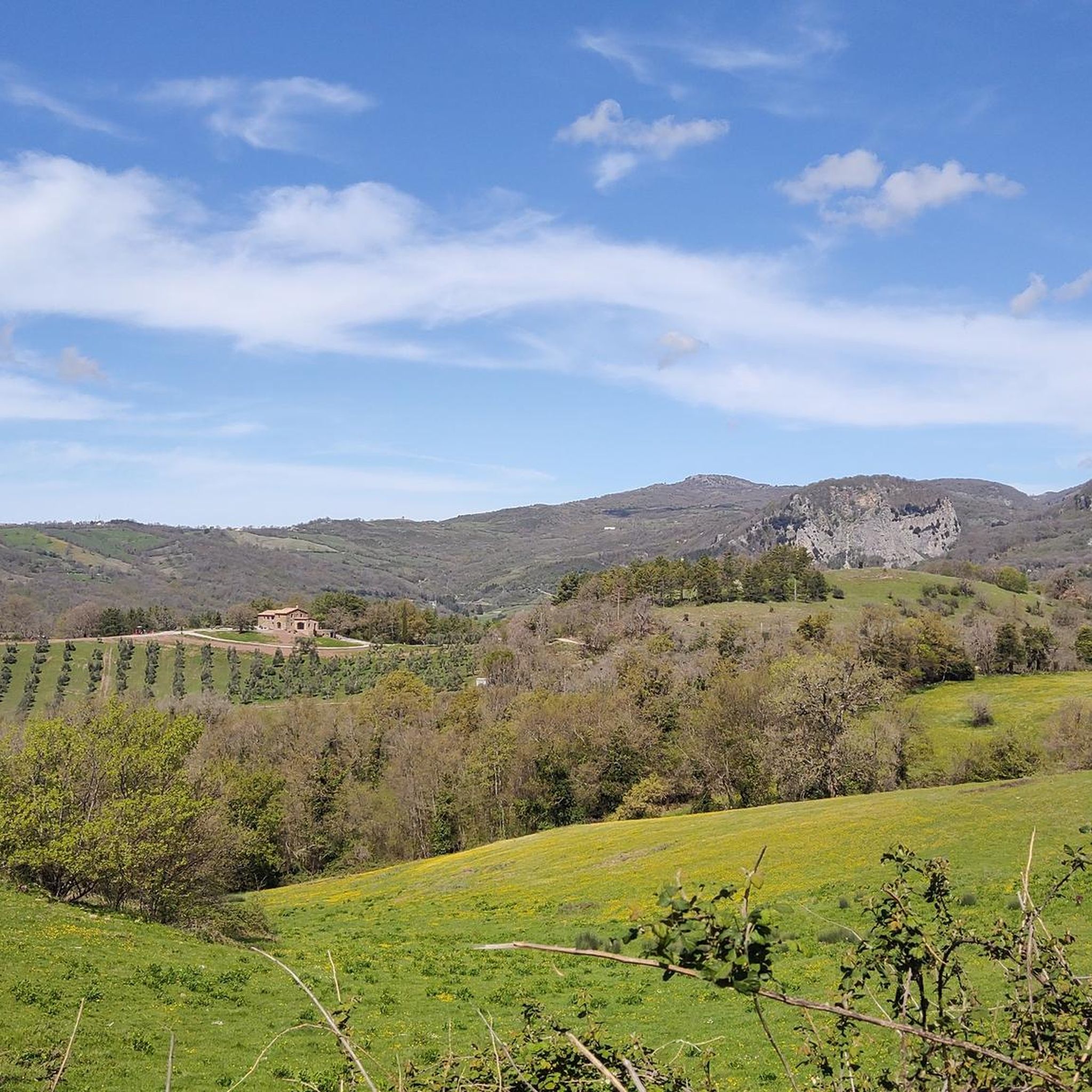
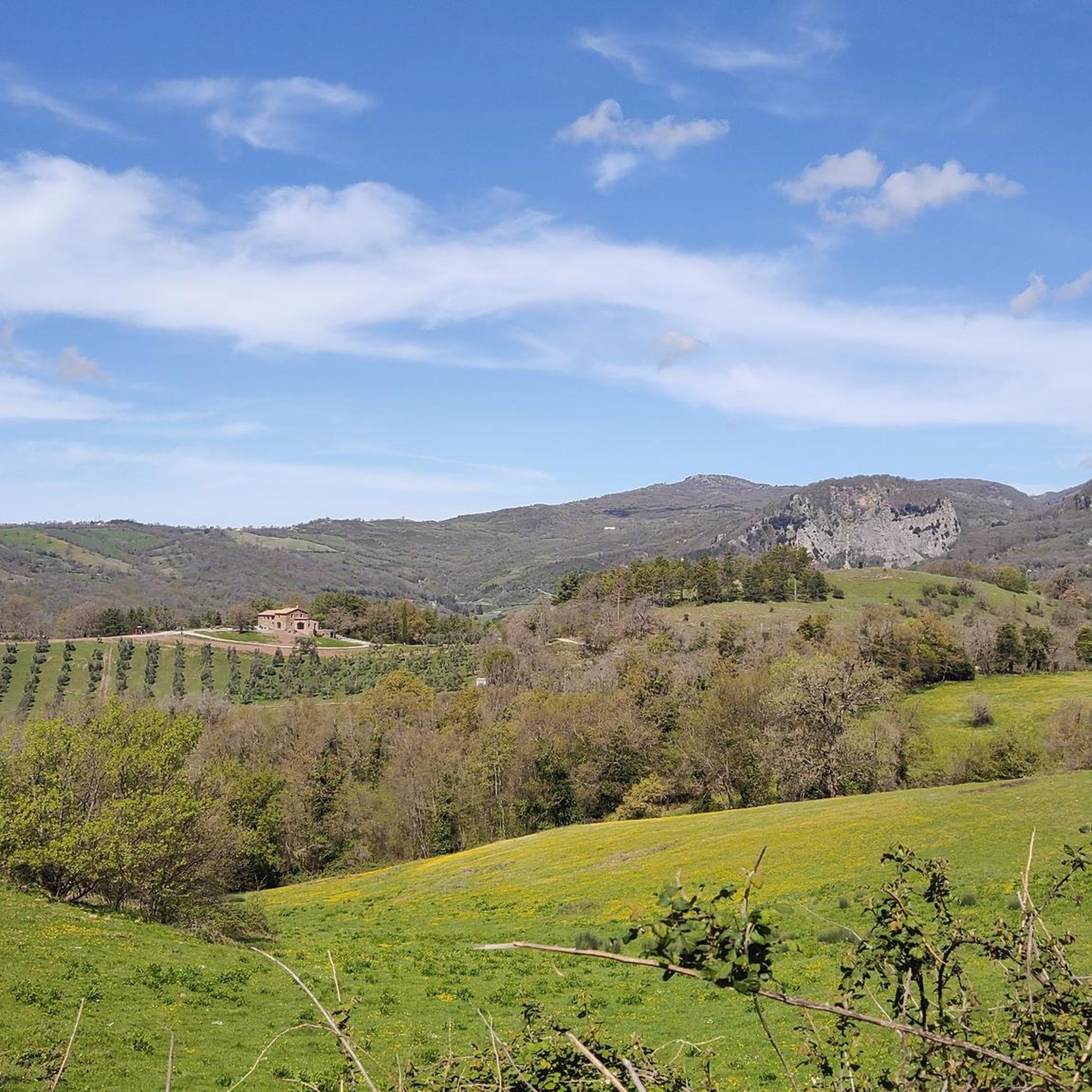
To be fair, this is not the area of Arcidosso but Castel Porrona, Cinigiano the municipality.... 25 km from Arcidosso. To clarify..
0
0

Montorgiali, a fraction of the municipality of Scansano, located in the province of Grosseto, Tuscany, stands on an ancient history. This village, originally a castle controlled by local lords and later by the Sienese in the 14th century, has been part of the Grand Duchy of Tuscany since the 16th century.
3
0

Located on the slopes of the western side of Mount Amiata, Arcidosso boasts a splendid Aldobrandeschi fortress that overlooks the town, dating back to the 11th century.
1
0
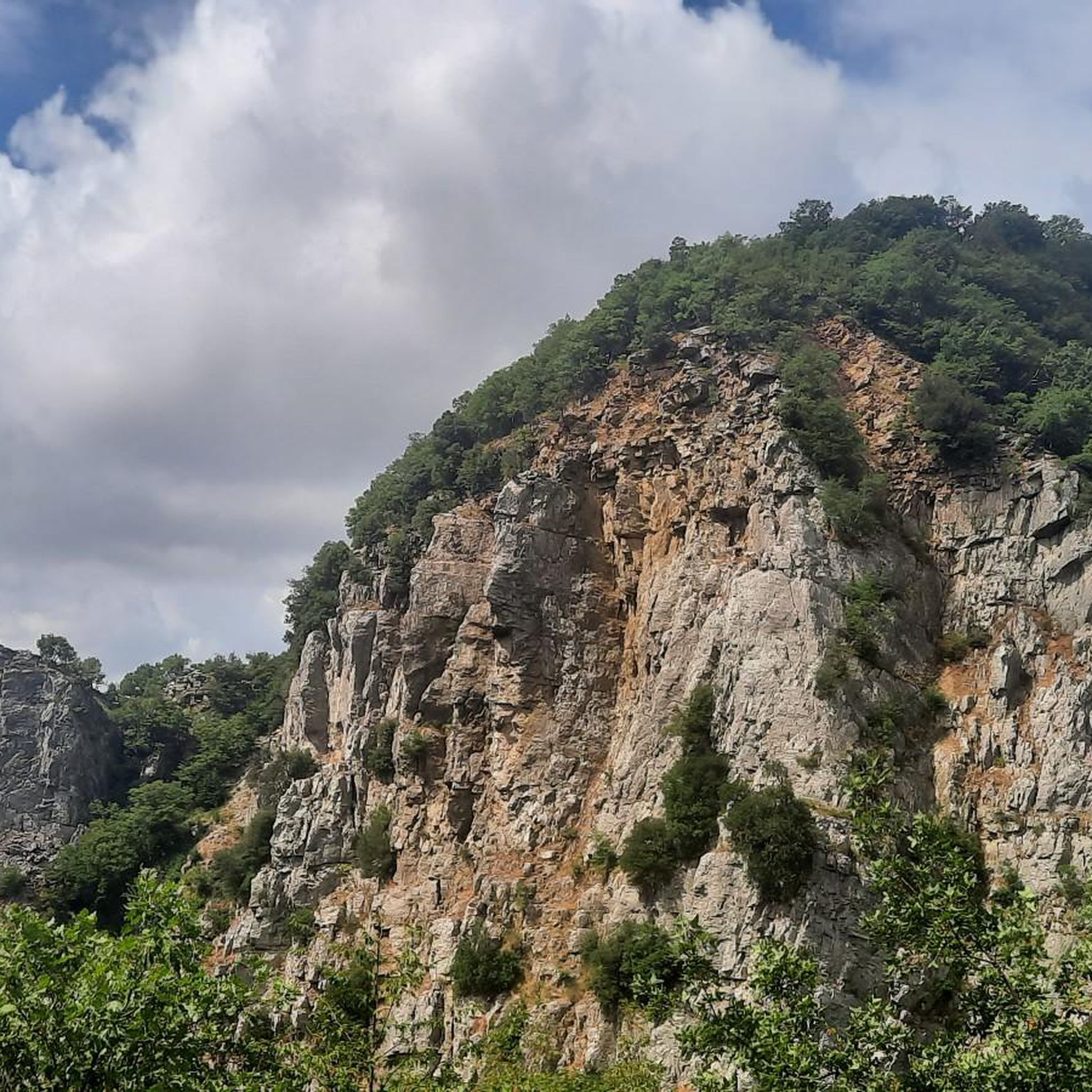
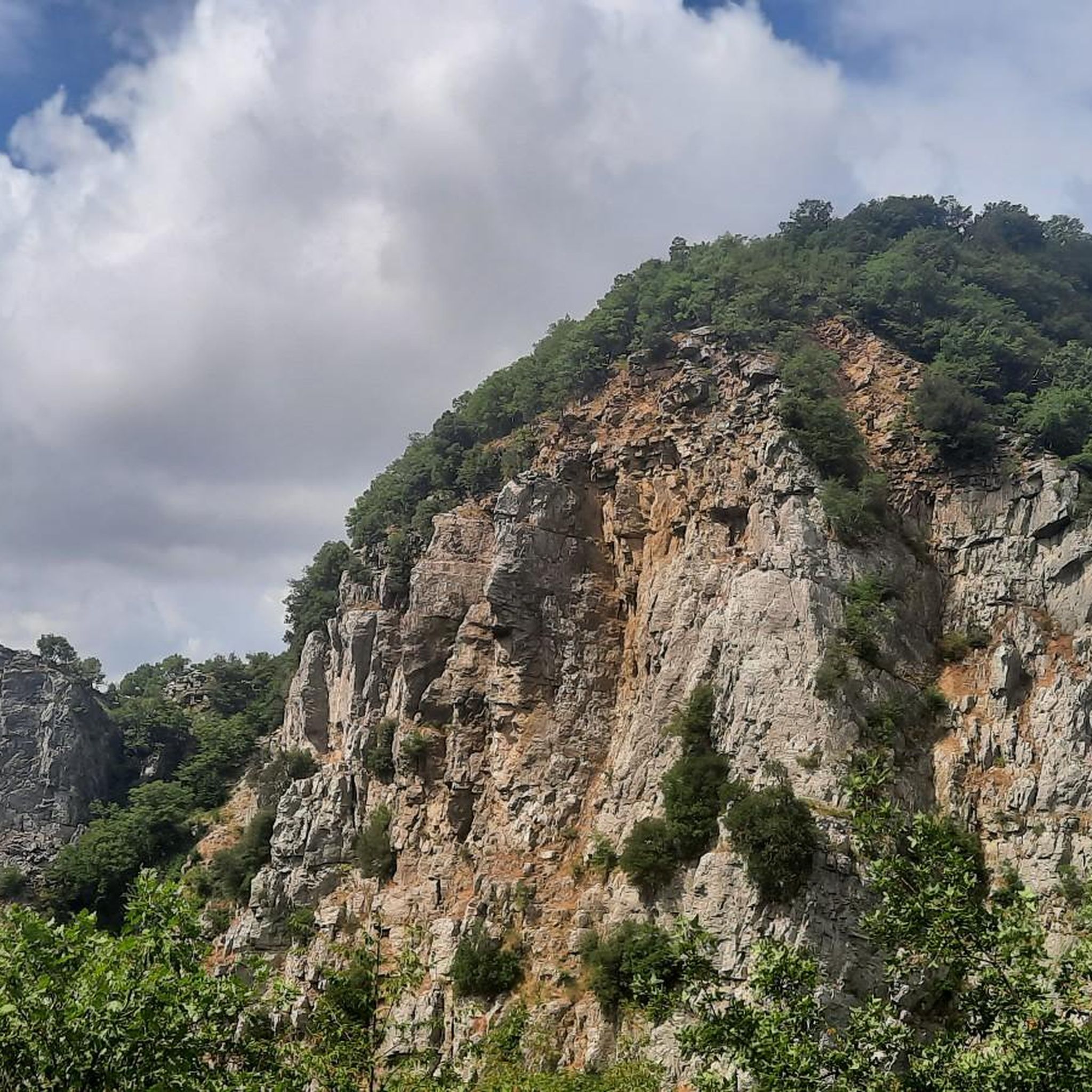
Between the hamlets of Arcille and Baccinello, these ruins of the Sabatina castle are shaped like columns and stand on the homonymous hill.
1
0

The ancient medieval castle of Sabatina was initially a possession of the abbey of San Galgano, before passing under the direct control of the Sienese in the second half of the XIII century. Guido di Montfort also took refuge here during the trial against him, in which he was accused of the assassination of Henry of Cornwall. This event is also mentioned by Dante in the Divine Comedy (Inferno, XII). https://it.wikipedia.org/wiki/Colonne_della_Sabatina
0
0
Frequently Asked Questions
What historical castles can I explore directly within Roccalbegna?
Within Roccalbegna itself, you can explore several significant historical fortifications. The Sienese Keep (Cassero Senese), perched above the village, offers exceptional panoramic views. You can also visit the imposing ruins of Castello La Pietra – La Rocca, also known as Rocca Aldobrandesca, which adapted its irregular shape to the cliff's topography. Further out, Castello di Triana, with its medieval wall structure and a notable chapel, provides a glimpse into the region's past.
Are there other notable castles or historical sites near Roccalbegna?
Yes, several other historical sites and castles are within reach. You can visit the Castello di Arcidosso, one of Italy's oldest and best-preserved medieval fortresses. The Historic center of Arcidosso also features a splendid Aldobrandeschi fortress. Another interesting site is the Montorgiali — Medieval Village, which was originally a castle.
What kind of views can I expect from the castles in the Roccalbegna area?
Many castles and fortifications in the Roccalbegna area offer stunning panoramic views. The Sienese Keep in Roccalbegna is particularly noted for its 'eagle's nest' position, providing exceptional vistas of the entire valley and surrounding mountains. Similarly, the View of Saturnia Fortress offers a historical perspective over the ancient settlement and its surroundings.
What is the best time of year to visit the castles around Roccalbegna?
The best time to visit the castles around Roccalbegna is generally during the spring (April to June) and early autumn (September to October). During these months, the weather is typically pleasant for exploring, with milder temperatures and less crowded conditions compared to the peak summer season. This allows for comfortable walks around the ruins and villages.
Are there any family-friendly castles or historical sites to visit near Roccalbegna?
While specific 'family-friendly' designations are not always applied to ancient ruins, many of the castles and medieval villages offer an engaging historical experience for families. Exploring the well-preserved Castello di Arcidosso or wandering through the Montorgiali — Medieval Village can be an educational and interesting outing for all ages. The open spaces around these historical sites also provide room for children to explore.
What outdoor activities can I combine with a visit to the castles?
The Roccalbegna area is excellent for combining castle visits with outdoor activities. You can find various cycling routes, including gravel biking and traffic-free bike rides. For instance, explore routes like 'Pitigliano Historic Town' or 'Albegna River Natural Pools'. There are also running trails available, such as those around Saturnia. For more details on these activities, you can explore the Gravel biking around Roccalbegna, Traffic-free bike rides around Roccalbegna, and Running Trails around Roccalbegna guides.
Are there hiking trails near the castles in the Roccalbegna area?
While specific hiking trails directly connecting castles might vary, the region offers numerous opportunities for walks and hikes that can be combined with castle visits. Many castles are situated in scenic areas, allowing for pleasant strolls around their grounds or through nearby medieval villages. For more structured outdoor routes, consider the running and biking guides which often pass through picturesque landscapes near historical sites.
What is the historical significance of the castles in Roccalbegna?
The castles in Roccalbegna are deeply rooted in the region's history, primarily serving defensive and strategic roles. Structures like the Sienese Keep and Castello La Pietra – La Rocca were crucial lookout points and refuges, often built by powerful families like the Aldobrandeschi. They reflect centuries of territorial disputes and architectural evolution, from early medieval fortifications to later restorations by ruling families such as the Sienese and Piccolomini.
Are there any hidden gem castles or lesser-known historical sites worth visiting?
Beyond the main fortifications, the ruins of Colonne della Sabatina offer a unique historical experience. These ruins, shaped like columns, are remnants of an ancient medieval castle with a fascinating past, even being mentioned by Dante in the Divine Comedy. It's a less frequented site that provides a different perspective on the region's rich history.
What should I wear when visiting the castles and ruins in Roccalbegna?
When visiting the castles and ruins around Roccalbegna, it's advisable to wear comfortable walking shoes, as many sites involve uneven terrain, stairs, or walking through historic village streets. Layers of clothing are also recommended, especially during spring and autumn, as temperatures can vary. A hat and sunscreen are useful during sunnier days, particularly when exploring exposed ruins or viewpoints.
Most popular routes around Roccalbegna
Most popular attractions around Roccalbegna

Get inspired with the komoot mobile app


Explore more
Looking for the best castles somewhere else? Discover other guides around Roccalbegna:
