Top 11 Castles around Attigliano
Best castles around Attigliano are found in Umbria, Italy, a region with significant historical depth. The town of Attigliano is home to its historic castle, which maintains medieval characteristics despite centuries of modifications. Positioned on a rock spur overlooking the Tiber valley, the area provided strategic viewpoints and offers a rich historical context. This location was crucial for regional control and allows visitors to explore medieval architecture and history.
Best castles around Attigliano
- The most popular castles is Chia Tower…
Last updated: July 13, 2026
Porta Romana of Vitorchiano
Highlight • Historical Site
Translated by Google •
Tip by

Chia Tower and Etruscan Cave
Highlight • Historical Site
Translated by Google •
Tip by

Sign up now to discover places like this
Get recommendations on the best single tracks, peaks, & plenty of other exciting outdoor places.
Sign up for free
Orsini Castle
Highlight • Castle
Translated by Google •
Tip by

Corviano Castle
Highlight • Castle
Translated by Google •
Tip by

Guardea Vecchia Fortress Ruins
Highlight • Castle
Translated by Google •
Tip by

Sign up for free to discover even more castles around Attigliano.
Sign up for free
Already have an account?
Start today with a free account
Your next adventure awaits.
Login or Signup
Popular around Attigliano
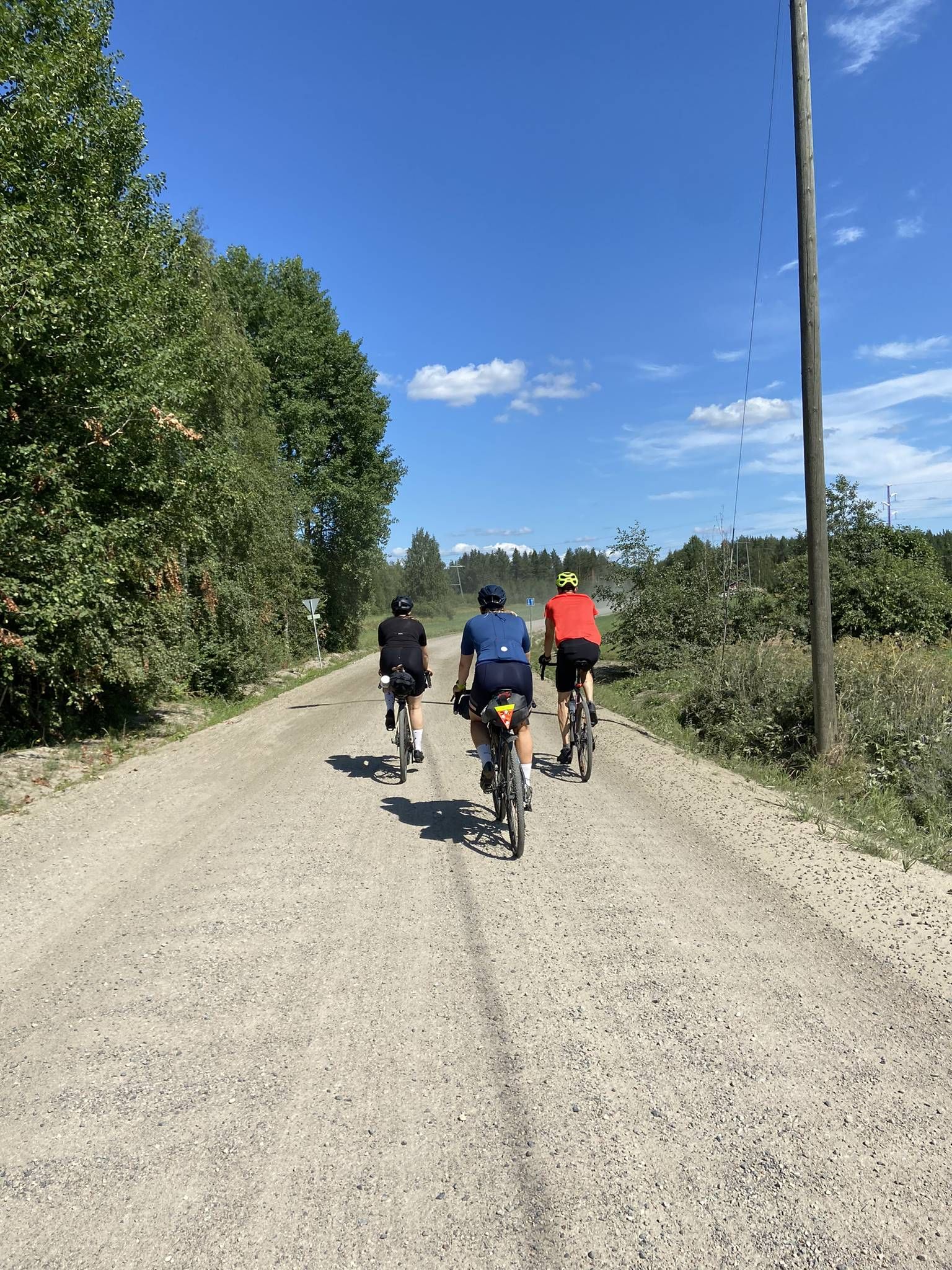
Naples to North Cape — Two friends, one purpose and many scoops of ice-cream
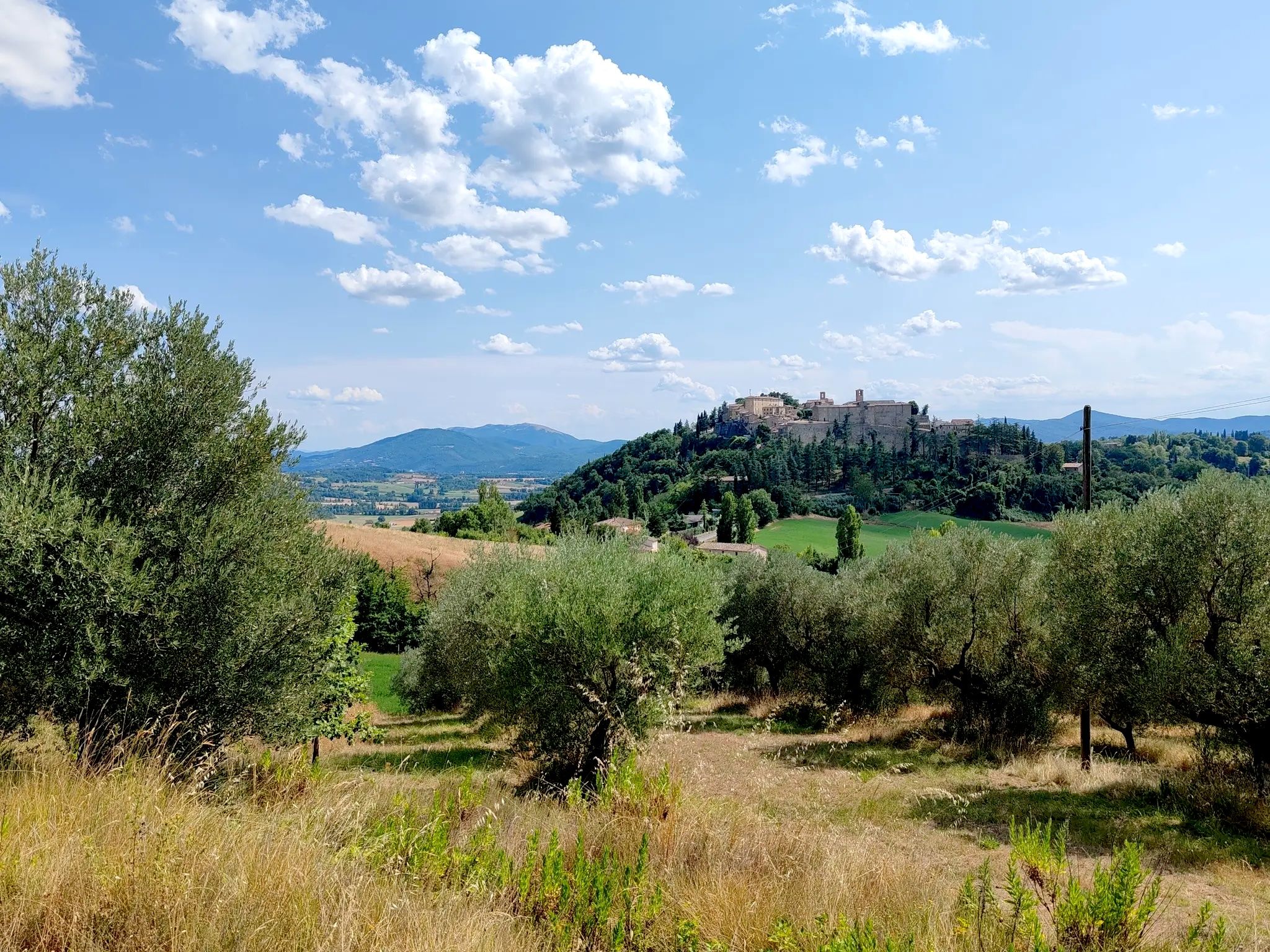
Day rides in the heart of Umbria – a Journey through History
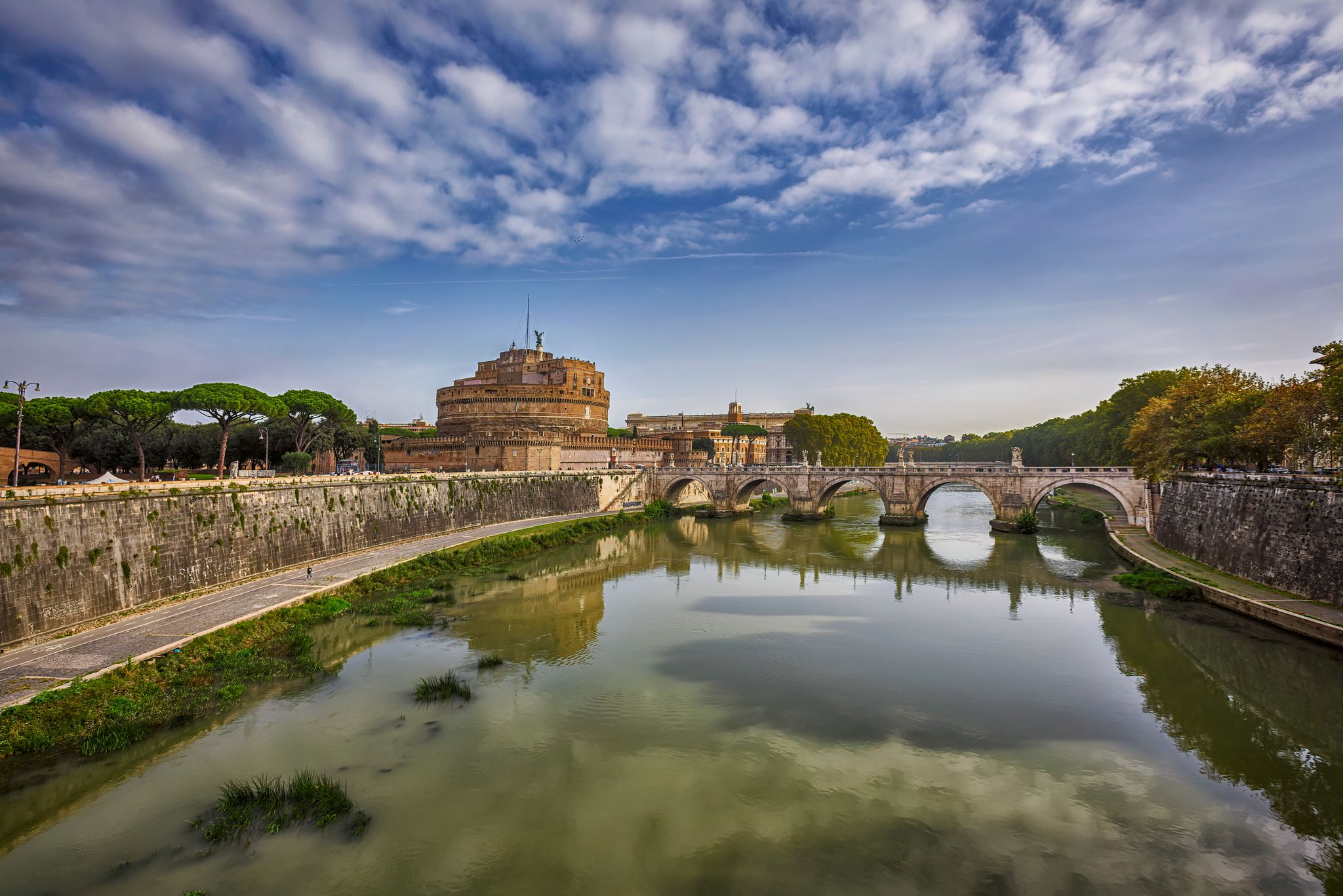
All roads lead to Rome – Romea Tiberina Cycleway
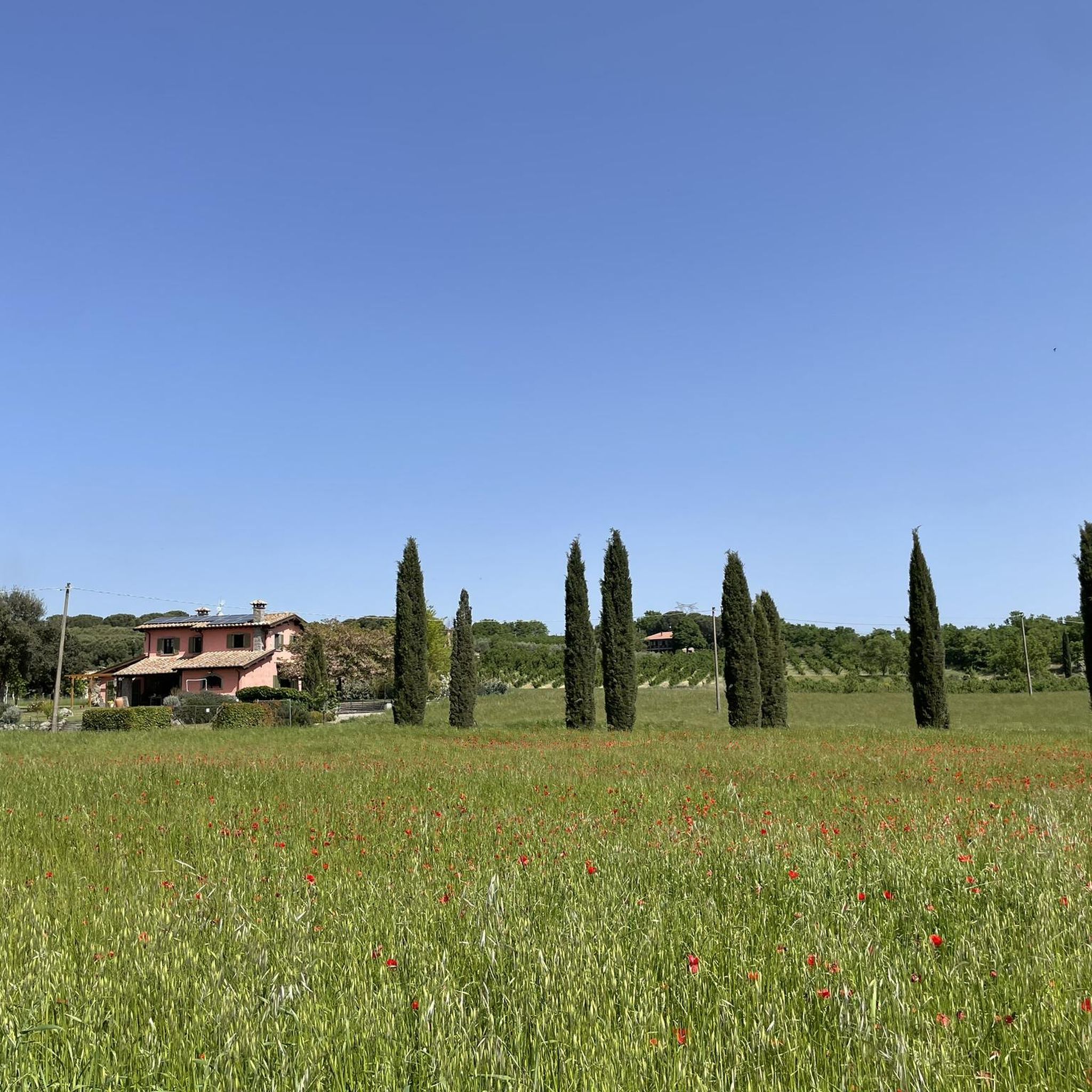
Hiking around Attigliano
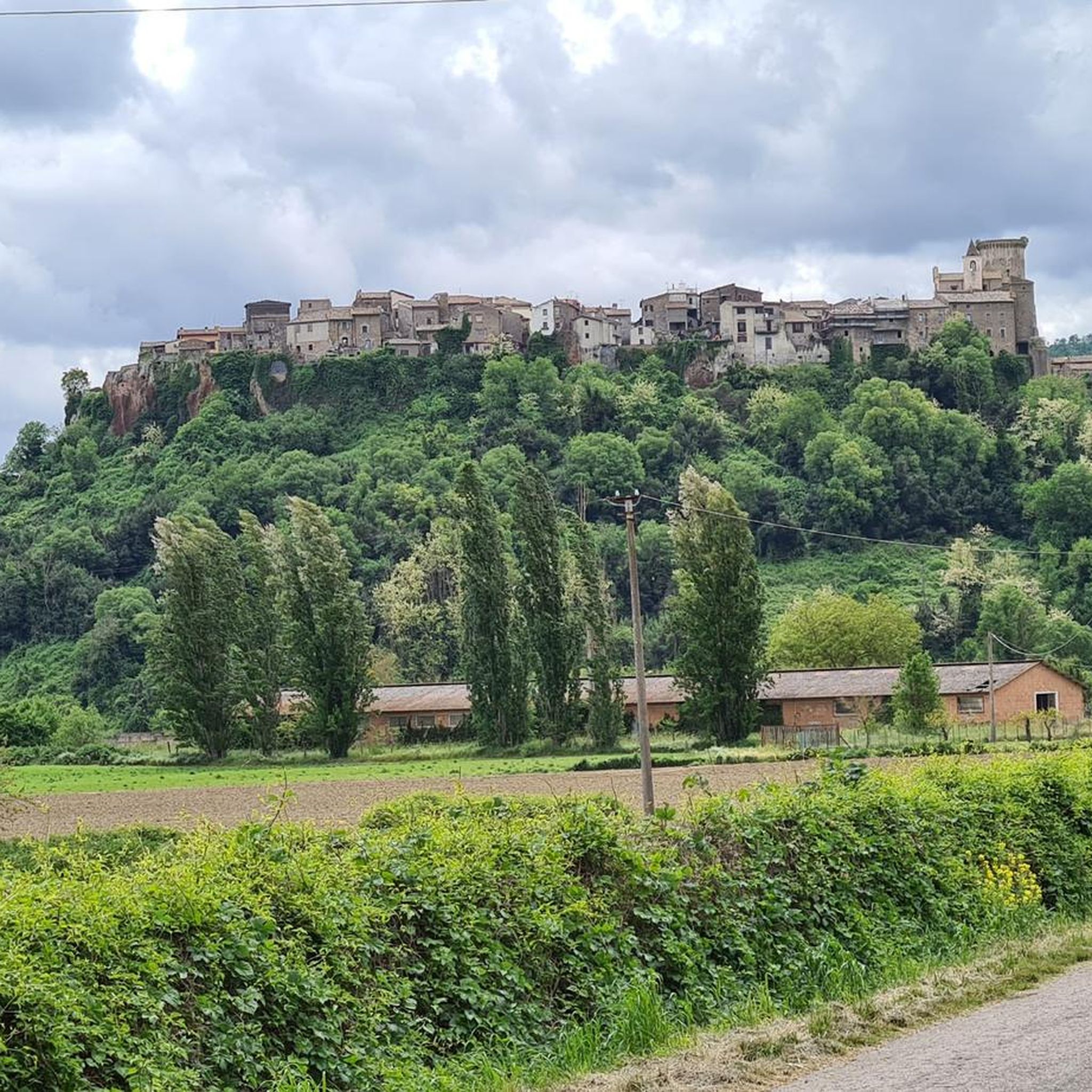
Cycling around Attigliano
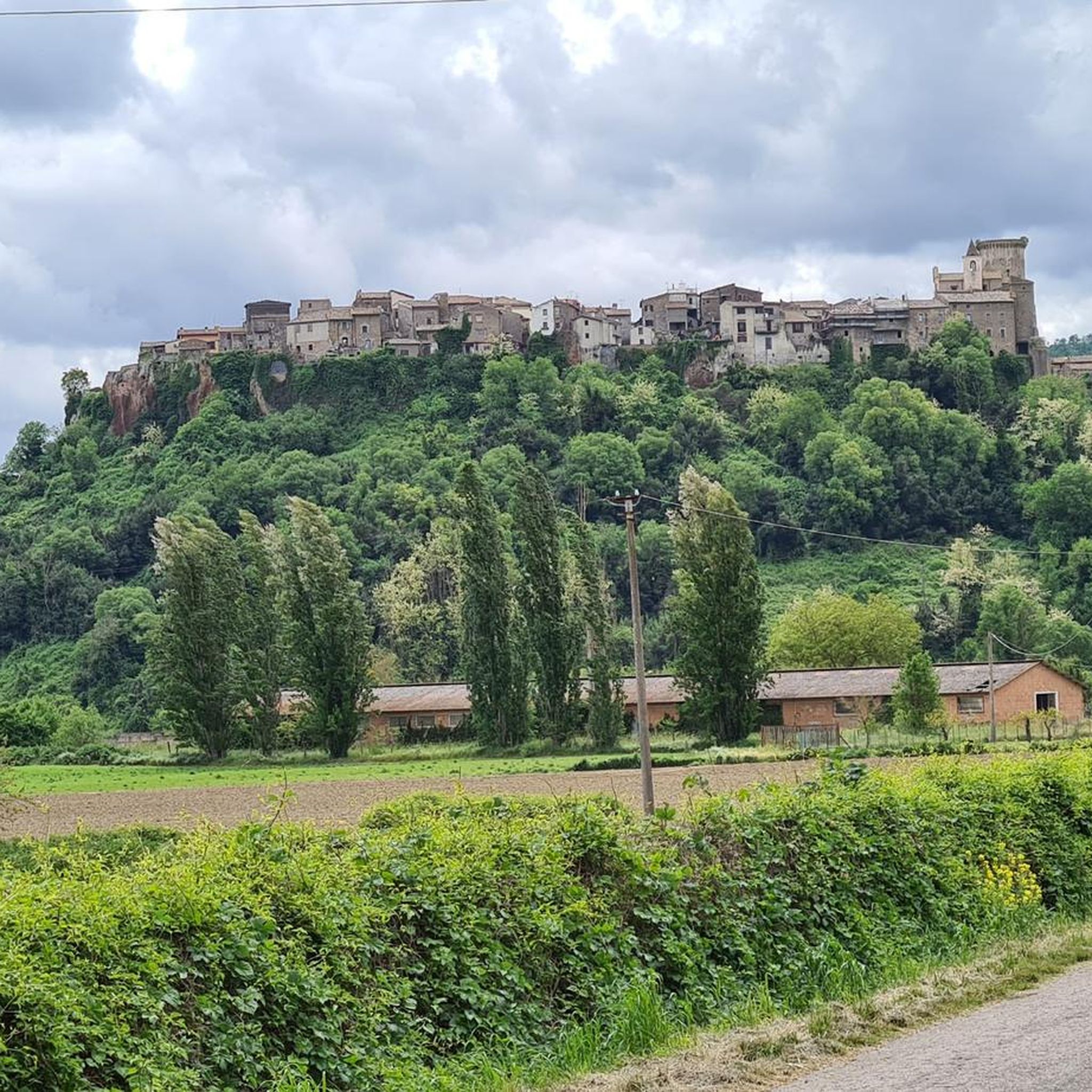
Road Cycling Routes around Attigliano
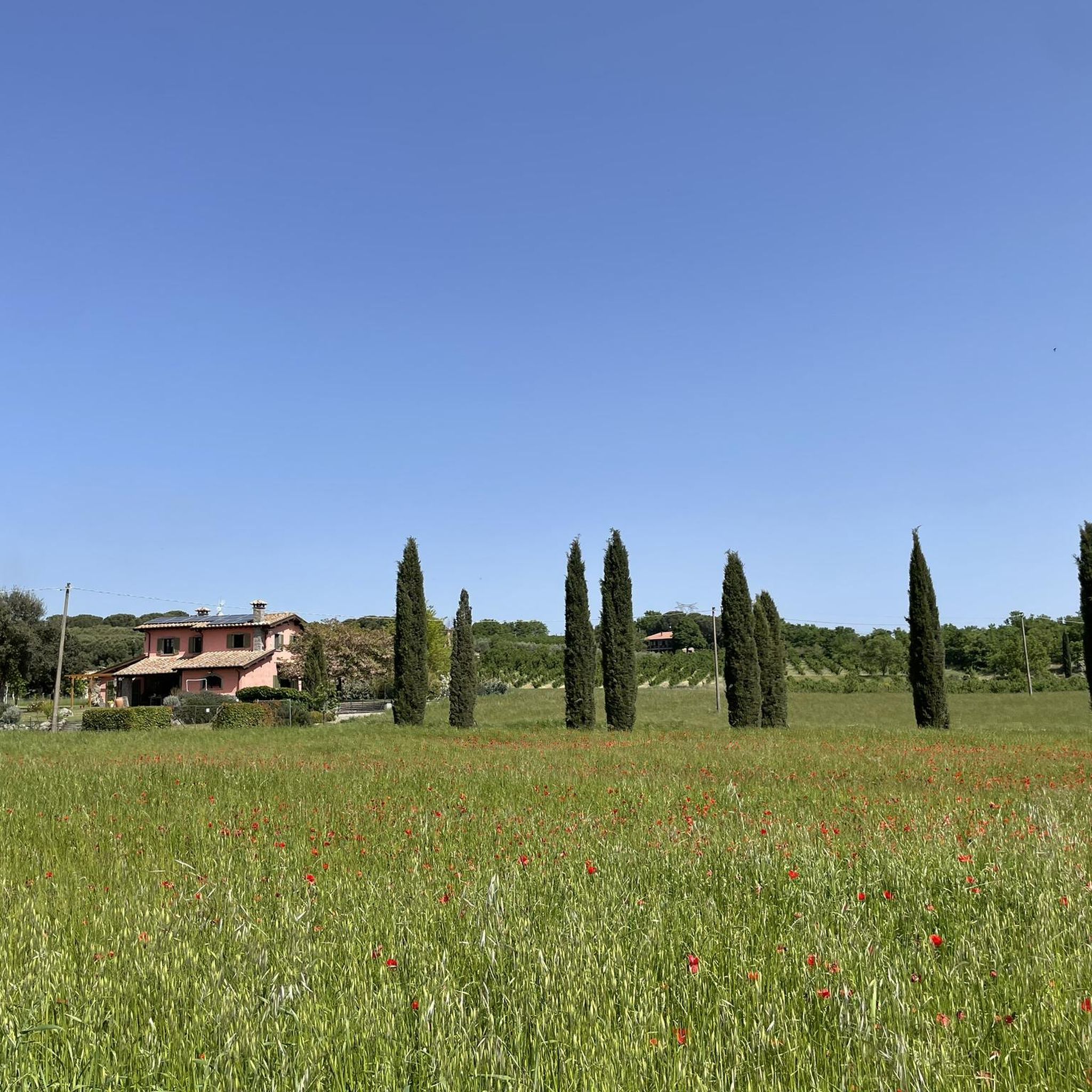
MTB Trails around Attigliano
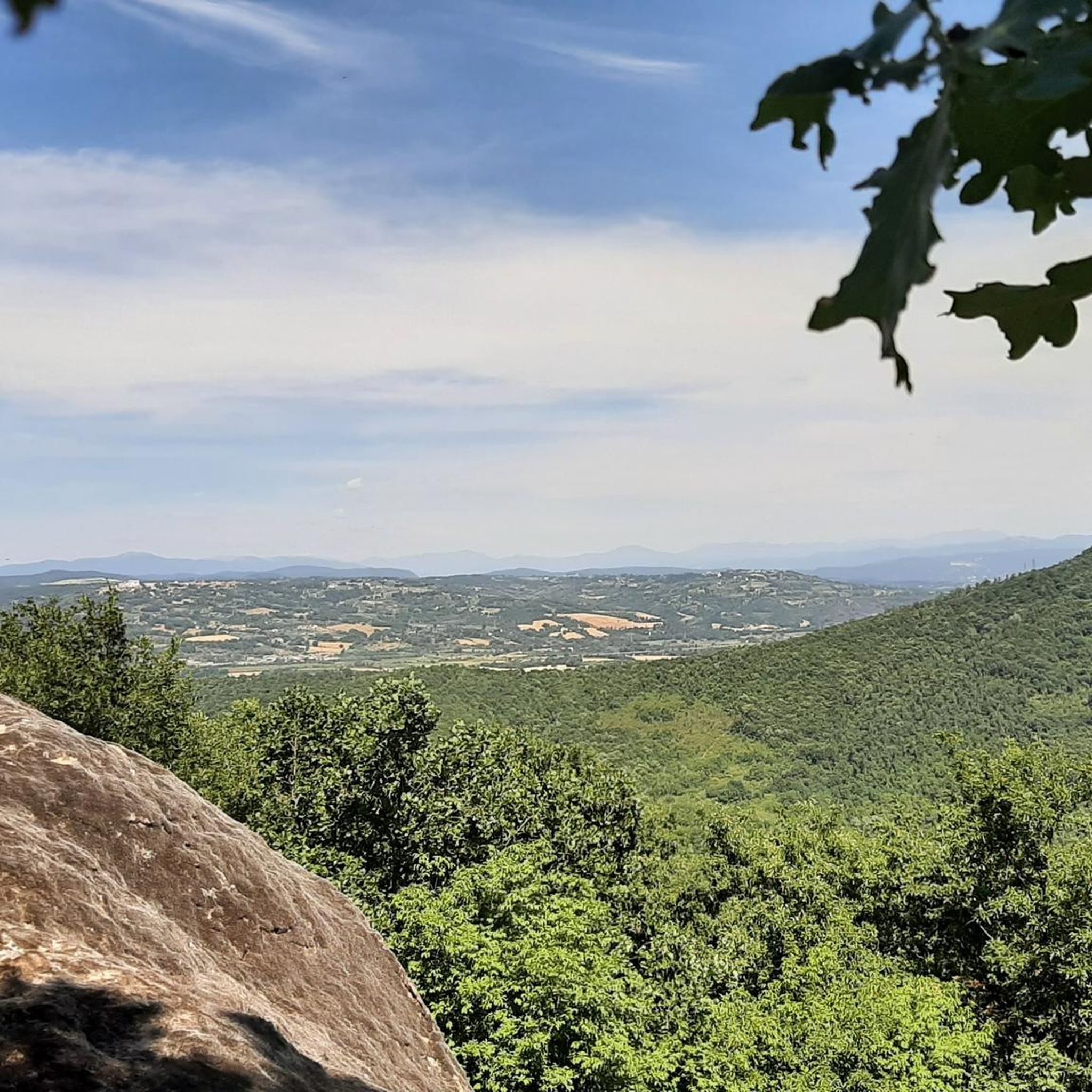
Running Trails around Attigliano

Gravel biking around Attigliano
Other adventures around Attigliano


Tips from the Community

The gate bears the coat of arms of Vitorchiano with the inscription SPQR (for which the village received permission from Rome). The gate is part of the old wall that extends for about two hundred and fifty metres on the south side of Vitorchiano. The tower above the gate dates from the 13th century. The old city walls (Le Mura Castellane) have several towers, each built of peperino stone and dovetail battlements with loopholes in between.
0
0
The first monument we encounter that recalls the ancient medieval village is the Castle, a fortified palace built on the edge of the cliff and preceded by a defensive moat. The northern walls have disappeared following the collapses, but the surviving circle of walls is still clearly recognizable. The south-eastern corner of the castle preserves the wall structure built on the foundations of enormous pre-existing blocks of rock very well. Even the entrance portal, on the southern side, towards the plateau, preserves some reminders of the door's closing mechanisms and a beautiful oblique slit for the defense of the access area from attackers. Other pointed arch windows and slits of beautiful appearance and in good condition are preserved in the walls. (c) https://blogcamminarenellastoria.wordpress.com/2021/05/16/tuscia-il-borgo-rupestre-di-corviano/
0
0

Guardea Vecchia is the ancient fortified nucleus of the municipality of Guardea, located in Umbria, on a hill at 572 meters above sea level. The village, one of the oldest in the region, extends for about 8,000 square meters and still retains, albeit in part, its perimeter walls and the original defensive structures, including the central keep and eight towers (six quadrangular and two semicircular). The origins of Guardea Vecchia probably date back to the 9th century, when, following the barbarian incursions, the local population moved from the plain to the hill for safety reasons. The toponym "Guardea" derives from the Germanic *warda*, which means "guard" or "lookout", testifying to the strategic function of the site, which dominated the Tiber valley and the communication routes between Etruria and the province of Terni. In the Middle Ages, Guardea Vecchia was an important military and fiscal control point: here the local lords, such as the Alviano, collected taxes and tolls. Over the centuries, the village passed under the control of various families and powers, including the Uffreduzzi counts, the Alviano, the Monaldeschi della Cervara and, later, the Marsciano. In the sixteenth century, with Bartolomeo d’Alviano, Guardea reached its maximum splendor. Starting from the seventeenth century, the inhabitants began to move further down the valley, where the current center of Guardea arose. The castle and the fortified village were progressively abandoned, also due to political and judicial events that led to the transfer of ownership between various noble families. In the twentieth century, after a long legal dispute, the Municipality managed to free the lands from feudal constraints, definitively freeing the community from ancient servitudes.
1
0

historic center of Vasanello, Orsini castle and medieval church
1
0

Beautiful perfectly preserved medieval village
0
0

The medieval town of Vitorchiano still has all the historical features of its birth which took place around the year one thousand. Walking inside means immersing yourself in a context full of charm and beauty.
1
0

Dominating castle right on the village square in Vasanello. Unfortunately, access was not possible.
2
0

Interesting construction in a beautiful setting with a very simple walk that leads up to the Chia waterfalls. Pasolini also lived in this place
1
0
Frequently Asked Questions
What historical castles can I explore near Attigliano?
Beyond the historic Castle of Attigliano itself, you can visit several other notable sites. Explore the beautifully preserved medieval village and ancient walls of Porta Romana of Vitorchiano, featuring a 13th-century tower. Another prominent site is Orsini Castle, a dominating structure in the historic center of Vasanello. Don't miss the ancient fortified nucleus of Guardea Vecchia Fortress Ruins, which offers a glimpse into the region's strategic past.
Are there any castles with unique natural features or viewpoints?
Yes, Chia Tower and Etruscan Cave offers an interesting construction set in a beautiful natural environment, including nearby waterfalls. The historic Castle of Attigliano itself is perched on a rock spur overlooking the Tiber valley, providing picturesque and panoramic views. Additionally, the Guardea Vecchia Fortress Ruins are located on a hill, offering strategic viewpoints over the Tiber valley.
What kind of history can I discover at the castles around Attigliano?
The castles in the Attigliano area are rich in history, reflecting centuries of strategic importance and changing ownership. The Castle of Attigliano dates back to at least 1130 and passed through powerful families like the Alviano, Farnese, and Borghese, enduring conflicts such as the devastation by Landsknechte in 1527. Sites like Porta Romana of Vitorchiano showcase well-preserved medieval architecture, while Guardea Vecchia Fortress Ruins reveal its origins as a 9th-century defensive settlement controlling the Tiber valley.
Are there family-friendly castles to visit in the Attigliano region?
Many of the castles and historical sites around Attigliano are suitable for families. Porta Romana of Vitorchiano, Chia Tower and Etruscan Cave, and Orsini Castle are all categorized as family-friendly. Exploring these sites offers an engaging way for all ages to learn about medieval history and enjoy the scenic surroundings.
What outdoor activities can I do near these castles?
The region around Attigliano offers various outdoor activities. You can find numerous running, cycling, and gravel biking routes. For running, explore options like the 'Running loop from Orte' or 'Laghetto Vadimone loop from San Michele'. Cyclists might enjoy the 'Attigliano and Giove Loop' or more challenging routes like 'Montecchio Historic Village'. Gravel biking enthusiasts have routes such as 'Amelia – Roman Gate, Amelia loop'. You can find more details on these activities in the respective guides: Running Trails around Attigliano, Cycling around Attigliano, and Gravel biking around Attigliano.
Are there hiking trails that lead to or are near castles?
While specific hiking trails directly to every castle aren't detailed, the area's running and cycling routes often pass by or near historical sites. For example, the 'Running loop from Bomarzo' and various cycling routes like 'Roman Gate, Amelia – Castello di Giove loop' will take you through landscapes dotted with historical points of interest. The ancient village of Attigliano itself, built around its castle, offers a two-hour immersion into the Middle Ages on foot.
What is the best time of year to visit the castles around Attigliano?
The region's climate makes spring and autumn ideal for visiting. These seasons offer pleasant temperatures for exploring the outdoor castle ruins and medieval villages without the intense heat of summer or the chill of winter. The strategic location of the castles, often on hilltops, means you'll be exposed to the elements, so comfortable clothing is recommended.
What makes the Castle of Attigliano particularly interesting?
The Castle of Attigliano is notable for its strategic position on a rock spur overlooking the Tiber valley, which historically made it a crucial lookout point. Despite partial demolitions, it retains medieval allure with stretches of ancient walls, six standing towers, and a restored 15th-century entrance portal. Its rich history, dating back to 1130, and its association with prominent families offer a compelling two-hour immersion into the Middle Ages.
Can I find other medieval villages or historical sites besides castles?
Absolutely. The region is dotted with medieval charm. Porta Romana of Vitorchiano is part of a beautifully preserved medieval village. The ancient village of Attigliano itself, built around its castle, offers a strong sense of history with its picturesque Rocca Square and
What do visitors enjoy most about the castles in this area?
Visitors appreciate the deep historical immersion offered by these sites, allowing them to step back into the Middle Ages. The strategic locations provide splendid panoramic views, especially from places like the Castle of Attigliano and Guardea Vecchia Fortress Ruins. The well-preserved medieval villages, ancient walls, and unique architectural features like those at Porta Romana of Vitorchiano are also highly valued.
Are there any hidden gems among the castles or historical sites?
While not widely known, Corviano Castle offers a fascinating glimpse into an ancient medieval village. Built on the edge of a cliff, its surviving walls and entrance portal with defensive mechanisms are still clearly recognizable, providing a unique experience for those interested in less-traveled historical sites.
Most popular attractions around Attigliano

Get inspired with the komoot mobile app


Explore more
Looking for the best castles somewhere else? Discover other guides around Attigliano:
