Top 5 Castles around Arrone
Best castles around Arrone are found in a charming medieval village nestled in the Valnerina valley of Umbria, Italy. The oldest part of the town, known as "La Terra," functions as a castle, built between the 9th and 10th centuries. This historic core retains its medieval urban system, complete with ancient walls and picturesque alleyways. The area is recognized for its well-preserved fortified settlements, offering a journey into history and an authentic experience where history, art, and nature intertwine.
Best…
Last updated: August 23, 2026
Historic village of Arrone
Highlight • Settlement
Translated by Google •
Tip by

Labro Historic Village
Highlight • Historical Site
In the Middle Ages, as a …
Showing Translation
Tip by

Sign up now to discover places like this
Get recommendations on the best single tracks, peaks, & plenty of other exciting outdoor places.
Sign up for free
Rocca di Piediluco
Highlight • Castle
The route is looked after by the Thyrus cycling team from Terni which periodically intervenes with maintenance and improvement works on the route.
Today …
Translated by Google •
Tip by

Rocca San Zenone
Highlight • Castle
Translated by Google •
Tip by

Umbriano Castle
Highlight • Castle
The town of Umbriano, around the castle, is completely abandoned, but can still be visited.
Translated by Google •
Tip by

Sign up for free to discover even more castles around Arrone.
Sign up for free
Already have an account?
Start today with a free account
Your next adventure awaits.
Login or Signup
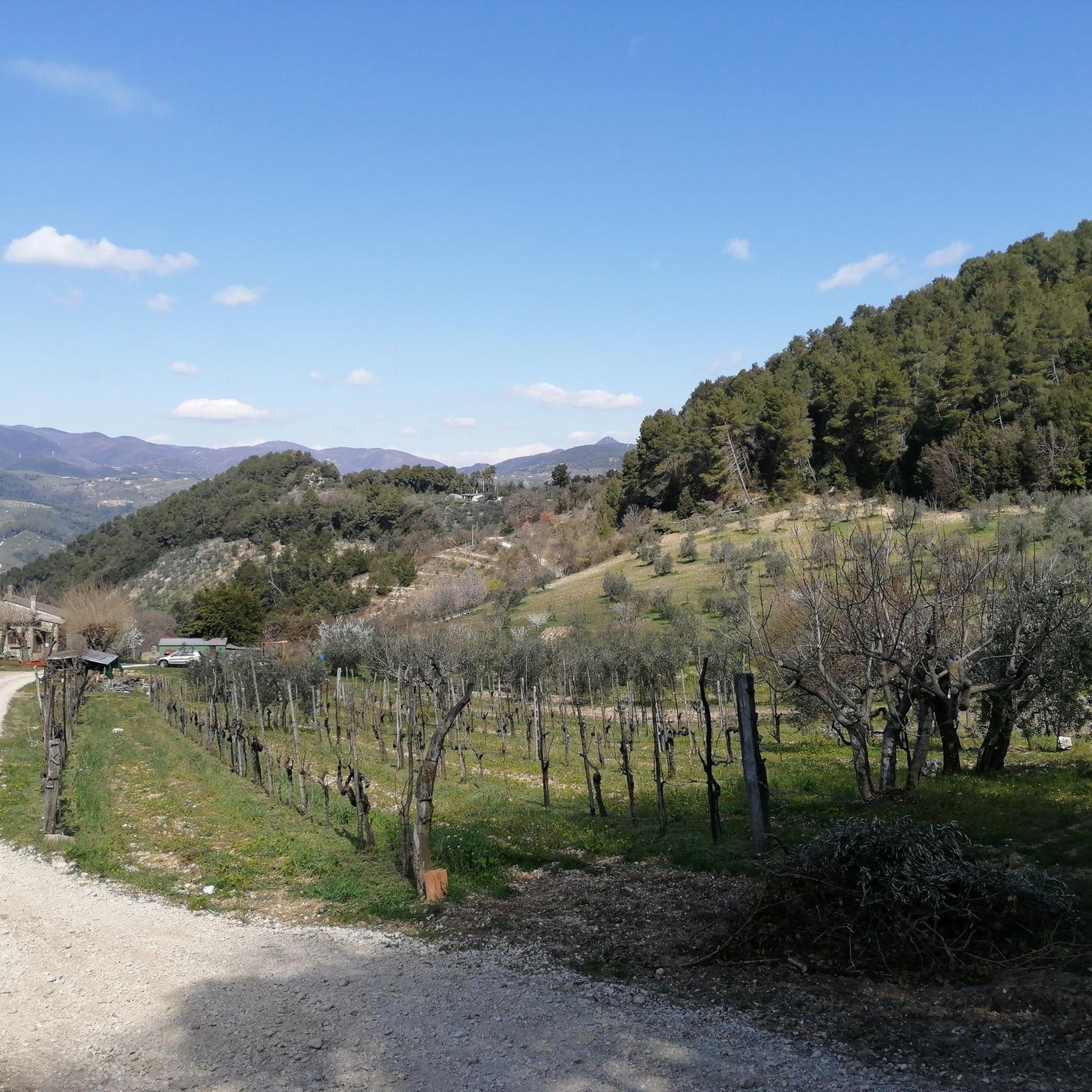
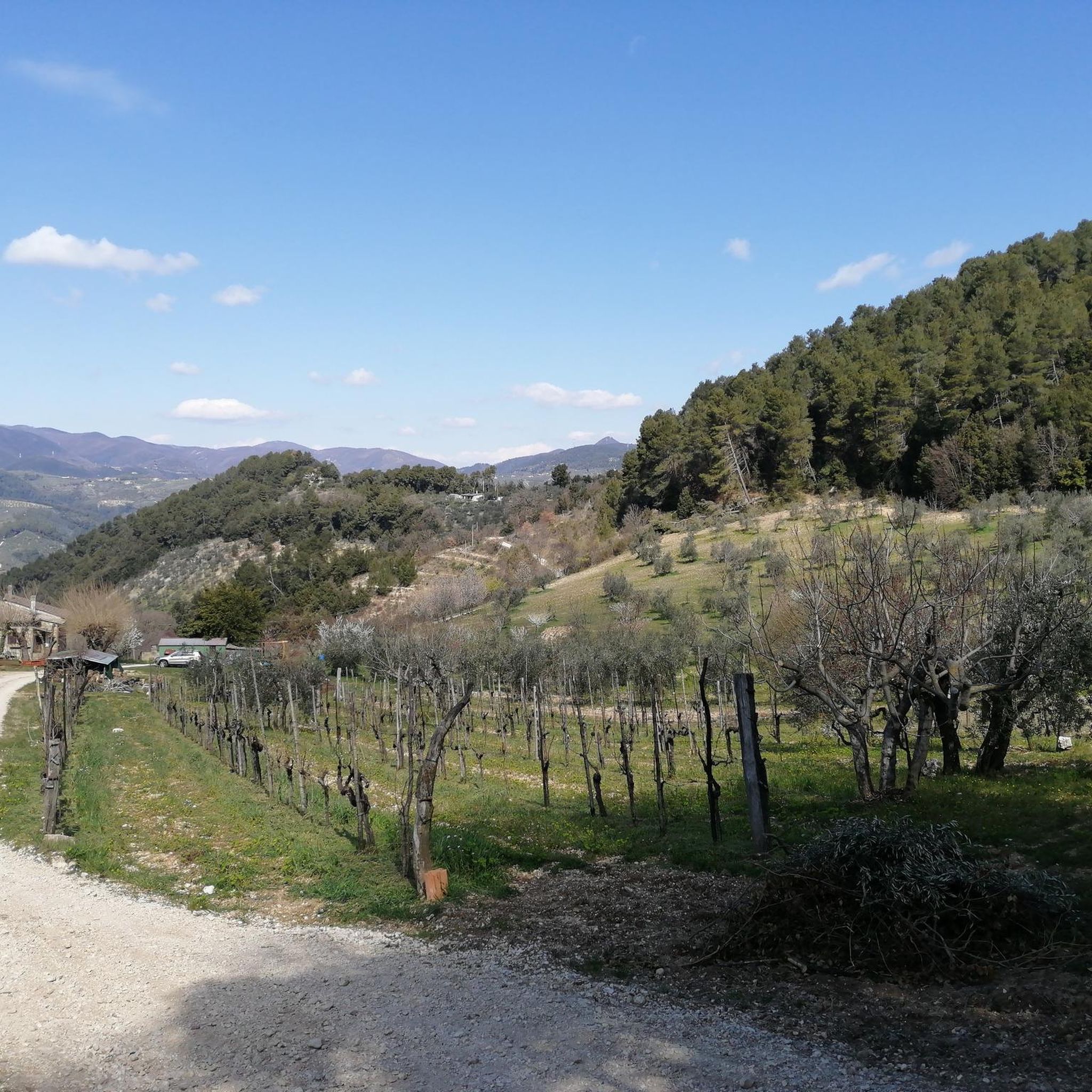
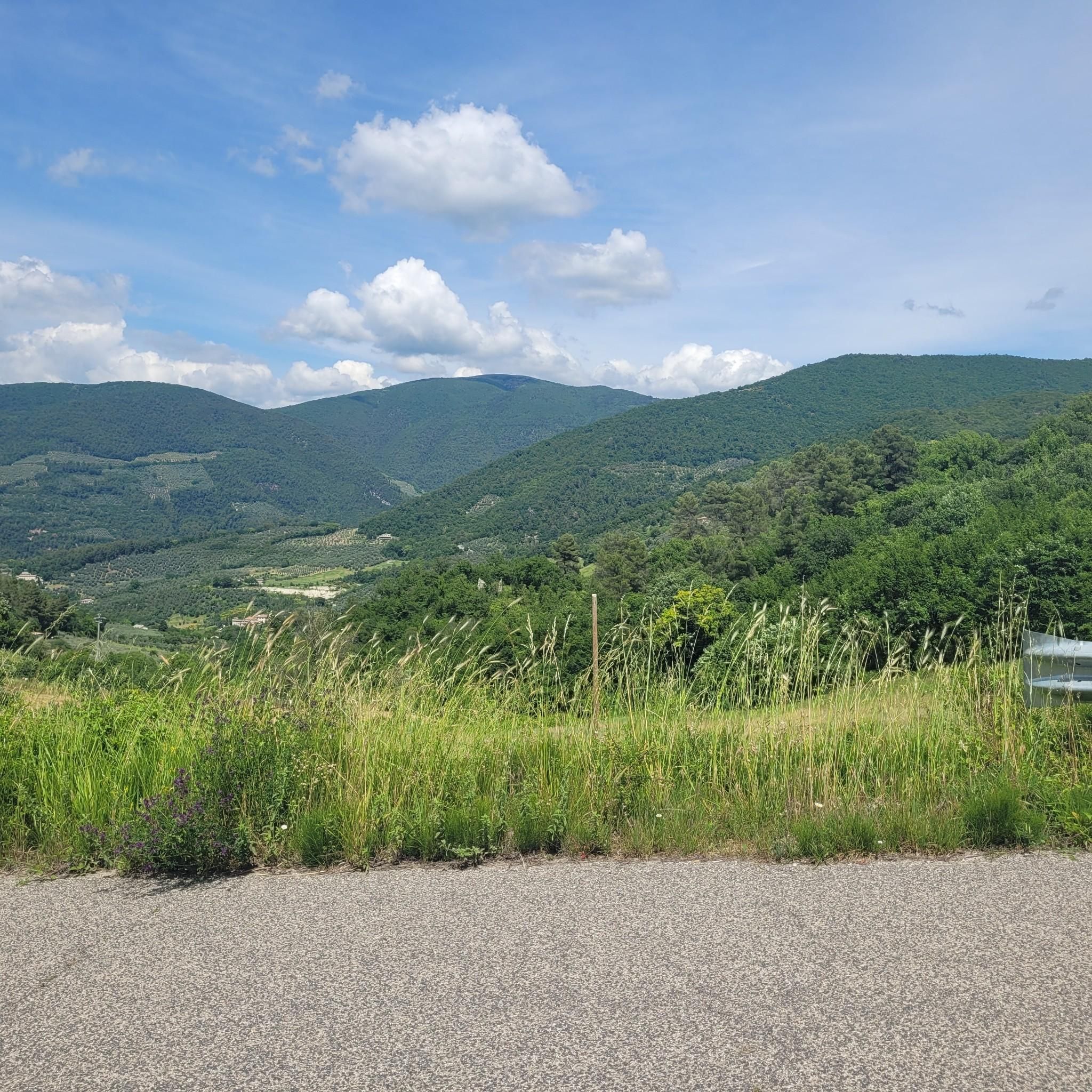
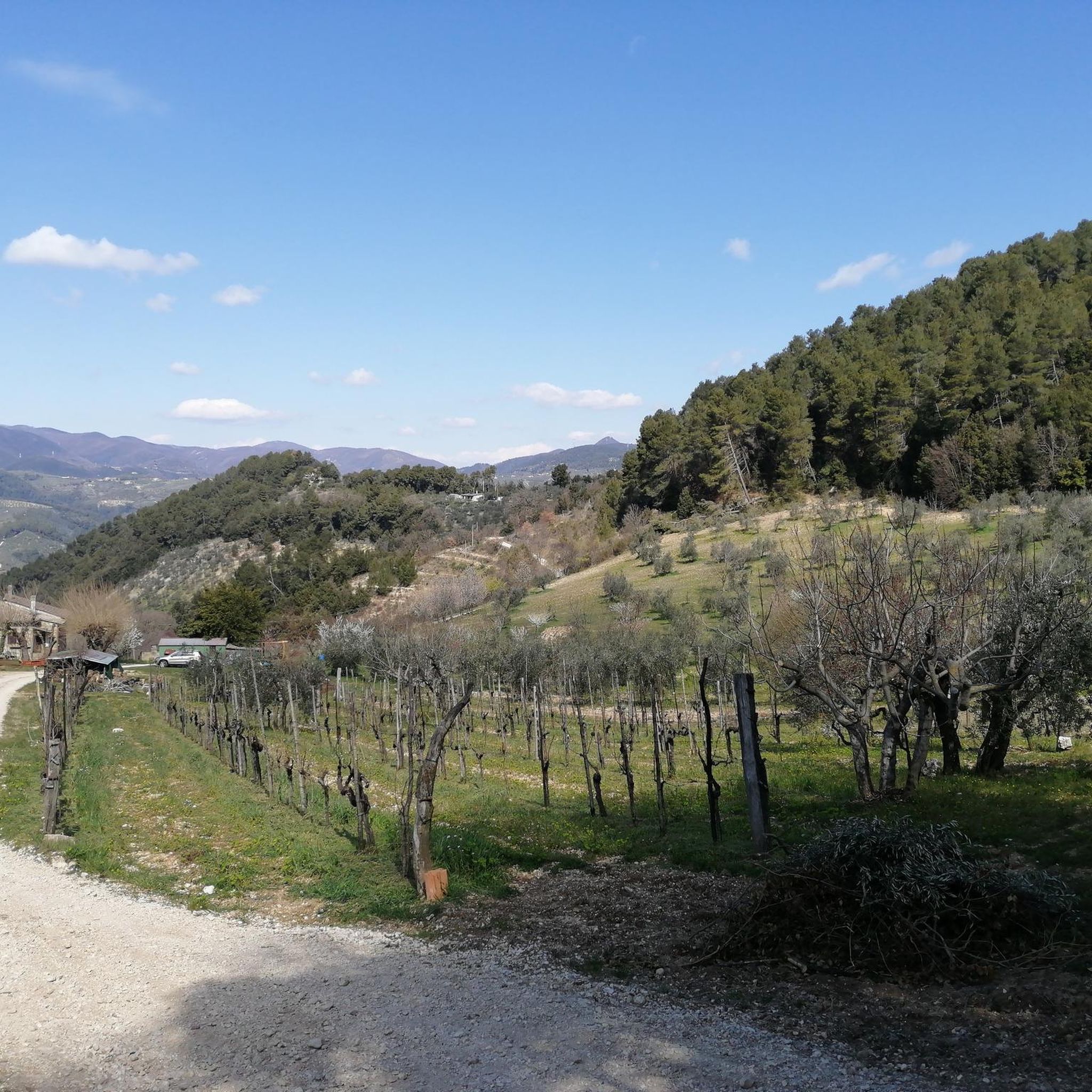

Tips from the Community

The village of Labro was first documented in the 10th century when King Otto I appointed Aldobrandino de Nobili as the lord of Labro. In the Middle Ages, as a border fortification, it was heavily involved in the conflicts with Spoleto. Due to the sharp population decline after the Second World War, the descendants of the Nobili family decided to restore all buildings to boost tourism. The work was carried out by the Flemish architect Ivan Van Mossevelde. https://it.wikipedia.org/wiki/Labro
1
0

From here a cycleable climb up to Forca di Arrone to swoop down to Lake Piediluco.
0
0

Beautiful fortress on the descent through the Valserra valley to Terni.
0
0

Small village overlooking Lake Piediluco
0
0

The Castle of Umbriano is built on a spur of rock and its construction dates back to around 890 AD. The town of Umbriano, around the castle, is completely abandoned, but can still be visited.
1
0

The Rocca di Piediluco is located on Mount Luco, about 520 meters high. The palace was fortified in the 13th century (after passing to the Brancaleoni). The fortress was already mentioned in 1028 with the name "Castello de Luco".
1
0
Rocca San Zenona is 189 meters high, a watchtower is located at 508 meters and was necessary in the Middle Ages for defense against possible attacks from Spoleto. From a naturalistic point of view, holm oak and pine are very common here.
3
0

Small village to visit, also fun to do by bike through the steep alleys that rise up to the bell tower.
0
0
Frequently Asked Questions
What are some notable castles and fortified villages to explore around Arrone?
The primary 'castle' experience is the fortified village of Arrone Historic Village itself, particularly its oldest section known as "La Terra." Other significant sites include Labro Historic Village, which overlooks Lake Piediluco and houses the Nobili Vitelleschi castle, and Rocca di Piediluco, a fortified palace on Mount Luco dating back to the 13th century. You can also visit Rocca San Zenone and the abandoned Umbriano Castle.
What makes Arrone's fortified village, "La Terra," unique?
Arrone's "La Terra" is unique because the entire ancient nucleus of the village functions as a well-preserved medieval castle. Established between the 9th and 10th centuries, it retains its original urban structure with sturdy walls, narrow alleys, and picturesque squares. The remains of the Arroni Castle within "La Terra" offer stunning panoramic views of the Valnerina valley.
What is the historical significance of the castles and villages in Arrone?
Arrone's history is rich with conflicts, periods of autonomy, and popular resistance, making it a symbol of civic identity. The village has endured numerous raids throughout history. The castles and fortified settlements like Arrone and Rocca di Piediluco served as crucial defensive structures, reflecting the region's turbulent past and strategic importance.
Are there any unique cultural traditions associated with Arrone?
Yes, Arrone is known for its master bell ringers, whose tradition has been recognized by UNESCO as part of the Intangible Cultural Heritage of Humanity. This highlights a unique aspect of the village's cultural heritage.
What kind of views can I expect from the castles around Arrone?
From the fortified village of Arrone, you can enjoy stunning panoramic views of the lush Valnerina valley. Rocca di Piediluco and Labro Historic Village also offer scenic viewpoints, often overlooking Lake Piediluco and the surrounding natural landscapes.
Is Arrone suitable for families with children?
Yes, Arrone is considered family-friendly. The immersive medieval experience of wandering through the village's narrow lanes and squares can be captivating for children. The surrounding Nera River Park also offers various outdoor activities suitable for families.
What is the best time of year to visit the castles around Arrone?
The region's lush vegetation and outdoor activity options suggest that spring and autumn offer pleasant weather for exploration. However, the historical sites are generally accessible year-round, with each season offering a different charm. For specific weather forecasts, it's advisable to check closer to your travel dates.
What outdoor activities can I do near the castles in Arrone?
The Nera River Park, surrounding Arrone, is ideal for various sports. You can find numerous opportunities for cycling, hiking, rafting, and rock climbing. For specific routes, explore the MTB Trails around Arrone, Cycling around Arrone, and Gravel biking around Arrone guides.
Are there specific hiking or cycling routes that include castles?
Yes, many routes in the area incorporate historical sites. For example, the 'Historic village of Arrone – Piediluco lakeside promenade loop from Arrone' is a challenging cycling route. You can find more options in the MTB Trails, Cycling, and Gravel biking guides for routes that pass by or offer views of these historical locations.
Are there guided tours available for the castles in Arrone?
While the guide data doesn't explicitly mention guided tours, the immersive nature of Arrone's "La Terra" and its historical significance suggest that local tour operators might offer them. For the most accurate information on guided tours, it is recommended to check with local tourism offices or the official Umbria tourism website: umbriatourism.it.
Where can I find information on opening hours for these sites?
Many of the fortified villages, like Arrone and Labro, are open settlements that can be explored freely. For specific opening hours of any internal museums, towers, or specific castle structures, it's best to consult local information points or the official tourism websites for Arrone and Umbria. You can start by checking umbriatourism.it or italia.it.
Are the castles and villages around Arrone accessible for visitors with mobility issues?
The ancient fortified villages, with their narrow, winding alleys and historical structures, may present challenges for visitors with mobility issues. While some areas might be accessible, others, particularly the older sections and castle ruins, could have uneven terrain or stairs. It's advisable to contact local tourism services for specific accessibility details regarding individual sites.
Most popular attractions around Arrone

Get inspired with the komoot mobile app


Explore more
Looking for the best castles somewhere else? Discover other guides around Arrone:
