Top 6 Castles around Montegabbione
Best castles around Montegabbione, a charming municipality in Umbria, Italy, offer a glimpse into centuries of history. The region is characterized by its fortified structures and medieval villages, reflecting a rich past. Set amidst picturesque countryside and woodlands, Montegabbione provides a historical landscape for exploration. Its strategic location in Umbria has shaped its defensive architecture and cultural heritage.
Best castles around Montegabbione
- The most popular castles is Castello di Greppolischieto, a castle that is a beautiful village with an…
Last updated: October 31, 2026
Cibottola Castle
Highlight • Castle
Translated by Google •
Tip by

Cibottola Castle
Highlight • Castle
Translated by Google •
Tip by

Sign up now to discover places like this
Get recommendations on the best single tracks, peaks, & plenty of other exciting outdoor places.
Castello di Greppolischieto
Highlight • Castle
Translated by Google •
Tip by

Castello della Sala
Highlight • Castle
Translated by Google •
Tip by

Carnaiola Medieval Village
Highlight • Historical Site
Translated by Google •
Tip by

Sign up for free to discover even more castles around Montegabbione.
Already have an account?
Start today with a free account
Your next adventure awaits.
Tips from the Community

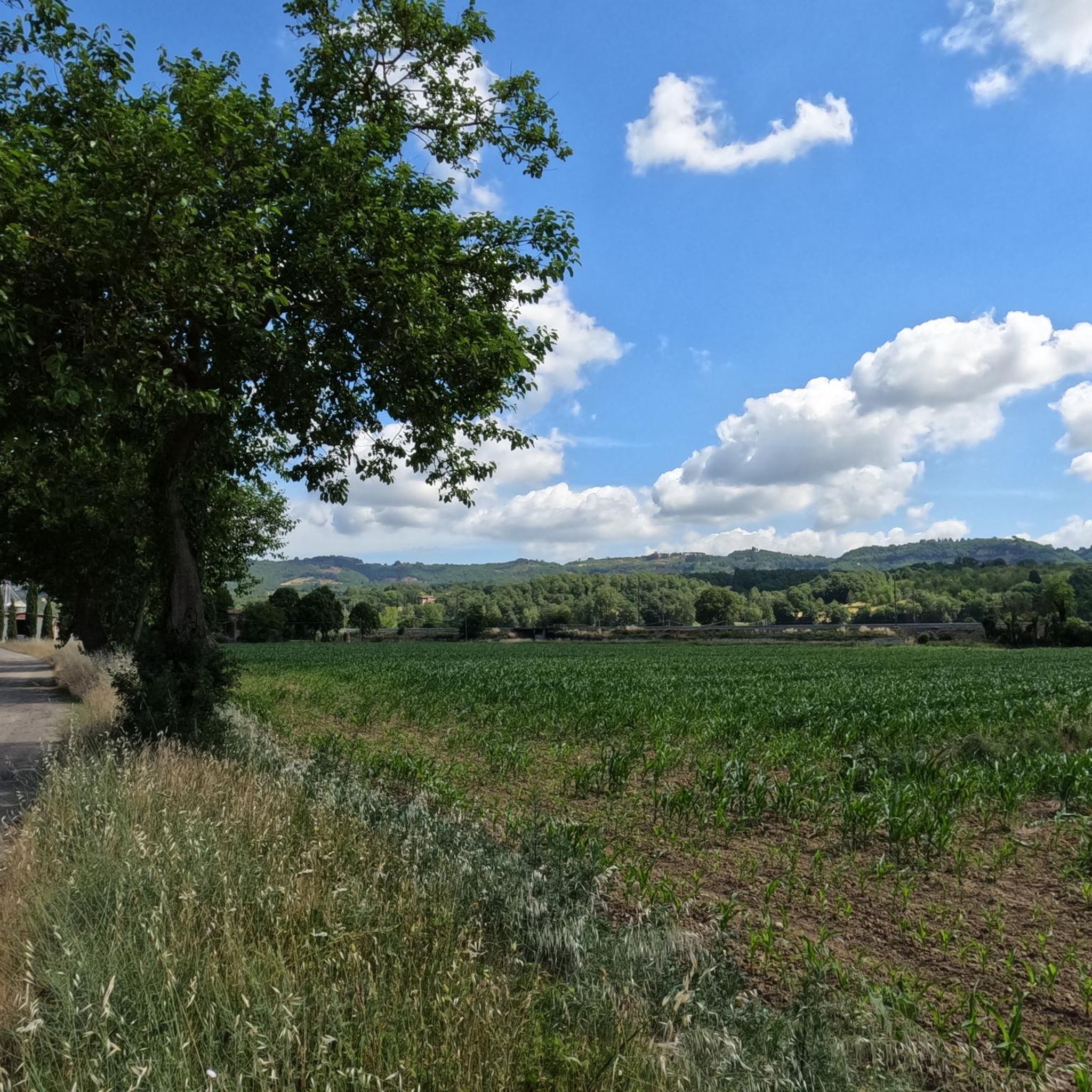
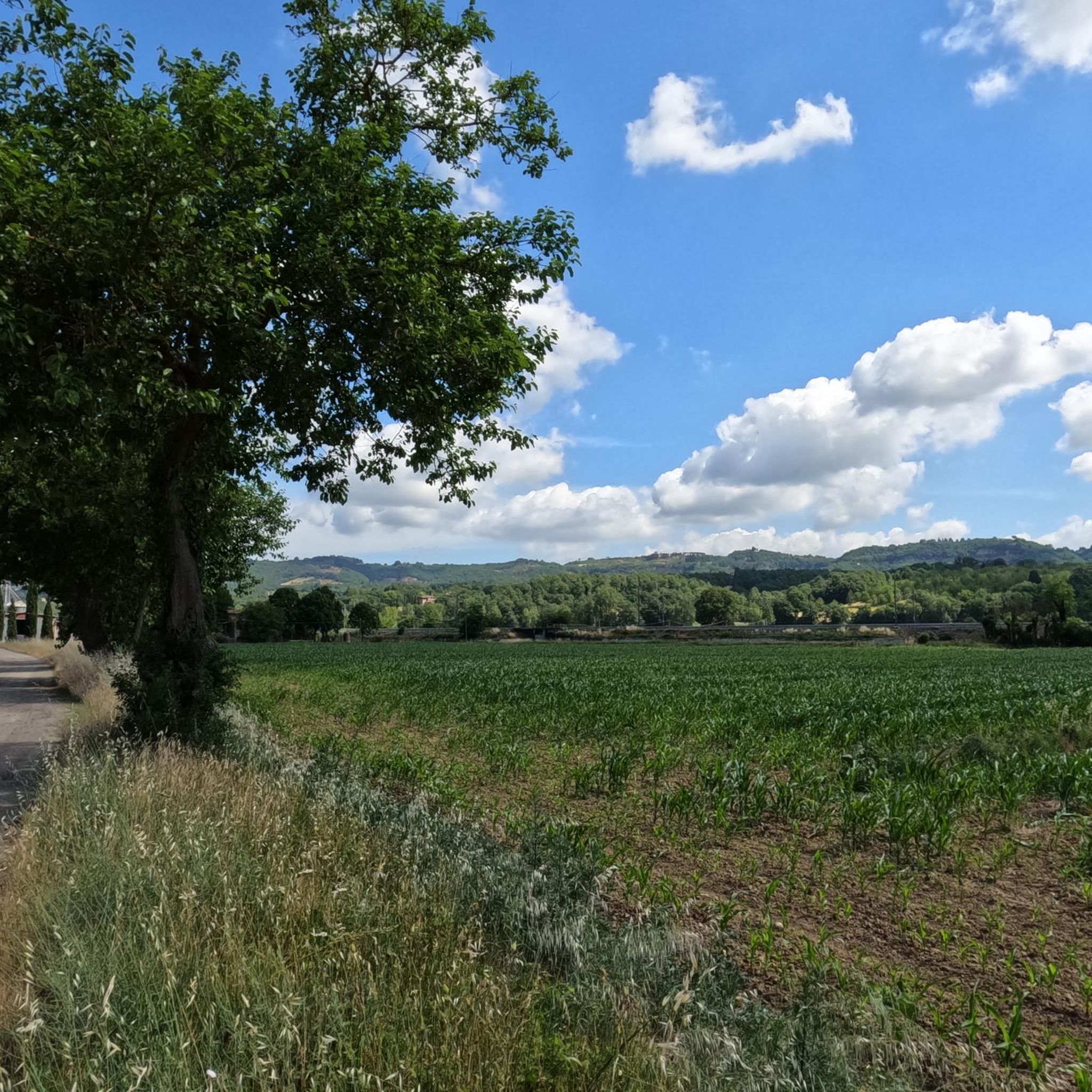
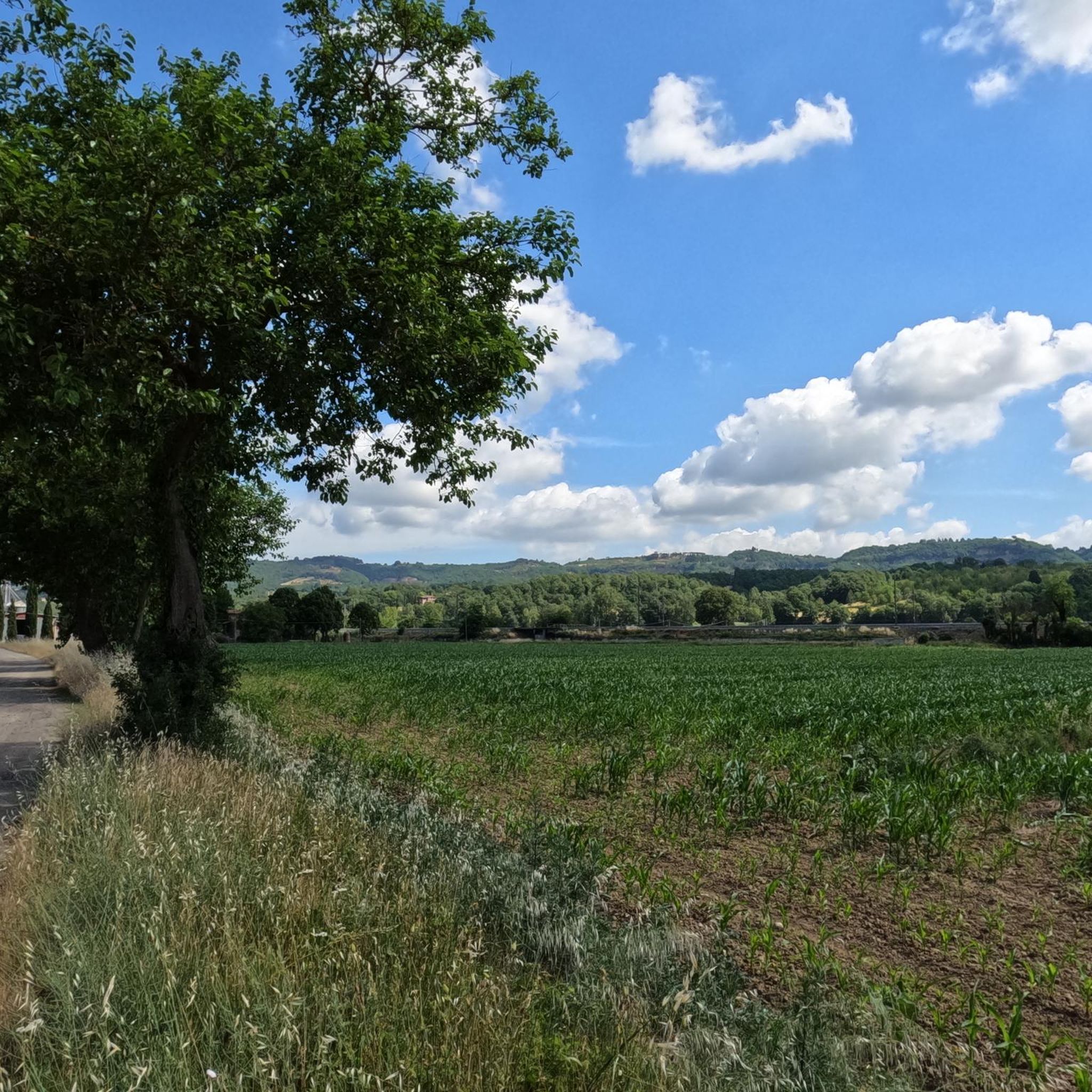
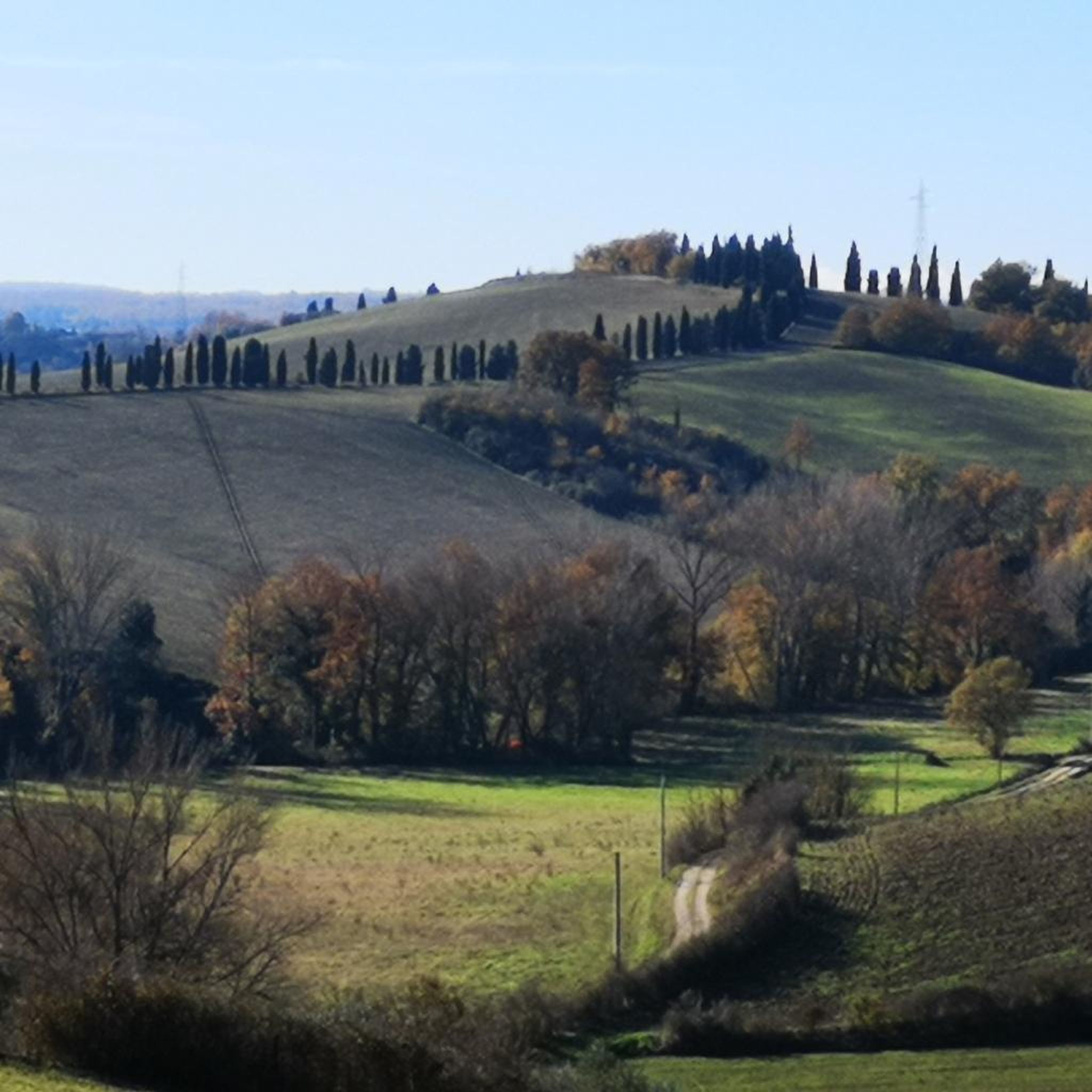
On the journey to Todi, a stop took us to Cibottola Castle, just 1 km from the crossroads. Situated at 471 meters, it is a small castle built before the 10th century, occupying a strategic position overlooking the Nestore Valley. Important since the 13th century for its pietra serena quarries, it was fortified in the 14th century and welcomed Braccio da Montone in 1416 before the conquest of Perugia. Today, the entrance gate with a drawbridge and a 20-meter-high heptagonal tower remain, restored in the late 20th century and converted into a civic tower.
0
0

The beautiful Castello della Sala owned by the Antinori family. The winery produces on this estate one of the most particular passito wines, the "Muffato della Sala".
0
0

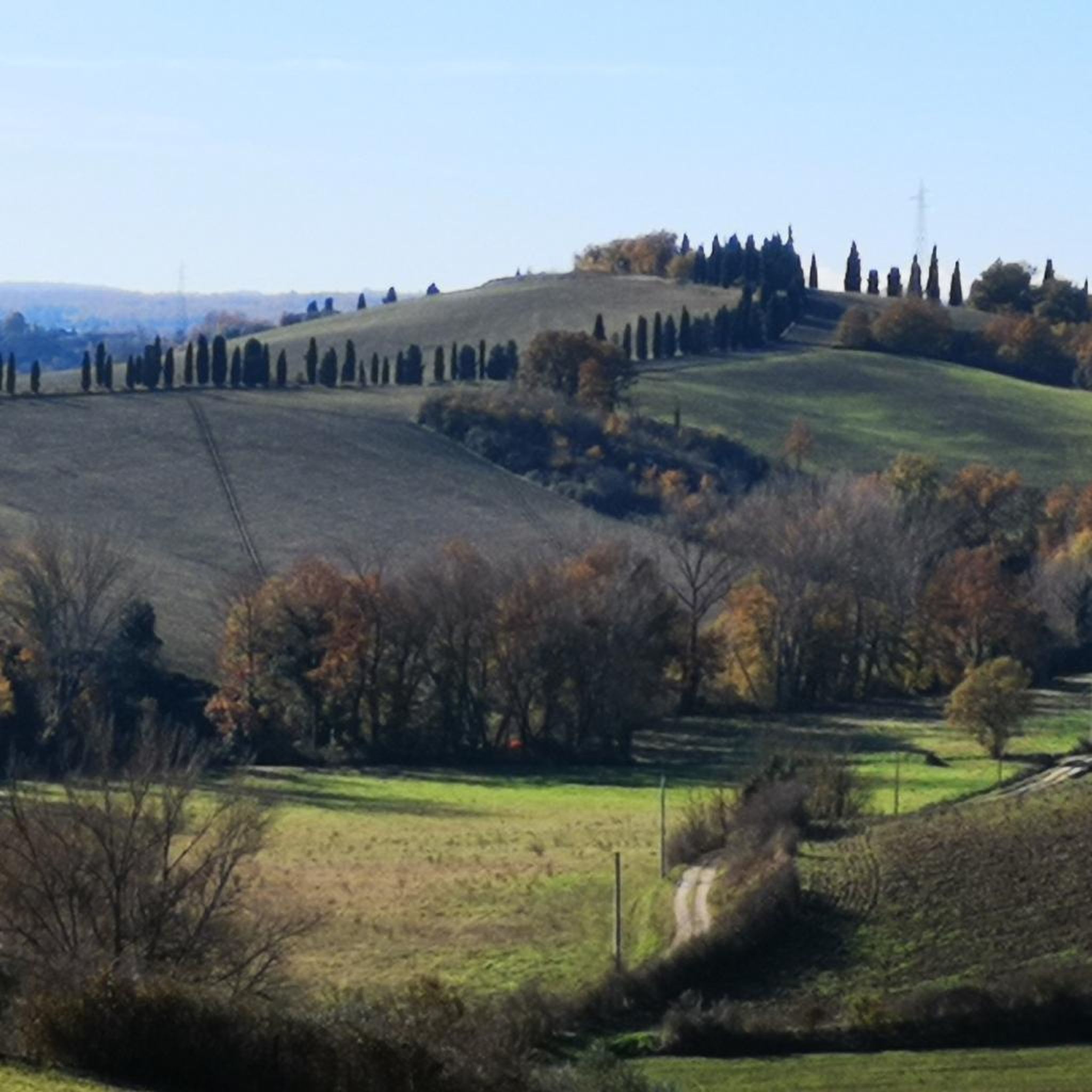
Suggestive castle and beautiful view of the artificial lake of Pietrafitta
0
0
Characteristic medieval center perched on a hill in the middle of the lower Val di Chiana. It is possible to set the village as a base for departure and return or even just as an intermediate stop for other routes. In fact, the town is also included in the regional signposted routes. It is possible to park directly in the square in front of the castle (Piazza Meoni) or in a car park at the entrance to the historic center also equipped with charging stations for electric cars. There is also the "Da Desideria" restaurant where you can taste the typical dishes of Umbrian cuisine
0
0

The fortress is located at a height of 471 meters in the village of the same name, a hamlet in the municipality of Piegaro and its prominent position offers visitors the vision of a truly breathtaking panorama of the surrounding territories. The most impressive and characteristic symbol of the Castle is the heptagonal tower.
0
0

On the road that would take us to Todi, we stopped at a crossroads and saw a sign for Cibottola Castle. It was only a kilometer away, so we took a quick look at this characteristic site from the outside. It was a small castle, built before the 10th century, perched atop one of the hills bordering the Nestore River near Pietrafitta, at an altitude of 471 meters. The name Cibottola derives from Maurizio Cybo, brother of Pope Innocent VIII and governor of Perugia. The area was of fundamental importance to Perugia, starting in the 13th century, due to the wealth of sandstone quarries belonging to the Abbey of San Pietro, which produced pietra serena, a type of stone that, cut into ashlars, was used in urban construction. After doing some research, we discovered that it was fortified in the first half of the 14th century (in 1380, a census of Perugian priors still classified it as a "Castrum"). In 1416, it welcomed Braccio Fortebraccio da Montone, who received the Florentine ambassadors who had tried in vain to dissuade him from marching against Perugia after winning the Battle of Sant'Egidio (July 12, 1416). Seven days later, Braccio entered Perugia triumphantly, and was acclaimed its lord. Cibottola sent the keys of the castle as a gesture of submission, as did the castles of Agello, Piegaro, and Paciano. Of the ancient settlement, dependent on the county of Porta Santa Susanna and then Porta Eburnea of Perugia, the entrance gate with the drawbridge door and a tall heptagonal tower remain. The tower, which has a seven-sided base, is approximately 20 meters high. A large 500 kg bell was placed in the tower, a gift from Pietro Tocchi, rector of the University of Perugia, in 1850. At the end of the 20th century, it was restored and converted into a civic tower.
6
0

Wandering you can also make nice encounters.
0
0

Frequently Asked Questions
What are the most notable castles and fortified villages to visit in the Montegabbione area?
The Montegabbione area is rich in historical fortifications. Beyond the fortified village of Montegabbione itself, you can explore the medieval architecture of Castello di Greppolischieto, known for its panoramic views, and Cibottola Castle, featuring a distinctive heptagonal tower. Another significant site is Castello della Sala, an impressive castle also home to a renowned winery. Additionally, the Carnaiola Medieval Village offers a charming experience perched on a hill.
Are there any castles near Montegabbione that offer wine tasting?
Yes, Castello della Sala, owned by the Antinori family, is a famous winery that produces particular wines like the "Muffato della Sala." You can enjoy wine tasting there. The Castello di Montegiove, mentioned in regional research, also offers wine tastings paired with local products.
What kind of views can I expect from the castles around Montegabbione?
Many castles in the region offer breathtaking panoramas. For instance, Castello di Greppolischieto provides exceptionally open views stretching from Lake Trasimeno to Perugia and the Marche Apennines. Cibottola Castle, situated at 471 meters, also offers a wide panorama of the surrounding territories.
Are there family-friendly castles or villages to visit near Montegabbione?
Yes, the Carnaiola Medieval Village is categorized as family-friendly. Its characteristic medieval center, perched on a hill, can serve as a pleasant base for exploration. The fortified village of Montegabbione itself, with its well-preserved medieval layout, also offers an engaging historical experience for families.
What outdoor activities can I do near the castles in Montegabbione?
The area around Montegabbione is excellent for outdoor activities. You can find various routes for hiking, gravel biking, and mountain biking. For example, there are hiking routes like the "Anello Orvietano: Montegabbione - Castel dei Fiori Loop" and the "La Scarzuola – Castello di Montegiove loop." For more options, explore the Hiking around Montegabbione guide or the Gravel biking around Montegabbione guide.
Are there specific hiking trails that pass by or connect to these castles?
Yes, there are several. For instance, the "La Scarzuola – Castello di Montegiove loop from Castel di Fiori" is a moderate hiking route that takes you past Castello di Montegiove. The Carnaiola Medieval Village is also included in regional signposted routes, making it a good starting or intermediate point for walks. You can find more detailed routes in the Hiking around Montegabbione guide.
What is the best time of year to visit the castles in Montegabbione?
Umbria generally enjoys pleasant weather in spring (April-May) and autumn (September-October), making these ideal times for exploring castles and the surrounding countryside. The temperatures are mild, and the landscapes are vibrant. Summer can be warm, but still suitable for visits, especially in the mornings or late afternoons. Winter offers a quieter experience, though some facilities might have reduced hours.
Where can I find parking when visiting castles in the Montegabbione area?
For some locations, parking is available directly. For example, at Carnaiola Medieval Village, you can park directly in Piazza Meoni or in a car park at the entrance to the historic center, which also has charging stations for electric cars. For other castles, street parking in nearby villages or designated areas might be available.
What historical insights can I gain from visiting the castles in Montegabbione?
Visiting these castles offers a deep dive into medieval history. The fortified village of Montegabbione itself retains its 11th-century origins, with medieval walls and a 15th-century tower. Castello di Montegiove, built in the 13th century, showcases military architecture and aristocratic life, with visible coats of arms and a history of disputes. Castel di Fiori, first mentioned in 1350, provides insight into a renovated medieval village with an ancient tower and church.
Are there any restaurants or cafes near the castles for visitors?
Yes, some locations offer dining options. For instance, near Carnaiola Medieval Village, you can find the "Da Desideria" restaurant, which serves typical Umbrian cuisine. In the main fortified village of Montegabbione, you can also find local establishments. Castello di Montegiove often concludes its visits with wine tasting paired with local cheeses, salami, and bread.
What is the significance of the Montegabbione fortified village itself?
The very core of Montegabbione is a fortified medieval village, established around the 11th century. It retains much of its original urban layout, characterized by imposing medieval walls and a 15th-century tower at its entrance. The village's historical significance lies in its role as a strategic fortified settlement, offering a tangible connection to its past through its ancient walls and original design.
Can I explore the interiors of these castles, or are they mostly exterior views?
It varies by castle. For example, Castello di Montegiove allows visitors to explore parts of the castle, including ancient cellars from the 1500s. The fortified village of Montegabbione allows exploration of its well-preserved urban layout and features. For specific interior access and tour information, it's advisable to check with individual castle websites or local tourism resources like Umbria Tourism.
Most popular routes around Montegabbione
Most popular attractions around Montegabbione

Get inspired with the komoot mobile app


Explore more
Looking for the best castles somewhere else? Discover other guides around Montegabbione:
