Top 5 Castles around Stroncone
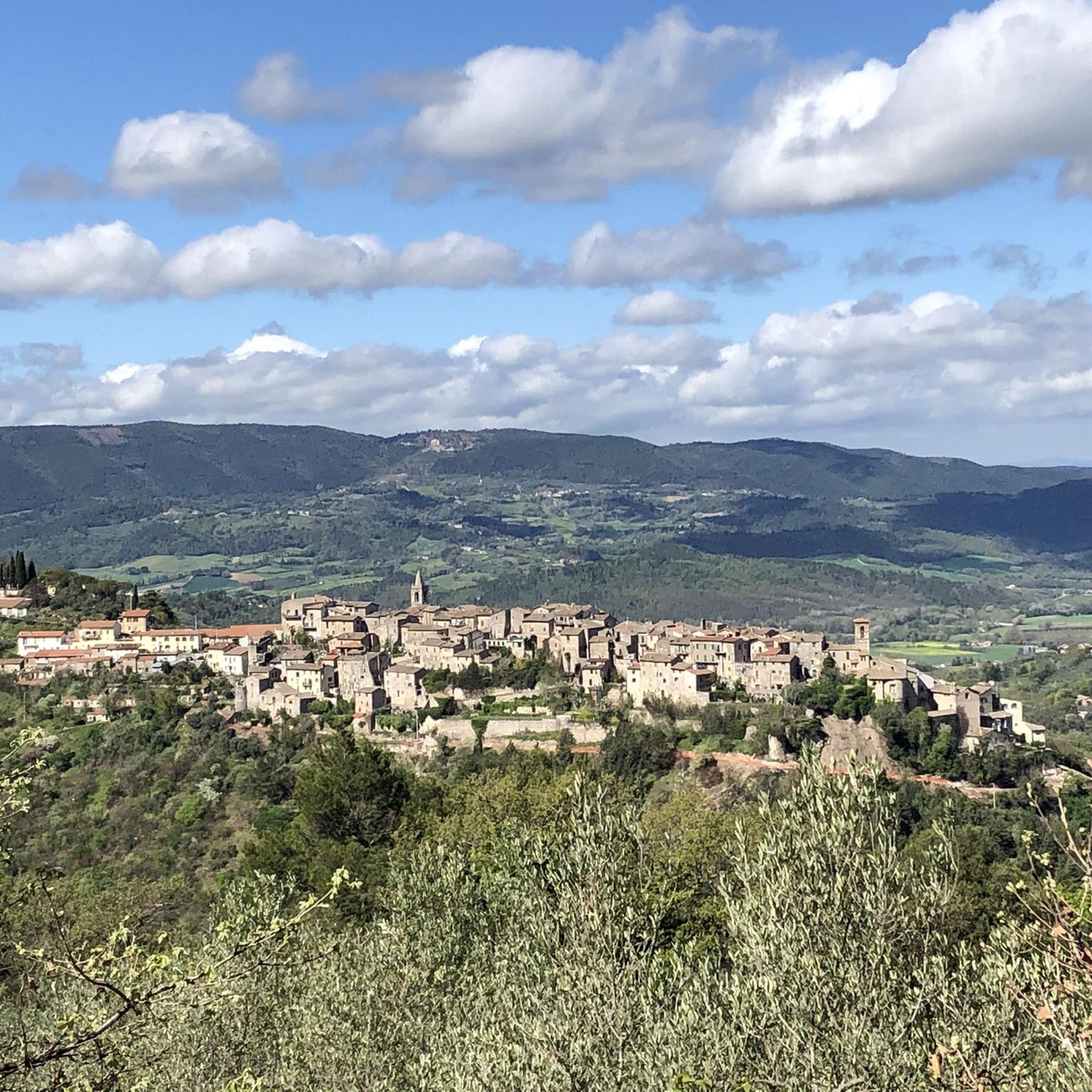
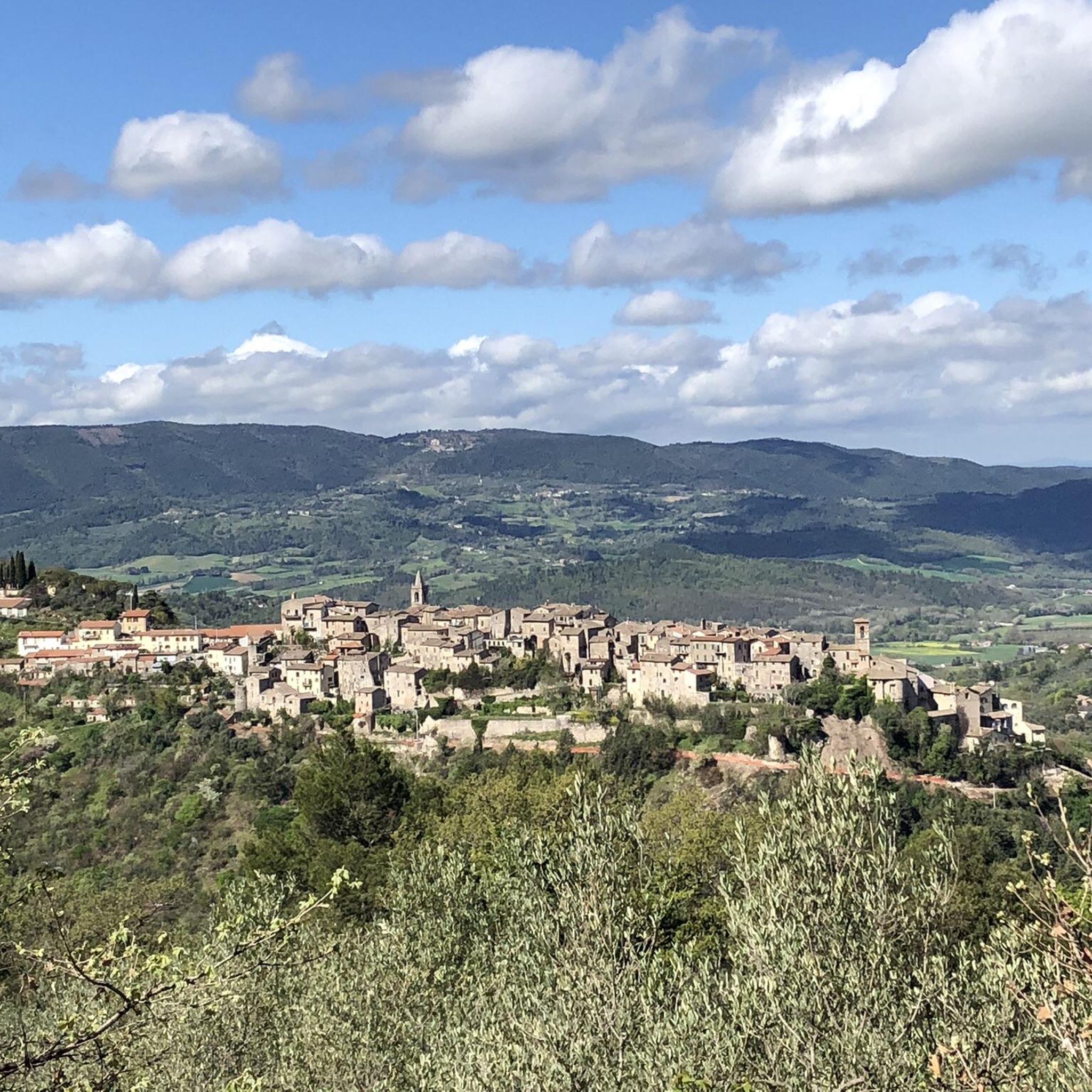
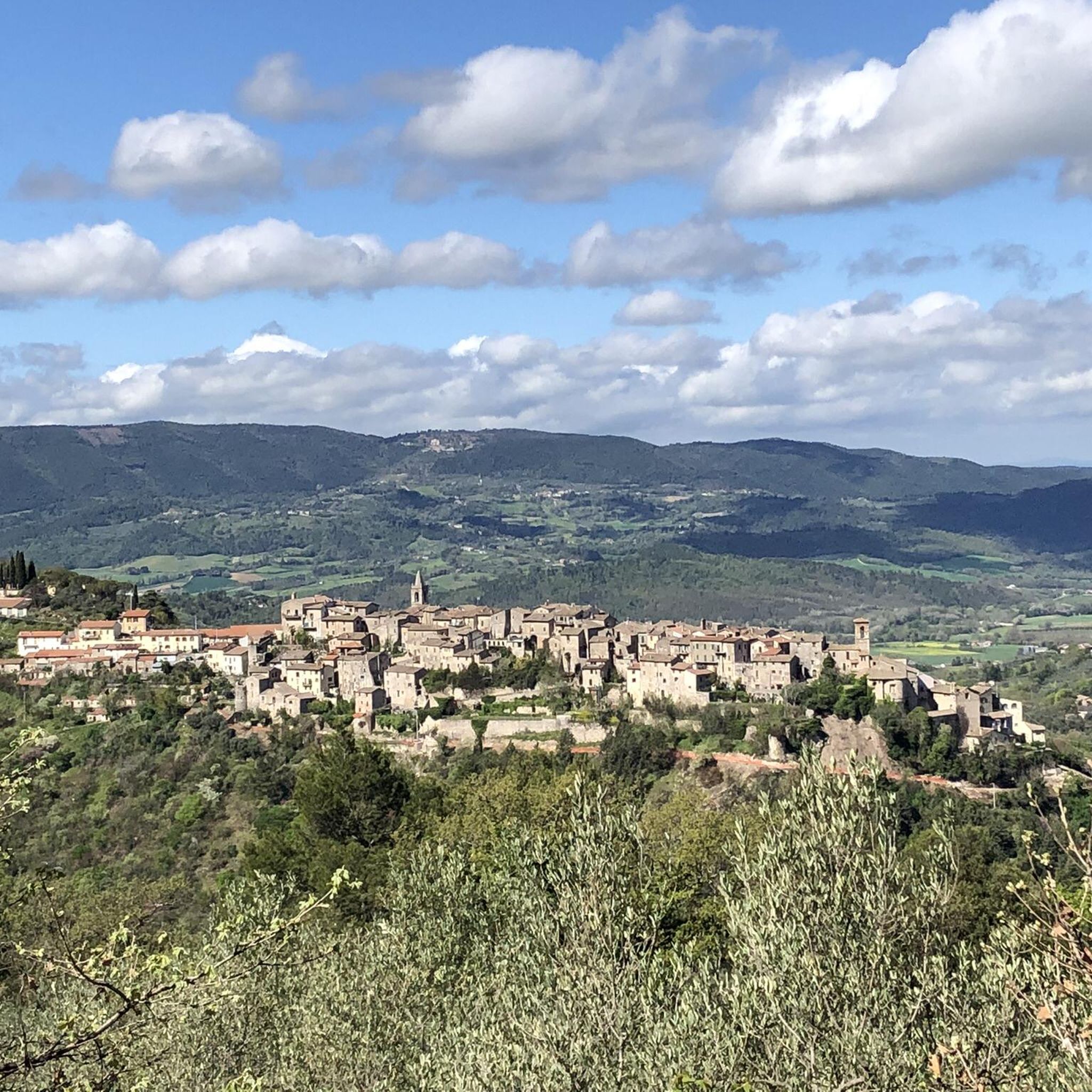
Best castles around Stroncone are found within this charming medieval hilltop town in Umbria, Italy, which itself functions as a fortified village. Its historic center is enclosed within ancient walls, offering a preserved medieval atmosphere. Elevated on a hill covered with olive groves, Stroncone provides panoramic views of the Terni and Narni valleys. The surrounding area also features hamlets with ancient castle origins.
Best castles around Stroncone
- The most popular castles is Arrone Historic Village, a settlement that grew…
Last updated: June 30, 2026
Historic village of Arrone
Highlight • Settlement
Translated by Google •
Tip by

Narni (Ancient Narnia)
Highlight • Settlement
Translated by Google •
Tip by

Sign up now to discover places like this
Get recommendations on the best single tracks, peaks, & plenty of other exciting outdoor places.
Sign up for free
Albornoz Fortress of Narni
Highlight • Castle
The imposing building is part of that system of fortresses that the Papacy, after Avignon, …
Translated by Google •
Tip by

Rocca di Piediluco
Highlight • Castle
The route is looked after by the Thyrus cycling team from Terni which periodically intervenes with maintenance and improvement works on the route.
Today …
Translated by Google •
Tip by

Labro Historic Village
Highlight • Historical Site
In the Middle Ages, as a …
Showing Translation
Tip by

Sign up for free to discover even more castles around Stroncone.
Sign up for free
Already have an account?
Start today with a free account
Your next adventure awaits.
Login or Signup

Tips from the Community

The village of Labro was first documented in the 10th century when King Otto I appointed Aldobrandino de Nobili as the lord of Labro. In the Middle Ages, as a border fortification, it was heavily involved in the conflicts with Spoleto. Due to the sharp population decline after the Second World War, the descendants of the Nobili family decided to restore all buildings to boost tourism. The work was carried out by the Flemish architect Ivan Van Mossevelde. https://it.wikipedia.org/wiki/Labro
1
0

Splendid medieval rock
0
0

Narni underground, with its legends, inspired Lewis Carroll for the creation of the Chronicles of Narnia
1
0

From here a cycleable climb up to Forca di Arrone to swoop down to Lake Piediluco.
0
0

Excellent starting point, if you don't want to travel along paved roads on foot
0
0

Small village overlooking Lake Piediluco
0
0

The Albornoz fortress stands imposingly over Narni and the Nera Gorges, surrounded by lush vegetation. The imposing building is part of that system of fortresses that the Papacy, after Avignon, placed to guard the newly reconquered Church State. Its position and construction features show the desire to control the territory, crossed by communication routes with Perugia, Terni and Amelia. Cardinal Egidio De Albornoz (Cuenca, 1299 - Viterbo 1367) had it built in 1367 on a height difference of 332m above sea level, in a very favorable position to defend against military attacks. The Cardinal worked to strengthen papal power, often designing and building castles and fortresses, as symbols of the power of the Church. The fortress has a quadrangular plan with the corners fortified by four towers and is surrounded by a moat and a second wall. The walls and towers, crowned with corbels, enclose a courtyard which is accessed through two elegant portals: the courtyard, also square, is surrounded by two buildings and pleasant stairs allow access to the first floor, where it was the stately residence. The largest of the four towers is identified as the keep, with a side of 20 arms and a height of four floors, plus the basement. The fortress was built on the remains of an original military settlement built by Federico Barbarossa, and after only five years, in 1371, Pietro or Giovanni di Nevico, the first castellan, took possession of it. The works were completed in 1378. Several architects worked on the project, including presumably Ugolino I of Montemarte and Matteo Gattapone, who worked on various constructions commissioned by Cardinal Albornoz. Between 1370 and 1449 it was the home of popes, cardinals and leaders, following their fortunes. In 1395 it was conquered by Pandolfo Malatesta and then returned to the hands of the Pope; it was granted jurisdiction to Andrea Tomacelli, brother of Boniface IX. In 1417 Braccio Fortebraccio, a noble leader from Perugia, occupied Narni and the Rocca di Albornoz. A few years later the fortress returned to a pontiff, Martin V, and his noble family, the Colonnas. Other popes followed: Eugene IV and Nicholas V. The latter began a series of works to expand the defensive structures; works that continued under the papacies of Sixtus IV and Innocent VIII, until the end of the fifteenth century. The Fortress of Albornoz suffered many sieges including that in 1527 by the Landsknechts who, having returned victorious from Rome, revolted against Narni. After an initial victory by the Narnesi, the Landsknechts prevailed, entered the city and destroyed it. Numerous other attacks followed until 1798 when, with the proclamation of the Roman Republic and the escape of Pius VI, a French army led by General Berthier stripped the fortress of weapons in order to obtain cannons. In 1860 it was conquered by General Luigi Masi of the Umbria brigade and ceded to the Kingdom of Italy. Throughout the 19th century it was a prison and in 1906 it was purchased for a paltry sum by the Russian prince Mestschezsy; in 1972 it became the property of a Roman family while today it is a cultural heritage property of the Municipality of Narni and the Province of Terni. Among the most important figures who were hosted at the Rocca di Albornoz we remember Cardinal Duranti Durante, the archbishop and astronomer Alessandro Piccolomini and Count Francesco Cenci, who stayed here as a prisoner (https://www.umbriatourism.it/it/ -/rocca-albornoziana).
1
0

The area around Narni was already inhabited in the Paleolithic, and in 300 BC. the citadel returned to the interests of Rome and thus became a Roman colony and strategic center along the Via Flaminia. Today it preserves numerous historical and artistic monuments, such as the Duomo, the Palazzo dei Priori and the Augusto bridge.
1
0
Frequently Asked Questions
What makes Stroncone itself a notable 'castle' experience?
Stroncone is best understood as a fortified village whose historic center embodies the characteristics of a castle. It is still encircled by mighty ancient walls, accessible through a main gate, and features a preserved medieval urban fabric with narrow, winding streets and stone doorways. Its elevated position also offers incomparable panoramic views of the Terni and Narni valleys.
Are there other historic castle-like hamlets to explore near Stroncone?
Yes, within the municipality of Stroncone, there are several hamlets with castle origins. One notable example is Finocchieto, which retains the structure of an ancient castle surrounded by walls, offering a tangible connection to its feudal past. It also features the 13th-century Parish Church of St. Vincent.
What are some of the most popular historic villages and castles to visit in the wider Stroncone area?
Visitors frequently enjoy Arrone Historic Village, a medieval settlement that grew around a 9th-century castle and is listed among the 'Most beautiful villages in Italy'. Another popular spot is Narni (Ancient Narnia), a historic citadel with numerous monuments. Additionally, Labro Historic Village, overlooking Lake Piediluco and housing the Nobili Vitelleschi castle, is a favorite.
Are there any specific fortresses or castles with significant historical importance nearby?
Absolutely. The Albornoz Fortress of Narni stands imposingly over Narni and the Nera Gorges. Built in 1367 by Cardinal Egidio De Albornoz, it was a key part of the Papacy's system to guard the newly reconquered Church State and has a rich history of sieges and changing ownership.
What kind of views can I expect when visiting the castles and fortified villages in this region?
Due to their elevated positions, many of these sites offer spectacular panoramic views. Stroncone itself provides incomparable views of the Terni and Narni valleys. The Albornoz Fortress of Narni offers commanding views over Narni and the Nera Gorges, while Rocca di Piediluco, located on Mount Luco, also provides excellent vistas.
Are there family-friendly options among the castles and historic villages?
Yes, several locations are suitable for families. Arrone Historic Village and Narni (Ancient Narnia) are both categorized as family-friendly, offering engaging historical exploration for all ages.
What outdoor activities can I do near these castles and historic villages?
The area around Stroncone and its castles is excellent for various outdoor activities. Arrone Historic Village, for instance, is located within the Nera river park, suitable for cycling, hiking, rafting, and rock climbing. You can find numerous routes for hiking, gravel biking, and running in the surrounding region.
Are there hiking trails that offer views of the castles or lead to them?
Yes, there are many hiking opportunities. For example, the Rocca di Piediluco is accessible via a spectacular single track trail. The wider Stroncone area offers various hiking routes, including those with views of Stroncone itself and other historical sites.
What is the best time of year to visit the castles around Stroncone?
While the guide doesn't specify a single 'best' time, the region's mild climate generally makes spring and autumn ideal for exploring. These seasons offer pleasant temperatures for walking and enjoying the panoramic views without the intense heat of summer or the chill of winter.
What do visitors enjoy most about the castles and historic sites in the Stroncone area?
Visitors particularly appreciate the well-preserved medieval atmosphere, the rich history, and the stunning panoramic views from these elevated locations. The opportunity to explore ancient walls, narrow streets, and historical monuments, often combined with outdoor activities like hiking or cycling, is a major draw.
Are there any dog-friendly trails or areas near the castles?
While specific dog-friendly trails directly linked to the castles are not detailed, the general area around Stroncone is rich with natural landscapes and hiking routes. Many outdoor trails in Umbria are suitable for dogs, but it's always advisable to check local regulations for specific sites or protected areas.
Where can I find cafes or restaurants near these historic sites?
Historic villages like Stroncone, Arrone Historic Village, and Narni (Ancient Narnia) typically have local cafes and restaurants within their centers, offering opportunities to enjoy local cuisine and refreshments after exploring the sites.
Most popular routes around Stroncone
Most popular attractions around Stroncone

Get inspired with the komoot mobile app


Explore more
Looking for the best castles somewhere else? Discover other guides around Stroncone:
