The 7 Most Amazing Peaks around Luras
Mountain peaks around Luras are primarily found within the Monte Limbara mountain range, the highest in the Gallura region of Sardinia. Luras, situated at an elevation of around 500 meters, serves as a base for exploring these natural features. The area is characterized by rugged granite peaks, such as Punta sa Berritta and Punta Balistreri, which contrast with densely forested slopes. This landscape offers extensive panoramic views and diverse flora, making it a notable destination for outdoor activities.
Best mountain…
Last updated: August 23, 2026
Monte Limbara
Highlight • Summit
Translated by Google •
Tip by

Punta Gjucantinu (Mount Limbara)
Highlight • Summit
Translated by Google •
Tip by

Sign up now to discover places like this
Get recommendations on the best single tracks, peaks, & plenty of other exciting outdoor places.
Sign up for free
Monte Limbara Summit and Telecommunications Towers
Highlight (Segment) • Summit
Tip by

Balistreri Peak
Highlight • Summit
Translated by Google •
Tip by

Tomba dei Giganti Pascaredda
Highlight • Historical Site
In addition, it is a very beautiful piece of nature where …
Translated by Google •
Tip by

Sign up for free to discover even more peaks around Luras.
Sign up for free
Already have an account?
Start today with a free account
Your next adventure awaits.
Login or Signup

Tips from the Community

Special place and for us Dutch very special because this tomb shows similarities with the dolmens in Drenthe (Netherlands). In addition, it is a very beautiful piece of nature where this tomb is located. From the parking lot it is only a short walk without challenges and recommended for everyone!
4
0

Punta Gjucantinu is the second highest peak of Mount Limbara. You can reach it easily with a path and a short climb. From the top, the view is breathtaking: you have a view that extends from the Gulf of Asinara to the Gennargentu chain. A majestic and fascinating panorama.
3
1

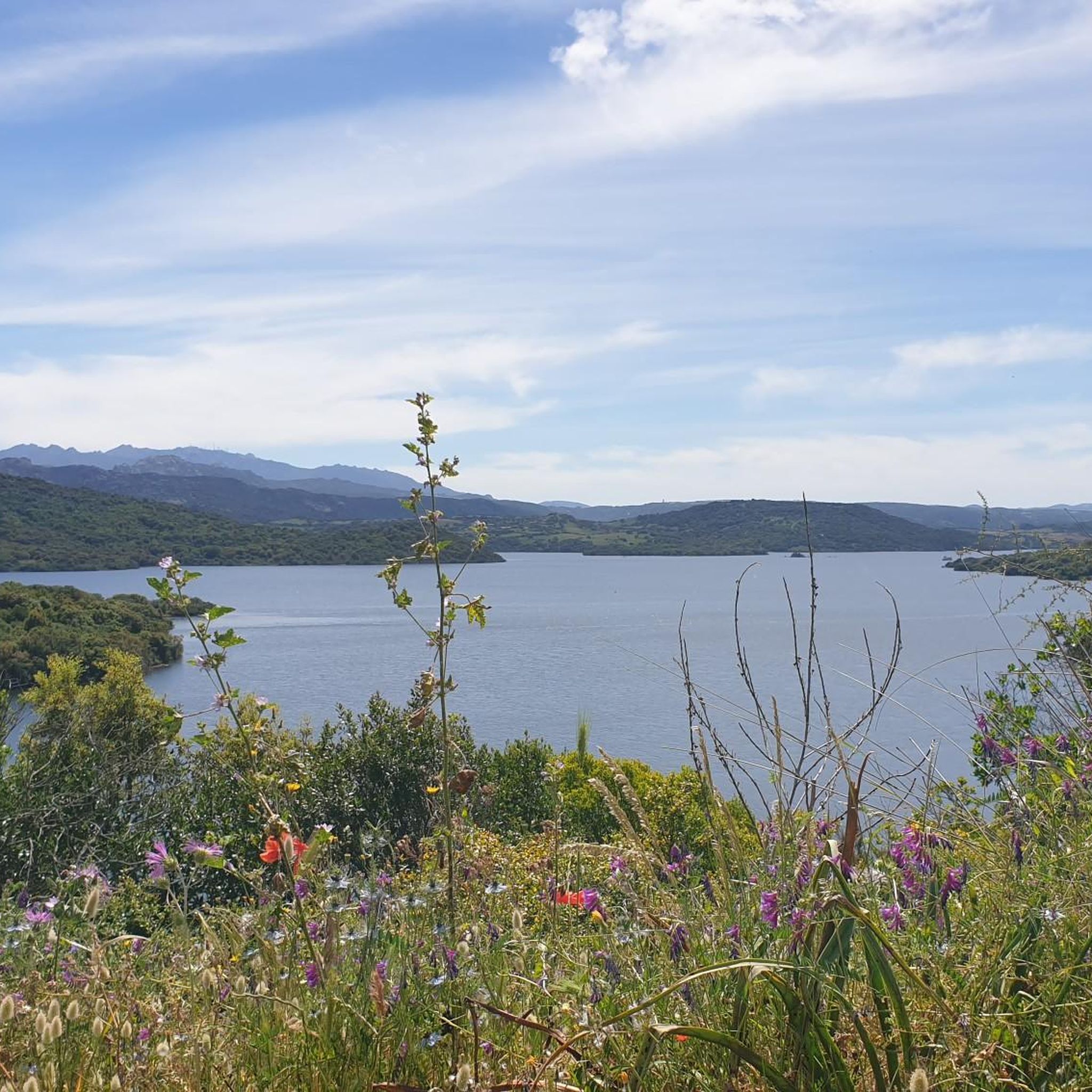
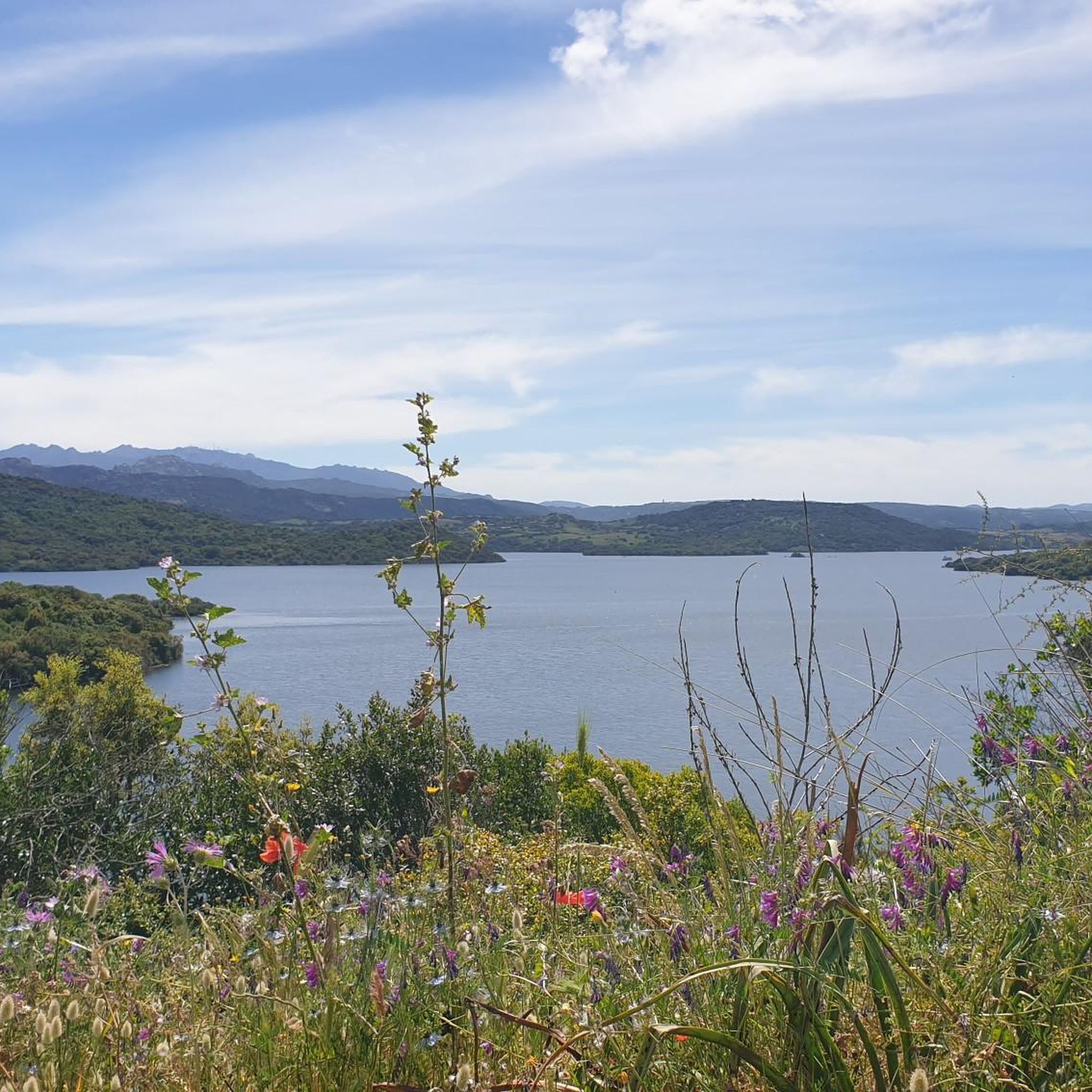
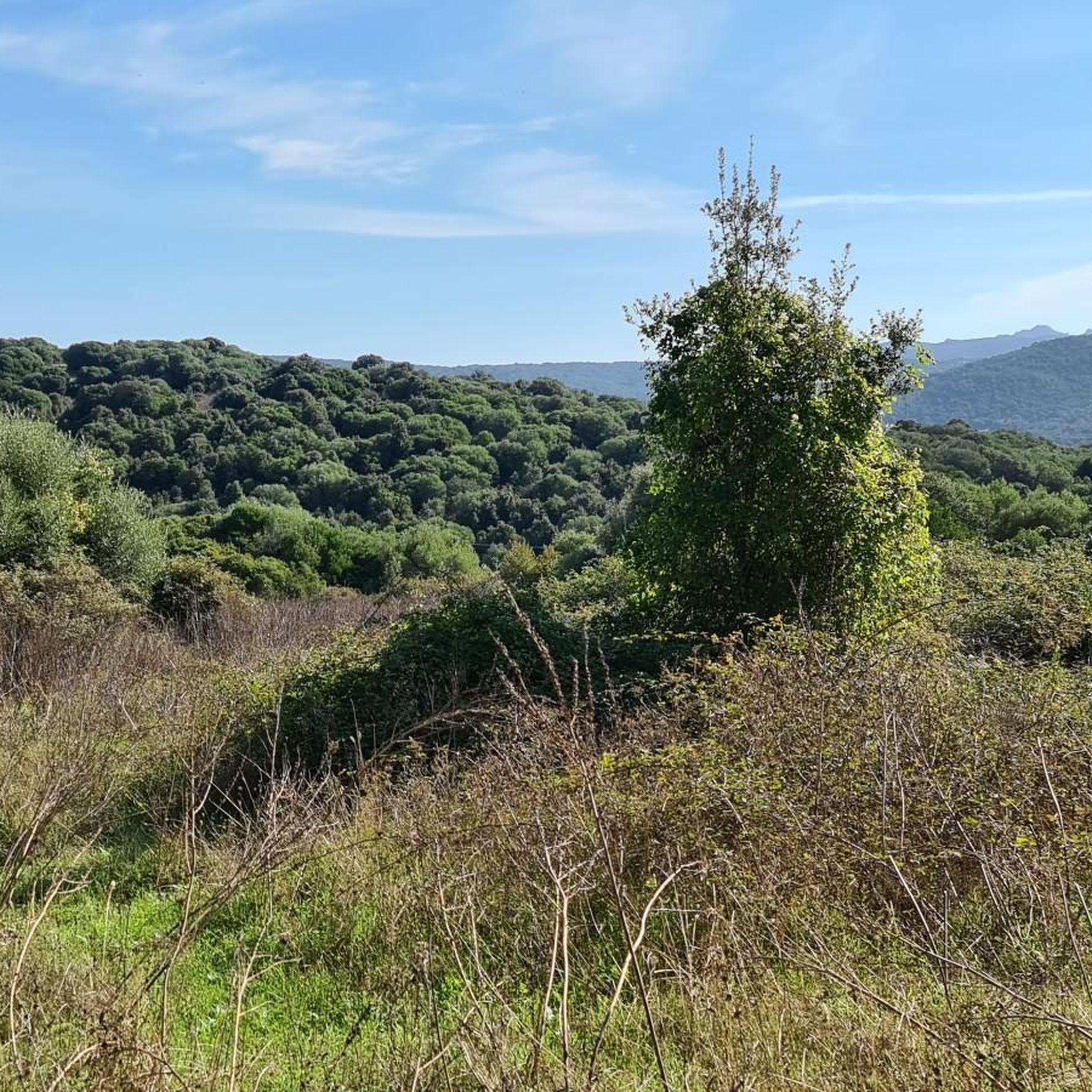
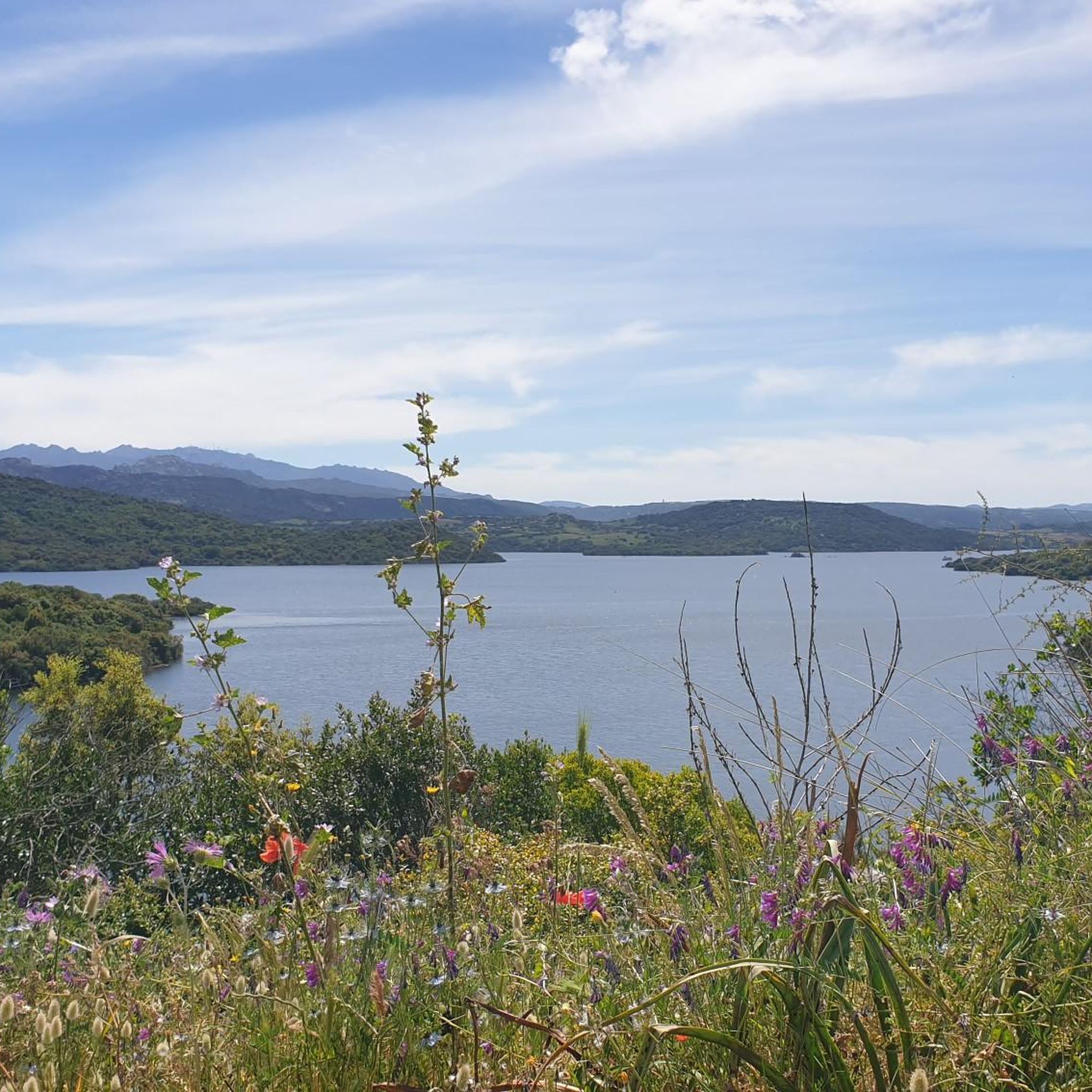
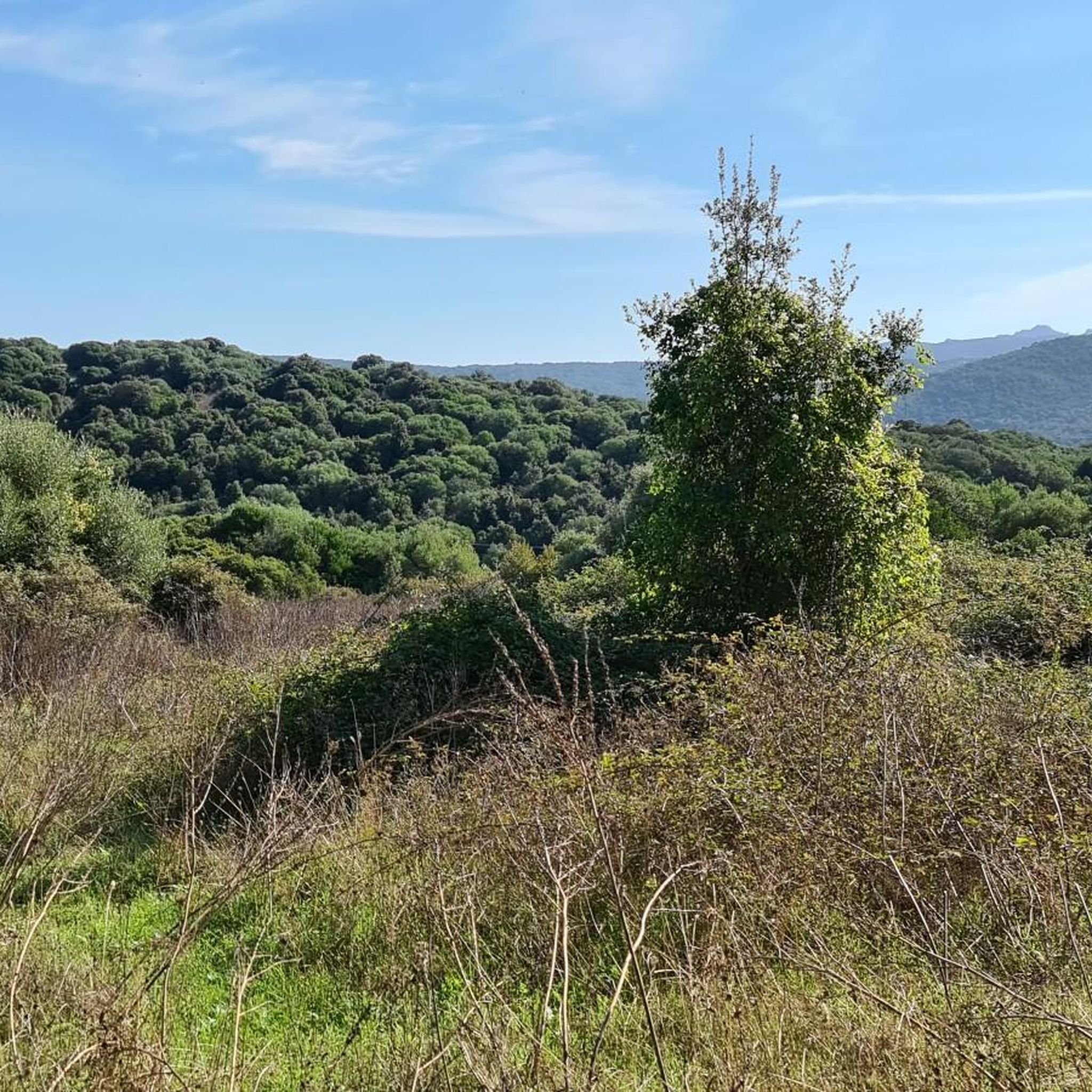
This impressive mountain range is the highest in the region and offers an unmistakable panorama with its two striking granite peaks, Punta sa Berritta and Punta Balistreri. The rugged peaks contrast with the densely forested slopes, which form a green band around the bare peaks with chestnuts, pedunculate oaks, pines, firs and firs. As soon as you reach the summit and look as far as Corsica and the island of Asinara under clear skies, you will understand why so many hikers rave about this place. Your starting point could be the hiking car park below the summit, where the small Madonna della Neve chapel rises from granite rocks. From here you have six different trekking routes available. But maybe you would like to start the adventure in the town of Vallicciola and set off on a hike into the mountain range. Such a circular tour takes between two and a half and four hours, depending on the route. You should be alert on the way, because wild boars roam this area. It is advisable to avoid the forest and take to the road, especially at dusk. Would you like to take a break? Then find a place near the church where you can enjoy the peace and quiet and the view. And when you finally drive along the winding road that takes you into the mountains, you will find that the journey is an adventure in itself. The best time to tour the Monte Limbara mountain range is between May and October. But even in winter, the snow-covered peak offers a charming sight. You need to be sure-footed on your hike, because nature shows its wild side here. But that is precisely what makes this region so charming. So, lace up your hiking boots and set off on a journey of discovery!
2
1

Monte Limbara is the highest mountain massif in northern Sardinia. The two bare granite peaks Punta Balistreri (1,363 m) and Punta sa Berritta (1,359 m) are visible from afar. The slopes of the Monte Limbara massif are forested almost to the summit with chestnut, pedunculate oak, pine, pine and fir trees. (Source: Wikipedia)
1
4

One of the peaks of Monte Limbara with its 1,359 meters. Its name derives from that of a shoemaker from Tempio Pausania who had hidden here after killing the scion of a noble family who had raped his fifteen-year-old daughter. Legend has it that the shoemaker, sought after for years, was never found thanks to the protection of the mountain.
0
0

The Monte Limbara is a mountain chain that you can hike through a wonderful circular tour. We did a 10km loop hike and it was totally worth it. You can take a wonderful break at the church. The drive up along the serpentines is an experience in itself and not without it.
1
1

It is an archaeological monument attributable to the Bronze Age 1700-1400 BC.
3
0

Frequently Asked Questions
What are the most notable mountain peaks to visit around Luras?
The most notable mountain peaks around Luras are primarily found within the Monte Limbara mountain range, which is the highest in the Gallura region of Sardinia. Key peaks include Monte Limbara itself, featuring Punta sa Berritta and Punta Balistreri, and Punta Gjucantinu (Mount Limbara), the second highest peak in the range.
What kind of views can I expect from the mountain peaks near Luras?
From the summits of Monte Limbara, you can enjoy extensive panoramic views. On clear days, these views can stretch as far as Corsica and the island of Asinara. From Punta Gjucantinu, the vista extends from the Gulf of Asinara to the Gennargentu chain.
Are there hiking trails available on Monte Limbara?
Yes, the Monte Limbara area offers numerous trekking routes. You can find six different options starting from a hiking car park below the summit, near the Madonna della Neve chapel. Another popular starting point is the town of Vallicciola, offering circular tours that typically take between two and a half and four hours.
What is the best time of year to hike the mountain peaks around Luras?
The ideal time to explore the Monte Limbara mountain range is between May and October. During these months, the weather is generally favorable for hiking. However, the snow-covered peaks also present a charming sight in winter for those prepared for colder conditions.
Are there any challenging climbs for experienced hikers?
Yes, for experienced hikers seeking a challenge, the Rocky Ascent to Monte Limbara Summit offers a demanding climb through a rugged landscape. This path is marked in red and white and requires sturdy shoes due to its steep nature. Another reasonably challenging climb is the ascent to Monte Limbara Summit and Telecommunications Towers, which involves a winding paved road with significant elevation gain.
What kind of flora and fauna can I encounter on Monte Limbara?
The slopes of Monte Limbara are covered with diverse flora, including chestnuts, pedunculate oaks, pines, and firs, creating a vibrant green band around the bare granite peaks. As for wildlife, hikers should be aware that wild boars roam the area, particularly at dusk, so it's advisable to avoid forests during those times.
Are there any specific tips for hiking on Monte Limbara?
When hiking on Monte Limbara, it's important to be sure-footed due to the wild nature of the terrain. Sturdy shoes are essential, especially for more challenging routes like the Rocky Ascent to Monte Limbara Summit. Carrying plenty of water is also recommended. If you encounter wild boars, it's best to avoid forested areas at dusk.
What outdoor activities can I do near the mountain peaks around Luras besides hiking?
Beyond hiking, the region around Luras offers various cycling opportunities. You can explore road cycling routes, such as 'The Monte Pulchiana road from Luogosanto', or try gravel biking with routes like 'At the foot of Monte La Trona'. For more options, you can check out the guides for Road Cycling Routes around Luras, Gravel biking around Luras, and Cycling around Luras.
What makes the Monte Limbara peaks unique?
The Monte Limbara peaks are unique for their striking granite formations, such as Punta sa Berritta and Balistreri Peak, which contrast dramatically with the densely forested slopes below. This geological feature, combined with the extensive panoramic views and diverse ecosystem, makes them a distinctive natural landmark in Sardinia.
What do visitors appreciate most about the mountain peaks near Luras?
Visitors to the mountain peaks near Luras, particularly Monte Limbara, highly appreciate the breathtaking panoramic views that can extend to Corsica and Asinara on clear days. The challenging yet rewarding hiking trails, the diverse natural landscape, and the sense of tranquility found near spots like the Madonna della Neve chapel are also frequently praised.
Are there any historical or cultural points of interest on Monte Limbara?
While the primary draw of Monte Limbara is its natural beauty and hiking, there are some points of interest. For example, near the summit, you can find the small Madonna della Neve chapel. Additionally, Balistreri Peak has a local legend associated with its name, adding a touch of folklore to the natural landscape.
Most popular attractions around Luras

Get inspired with the komoot mobile app


Explore more
See even more amazing summits around Luras with these guides:
