Top 9 Castles around Avise
Best castles around Avise are situated in the Aosta Valley, a region characterized by its mountainous terrain and historical significance. This area features a concentration of medieval fortifications that once controlled trade routes and protected local nobility. The landscape includes moraine hills, vineyards, and river courses, providing strategic locations for these structures. Exploring the castles offers insight into the architectural evolution and feudal history of the valley.
Best castles around Avise
- The most popular castles is Aymavilles Castle, a…
Last updated: October 3, 2026
Aymavilles Castle
Highlight • Castle
Translated by Google •
Tip by

Introd Castle
Highlight • Castle
Translated by Google •
Tip by
Sign up now to discover places like this
Get recommendations on the best single tracks, peaks, & plenty of other exciting outdoor places.
Saint-Pierre Church and Castle
Highlight • Castle
11010 Saint-pierre AO
Translated by Google •
Tip by

Écours Castle
Highlight • Castle
Translated by Google •
Tip by
Montmayeur Castle
Highlight • Castle
Translated by Google •
Tip by

Sign up for free to discover even more castles around Avise.
Already have an account?
Start today with a free account
Your next adventure awaits.
Popular around Avise
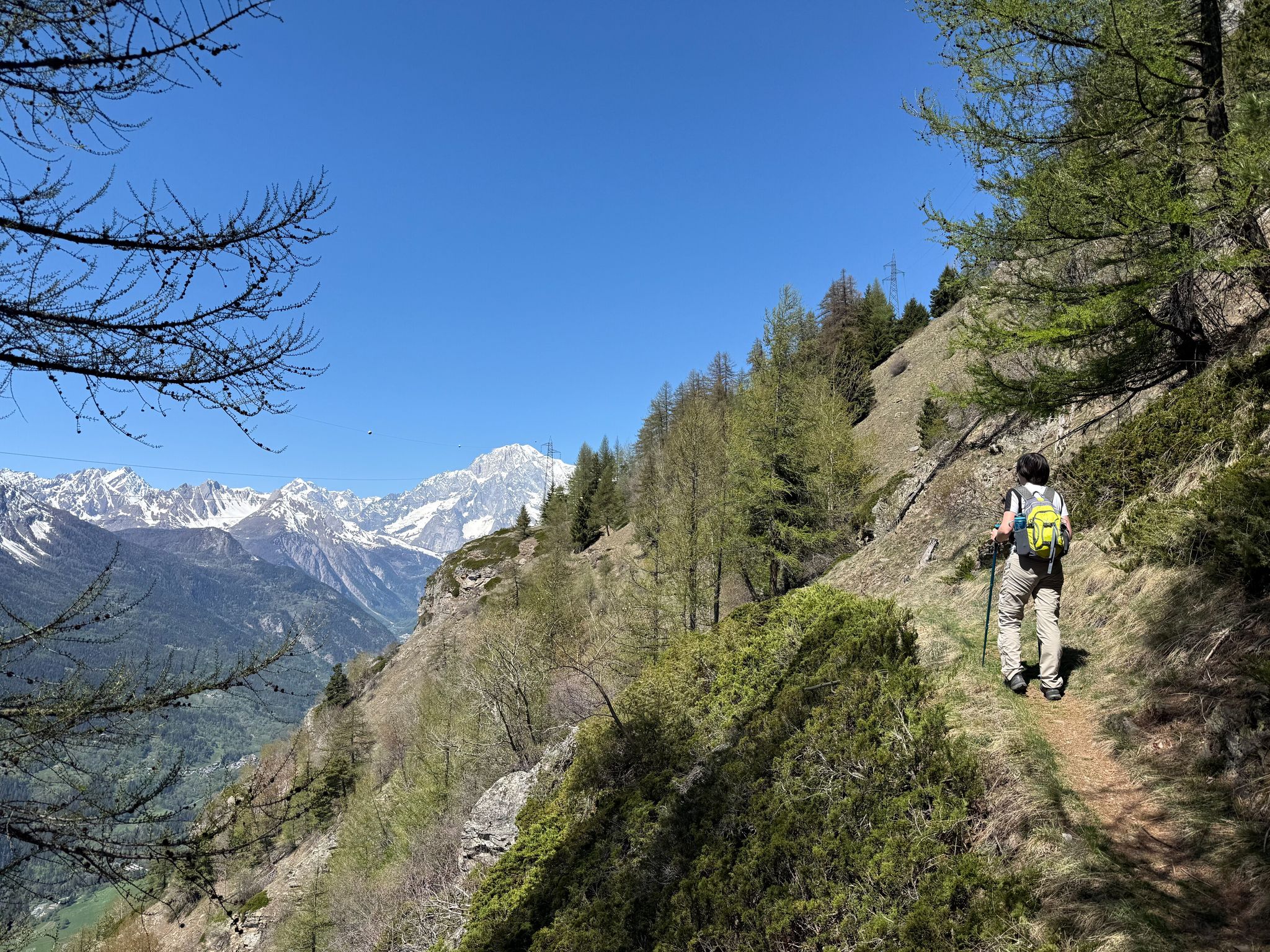
Cammino Balteo – castles, vineyards and trails of the Aosta Valley
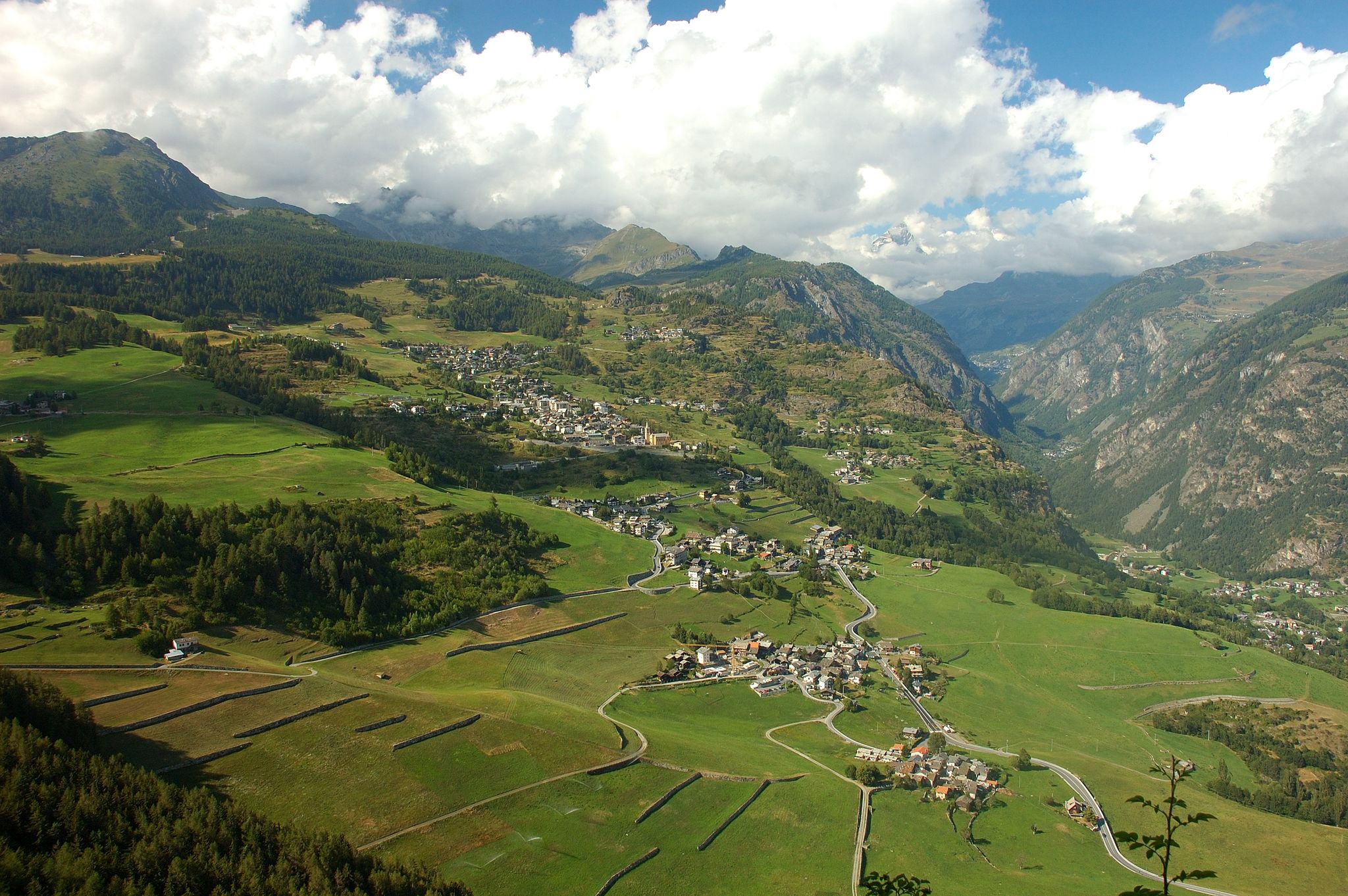
Paths, castles and views of Italy’s Aosta Valley – Cammino Balteo
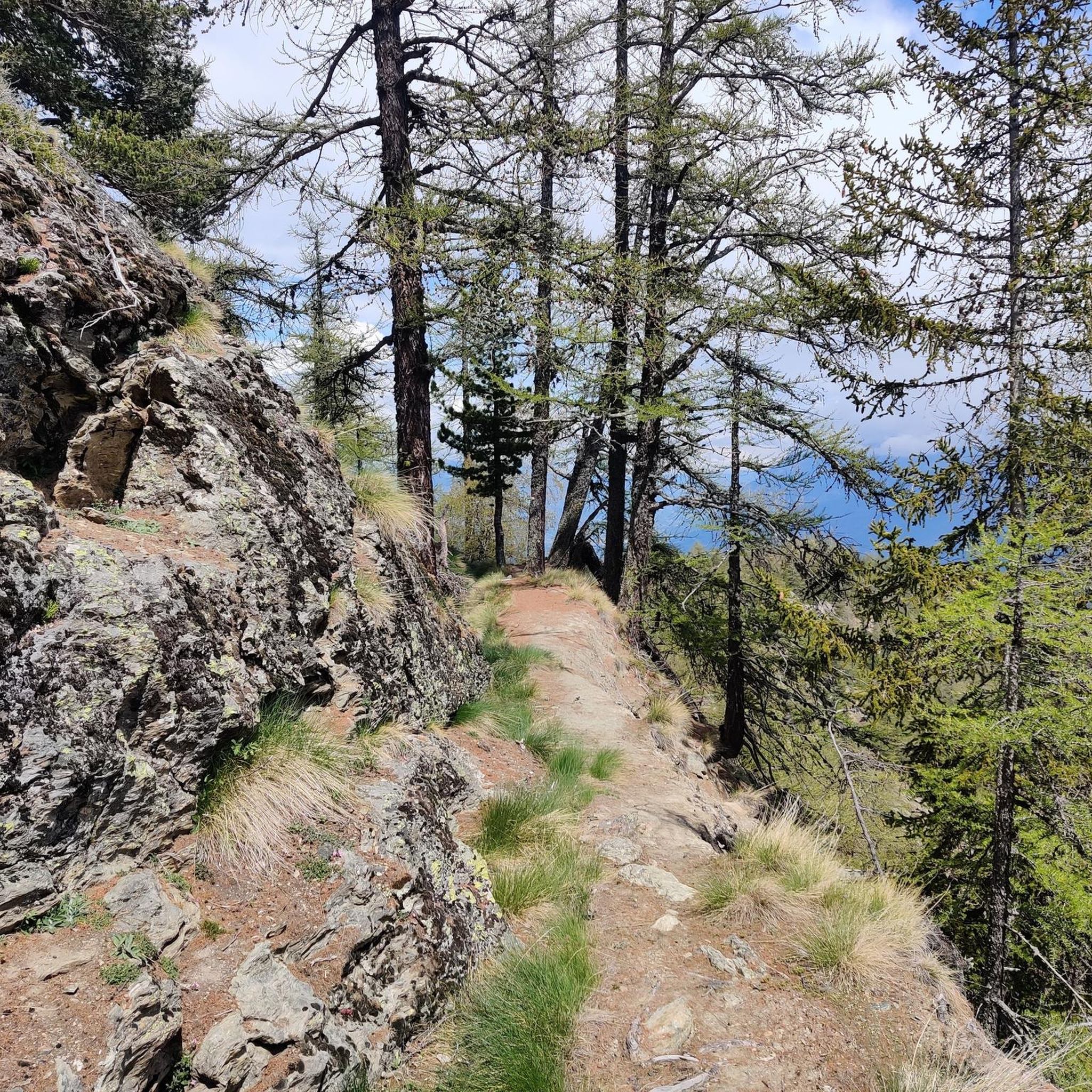
Hiking around Avise
Road Cycling Routes around Avise
MTB Trails around Avise
Cycling around Avise
Running Trails around Avise

Gravel biking around Avise
Mountain Hikes around Avise


Tips from the Community

Very beautiful ruins at height. Caution for those with vertigo not to go to the north side of the tower which overlooks the void! Large fireplace for a picnic available.
0
0

Seen only from the outside, very very beautiful!
0
0

Now the castle is no longer owned by the Caracciolo family but has been purchased by the Autonomous Region of Aosta valley.
0
0

The origin of Introd Castle dates back to the 12th century. It was built with a simple structure with a square central keep surrounded by an enclosure. Pierre Sarriod d'Introd enlarged it in 1260, followed by subsequent modifications in the 15th century that completed the castle. Two fires, the first in the second half of the 19th century and the second in the early 20th century, necessitated restoration work. In the latter case, they were completed by architect Jean Chevalley and commissioned by the then owner, knight Gonnella. Opposite the castle is a Renaissance-style attic. It is entirely made of wood and has two magnificent wrought-iron gates. Nearby is the stable called Ôla. Today, Introd Castle is owned by the counts Caracciolo of Brienza and is managed by the Grand-Paradis Foundation 1. The living room is decorated with frescoes. Near the ceiling are scenes depicting a different tree each, above which is trompe l'oeil wallpaper.
0
0

Located in the hamlet of Écours in the municipality of La Salle
0
0

Positioned north of the capital, along the road that leads to the hilly villages, the massive square tower of Ecours castle is the only remnant of the 13th century construction, together with a short stretch of the ancient surrounding wall. The building, which once belonged to the Lescours (De Curiis) family, among the most eminent of the Valdigne in the Middle Ages, was half enfeoffed to the nobles of Chatelard already in 1430. In 1551, the castle passed into the hands of the Bozel and subsequently, again in the 16th century, it became co-lordship of the Gal and the Malliet. In the following century, the fiefdom was reunited by the Passerins, who were still its owners in 1730.
0
0
The Aymavilles castle, located on a moraine hill and surrounded by meadows and vineyards, dominates the course of the Dora Baltea and the strategic and commercial route that led to the Alpine passes including the Piccolo San Bernardo. Its history is very ancient, in a papal bull of 1207 it appears as a simple tower or stronghold belonging to the assets of the canons of Saint Gilles. This fortification subsequently underwent numerous transformations thanks to the illustrious owners who followed one another over time, starting from 1360, when the Savoys enfeoffed the jurisdiction to Aimone di Challant. The castle is easily recognizable for its original but elegant structure characterized by eighteenth-century stuccoes, loggias and coats of arms. The exterior is refined by the presence of a vast park with a fountain, from which you can enjoy a spectacular view of the entire valley floor.
0
0
The castle of Introd stands on a promontory protected by the rugged gorges of the Savara torrent and the Dora di Rhêmes (the name of Introd, in fact, derives from "entre-eaux", or "between the waters") and probably dates back to the 12th century; like Graines Castle, it originally probably consisted of a square keep surrounded by a wall. After numerous fires and subsequent restoration, today it is open to visits and special events.
1
0
Frequently Asked Questions
What are some of the most historically significant castles in the Avise area?
The Avise region is rich in history. Aymavilles Castle, first mentioned in 1207, showcases centuries of architectural evolution and noble families. Introd Castle, dating back to the 12th century, stands on a strategic promontory. Within Avise itself, the late 15th-century Avise Castle offers a glimpse into Renaissance architecture with its frescoes and unique 'chamber of corbels'. Blonay Castle, with its 12th-century tower, also holds significant historical value as a former prison and guardian of trade routes, though it is not currently open to visitors.
Are there any castles around Avise that are family-friendly?
Yes, both Aymavilles Castle and Introd Castle are considered family-friendly historical sites. Aymavilles Castle offers a museum tour that can engage visitors of various ages, while Introd Castle provides an interesting historical experience on a dramatic promontory.
What is the best time of year to visit the castles around Avise?
The Aosta Valley, where Avise is located, offers beautiful scenery throughout the year. Spring and summer are ideal for enjoying the terraced parks and outdoor events at castles like Aymavilles Castle, and for walking to sites like Cré Castle. Autumn brings vibrant foliage, while winter can offer a unique, snow-dusted perspective, though some sites might have reduced hours or accessibility.
Can I find scenic viewpoints near the castles in Avise?
Absolutely. Reaching the ruins of Cré Castle (Casaforte Ducrest) on foot offers spectacular panoramic views of the valley. Aymavilles Castle, situated on a moraine hill, also provides a spectacular view of the entire valley floor from its park.
Are there any castles that are currently in ruins but still worth visiting for their historical significance?
Yes, Montmayeur Castle, built in 1271, is largely in ruins but preserves a striking cylindrical tower with dovetail battlements. The ruins of Cré Castle (Casaforte Ducrest) also offer a unique historical intrigue and are worth visiting for the scenic walk and panoramic views they provide.
What kind of outdoor activities can I do near the castles around Avise?
The region around Avise offers a variety of outdoor activities. You can explore road cycling routes like the 'Valsavarenche Climb to Pont' or 'Cycling along the Dora Baltea river from Derby'. For touring cyclists, there are routes such as the 'Gressan Green Area – Aymavilles Castle loop from Arvier'. Gravel biking options include 'Valgrisenche – Rifugio Chalet de l'Epée'. You can find more details on these and other routes in the Road Cycling Routes around Avise, Cycling around Avise, and Gravel biking around Avise guides.
Are there any castles that are not open to visitors but are still notable landmarks?
Blonay Castle in Avise, with its 12th-century tower, is an ancient medieval fortification that played a strategic role in controlling trade routes. While it is not currently open to visitors, its historical significance makes it a notable landmark in the region.
What architectural styles can I expect to see among the castles in the Avise area?
The castles around Avise showcase a range of architectural styles reflecting their long histories. You'll find examples of medieval fortifications, such as the early structures of Introd Castle and the 12th-century tower of Blonay Castle. Later additions and transformations, like those at Avise Castle, incorporate late medieval and Renaissance elements, while Aymavilles Castle displays a blend of medieval and Baroque influences with its stuccoes and loggias.
Are there any castles near Avise that are associated with religious sites?
Yes, the Saint-Pierre Church and Castle is a notable site that combines both historical and religious significance, offering a place of cultural and architectural interest.
What can I learn about the noble families of the Aosta Valley by visiting these castles?
Visiting castles like Avise Castle and Aymavilles Castle provides deep insight into the noble families of the Aosta Valley. Avise Castle bears the motto of the Lords of Avise, while Aymavilles Castle was significantly transformed by the Challant family over centuries. The museum tour at Aymavilles Castle specifically details the history of the Challant and Bombrini families, offering a comprehensive look into their lives and influence.
Are there any lesser-known castles or ruins that offer a unique experience?
Beyond the more prominent sites, the ruins of Cré Castle (Casaforte Ducrest) offer a unique experience. Though largely collapsed, you can still discern 16th-century carved stone frames. The walk to these ruins provides a scenic experience with panoramic views, making it a rewarding visit for those interested in exploring beyond the main attractions.
Most popular routes around Avise
Most popular attractions around Avise

Get inspired with the komoot mobile app


Explore more
Looking for the best castles somewhere else? Discover other guides around Avise:
