Top 4 Caves around Mesagne
Caves around Mesagne primarily consist of historical and archaeological underground sites, offering insight into the region's past. While natural karst cave systems are not a prominent feature, the area provides compelling underground experiences through ancient structures. These sites include crypts, rock-hewn churches, and historical industrial spaces. Exploring these locations reveals Mesagne's rich cultural heritage and its deep historical layers.
Best caves around Mesagne
- The most popular caves is Rock Church of San Biagio, a religious building that is part…
Last updated: June 30, 2026
Rock Church of San Biagio
Highlight • Religious Site
Translated by Google •
Tip by

Sanctuary of Saint Anthony alla Macchia
Highlight • Religious Site
Translated by Google •
Tip by

Sign up now to discover places like this
Get recommendations on the best single tracks, peaks, & plenty of other exciting outdoor places.
Sign up for free
Ipogeo of Torre Santa Susanna
Highlight • Historical Site
Translated by Google •
Tip by

Sanctuary of Saint Anthony alla Macchia
Highlight • Religious Site
Translated by Google •
Tip by

Start today with a free account
Your next adventure awaits.
Login or Signup

Tips from the Community

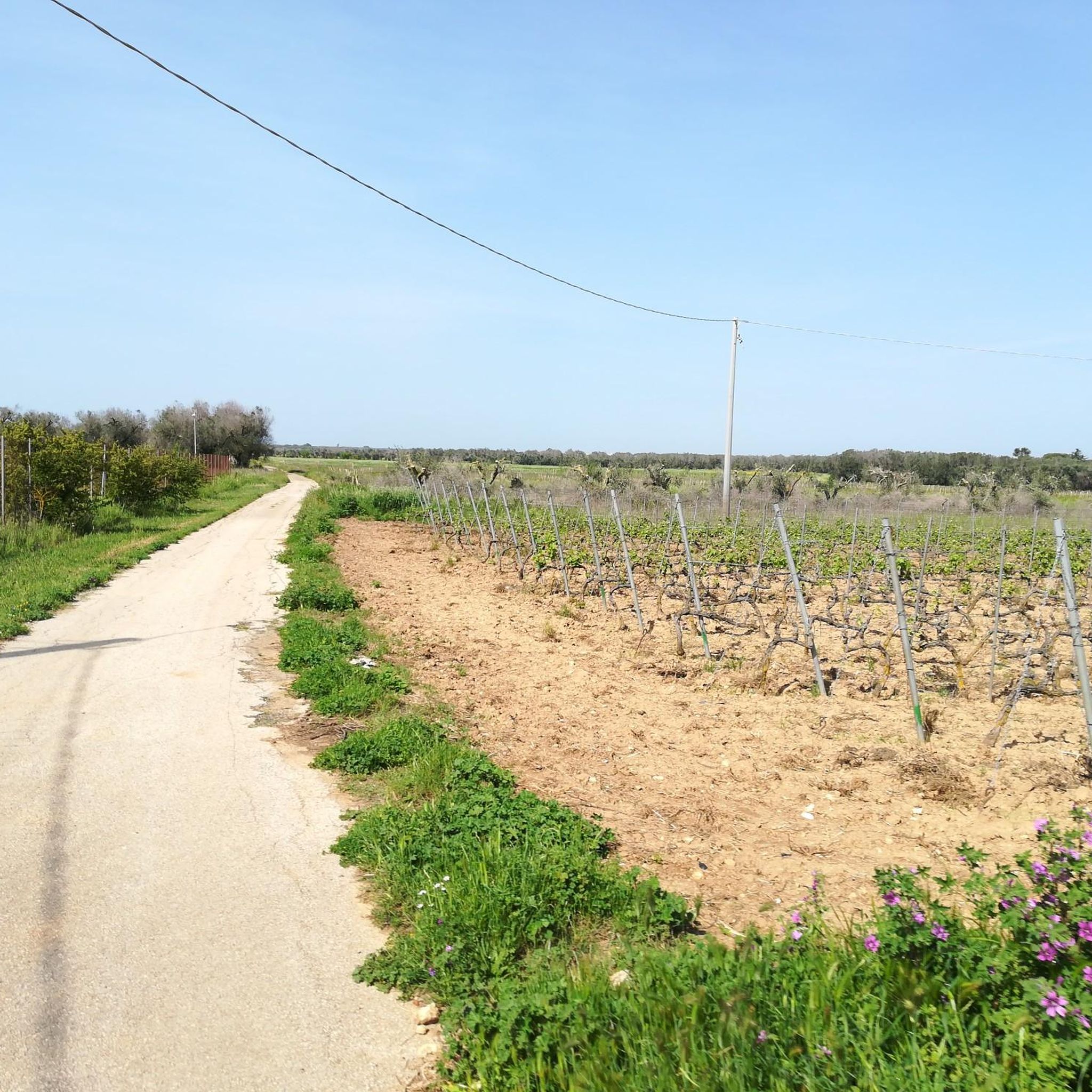
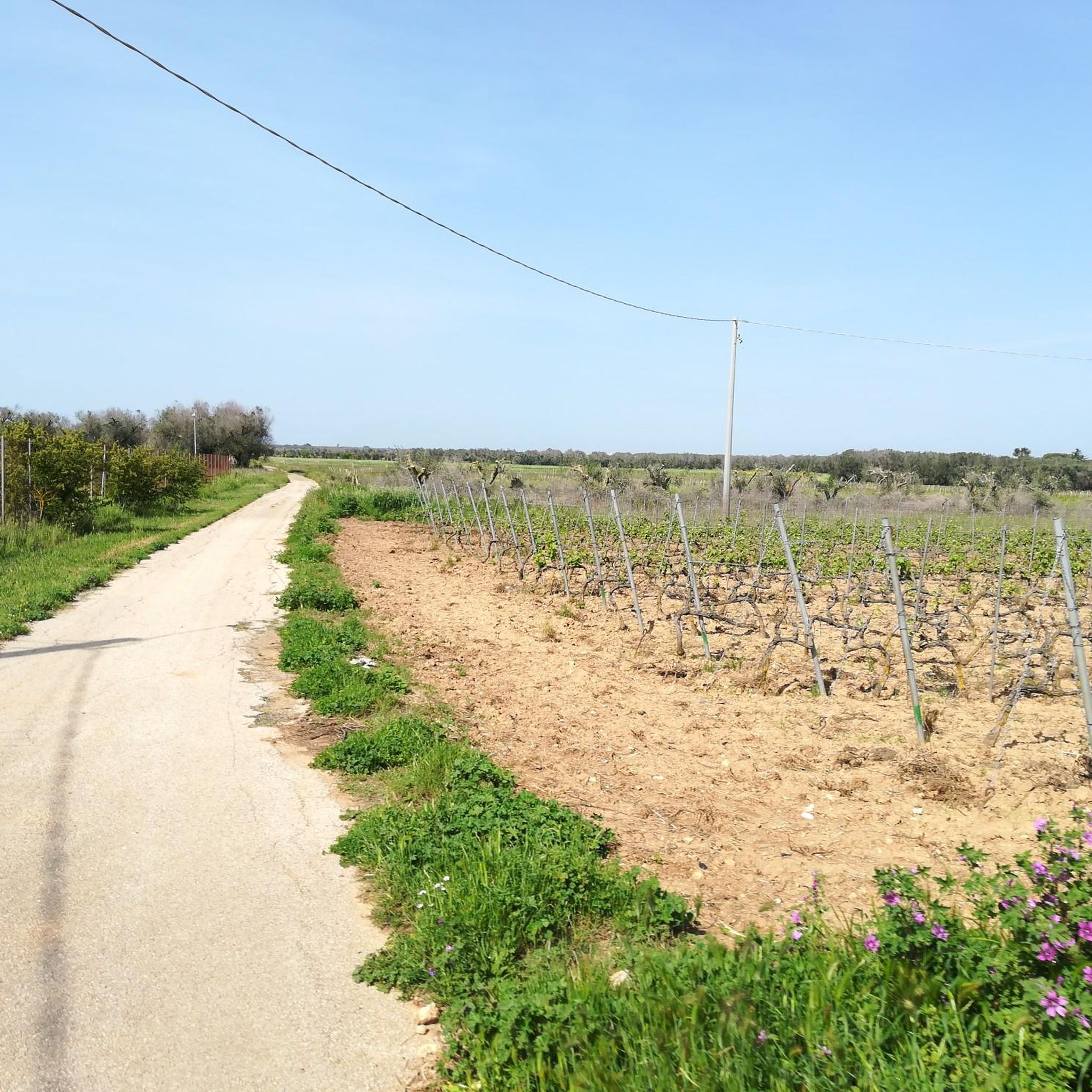
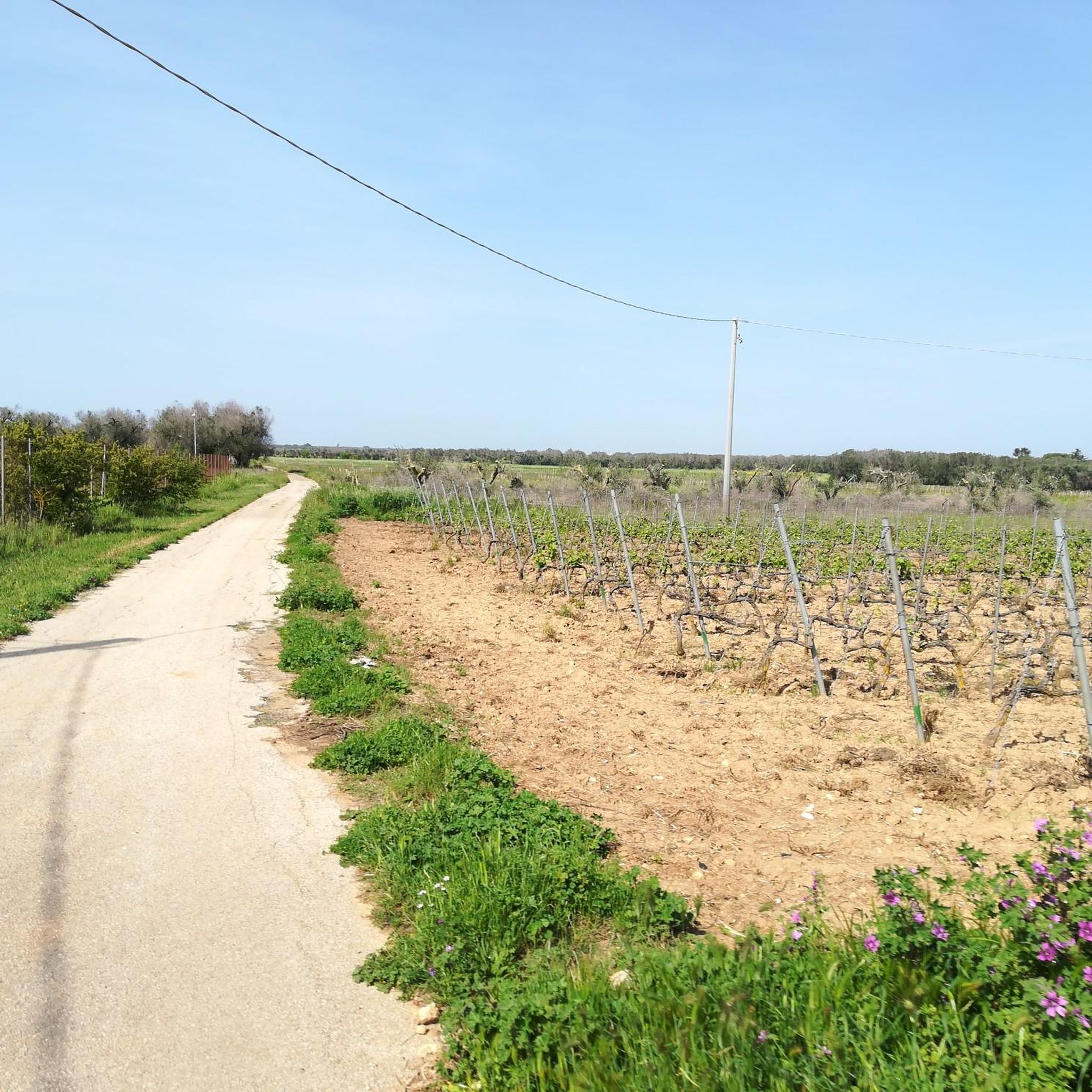
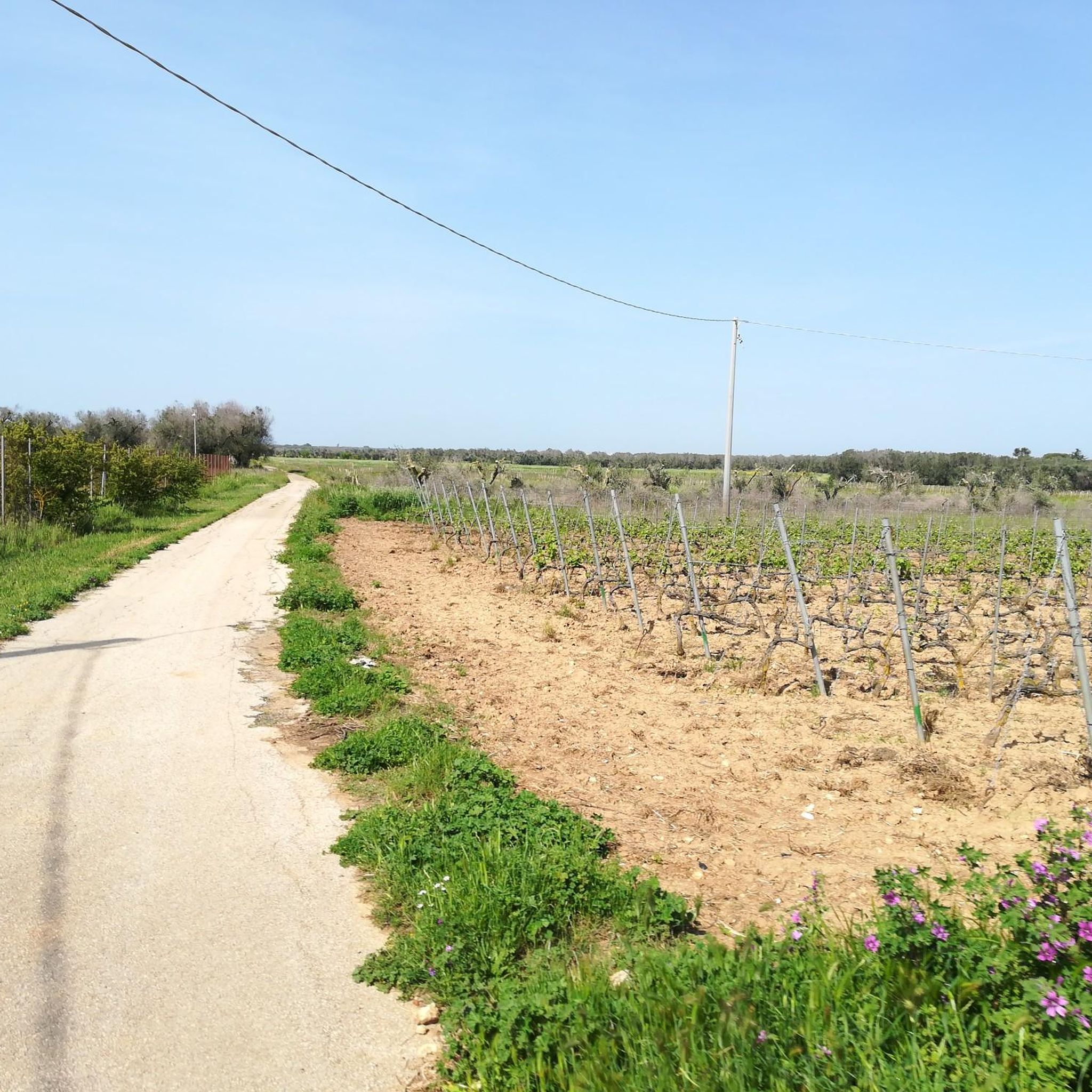
Spectacular place, near the sanctuary of Sant'Antonio alla Macchia there is a very fun XC Mountainbike trail
0
0

The rock church of San Biagio is located in a rock village built along the rocky walls of the depression created by the course of the Canale Reale. It is one of the main rock settlements in the region: an intact and well-preserved pictorial cycle adorns the church. A community of Italian-Byzantine monks settled here before the 12th century and used the caves which had probably already been used in previous times.
1
0

The sanctuary of Sant'Antonio alla Macchia is a small church dedicated to Sant'Antonio da Padova which is located near San Pancrazio Salentino, in a green area surrounded by a pine forest. It was built in 1867 by a peasant couple as a sign of gratitude to the saint for a miracle received. It is also possible to visit a Basilian crypt dug into the rock where traces of frescoes and engravings of the Byzantine monks who took refuge there between the 6th and 13th centuries are preserved.
1
0

Ancient hypogeum used until the beginning of the twentieth century for the production of lampante and cooking oil. The Calabrian and Genoese presses are visible thanks to historical reconstructions. Until the nineties it was used as a cistern for a former petrol pump. Historic site saved and re-evaluated
0
0

Focara lights up because a painting of Sant'Antonio abate was found in the cave under the church, the church was built at the end of the 1800s by a family out of devotion to Sant'Antonio da Padova in memory of their son who died prematurely. the area is full of rock caves of Basilian and then Franciscan friars. In San Pancrazio, focarottes have always been lit in honor of Sant'Antonio Abate.
0
0

The rupestrian church of San Biagio is located in a rupestrian village built along the rocky walls of the hollow created by the course of the Royal Canal, a short distance from the Jannuzzo farm, in the municipal area of Brindisi, about 11 km west of the capital in the direction of San Vito dei Normanni; the latter municipality is entrusted with the management of the monument. It is one of the main rock settlements in the region for its significant historical and artistic value, in particular for the presence of an intact and well-preserved pictorial cycle that adorns the church. Before the 12th century, a community of Italo-Byzantine monks settled here and used the caves probably already used in previous times. The settlement was inhabited until the 15th century.
0
0

The church is recent and not of particular interest but the surrounding area is mystical. It is dedicated to Sant'Antonio da Padova but curiously on the day of Sant'Antonio Abate, January 17, the focara lights up.
0
0
unfortunately it can only be visited by prior arrangement
0
0
Frequently Asked Questions
What kind of underground sites can I explore in Mesagne?
Mesagne's underground attractions are primarily historical and archaeological. You'll find ancient crypts, rock-hewn churches, underground olive mills, and Messapian necropolises. These sites offer a deep dive into the region's rich past and cultural heritage, rather than natural karst cave systems with stalactites and stalagmites.
Are there any rock churches or crypts to visit in Mesagne?
Yes, Mesagne is home to several significant rock churches and crypts. The Rock Church of San Biagio is notable for its intact pictorial cycle and historical value. Another important site is the Sanctuary of Saint Anthony alla Macchia, which includes a Basilian crypt with traces of frescoes and engravings from Byzantine monks.
Can I visit the Crypt of Saint Michael the Archangel in Mesagne?
Yes, the Grotta di San Michele Arcangelo, an ancient crypt beneath the Basilica of Our Lady of Mount Carmel, is a significant historical and religious site. It features remnants of frescoes and offers insight into Byzantine and pre-Norman worship. Its existence was rediscovered in 1975.
Where can I learn about historical olive oil production in Mesagne?
You can explore the ancient underground olive mills, known as 'trappeti' or 'frantoi ipogei,' which are carved into the rock. These sites, like the Ipogeo of Torre Santa Susanna, provide a unique glimpse into the region's agricultural past and traditional methods of olive oil production in Salento.
Are there any Messapian archaeological sites or necropolises in Mesagne?
Yes, Mesagne features accessible Messapian necropolises. These archaeological sites, found in the historic center and on Via Castello, reveal the deep spirituality and culture of the Messapi people through tombs, inscriptions, and artifacts from the Hellenistic Period.
What is the accessibility like for these underground sites?
Accessibility varies by site. Some historical underground locations, due to their ancient nature and preservation efforts, may have limited accessibility. For instance, the Rock Church of San Biagio can only be visited by prior arrangement, which might involve specific access conditions. It's advisable to check with local tourism offices or the specific site for detailed accessibility information.
What outdoor activities can I do near Mesagne's underground sites?
Mesagne offers various outdoor activities. You can find numerous cycling routes, including options like the 'Mesagne - Oria Loop via EuroVelo 5' or routes around the Riserva naturale regionale orientata Boschi di Santa Teresa e dei Lucci. There are also running trails and mountain biking routes, such as the 'Rock Church of San Biagio – Torre Guaceto Tower loop'. You can explore these options further in the Cycling around Mesagne, Running Trails around Mesagne, and MTB Trails around Mesagne guides.
Are there family-friendly underground experiences in Mesagne?
While not all sites are specifically designed for children, exploring the historical underground olive mills or the Messapian necropolises can be an educational and engaging experience for families interested in history and archaeology. The crypts and rock churches offer a unique cultural insight.
What is the best time of year to visit the underground sites in Mesagne?
The underground sites in Mesagne, being mostly indoors or subterranean, are generally suitable for visiting year-round. However, for a more comfortable overall experience in the region, spring (April-June) and autumn (September-October) offer pleasant weather for exploring both the underground attractions and the surrounding area.
How long does it typically take to explore these underground sites?
The time required to explore each site varies. Smaller crypts or olive mills might take 30-60 minutes, while larger archaeological areas or rock church complexes could require 1-2 hours for a thorough visit. It's best to check specific site information for estimated visit durations.
Are there any cafes or restaurants near the underground attractions in Mesagne?
Many of Mesagne's historical underground sites are located within or close to the town center. The town center offers a variety of cafes, restaurants, and amenities where you can enjoy local cuisine and refreshments before or after your explorations.
Most popular routes around Mesagne
Most popular attractions around Mesagne

Get inspired with the komoot mobile app


Explore more
Extend your search for the best caves by checking out these guides of the top ones around Mesagne:
