Top 13 Castles around Valpelline
Best castles around Valpelline are situated in a picturesque valley within the Aosta Valley region of Italy. This area is recognized for its natural beauty, traditional charm, and Fontina cheese production. While the broader Aosta Valley is home to numerous medieval castles, the commune of Valpelline features La Tour, a significant 10th-century fortified house. The region provides a combination of historical sites and tranquil natural landscapes.
Best castles around Valpelline
- The most popular castles is Quart Castle, a castle…
Last updated: August 23, 2026
Quart Castle
Highlight • Castle
Translated by Google •
Tip by

Torre dei Balivi
Highlight • Historical Site
The tower, also known as Tour Cornière in French, was mentioned as early …
Translated by Google •
Tip by

Sign up now to discover places like this
Get recommendations on the best single tracks, peaks, & plenty of other exciting outdoor places.
Sign up for free
Tower of the Lords of Saint Ursus
Highlight • Historical Site
Source: City map Aosta Tourist Office
Translated by Google •
Tip by

View of Nus Castle
Highlight (Segment) • Viewpoint
Translated by Google •
Tip by

Tour Neuve Tower
Highlight • Castle
Translated by Google •
Tip by
Sign up for free to discover even more castles around Valpelline.
Sign up for free
Already have an account?
Start today with a free account
Your next adventure awaits.
Login or Signup

Other adventures around Valpelline

Tips from the Community

Quart Castle is currently (January 2025) undergoing conservation work. The work should be completed by summer 2025.
0
0

Travelling along the Via Francigena from Aosta to Nus, just before Quart you come across this Castle built on a hill, an enchanting and solitary place.
0
0

The Torre dei Balivi, also known as Tour du bailliage, is one of Aosta's medieval architectural treasures. The tower, also known as Tour Cornière in French, was mentioned as early as 1192. In the 12th century it became the property of the local noble family De Palais (or De Palacio), who used it for their own purposes. Later, in the 13th century, it was transferred to the Count of Savoy and served as the seat of the bailiff (in old French, Bailly). The tower was expanded and remodeled in the 15th and 16th centuries, with new parts added to meet growing needs. In the 17th century it was used as a prison and courthouse. Since 2014, the tower has housed the Istituto Musicale Pareggiato della Valle d'Aosta.
8
0

While you stroll along the beautiful fairground, admire the structures that surround you
8
0

Located on the corner between Via Tourneuve and Via Monte Solarolo, the ancient cylindrical tower, equipped with battlements and a door at a safe height, rises in the northwestern part of the Roman city walls, in this section well preserved and isolated in a green area. In documents it is mentioned as the property of the Challants, who were endowed with the office of Viscounts of Aosta and controlled the entire southwestern ring of the walls. It was subsequently ceded to the Lords De Turre Nova, from whom it took its name. Source: https://www.lovevda.it/it/banca-dati/8/castelli-e-torri/aosta/tour-neuve/745
31
0
The rectangular tower in Romanesque style was the home of the nobles of the Porta di Sant'Orso in the 12th century. Source: City map Aosta Tourist Office
59
0

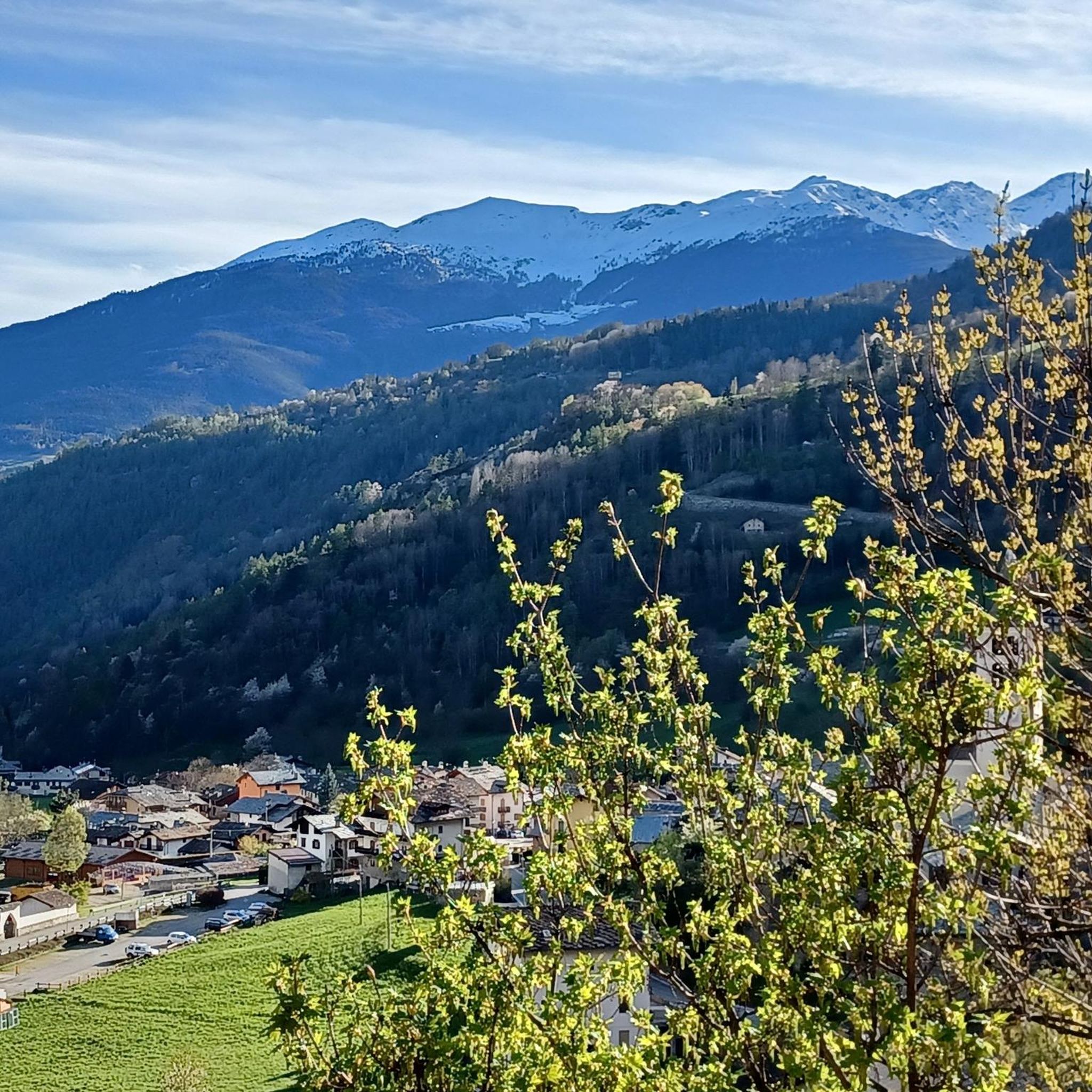
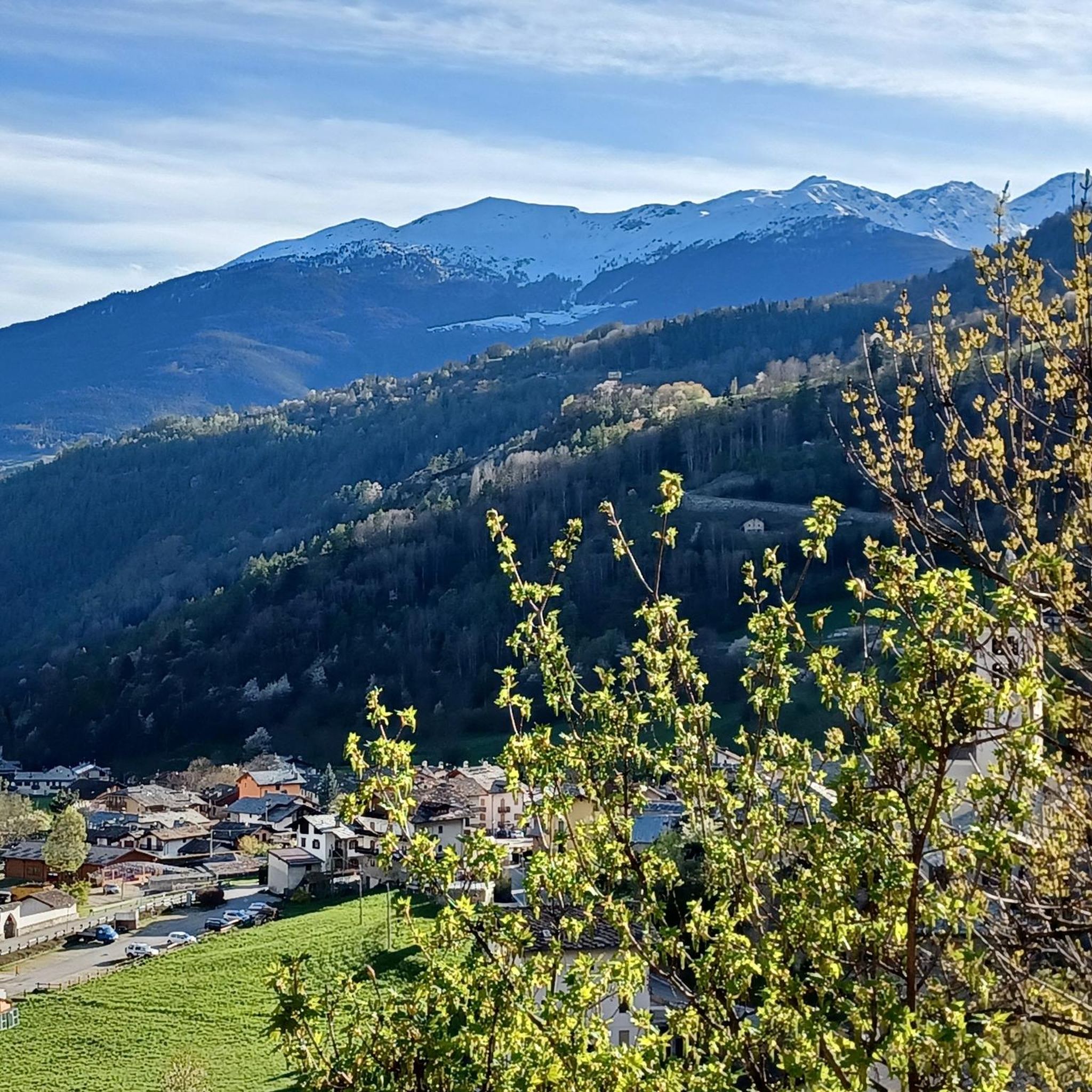
View of the castle of Nus, but above all a beautiful discovery of the route that leads to Valpelline.
1
0

This gate was the main entrance to the city of Augusta Pretoria and the tower was the residence of the nobles of the Porta di Santa'Orso in the 12th century.
2
0
Frequently Asked Questions
What is the main historical fortified building within Valpelline itself?
Within the commune of Valpelline, the primary historical fortified structure is La Tour. This 10th-century fortified house served as a residence, local court, stables, and granary, offering a unique glimpse into medieval life in the valley.
Which castles near Valpelline are popular with visitors?
Visitors frequently enjoy Quart Castle, known for its majestic complex on a high rocky cliff, and Saint-Marcel Castle, a 15th-century monobloc castle situated on a plateau.
Are there any family-friendly castles to visit in the Valpelline area?
Yes, both Quart Castle and Saint-Marcel Castle are categorized as family-friendly. The Tower of the Lords of Saint Ursus is also a family-friendly historical site.
What kind of historical sites can I find in the Aosta Valley beyond traditional castles?
Beyond traditional castles, the Aosta Valley offers unique historical sites like the Torre dei Balivi in Aosta, which served as a bailiff's seat and prison, and the Torre del Lebbroso, a 13th-century tower built on Roman foundations that once housed a leper and is now an exhibition space.
What outdoor activities can I do near the castles around Valpelline?
The Valpelline area offers various outdoor activities. You can explore gravel biking routes like the 'Giro dei Ru di Roisan' or 'Bike trail Becca d'Aver' from the Gravel biking around Valpelline guide. For road cycling, consider 'Cycling from Valpelline to Glassier' or the 'Great St Bernard Pass' from the Road Cycling Routes around Valpelline guide. There are also running trails, including a 'Running loop from Valpelline', detailed in the Running Trails around Valpelline guide.
Are there good viewpoints near the castles?
Yes, Quart Castle, perched on a high rocky cliff, offers remarkable landscape views, especially along the nearby Via Francigena route.
What is the best time of year to visit the castles in the Valpelline region?
The Valpelline region is known for its natural beauty. While castles can be visited year-round, spring, summer, and early autumn generally offer the most pleasant weather for exploring the sites and enjoying the surrounding natural landscapes. This allows for comfortable outdoor activities and better visibility for scenic views.
Can I find cafes or restaurants near the castles in Valpelline?
While specific cafes directly adjacent to every castle are not guaranteed, the tranquil setting of Valpelline and the broader Aosta Valley means you can find local eateries in nearby villages. Valpelline itself is known for its traditional charm and Fontina cheese production, so look for local restaurants in the main commune or surrounding areas for an authentic experience.
What makes La Tour in Valpelline historically significant?
La Tour is significant because it's a well-preserved 10th-century fortified house, not a grand castle, that played multiple crucial roles. It was the birthplace of Rodolfo di Valpelline (later Bishop of Sion), served as the local court, housed stables, and functioned as the Lord's granary. Its preserved structure offers a unique insight into medieval administrative and residential life.
What do visitors appreciate most about the castles and historical sites in the Valpelline area?
Visitors appreciate the combination of historical insights and tranquil natural landscapes. The sites offer a glimpse into medieval life and architecture, often in settings far from mass tourism, allowing for a more authentic cultural experience. The komoot community has shared 19 photos and given 40 upvotes, highlighting the visual appeal and historical value of these locations.
Is public transport available to reach castles around Valpelline?
While Valpelline itself is a tranquil area, public transport options to individual castles can vary. It's advisable to check local bus schedules for connections to the specific communes where castles like Quart or Saint-Marcel are located. For some sites, driving or cycling might be the most direct way to access them.
Are there any hidden gem castles or lesser-known historical sites worth exploring?
While not a 'hidden gem' in the sense of being unknown, La Tour in Valpelline is a significant historical fortified house that offers a more intimate and authentic experience compared to the larger, more famous castles in the broader Aosta Valley. Its historical depth within the local context makes it a valuable visit.
Most popular routes around Valpelline
Most popular attractions around Valpelline

Get inspired with the komoot mobile app


Explore more
Looking for the best castles somewhere else? Discover other guides around Valpelline:
