Top 13 Castles around Verrès
Best castles around Verrès are found in a region known for its strategic location in the Aosta Valley, offering a rich tapestry of medieval architecture and historical significance. The area is characterized by rocky promontories and river valleys, providing natural defensive positions for its numerous fortifications. These castles, ranging from formidable military fortresses to elegant residences, offer insights into centuries of regional history. Visitors can explore these landmarks, many of which provide panoramic views of the surrounding natural landscape.
Best…
Last updated: October 3, 2026
Fort Bard
Highlight • Castle
Translated by Google •
Tip by

View of Fort Bard from the bridge
Highlight • Viewpoint
Showing Translation
Tip by

Sign up now to discover places like this
Get recommendations on the best single tracks, peaks, & plenty of other exciting outdoor places.
Bovaye - Castello Gamba
Highlight • Castle
Translated by Google •
Tip by

Verrès Castle
Highlight • Castle
Translated by Google •
Tip by
Ussel Castle
Highlight • Castle
Showing Translation
Tip by

Sign up for free to discover even more castles around Verrès.
Already have an account?
Start today with a free account
Your next adventure awaits.
Popular around Verrès
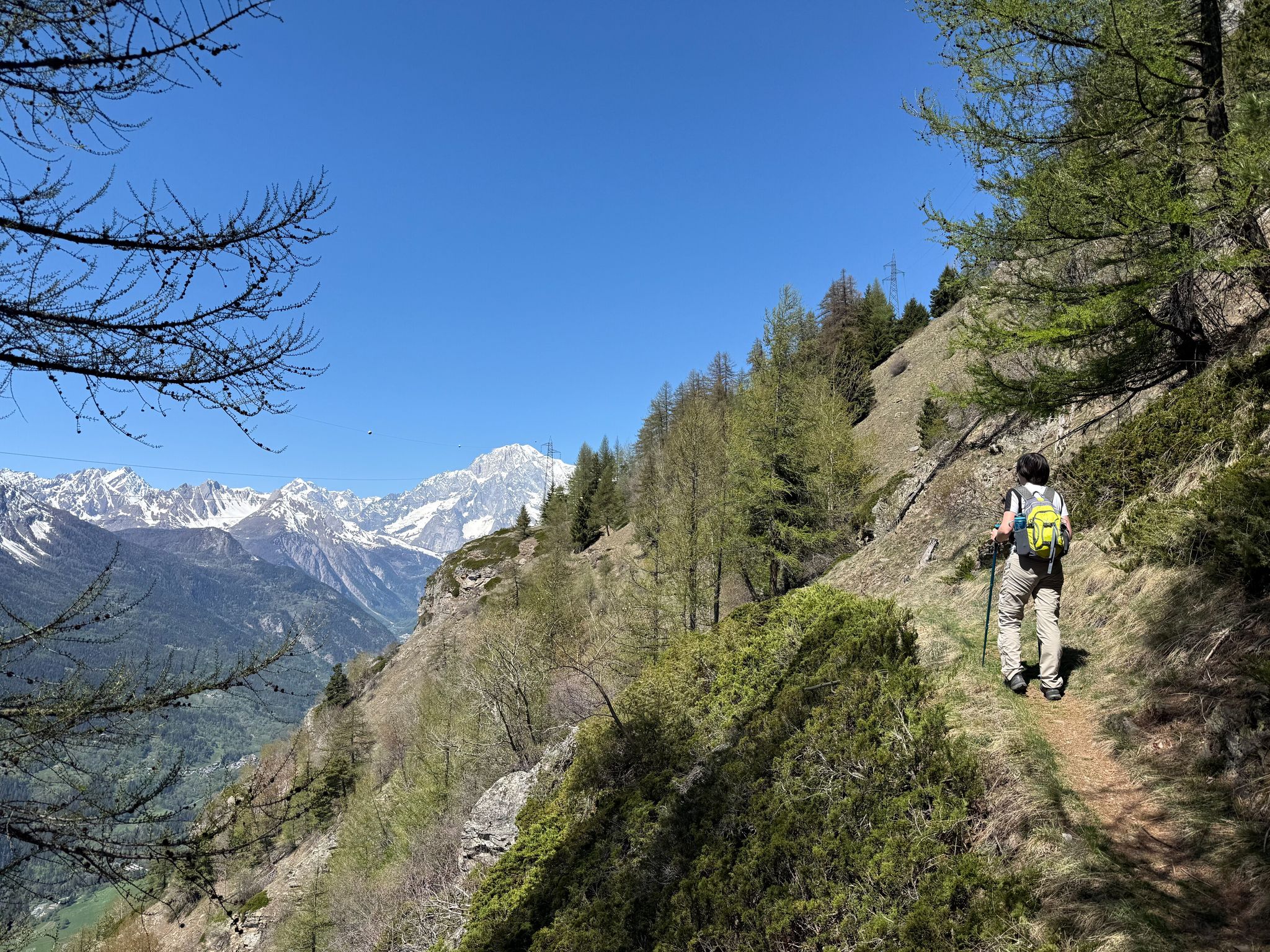
Cammino Balteo – castles, vineyards and trails of the Aosta Valley
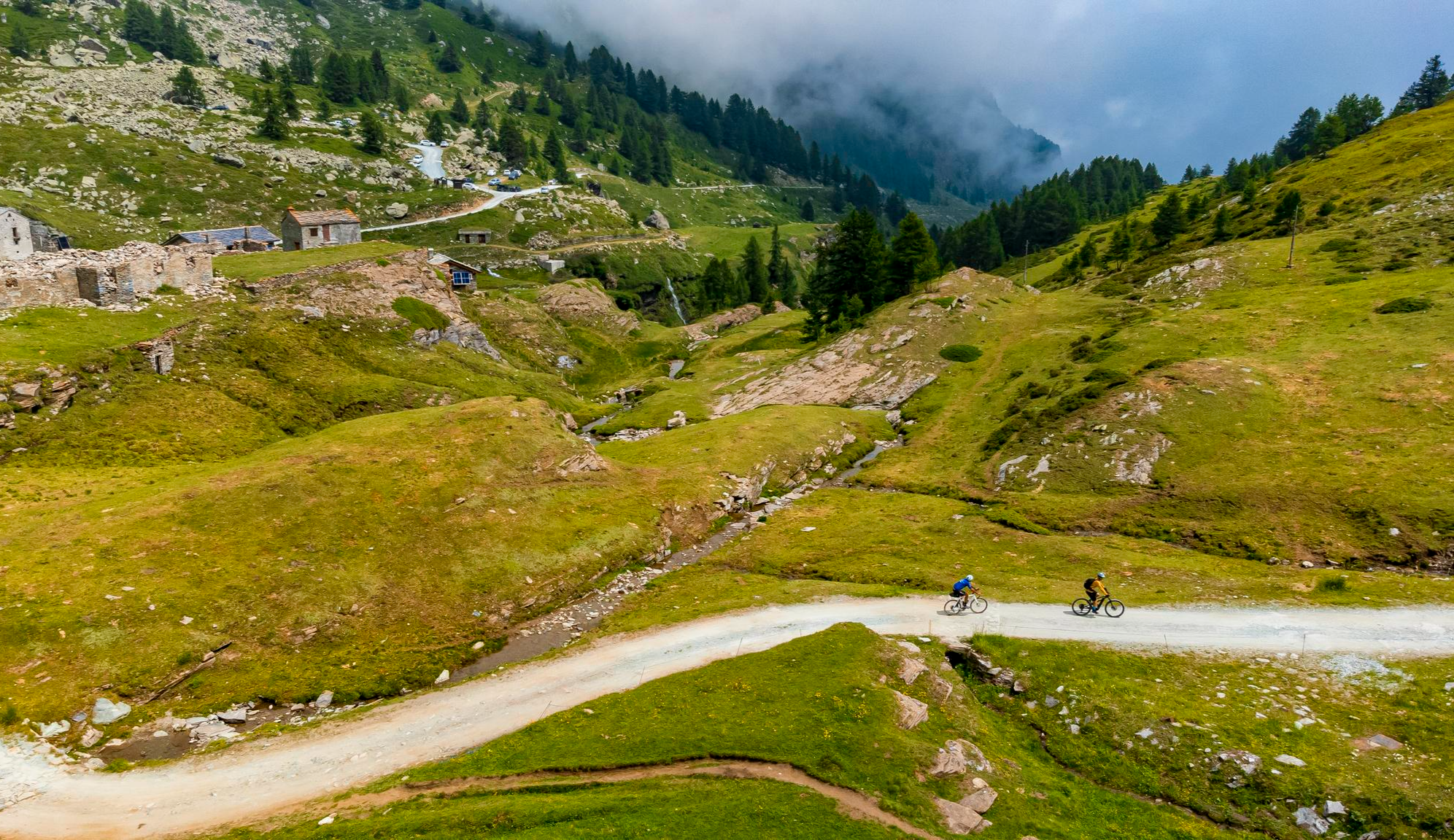
Must-do gravel routes in the Aosta Valley – the heart of the Italian Alps
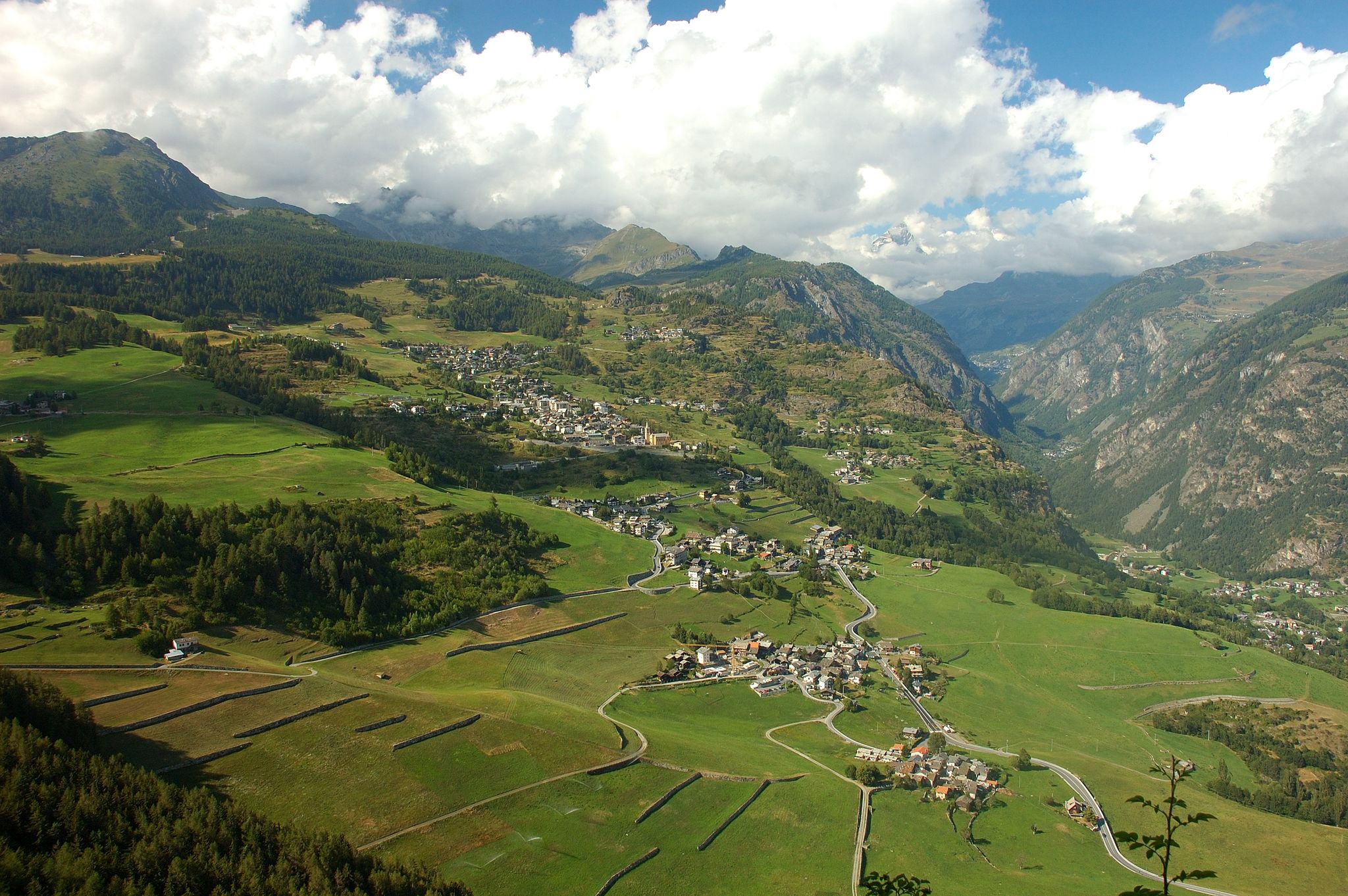
Paths, castles and views of Italy’s Aosta Valley – Cammino Balteo
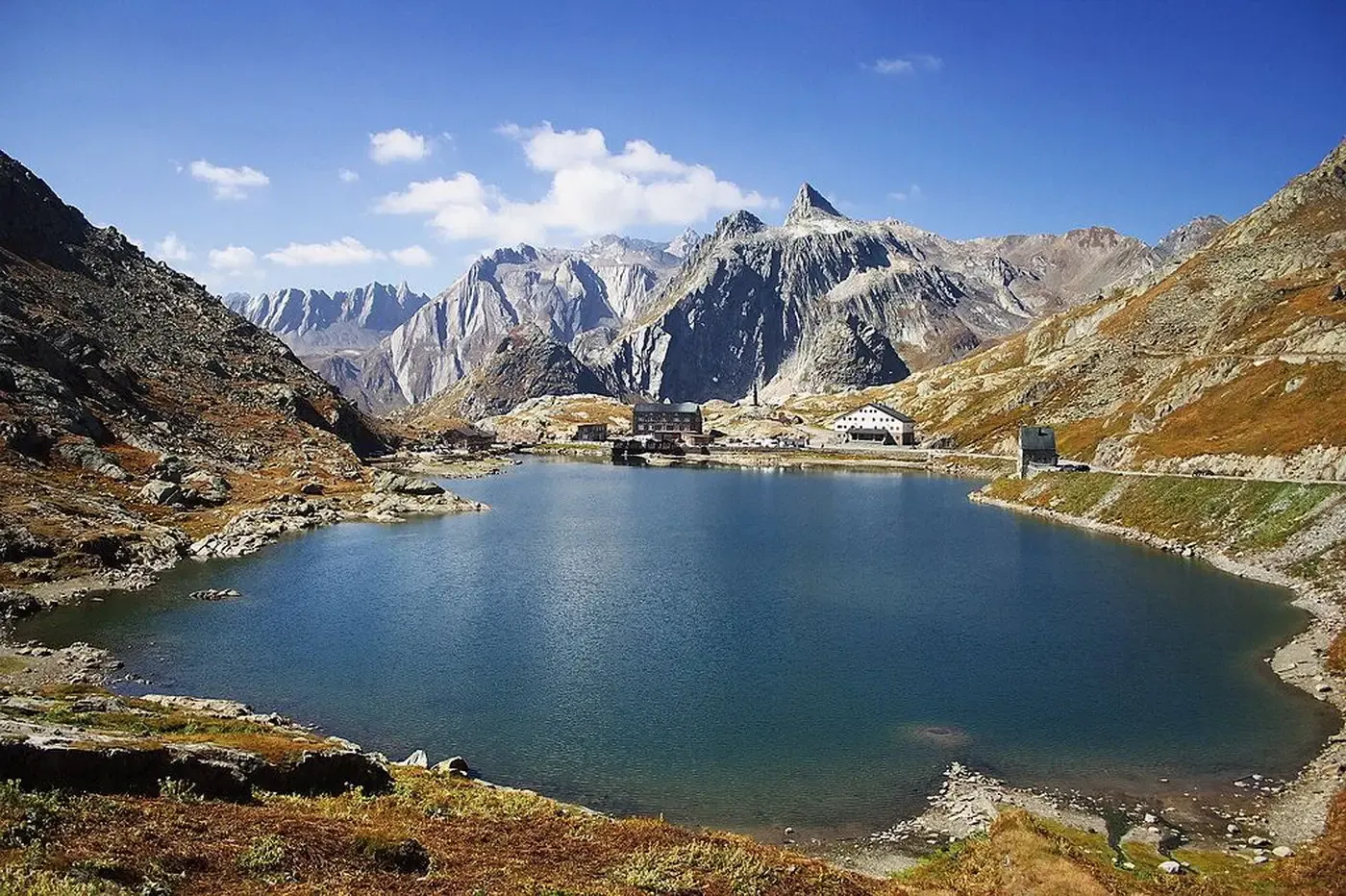
A cycling pilgrimage — history and nature on Italy’s Via Francigena
Hiking around Verrès
Road Cycling Routes around Verrès
Cycling around Verrès

Gravel biking around Verrès
Running Trails around Verrès
MTB Trails around Verrès
Other adventures around Verrès


Tips from the Community

The Ussel Castle, built around 1343 by the Challant family, is one of the first examples of a single-block castle in the Aosta Valley. From its dominant position, it offers a splendid view of the Châtillon plain and can be visited during the summer season for exhibitions and guided tours organized inside.
0
0

The Forte di Bard seen from the bridge over the Dora Baltea river offers one of the most iconic and photographed views in the Aosta Valley. This spectacular perspective captures the imposing, craggy fortress that dominates the village below and the river waters.
0
0

Great parking area for the start of the route
0
0

The Ussel Castle is a fortress that dominates the Aosta Valley and marked an era. Built in the mid-14th century by Ebalo II of Challant, it is not the classic castle with many towers, but a single, large, and imposing compact structure. Its position is incredible: it is located at an altitude of 650 meters, on a rocky promontory that seems made specifically to control the entrance to the Valtournenche and the entire plain of the Dora Baltea. From its walls, you have a breathtaking view that spans the entire valley. After centuries of abandonment and ruin, in the late 1980s the castle had a second life thanks to a restoration funded by Baron Marcel Bich (yes, the one from BIC pens). Today it is owned by the Region and, after hosting several exhibitions, it is a magnificent panoramic viewpoint that tells a story of power, architecture, and rebirth, uniting nature and history in a single glance.
0
0

Beautiful bridge connecting Hone to Bard. Magnificent view of the fort.
2
0

The origin of this bridge is uncertain, but it was most likely built as early as Roman times. The first documents in which this bridge is mentioned, however, date from the second half of the 13th century. From 1272, the bridge is called the Hôhne Bridge or Bard Bridge in Latin and then in Old French. Apart from its history, the bridge is a beautiful photo point of Fort Bard.
43
0
In addition to many temporary exhibitions, often aimed at promoting and learning about the culture and territory of the Aosta Valley and the Alps, the Forte di Bard includes three permanent museums. 1.) On the top floor is the Museum of the Alps. Here the secrets of the mountain have been presented through a multimedia path and interactive installations. A truly worthwhile and informative museum!!! 2.) A second museum room is dedicated to the prisons of the fort, twenty-four narrow cells (1.3 x 2 meters) distributed in four areas and accessed from a gallery decorated with historical prints and paintings that tell the story of the building. 3.) Finally, the Fortress and Border Museum of the Opera Ferdinando offers a journey through the history of the Bard through a parade of historical and plastic weapons, including scale models of defensive structures and miniature armies. Source: https://www.visititaly.eu/it/luoghi-e-itinerari/cosa-vedere-a-bard-borgo-in-valle-aosta
43
0

Frequently Asked Questions
What are some must-visit castles around Verrès?
Beyond the prominent Verrès Castle, you should also consider visiting Fort Bard, a formidable fortress dominating the valley floor which houses three permanent museums. Another notable site is Bovaye - Castello Gamba, a former summer residence with a public park and an art museum, offering spectacular views.
Are there family-friendly castles to visit in the Verrès area?
Yes, several castles are suitable for families. Fort Bard is highly recommended, as it includes interactive museums that can engage visitors of all ages. Bovaye - Castello Gamba also features a park open to the public, providing space for children to explore.
What kind of outdoor activities can I do near the castles?
The region around Verrès offers a variety of outdoor activities. You can find numerous hiking routes, including moderate and difficult options like the 'Castello di Villa Ruins – Belvedere of Montjovet loop' or the 'Lake Ville loop'. For cycling enthusiasts, there are gravel biking routes such as 'On the hill of Montjovet' and the 'Valle di Champorcher Cycle Route'. Explore more options in the Hiking around Verrès and Gravel biking around Verrès guides.
What is the best time of year to visit the castles around Verrès?
The castles are generally accessible year-round, but spring and autumn offer pleasant weather for exploring both the castles and the surrounding natural landscapes. These seasons avoid the peak summer heat and the colder winter temperatures, which can make outdoor activities less comfortable. However, the Historic Carnival of Verrès, held annually at Verrès Castle, takes place in winter and offers a unique cultural experience.
How can I reach Verrès Castle using public transport or find parking?
Verrès Castle is accessible, and its strategic location makes it a central point. While specific public transport details for reaching the castle directly are best checked with local services, the town of Verrès itself is well-connected. For those driving, parking is typically available in the town, from where you can take a steep mule track up to the castle.
What makes Verrès Castle unique compared to other castles in the region?
Verrès Castle stands out for its unique monolithic design. Built by Yblet de Challant in the 14th century, it was constructed as a single, compact block rather than a series of buildings enclosed by a wall, presenting an austere cubic form from the exterior. Despite its military appearance, it features refined architectural details inside, such as a monumental stone staircase with flying buttresses.
Are there any castles that offer panoramic views of the Aosta Valley?
Yes, several castles provide stunning vistas. Verrès Castle, perched dramatically on a rocky promontory, offers unparalleled panoramic views of the surrounding Aosta Valley. Similarly, Bovaye - Castello Gamba, located on a hill, also boasts spectacular views over the valley.
What historical significance do the castles around Verrès hold?
The castles in the Verrès region are rich in historical significance, reflecting centuries of strategic importance in the Aosta Valley. They range from formidable military fortresses like Verrès Castle, built to control communication routes, to elegant residences such as Bovaye - Castello Gamba. They showcase architectural adaptations over time, including renovations to account for the advent of firearms, as seen at Verrès Castle.
Are there any castles that are currently undergoing renovation or are closed to the public?
Yes, Castello Vallaise is currently closed to the public. It is undergoing initial preparatory interventions for its restoration and enhancement. While you can view its exterior, internal visits are not possible at this time.
What do visitors particularly enjoy about the castles in Verrès?
Visitors appreciate the immersive journey into the medieval era that these castles offer. The impressive engineering, the blend of formidable defense with refined interior elements, and the unparalleled panoramic views from their strategic locations are frequently highlighted. The cultural significance, such as the Historic Carnival at Verrès Castle, also adds to the experience.
Can I find mountain hikes near the castles in Verrès?
Yes, the area offers mountain hiking opportunities. For example, you can find routes like the 'Snow-Covered Mountain Peak loop from Champorcher' or the more challenging 'Lago della Serva – Lago di Leser loop'. These routes provide a different perspective of the Aosta Valley's natural beauty. More details can be found in the Mountain Hikes around Verrès guide.
Are there any specific cultural events associated with the castles?
Yes, Verrès Castle plays a central role in local culture by hosting the annual Historic Carnival of Verrès. This event is a re-enactment celebrating Countess Catherine of Challant, featuring medieval costume parades, tournaments, dances, and banquets, offering a vibrant cultural experience.
Most popular attractions around Verrès

Get inspired with the komoot mobile app


Explore more
Looking for the best castles somewhere else? Discover other guides around Verrès:
