Top 4 Castles around Sant'Egidio Alla Vibrata
Best castles around Sant'Egidio Alla Vibrata offer a journey into the historical landscape of the Abruzzo region in Italy. This area is characterized by its strategic location, featuring a mix of medieval towns, fortified structures, and ancient defensive positions. The terrain includes hilltops and river valleys, providing natural advantages for historical fortifications. Exploring these sites reveals the region's past as a borderland between various historical powers.
Best castles around Sant'Egidio Alla Vibrata
- The most popular castles is Civitella del Tronto…
Last updated: May 2, 2026
Civitella del Tronto Historic Town and Fortress
Highlight • Historical Site
Translated by Google •
Tip by

Castel Manfrino
Highlight • Castle
Translated by Google •
Tip by

Sign up now to discover places like this
Get recommendations on the best single tracks, peaks, & plenty of other exciting outdoor places.
Sign up for free
Fortress of Civitella del Tronto
Highlight (Segment) • Castle
Translated by Google •
Tip by

Pia Fortress
Highlight • Castle
Translated by Google •
Tip by

Castorano Historic Town Center
Highlight • Historical Site
Translated by Google •
Tip by

Start today with a free account
Your next adventure awaits.
Login or Signup
Popular around Sant'Egidio Alla Vibrata

Tips from the Community

The main defensive structure of Ascoli is located on the eastern peak of the Pelasgian Hill, which dominates the plain below. The Annunziata Hill has been an important place for the defense of the area since pre-Roman times. The current fortress was built on the remains and according to the design of the ancient Cassero, built by the Piceni. The hill still bears the symbolic name of Monte Cassero. Over the centuries, the fortress has been rebuilt several times. It was destroyed and rebuilt by the conquerors and continued to dominate the city until the fall of the Roman Empire. In 1349, it was restored by Galeotto Malatesta, who, together with the Malatesta fortress, made it one of the cornerstones of the rule over the city. The fortress acquired its current appearance thanks to Pope Pius IV, who ordered its renovation in 1560. Renovation work was carried out over the following five or six years. The building was seriously neglected and was used as a quarry for the extraction of building materials. In 1857 it was bought by the municipality of Ascoli and donated to the Agricultural School, until it was moved to the new headquarters in the 19th century.
0
0

The size of the Fortress is impressive.
0
0

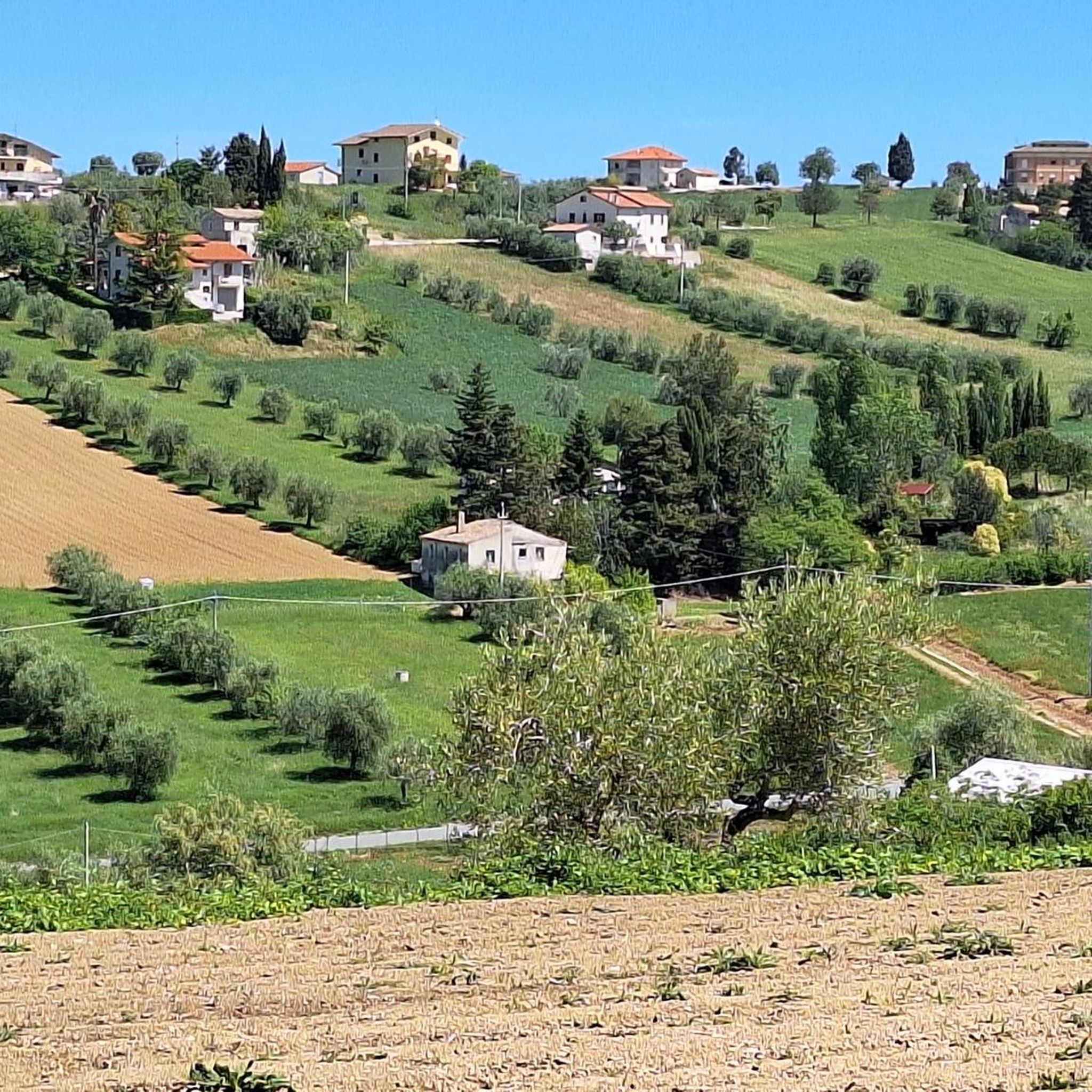
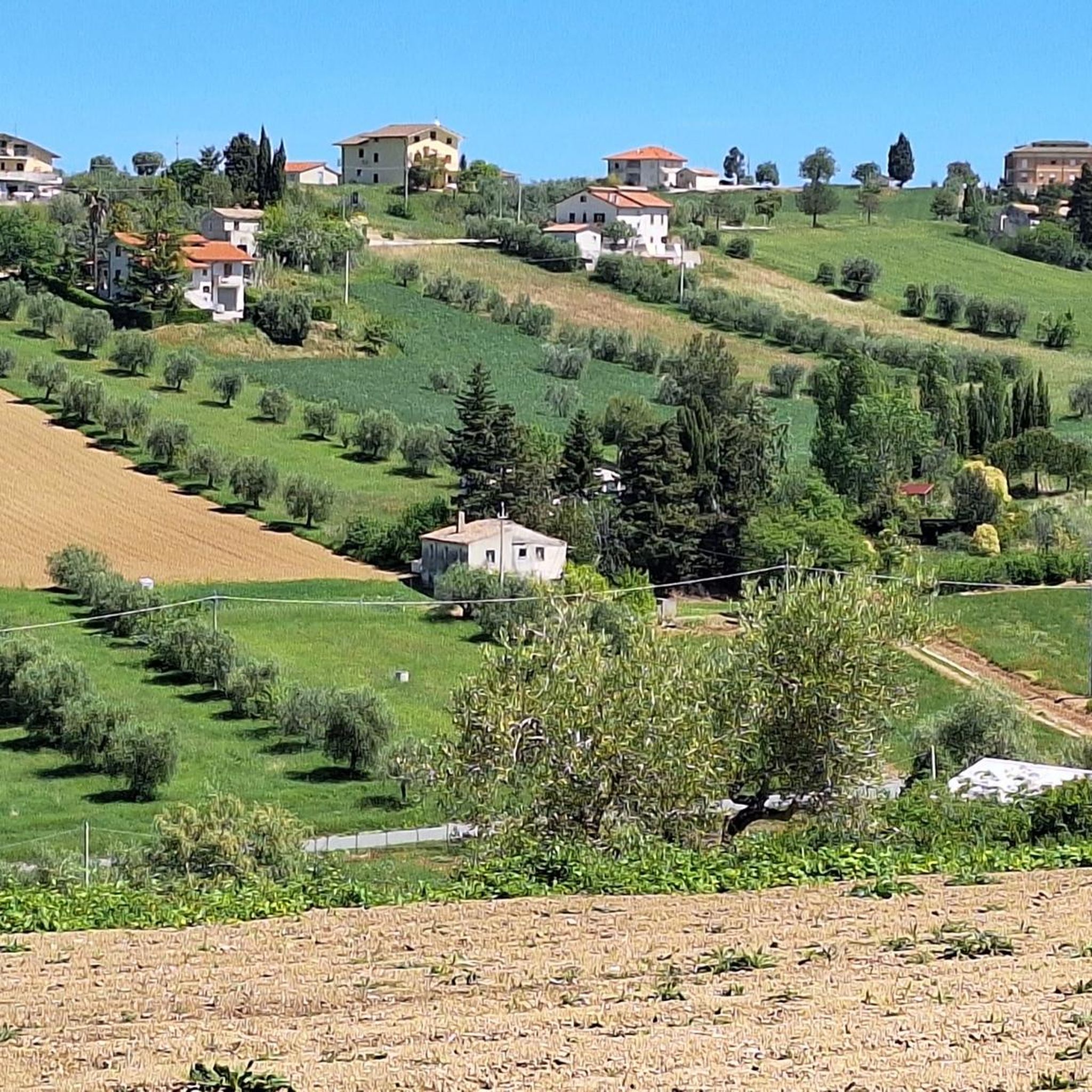
Castorano is a small town located on the hills of Tronto. Of medieval origin, you can still see the castle entrance gate of the village and parts of the walls, the crenellated tower and some churches. It also hosts a Museum of Arts and Crafts of peasant civilization.
0
0
The Fortress of Civitella del Tronto, located 600 m. above sea level in a strategic position with respect to the old northern border of the Viceroyalty of Naples with the Papal State, it is one of the largest and most important military engineering works in Europe characterized by an elliptical shape with an extension of 25,000 m2 and a length of over 500 m . To find out more about the heroic act of 1861 http://www.fortezzadicivitella.it/index.php?option=com_content&view=article&id=102:fortezza-di-civitella-del-tronto&catid=38:informazioni&Itemid=122
0
0

very nice old town with - with "Italy's narrowest path" (La Ruetta)
0
0

On the border between Marche and Abruzzo, in the province of Teramo, located in the Gran Sasso and Monti della Laga National Park, stands the evocative Castel Manfrino, so called from the historical and popular tradition that connects the territory to the exploits of King Manfredi (1232-1266 ), last Swabian sovereign, natural son and successor of Frederick II and Bianca of the Lancia counts of Monferrato. A fortress commissioned by the Swabian King Manfredi to guard the borders between the Papal State and the Kingdom of Naples, it was therefore in a strategic position for sighting and control of traffic and therefore determined its centrality as a defensive position in the territory.
3
0

Castel Manfrino, built as an observation point, is located at 963 meters. From here you can see the peaks of the Montagna di Campli and the Montagna dei Fiori.
1
0

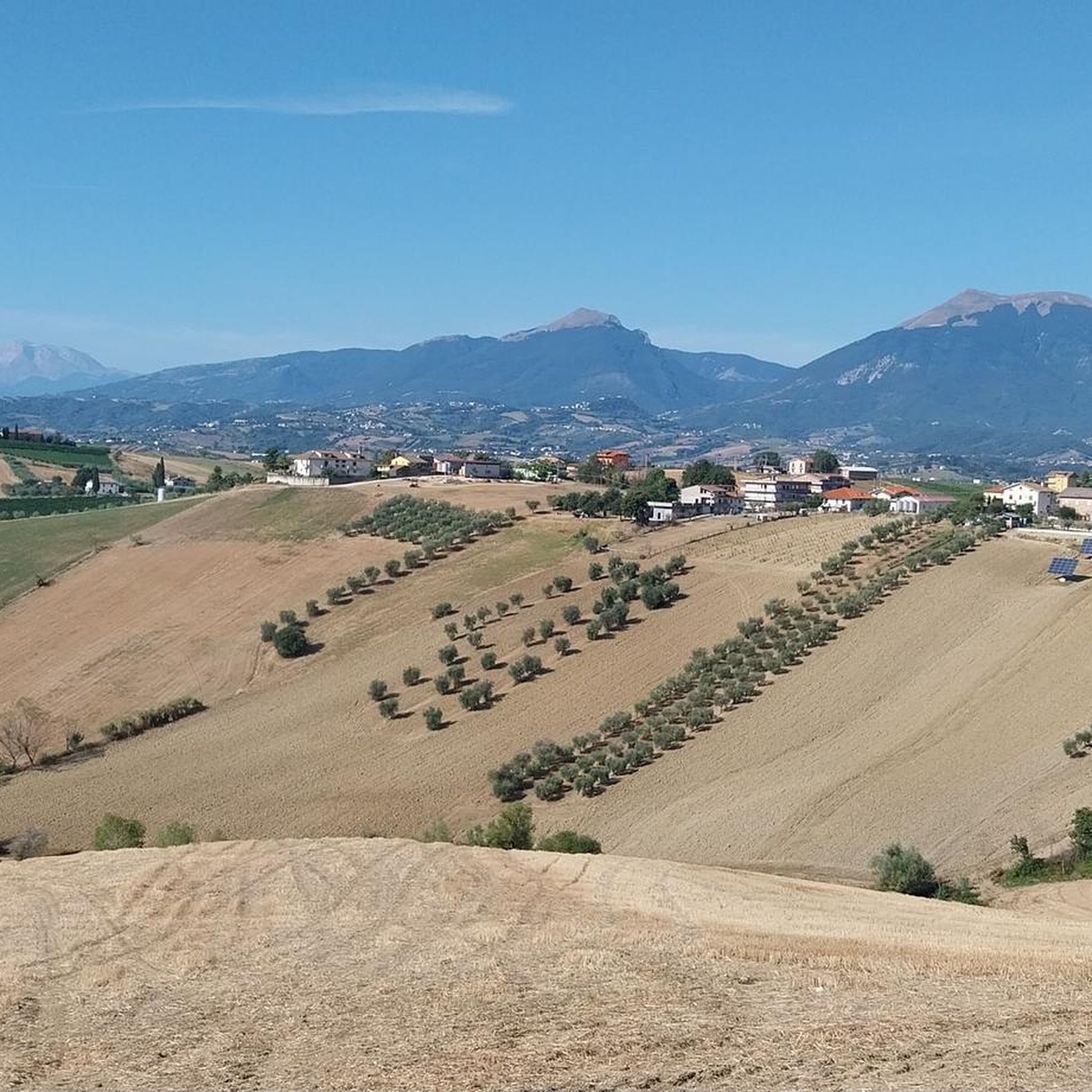
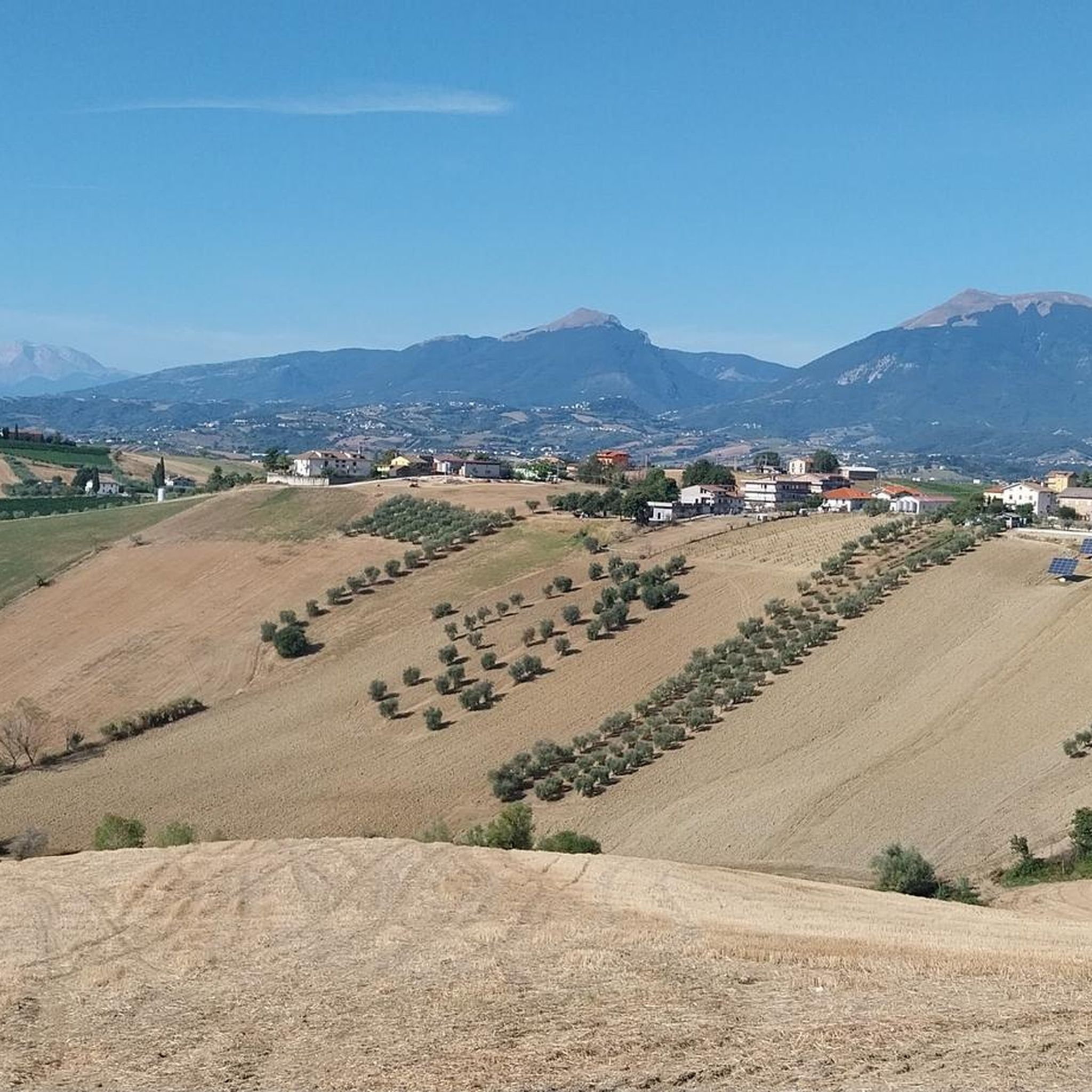
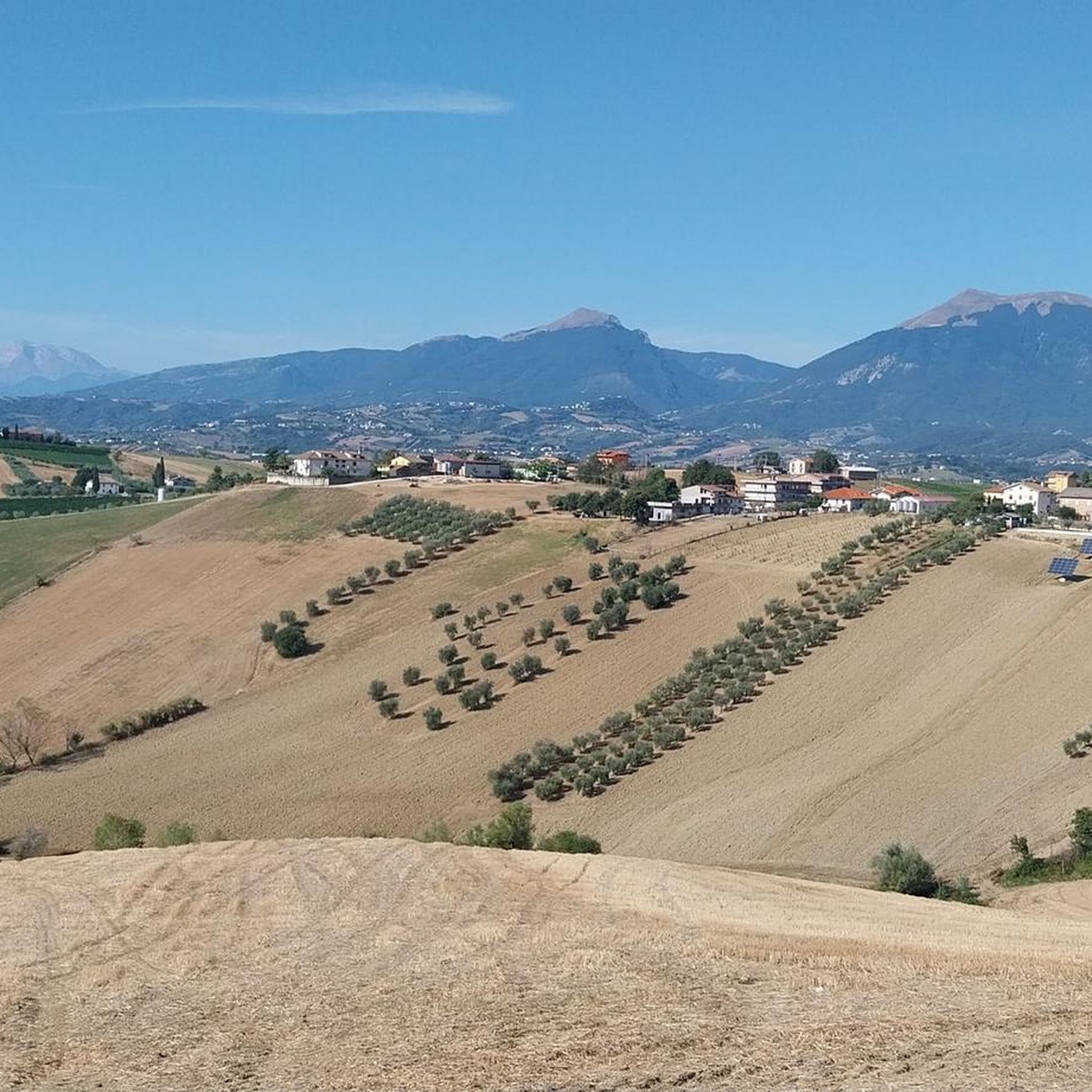
Here Italy shows itself from its most beautiful side! The medieval town of Civitella del Tronto is located on a hilltop in the Monti della Laga. The Tronto river flows in the valley below. The narrow, partly cobbled streets are best explored on foot. At the highest point of the town sits an elongated fortress, which essentially dates back to the 19th century.
1
0
Frequently Asked Questions
What are some of the most historically significant castles and fortifications to visit near Sant'Egidio Alla Vibrata?
The region offers several historically rich sites. You can explore the elongated fortress of Civitella del Tronto Historic Town and Fortress, a medieval town known for its strategic position. Another key site is Castel Manfrino, commissioned by King Manfredi to guard borders. The Pia Fortress in Ascoli has pre-Roman origins and was rebuilt multiple times. Additionally, Castorano Historic Town Center retains its medieval castle entrance gate and defensive walls.
Which castles offer the best scenic views or are located in natural settings?
Many of the castles are strategically placed for commanding views. Castel Manfrino is located within the Gran Sasso and Monti della Laga National Park, offering beautiful surroundings. The Civitella del Tronto Historic Town and Fortress sits on a hilltop in the Monti della Laga, with the Tronto river flowing below, providing picturesque vistas. The Pia Fortress also offers a commanding view from the Pelasgian Hill.
Are there family-friendly castles or historical sites suitable for children?
While specific family activities vary, exploring the medieval streets of Civitella del Tronto Historic Town and Fortress can be an engaging experience for families. The sheer scale of the fortress and its historical context can spark imagination. Similarly, the preserved defensive walls and crenellated tower at Castorano Historic Town Center offer a tangible glimpse into history that children might enjoy.
What outdoor activities can I do near these castles?
The region around Sant'Egidio Alla Vibrata is excellent for outdoor enthusiasts. You can find various cycling opportunities, including MTB Trails, Gravel Biking, and Road Cycling Routes. Many of these routes pass through scenic landscapes near historical sites, allowing you to combine castle visits with active exploration.
What is the best time of year to visit the castles around Sant'Egidio Alla Vibrata?
The spring and autumn months generally offer the most pleasant weather for exploring the castles and their surroundings. Temperatures are milder, making it comfortable for walking and outdoor activities. Summer can be warm, but still enjoyable, especially in the mornings or late afternoons. Winter visits are possible, but some sites might have reduced hours, and weather conditions can be cooler.
Are there any hidden gems or less-known historical sites worth visiting?
While not a highlight in the provided data, Faraone Antico (also known as Faraone Vecchio) within the Sant'Egidio alla Vibrata commune is a historical hamlet with an ancient entrance gate and well-preserved defensive walls. It offers a unique emotional journey into a bygone era and is less frequented than the larger fortresses.
What kind of historical significance do the castles around Sant'Egidio Alla Vibrata hold?
These castles and fortifications played crucial roles in the region's history, often serving as defensive bulwarks and strategic control points. For example, Castel Manfrino guarded the borders between the Papal State and the Kingdom of Naples. The Pia Fortress has roots dating back to pre-Roman times, built by the Piceni, and was continuously rebuilt due to its strategic importance.
What do visitors enjoy most about the castles and historical sites in this area?
Visitors frequently appreciate the opportunity to step back in time and experience the rich history of the Abruzzo region. The well-preserved medieval towns, strategic fortresses, and ancient defensive positions offer a tangible connection to the past. The stunning views from many of these elevated sites, like those from Civitella del Tronto, are also highly praised.
Is public transport an option for reaching these castles, or is a car recommended?
While some larger towns like Civitella del Tronto might have limited public transport connections, many of the castles and historical sites in the region are best accessed by car. This provides the flexibility to explore at your own pace and reach more remote locations like Castel Manfrino, which is situated within a national park.
Are there any specific tips for visiting Castel Manfrino?
When visiting Castel Manfrino, it's recommended to wear trekking shoes as the path from the parking area can take approximately two hours and is well-signposted. Its location at 963 meters offers excellent views of the Montagna di Campli and Montagna dei Fiori, so be prepared for a moderate hike.
What can I expect to see at Castorano Historic Town Center?
At Castorano Historic Town Center, you can still observe the entrance gate of its village castle, sections of its defensive walls, and a crenellated tower, all remnants of its medieval origins. The town also hosts a Museum of Arts and Crafts of peasant civilization, offering further insight into local history and culture.
How long should I allocate for visiting the Civitella del Tronto Historic Town and Fortress?
To fully appreciate the Civitella del Tronto Historic Town and Fortress, including exploring its narrow, cobbled streets and the extensive fortress itself, you should allocate at least half a day. The fortress alone is one of Europe's largest military engineering works, with an elliptical shape extending over 500 meters.
Most popular routes around Sant'Egidio Alla Vibrata
Most popular attractions around Sant'Egidio Alla Vibrata

Get inspired with the komoot mobile app


Explore more
Looking for the best castles somewhere else? Discover other guides around Sant'Egidio Alla Vibrata:
