Top 8 Lakes around Crabas/Cabras
Lakes around Crabas/Cabras are primarily wetland ecosystems, consisting of large lagoons and ponds rather than traditional freshwater lakes. Located in Sardinia's Sinis Peninsula, this area is ecologically vital and protected under the Ramsar Convention. These interconnected wetlands offer unique natural features and support a rich biodiversity, particularly birdlife. The region also holds cultural significance with its traditional fishing practices.
Best lakes around Crabas/Cabras
- The most popular lakes is The S'Ena Arrubia Pond, a lake that is a wetland located…
Last updated: May 2, 2026
The S'Ena Arrubia Pond
Highlight • Lake
It is a shallow basin dedicated to …
Translated by Google •
Tip by

Santa Giusta Lagoon
Highlight (Segment) • Lake
Translated by Google •
Tip by

Sign up now to discover places like this
Get recommendations on the best single tracks, peaks, & plenty of other exciting outdoor places.
Sign up for free
Stagno di Cabras
Highlight • Lake
Translated by Google •
Tip by

Cabras Lagoon
Highlight • Lake
Translated by Google •
Tip by

View of Stagno di Cabras
Highlight • Lake
Translated by Google •
Tip by

Sign up for free to discover even more lakes around Crabas/Cabras.
Sign up for free
Already have an account?
Start today with a free account
Your next adventure awaits.
Login or Signup
Popular around Crabas/Cabras
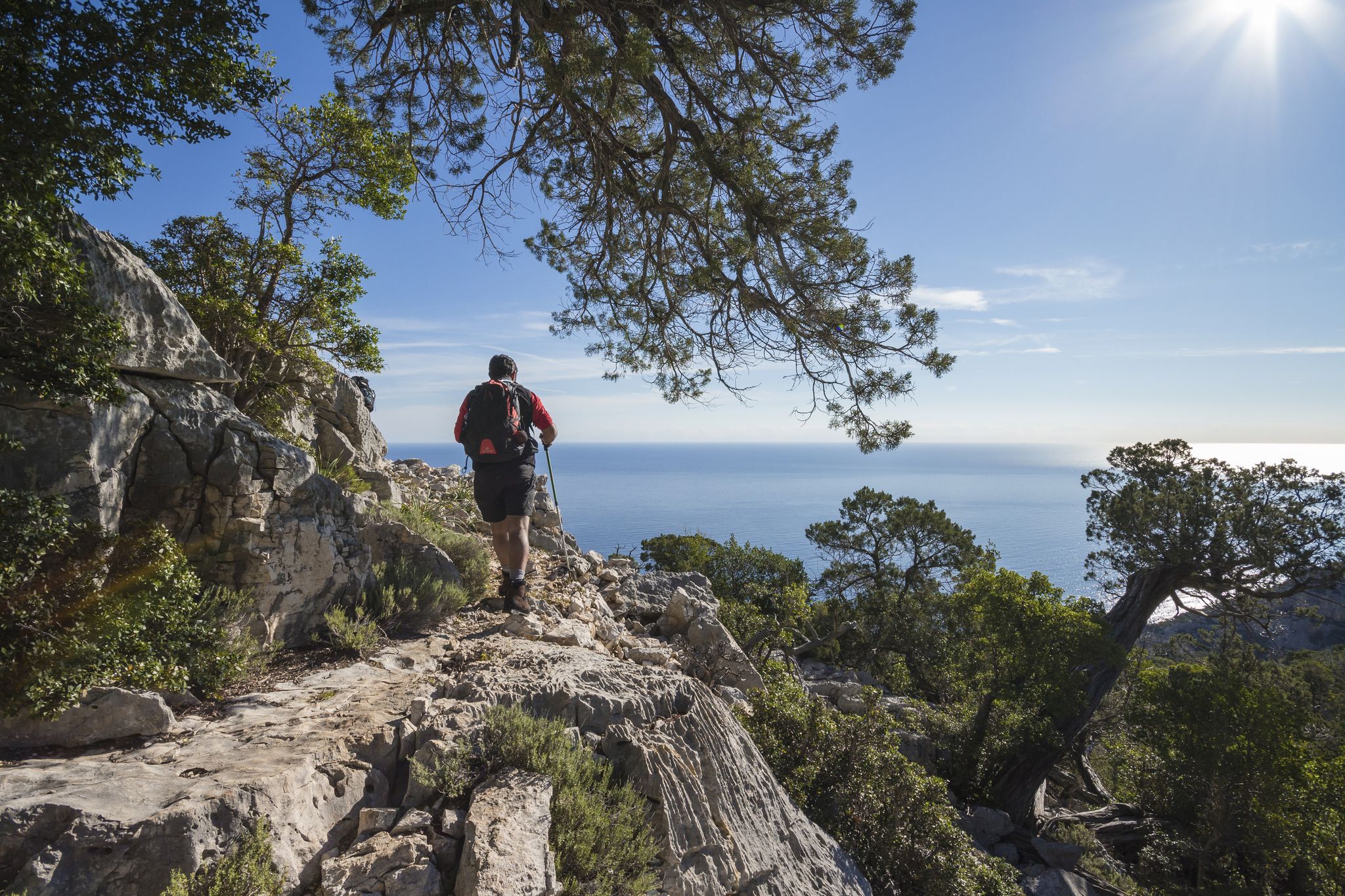
Magnificent Sardinia – day hikes overlooking the sea
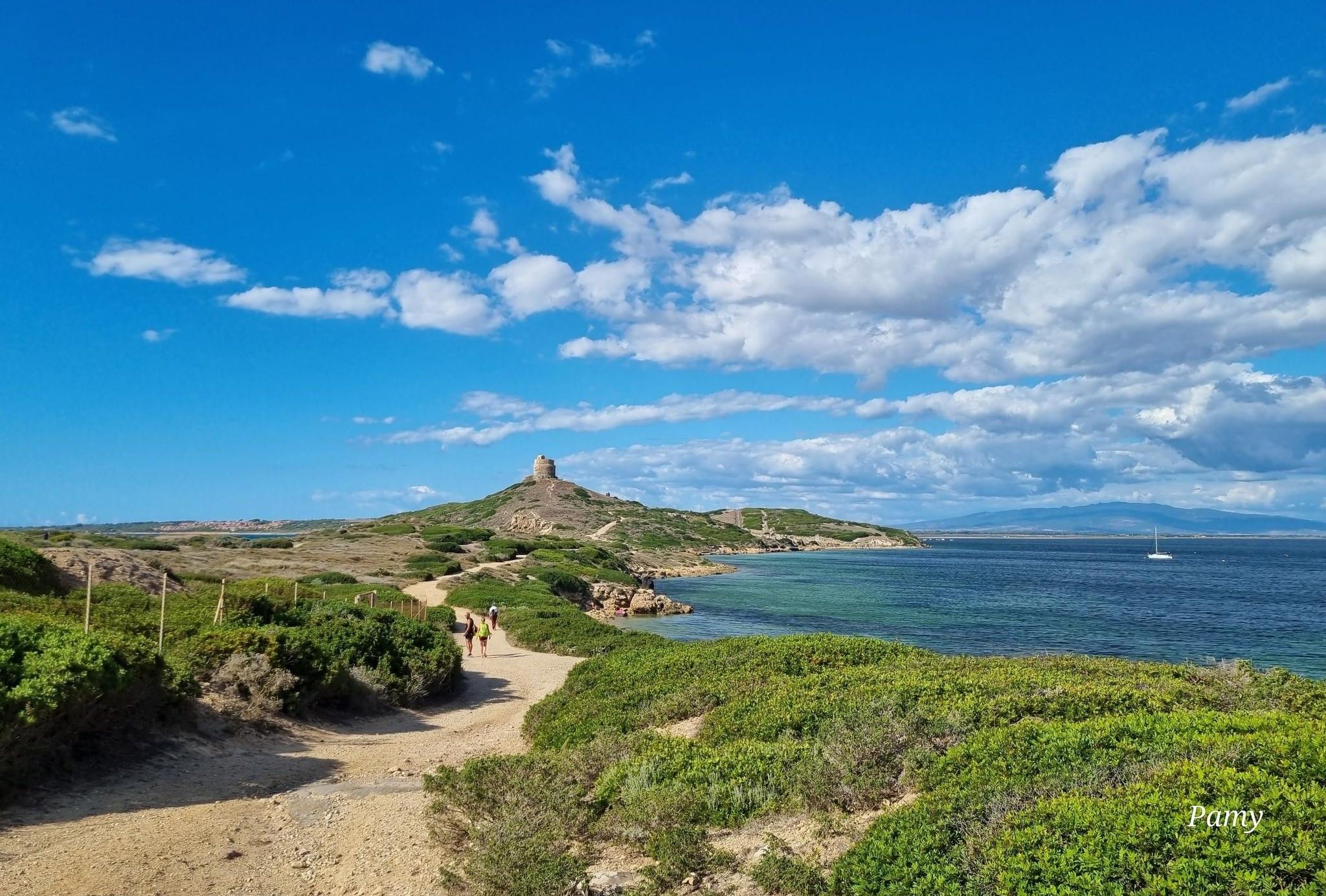
Bosa to Torre dei Corsari on the Via dei Giganti – Cammino 100 Torri
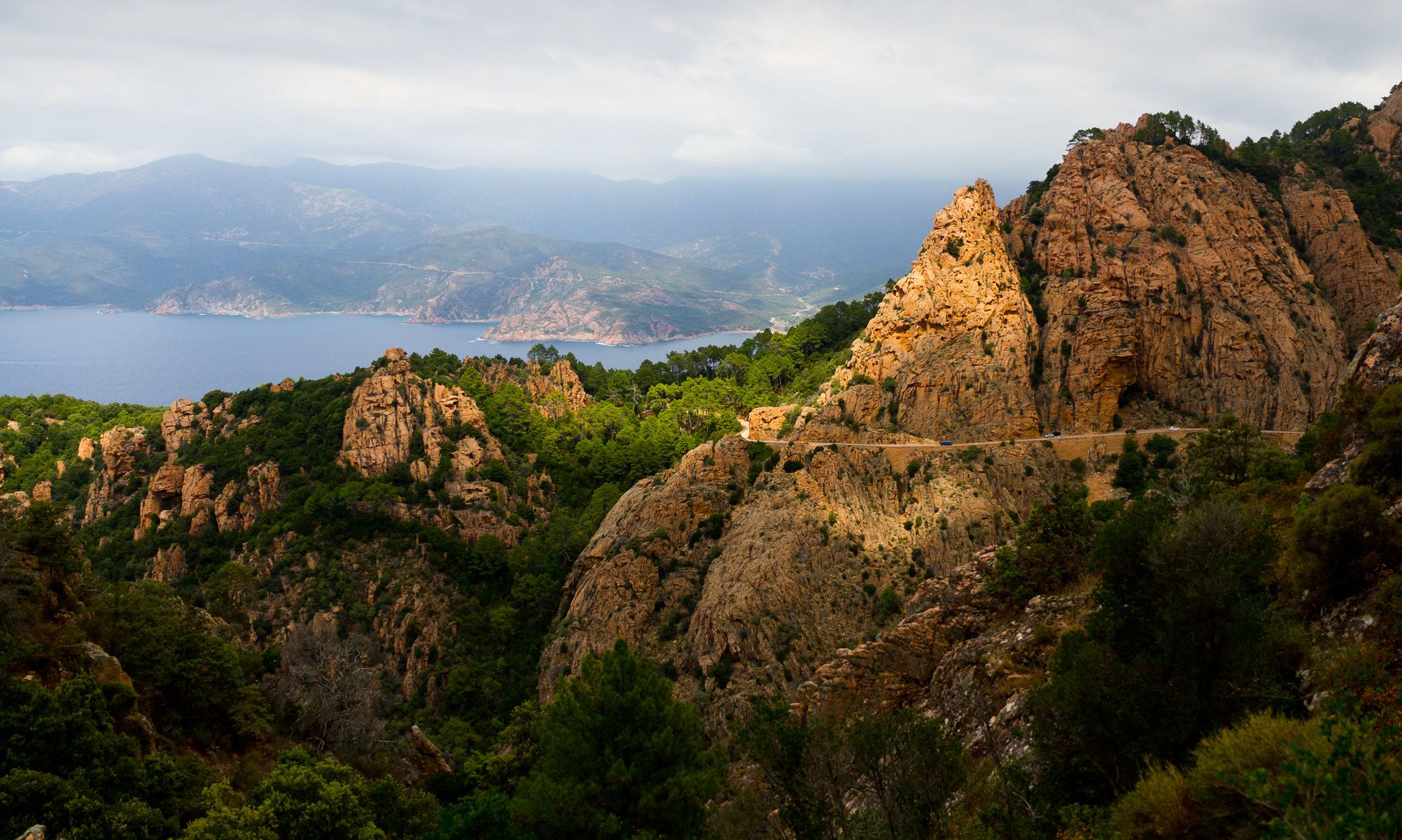
From Cape Corsica to Syracuse — three Mediterranean islands
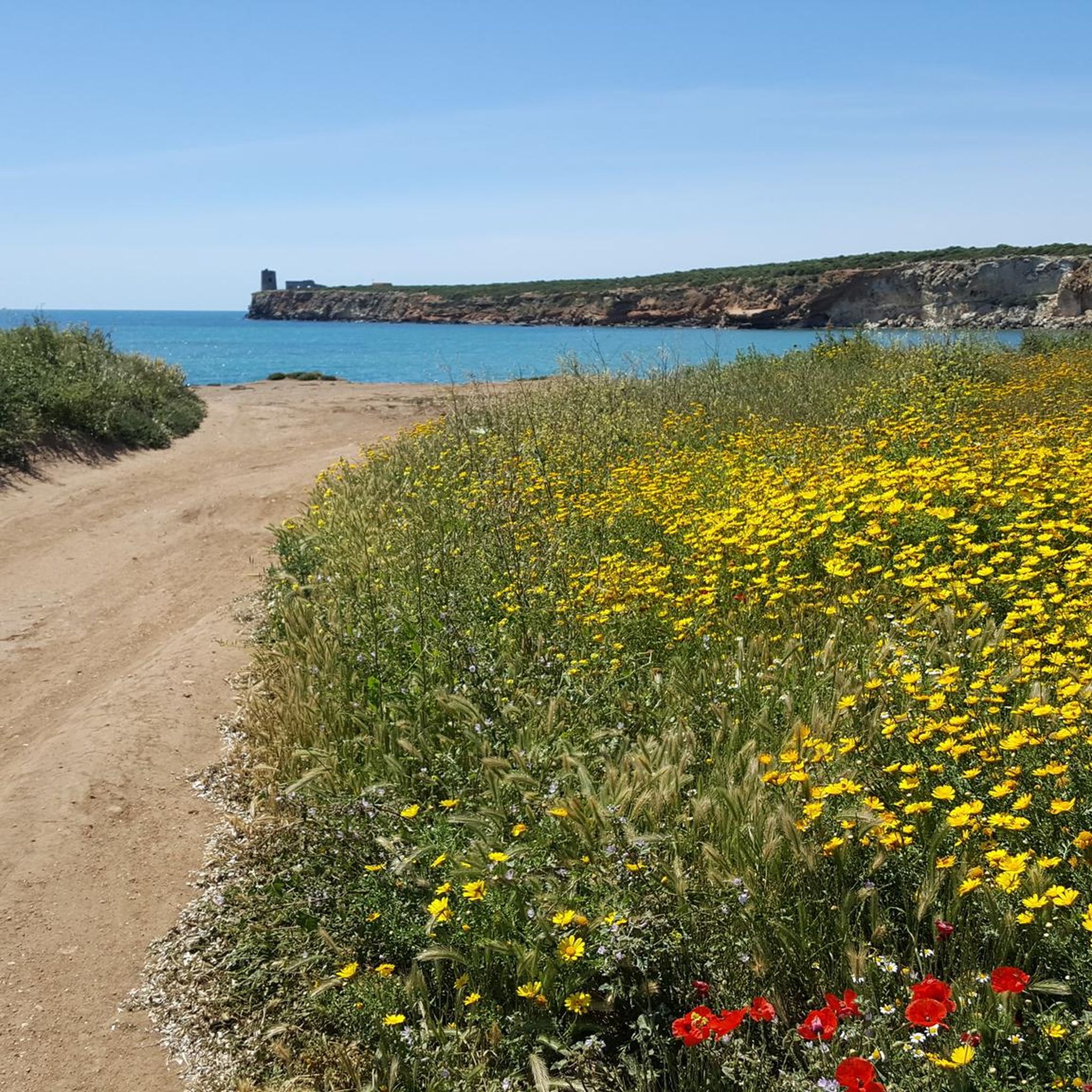
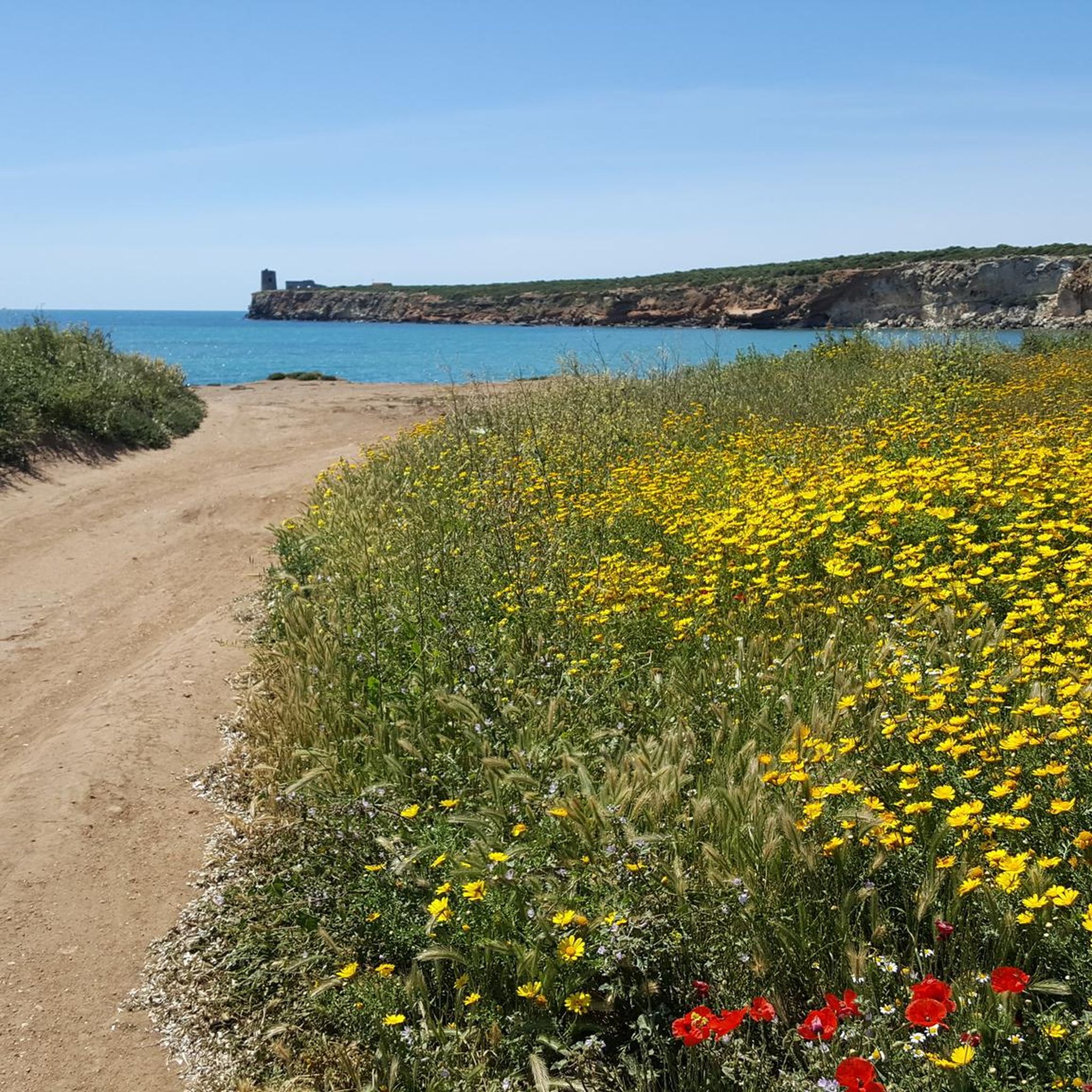
Hiking around Crabas/Cabras
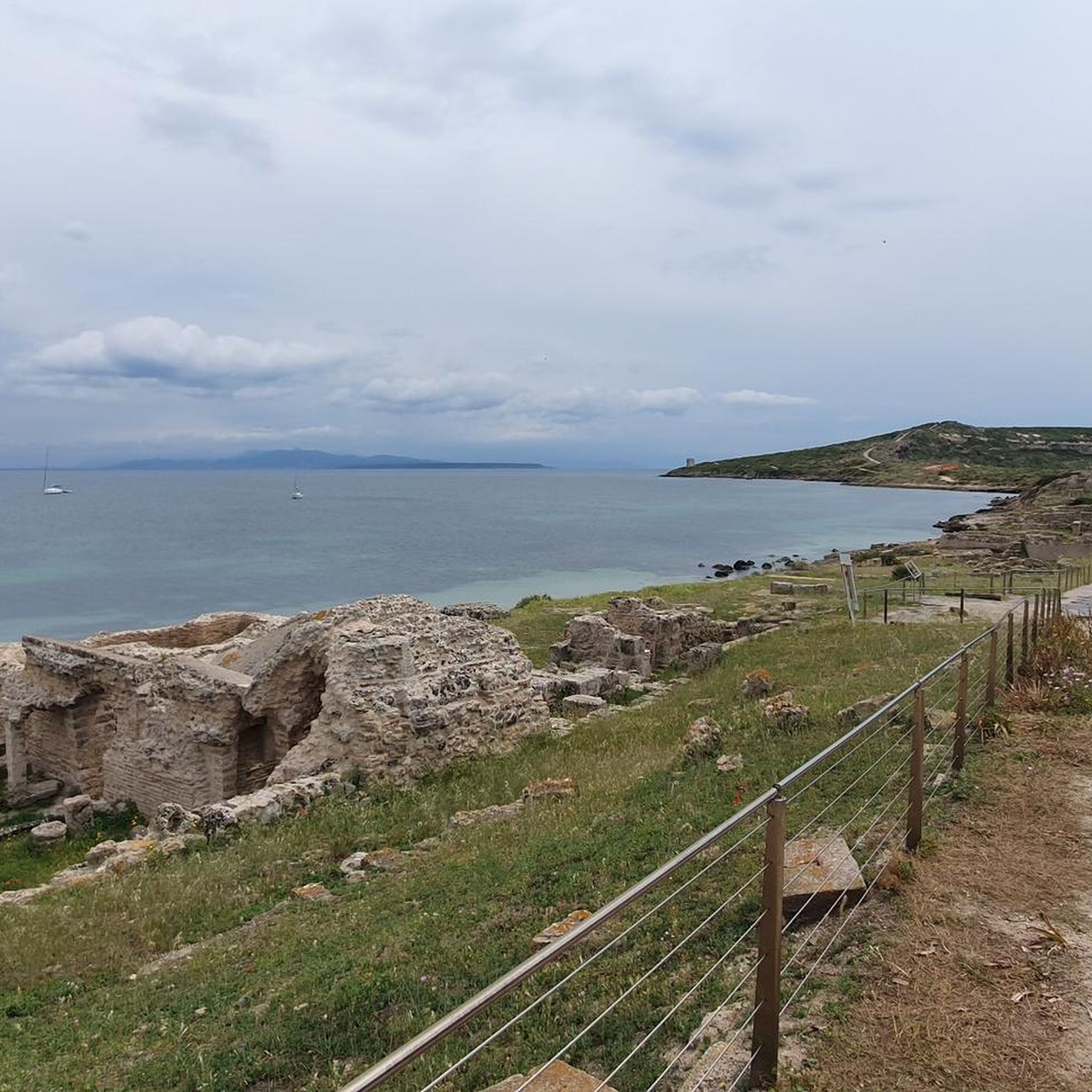
Cycling around Crabas/Cabras
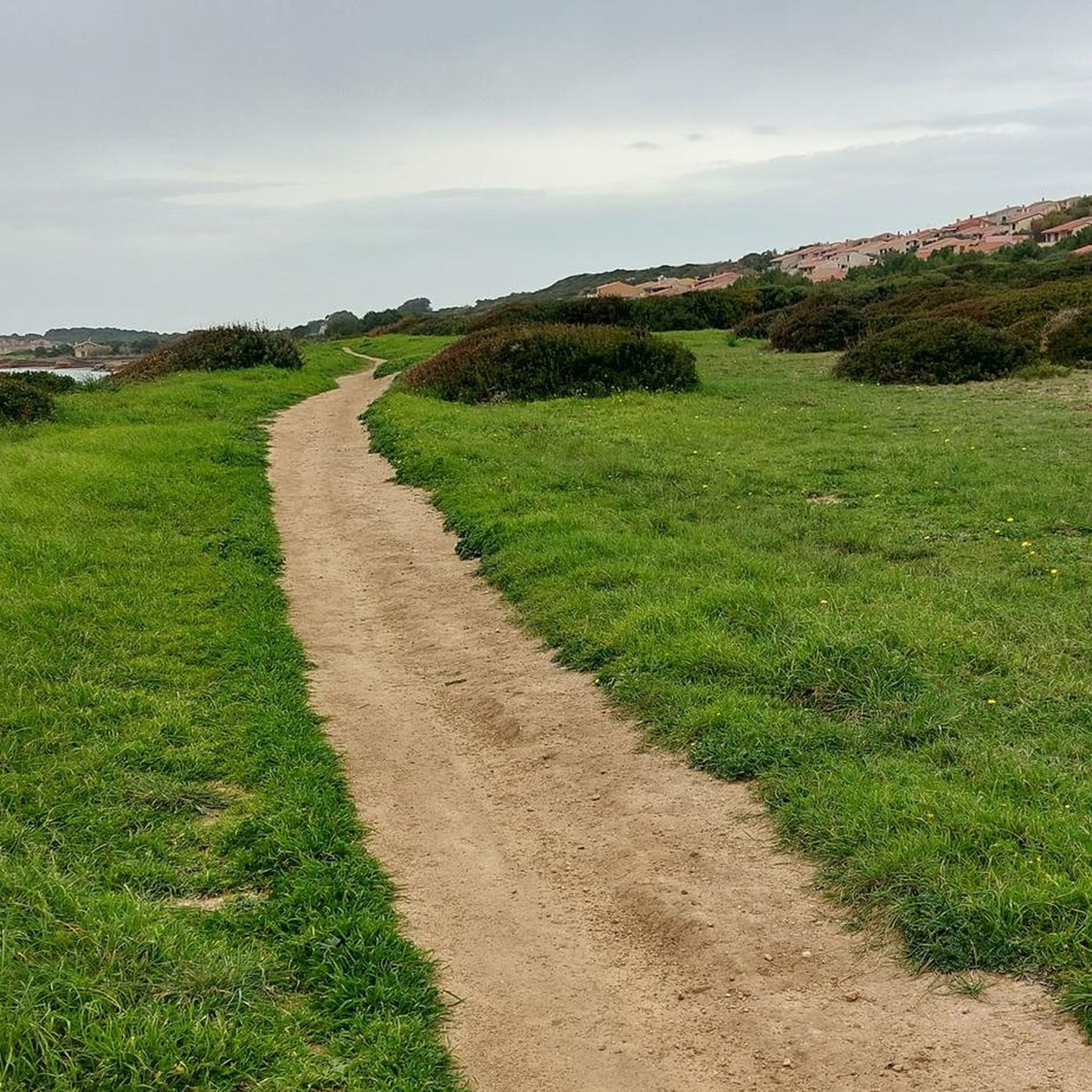
MTB Trails around Crabas/Cabras
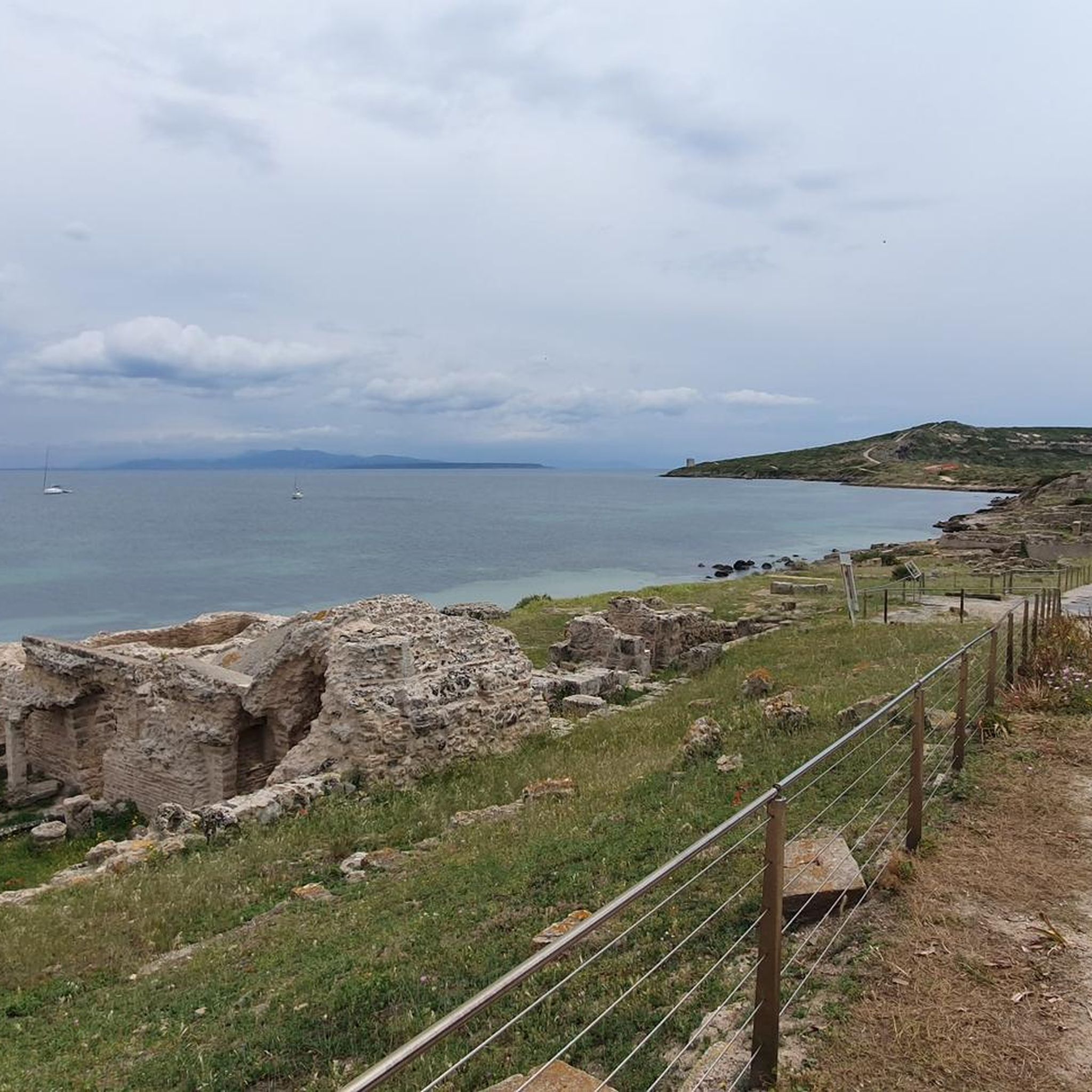
Running Trails around Crabas/Cabras
Road Cycling Routes around Crabas/Cabras
Gravel biking around Crabas/Cabras
Other adventures around Crabas/Cabras


Tips from the Community

Also accessible by car, at least there were a few jeeps in the immediate vicinity. We prefer to do things like that on our bikes.
0
0

Take binoculars with you, the flamingos can also be clearly seen from the main road.
0
0

Lots of traffic/trucks. Street not recommended.
0
0

Cabras Pond is one of the most important wetlands in Sardinia due to its great biodiversity.
1
0


The Santa Giusta pond is located between Oristano to the north, Santa Giusta to the east, the Cirras plain to the south, the sea to the west and with its size it is classified as the third largest pond in Sardinia. There are still some nesting species such as the mallard, the coot, the little grebe, the gray heron and black-headed gulls, while in the waters of the pond they mainly fish for mullet, eels and crabs.
3
2
Frequently Asked Questions
What kind of wildlife can I see around the lakes of Cabras?
The wetlands around Cabras are a paradise for birdwatchers. You can frequently spot various species such as flamingos, cormorants, herons, mallards, and red-crested pochards. The S'Ena Arrubia Pond and Stagno di Cabras are particularly known for their rich birdlife, including pink flamingos. The lagoons also teem with fish like mullet, eels, and crabs.
Are there specific spots for birdwatching in the Cabras area?
Absolutely. The entire wetland complex, including Stagno di Cabras, Stagno di Mistras, and Stagno di Pauli 'e Sali, is excellent for birdwatching. The S'Ena Arrubia Pond is a designated Site of Community Interest, specifically for biodiversity conservation, making it a prime location to observe aquatic birds like flamingos and various heron species. Remember to bring binoculars for the best experience.
What are the unique natural features of the Cabras lakes?
The 'lakes' of Cabras are primarily interconnected lagoons and ponds, forming one of Europe's largest palustrine ecosystems. These wetlands are characterized by a mix of fresh and brackish waters, supporting unique vegetation like sago pondweed, hornwort, reeds, and salicornia. They are ecologically vital and protected under the Ramsar Convention, offering a distinct blend of aquatic and marshland environments.
What outdoor activities can I do near the Cabras lakes?
The area around the Cabras lakes offers a variety of outdoor activities. You can enjoy cycling and mountain biking on routes with scenic views of the ponds, or explore the wetlands through hiking and running. Kayak tours are also recommended, especially on the Stagno di Mistras, for an immersive experience. Traditional fishing tourism is also a significant activity in the region. For detailed routes, check out the hiking, cycling, and running guides for Crabas/Cabras.
Are there hiking trails around the Cabras lakes?
Yes, there are several hiking opportunities around the Cabras lakes. You can find easy routes like the 'Capo San Marco — Ring tour' or the 'Seu Nature Reserve - Ring tour' which offer beautiful views of the surrounding landscapes and wetlands. These trails are suitable for various fitness levels. For more options, refer to the Hiking around Crabas/Cabras guide.
Can I go cycling near the lakes?
Yes, the area is well-suited for cycling. You can find routes like 'The Penisola del Sinis – ring tour' or 'Tharros Archaeological Site – View of Capo San Marco loop' that take you through scenic landscapes near the lagoons. These routes vary in difficulty from easy to moderate. Discover more cycling routes in the Cycling around Crabas/Cabras guide.
Are the lakes around Cabras family-friendly?
Many areas around the Cabras lakes are family-friendly. Highlights like the S'Ena Arrubia Pond and Stagno di Cabras are suitable for families, offering opportunities for nature observation and easy walks. The calm environment and abundant wildlife make it an engaging experience for children.
What is the best time to visit the Cabras lagoons?
The Cabras lagoons are beautiful year-round, but the mild climate of Sardinia means that even in winter, you can observe pink flamingos. Spring and autumn offer pleasant temperatures for outdoor activities like cycling and hiking, with lush vegetation and active birdlife. Summers can be warm, but the coastal breezes provide some relief.
Are there any cultural or historical sites near the Cabras lakes?
Yes, the Cabras area is rich in history. The Stagno di Cabras is close to significant archaeological sites like Tharros and the Civic Archaeological Museum Giovanni Marongiu, which houses the impressive Giants of Mont'e Prama statues. The region also has a strong tradition of fishing, with unique boats called 'Is Fassonis' and the famous 'bottarga' (dried mullet roe).
What should I bring when visiting the Cabras wetlands?
Given the nature of the wetlands, it's advisable to bring sufficient mosquito repellent, especially during warmer months. Binoculars are highly recommended for birdwatching, as flamingos and other species can often be seen from a distance. Comfortable walking shoes are also a good idea for exploring the trails around the lagoons.
What is the significance of the Santa Giusta Lagoon?
The Santa Giusta Lagoon is one of the largest ponds in Sardinia, located between Oristano and Santa Giusta. It's an important habitat for nesting bird species such as mallards, coots, and gray herons. The lagoon also supports a vibrant fishing industry, with mullet, eels, and crabs being commonly fished from its waters.
Can I find viewpoints to observe the Cabras lagoons?
Yes, there are several excellent viewpoints. The Stagno di Cabras itself is considered a significant viewpoint, offering expansive views of the wetland. There's also a specific highlight named 'View of Stagno di Cabras' which is accessible by car or bike, providing great photographic opportunities.
Most popular routes around Crabas/Cabras
Most popular attractions around Crabas/Cabras

Get inspired with the komoot mobile app


Explore more
Still not found your perfect lake around Crabas/Cabras? Check out the guides of these regions to see even more beautiful places.
