Top 5 Caves around San Vito Lo Capo
Best caves around San Vito Lo Capo are located in the northwestern part of Sicily, a region known for its coastal cliffs and natural reserves. The area features significant geological formations and holds archaeological importance with evidence of human occupation dating back thousands of years. These subterranean wonders offer insights into ancient history and natural spectacles.
Best caves around San Vito Lo Capo
- The most popular caves is Uzzo Cave, a cave that is a site of immense historical and archaeological importance. It provides significant evidence of human occupation during the Mesolithic period, around ten thousand years ago.
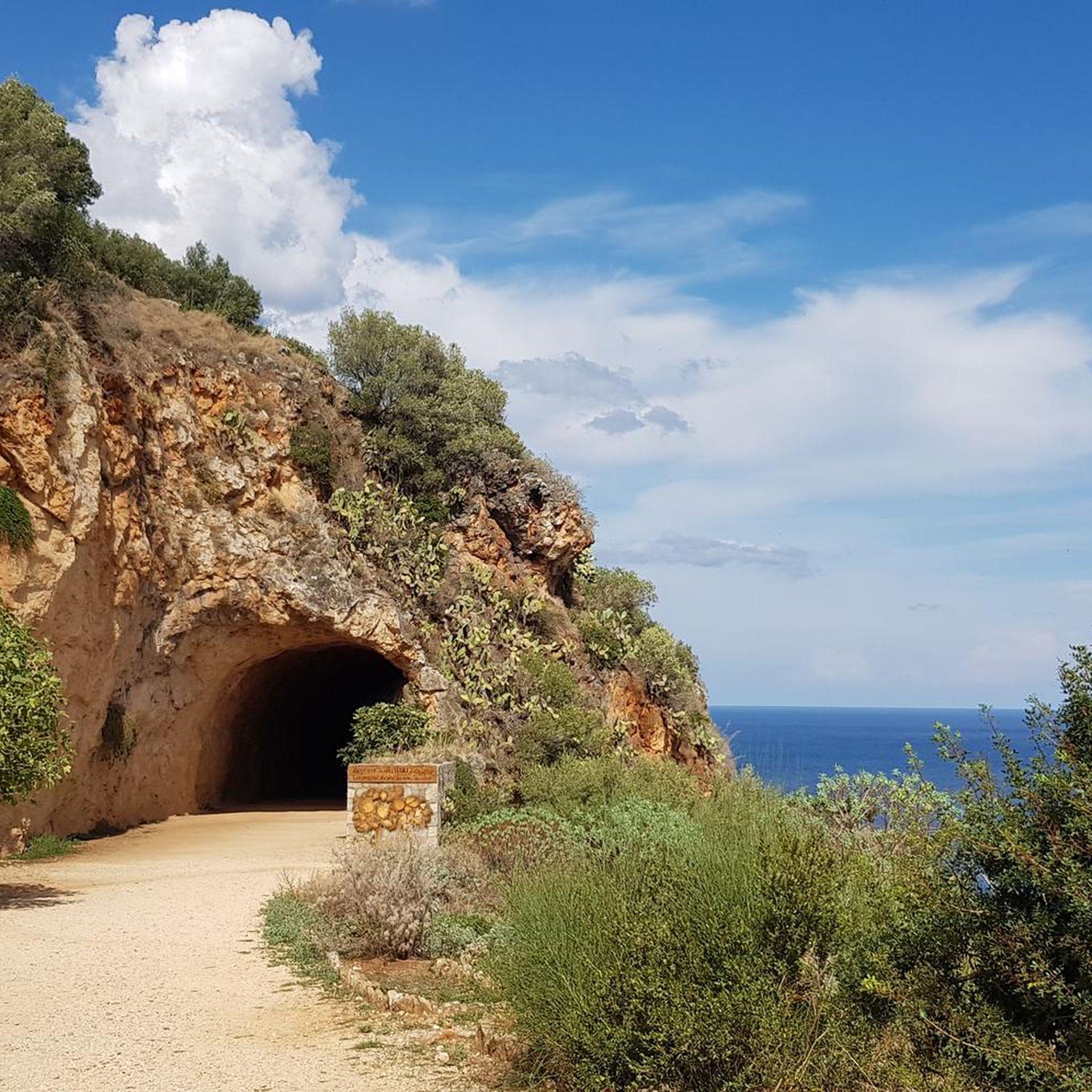
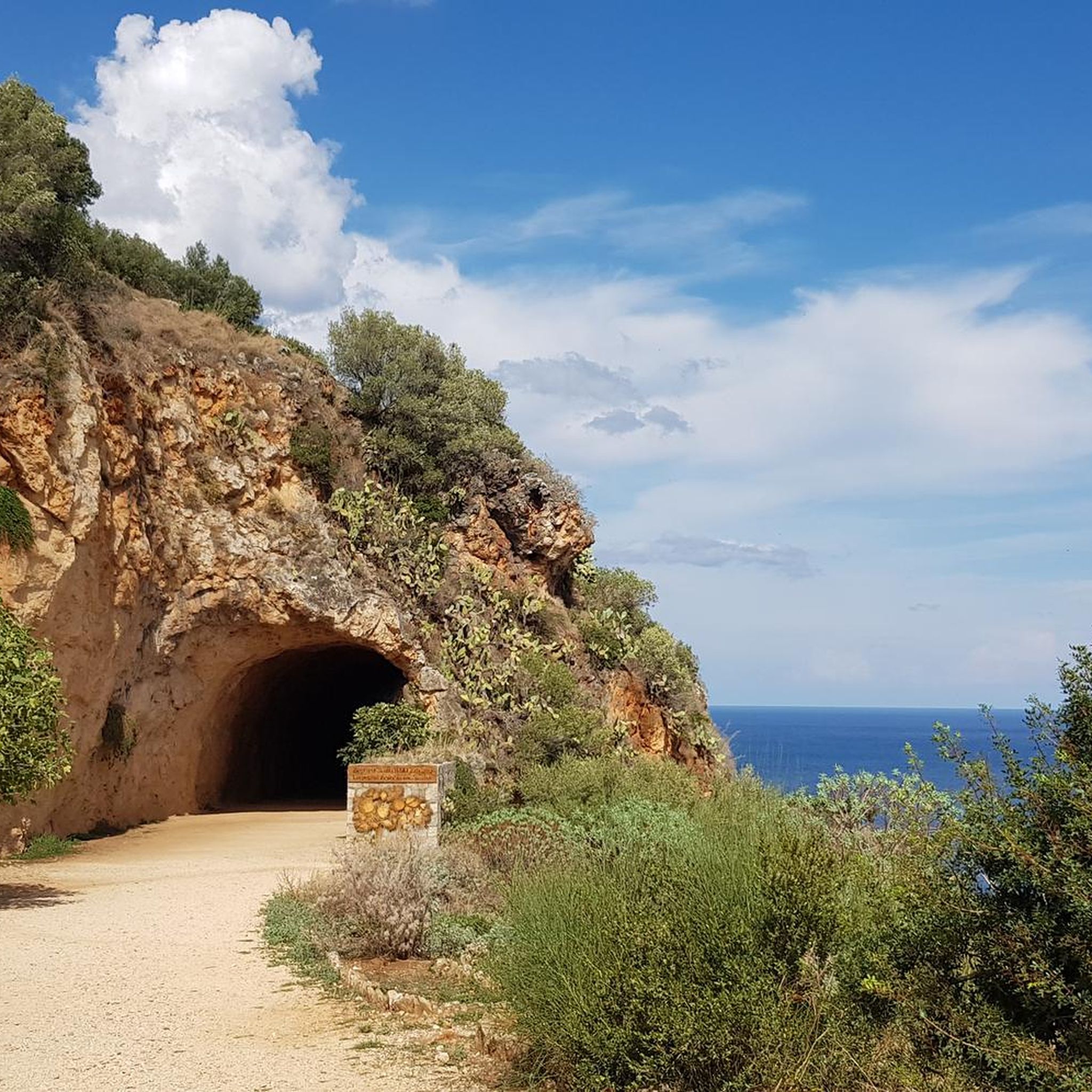
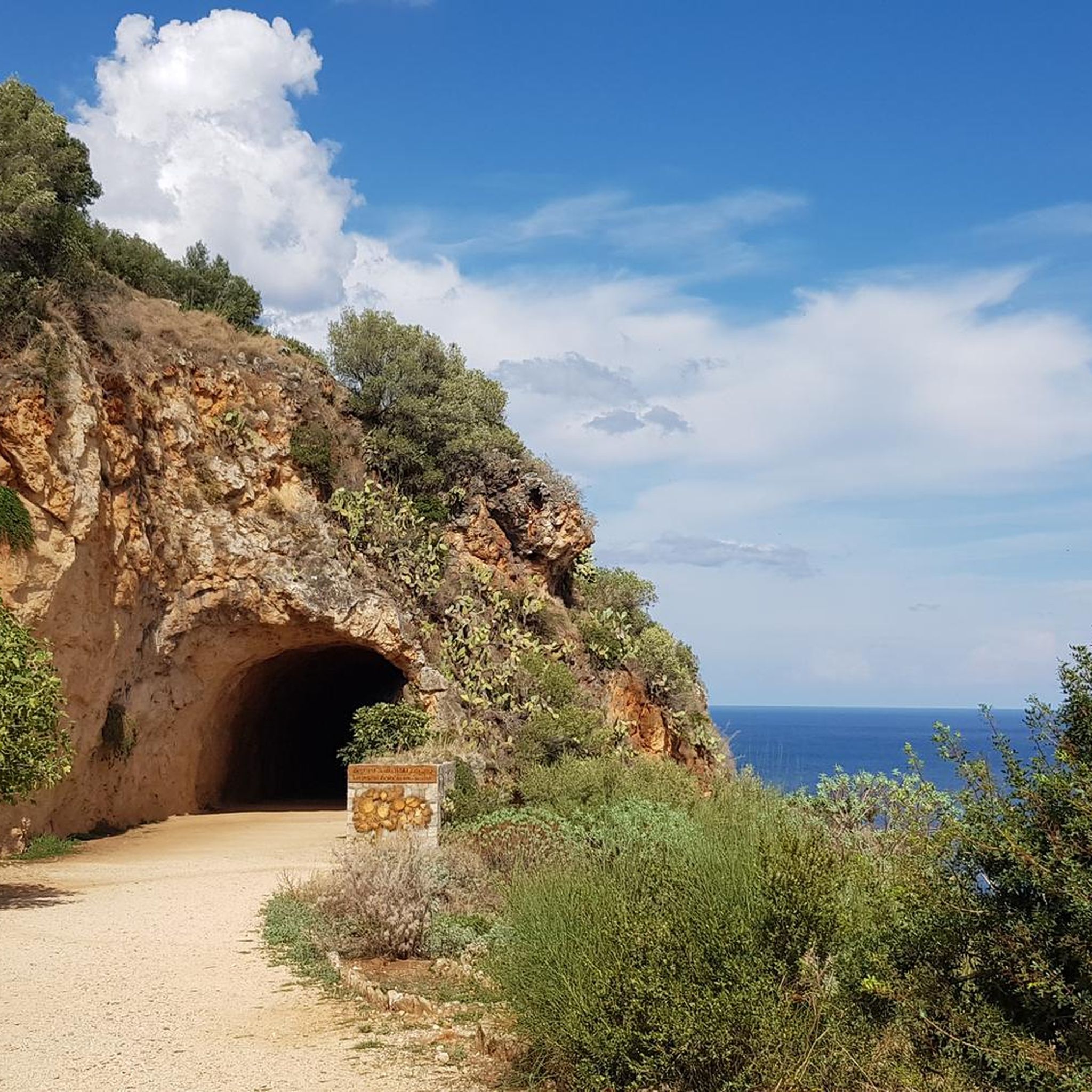
- Another must-see spot is Grotta di Mastro Peppe Siino, a cave that served as a safe haven in times of war, housing a millstone, oven, and press. From its entrance, there are impressive views of the sea.
- Visitors also love Monte Cofano Cave, a cave located within the Monte Cofano reserve. The path up to the caves can be challenging to find.
- San Vito Lo Capo is known for archaeological caves, natural formation caves, and underwater caves. The region offers a variety of caves to see and explore, from historical sites to unique geological features.
- The caves around San Vito Lo Capo are appreciated by the komoot community, with more than 390 upvotes and 160 photos shared by visitors.
Last updated: October 3, 2026
Uzzo Cave
Highlight • Cave
Translated by Google •
Tip by

Zingaro Nature Reserve
Highlight • Natural Monument
If you decide to take the path, be aware that there are no comfortable coastal roads that lead you through the reserve. This is what makes the Zingaro so charming - the wilderness remains untouched here. It is worth starting early, especially in midsummer, as the sun can be merciless in the midday hours. Sturdy shoes and plenty of water are essential in your backpack.
It is also interesting that this nature reserve emerged from a fight against the construction of a coastal road. Thanks to the commitment of the population, the Zingaro was designated as the first nature reserve in Sicily in 1981. It is a symbol of resistance and love of nature that is still protected and cared for today.
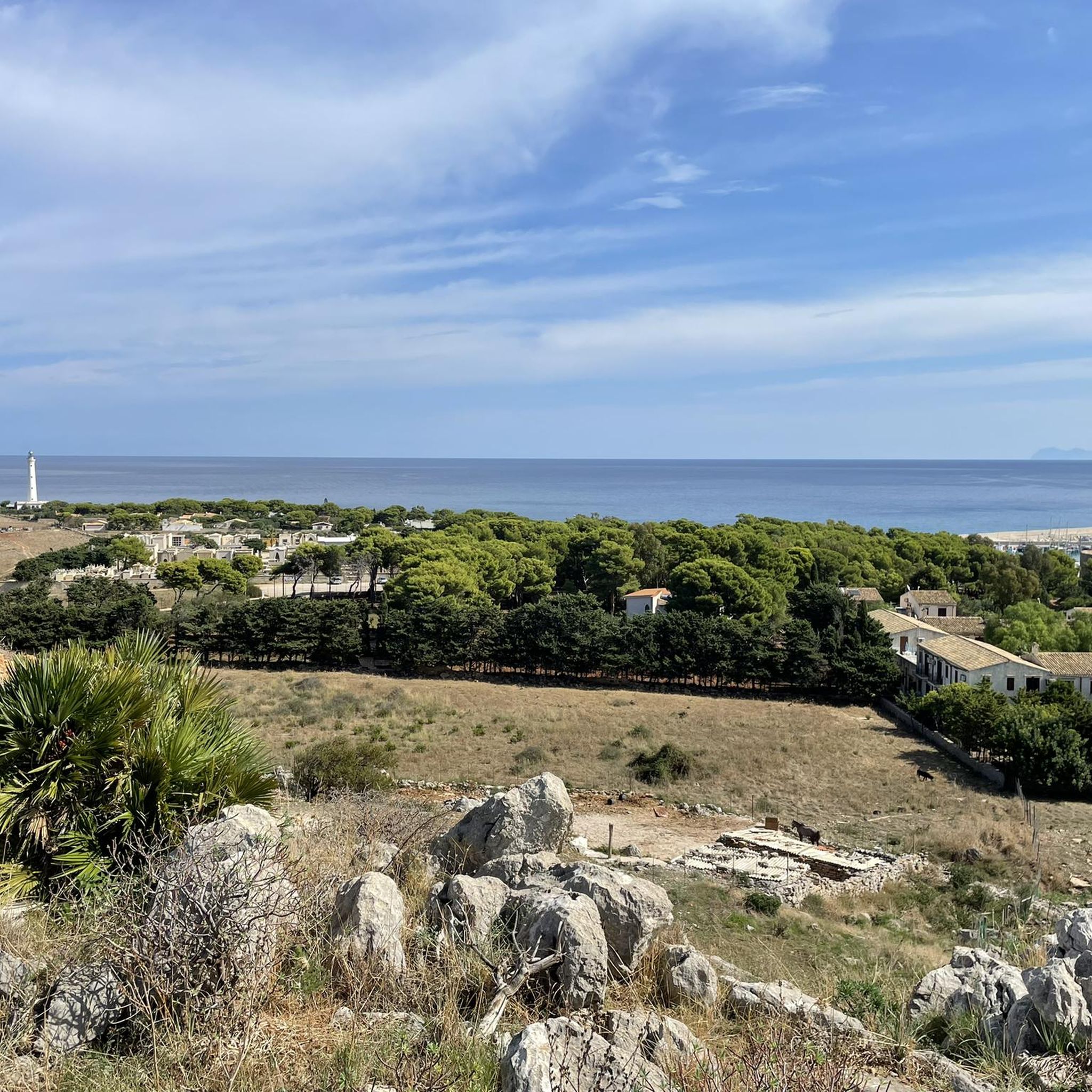
Although a fire destroyed large parts of the reserve in 2012, nature is slowly recovering. Particularly impressive is Monte Speziale, the highest elevation of the Zingaro, from which you can see as far as San Vito Lo Capo in good weather.
The path along the coast is not a strenuous mountain tour, but an impressive hike through a piece of nature that is unparalleled in its pristine state.
Translated by Google •
Tip by

Sign up now to discover places like this
Get recommendations on the best single tracks, peaks, & plenty of other exciting outdoor places.
Grotta di Mastro Peppe Siino
Highlight • Cave
The path there is adventurous and leads through a rough but beautiful landscape. From the cave entrance you have an impressive view of the sea, which beautifully sets off the contrast between the rough rocky landscape and the calm, blue waters of the Mediterranean.
As you explore the caves you will discover the traces of times gone by that are carved in stone here. A real highlight for hikers who are equally enthusiastic about history and nature.
Translated by Google •
Tip by
Crocefisso Cave
Highlight • Cave
Translated by Google •
Tip by

Chapel of the Crucifix
Highlight • Religious Site
Translated by Google •
Tip by
Sign up for free to discover even more caves around San Vito Lo Capo.
Already have an account?
Start today with a free account
Your next adventure awaits.
Popular around San Vito Lo Capo
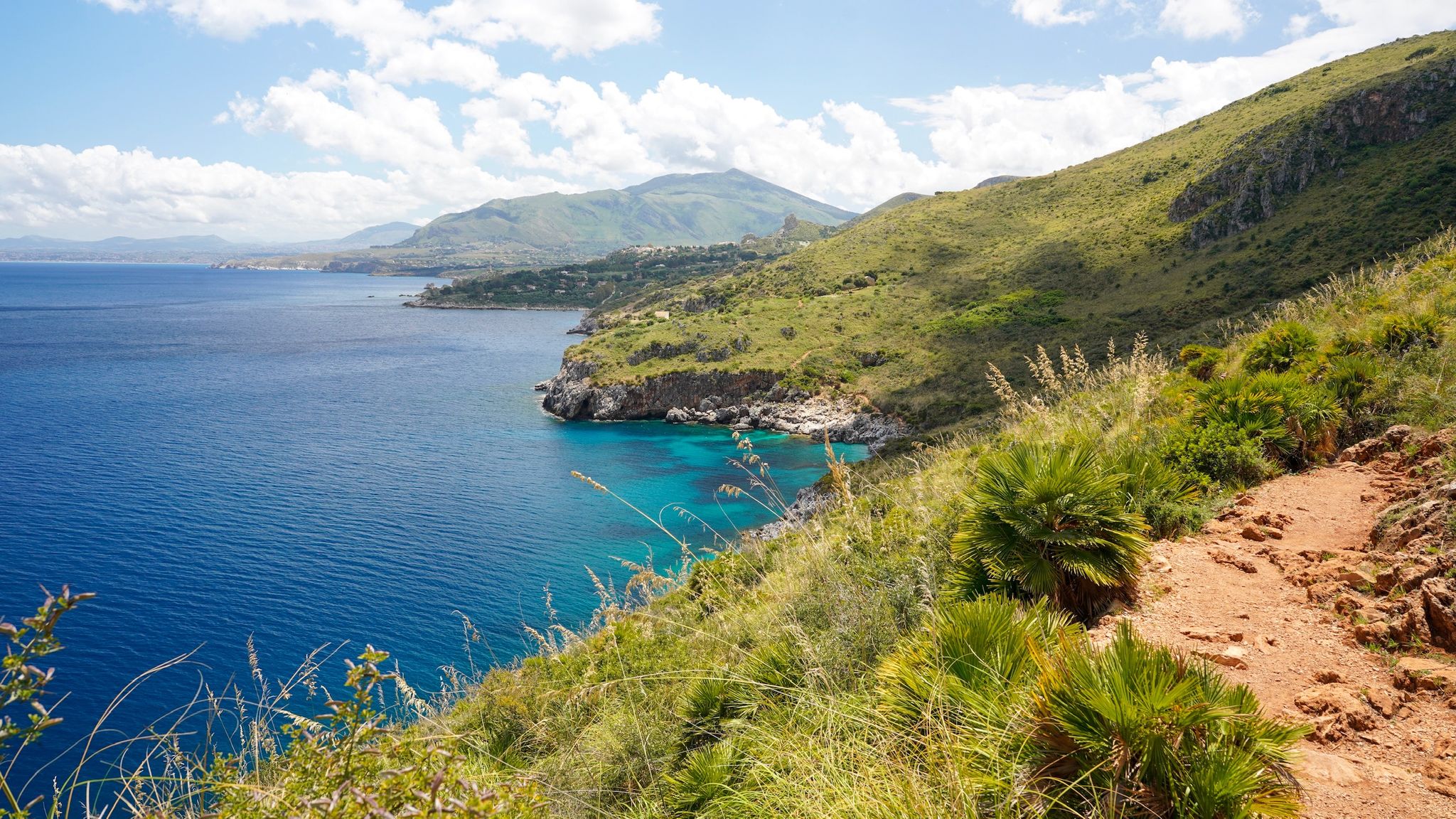
Sentiero Italia – Sicily's natural and artistic treasures
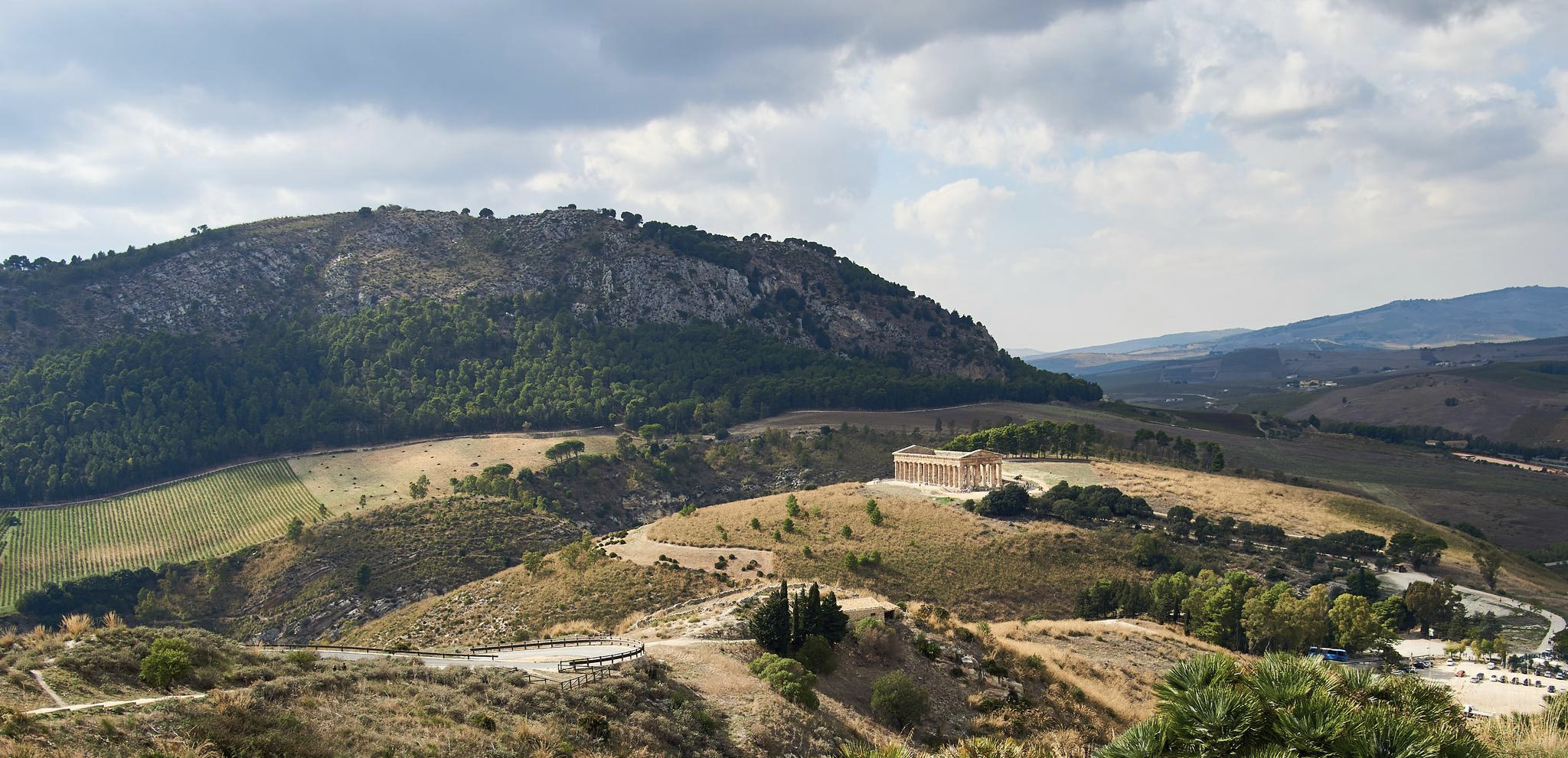
Western Sicily by bike – between flavours and traditions
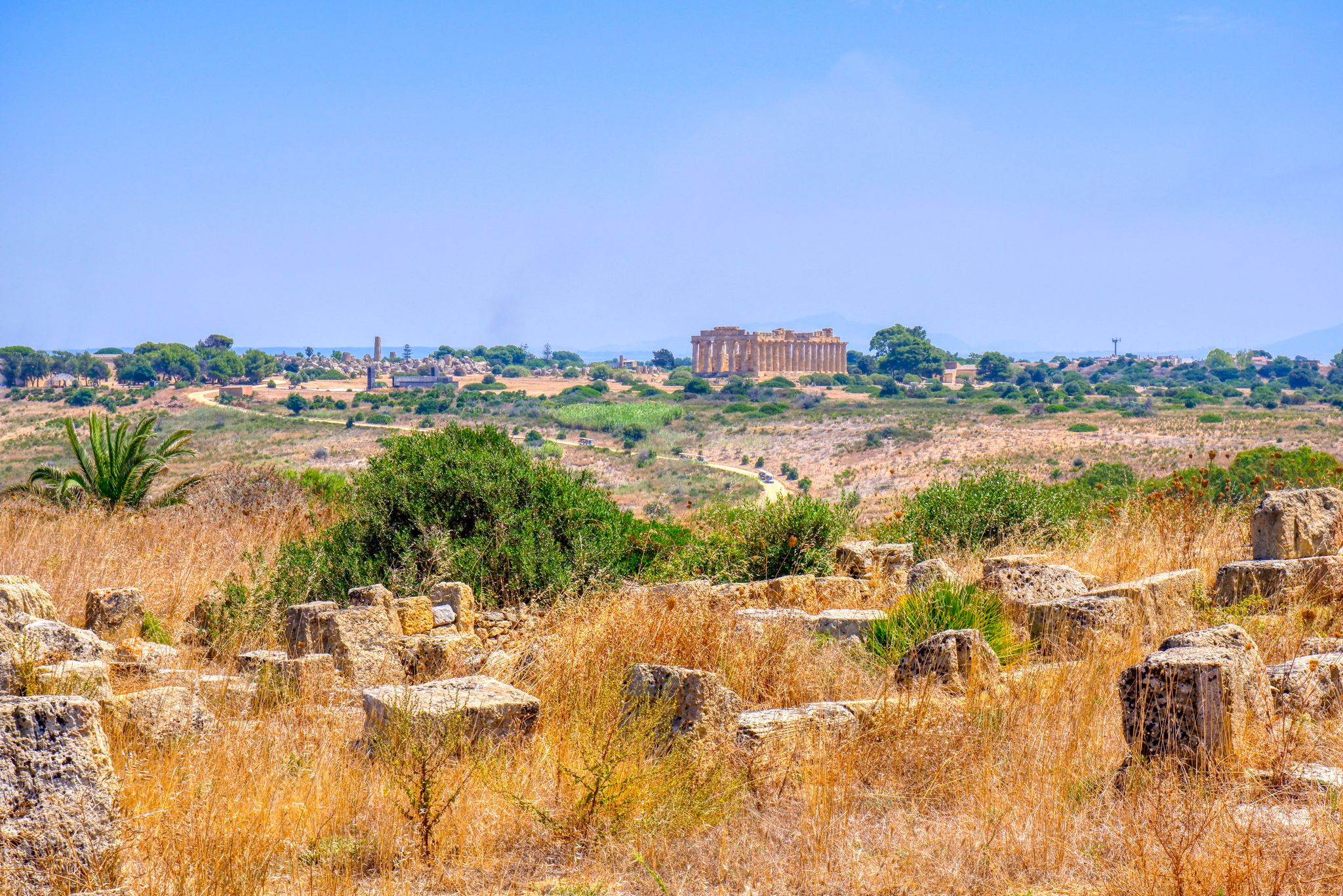
Between nature and history – Western Sicily by bike
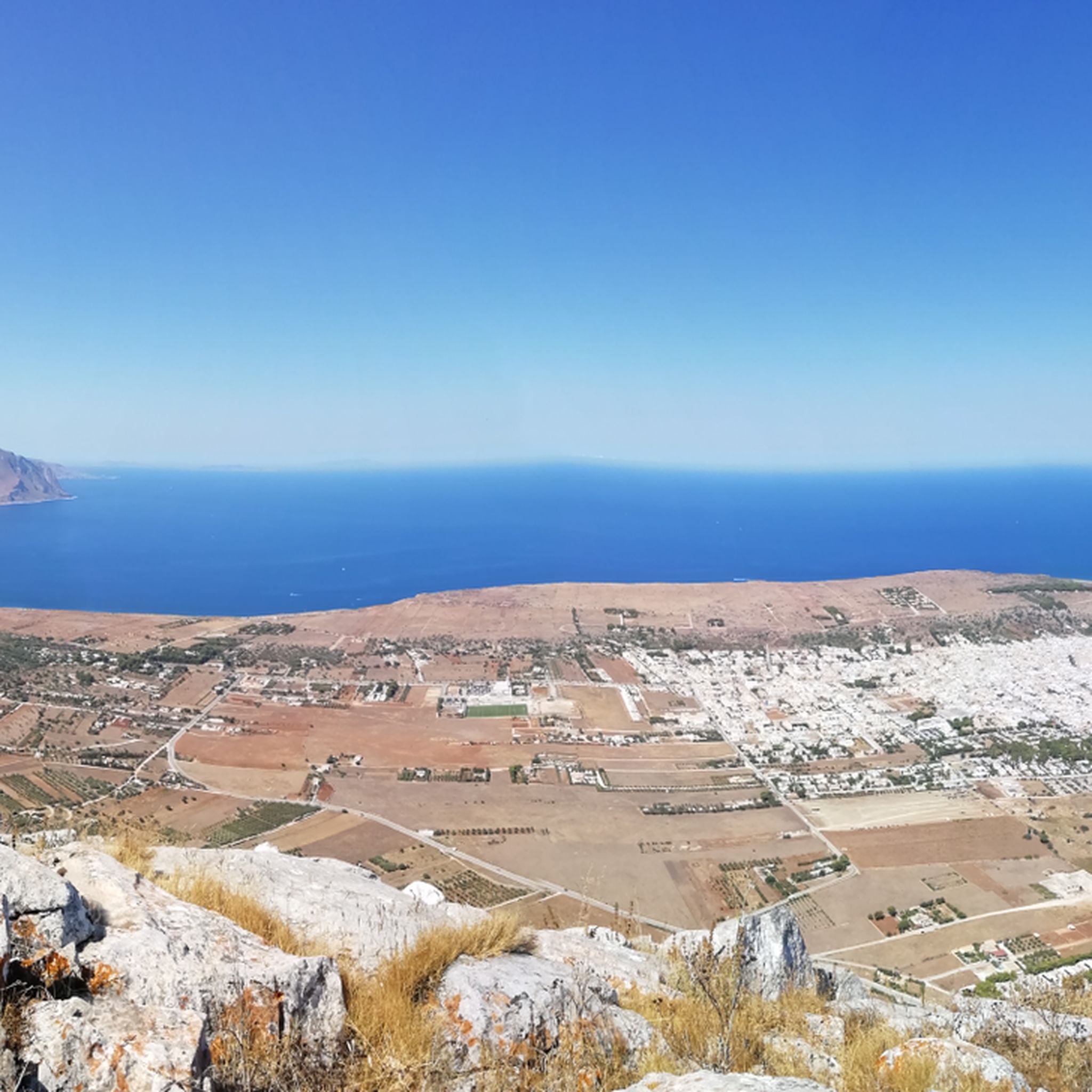
Hiking around San Vito Lo Capo
Cycling around San Vito Lo Capo
Running Trails around San Vito Lo Capo
Road Cycling Routes around San Vito Lo Capo
MTB Trails around San Vito Lo Capo

Gravel biking around San Vito Lo Capo
Mountain Hikes around San Vito Lo Capo


Tips from the Community

A fascinating and beautiful grotto. A sign just before the cave warns of falling rocks.
0
0

The hike is completely overcrowded, and you're charged twice. You pay €9 at the parking lot and then another €5 per person. There's almost no shade anywhere, and the small swimming coves are completely overcrowded.
0
0

Grotta di Mastro Peppe Siino, a window to the sea. In the latter, which takes its name from the owner, there was even a mill for grain, an oven and a press.
0
0
It is located between the Museum of Peasant Civilization of the Zingaro Nature Reserve and the Museum of Weaving of the Nature Reserve
0
1
It is located in the Monte Cofano nature reserve
1
0

These caves were not only a safe haven in times of war, but also housed a millstone, an oven and a press that allowed people to survive there for long periods of time. Just the idea that these caves once secured the life of a community gives them a special historical significance. The path there is adventurous and leads through a rough but beautiful landscape. From the cave entrance you have an impressive view of the sea, which beautifully sets off the contrast between the rough rocky landscape and the calm, blue waters of the Mediterranean. As you explore the caves you will discover the traces of times gone by that are carved in stone here. A real highlight for hikers who are equally enthusiastic about history and nature.
1
0
The Riserva Naturale Orientata dello Zingaro is a real treasure for hikers who want to embark on a journey of discovery along the Sicilian coast. The approximately 7-kilometer-long path winds through untouched nature, past breathtaking limestone formations and hidden bays with crystal-clear water. The variety of landscapes is impressive - from the dense vegetation with dwarf palms to the rocky cliffs that drop dramatically into the turquoise sea. If you decide to take the path, be aware that there are no comfortable coastal roads that lead you through the reserve. This is what makes the Zingaro so charming - the wilderness remains untouched here. It is worth starting early, especially in midsummer, as the sun can be merciless in the midday hours. Sturdy shoes and plenty of water are essential in your backpack. It is also interesting that this nature reserve emerged from a fight against the construction of a coastal road. Thanks to the commitment of the population, the Zingaro was designated as the first nature reserve in Sicily in 1981. It is a symbol of resistance and love of nature that is still protected and cared for today. Although a fire destroyed large parts of the reserve in 2012, nature is slowly recovering. Particularly impressive is Monte Speziale, the highest elevation of the Zingaro, from which you can see as far as San Vito Lo Capo in good weather. The path along the coast is not a strenuous mountain tour, but an impressive hike through a piece of nature that is unparalleled in its pristine state.
2
1
The hike to Uzzo Cave in the Riserva Naturale Orientata dello Zingaro offers you an impressive mix of history and nature. This prehistoric site is not only a visual highlight, but also archaeologically significant - finds from the cave indicate human presence around 10,000 years ago. As soon as you enter the shaded area of the cave, the cool air offers a welcome respite after an intense hike under the Sicilian sun. The rocky landscape around the cave is just as fascinating as the cave itself - buried fossils and petrified bones tell of a distant past when this cave was used as both a shelter and a resting place. Here you can enjoy the peace and quiet and reflect on the people who lived here many millennia ago. Tip: Be sure to pay attention to local regulations as you are in a protected area and respect nature.
0
1
Frequently Asked Questions
What are the most historically significant caves in the San Vito Lo Capo region?
The region is rich in historical caves. The Uzzo Cave in the Zingaro Nature Reserve is a site of immense archaeological importance, showing evidence of human occupation during the Mesolithic period, around ten thousand years ago. Another significant site is the Grotta dei Cavalli, known for its Eneolithic pictorial representations. The Grotta di Mastro Peppe Siino also holds historical value, having served as a safe haven during wartime.
Are there caves suitable for families with children?
Yes, the Grotta Mangiapane, located in Custonaci within the Monte Cofano nature reserve, is particularly family-friendly. It's famous for its Living Nativity Scene, offering a unique and engaging experience for all ages. While the path to some caves can be adventurous, many offer accessible viewing points.
What unique geological formations can be found in the caves around San Vito Lo Capo?
The caves in the Zingaro Nature Reserve, such as Grotta del Sughero, feature impressive concretions like stalactites, stalagmites, and columns, some reaching about 10 meters. You can also find unique 'eccentrics' that defy gravity and rare small lakes. Other caves like Grotta del Colombaccio are known for elegant stalactites formed by freshwater.
Can I explore underwater caves in San Vito Lo Capo?
Yes, San Vito Lo Capo offers several intriguing underwater caves for diving enthusiasts. These include caves with freshwater infiltration, creating captivating light displays and diverse marine life. Notable spots are Grotta Perciata, known for its wide entrance and numerous splits, and Shrimp Cave, which is home to a remarkable quantity of shrimp and lobsters.
What kind of archaeological findings have been made in the local caves?
The caves in the region have yielded significant archaeological discoveries. The Uzzo Cave has provided evidence of Mesolithic human occupation, including burials, funerary furnishings, and flints. The Grotta dei Cavalli features ancient Eneolithic cave paintings. Near Macari, the Isulidda Caves have revealed Upper Paleolithic engravings and drawings of deer, while Grotta dei Ciaraveddi and Grotta del Racchio have yielded numerous flint artifacts.
Are there any challenging caves for experienced explorers?
Some caves offer a more challenging experience. For instance, the path up to the Monte Cofano Cave can be difficult to find. The Shrimp Cave, an underwater cave, is also considered a challenging dive due to its narrow access and muddy bottom, but it rewards divers with abundant marine life.
What outdoor activities can I combine with a visit to the caves?
The San Vito Lo Capo region is excellent for outdoor activities. You can find numerous hiking trails, such as those in the Zingaro Nature Reserve, which lead to several caves. There are also dedicated routes for running and cycling. For hiking, consider routes like 'Riserva dello Zingaro, Mezza Costa trail' or 'Cala dell'Uzzo Beach – Uzzo Cave loop'. You can find more details on these activities in the Hiking around San Vito Lo Capo guide.
What is the best time of year to visit the caves in San Vito Lo Capo?
The best time to visit the caves and enjoy outdoor activities in San Vito Lo Capo is generally during the spring (April-May) and autumn (September-October) months. The weather is milder, making hiking and exploration more comfortable. Summer can be very hot, especially for cave entrances that require a walk, while winter might bring more unpredictable weather.
What should I wear when exploring caves in the San Vito Lo Capo area?
When exploring caves, it's advisable to wear comfortable, sturdy shoes with good grip, as paths can be uneven or slippery. Light layers are recommended, as cave temperatures can be cooler than outside, even in summer. If you plan to visit archaeological sites or venture into darker sections, a headlamp or flashlight is essential. For underwater caves, appropriate diving gear is required.
Are there caves with scenic viewpoints?
Yes, several caves offer impressive views. The Grotta dei Cavalli, positioned about thirty meters above sea level, provides unique panoramic views. Similarly, the Grotta di Mastro Peppe Siino offers an impressive view of the sea from its entrance. The Crocefisso Cave, located within the Monte Cofano reserve, also allows you to admire the sea.
What do visitors enjoy most about the caves around San Vito Lo Capo?
Visitors often appreciate the blend of natural beauty and historical significance. The imposing size of caves like Uzzo Cave and the cool respite they offer from the sun are frequently mentioned. The historical context, such as the idea of communities surviving in caves like Grotta di Mastro Peppe Siino, also leaves a lasting impression. The adventurous paths and impressive sea views are also highly valued.
Most popular routes around San Vito Lo Capo
Most popular attractions around San Vito Lo Capo

Get inspired with the komoot mobile app


Explore more
Extend your search for the best caves by checking out these guides of the top ones around San Vito Lo Capo:
