Top 18 Caves around Ostuni
Best caves around Ostuni include a variety of natural karst formations and historically significant archaeological sites. Ostuni, known as the "White City," provides access to these underground wonders within its immediate vicinity and the wider Puglia region. The area features caves used for ancient rituals, rock settlements, and impressive geological formations. Visitors can explore a range of cave experiences, from archaeological parks to natural grottoes.
Best caves around Ostuni
- The most popular caves is Santa Maria di Agnano Archaeological Park, a historical site that features a cave used for female rituals and cults for 30,000 years. This site is notable for the discovery of the "Woman of Ostuni," a Paleolithic burial from 27,000 years ago.
- Another must-see spot is Lamacornola Rock Settlement and Caves, a historical site with various rock settlements and caves. Visitors can explore an intertwining of paths and caves, revealing the history of communities that lived there.
- Visitors also love Rock Church Sanctuary of San Biagio, a religious building with a rock church. This 12th-century sanctuary is nestled in a rocky ridge and offers an atmospheric place to visit.
- Ostuni is known for archaeological caves, rock-cut churches, and natural karstic grottoes. The region offers a variety of cave types, from ancient burial sites to rock settlements and sanctuaries.
- The caves around Ostuni are appreciated by the komoot community, with 72 upvotes and 88 photos shared by users.
Last updated: August 23, 2026
Rock Church Sanctuary of San Biagio
Highlight • Religious Site
Translated by Google •
Tip by

Villanova Harbour and Castle
Highlight • Castle
Translated by Google •
Tip by

Sign up now to discover places like this
Get recommendations on the best single tracks, peaks, & plenty of other exciting outdoor places.
Sign up for free
Lamacornola Rock Settlement and Caves
Highlight (Segment) • Historical Site
Translated by Google •
Tip by
Santa Maria di Agnano Archaeological Park
Highlight • Historical Site
Translated by Google •
Tip by

Sanctuary and Rock Church of Maria Santissima di Belvedere
Highlight • Religious Site
Translated by Google •
Tip by

Sign up for free to discover even more caves around Ostuni.
Sign up for free
Already have an account?
Start today with a free account
Your next adventure awaits.
Login or Signup
Popular around Ostuni
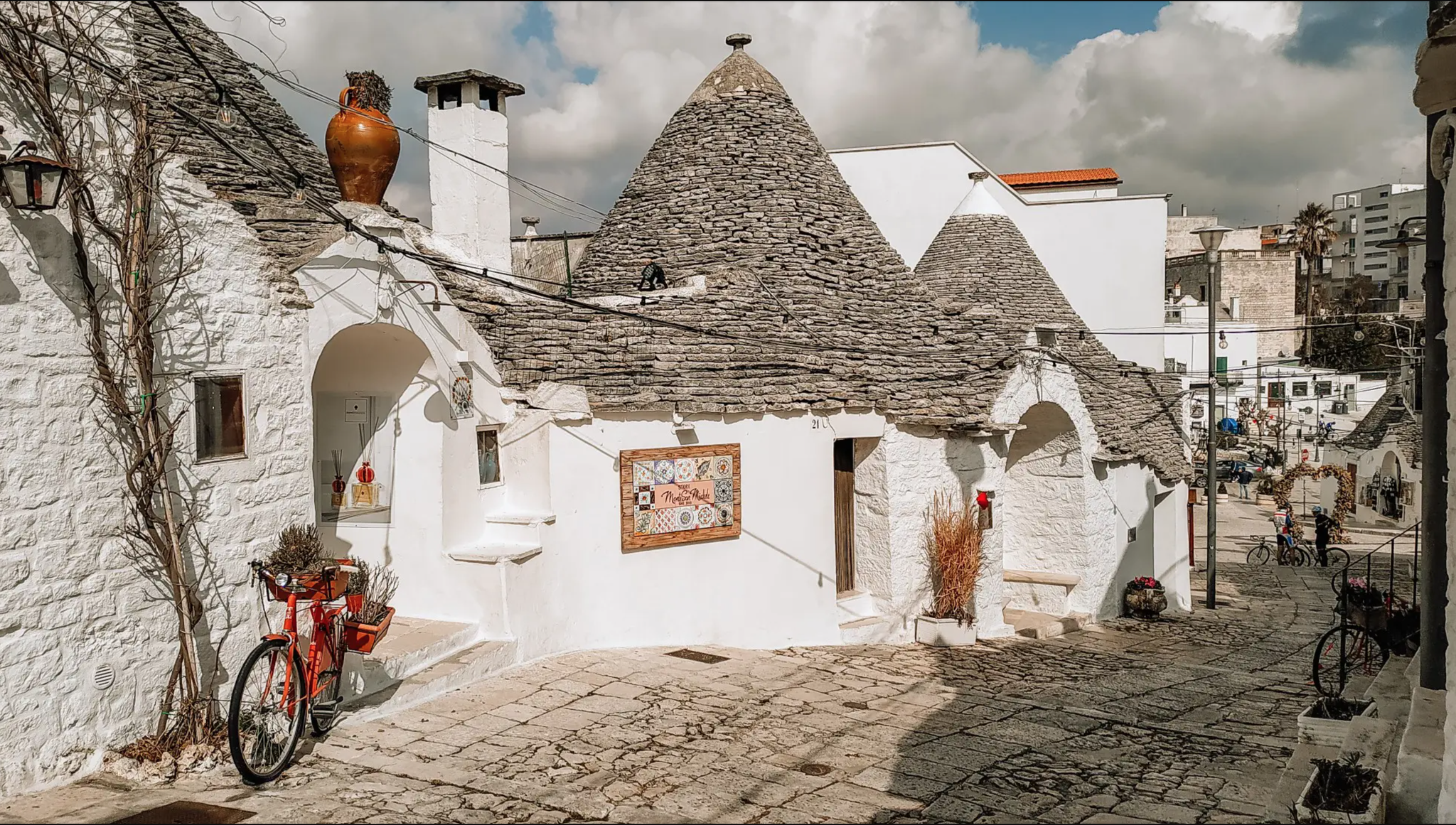
Cycle through the painted blue – a journey of discovery in Puglia
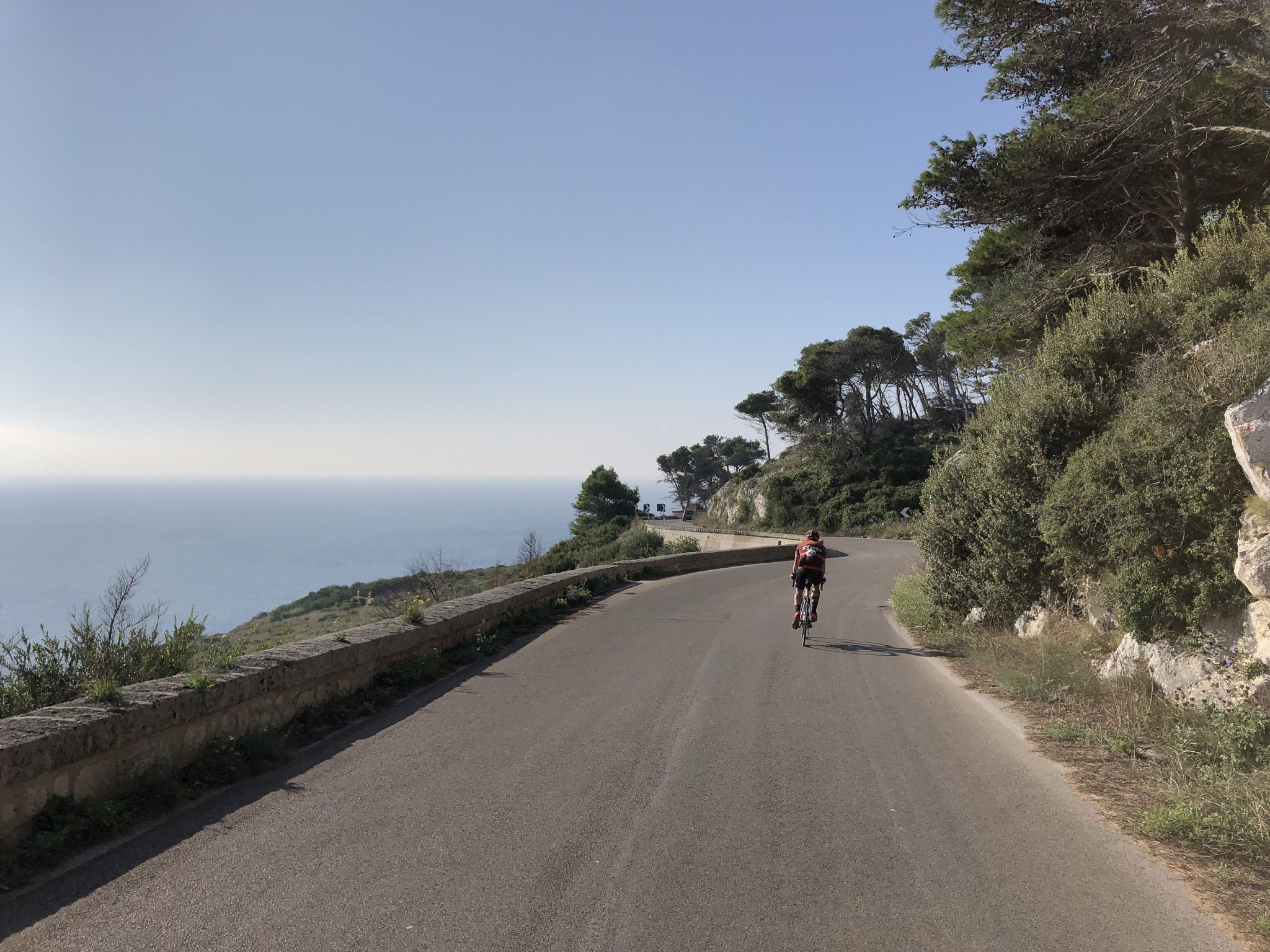
Italy’s Puglia from Bari to Santa Maria di Leuca — all the way south
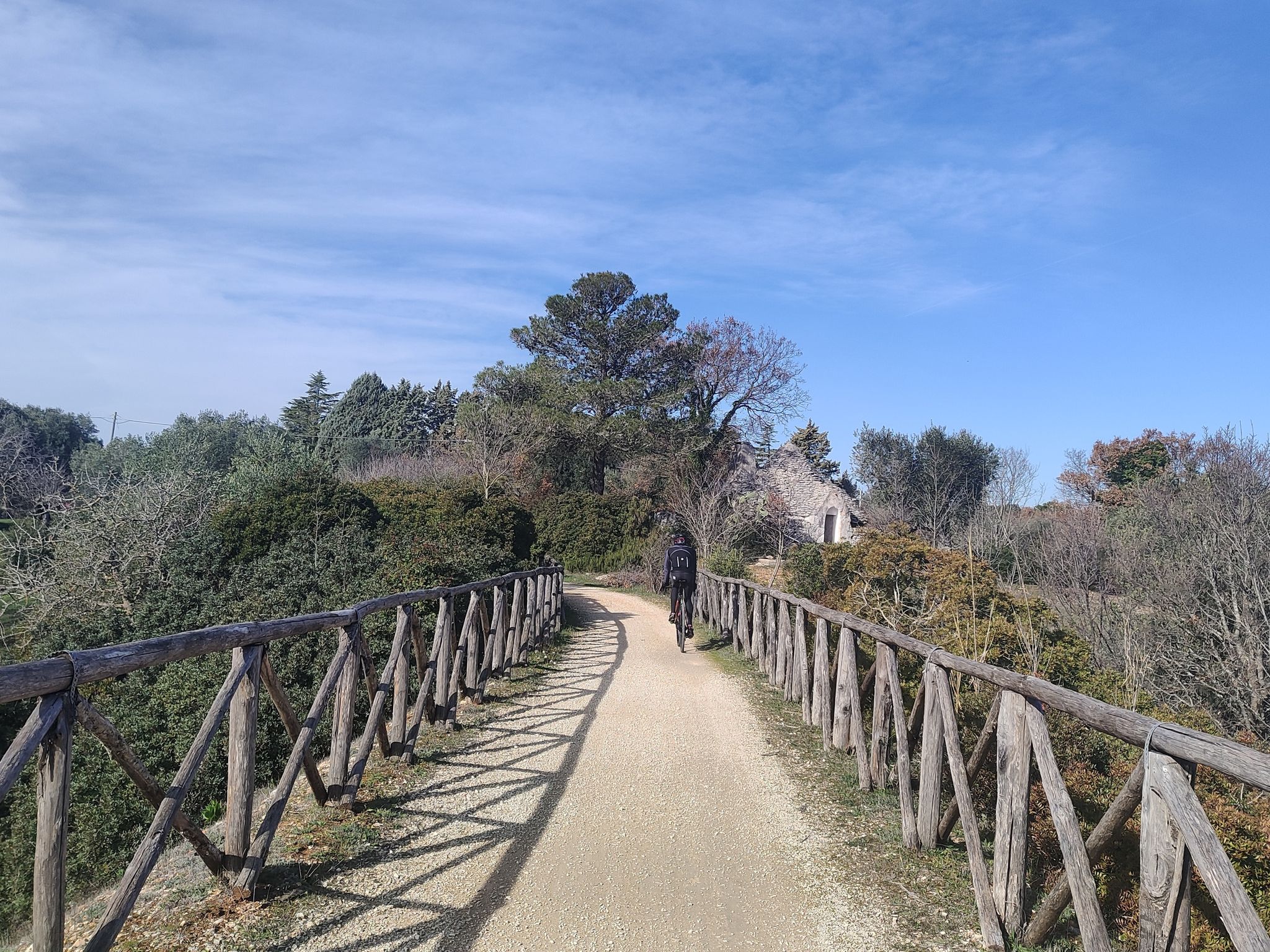
Ciclovia Anello d'oro di Puglia - Viaggio nella Puglia profonda
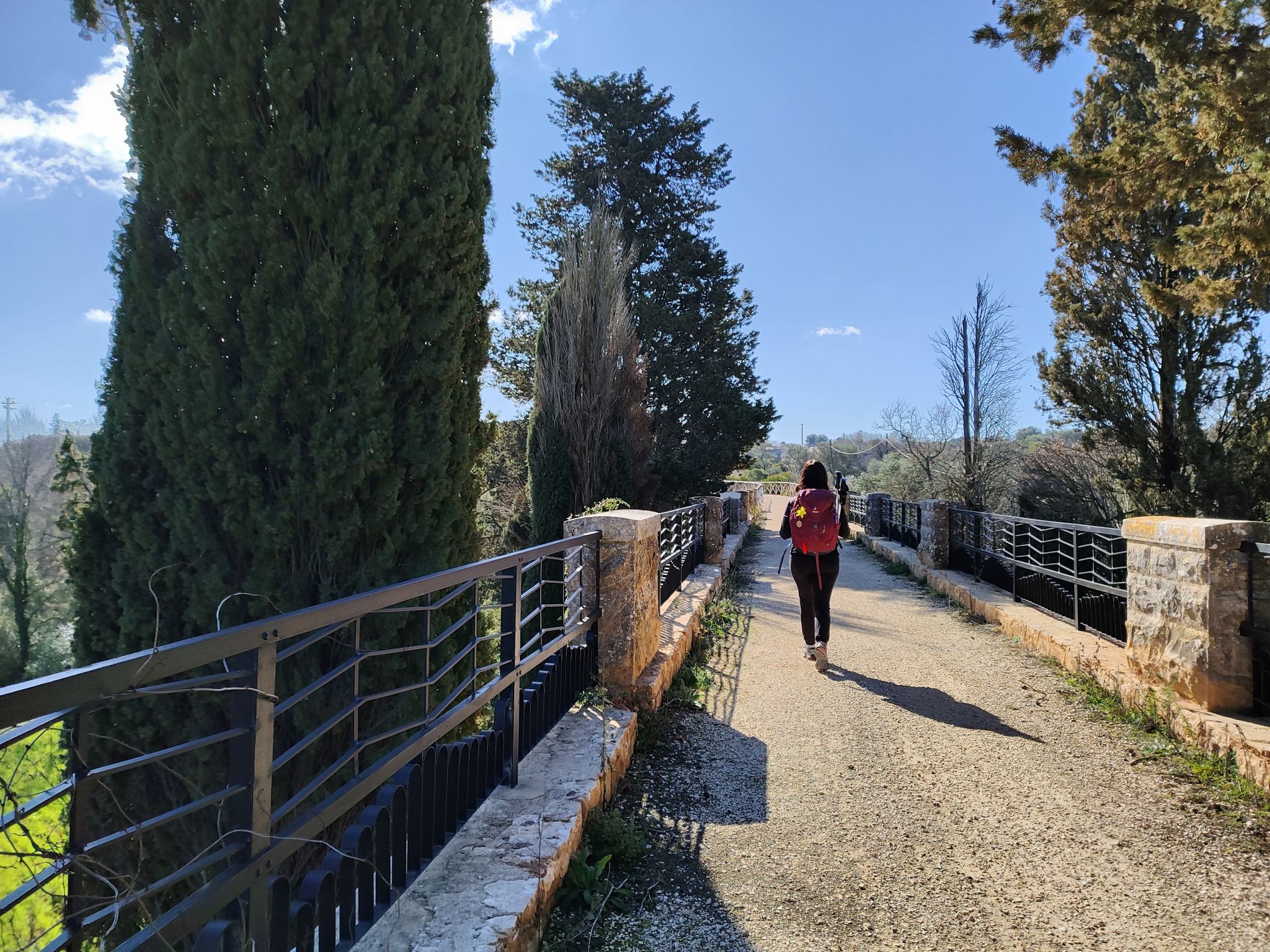
Anello d'oro di Puglia - Trekking nella Puglia profonda
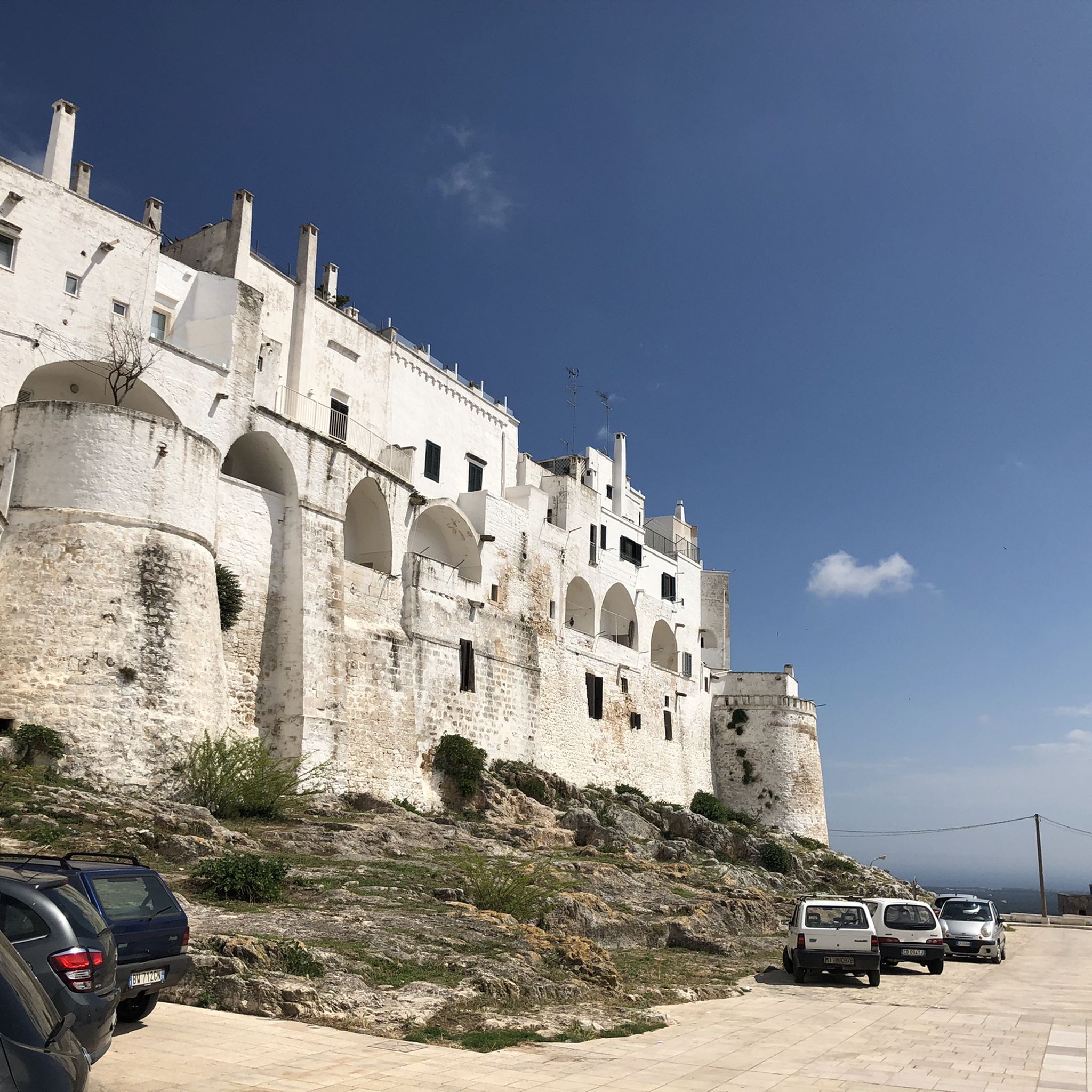
Hiking around Ostuni
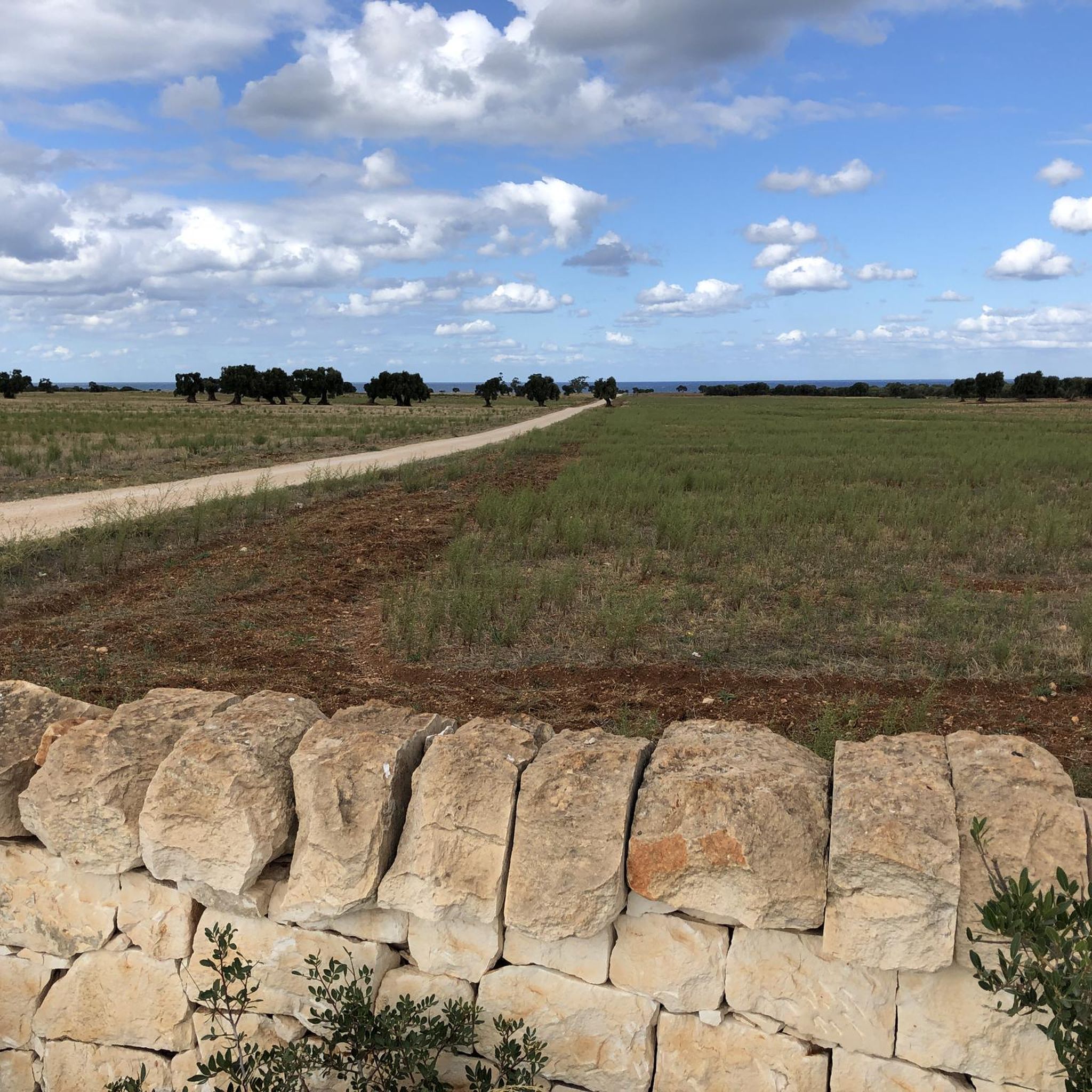
Road Cycling Routes around Ostuni
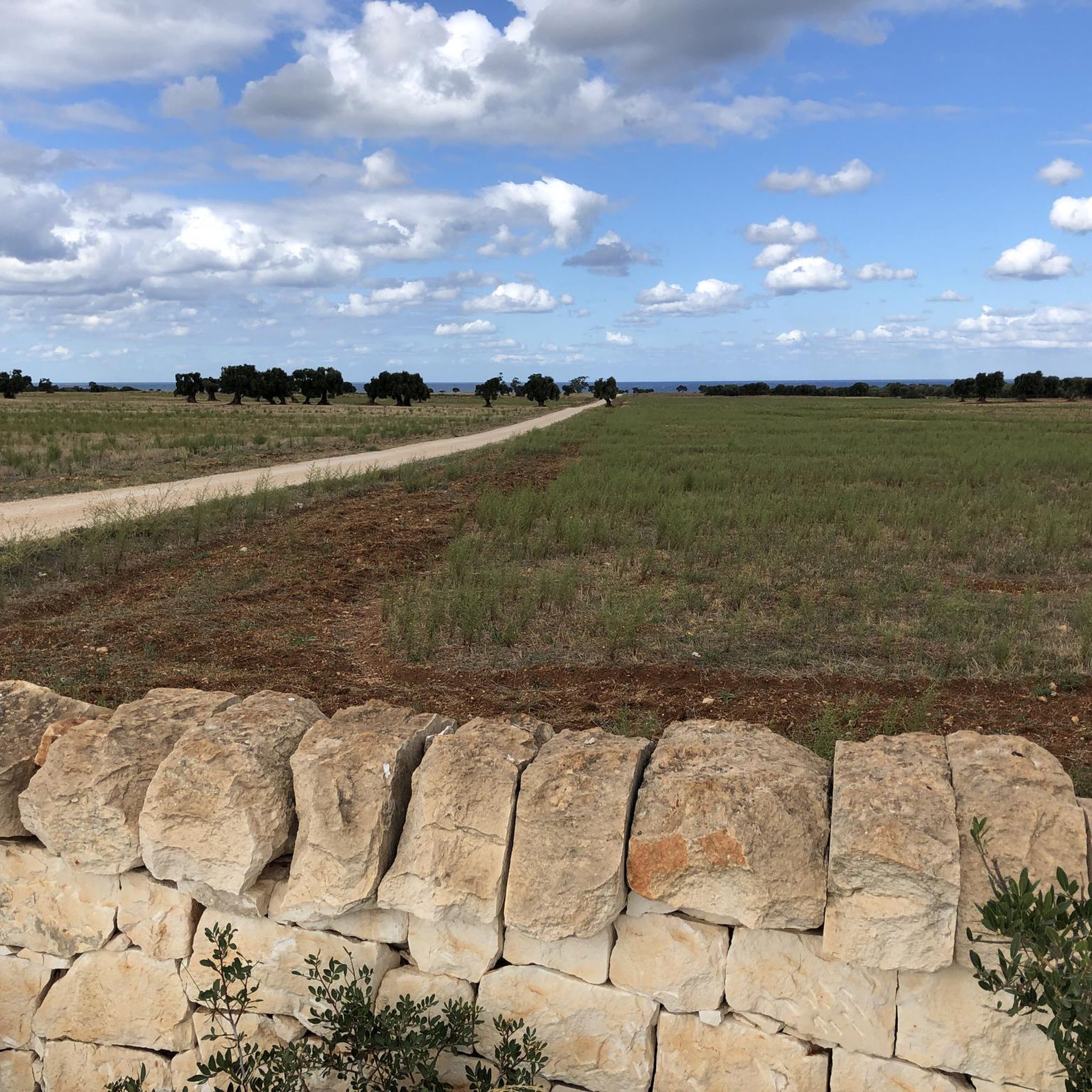
Cycling around Ostuni
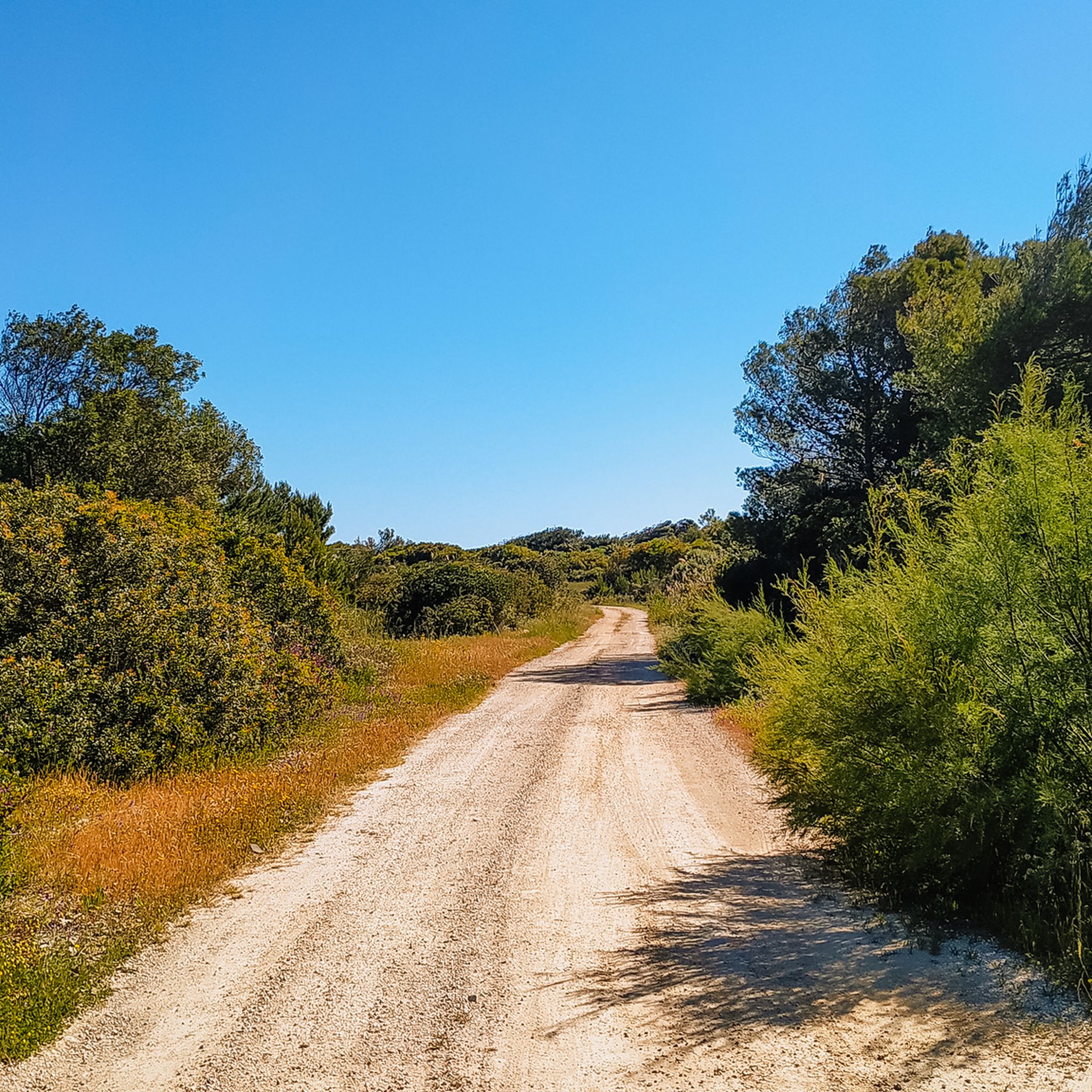
MTB Trails around Ostuni
Running Trails around Ostuni

Gravel biking around Ostuni
Other adventures around Ostuni


Tips from the Community

The "Donna di Ostuni" is the 28,000-year-old skeleton of a Paleolithic woman, approximately 20 years old, found in the Santa Maria di Agnano cave near Ostuni. The "world's oldest human mother" died in late pregnancy, her fetus in the 8th or 9th month. The skeleton is on display at the Museum of Preclassic Civilizations of the Southern Murgia (Museo di Civiltà Preclassiche della Murgia Meridionale) in Ostuni.
0
0

A stroll along the seafront in the center of the Villanova marina
1
0

In 1278 the walls of Villanova were built, and about 20 years later the castle was built by the Angevins, who took over the domination of Ostuni from the Swabian-Normans, who were responsible for the intensification of olive cultivation. From surviving documents, demonstrating its strategic importance, it appears that around the 15th century the castle was a fully active defensive structure. In fact, the city of Ostuni under Aragonese domination, thanks also to the castle and the small port of Villanova, managed to maintain the status of a state city, therefore free from feudal duties. Due to the various destructions over time, little remains of the original 14th-century construction. Currently the castle is made up of three bodies that act as square towers with a sloped base. Around the building, at the height of the first floor, runs a tubular torus and from the roof of the building rises a turret modeled on the prototype of a lighthouse. Ref. https://fondoambiente.it/luoghi/castello-del-porto-turistico-di-villanova-ostuni
4
0
it is a tourist port protected by two piers: the eastern pier 70 m long with quayside and bollards and the western pier 280 m long. Inside the dock there are some docks reserved for pleasure boats
4
0
The 12th century church of San Biagio in Rialbo opens onto a natural cave. It is best to reach it from the Strada dei Colli rather than from the valley if you are a beginner MTB rider.
1
0

The Sanctuary of San Biagio in Ostuni is located in one of the most beautiful natural contexts in the province of Brindisi. Whether you reach the church from the top of the hill or go up the hill from the plain, the route is immersed in lush nature and characterized by stone artefacts which, due to their form and functions, bear witness to settlements from various eras. On February 3, however, the day on which the Saint is celebrated, the pilgrims' route is usually the easiest for everyone. Arriving from the panoramic Strada dei Colli you will find a sign with the indication. The path to reach the site is equally beautiful because it immerses you in the typical Murgia nature, rich in pastures and Mediterranean scrub shrubs. Before going down to the church, here comes the boundless view of the Piana degli Ulivi centenaries, in the area occupied by the Parco delle Dune Costiere. From here, if the sky is clear, the Adriatic Sea appears an intense turquoise. At this point a narrow descent p
2
0

Nice ride even on rocks and beaches
0
0

The Archaeological Park of Santa Maria di Agnano is an area of 13 hectares near Ostuni, where there is a cave used for female rituals and cults for 30,000 years. Two Paleolithic burials have been discovered here, including the famous woman of Ostuni, a pregnant woman from 27,000 years ago. In the Park there are also evidences of the Neolithic, the Bronze Age, the Messapians and the Christians.
0
0
Frequently Asked Questions
What historical and archaeological caves can I visit near Ostuni?
Near Ostuni, you can explore several significant historical and archaeological sites. The Santa Maria di Agnano Archaeological Park features a cave used for female rituals and cults for 30,000 years, where the famous 'Woman of Ostuni' was discovered. Another notable site is Lamacornola Rock Settlement and Caves, offering a journey through ancient communities that lived in rock-cut dwellings and oil mills. Additionally, the Rock Church Sanctuary of San Biagio is a 12th-century rock church nestled in a rocky ridge, providing an atmospheric historical experience.
Are there any natural karst caves to explore near Ostuni?
Yes, the wider Puglia region, accessible from Ostuni, boasts spectacular natural karst formations. The most prominent are the Grotte di Castellana, located about 40 km away. These caves are one of Italy's most remarkable systems, featuring dramatic stalactites, stalagmites, and unique rock formations like the dazzling White Cave (Grotta Bianca). For those with caving experience, Grotta di Sant'Angelo and Grotta Zaccaria near Ostuni offer authentic underground exploration.
How far are the Grotte di Castellana from Ostuni, and what makes them special?
The Grotte di Castellana are approximately 40 km from Ostuni. They are special due to their immense scale, stretching over 3 kilometers and reaching depths of more than 120 meters. Formed over 90 million years ago, they showcase spectacular geological formations, including the famous White Cave (Grotta Bianca), known for its pure white alabaster formations. Guided tours are available, offering a journey through millions of years of natural history.
Are there any family-friendly cave experiences around Ostuni?
While specific 'family-friendly' categories for caves are not always explicit, sites like the Santa Maria di Agnano Archaeological Park offer an educational experience suitable for families interested in history and archaeology. The Grotte di Castellana also provide guided tours that are generally accessible and engaging for various age groups, showcasing impressive natural wonders in a controlled environment.
What kind of difficulty can I expect when exploring caves near Ostuni?
The difficulty varies significantly. Sites like the Santa Maria di Agnano Archaeological Park and Rock Church Sanctuary of San Biagio are generally accessible, though some paths may be intermediate. For natural caves like Grotta di Sant'Angelo and Grotta Zaccaria, they are primarily for those with speleology experience, requiring basic caving equipment. The Grotte di Castellana offer guided tours with established paths, making them accessible to most visitors.
Can I combine a cave visit with other outdoor activities near Ostuni?
Absolutely. The area around Ostuni offers various outdoor activities. For example, you can find numerous MTB trails, running trails, and cycling routes that pass near or through areas with caves and historical sites. Some routes, like those incorporating the Rock Church Sanctuary of San Biagio, offer a mix of natural beauty and historical exploration.
What is the Grotta Palazzese, and is it a traditional cave to explore?
The Grotta Palazzese, located in Polignano a Mare, is a unique sea cave famous for housing a high-end restaurant. While not a traditional cave for exploration in the speleological sense, it offers a breathtaking dining experience overlooking the Adriatic Sea. Boat tours from Polignano a Mare often include views of this and other sea caves, allowing for swimming in crystal-clear waters.
What is the 'Woman of Ostuni' and where can I learn more about her?
The 'Woman of Ostuni' refers to a 28,000-year-old skeleton of a Paleolithic woman, approximately 20 years old and in late pregnancy, discovered in the Santa Maria di Agnano Archaeological Park. Her remains, found with an elaborate funerary collection, are displayed at the Museum of Preclassic Civilizations of the Southern Murgia (Museo di Civiltà Preclassiche della Murgia Meridionale) in Ostuni, where you can learn more about this significant archaeological find.
Are there any rock-cut churches or sanctuaries in the caves around Ostuni?
Yes, the region is rich in rock-cut religious sites. The Rock Church Sanctuary of San Biagio is a 12th-century sanctuary carved into a rocky ridge. Another example is the Sanctuary and Rock Church of Maria Santissima di Belvedere, which features a sub-divo church and a system of natural caves arranged on two levels, containing frescoes and a shrine from the 15th and 16th centuries.
What do visitors enjoy most about the caves and rock settlements near Ostuni?
Visitors particularly enjoy the profound journey through history offered by sites like the Santa Maria di Agnano Archaeological Park, appreciating the glimpse into ancient rituals and early inhabitants. The atmospheric settings of rock churches such as the Rock Church Sanctuary of San Biagio are also highly valued. For natural caves, the sheer spectacle and geological wonders of places like the Grotte di Castellana are a major draw.
What is the typical internal temperature of the Grotte di Castellana?
The internal temperature within the Grotte di Castellana remains consistently around 16-18°C (61-64°F) throughout the year, making it a cool escape in summer and a relatively mild environment in cooler months.
Most popular attractions around Ostuni

Get inspired with the komoot mobile app


Explore more
Extend your search for the best caves by checking out these guides of the top ones around Ostuni:
