Top 6 Castles around Piombino Dese
Best castles around Piombino Dese offer a journey through the historical landscape of the Veneto region. This area, situated in the Venetian countryside, is characterized by its flat plains and waterways. While known for its elegant Venetian villas, Piombino Dese and its surroundings also feature several historical fortified structures. These sites provide insights into the region's past, from medieval defenses to later adaptations.
Best castles around Piombino Dese
- The most popular castles is Stigliano Castle, a castle that originated…
Last updated: November 13, 2026
Castelfranco Veneto Castle
Highlight • Castle
Translated by Google •
Tip by

Stigliano Castle
Highlight • Castle
Over the centuries the complex passed through the hands of various owners. …
Translated by Google •
Tip by

Sign up now to discover places like this
Get recommendations on the best single tracks, peaks, & plenty of other exciting outdoor places.
Tempesta Fortress, Noale
Highlight • Castle
Showing Translation
Tip by

Historic Center of Noale
Highlight • Historical Site
Showing Translation
Tip by

Noale
Highlight • Castle
The fortress is presumed to date back to the 12th century and was the residence of the Tempesta, Lords of Noale.
Translated by Google •
Tip by

Sign up for free to discover even more castles around Piombino Dese.
Already have an account?
Start today with a free account
Your next adventure awaits.

Tips from the Community

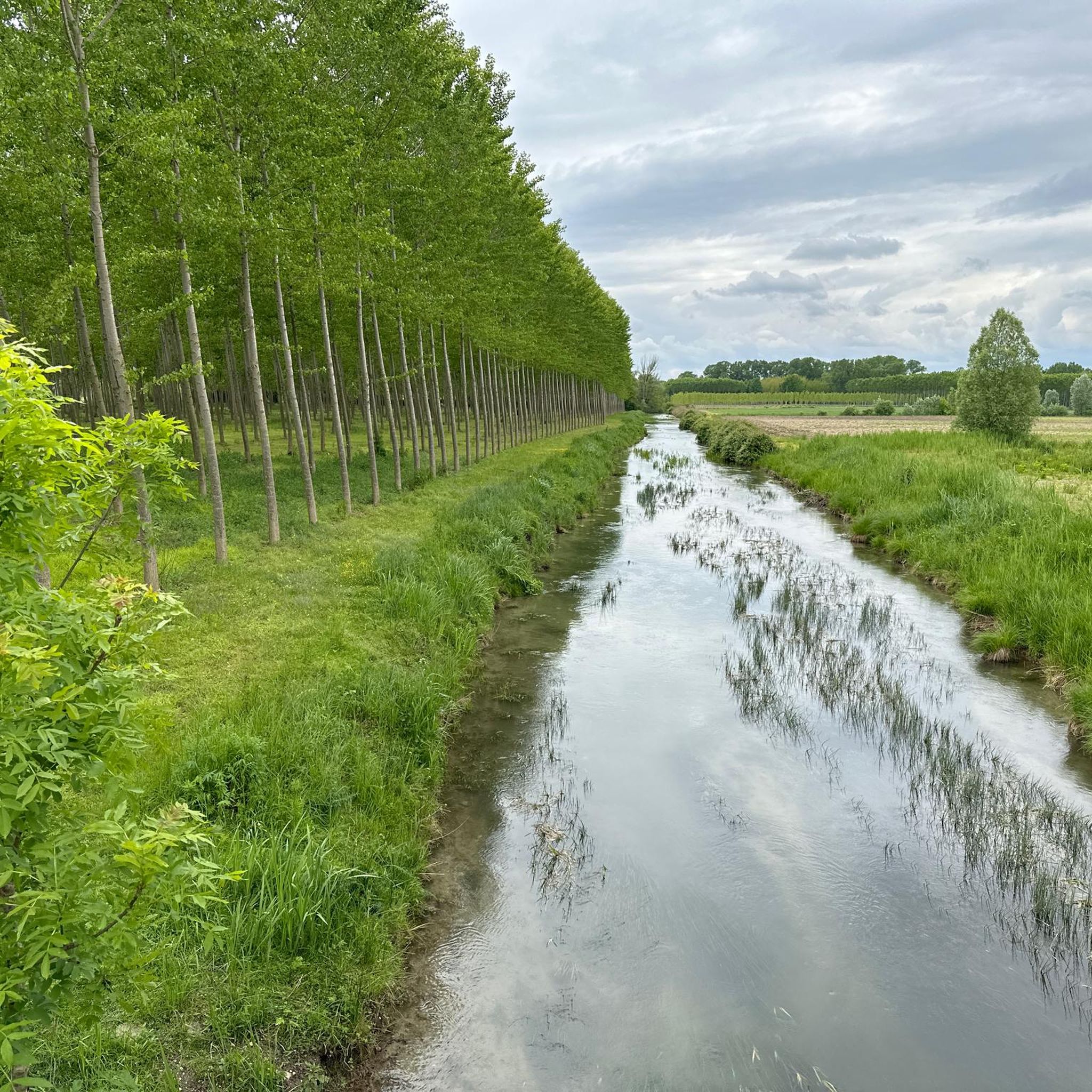
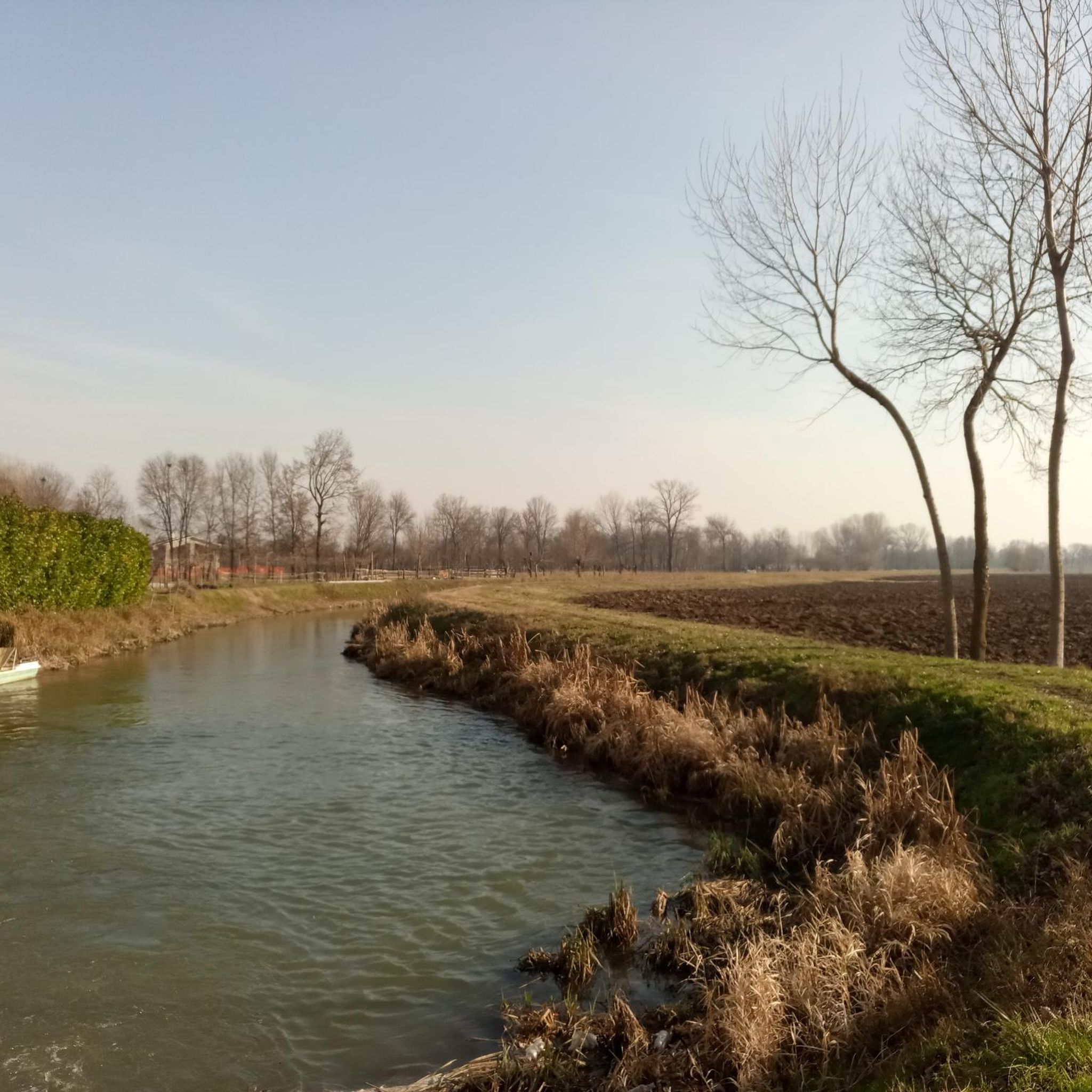
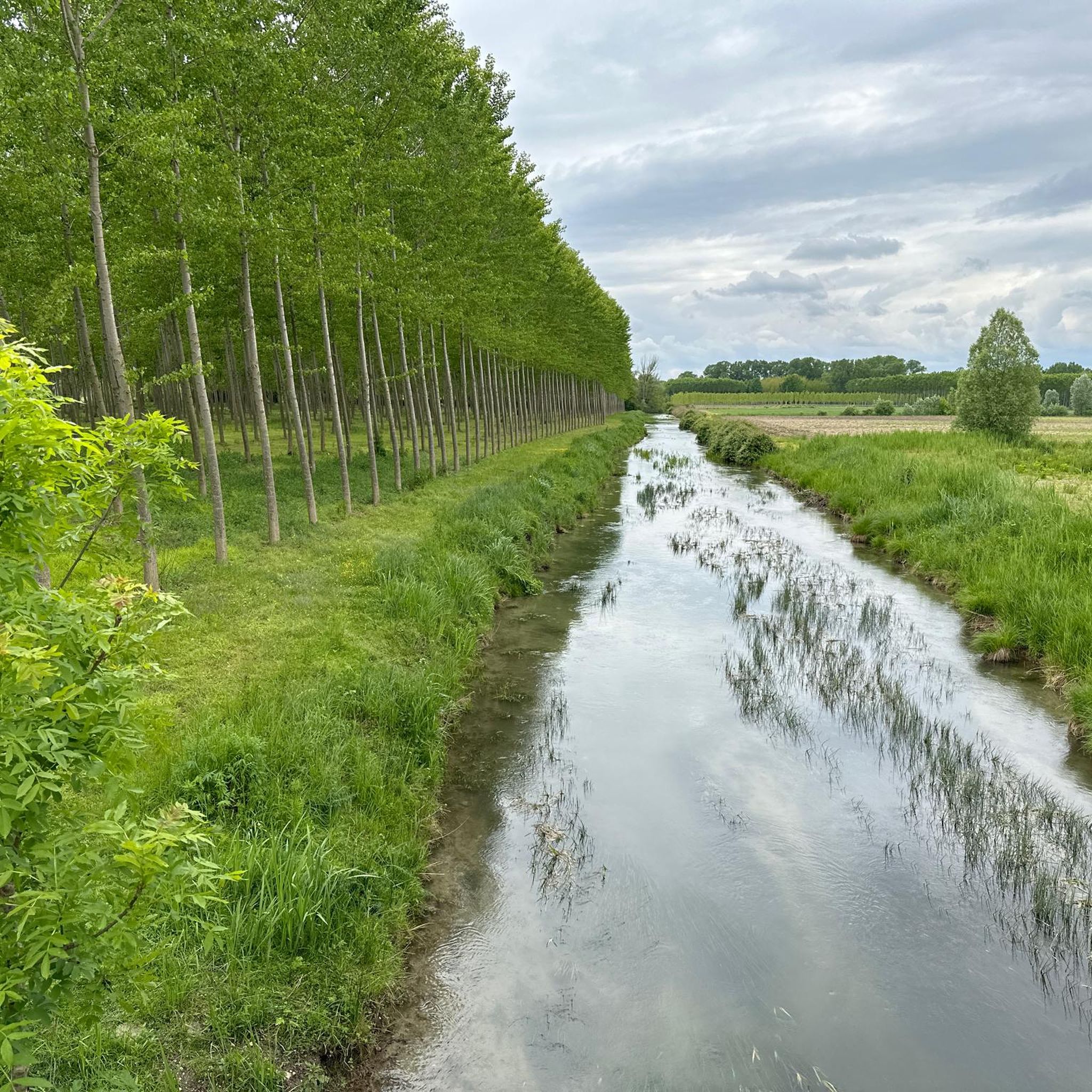
The historic center of Noale preserves the charm of an ancient fortified village, dominated by the remains of the Rocca dei Tempesta and surrounded by the waters of the Marzenego river. Strolling through the streets of the center, you will encounter historic buildings, arcades, and views of the waterway, in a landscape where medieval history intertwines with the daily life of the town.
1
0

La Rocca dei Tempesta is the monumental heart of Noale and one of the most fascinating medieval defensive structures in the Veneto. Built in the 12th century at the behest of the Tempesta family, the fortress stood on a strategic area, protected by an ingenious system of moats fed by the waters of the Marzenego river. The imposing brick structure, of which the majestic perimeter walls and corner towers remain today, retains the charm of a lowland castle. Although the interior is now a suggestive green meadow used for historical re-enactments such as the Palio, the remains still allow us to read the original layout of the noble residence. The Rocca represents a symbol of power and resistance, offering a unique setting where nature intertwines harmoniously with ancient medieval vestiges.
1
0


The medieval fortress of Stigliano was first mentioned in 1152 as a feudal property of the Bishop of Treviso. However, its origins may date back to Roman times due to its location in the "graticolato" area. In 1158, it was entrusted to the Tempesta family of Noale and then to the Teutonic Knight Aldobrandino da Superno. Built in a strategic position, alongside the Muson dei Sassi stream, it marked the border between the territories of Padua and Treviso. Therefore, it was the scene of numerous brutal battles until the end of the fourteenth century. It was here, however, that the disputes between the Carraresi and the Serenissima Republic of Venice began. It was the Venetians who finally conquered it in 1520, when it was sold to the Priuli family, who transformed it into a typical Venetian villa of the time. The entire complex then became the property of the Venier family, who further renovated it. Today, only the northeast corner tower remains of the original castle.
1
0

Good Beers Outside the Walls
0
0

Castelfranco is a town with a beautiful historic center with crenellated walls, unfortunately not passable. It is known for being the birthplace of the painter Giorgione, of whom it is possible to admire a palace altarpiece kept in the Cathedral.
0
0

Castelfranco Veneto beautiful walled village
1
0

The origins of the castle date back to Roman times, when the building was used as a fortification. Over the centuries the complex passed through the hands of various owners. In 1152 to the bishop of Treviso, from 1158 the Tempesta family were vassals and in January 1220, Count Guido ceded the rights to Aldevrandino da Superno. Built in a strategic position, on the border between the territories of Treviso and Padua, it was the scene of numerous battles. Conquered definitively by the Venetians in the seventeenth century, the complex passed to the Venier family who carried out renovations. After a long period of abandonment, recently, thanks to the renovation work by Paolo Bertan, the building has undergone further adaptations to be adapted into an accommodation facility https://www.villeveneteforyou.com/castelli/castello-di-stigliano/
2
0
Frequently Asked Questions
What are the most popular castles to visit around Piombino Dese?
Among the most popular castles in the area, you'll find Stigliano Castle, which originated in Roman times and was later adapted into a stately palace. Another highly regarded site is Castelfranco Veneto Castle, a walled city with well-preserved defenses. The Tempesta Fortress in Noale is also a significant historical landmark.
Are there family-friendly castles in the Piombino Dese area?
Yes, several castles around Piombino Dese are considered family-friendly. Castelfranco Veneto Castle, Stigliano Castle, and Tempesta Fortress in Noale are all listed as suitable for families. Additionally, Tiso Palace and La Rocca Civic Tower, and Noale Castle Gate also welcome families.
What kind of historical significance do the castles around Piombino Dese have?
The castles in this region offer a rich tapestry of history. For example, Stigliano Castle has Roman origins and was a strategic fortification that evolved into a stately palace. The Tempesta Fortress in Noale dates back to the 12th century, serving as both a noble residence and a defensive stronghold. These sites reflect centuries of regional power struggles and architectural adaptations.
What outdoor activities can I do near the castles around Piombino Dese?
The flat plains and waterways of the Veneto region offer excellent opportunities for cycling. You can find numerous routes for touring bicycles, road cycling, and gravel biking. For instance, there are routes like the 'Via Muson – Sentiero d'Ezzelino loop' for cycling or the 'Tergola River – Park of Thoughts loop' for gravel biking. You can explore more options on the Cycling around Piombino Dese guide.
Are there specific cycling routes that pass by or near these castles?
Yes, the region is well-suited for cycling. While specific routes directly through every castle courtyard might not be available, many cycling paths, such as those mentioned in the Cycling around Piombino Dese guide, will take you through the scenic countryside where these historical sites are located. You can plan routes that include stops at places like Castelfranco Veneto, which is a walled city easily accessible by bike.
What is the best time of year to visit the castles around Piombino Dese?
The Veneto region generally enjoys pleasant weather from spring (April-May) through early autumn (September-October), making these months ideal for visiting castles. The temperatures are mild, and the landscape is vibrant. Summer can be warm, but still suitable for exploration, especially in the mornings or late afternoons.
Can I find places to eat or drink near these castles?
Yes, many of the towns hosting these castles offer amenities. For example, Castelfranco Veneto Castle is located within a vibrant old town with many clubs and restaurants just outside its walls. Stigliano Castle itself has been adapted to include an accommodation facility, which often means dining options are available on-site or nearby. Noale, home to the Tempesta Fortress, is also described as a pretty town with bars and restaurants.
What do visitors enjoy most about the castles in this region?
Visitors appreciate the rich history and well-preserved architecture of these sites. The imposing city walls of Castelfranco Veneto Castle are a particular highlight, as are the tales of medieval grandeur at Tempesta Fortress. The transformation of ancient fortifications into stately palaces, like Stigliano Castle, also offers a unique historical perspective.
Are there any less-known or 'hidden gem' castles worth exploring?
While the guide focuses on prominent historical sites, the region's history of fortified structures means there are many smaller, less-publicized historical buildings. Tiso Palace and La Rocca Civic Tower, for instance, is a municipal seat that was once part of a medieval castle dating back to 1085, offering a glimpse into local feudal history.
How can I reach the castles around Piombino Dese by public transport?
Public transport options vary by specific castle. Larger towns like Castelfranco Veneto are typically well-connected by regional trains and buses. For smaller, more rural locations like Stigliano or Noale, bus services might be available, but often less frequent. It's advisable to check local bus schedules (e.g., ACTV for Venice metropolitan area) or train routes (Trenitalia) for the specific castle you plan to visit.
Is parking available at the castles?
For castles located within towns, such as Castelfranco Veneto Castle or the Tempesta Fortress in Noale, you will typically find public parking lots within walking distance of the historical centers. For more rural castles like Stigliano Castle, dedicated parking might be available on-site, especially if it operates as an accommodation facility. Always check specific venue information for the most accurate parking details.
Are there any castles with unique architectural features?
Yes, the castles in this area showcase diverse architectural styles. Castelfranco Veneto Castle is renowned for its remarkably preserved city walls. Stigliano Castle, originally a Roman fortification, later transformed into a Venetian villa, demonstrating centuries of architectural evolution. The Tempesta Fortress in Noale stands out with its imposing towers and sturdy medieval walls.
Most popular routes around Piombino Dese
Most popular attractions around Piombino Dese

Get inspired with the komoot mobile app


Explore more
Looking for the best castles somewhere else? Discover other guides around Piombino Dese:
