Top 6 Castles around Massanzago
Best castles around Massanzago are found in the broader Province of Padua, offering a rich historical landscape. While Massanzago itself is known for historical sites, the surrounding region features several significant castles. This area provides a blend of cultural heritage and natural settings, making it suitable for exploration. Visitors can discover 6 castles around Massanzago, each with unique architectural and historical significance.
Best castles around Massanzago
- The most popular castles is Stigliano Castle, a castle that originated in Roman…
Last updated: November 13, 2026
Stigliano Castle
Highlight • Castle
Over the centuries the complex passed through the hands of various owners. …
Translated by Google •
Tip by

Tempesta Fortress, Noale
Highlight • Castle
Showing Translation
Tip by

Sign up now to discover places like this
Get recommendations on the best single tracks, peaks, & plenty of other exciting outdoor places.
Historic Center of Noale
Highlight • Historical Site
Showing Translation
Tip by

Noale
Highlight • Castle
The fortress is presumed to date back to the 12th century and was the residence of the Tempesta, Lords of Noale.
Translated by Google •
Tip by

Tiso Palace and La Rocca Civic Tower
Highlight • Castle
The building dates …
Translated by Google •
Tip by

Sign up for free to discover even more castles around Massanzago.
Already have an account?
Start today with a free account
Your next adventure awaits.

Tips from the Community

The historic center of Noale preserves the charm of an ancient fortified village, dominated by the remains of the Rocca dei Tempesta and surrounded by the waters of the Marzenego river. Strolling through the streets of the center, you will encounter historic buildings, arcades, and views of the waterway, in a landscape where medieval history intertwines with the daily life of the town.
1
0

La Rocca dei Tempesta is the monumental heart of Noale and one of the most fascinating medieval defensive structures in the Veneto. Built in the 12th century at the behest of the Tempesta family, the fortress stood on a strategic area, protected by an ingenious system of moats fed by the waters of the Marzenego river. The imposing brick structure, of which the majestic perimeter walls and corner towers remain today, retains the charm of a lowland castle. Although the interior is now a suggestive green meadow used for historical re-enactments such as the Palio, the remains still allow us to read the original layout of the noble residence. The Rocca represents a symbol of power and resistance, offering a unique setting where nature intertwines harmoniously with ancient medieval vestiges.
1
0


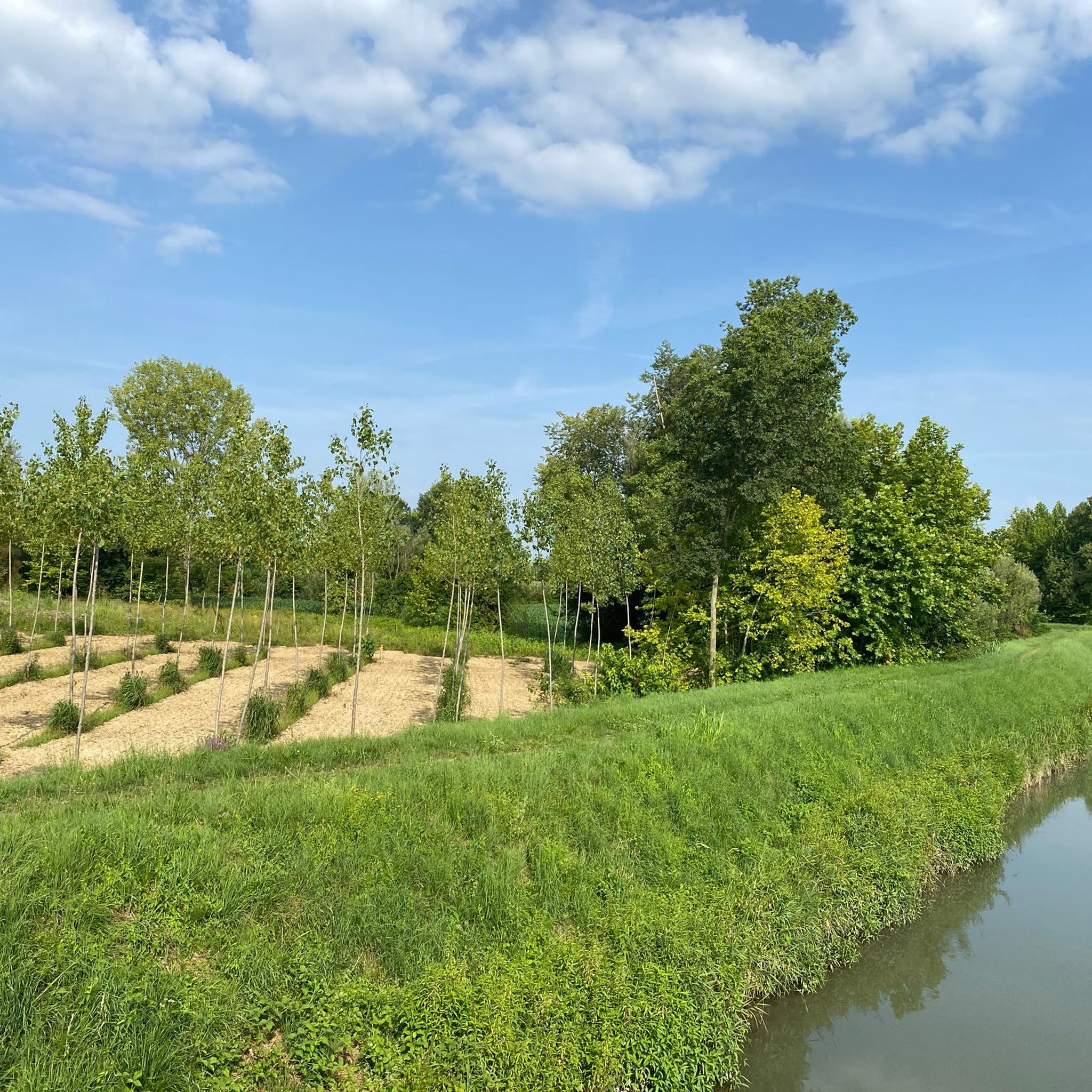
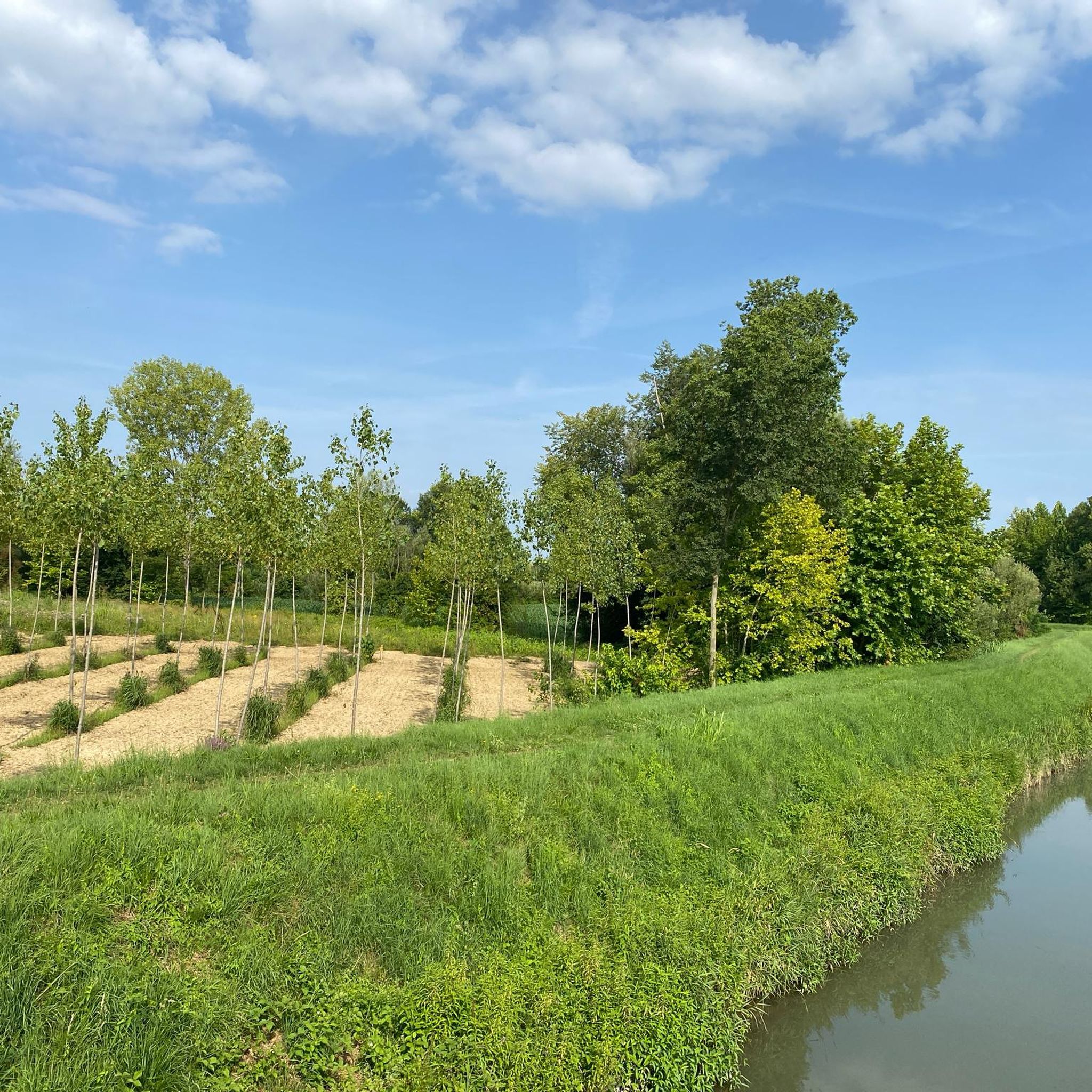
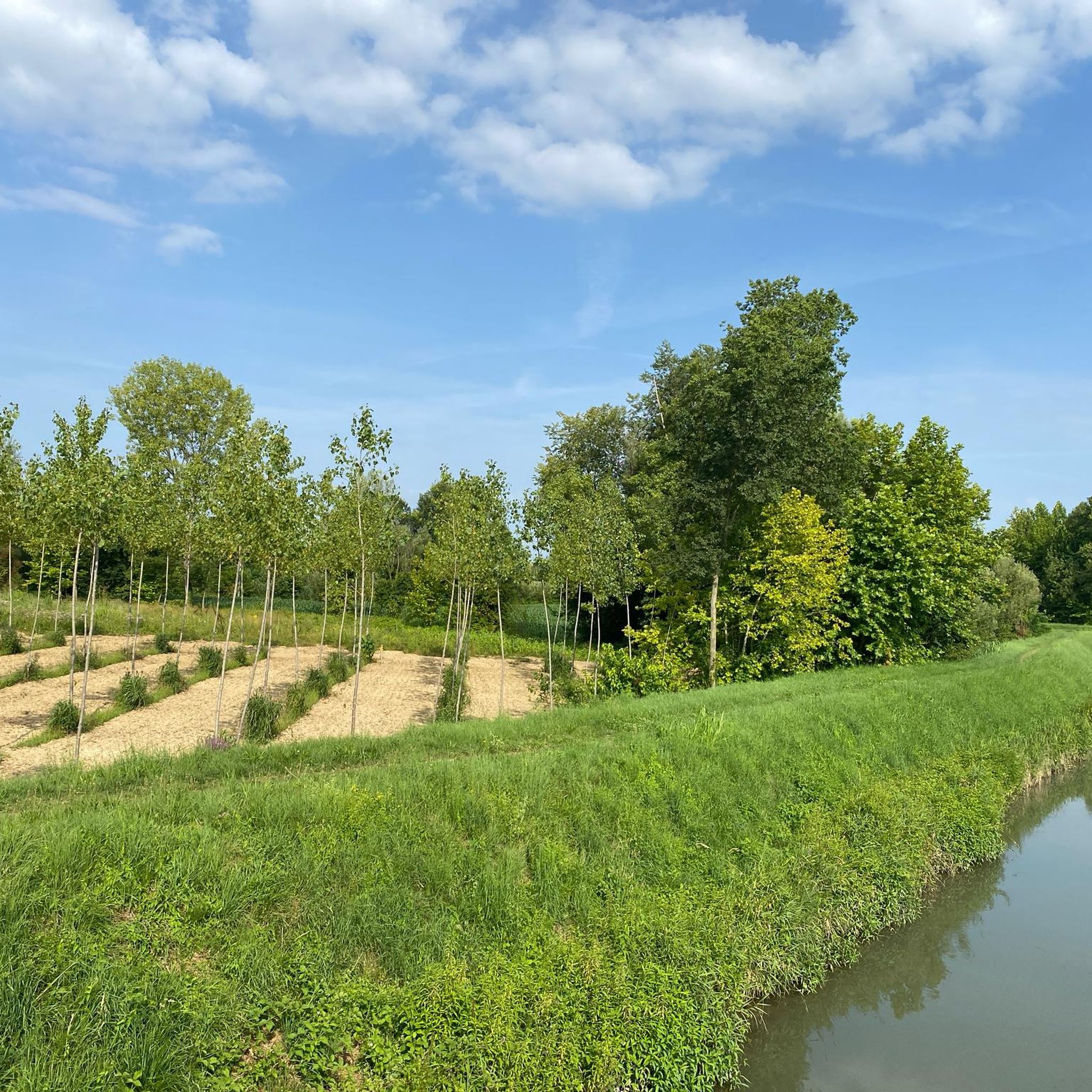
The medieval fortress of Stigliano was first mentioned in 1152 as a feudal property of the Bishop of Treviso. However, its origins may date back to Roman times due to its location in the "graticolato" area. In 1158, it was entrusted to the Tempesta family of Noale and then to the Teutonic Knight Aldobrandino da Superno. Built in a strategic position, alongside the Muson dei Sassi stream, it marked the border between the territories of Padua and Treviso. Therefore, it was the scene of numerous brutal battles until the end of the fourteenth century. It was here, however, that the disputes between the Carraresi and the Serenissima Republic of Venice began. It was the Venetians who finally conquered it in 1520, when it was sold to the Priuli family, who transformed it into a typical Venetian villa of the time. The entire complex then became the property of the Venier family, who further renovated it. Today, only the northeast corner tower remains of the original castle.
1
0

The origins of the castle date back to Roman times, when the building was used as a fortification. Over the centuries the complex passed through the hands of various owners. In 1152 to the bishop of Treviso, from 1158 the Tempesta family were vassals and in January 1220, Count Guido ceded the rights to Aldevrandino da Superno. Built in a strategic position, on the border between the territories of Treviso and Padua, it was the scene of numerous battles. Conquered definitively by the Venetians in the seventeenth century, the complex passed to the Venier family who carried out renovations. After a long period of abandonment, recently, thanks to the renovation work by Paolo Bertan, the building has undergone further adaptations to be adapted into an accommodation facility https://www.villeveneteforyou.com/castelli/castello-di-stigliano/
2
0

Rocca dei Tempesta in Noale, a formidable presence in the Venetian landscape, whispers tales of medieval grandeur and strategic prowess. Perched proudly in the heart of Noale, this fortress is a living testament to the historical tapestry of the region. Constructed in the 12th century, the Rocca bears witness to the ebb and flow of centuries, embodying the resilience of bygone eras. Its imposing towers and sturdy walls served both as a noble residence and a defensive stronghold, playing a vital role in the intricate dance of power and politics.
2
0


Today Palazzo Tiso is the seat of the municipality. Once it was the residence of the feudal lords and an integral part of a fortified medieval castle. The building dates back to 1085. At its side stands the tower, also from the medieval period, with a sundial.
2
0
Frequently Asked Questions
What castles can I visit in the Massanzago area?
While Massanzago itself does not host major castles, the surrounding Province of Padua offers several significant historical castles. Notable options include Stigliano Castle, Tempesta Fortress, Noale, and Tiso Palace and La Rocca Civic Tower. Further afield in the region, you can explore Catajo Castle, Monselice Castle, and San Pelagio Castle.
Are there family-friendly castles to visit near Massanzago?
Yes, several castles in the area are suitable for families. Stigliano Castle, Tempesta Fortress, Noale, and Tiso Palace and La Rocca Civic Tower are all categorized as family-friendly. Catajo Castle also offers an educational section for children and a large park.
Which castles are best for history enthusiasts?
History enthusiasts will appreciate the rich past of the castles in the region. Stigliano Castle has Roman origins and a history of various owners and battles. Tempesta Fortress, Noale, a 12th-century structure, served as both a noble residence and a defensive stronghold. Monselice Castle, originally a small fortress, was transformed by powerful families like Ezzelino III and the Carraresi.
What outdoor activities can I do near these castles?
The area around Massanzago offers various outdoor activities. You can find numerous cycling routes, such as the 'Access to the Mestre Woods – Martellago Lakes loop' or the 'Treviso Ostiglia Cycle Path'. For mountain biking, consider routes like 'Stigliano Castle – Todari Mill loop'. Running enthusiasts can explore trails like the 'Historic Center of Noale – Tempesta Fortress, Noale loop'. You can find more details on these routes in the Cycling around Massanzago, MTB Trails around Massanzago, and Running Trails around Massanzago guides.
Are there any castles with unique features or museums?
Yes, San Pelagio Castle (Villa Zaborra) near Due Carrare stands out with its Air and Space Museum, featuring over 300 models of airplanes, airships, and hot-air balloons. It also boasts beautiful gardens, including a secret garden and a collection of old English roses. Catajo Castle, while not a museum, is a monumental 16th-century building with 350 rooms, frescoed halls, and a 40-hectare park.
What is the historical significance of the castles in this region?
The castles around Massanzago and in the broader Province of Padua reflect centuries of regional history, from Roman fortifications to medieval strongholds and later transformations into stately villas. They played crucial roles in defense, commerce, and as residences for powerful families, witnessing numerous battles and political shifts, particularly between the territories of Treviso and Padua, and later with the Serenissima Republic of Venice.
Can I visit castle ruins or partially preserved castles?
Yes, you can explore sites with preserved elements or ruins. For instance, the Contrada del Gato and Castle Ruins in Noale offers a glimpse into the remains of a castle. Stigliano Castle, while adapted into an accommodation facility, still retains its northeast corner tower from the original medieval structure.
What do visitors enjoy most about the castles near Massanzago?
Visitors appreciate the blend of cultural heritage and natural settings. The historical significance, architectural styles, and the opportunity to explore ancient structures like the 12th-century Tempesta Fortress, Noale, are highly valued. The komoot community has shared 44 photos and given 125 upvotes, indicating a strong appreciation for these sites.
Are there any castles that were originally fortresses but later adapted?
Yes, Stigliano Castle originated as a Roman fortification and was later adapted into a Venetian villa. Similarly, the Castle of San Martino della Vaneza evolved from a defensive system to a commercial hub, with its tower once serving as a commander's residence. Monselice Castle, initially a small fortress, was transformed into a residence.
What is the best season to visit the castles around Massanzago?
While specific opening hours vary, the region generally enjoys pleasant weather in spring and autumn, making these seasons ideal for exploring historical sites and their surrounding parks. Summer can be warm, but many castles offer shaded areas or indoor exhibits. It's always advisable to check individual castle websites for specific seasonal operating hours.
Are there castles near Massanzago that are easily accessible by car with parking?
Many castles in the broader Padua province, including those mentioned in the region research like Catajo Castle, Monselice Castle, and San Pelagio Castle, typically offer parking facilities for visitors. For specific highlights like Tempesta Fortress, Noale, and Tiso Palace and La Rocca Civic Tower, they are located within towns that usually provide public parking options nearby.
How long does it typically take to visit a castle in this area?
The duration of a visit can vary significantly depending on the castle and your interest. For smaller sites or ruins like Contrada del Gato and Castle Ruins in Noale, a quick stop of 30 minutes to an hour might suffice. Larger castles like Catajo Castle or San Pelagio Castle with museums and extensive grounds could easily take 2-3 hours or more to explore thoroughly.
Most popular routes around Massanzago
Most popular attractions around Massanzago

Get inspired with the komoot mobile app


Explore more
Looking for the best castles somewhere else? Discover other guides around Massanzago:
