Top 12 Castles around Cordignano
Castles around Cordignano are primarily known for their historical ruins and strategic locations within the province of Treviso, Italy. The region features elevated positions, offering panoramic views of the surrounding landscape. These sites provide a tangible connection to Paleoveneto civilization, Roman times, and the medieval period, reflecting Cordignano's rich historical and artistic heritage. Visitors can explore historical sites near Cordignano Veneto that highlight the area's past as a significant defensive and commercial hub.
Best castles around Cordignano
- The most popular castles is Conegliano Castle, a castle that dominates the valley and houses a civic museum. Of the original complex, dating back to the 12th century, today only the Bell tower, part of the ancient cathedral, and part of the walls survive.
- Another must-see spot is Caneva Castle, a historical site with visible remains of walls and the church of Santa Lucia inside. Studies suggest that the castle was built on the remains of a Roman tower, dating back to 1034 AD.
- Visitors also love Ruins of Turris Nigra (Black Tower), ruins of an ancient pentagonal tower from the 5th-6th centuries. This historical site was a pinnacle of fortification built to control and defend the strategic passage of Serravalle and the Lapisina Valley.
- Cordignano is known for ancient ruins, medieval fortifications, and historical sites. Visitors can explore a variety of fortified houses Cordignano and surrounding areas have to offer, showcasing different historical periods.
- The castles around Cordignano are appreciated by the komoot community. More than 190 users have upvoted these highlights, and over 120 photos have been shared, showcasing the area's appeal.
Last updated: June 30, 2026
Conegliano Castle
Highlight • Castle
Translated by Google •
Tip by

Caneva Castle
Highlight • Castle
Translated by Google •
Tip by

Sign up now to discover places like this
Get recommendations on the best single tracks, peaks, & plenty of other exciting outdoor places.
Sign up for free
Castrum di Serravalle
Highlight • Castle
The first document attesting its presence dates back to 1170, under the effigy of the Colfosco-Da Camino. Starting from this period, up to 1400, various modifications were made to the fortified complex. In the 17th century the area lost importance and gradually the Castrum fell into disrepair, becoming a quarry for the recovery of building materials. In 1925 it was purchased by the engineer Trojer who for 10 years dedicated himself to the restoration and conservation improvement of the structure. Since 1935 it has belonged to the Marcantonio family.
Today the Castrum is a charming and elegant B & B for cultural activities and initiatives that revive its ancient walls. Just like in the past, when it was the hub of the city below.
castrumdiserravalle.it/it
Translated by Google •
Tip by

San Floriano Tower
Highlight • Castle
Translated by Google •
Tip by

Ruins of Turris Nigra (Black Tower)
Highlight • Historical Site
Tradition attributes the foundation of the castle and tower to a Gothic tyrant, King Manducco or Matrucco. Manducco's daughter was the future Saint Augusta, martyred by her father when he discovered her conversion to Christianity, whom he persecuted.
wiki.liceoflaminio.edu.it/index.php?title=Turris_nigra
undicigradi.com/serravalle.htm
Translated by Google •
Tip by

Sign up for free to discover even more castles around Cordignano.
Sign up for free
Already have an account?
Start today with a free account
Your next adventure awaits.
Login or Signup

Tips from the Community

Located on the summit of Colle di Giano, the Castle of Conegliano is the historical emblem of the city and a privileged sentinel over the Venetian plain. Of the ancient medieval complex, the strategic heart of the village since the 12th century, the Bell Tower stands out today, the only surviving element along with part of the walls and the Guard Tower. Inside, the Civic Museum houses a precious collection ranging from archaeological finds to important pictorial works. From the top of the tower, the view is breathtaking: on clear days, the gaze sweeps from the rooftops of the historic center, adorned by the frescoed facades of via XX Settembre, to the crests of the Prealps and the Prosecco vineyards. Reachable via charming cobbled streets or staircases immersed in greenery, the castle is not just a monument, but a meeting place where history blends with the beauty of the Treviso landscape.
0
0

Conegliano Castle dominates the city from its hilltop position. The first document mentioning it dates back to 1016 AD, but the structure reached its maximum extension in the fourteenth century, thanks to the influence of the Scaligeri and Carraresi rulers.
0
0
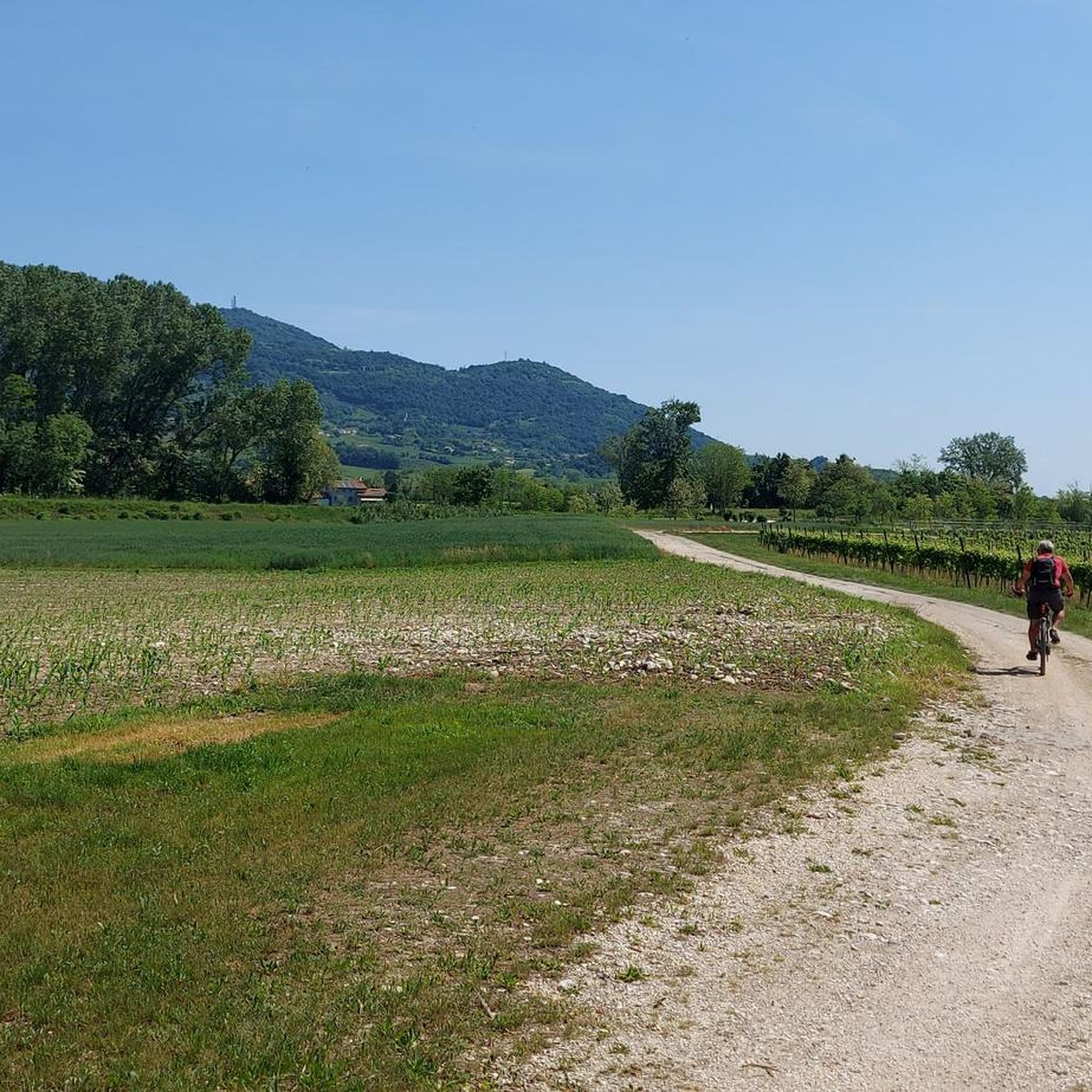
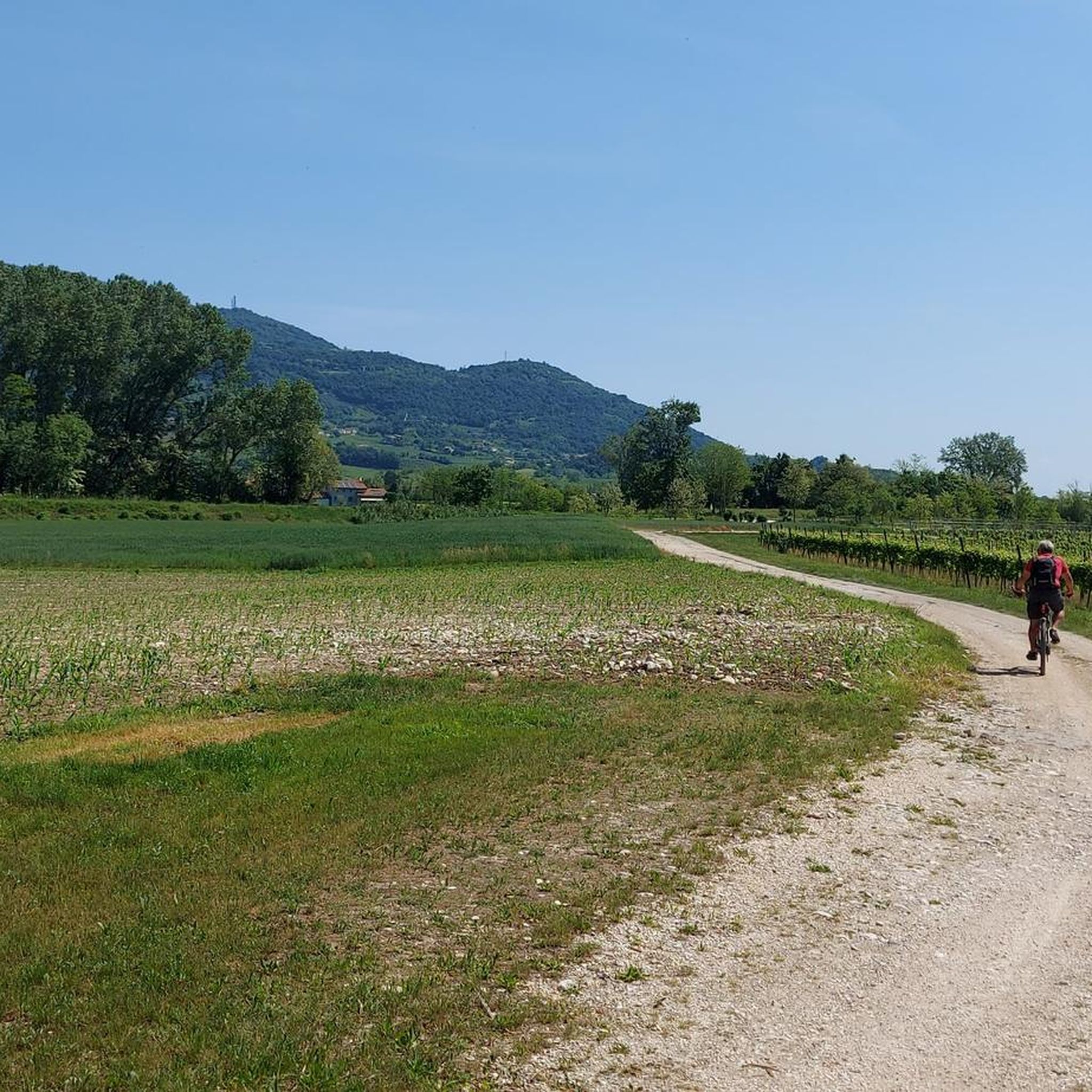
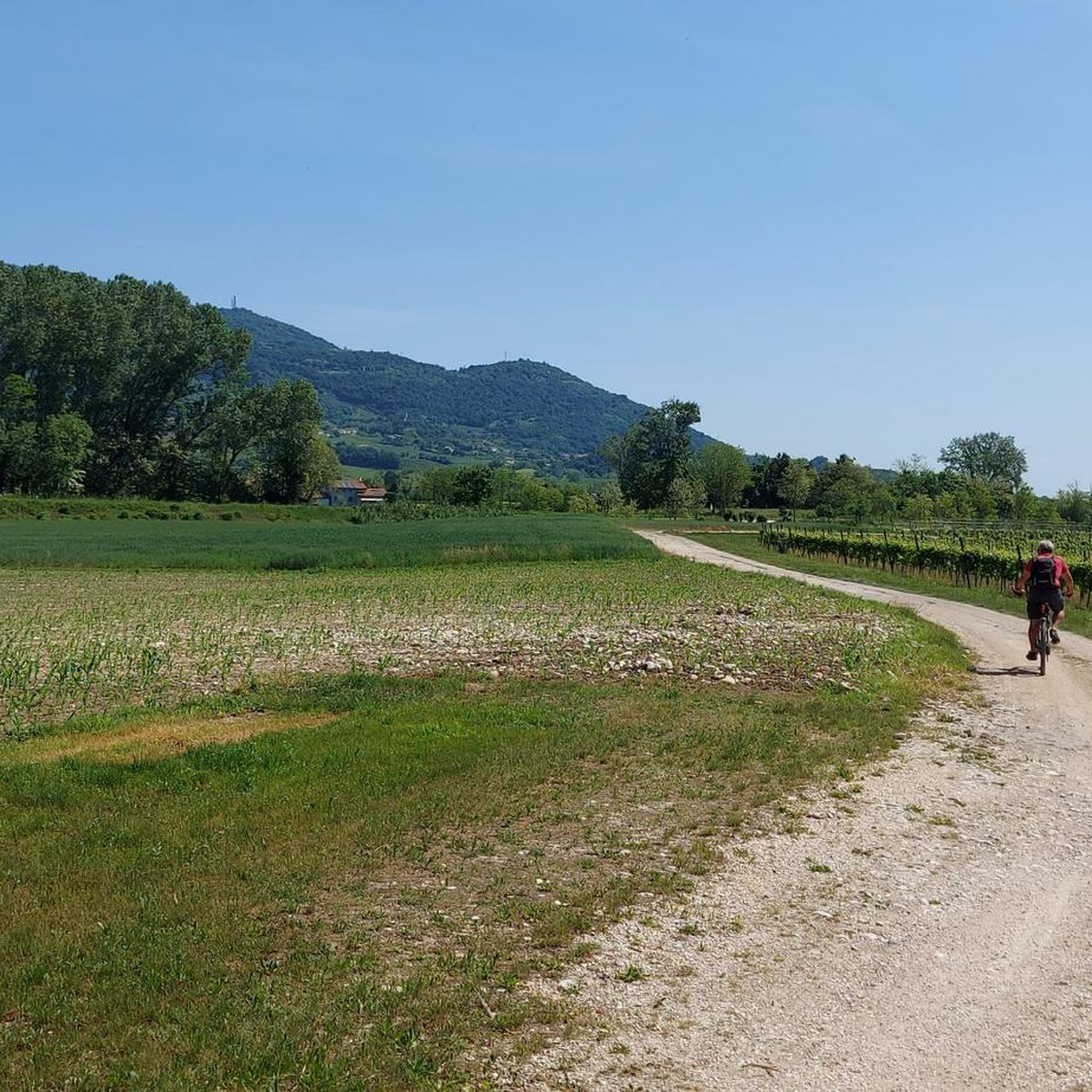
As I write this, the medieval day is underway at Caneva Castle. The area near the castle hosts food and wine stands. When I arrive by e-bike, preparations for the festival are in full swing.
0
0
The eleventh-century church of Santa Lucia, together with the bell tower and the walls, is what remains of the Caneva castle.
0
0
Caneva Castle dates back to 1034 AD. Studies suggest that the castle was built on the remains of a Roman tower. The remains of the walls are still visible, as is the church of Santa Lucia inside.
1
0

The internal square of the Castle
0
0

not very challenging route with some panoramic views.
0
0
Frequently Asked Questions
What kind of castles can I expect to see around Cordignano?
The castles around Cordignano are primarily historical ruins and strategic sites, rather than fully preserved structures. They offer a tangible connection to Paleoveneto civilization, Roman times, and the medieval period, showcasing the region's rich history. You'll find remains of walls, towers, and fortifications that highlight their past strategic importance.
Which castles are most popular with visitors?
Among the most popular are Conegliano Castle, which dominates the valley and houses a civic museum, and Caneva Castle, known for its visible wall remains and the church of Santa Lucia inside. Visitors also appreciate the Ruins of Turris Nigra (Black Tower), an ancient pentagonal tower that once defended the Serravalle passage.
Are there any family-friendly castles to visit near Cordignano?
Yes, Caneva Castle is considered family-friendly. Its historical significance and the surrounding area can be an engaging experience for all ages. The site offers a glimpse into medieval times with visible remains of walls and a church.
What historical significance do the castles in this region hold?
The castles around Cordignano, such as the ancient Castelir of Villa di Villa, have deep historical roots, with origins potentially dating back to the Bronze Age, Roman times, and the medieval period. They served as crucial defensive structures and strategic control points, reflecting the area's importance through various dominations. For instance, the Castelir was once a residence of the powerful Da Camino family.
What kind of views can I expect from these castle sites?
Many of these castle sites, like the Castelir of Villa di Villa and Conegliano Castle, are situated on elevated positions. This strategic placement offers panoramic views of the surrounding landscape, including the plains and valleys, highlighting their past role as defensive strongholds.
Are there opportunities for outdoor activities near the castles?
Yes, the area around Cordignano offers various outdoor activities. You can find numerous running trails, gravel biking routes, and MTB trails. Some routes, like those following the ancient 'Patriarch's Road,' combine historical exploration with physical activity.
What is the best way to experience Caneva Castle?
For a more immersive experience at Caneva Castle, consider taking the ancient dirt road from Fiaschetti (near the sports facilities) instead of the asphalted road from Caneva. This route takes you through vineyards and woods, offering a more suggestive approach to the castle, making it feel like you're stepping back into the Middle Ages.
Is there a castle that also serves as an accommodation or cultural center?
Yes, the Castrum di Serravalle, with its Roman origins and rich history, has been restored and now functions as a charming B&B and a venue for cultural activities. It continues to revive its ancient walls, much like it was a hub in the past.
What is the San Floriano Tower known for?
The San Floriano Tower is an ancient military tower that played a crucial role in monitoring and controlling traffic towards Cadore and further north. In the Middle Ages, it served as a guard system for the road to the Fadaltopass. It's also a suitable spot for a picnic at the gates of Vittorio Veneto.
What is the significance of the 'Patriarch's Road' in relation to these castles?
The ancient 'Patriarch's Road' was a significant commercial and military artery until the 1500s. The route to the Castelir of Villa di Villa follows this historical road, adding another layer of context to your visit and connecting the castle ruins to a broader historical network of trade and defense.
Are there any castles that house a museum?
Yes, Conegliano Castle, located on the Colle di Giano, houses a civic museum. This museum preserves valuable artworks, including pieces by Giambattista Pittoni and Palma il Giovane, offering a cultural dimension to your visit alongside the historical ruins.
What makes the Ruins of Turris Nigra (Black Tower) unique?
The Ruins of Turris Nigra (Black Tower) are unique as they represent an ancient pentagonal tower from the 5th-6th centuries. It was a pinnacle of fortification built to control and defend the strategic passage of Serravalle and the Lapisina Valley. Local tradition even attributes its foundation to a Gothic tyrant, King Manducco.
Most popular routes around Cordignano
Most popular attractions around Cordignano

Get inspired with the komoot mobile app


Explore more
Looking for the best castles somewhere else? Discover other guides around Cordignano:
