Top 5 Caves around Pieve Di Soligo
Best caves around Pieve Di Soligo are found within the surrounding Veneto region, characterized by a diverse natural landscape. The area, particularly the Montello woods, features significant karst geology, leading to numerous natural cavities. These subterranean sites offer a blend of natural formations and historical human interaction. Visitors can explore caves shaped by water erosion and those with evidence of ancient quarrying or hermitic use.
Best caves around Pieve Di Soligo
- The most popular caves is Tavaran Grando Cave,…
Last updated: July 13, 2026
Tavaran Grando Cave
Highlight • Cave
Translated by Google •
Tip by

San Girolamo Cave
Highlight • Cave
Translated by Google •
Tip by
Sign up now to discover places like this
Get recommendations on the best single tracks, peaks, & plenty of other exciting outdoor places.
Sign up for free
Il Buoro di Ciano Cave and Spring
Highlight • Cave
Translated by Google •
Tip by

Landrel Cave
Highlight • Cave
Translated by Google •
Tip by
Grotta dei Contrabbandieri
Highlight • Cave
Translated by Google •
Tip by

Start today with a free account
Your next adventure awaits.
Login or Signup


Tips from the Community

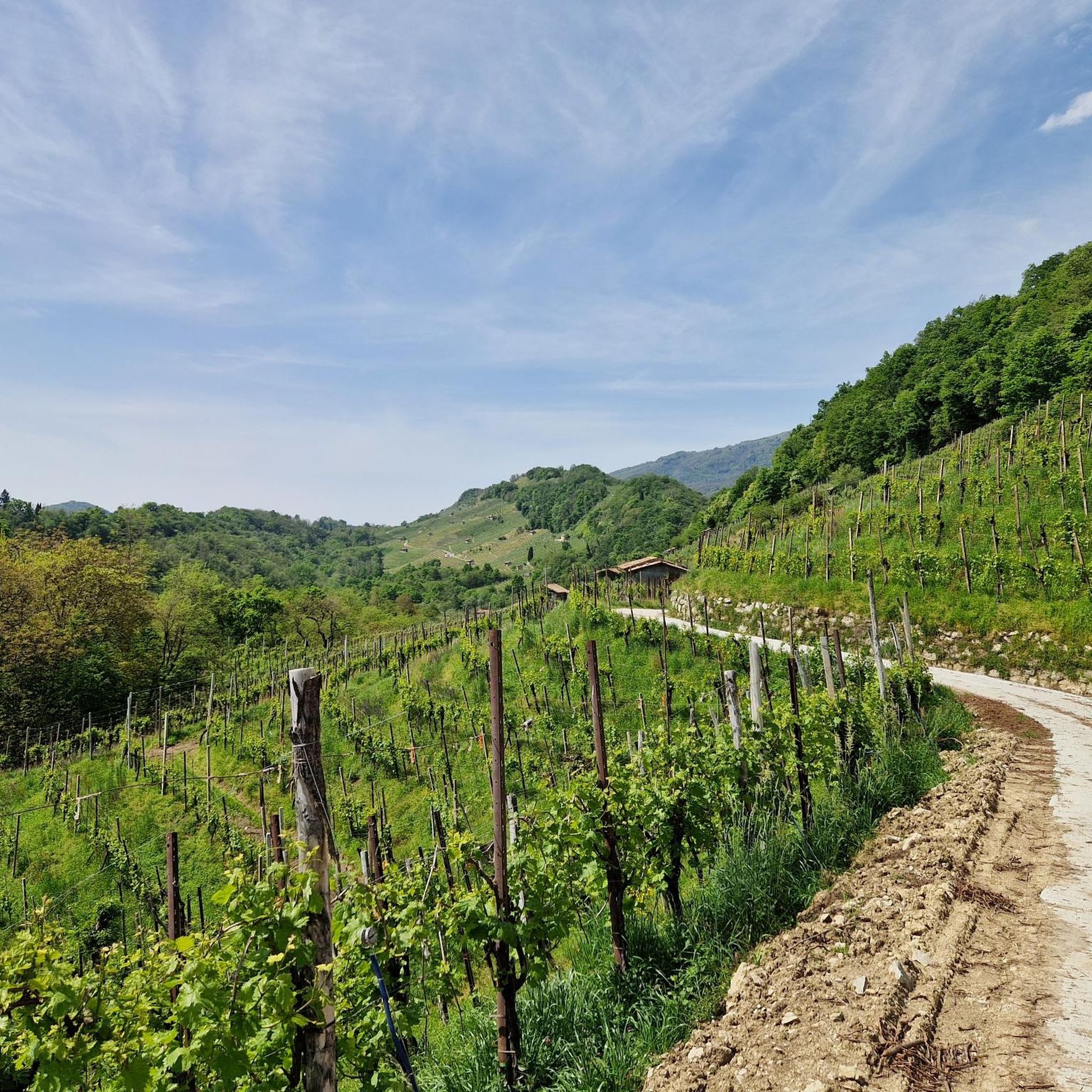
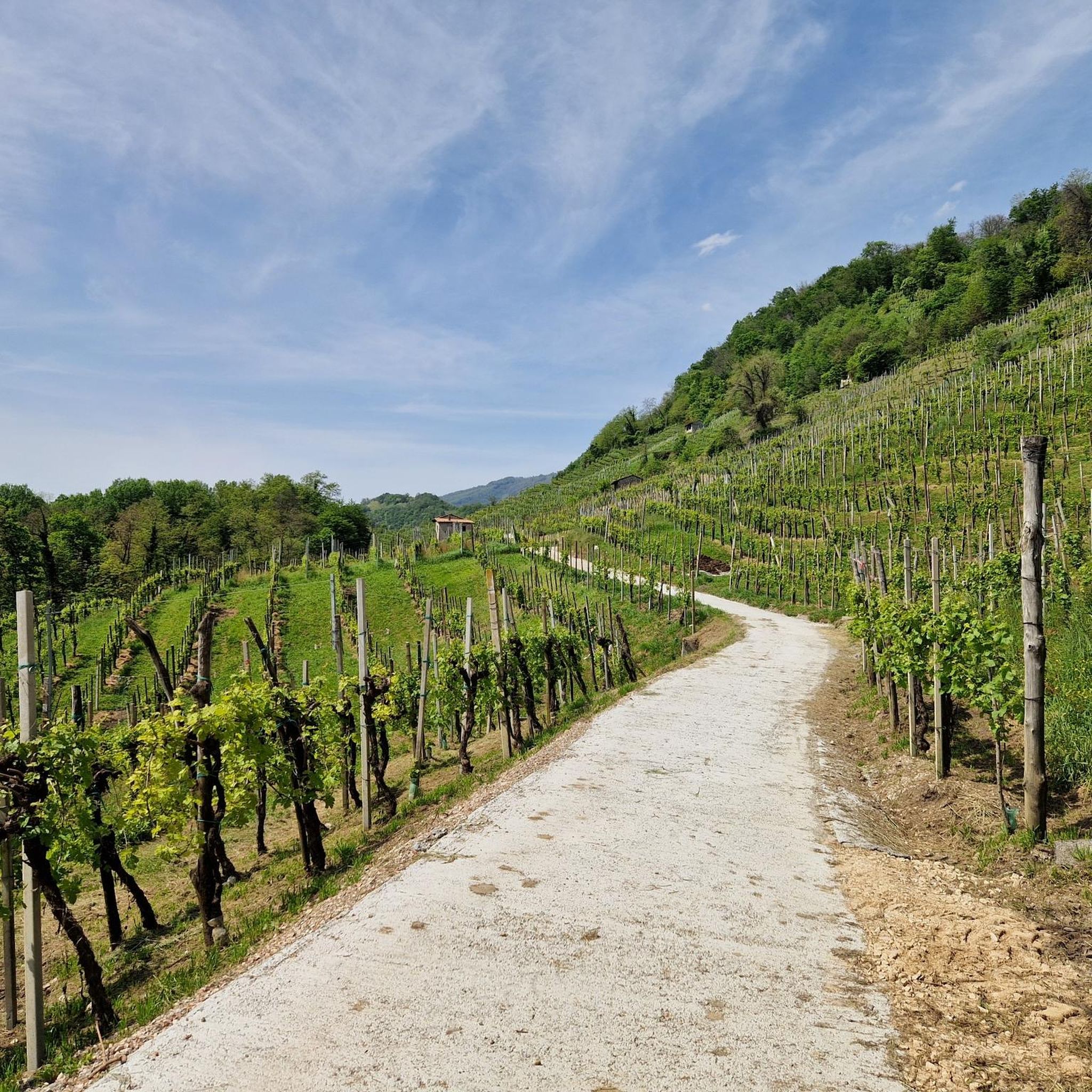
Purely a push-along stretch, and the pedestrian bridge collapsed in front of it. It would probably be better to take a wide detour.
0
0

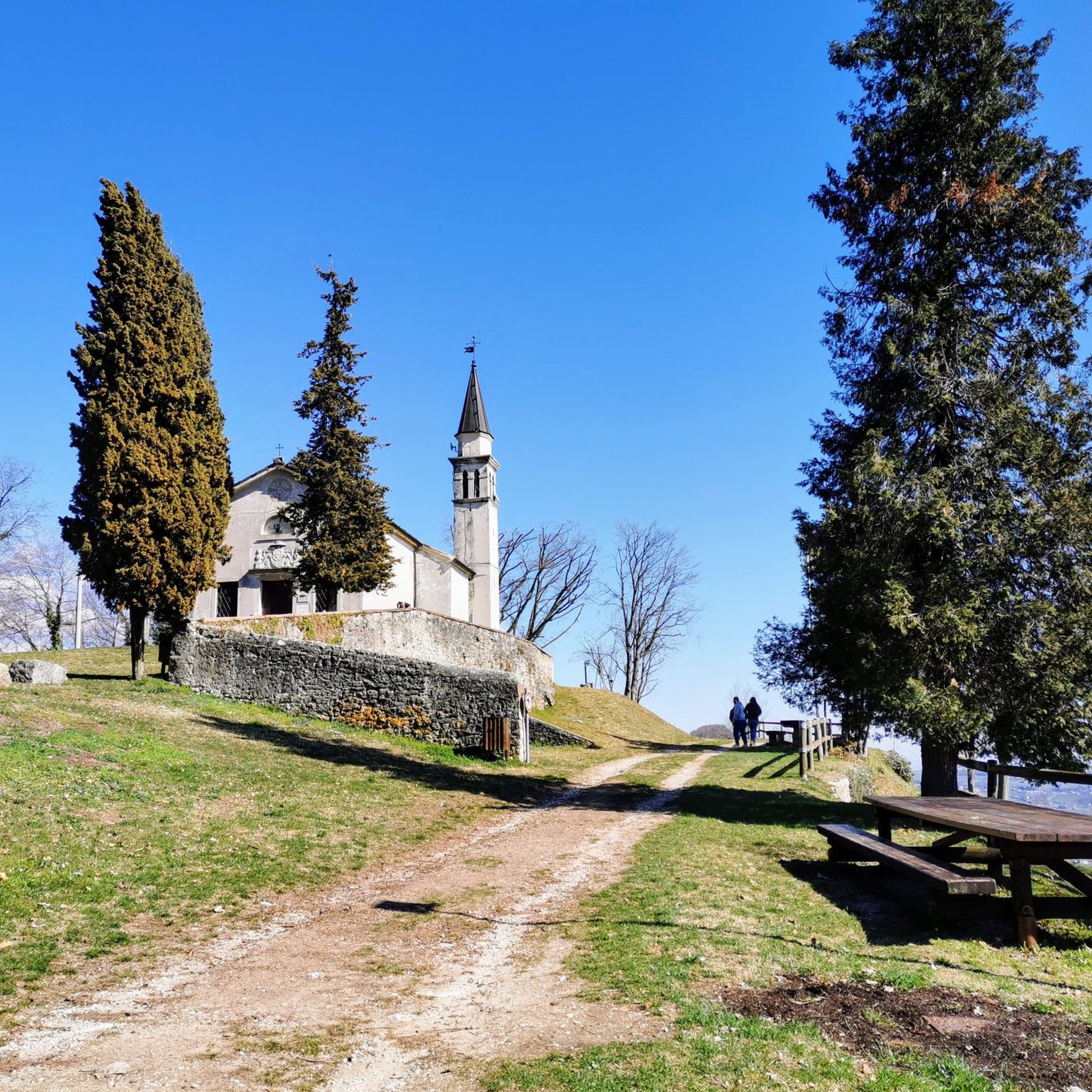
Reachable from the car park of the small church of Santa Mama after about 400 m of easy path.
0
0
The Buoro di Ciano (also: Fontana del Buoro) is a small natural cavity that has been the object of worship since ancient times. It was believed to be frequented by fairies or nymphs. Water and the cave are linked to ancestral cults on the fertility of the Earth. The frequenting of this place by women on maternity leave, with the belief that it increased the quality of the milk, occurred until the middle of the last century.
0
0

The Grotta di San Girolamo is one of over 60 caves found on Montello, which have always been used as a shelter. According to tradition, during the dominion of the Serenissima in the Middle Ages, this natural shelter was used by the hermit Giovanni da Fassa who dedicated himself in solitude to the cult of St. Jerome. Regardless of the legends, it seems that the settlement in the cave of San Girolamo was already registered in the XIII century. The Grotta di San Girolamo is a karst cave, therefore with a typical conformation of the Montello area. Along the walls of the cave you can see hand-dug niches, now empty of content. It is located near Via Luigi Lama (intake IV), in the area called Valle delle Tre Fonti, a particularly humid and verdant place.
2
0

Nice trip out of town. Quick execution. Easy path for everyone.
0
0
The Tavaran Grando is a cave of karst origin, easily accessible, located between Montello and the Piave river. 400 m long, it can be reached via the First World War Bunker route which starts from the church of Santa Croce, in Nervesa della Battaglia (TV). The karst in Montello has given rise to countless natural cavities and caves which make the hill a true paradise for speleologists and beyond, given the growing interest in this type of geological conformation. The caves here are really many, about 90 of different sizes
3
0

A cave of karst origins nestled in a picturesque landscape of chestnut, ash, pine, and oak trees. It's a place steeped in religious fascination, as evidenced by the numerous objects hanging on the walls. An ancient legend tells that here, shepherds guarded a small wooden statue of the Madonna, expertly carved on Mount Carmel in the Holy Land, and given to them by an unknown pilgrim while they were grazing their flocks in these parts.
2
0
Frequently Asked Questions
What types of caves can I explore around Pieve Di Soligo?
The region around Pieve Di Soligo offers a diverse range of subterranean experiences. You can find natural karst caves formed by water erosion, such as the Tavaran Grando Cave, as well as sites that combine natural formations with historical human intervention, like the Grotte del Caglieron, which feature both natural cavities and ancient sandstone quarries. Some caves also hold historical and spiritual significance, having been used as shelters or places of worship.
Are there any caves with significant historical or spiritual importance in the area?
Yes, several caves in the region hold historical and spiritual significance. The San Girolamo Cave, for instance, is a karst cave traditionally used by a hermit during the Middle Ages. The Il Buoro di Ciano Cave and Spring has been an object of worship since ancient times, with water and the cave linked to ancestral cults. Additionally, the Landrel Cave is steeped in religious fascination, with an ancient legend involving a wooden statue of the Madonna.
What makes the Grotte del Caglieron a unique destination?
The Grotte del Caglieron, located near Fregona, are unique for their blend of natural erosional cavities and artificial excavations from historical sandstone quarrying. Visitors can witness stunning waterfalls and cascades, clear pools, and impressive ice formations in winter. The site is made accessible by well-maintained wooden walkways and bridges, allowing exploration of both natural and man-made sections, including areas where 'pietra dolza' (soft sandstone) was extracted since the 1500s.
Are there family-friendly caves around Pieve Di Soligo?
Yes, there are options suitable for families. The Grotte del Caglieron are generally considered family-friendly, with accessible wooden walkways and a relatively short circular trail. The Il Buoro di Ciano Cave and Spring is also categorized as family-friendly and is reachable via an easy path from a car park. The Tavaran Grando Cave is also noted for its easy accessibility.
How accessible are the caves around Pieve Di Soligo?
Accessibility varies by cave. The Grotte del Caglieron are highly accessible with wooden walkways and bridges. The Tavaran Grando Cave is described as easily accessible, often reached via the First World War Bunker route. The Il Buoro di Ciano Cave and Spring is also accessible via an easy 400m path from a car park. Some other caves, like the Grotta dei Contrabbandieri, may present more challenging access due to terrain or collapsed structures.
What is the best time to visit the caves in this region?
The Grotte del Caglieron are open year-round, offering a refreshing escape during summer and transforming into a 'frozen wonderland' with impressive ice formations in winter. Generally, the caves in the region can be visited throughout the year, but specific conditions might vary. Always check local conditions before planning your visit, especially during extreme weather.
Are there any challenging cave experiences for experienced explorers?
Yes, for those seeking a more challenging experience, the Grotta dei Contrabbandieri is categorized as challenging. It involves a push-along stretch and may require navigating around collapsed pedestrian bridges, suggesting it's suited for more adventurous and prepared visitors.
What outdoor activities can I combine with a visit to the caves?
The area around Pieve Di Soligo offers numerous outdoor activities. You can find various cycling routes, including challenging gravel biking trails like the San Salvatore Castle – Collalto Castle loop or moderate routes like the Lake Santa Maria – Lakes of Revine loop. There are also running trails, such as the moderate Soligo – San Gallo Hermitage loop or more difficult options like the Collagù – San Gallo Hermitage loop. For more details, explore the Cycling around Pieve Di Soligo, Gravel biking around Pieve Di Soligo, and Running Trails around Pieve Di Soligo guides.
Where can I find parking for the Grotte del Caglieron?
Parking is available near the Grotte del Caglieron site. For the Il Buoro di Ciano Cave and Spring, parking is available at the small church of Santa Mama, from which an easy path leads to the cave.
Are there any caves with local legends or folklore?
Yes, the Il Buoro di Ciano Cave and Spring is associated with ancient beliefs, having been frequented by women on maternity leave in the past, with the belief that it increased the quality of milk. The Landrel Cave also has an ancient legend about shepherds guarding a small wooden statue of the Madonna, given to them by an unknown pilgrim.
What natural features can I expect to see inside and around the caves?
The caves and their surroundings boast diverse natural features. In the Grotte del Caglieron, you'll find deep gorges, numerous waterfalls, and clear, often turquoise pools. The karst origins of many caves, like Tavaran Grando Cave and San Girolamo Cave, mean you'll encounter typical karst formations. The Montello woods, where some caves are located, offer a lush, verdant environment with chestnut, ash, pine, and oak trees.
Most popular routes around Pieve Di Soligo
Most popular attractions around Pieve Di Soligo

Get inspired with the komoot mobile app


Explore more
Extend your search for the best caves by checking out these guides of the top ones around Pieve Di Soligo:
