Top 13 Castles around Susegana
Best castles around Susegana are situated in the Province of Treviso, Italy, an area known for its historical significance and picturesque Prosecco vineyards. The region features a landscape of rolling hills, offering commanding views and a rich cultural heritage. This area is characterized by its medieval architecture and strategic historical importance, particularly along the Piave River. The natural surroundings include vineyards, woods, and pastures, contributing to a scenic environment for exploration.
Best castles around Susegana
- The most popular castles is…
Last updated: October 3, 2026
Castello di San Salvatore (Susegana)
Highlight • Castle
Translated by Google •
Tip by

Collalto Castle
Highlight • Castle
Translated by Google •
Tip by

Sign up now to discover places like this
Get recommendations on the best single tracks, peaks, & plenty of other exciting outdoor places.
Conegliano Castle
Highlight • Castle
Translated by Google •
Tip by
Castelbrando
Highlight • Castle
Translated by Google •
Tip by

Castello Papadopoli Giol
Highlight • Castle
Translated by Google •
Tip by
Sign up for free to discover even more castles around Susegana.
Already have an account?



Tips from the Community

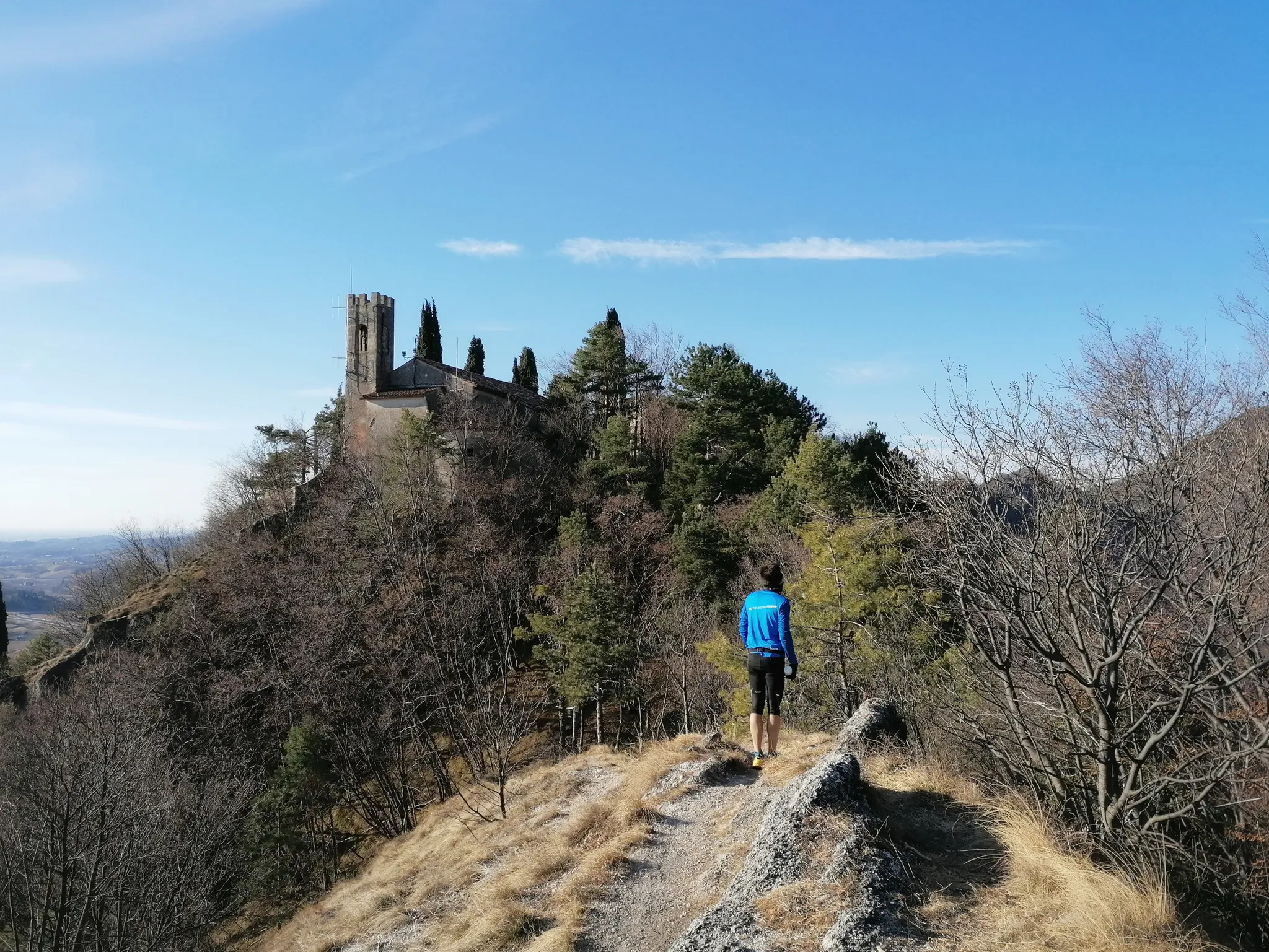
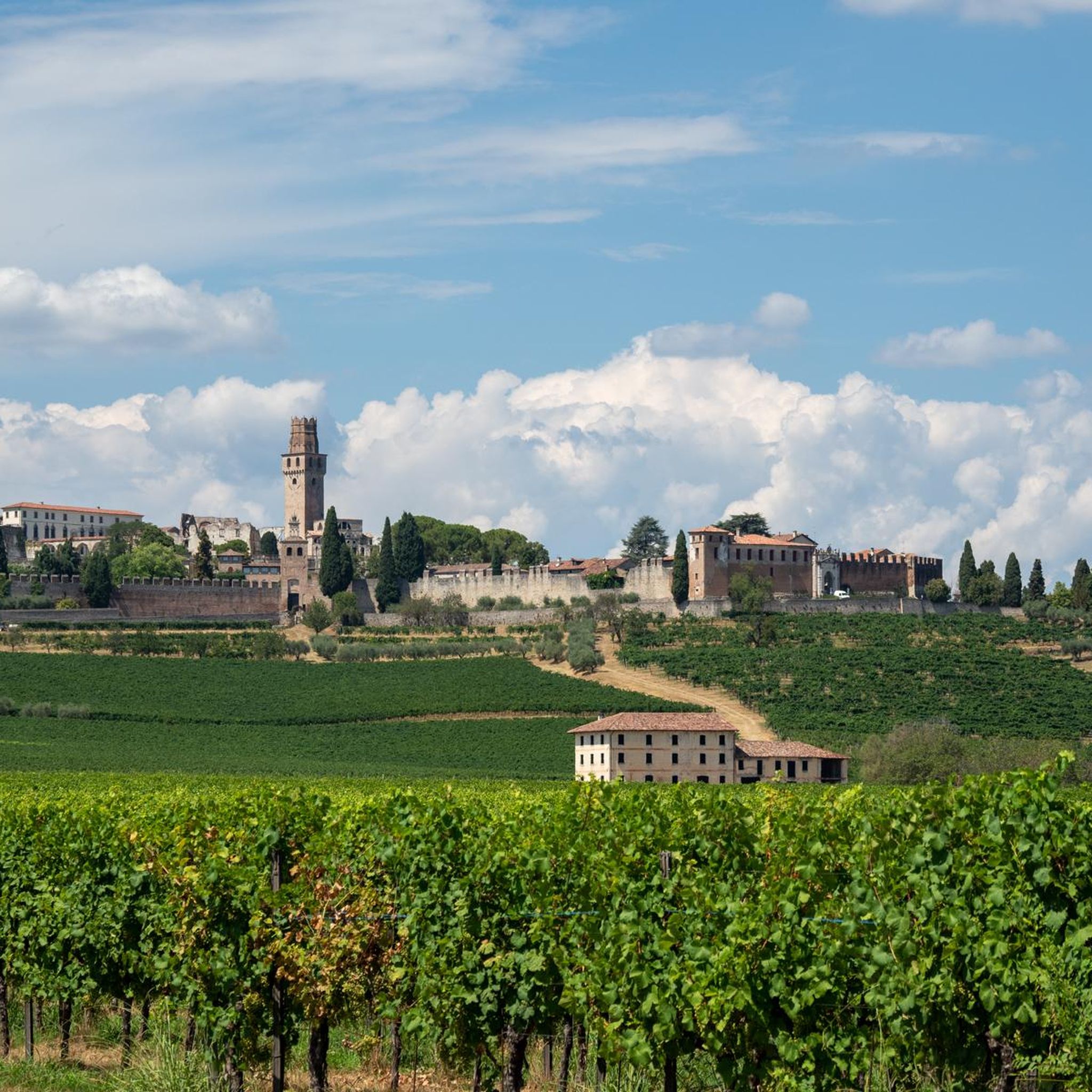
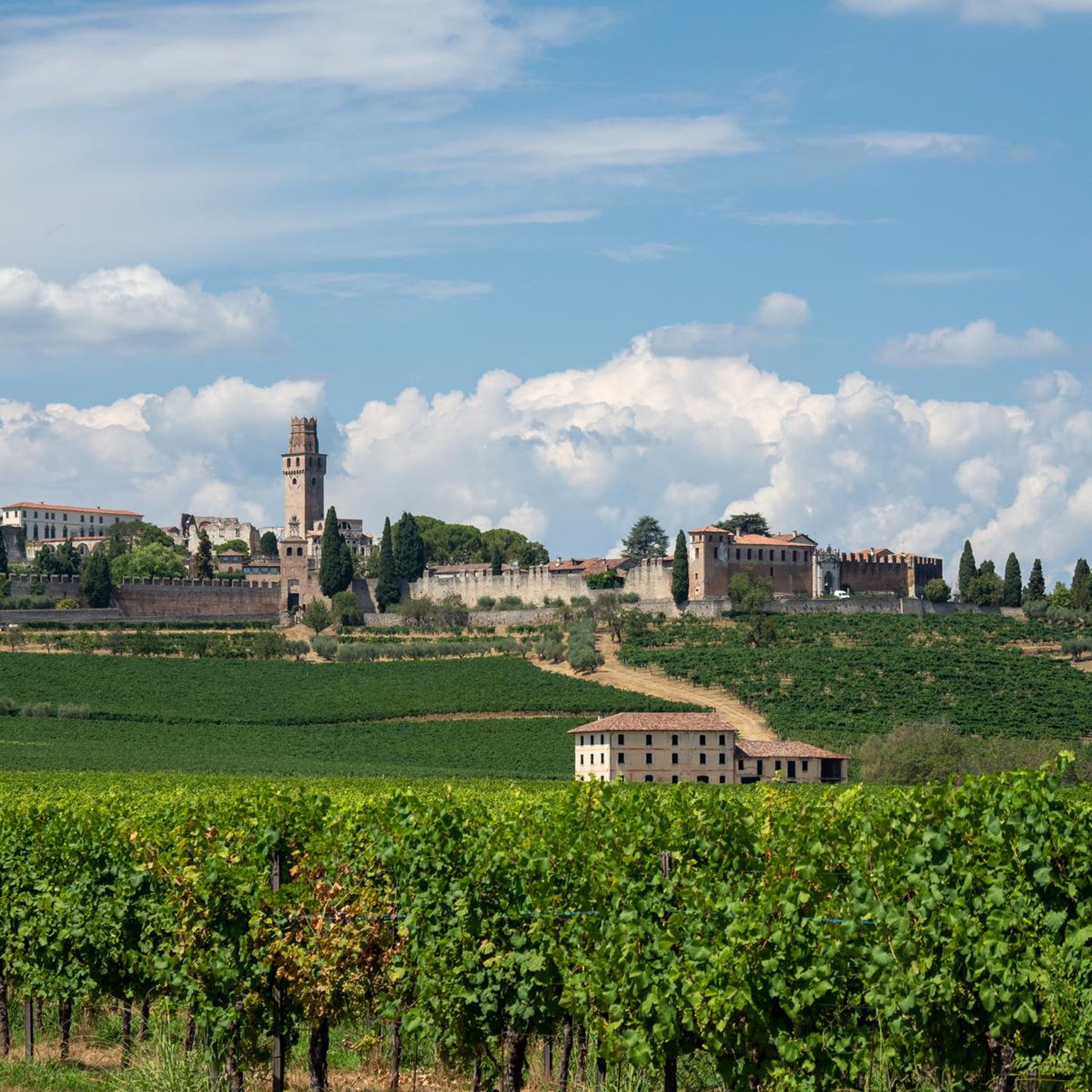
The Castle of Collalto is an ancient medieval manor founded in the 12th century by the noble family of the Counts of Collalto. Strategically positioned on a hill overlooking the Piave plain, the castle soon became the hub of a vast and powerful feud. Over the centuries, the structure transformed from a military fortress into a splendid noble residence, enriched with works of art including frescoes by Pordenone. Unfortunately, its crucial position on the front line during World War I led to its almost total destruction under bombardment. Today, of the glorious original complex, the evocative ruins remain, dominated by the imposing 12th-century master tower, the defensive walls, and the nearby church of San Giorgio, which bear witness to the millennial charm of one of the most important historical sites in the Marca Trevigiana.
1
0
Located on the summit of Colle di Giano, the Castle of Conegliano is the historical emblem of the city and a privileged sentinel over the Venetian plain. Of the ancient medieval complex, the strategic heart of the village since the 12th century, the Bell Tower stands out today, the only surviving element along with part of the walls and the Guard Tower. Inside, the Civic Museum houses a precious collection ranging from archaeological finds to important pictorial works. From the top of the tower, the view is breathtaking: on clear days, the gaze sweeps from the rooftops of the historic center, adorned by the frescoed facades of via XX Settembre, to the crests of the Prealps and the Prosecco vineyards. Reachable via charming cobbled streets or staircases immersed in greenery, the castle is not just a monument, but a meeting place where history blends with the beauty of the Treviso landscape.
0
0

Climbing up the steep path from the parking lot.
0
0

Conegliano Castle dominates the city from its hilltop position. The first document mentioning it dates back to 1016 AD, but the structure reached its maximum extension in the fourteenth century, thanks to the influence of the Scaligeri and Carraresi rulers.
0
0

The internal square of the Castle
0
0

Castelbrando, a grand medieval castle, sits on a dolomitic limestone rock at an altitude of 370m above sea level, overlooking the villages of Cison di Valmarino and Valmareno. The name is due to the Brandolini family from Forlì, who were the lords of the castle. The castle was originally built in Roman times to protect the Via Claudia Augusta, which connected the Po valley to Rhaetia (modern Austria). The original castrum from 46 AD is still visible. A recent archaeological dig has uncovered a bread oven and the original Roman baths, as well as the original pipes of the aqueduct that supplied water from three nearby natural springs. These springs still provide water for the castle. Later the fortress became an important defensive position against barbarian invasions. During the 13th century the castle was significantly enlarged and the imposing battlements and central tower were added. The castle was awarded by the Republic of Venice to the condottieri Giovanni Brandolino and Erasmo da Narni, better known as "Gattamelata". After the fall of the Venetian Republic it became the property of the Brandolini Counts. In 1700 the castle was expanded with the southern part and the castle chapel, the church of San Martino. During World War I, the castle was invaded by Imperial Austrian troops and used as a military hospital. After 10 years of restoration work, the castle was reopened as a residence in 1929. In 1959, the castle was sold by the Brandolini family to the Salesian Fathers, who used it as a monastery and as a center for spiritual studies. In 1997, CastelBrando was purchased by Quaternary Investments SpA, who transformed it into a 4-star hotel, museum and theater. Visitors can take the cable car to the castle from the village.
1
0

Castello Papadopoli Giol is a splendid palace in English neo-Gothic style with ancient origins. On this site, in 1192, the Patriarchs had a defense fort built; since then the name "castle" will remain linked to the place on which this primitive fortress stood. Among the subsequent restoration interventions, the most appreciable are due to the Da Tolentino family and, even more so, to the Papadopoli Counts, who made it their country residence. The structure, as seen today, dates back to 1865. Burned down at the end of the Great War, in 1921 it was purchased and rebuilt by Commendatore Giovanni Giol who preferred not to modify its architecture, trying to preserve its original appearance as much as possible. It is an imposing structure with high crenellated towers, bow windows, chimneys disguised as pinnacles and pointed mullioned windows: you really have the impression of being in front of a real English medieval castle. Even more surprising is the vast historical park: a 13-hectare oasis that has survived to this day almost completely intact in its original beauty. The entire route winds through centuries-old plants, groves and large meadows and a picturesque lake overlooked by the castle with two islands that can be reached by boat or on foot. There you can find royal perch, largemouth bass, tench, sardole, carp, chub and eels. Magnificent examples of centuries-old trees alternate in a setting of rare beauty: beeches, maples, oaks, cedars, magnolias, holm oaks, ginkgo biloba. https://www.castellogiol.it
3
0
Frequently Asked Questions
What are some of the most historically significant castles around Susegana?
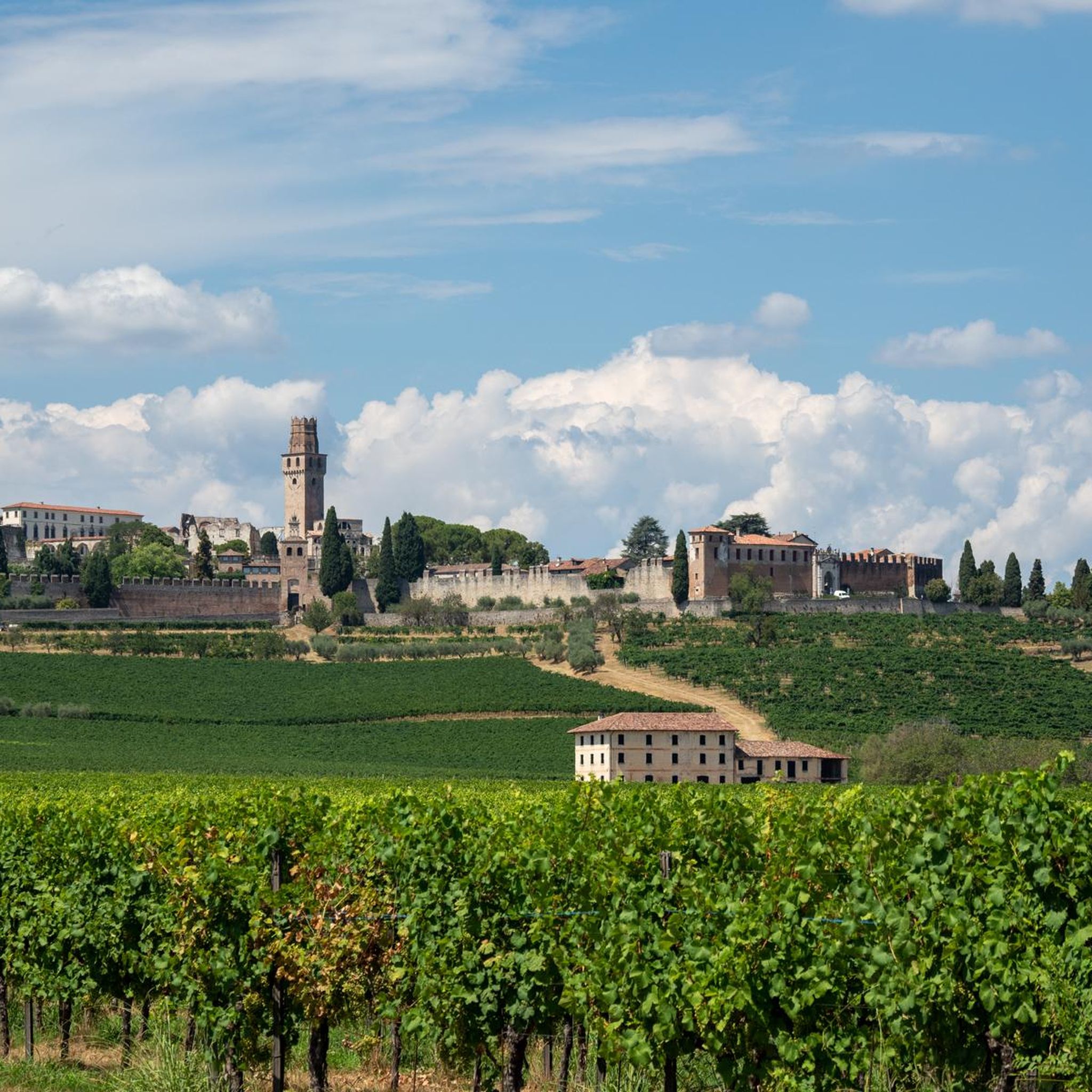
The most prominent is Castello di San Salvatore, a monumental architectural complex built between the late 13th and early 14th centuries by the noble Collalto family. It served as a defensive structure and later an elegant stately home, maintaining significant autonomy until 1797. Another notable site is Conegliano Castle, a medieval fulcrum located on the "Colle di Giano" with parts dating back to the 12th century.
Are there castles around Susegana that offer impressive views?
Yes, several castles provide stunning panoramas. Castello di San Salvatore, perched on a hill, offers enchanting views of the Prosecco vineyards and surrounding hills. Similarly, Conegliano Castle, located on the "Colle di Giano," provides a very nice view after the ascent. You can also find a dedicated View of Susegana highlight, which offers a great perspective of the castle and the area.
Can I find family-friendly castles to visit in the Susegana area?
While specific family-friendly activities vary by castle, the general area around Susegana, with its historical sites and natural beauty, can be enjoyable for families. Castello di San Salvatore, for instance, is listed as a family-friendly highlight, offering a chance to explore history and enjoy the surrounding landscape. Many of the castles are set in picturesque locations, making them suitable for walks and exploration with children.
What kind of outdoor activities can I do near the castles around Susegana?
The area around Susegana's castles is excellent for outdoor activities. You can find numerous routes for hiking, running, and road cycling. For example, there are several hiking routes like "The Hippopotamus loop from Susegana" and "Castello San Salvatore – Clock Tower loop from Collalto." For running, options include "Collalto Climb – Colle della Tombola loop from Susegana." Road cyclists can enjoy longer tours such as "The Prosecco Hills - ring tour from Susegana." You can explore more options in the Hiking around Susegana, Running Trails around Susegana, and Road Cycling Routes around Susegana guides.
What is the best time of year to visit the castles around Susegana?
The region's castles, surrounded by vineyards and hills, are beautiful throughout much of the year. Spring and autumn offer pleasant temperatures for exploring and enjoying the scenic views without the intense summer heat. The Prosecco vineyards are particularly vibrant during these seasons. While some castles might host events in summer, the cooler months provide a more comfortable experience for walking and outdoor activities.
Is Castello di San Salvatore accessible for visitors, and what can I expect to see?
Castello di San Salvatore is a sophisticated venue that hosts cultural events and can be partially visited, especially through organized events or group bookings. It's not typically fully open for casual visits. When accessible, you can immerse yourself in centuries of history, exploring its imposing tower, the fascinating ruins of ancient palaces, and the 17th-century Palazzo Odoardo. The castle also features a chapel adorned with frescoes and offers stunning views of the surrounding Prosecco vineyards.
Are there any other notable castles besides San Salvatore that are worth visiting?
Beyond Castello di San Salvatore, another significant castle is Castelbrando. This grand medieval castle sits on a dolomitic limestone rock overlooking Cison di Valmarino. Originally built in Roman times, it has been significantly enlarged over centuries and now functions as a 4-star hotel, museum, and theater. Visitors can take a cable car to reach it from the village, offering a unique experience.
What are the natural features surrounding Castello di San Salvatore?
Castello di San Salvatore is set in a picturesque natural environment. It is surrounded by excellent natural scenery, including extensive vineyards, woods, and pastures. The castle's elevated position provides a commanding view of Susegana and the broader landscape, particularly the Prosecco vineyards that are a hallmark of the region. The Collalto family, who owned the castle, even planted vineyards in the fields around it.
Where can I find places to eat or stay near the castles in Susegana?
The town of Susegana and the surrounding areas offer various options for dining and accommodation. While specific recommendations are beyond the scope of this guide, you'll find local restaurants serving traditional Italian and regional cuisine, often featuring local Prosecco wines. For accommodation, there are hotels, B&Bs, and agriturismos (farm stays) in the vicinity, many nestled within the scenic Prosecco hills.
Are the castles around Susegana dog-friendly?
Policies regarding dogs can vary significantly between individual castles and their grounds. While some outdoor areas or walking paths around the castles might be dog-friendly, access to interior spaces, museums, or specific event venues is often restricted for pets. It's advisable to check the specific rules of each castle or venue you plan to visit beforehand to ensure a smooth experience with your dog.
How long should I plan for a visit to the castles near Susegana?
The duration of your visit depends on which castles you plan to see and your level of interest. For a single major castle like Castello di San Salvatore, if accessible, you might spend 1-3 hours exploring its grounds and historical features. If you plan to visit multiple castles, such as Conegliano Castle and Castelbrando, and incorporate some of the nearby hiking or cycling routes, you could easily fill a full day or even a weekend.
Most popular routes around Susegana
Most popular attractions around Susegana

Get inspired with the komoot mobile app


Explore more
Looking for the best castles somewhere else? Discover other guides around Susegana:
