Top 11 Caves around Selva Di Cadore
Best caves around Selva di Cadore are primarily historical tunnel systems carved during World War I, offering a unique historical and geological experience within the Dolomites. The region is known for its pristine woodlands and rich history, with underground passages providing insight into wartime conditions. These sites combine historical significance with moderate physical challenges, set amidst the landscapes of the Dolomites. Exploring these man-made underground passages offers a distinct adventure.
Best caves around Selva di Cadore
- The most popular caves…
Last updated: July 13, 2026
Kaiserjägersteig Trail
Highlight • Trail
Tip by

Lagazuoi Tunnels and World War I Trenches
Highlight • Historical Site
Descend better in the tunnel and choose a different route for ascent over the (quite simple) via ferrata
Translated by Google •
Tip by

Sign up now to discover places like this
Get recommendations on the best single tracks, peaks, & plenty of other exciting outdoor places.
Sign up for free
Cengia Martini World War I Outpost
Highlight • Historical Site
Translated by Google •
Tip by

Goiginger Tunnel
Highlight (Segment) • Cave
Translated by Google •
Tip by

Tofana Cave
Highlight • Cave
Translated by Google •
Tip by

Sign up for free to discover even more caves around Selva Di Cadore.
Sign up for free
Already have an account?
Start today with a free account
Your next adventure awaits.
Login or Signup
Popular around Selva Di Cadore
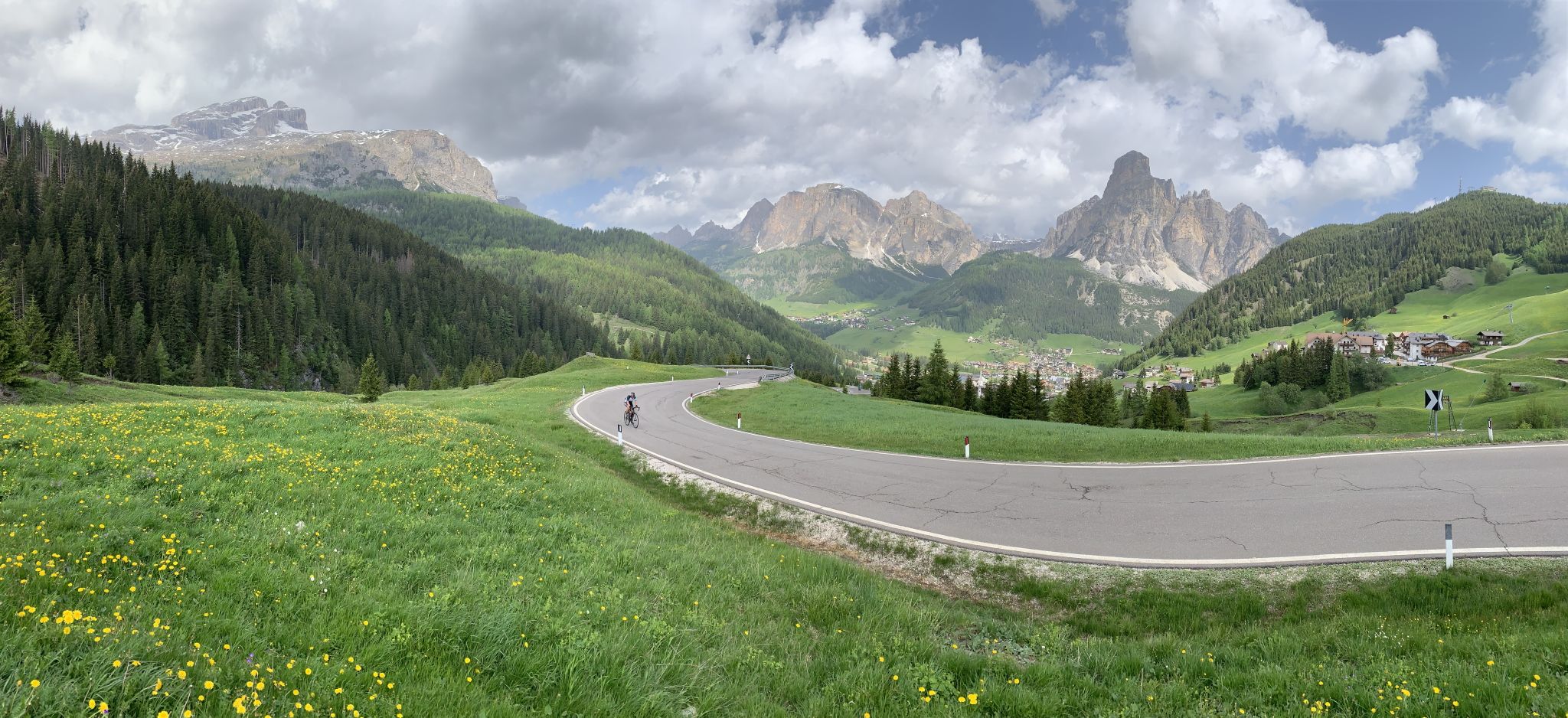
Up and down the Alps – Dolomites by road bike
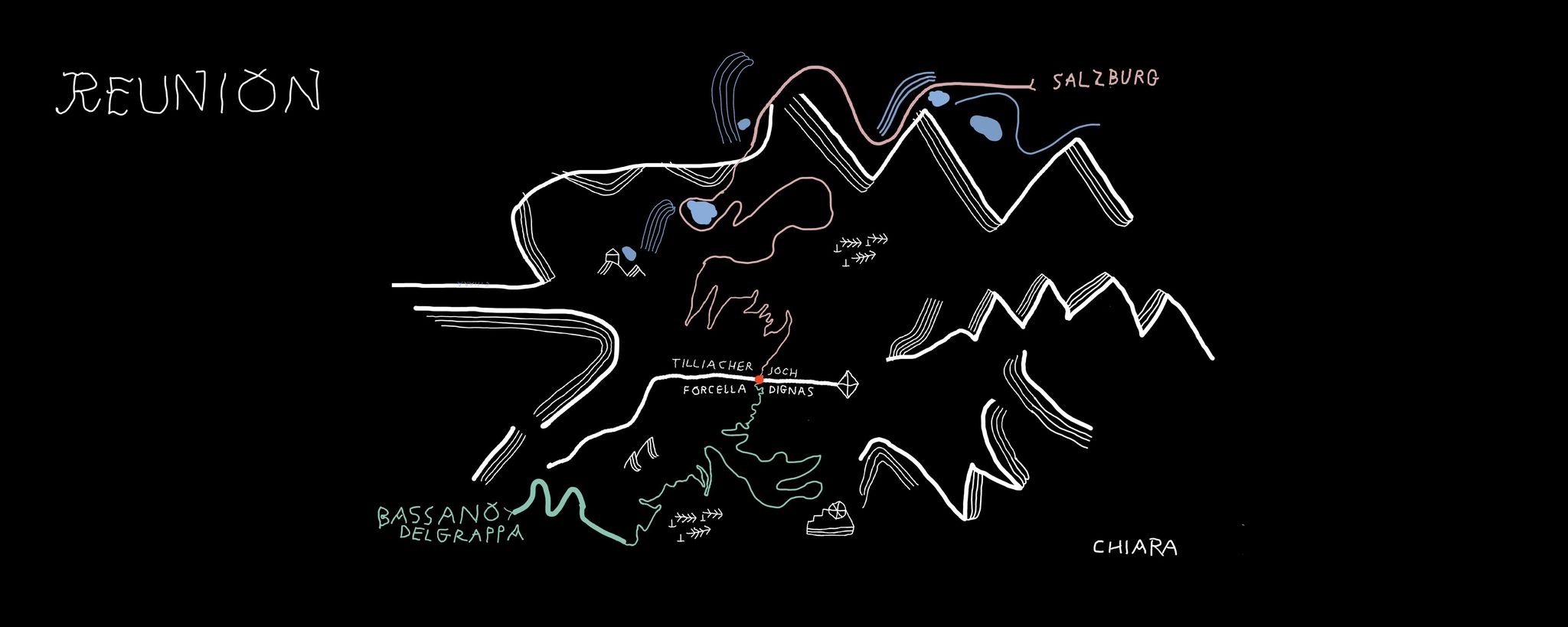
rEUnion – a gravel ride without borders with Max Riese & Bruno Ferraro
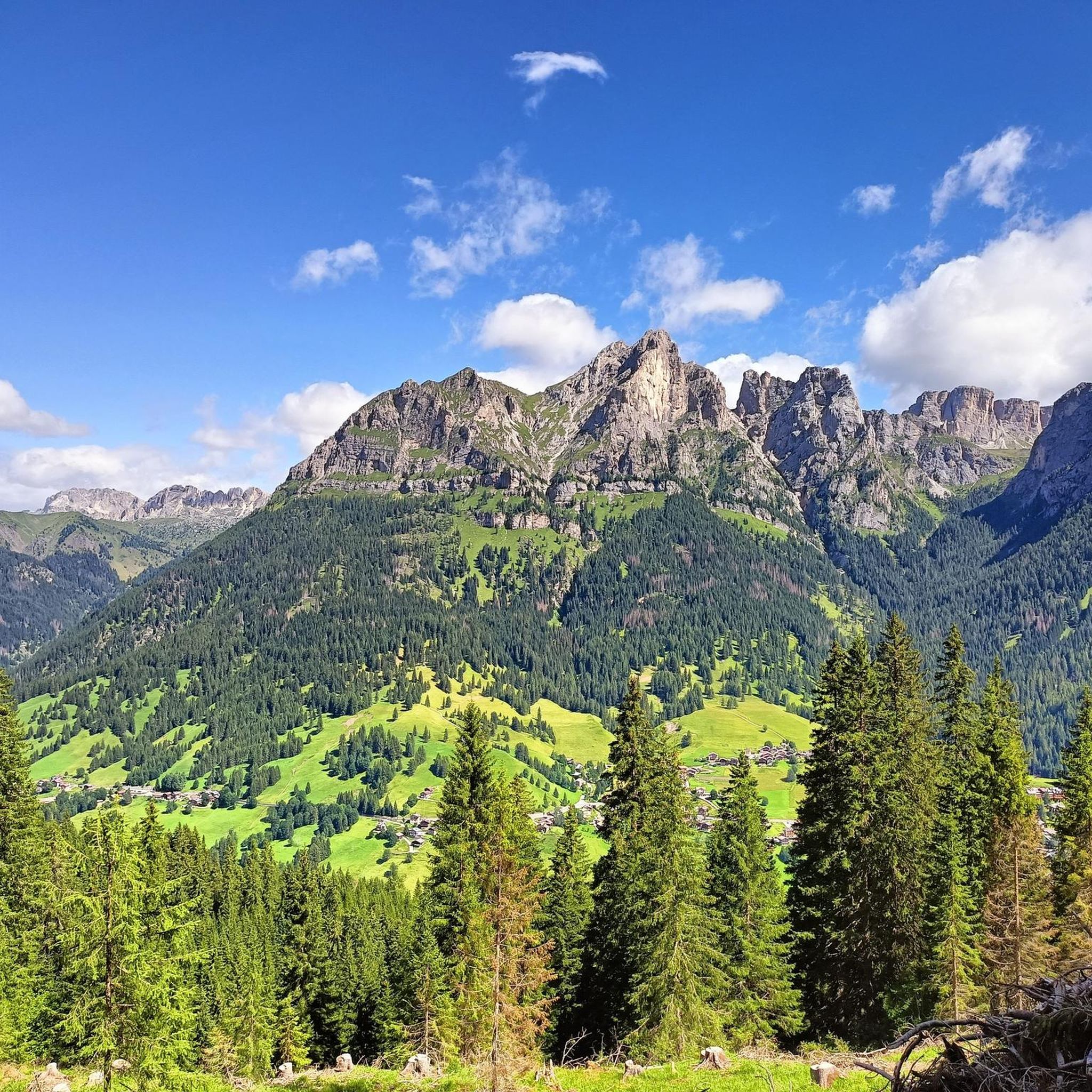
Road Cycling Routes around Selva Di Cadore
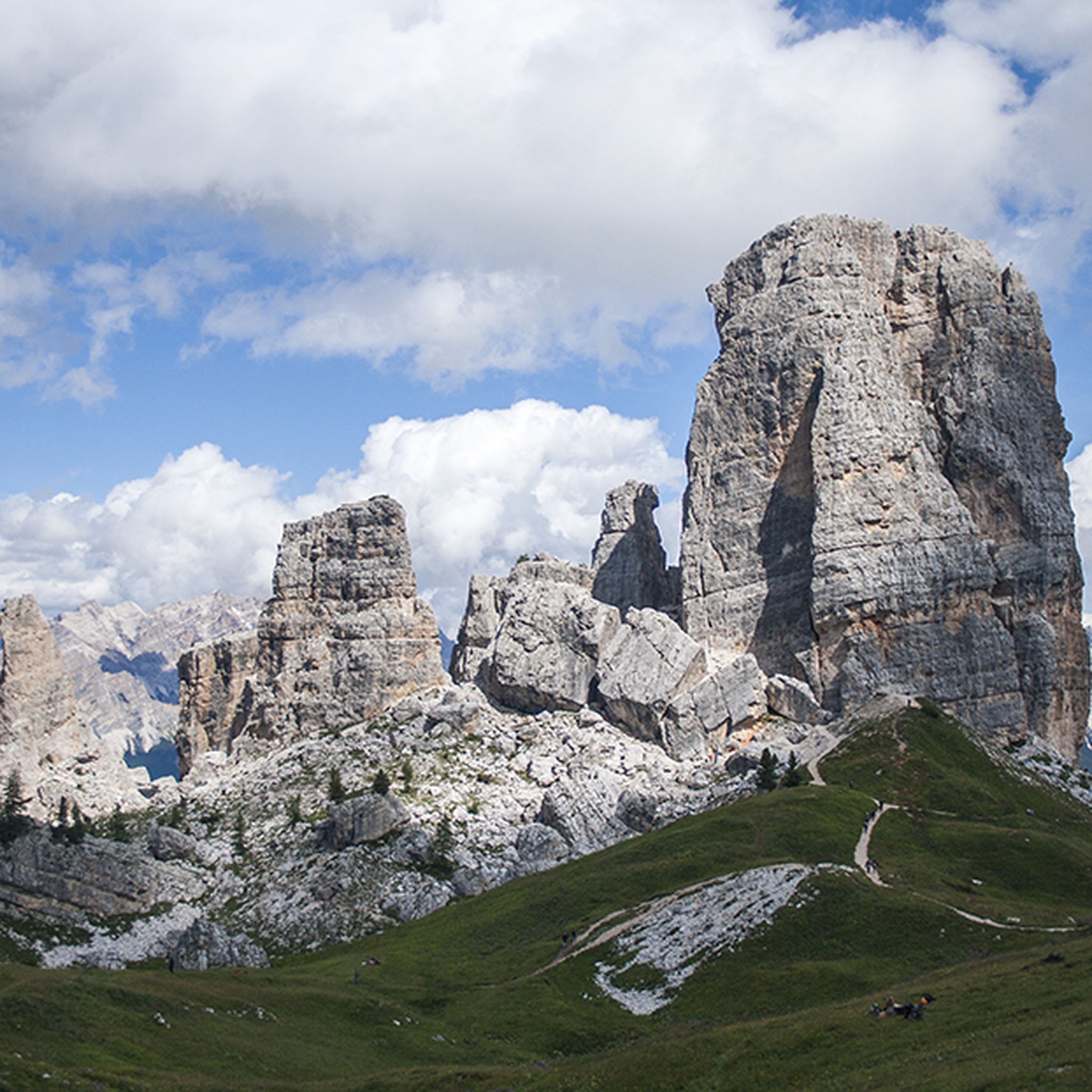
Hiking around Selva Di Cadore
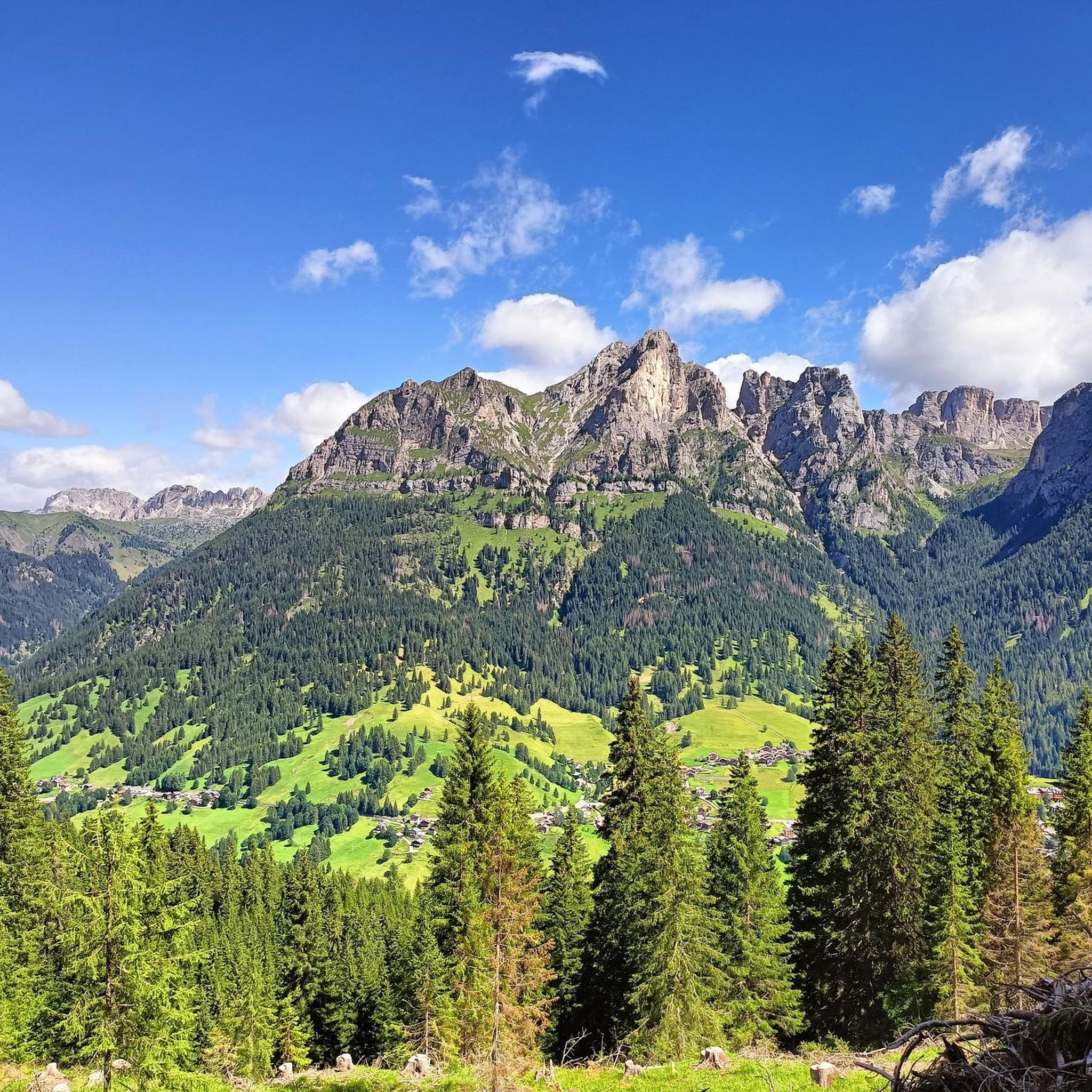
Cycling around Selva Di Cadore
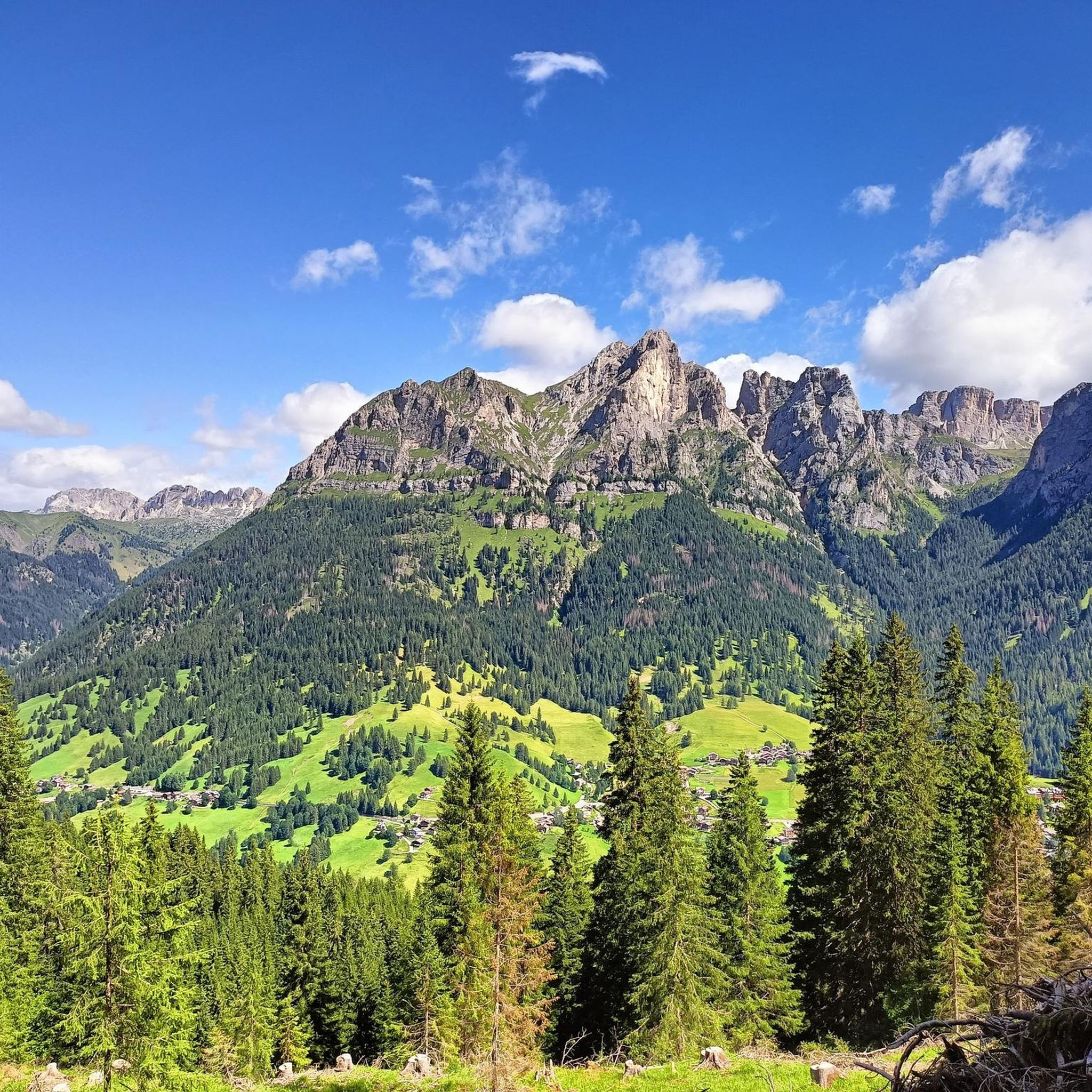
MTB Trails around Selva Di Cadore
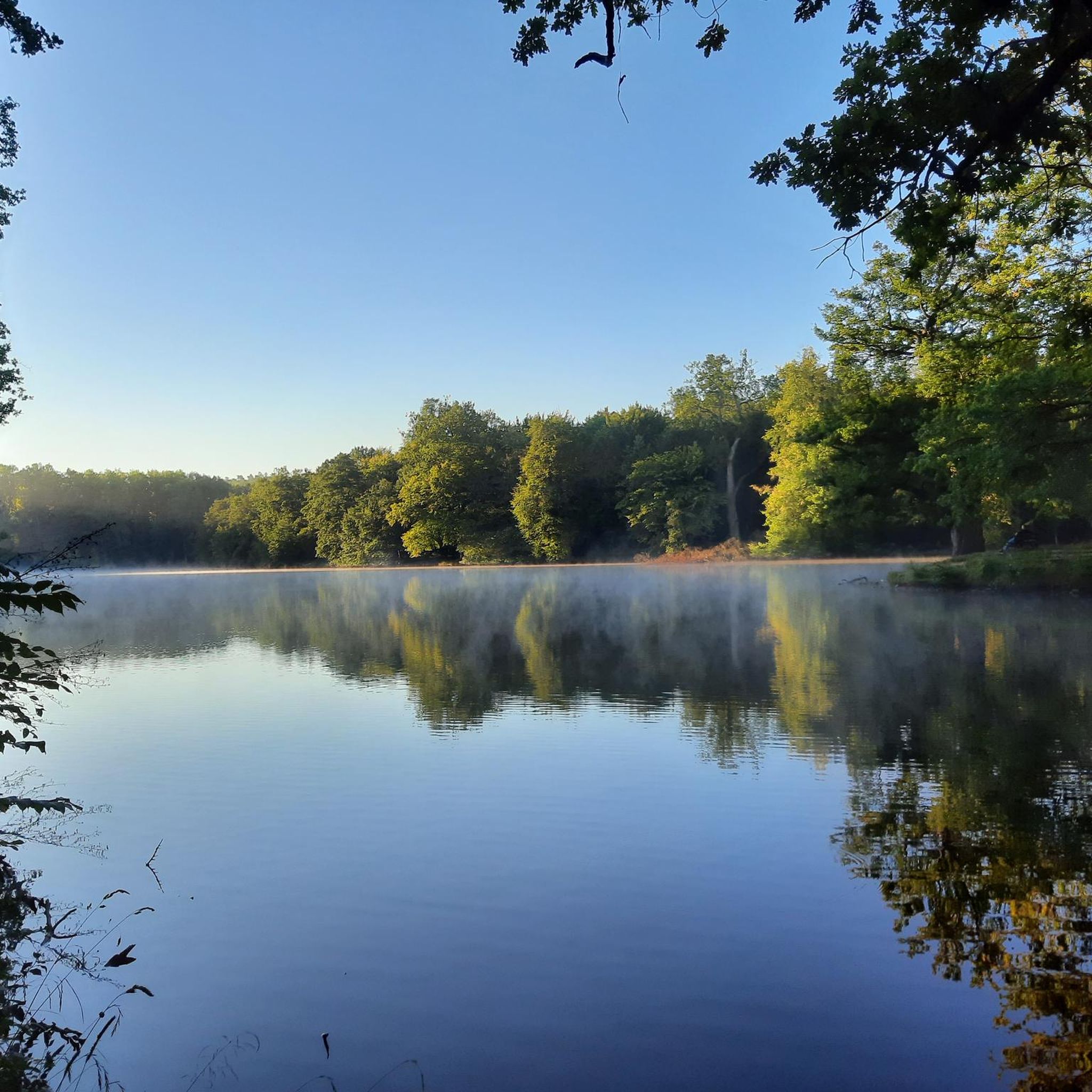
Mountain Hikes around Selva Di Cadore
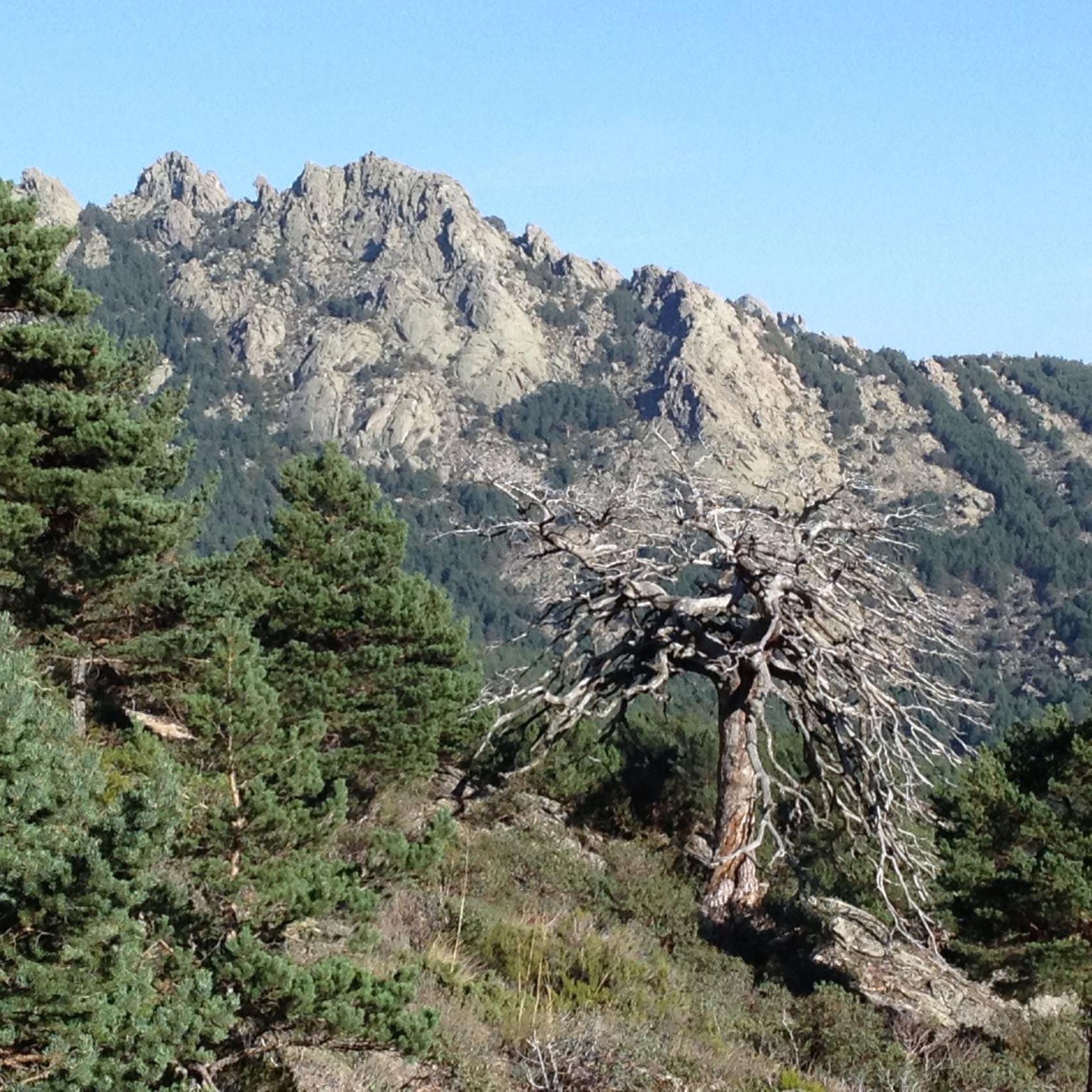
Gravel biking around Selva Di Cadore
Running Trails around Selva Di Cadore


Tips from the Community

Wonderful panoramic viewpoint overlooking the Falzarego Pass.
0
0


A truly worthwhile detour – first a short way up the gully and then along the ledge (with a cable) to the grotto. Inside the grotto, you can take a walk through the tunnels – bring a headlamp.
2
0

Looking back along the path which leads from Refuge Dabona
0
0

The grotto is located above the Dibona hut in the direction of the Lipella via ferrata. The entrance to the secured access to the grotto goes off to the right and up a gully. At the end of the gully you will find the first safety devices. There is a circular path in the grotto that is really worth it. Don't forget your headlamp!
1
0
Partially restored fortifications from the First World War, which make the tunnels even more tangible.
3
0

Imposing construction built by the army of the Kingdom of Italy to conquer the Austro-Hungarian lines positioned on the Lagazuoi. A mine tunnel was built to bring down the top of the mountain, but the operation failed and the huge crater can still be seen. To be covered with a minimum of attention and the right equipment
2
1

the route is provided by cables on some sections. There are a few wooden or metal steps. The route is feasible without belay equipment for people without vertigo and experienced. A helmet is definitely not a bad decision, although I didn't see any rockfall during my visit.
2
2
Frequently Asked Questions
What kind of "caves" can I expect to find around Selva di Cadore?
The "caves" around Selva di Cadore are primarily historical tunnel systems carved during World War I, rather than natural geological caves with stalactites and stalagmites. These extensive underground passages, like the Lagazuoi Tunnels and Goiginger Tunnel, offer a unique historical and geological experience, providing insight into wartime conditions and the engineering efforts of soldiers.
Which historical tunnel systems are most popular to explore near Selva di Cadore?
The most popular historical tunnel systems include the Lagazuoi Tunnels, which were created by Italian soldiers during World War I and are now open to visitors as a beginner via ferrata. Another significant site is the Goiginger Tunnel on Hexenstein mountain, constructed under Field Marshal Ludwig von Goiginger, traversing almost 500 meters horizontally. The Kaiserjägersteig Trail also features tunnels and served as a crucial connection road during the war.
Are the Lagazuoi Tunnels suitable for families with children?
Yes, the Lagazuoi Tunnels can be a family-friendly experience, especially for older children who are comfortable with moderate physical activity. They are classified as a beginner via ferrata and are equipped with ropes and safety features. However, visitors should be prepared for dark, rocky terrain and many steps. A helmet and headlamp are essential for everyone.
What equipment do I need to explore the WWI tunnels?
To explore the WWI tunnels like the Lagazuoi Tunnels or Goiginger Tunnel, a headlamp or flashlight is essential due to the pitch-dark sections. A helmet is also highly recommended for safety. While a full via ferrata set might not be strictly necessary for all sections, it's advisable for the more challenging parts of the Lagazuoi Tunnels. Sturdy hiking boots are also a must.
How long does it typically take to explore the main tunnel systems?
The time required varies depending on the specific tunnel system and your pace. For instance, exploring the Lagazuoi Tunnels as part of a hike can take several hours, especially if you combine it with the ascent or descent via the via ferrata. The Goiginger Tunnel itself is about 500 meters long and can be explored in a shorter time, but often forms part of a longer hike to the Hexenstein summit.
What is the best time of year to visit the WWI tunnels near Selva di Cadore?
The best time to visit is generally from late spring to early autumn (May to October) when the weather is more stable and the trails leading to the tunnels are clear of snow. During winter, access might be limited or require specialized equipment due to snow and ice. Always check local conditions before planning your visit.
Are there any permits required for exploring the WWI tunnels?
Generally, no specific permits are required to access the WWI tunnel systems like the Lagazuoi or Goiginger Tunnels. However, if you plan to use cable cars to reach the starting points, tickets will be required for those. Always check for any local regulations or access restrictions before your visit.
What other historical sites related to WWI can I find near Selva di Cadore?
Beyond the tunnels, you can explore other significant WWI historical sites. The Cengia Martini World War I Outpost was a crucial position on the Piccolo Lagazuoi, featuring partially restored fortifications. The Lagazuoi Tunnels and World War I Trenches offer an immersive experience into the front lines, with trenches and fortifications visible above ground as well.
Are there hiking trails that incorporate these tunnel explorations?
Yes, many hiking routes in the region incorporate these historical tunnel systems. For example, the Kaiserjägersteig Trail is a restored path that includes tunnels and offers a challenging climb. The Lagazuoi Tunnels are often part of longer hikes or via ferrata routes in the Lagazuoi area. You can find various hiking options in the Hiking around Selva Di Cadore guide.
What other outdoor activities can I do near the WWI tunnels around Selva di Cadore?
The Selva di Cadore area, rich in Dolomite peaks and woodlands, offers a wide range of outdoor activities. Besides exploring the WWI tunnels, you can enjoy extensive hiking, with routes like the Mondeval Plateau Trail or those around Monte Pelmo, as detailed in the Hiking around Selva Di Cadore guide. Mountain biking and gravel biking are also popular, with numerous trails available, including those in the Gravel biking around Selva Di Cadore guide.
Where can I find parking when visiting the WWI tunnels?
Parking availability depends on the specific tunnel system you plan to visit. For the Lagazuoi Tunnels, parking is typically available at Passo Falzarego, where you can also access the Lagazuoi cable car. For the Goiginger Tunnel, parking can be found near Passo Falzarego or along the road leading to Hexenstein. It's advisable to arrive early during peak season to secure a spot.
Are there any cafes or pubs nearby after exploring the tunnels?
Yes, after exploring the tunnels, you'll find various options for refreshments. Near Passo Falzarego, which is a common starting point for the Lagazuoi and Goiginger Tunnels, there are mountain huts (rifugios) and restaurants. Additionally, the village of Selva di Cadore itself offers cafes, pubs, and restaurants where you can relax and refuel.
Most popular routes around Selva Di Cadore
Most popular attractions around Selva Di Cadore

Get inspired with the komoot mobile app


Explore more
Extend your search for the best caves by checking out these guides of the top ones around Selva Di Cadore:
