Top 13 Caves around Tambre
Best caves around Tambre are found within the geologically rich Alpago region and the Cansiglio Forest, an area characterized by extensive karstic phenomena. This landscape offers diverse cave experiences, showcasing both natural formations and sites with historical significance. Visitors can explore locations that provide insights into prehistoric human occupation and unique geological processes. The region's caves present a range of opportunities for discovery and understanding of the natural environment.
Best caves around Tambre
- The most popular caves is Gorgazzo Spring…
Last updated: October 3, 2026
Canton Cave
Highlight • Cave
prolocofregona.it/grotte-del-caglieron
Translated by Google •
Tip by

Gorgazzo Spring
Highlight • Natural
Translated by Google •
Tip by
Sign up now to discover places like this
Get recommendations on the best single tracks, peaks, & plenty of other exciting outdoor places.
Bus de la Lum Sinkhole
Highlight • Cave
During the Second World …
Translated by Google •
Tip by

Madonna dell'Agnelezza
Highlight • Cave
Translated by Google •
Tip by

Grotta dei Pilastrini
Highlight • Cave
Translated by Google •
Tip by

Sign up for free to discover even more caves around Tambre.
Already have an account?
Start today with a free account
Your next adventure awaits.
Popular around Tambre
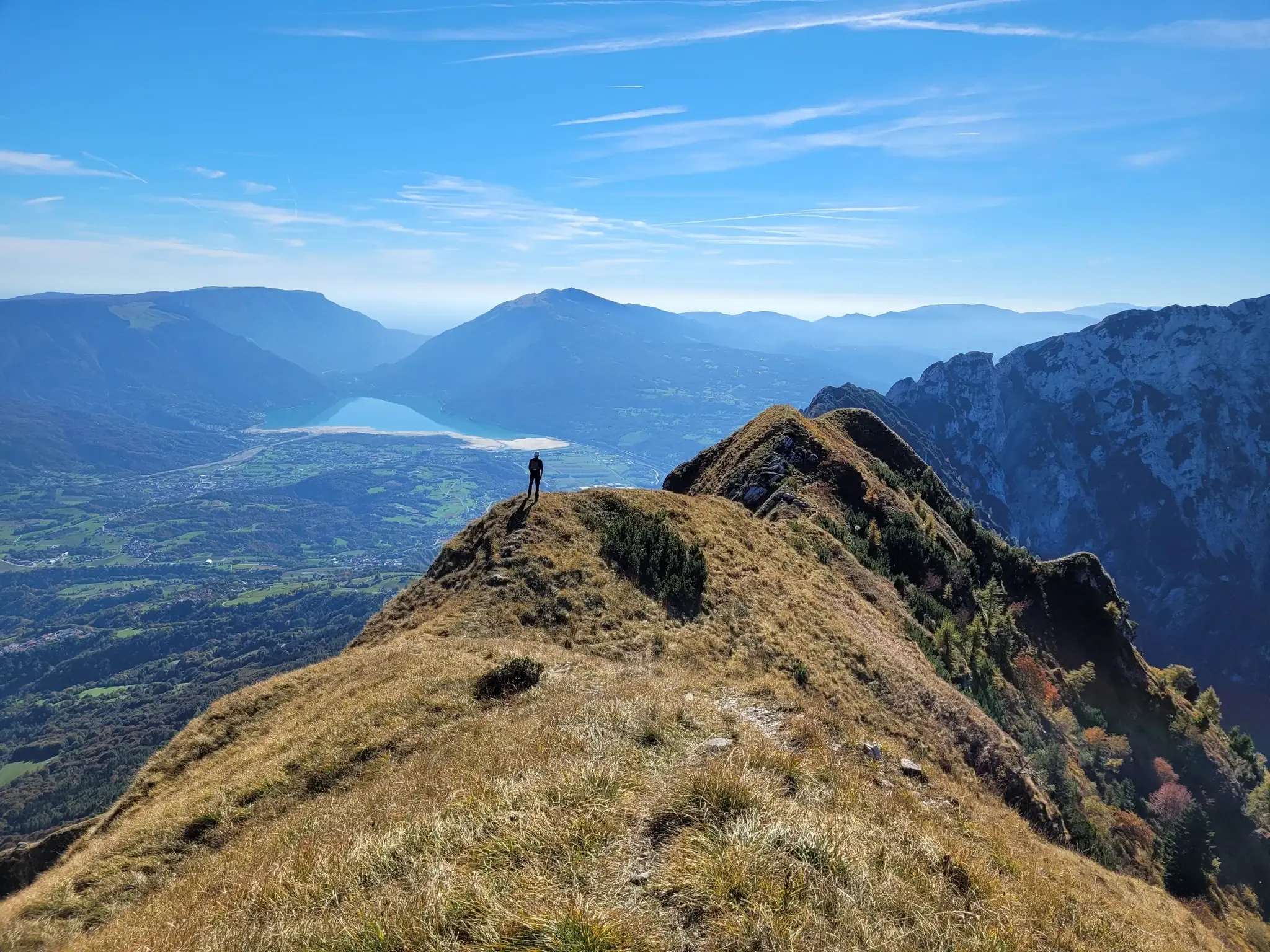
A fairytale hike in Italy’s Pale Mountains – Alta Via delle Dolomiti 7
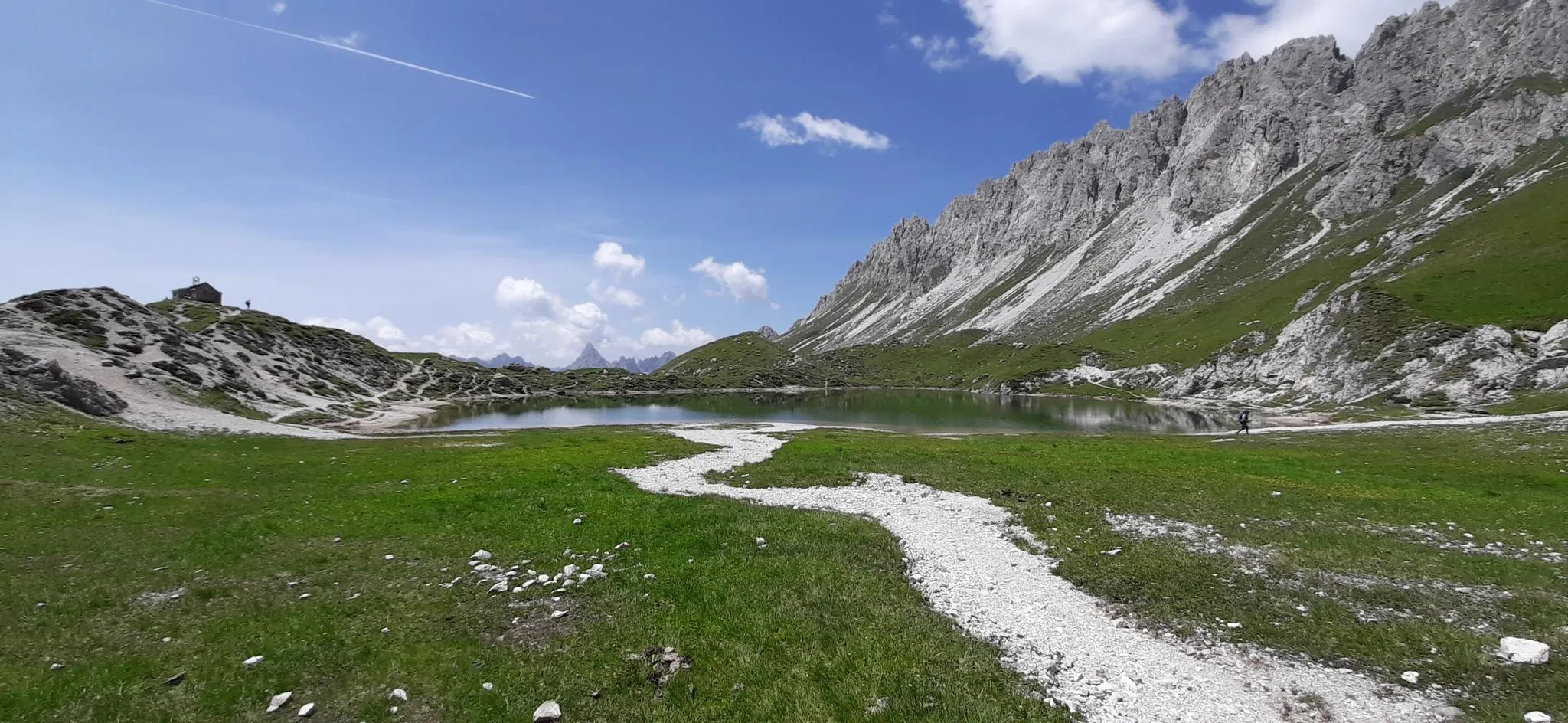
A trail running adventure in the Dolomites – Alta Via 6
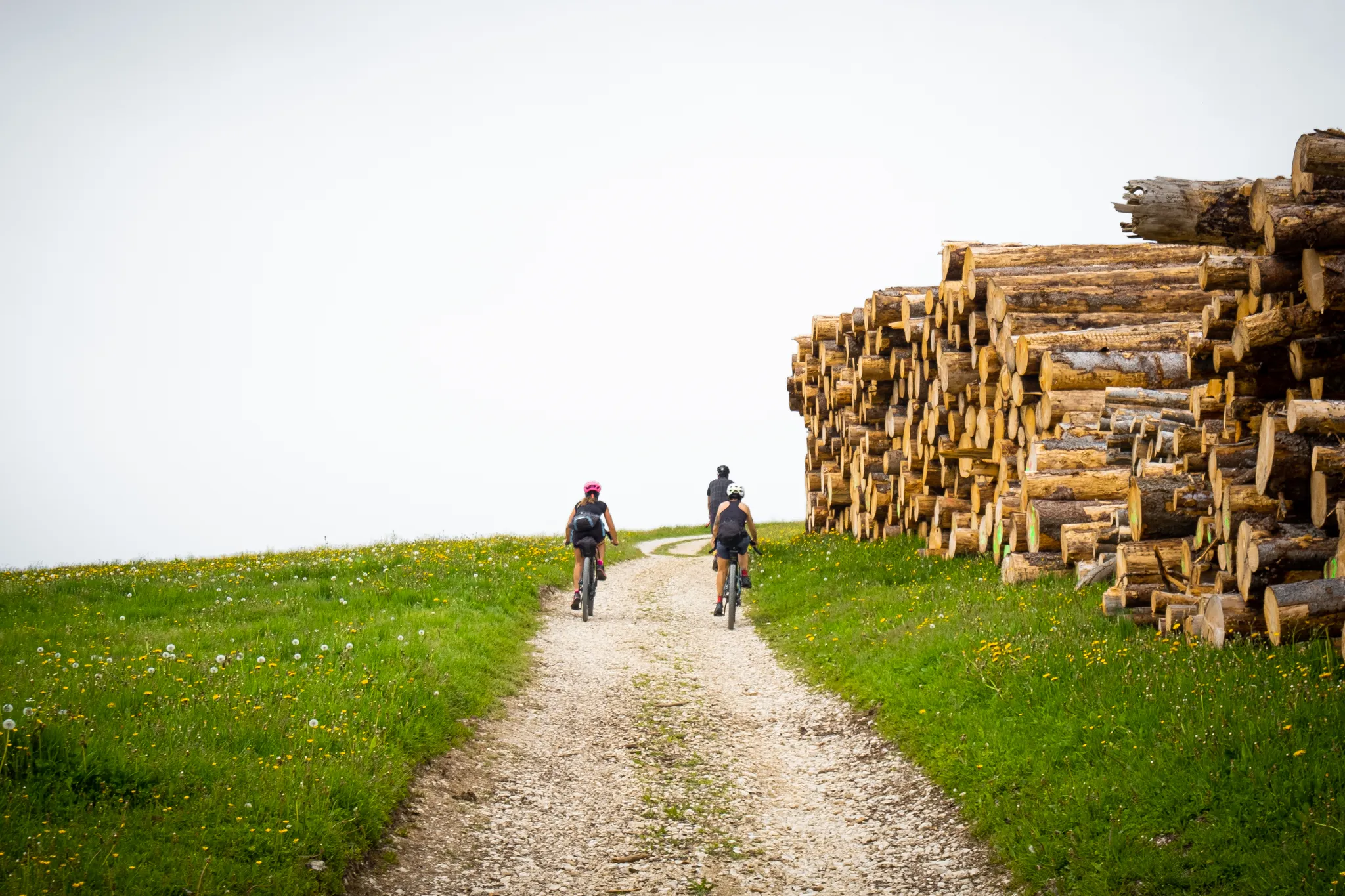
Via delle Prealpi – On the way with the MTB in the Venetian Prealps
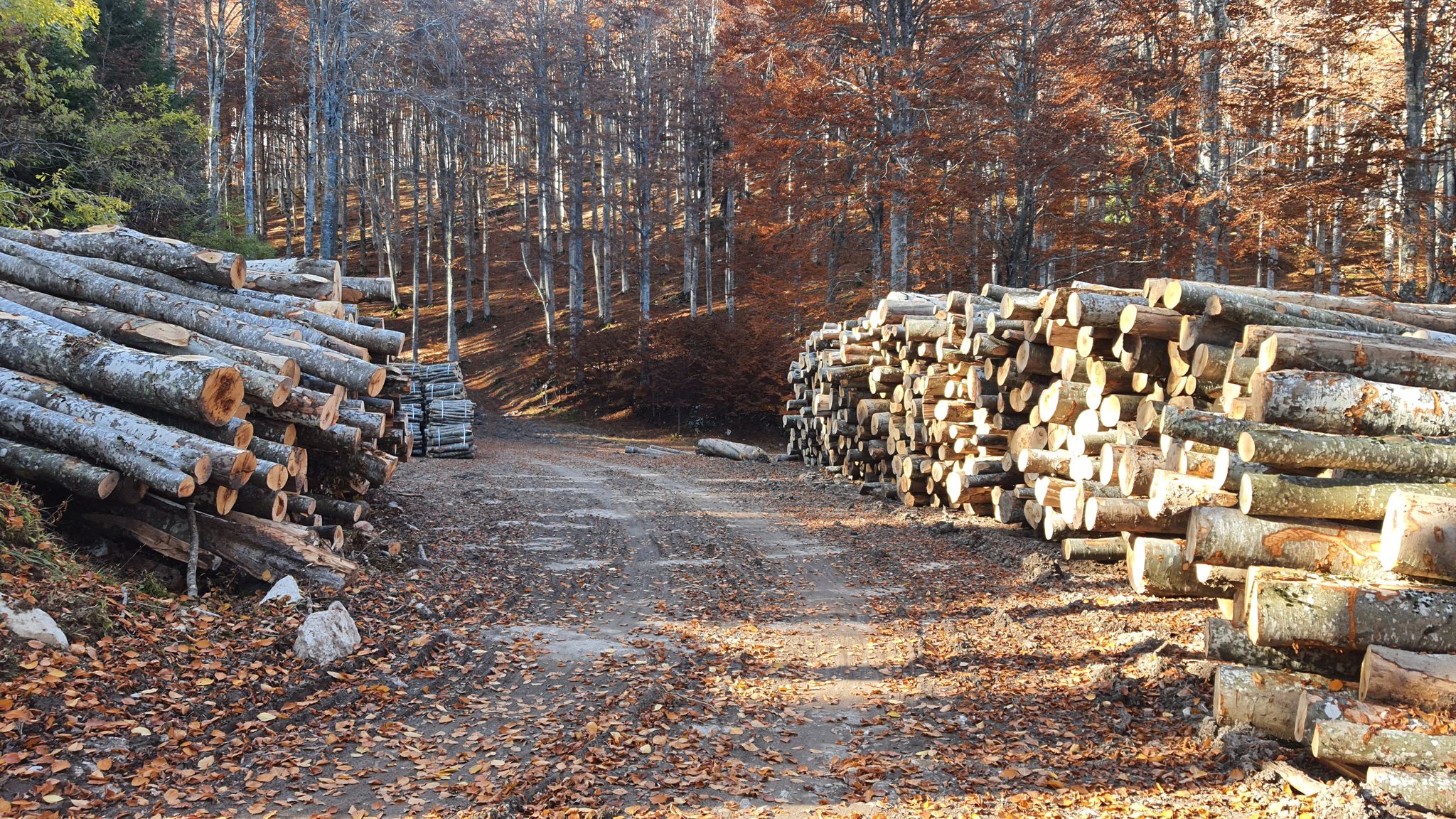
Between dirt roads and forests – Grande Anello Bellunese in Italy
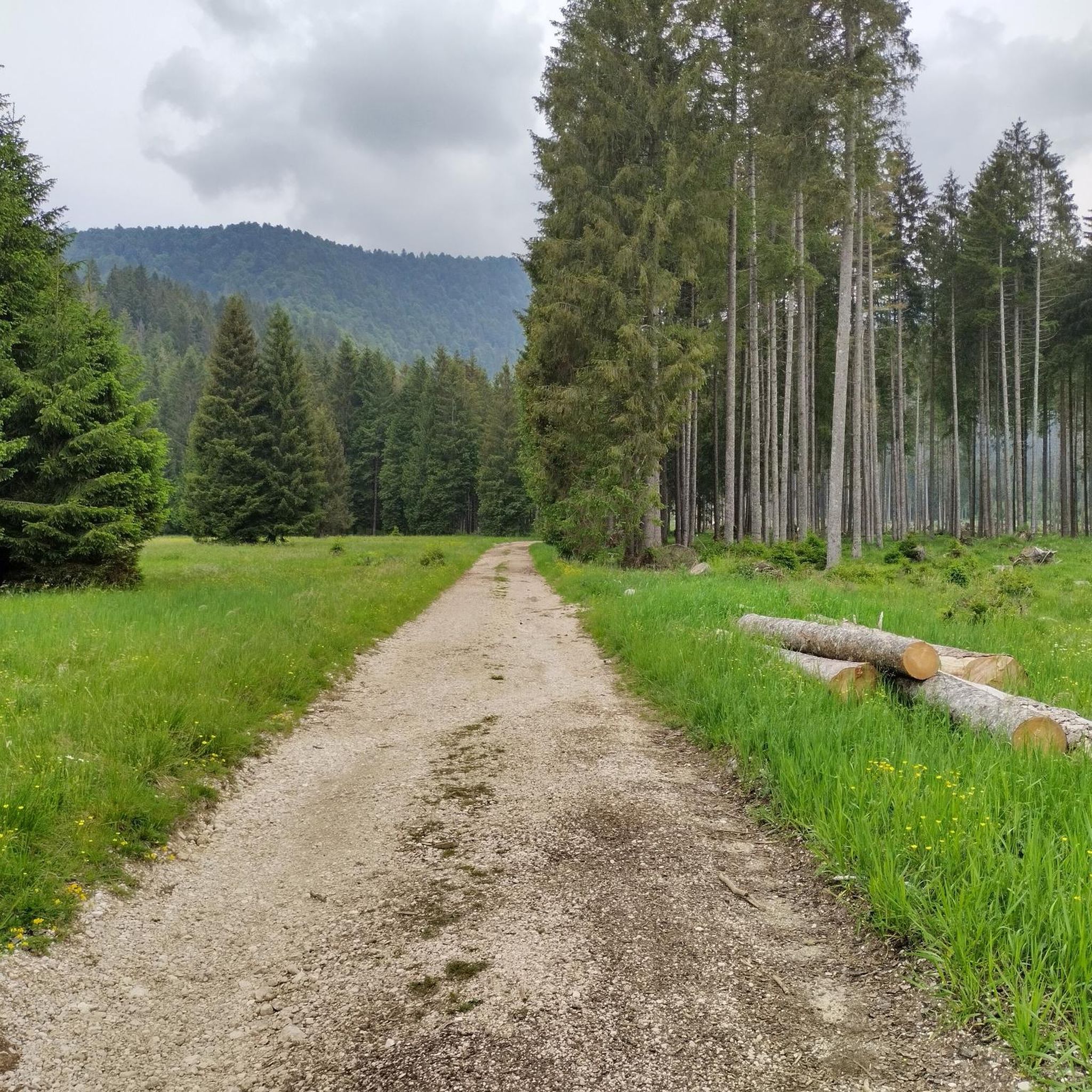
Hiking around Tambre
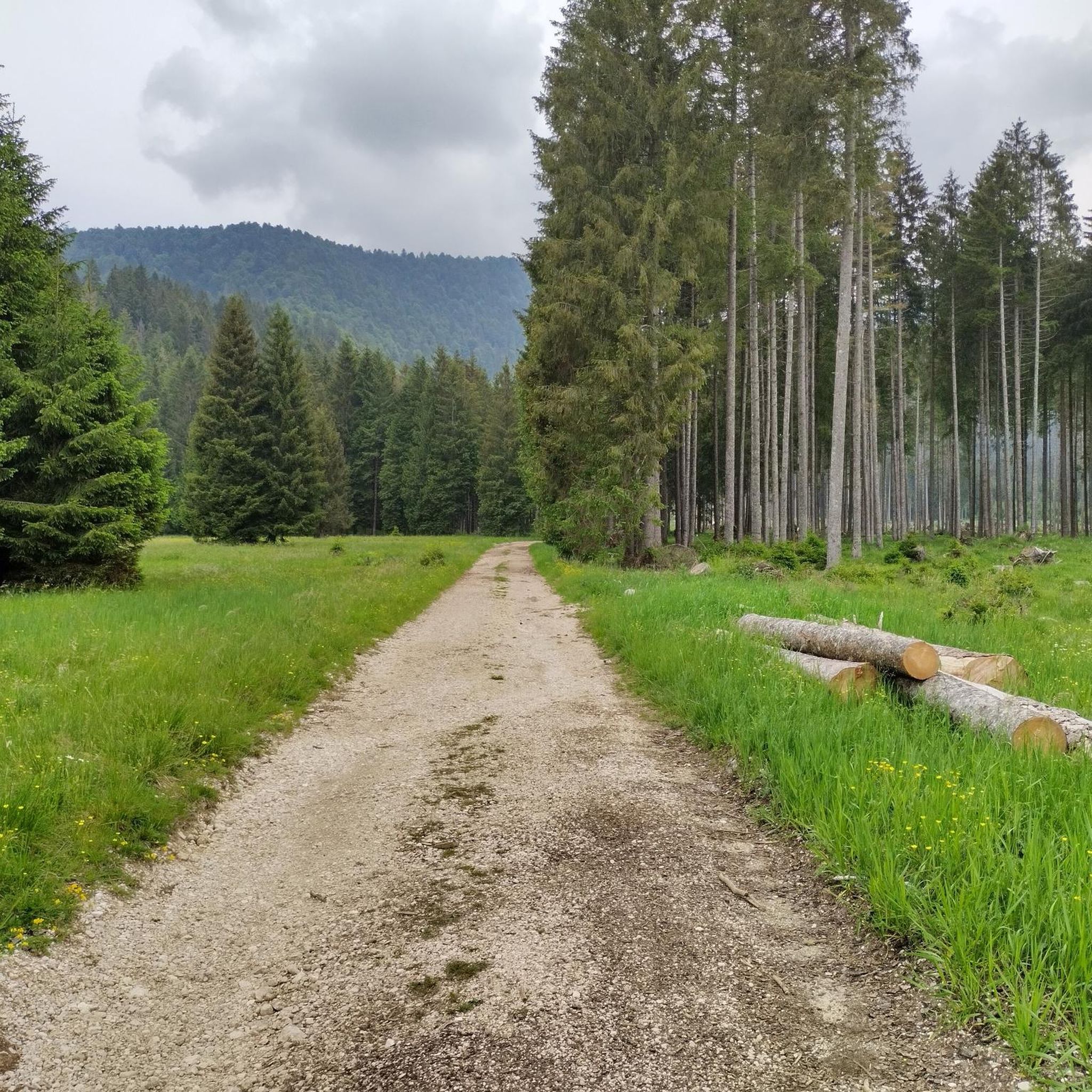
MTB Trails around Tambre

Gravel biking around Tambre
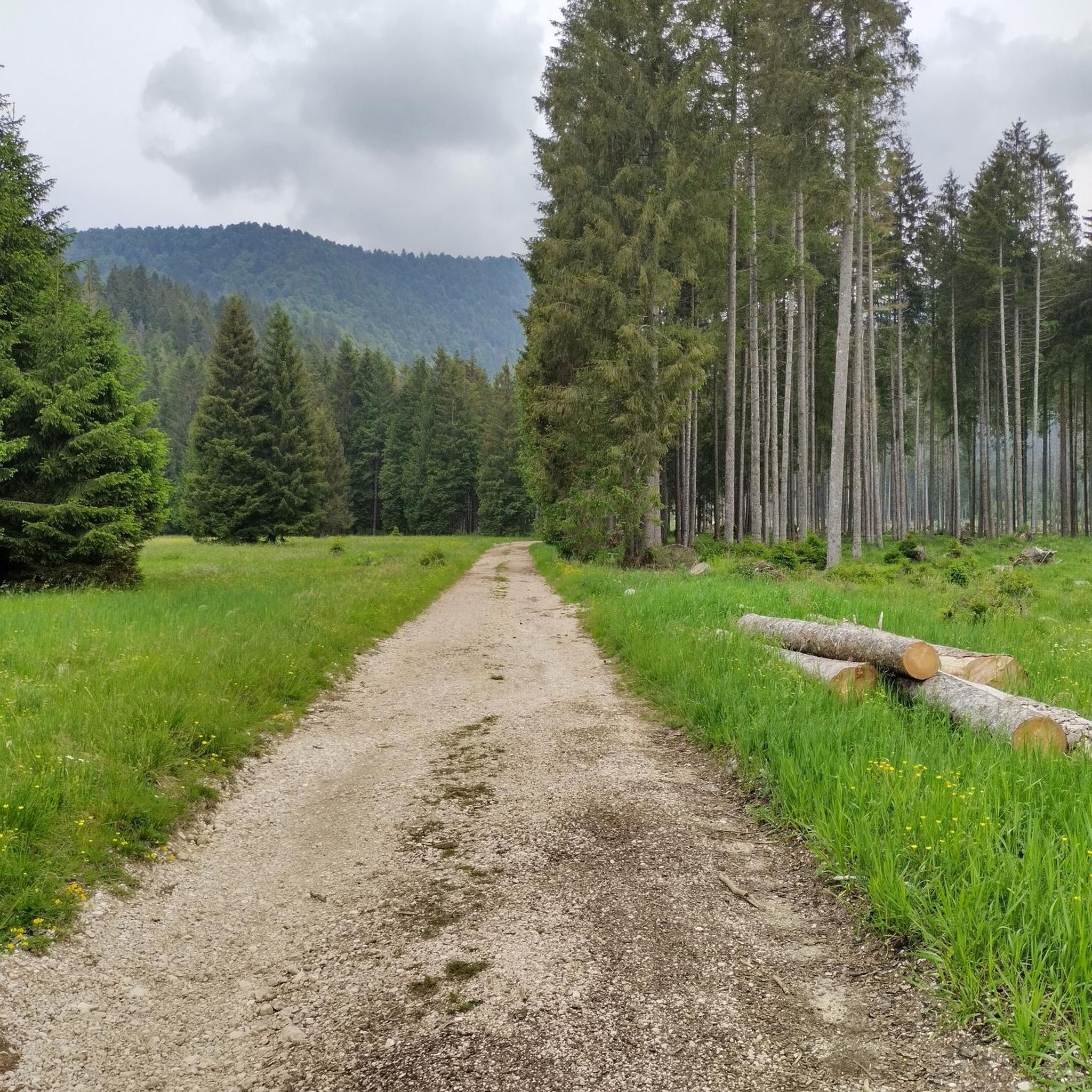
Cycling around Tambre
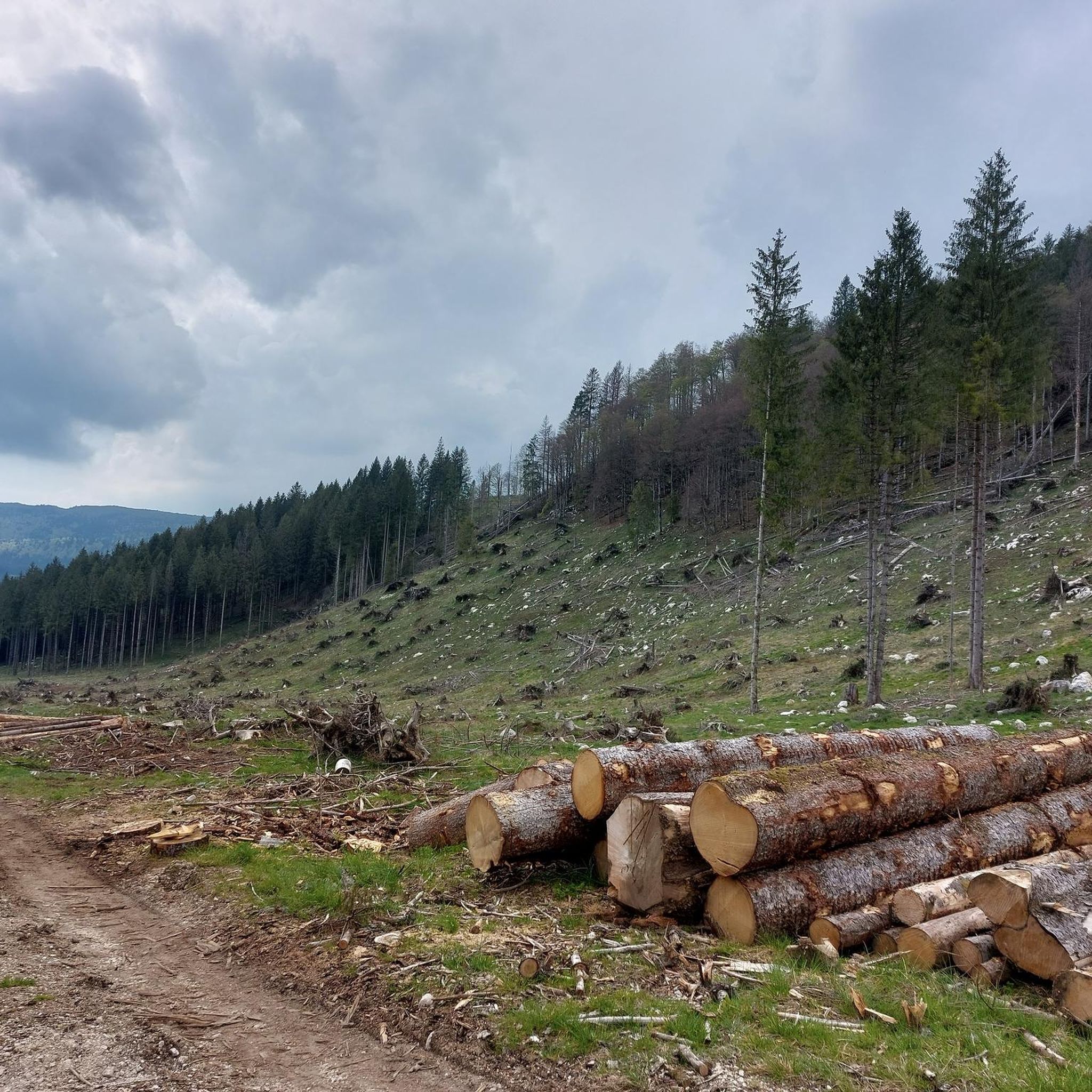
Running Trails around Tambre
Road Cycling Routes around Tambre
Other adventures around Tambre


Tips from the Community

Its history intertwines nature, folklore, and wartime events: 1. The formation and legend of "will-o'-the-wisps" The name Bus de la Lum derives from a mysterious phenomenon that for centuries fueled legends and popular tales. The folklore: Shepherds and locals told of strange little flames or bluish glows that danced above the cave entrance during summer nights. Popular belief attributed these lights to the presence of witches (eàne or anguane) or restless spirits. The scientific explanation: In reality, the cave had been used since time immemorial to dispose of the carcasses of animals that died on the plateau's farms. The decomposition of organic matter generated methane and hydrogen phosphide gases which, upon contact with air, produced small and harmless will-o'-the-wisps. 2. The events of the Second World War Between 1943 and 1945, the Cansiglio Plain was a strategic stronghold of the Italian Resistance, garrisoned by partisans of the "Garibaldi" Brigade (and other local formations) against the Nazi-Fascist occupying forces. During the harshest phases of the conflict and in the dramatic months of roundups and executions at the end of the war, the Bus de la Lum was used as a natural mass grave. The bodies of German soldiers, fascists, and Republicans captured in combat or roundups, as well as civilians accused of collaborationism or espionage, were thrown into the chasm. In the post-war period, amidst explorations and speleological recoveries, the cavity was the subject of heated historiographical and political debates regarding the precise number and identities of the people who fell into the well. 3. The site today Today the Bus de la Lum is recognized as a place of memory. The entrance to the abyss is protected and fenced for safety reasons, flanked by a large metal cross and a plaque in memory of all the nameless fallen.
0
0

The Cansiglio Forest hides a myriad of sinkholes, pits, and swallow holes of all sizes, due to the karst morphology of the territory: the rain dissolves the limestone rock, slowly but inexorably forming these natural chasms and fissures on the ground. The Bus de la Lum is an abyss characterized by a single large vertical entrance shaft 180m high, which then develops into a very large and articulated underground complex. The depth of the shaft is best appreciated out of season, because in summer the lush vegetation tends to partially obscure the view. According to ancient beliefs, it is the dwelling of the Anguane or Anduane, fierce and evil witches, toothless, with long rusty nails instead of hair and sharp fangs, who kidnapped and ate children! They gathered at the bottom of the cave, lighting fires, whose glows rose to the surface, visible at night to the shepherds of the area: hence the name 'Buco della Luce' (Hole of Light). In reality, the legend has a grain of truth: on hot summer nights, will-o'-the-wisps could indeed be formed by the decomposing carcasses of livestock dead from illness, which it was customary to throw into the Buso. During World War II, the cavity was sadly used by partisans as a foiba, to dispose of the bodies of fascists and nazis, but also of civilians: over the years, several bodies and bones have been found during explorations. https://it.wikipedia.org/wiki/Bus_de_la_Lum
0
0


The Gorgazzo springs have the characteristic of collecting rainwater which, infiltrating the karst structure of the Cansiglio plateau, emerges at the base of the mountain with an already considerable flow rate.
0
0

A magical place, with an incredible scientific history. Always worth a stop.
0
0

The name probably derives from "lume" or flame, due to the luminescence that would have been seen on summer nights above the cavity, produced by the gases generated by the putrefaction of animal carcasses thrown into the well. The cavity was formed by karst, or by the dissolution of the rock by water. According to legend, it is inhabited by the Anguane, very ugly fairies, with nails instead of hair, and long fangs instead of teeth. During the day they went to wash clothes at Lake Santa Croce, then wandered around in search of wood, food and children to roast. At night, they lit a small fire, whose light, spotted by shepherds, gives the cavity its name
2
0

The Caglieron caves are located in the municipality of Fregona, province of Treviso, precisely in the locality of Breda. It is a series of cavities created partly by natural erosion and partly by human action.
4
0
Directions for visiting the Caglieron Caves. https://www.prolocofregona.it/grotte-del-caglieron/
13
0
Frequently Asked Questions
What are some of the most popular caves and karstic features to visit around Tambre?
The region offers several notable sites. Among the most popular are Gorgazzo Spring, known for its vibrant green waters and as a significant source for the Livenza river. The Caglieron Caves are also very popular, featuring a mix of natural formations and 16th-century man-made excavations. Additionally, the Bus de la Lum Sinkhole in the Cansiglio plateau is a prominent karstic feature with historical significance.
Are there any caves around Tambre with historical or archaeological importance?
Yes, Grotta Landro, located within the Pian di Landro-Baldassarre Natural Reserve, is a crucial archaeological site. Excavations there have revealed a multi-layered stratigraphic sequence, with the deepest layers dating back to the late Paleolithic period (approximately 15,000-11,500 years ago), offering insights into prehistoric human occupation.
What kind of geological formations can I expect to see in the caves near Tambre?
The area around Tambre, particularly within the Cansiglio Forest, is rich in karstic phenomena. You can expect to see impressive sinkholes like the Bus de la Lum and Bus della Genziana, which is the deepest sinkhole in the area. These formations are created by the dissolution of rock by water, showcasing extensive underground systems.
Are there family-friendly caves or accessible options for visitors around Tambre?
The Caglieron Caves are a highly recommended option for families. They feature picturesque wooden walkways and are easily accessible, offering a blend of natural beauty and historical human intervention. Gorgazzo Spring is also considered family-friendly, offering beautiful natural springs.
What outdoor activities can I do near the caves around Tambre?
The region offers a variety of outdoor activities. You can find numerous hiking trails, such as the 'Trail of the Cippi of the Serenissima' or the 'Cansiglio Loop'. There are also running trails like the 'Pian di Cansiglio – Pian del Cansiglio loop' and cycling routes, including the 'Cansiglio Forest Road – Taffarel Road loop'. For more details on routes, you can explore the Hiking around Tambre, Running Trails around Tambre, and Cycling around Tambre guides.
Are there any caves near Tambre that are suitable for experienced speleologists?
Yes, for experienced speleologists, the Grotta dell'acqua nera is primarily for cave divers due to its intricate and water-filled passages. Additionally, the Piani Eterni system in the Dolomiti Bellunesi National Park is the longest cave in Veneto, with over 30 kilometers of galleries and a depth of 971 meters, offering significant challenges.
What makes the <a href="https://www.komoot.com/highlight/4770381" target="_blank" rel="noopener">Bus de la Lum Sinkhole</a> unique?
The Bus de la Lum Sinkhole is a prominent karstic formation known for its geological structure formed by rock dissolution. It also holds a complex historical significance as a site where bodies were tragically dumped during World War II, making it a stark reminder of the region's past.
Can I find any caves with religious or spiritual significance in the area?
Yes, the Grotto of Our Lady of Agnelezza is a suggestive corner for meditation and prayer. It features a small natural cave with a figurine of the Madonna and an altar, located along a steep hiking path in the forest.
What is the <a href="https://www.komoot.com/highlight/2702450" target="_blank" rel="noopener">Gorgazzo Spring</a> known for?
The Gorgazzo Spring is renowned for its incredibly vibrant green waters, which are a result of the sun's reflections. It is a significant natural spring and cave system that serves as a substantial and consistent source for the Livenza river.
Are there any caves near Tambre that show evidence of human intervention or quarrying?
Yes, the Caglieron Caves are partly natural and partly man-made, with some excavations dating back to the 16th century for extracting 'pietra dolza' (soft stone). Similarly, the Grotta dei Pilastrini also features ancient sandstone quarries, showcasing similar extraction methods with inclined columns left for support.
What do visitors enjoy most about the caves around Tambre?
Visitors appreciate the diverse experiences offered, from the natural beauty of the springs and waterfalls to the historical and archaeological insights provided by sites like Grotta Landro. The unique geological formations, such as the prominent sinkholes, also draw significant interest. The komoot community has shared over 100 photos and given more than 230 upvotes, highlighting the appeal of these natural and historical sites.
Are there any caves in the wider Belluno province that offer unique experiences like canyoning?
Yes, the Grotta Azzurra in Borgo Valbelluna is notable for its turquoise, crystal-clear water and offers opportunities for canyoning, providing a unique and adventurous experience in the wider Belluno province.
Most popular routes around Tambre
Most popular attractions around Tambre

Get inspired with the komoot mobile app


Explore more
Extend your search for the best caves by checking out these guides of the top ones around Tambre:
