Top 9 Caves around Malborghetto Valbruna
Best caves around Malborghetto Valbruna are found within the Julian Alps, a region characterized by its mountainous terrain and karst landscapes. This area, situated in the Friuli-Venezia Giulia region, offers a blend of natural features and historical significance. The local geology contributes to the formation of various underground structures, from natural grottoes to historical mining tunnels. Visitors can explore a range of subterranean environments, reflecting both natural processes and human activity.
Best caves around Malborghetto Valbruna
- The most popular caves…
Last updated: June 30, 2026
Fontanone di Goriuda
Highlight • Waterfall
Translated by Google •
Tip by

Köpfach Shelter and World War I Observation Post
Highlight • Historical Site
Next to it there is a shelter cave which was used during the bombings.
Translated by Google •
Tip by

Sign up now to discover places like this
Get recommendations on the best single tracks, peaks, & plenty of other exciting outdoor places.
Sign up for free
World War I Fortifications in Triglav National Park
Highlight • Historical Site
Translated by Google •
Tip by

Former Firing Slits of Val Bartolo
Highlight • Historical Site
Also opposite one finds which one!
Translated by Google •
Tip by

Zankl Grotto
Highlight • Cave
Translated by Google •
Tip by

Sign up for free to discover even more caves around Malborghetto Valbruna.
Sign up for free
Already have an account?
Start today with a free account
Your next adventure awaits.
Login or Signup
Popular around Malborghetto Valbruna
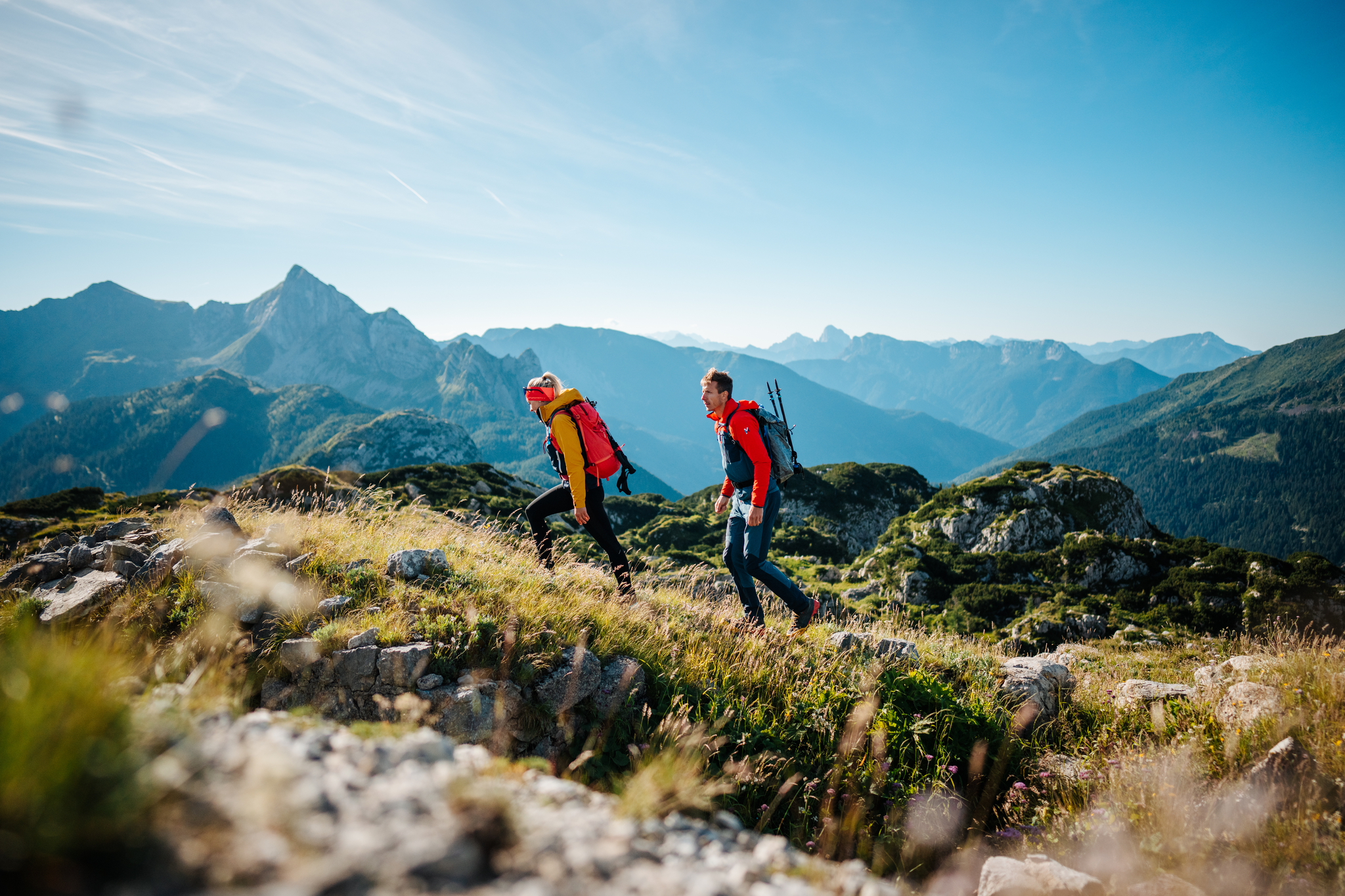
The Milky Way on the Carnic High Route – hiking the alpine cheese dairies
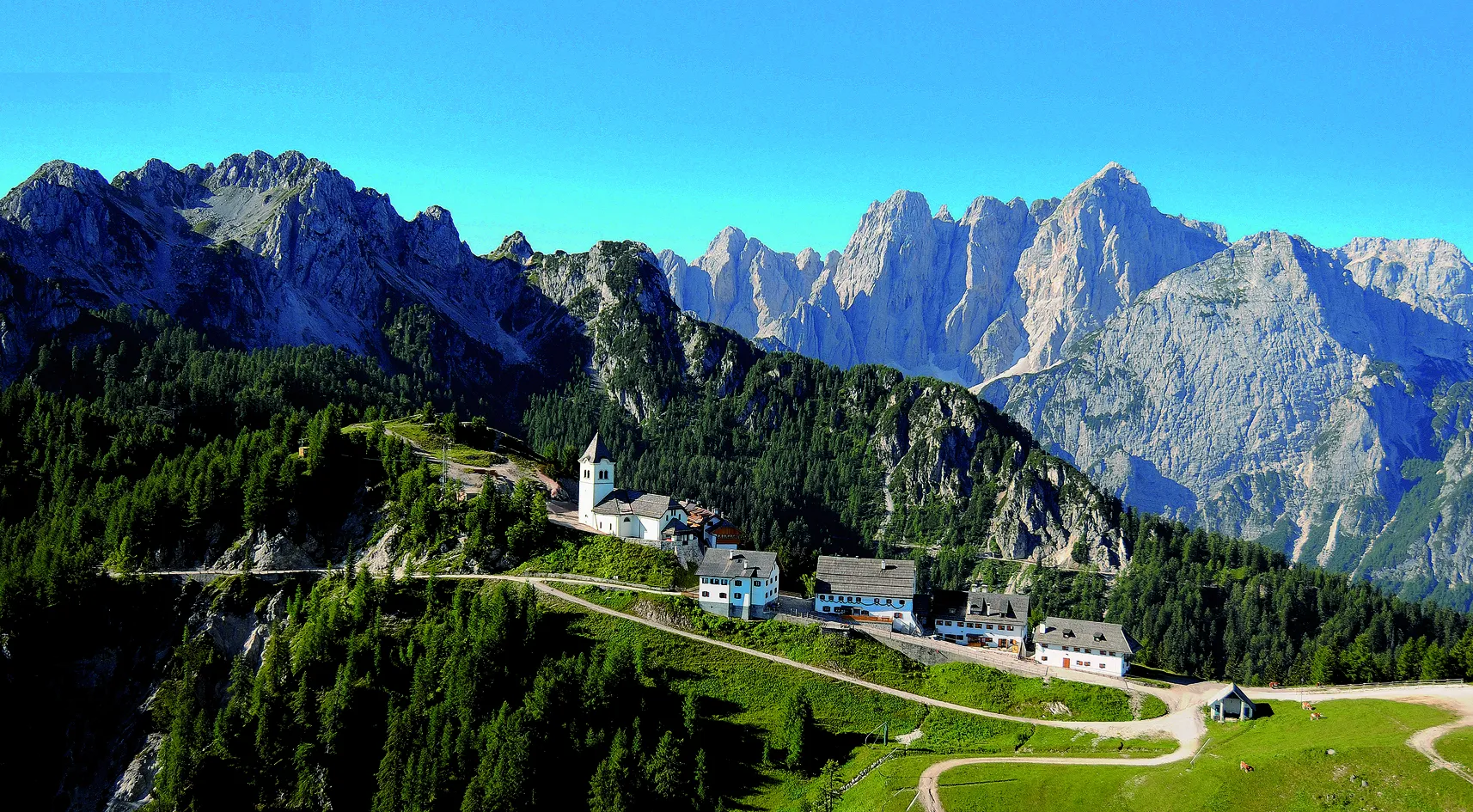
Hike from sea to mountain in northern Italy – Cammino Celeste
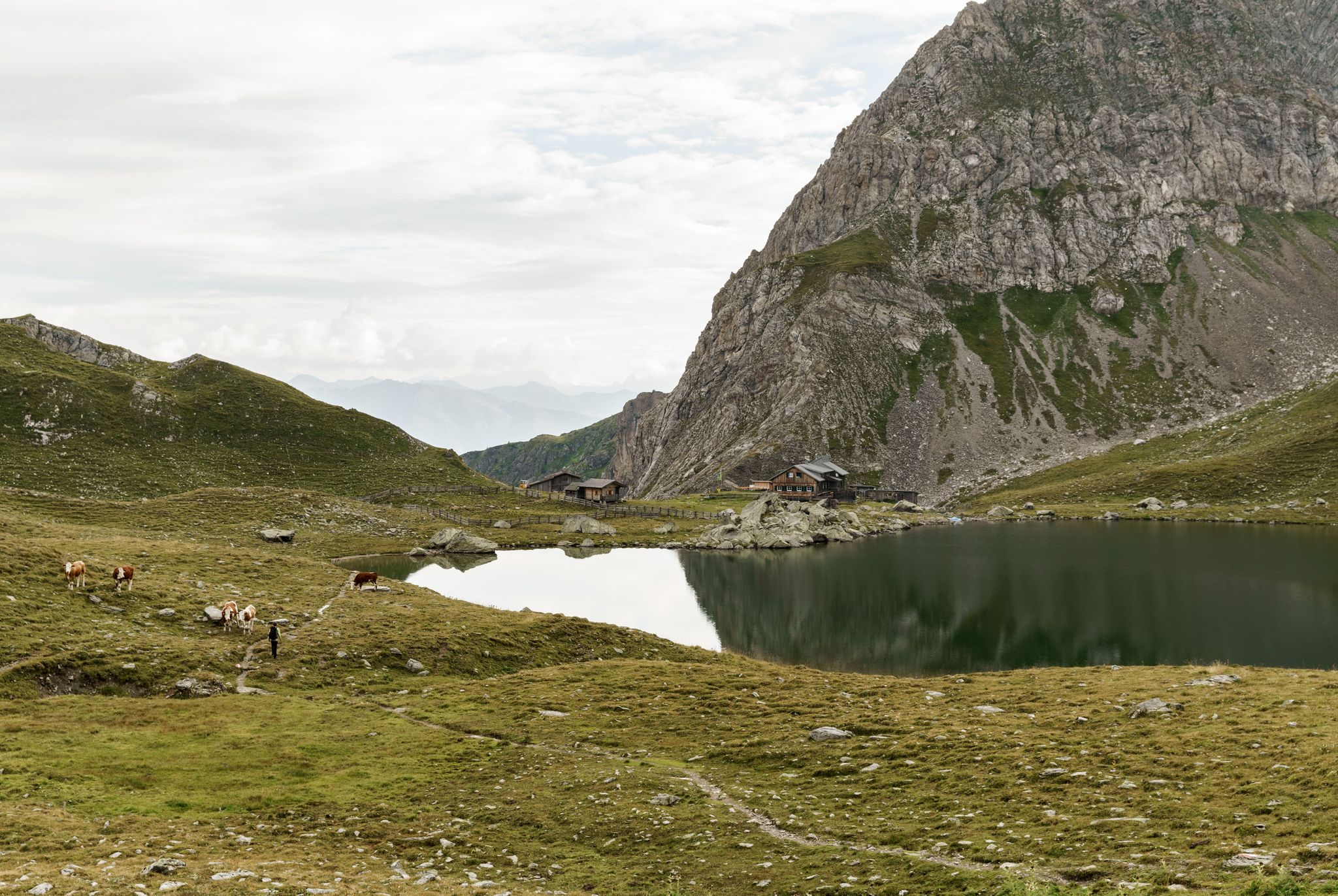
Ridge walking on the Carnic High Trail — Great Walks
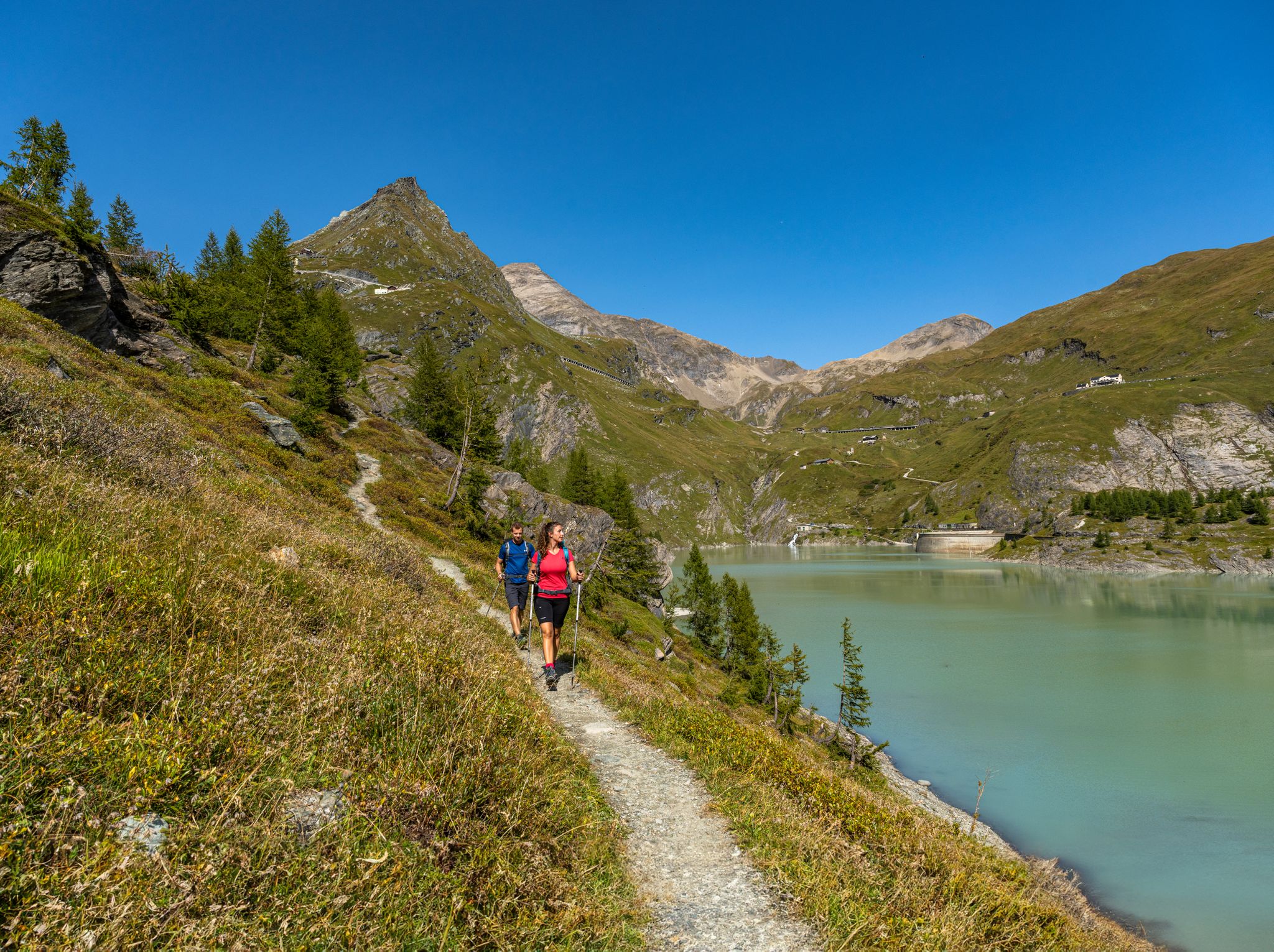
From the Grossglockner to the sea on the Alpe Adria Trail
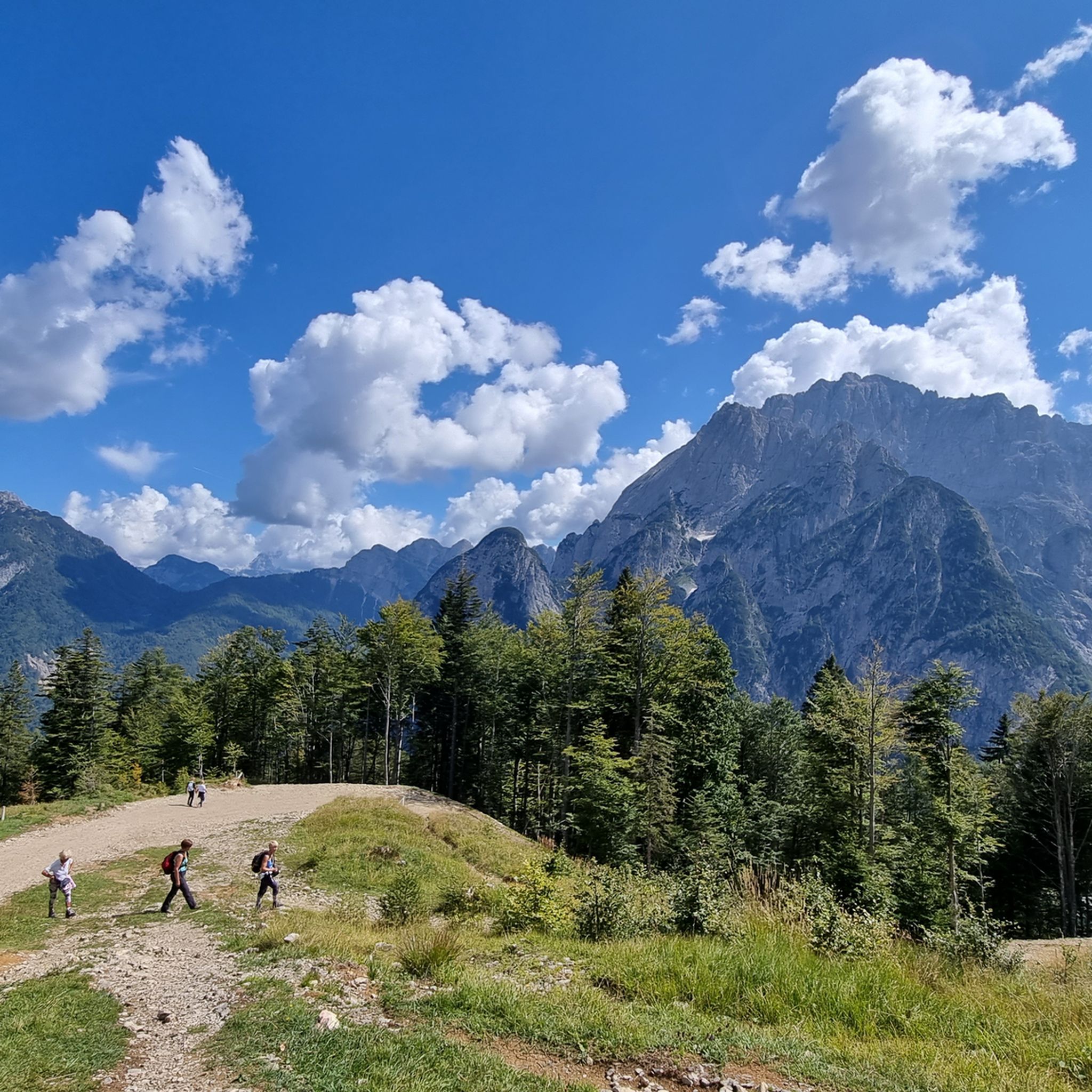
Hiking around Malborghetto Valbruna
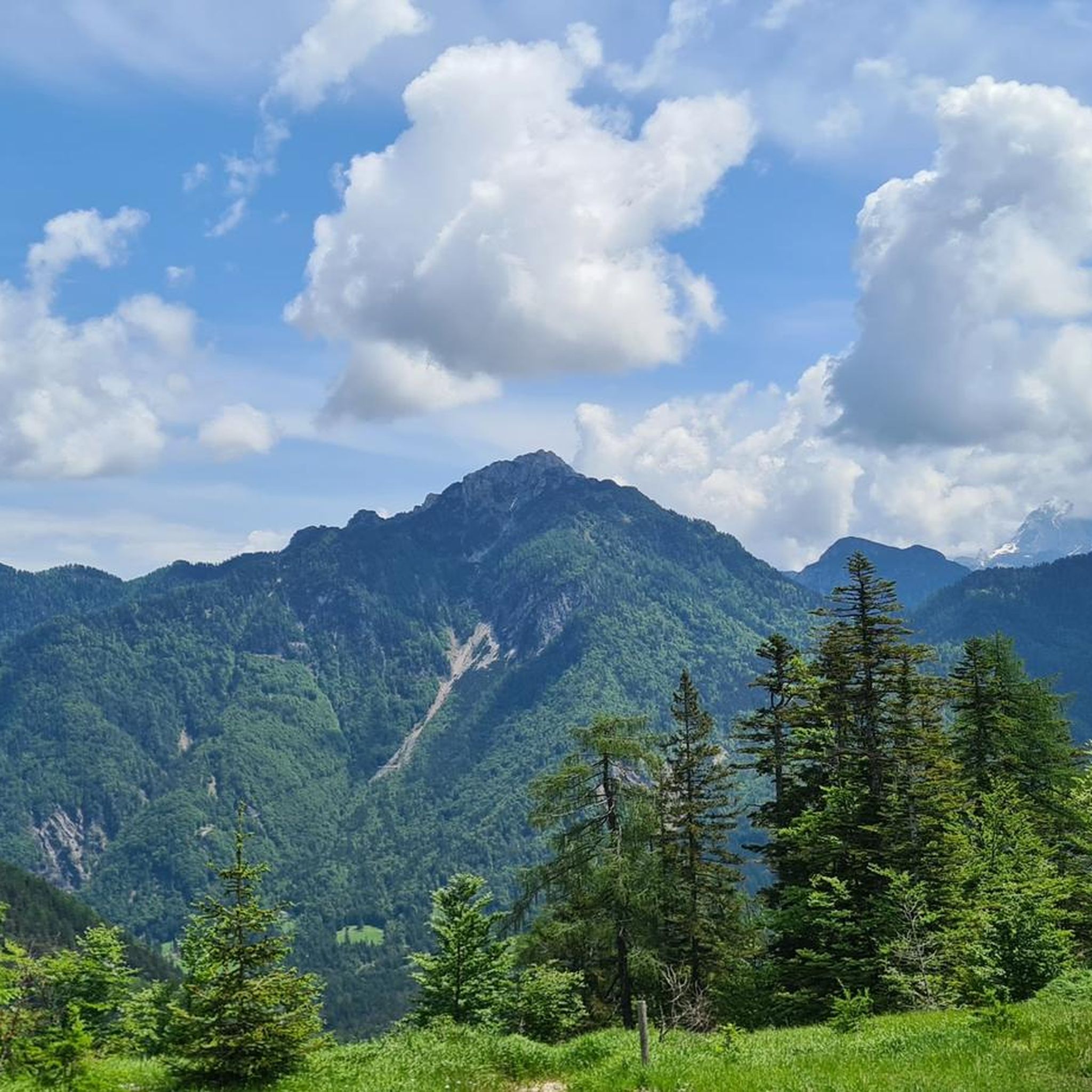
Cycling around Malborghetto Valbruna
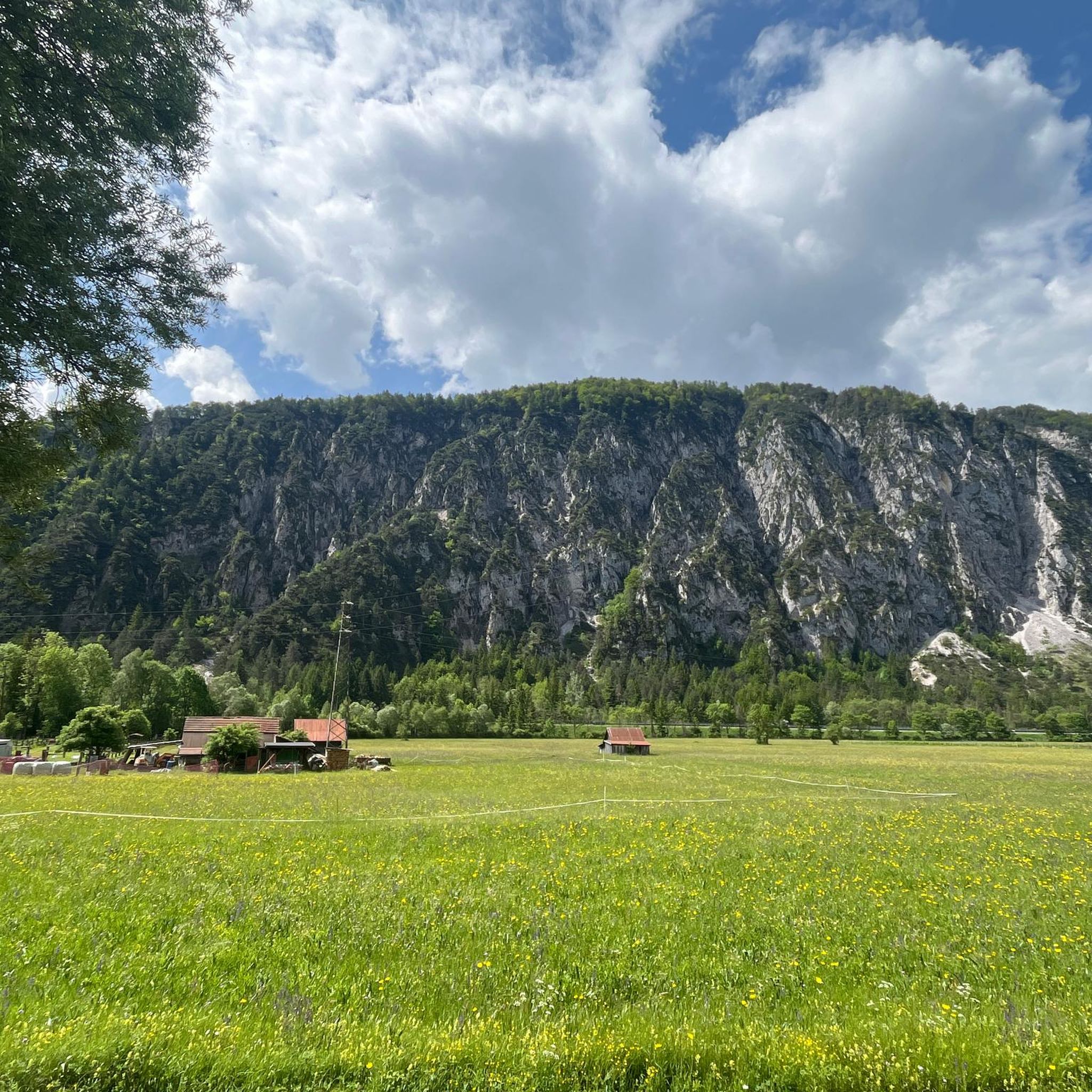
MTB Trails around Malborghetto Valbruna
Running Trails around Malborghetto Valbruna
Road Cycling Routes around Malborghetto Valbruna
Gravel biking around Malborghetto Valbruna
Other adventures around Malborghetto Valbruna


Tips from the Community

Hello! And welcome to the Julian Prealps Natural Park. To enjoy your experience to the fullest and with respect, we invite you to follow a few simple rules—they're our way of saying "thank you" to this extraordinary environment: - Bring home memories, not flowers: take all the photos you want, but leave plants, fossils, and any natural artifacts intact. - Dogs are welcome, but always on a leash: this way you protect the wildlife and themselves. - No wild camping: nature rests here at night, just like you! - Silence, the mountains speak: no loud music, shouting, or bright lights—let the sounds of the forest be your soundtrack. - Stay on the trail: walking off-trail damages delicate habitats. - Hunting is prohibited: animals live peacefully here, as they should everywhere. - Watch out for ticks: ticks are present throughout the Friuli Venezia Giulia region, so it's important to learn about prevention and protection techniques! Don't throw away your trash: everything you bring with you (snacks, bottles, tissues, etc.), take it home. The mountain is not a trash can. Nature thanks you! And if you need information, write to us at info@parcoprealpigiulie.it
0
0

The Fontanone di Goriuda is a breathtaking visual experience. The waterfall, born from the bowels of the earth, creates a unique natural spectacle. An explosion of colors and sounds that enchants and leaves you speechless. Unmissable for those seeking intimate contact with nature.
0
0

It is a small building which now offers protection for 2 - 3 people, but this functioned as an observation post during the Great War. From the small windows you can easily observe the mountains to the east, the northern flank of the Montasch and the Val Saisera valley below, which was then the border with the Austro-Hungarian Empire.
0
0

Beautiful spot for photo shots. Reachable after a simple and short uphill walk from the road. You can circumnavigate the entire body of water by passing under the cave.
0
0

World War I observatory operated by officers of the 36th Mountain Artillery Regiment. Next to it there is a shelter cave which was used during the bombings.
3
0

Brilliant natural spectacle with the opportunity to completely circle the waterfall! Where the water flows out of the pool there are also beautiful cascade waterfalls - definitely worth seeing!
1
0

The waterfall is 4 minutes from the parking lot, and you can walk around the back, don't forget your rain jacket if you don't want to get too wet
0
0

A wonderful path that allows you to walk near a fabulous waterfall.
1
0
Frequently Asked Questions
What types of caves can I explore around Malborghetto Valbruna?
The area around Malborghetto Valbruna offers a diverse range of subterranean experiences. You can find natural grottoes like Zankl Grotto, waterfall-caves such as Fontanone di Goriuda, and historical shelter caves, including the World War I Fortifications in Triglav National Park and the Köpfach Shelter and World War I Observation Post.
Are there any natural grottoes or waterfall caves to visit?
Yes, you can visit Zankl Grotto, a natural monument where a spring of clear mountain water flows from inside the rocks. Another unique spot is Fontanone di Goriuda, a waterfall that allows you to walk near and even behind it.
What are the most impressive natural cave systems in the broader Friuli-Venezia Giulia region?
Beyond the immediate vicinity of Malborghetto Valbruna, the Friuli-Venezia Giulia region boasts significant cave systems. The Grotte di Villanova in Lusevera offer an extensive karst system with stunning formations and guided tourist paths. Further afield, near Trieste, is the renowned Grotta Gigante, recognized as the world's largest single-chamber tourist cave.
Can I visit historical caves or former mines in the area?
Absolutely. The region has a rich history reflected in its underground sites. The former Raibl Mine (Cave del Predil), a short distance from Malborghetto Valbruna, offers underground tours and a mining museum, showcasing its history from Roman times. Additionally, you can explore historical shelter caves like the World War I Fortifications in Triglav National Park, the Köpfach Shelter and World War I Observation Post, and the Former Firing Slits of Val Bartolo, which were used by the Austrian army during the Great War.
Are there family-friendly caves around Malborghetto Valbruna?
Yes, Fontanone di Goriuda is considered family-friendly. Its short, simple path allows visitors of all ages to experience walking near and behind the waterfall. The guided tourist path at Grotte di Villanova is also suitable for families, offering a well-lit and paved route through impressive formations.
What is the best time to visit the caves in this region?
For natural caves like the Grotte di Villanova, the internal temperature remains a constant 11°C (51.8°F) year-round, making them a good option regardless of external weather. However, access roads and surrounding trails might be more pleasant during spring, summer, and early autumn. Historical sites like the Raibl Mine are generally accessible throughout the operating season.
What should I wear when visiting the caves?
Even in summer, it's advisable to wear warm clothing when visiting natural caves like the Grotte di Villanova due to their constant cool internal temperature of 11°C (51.8°F). Comfortable, sturdy shoes with good grip are recommended for all cave explorations, especially where paths might be damp or uneven.
What outdoor activities can I do near these caves?
The area around Malborghetto Valbruna is excellent for various outdoor activities. You can find numerous hiking trails, including the 'Resonance Trees Trail through Val Saisera' and the 'Feistritzer Alm - Carnic High Route Loop'. For cyclists, there are many road cycling routes and MTB trails, such as the 'Pontebbana Cycle Path' or routes around Val Saisera.
How far are the Grotte di Villanova from Malborghetto Valbruna?
The Grotte di Villanova are located in the municipality of Lusevera, which is a bit further south from Malborghetto Valbruna. The driving distance is approximately 60-70 kilometers, taking about an hour to an hour and a half, depending on the specific route.
Is public transport available to reach the major cave attractions?
While Malborghetto Valbruna is a base for exploring the Julian Alps, direct public transport links to specific cave attractions like the Grotte di Villanova or the Raibl Mine might be limited or require multiple connections. It is generally recommended to use a car for flexibility when visiting these sites in the broader region. For the Raibl Mine, you would typically travel to Cave del Predil, which is a short distance from Tarvisio.
What geological features can I expect to see in the caves?
In natural caves like the Grotte di Villanova, you'll encounter stunning karst formations, including stalactites, stalagmites, flowstones, and wide galleries shaped by water over millions of years. The Raibl Mine offers insights into geological strata and mineral deposits, as it was a lead and zinc mine. Even the waterfall-cave Fontanone di Goriuda showcases the erosive power of water on rock.
What do visitors enjoy most about the caves around Malborghetto Valbruna?
Visitors particularly appreciate the unique experience of walking behind the waterfall at Fontanone di Goriuda. The historical significance of the World War I fortifications, such as the caves used by the Austrian army, also leaves a strong impression, offering a tangible connection to the past.
Most popular routes around Malborghetto Valbruna
Most popular attractions around Malborghetto Valbruna

Get inspired with the komoot mobile app


Explore more
Extend your search for the best caves by checking out these guides of the top ones around Malborghetto Valbruna:
