Top 10 Castles around Atripalda
Castles around Atripalda offer insights into the region's rich history, from ancient Roman settlements to medieval Lombard strongholds. Situated in the Irpinia region, Atripalda is characterized by its hilly terrain and historical layers, including the significant archaeological site of ancient Abellinum. The area provides a landscape where historical structures often stand on strategic elevations, offering views of the surrounding countryside. This blend of natural setting and historical architecture defines the experience of exploring castles in this part of Italy.
Best…
Last updated: June 30, 2026
Castelletto Parise
Highlight • Castle
Translated by Google •
Tip by

San Pantaleone Sanctuary and the Lombard Castle of Montoro
Highlight • Historical Site
Translated by Google •
Tip by

Sign up now to discover places like this
Get recommendations on the best single tracks, peaks, & plenty of other exciting outdoor places.
Sign up for free
Monteforte Irpino Castle
Highlight • Castle
But the history of Monteforte …
Translated by Google •
Tip by
Castello di Tufo
Highlight • Castle
Translated by Google •
Tip by
Ruins of Mercogliano Castle
Highlight • Castle
Translated by Google •
Tip by
Sign up for free to discover even more castles around Atripalda.
Sign up for free
Already have an account?
Start today with a free account
Your next adventure awaits.
Login or Signup
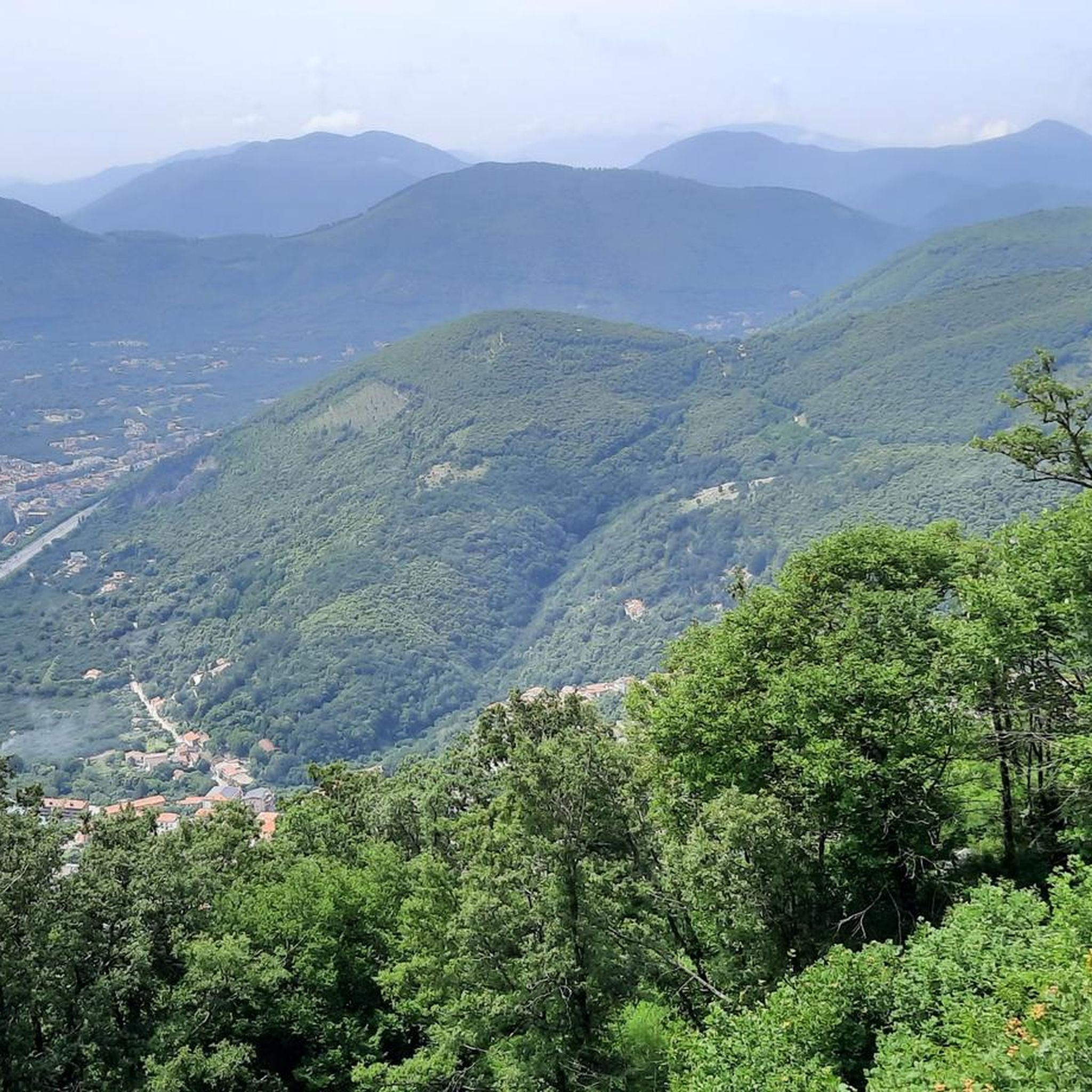
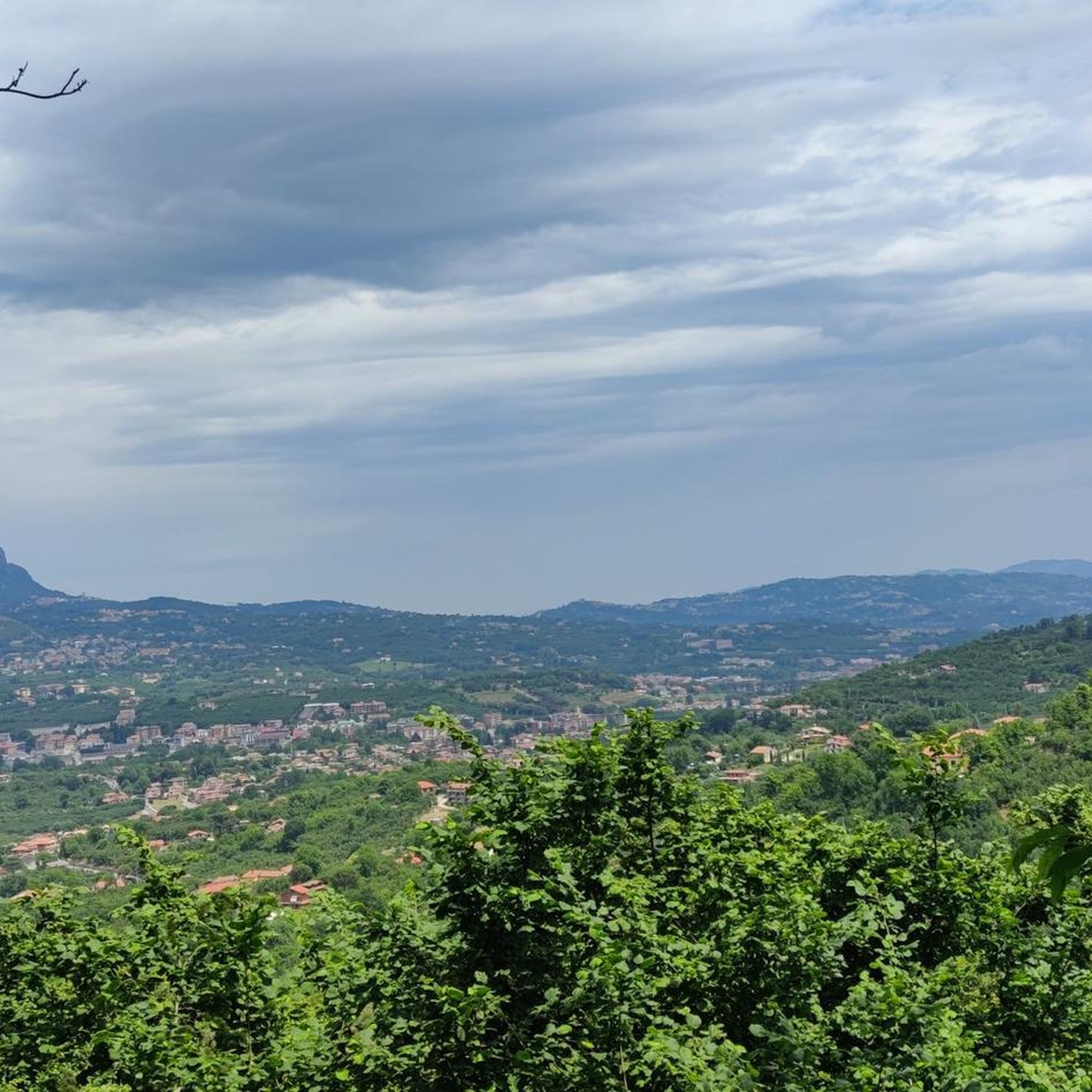
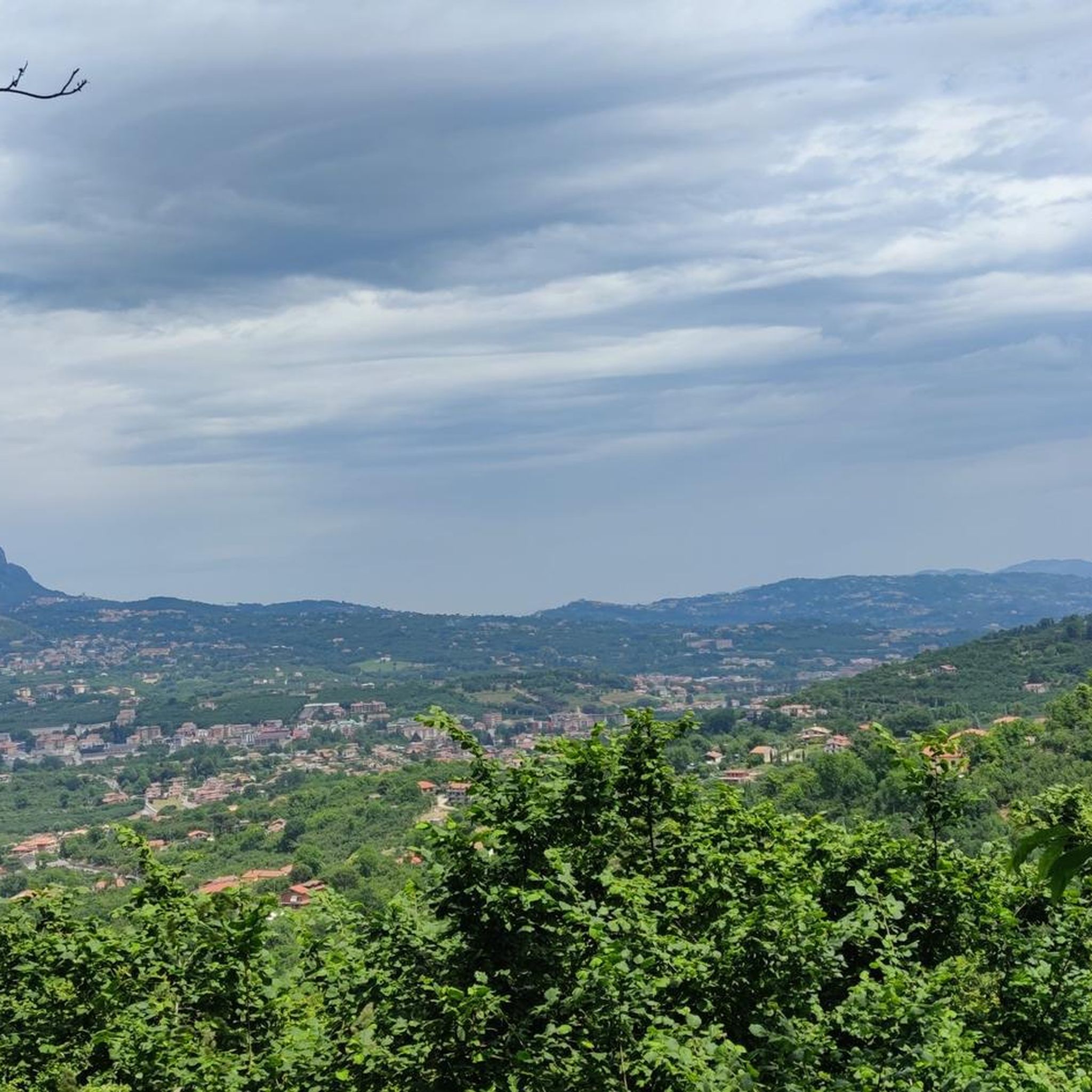
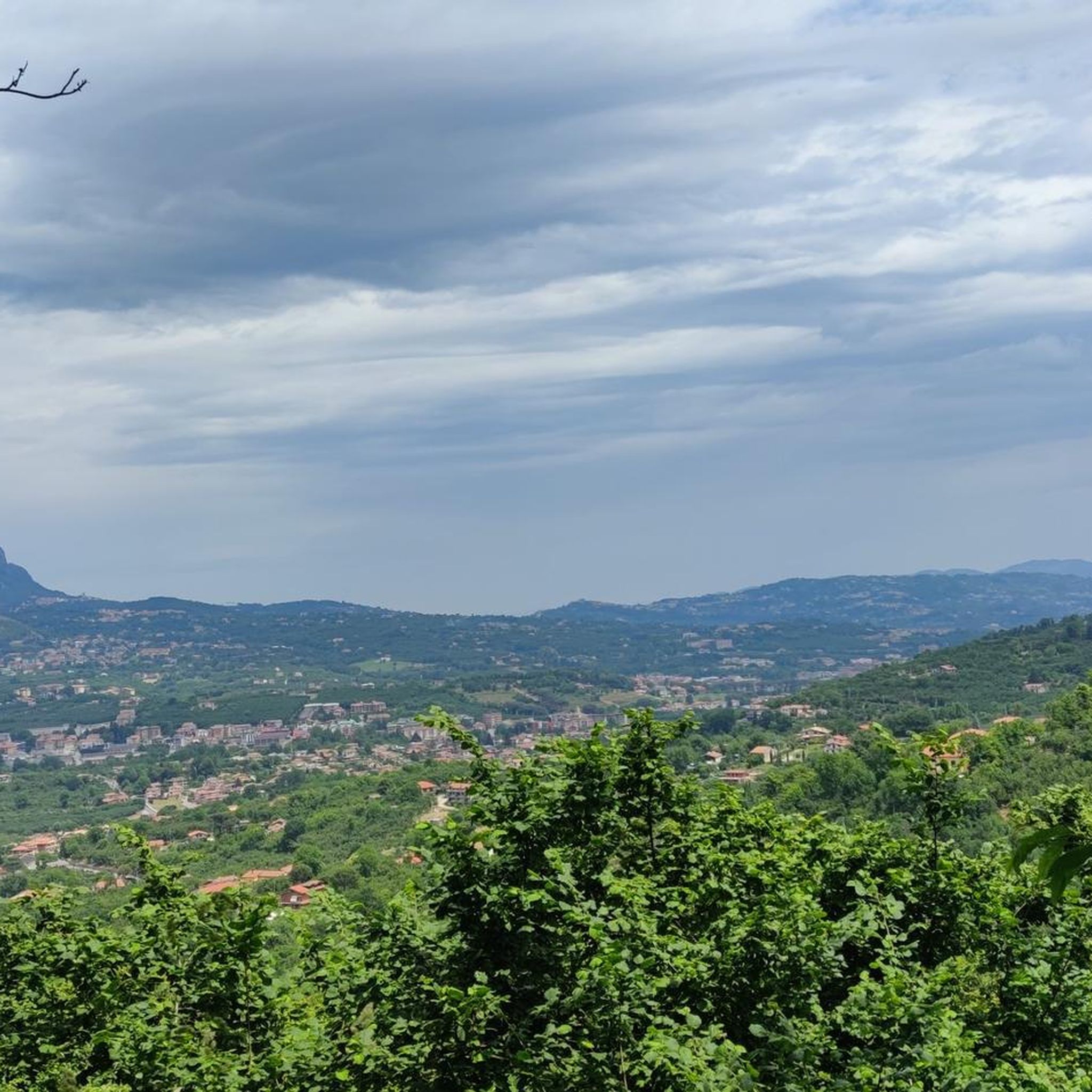

Tips from the Community

the park/green area is located next to the castle. there is parking, with a picnic area
0
0

The Castle of Monteforte was probably an ancient Roman castrum, on which a real castle was probably built by the Lombards in the 7th-8th century. But the history of Monteforte is very ancient: traces of its existence can be found already during the Second Punic War (fought between Rome and Carthage from 218 BC to 202 BC), when Annibale Barca passed through it on his way back from Capua towards Cannae, where he prepared the historic trap against the Romans. The first certain information we have about the village is contained in a document from 1102 preserved in the Montevergine Archives. In the Angevin period, it passed to the Princes of Montfort and Count Guido de Monfort lived there, who killed Prince Henry of England in 1271 in the cathedral of Viterbo. Having committed the crime, he was deprived of his possessions which passed to the Orsini family, whose lineage they remained in until 1806. The Castle was renovated and transformed into a summer residence by Charles of Anjou who lived there several times from 1271 to 1280. It was abandoned to itself from the 16th century; legend has it that who knows what treasures were buried in it, unfortunately this gave greedy hands the opportunity to complete its destruction.
11
0

Ruins of the Castle of the hamlet of Mercogliano "Capocastello"
1
0
Antico Castelletto belonged precisely to the Parise family as the name suggests, it is a pity that it is in a state of total abandonment, because, seen up close it is very beautiful and is characterized by the arches of the windows and the portal, very characteristic, too bad that be left to himself !!
3
0
Castelletto built by the Parise family that despite the passing of the years and the lack of care still retains its splendor.
16
0

Nice stop before arriving in Banzano going up from Borgo
4
0
At this point, turn right to go up towards the Lombard castle of Montoro and to follow the Sanctuary of San Pantaleone.
4
0

The roots and history of Greco di Tufo one of the most famous white wines in the world
1
0
Frequently Asked Questions
What historical periods do the castles around Atripalda represent?
The castles in the Atripalda area offer a journey through various historical periods. You can find structures dating back to ancient Roman settlements, Lombard fortifications from the 11th century, and medieval strongholds. For example, the Monteforte Irpino Castle has Roman origins and was later developed by the Lombards, while Castelletto Parise was built in the 18th century.
Are there any castles near Atripalda with significant historical ruins?
Yes, the region features several significant ruins. The Truppualdo Castle in Atripalda itself, built by the Lombard count Truppualdo around the 11th century, stands on a hill with visible remnants of its tuff brick walls and a central tower. It's also notable for being built upon the remains of a temple dedicated to the goddess Diana. Additionally, the Ruins of Mercogliano Castle offer a glimpse into ancient defensive structures.
What outdoor activities can I combine with visiting castles around Atripalda?
The hilly terrain around Atripalda is ideal for various outdoor activities. You can find numerous routes for hiking, road cycling, and mountain biking. For instance, there are challenging hiking trails like the Monte Terminio Loop Trail, or more moderate options. You can explore these and other routes on the Hiking around Atripalda guide, the Road Cycling Routes around Atripalda guide, or the MTB Trails around Atripalda guide.
Which castles offer the best panoramic views of the surrounding area?
Several castles in the region are strategically located to provide excellent panoramic views. The Truppualdo Castle in Atripalda, perched atop a hill, offers commanding vistas of the old town and the surrounding landscape. Similarly, the San Pantaleone Sanctuary and the Lombard Castle of Montoro is known for its elevated position, providing beautiful views of the nearby hamlets.
Are there any castles near Atripalda associated with specific historical families?
Yes, the region has connections to prominent historical families. The Monteforte Irpino Castle, for example, passed to the Princes of Montfort during the Angevin period and later became a possession of the influential Orsini family, who held it until 1806.
What is the best time of year to visit the castles around Atripalda?
The Irpinia region, where Atripalda is located, experiences distinct seasons. Spring (April-June) and autumn (September-October) generally offer pleasant weather for exploring historical sites and outdoor activities, with milder temperatures and beautiful natural scenery. Summers can be hot, while winters can be chilly, though castle visits are possible year-round.
Are there any family-friendly activities or sites near the castles?
While specific family-friendly activities within the castles themselves might vary, the historical context and the natural surroundings offer educational opportunities. The Archaeological Area of Ancient Abellinum, near Atripalda, provides a fascinating insight into Roman life with its well-preserved structures, which can be an engaging experience for families interested in history. Many of the nearby hiking trails are also suitable for families, depending on difficulty.
What is the significance of the Archaeological Area of Ancient Abellinum in relation to the castles?
The Archaeological Area of Ancient Abellinum is crucial for understanding the deep historical roots of the Atripalda region. While not a castle itself, this Roman colony, founded in 82 BC, predates many of the medieval castles and provides context for the continuous human settlement and strategic importance of the area. It showcases the Roman foundation upon which later defensive structures, like some castles, were sometimes built or influenced.
Can I find castles that are integrated with natural landscapes?
Absolutely. Many castles in the area are nestled within or surrounded by nature. Castelletto Parise is described as a 'treasure in the midst of nature,' with its historical structure embraced by the natural environment. The Castello di Tufo also marks the end of a scenic climb, blending historical exploration with natural beauty.
Are there any castles known for their connection to local products or traditions?
Yes, the Castello di Tufo is notably associated with the history of Greco di Tufo wine, one of the most famous white wines in the world. Visiting this castle offers a chance to connect with the region's rich viticultural heritage alongside its historical architecture.
What kind of terrain can I expect on hiking trails near the castles?
The hiking trails around Atripalda and its castles often feature hilly and sometimes challenging terrain, reflecting the region's mountainous landscape. Trails can range from easy walks to difficult ascents, with varying elevations. Many paths offer scenic views, especially those leading to elevated castle sites like Truppualdo Castle or the Lombard Castle of Montoro.
Most popular attractions around Atripalda

Get inspired with the komoot mobile app


Explore more
Looking for the best castles somewhere else? Discover other guides around Atripalda:
