Top 5 Caves around Sarno
Best caves around Sarno are found in a region characterized by its proximity to the Alburni Mountains and the Cilento and Vallo di Diano National Park. While Sarno itself has a history of stone quarries, the surrounding Salerno province offers notable speleological complexes. The area features diverse natural formations and historical sites within its underground landscapes. These caves provide opportunities for exploration and offer insights into both geological processes and ancient human activity.
Best caves around Sarno
- The most popular…
Last updated: May 2, 2026
Grotta Boscariello
Highlight • Cave
Translated by Google •
Tip by

Hermitage of Santa Lucia
Highlight • Religious Site
Translated by Google •
Tip by
Sign up now to discover places like this
Get recommendations on the best single tracks, peaks, & plenty of other exciting outdoor places.
Sign up for free
Cave of Saint Michael the Archangel
Highlight • Cave
Translated by Google •
Tip by
Entrance to the Cave
Highlight • Cave
Translated by Google •
Tip by

Grotta di Santa Maria della Speranza
Highlight • Cave
Translated by Google •
Tip by

Start today with a free account
Your next adventure awaits.
Login or Signup

Tips from the Community

I recommend leaving the road here to get to the grotto. The path is much easier to pass than the path suggested by Komoot further north.
2
0
Definitely not accessible by bike, at least not at this time of year. The path is completely overgrown, and even on foot it was barely passable. But the grotto is worth the effort!
0
0

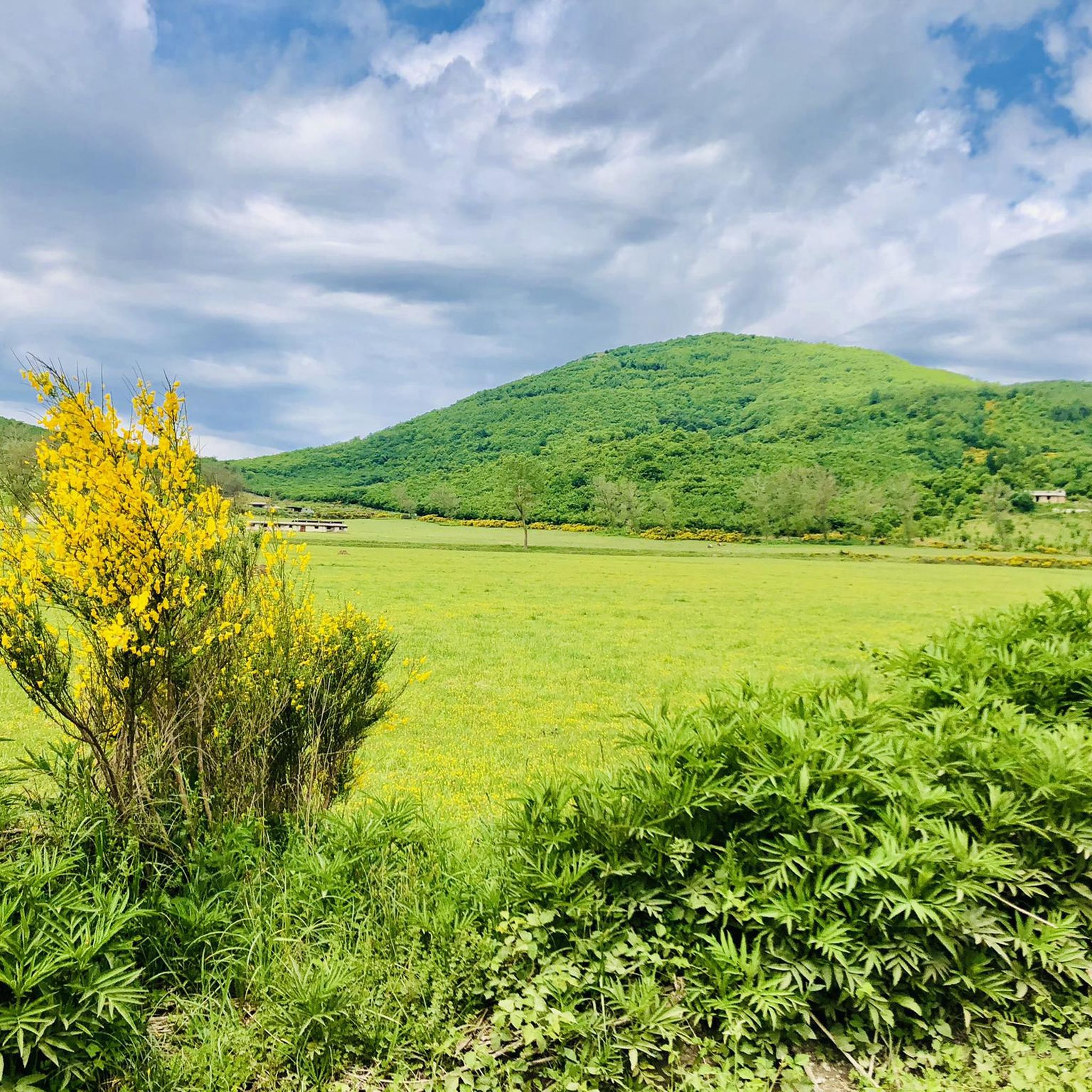
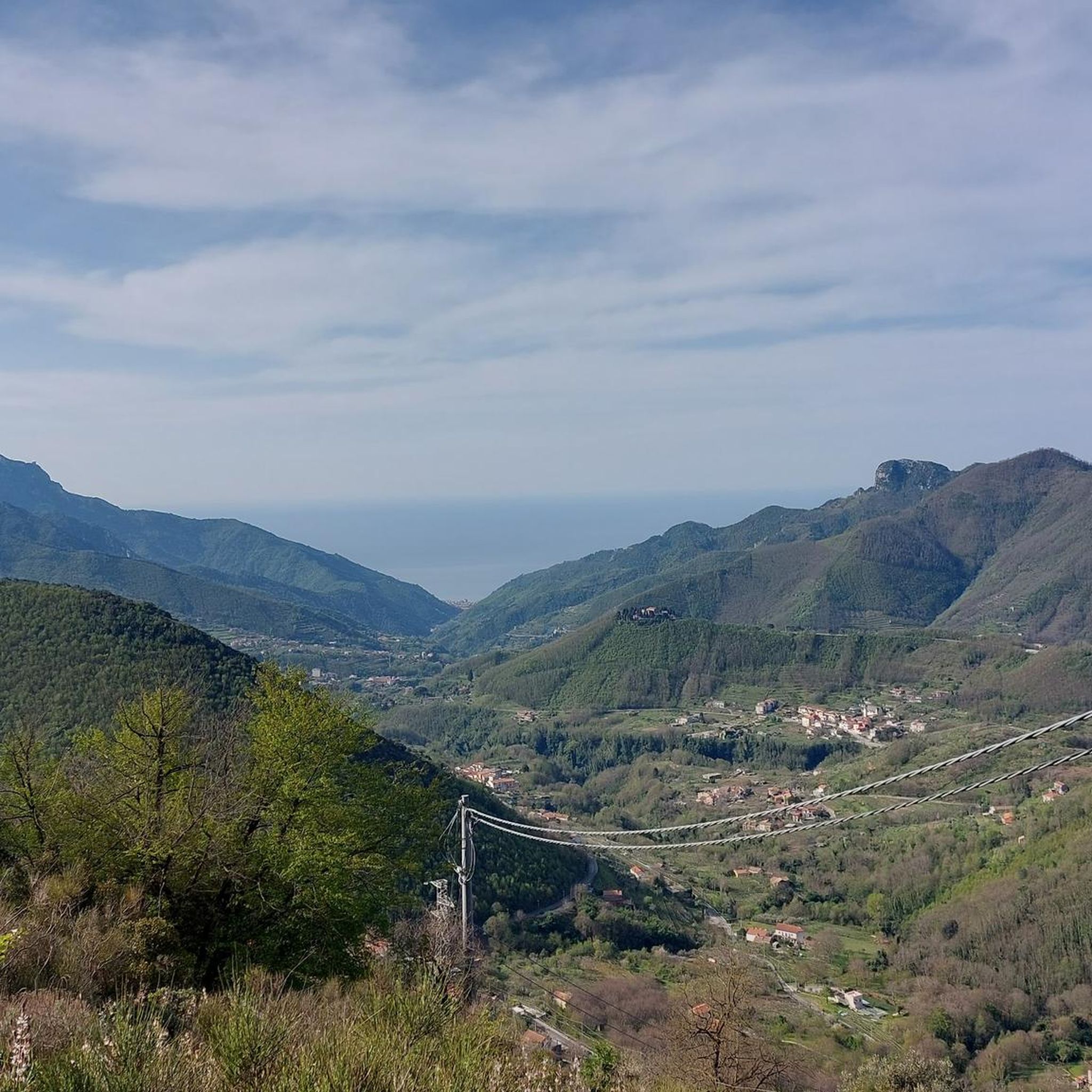
The cave is large, inside there is a crucifix and an altar. From the cave you can enjoy a beautiful view towards Vesuvius and the Lattari Mountains.
0
0

The rock church of S. Lucia stands in the initial stretch of the homonymous valley, under the rocky overhang of Pian della Colla and on the side of via Bracigliano. This small and suggestive natural cave was erected as a Catholic church dedicated to S. Lucia almost certainly in the Norman-Byzantine period, in the first centuries after the year one thousand. The confirmation of its existence in the late Middle Ages comes from the payment of tithes in the years 1308-1310 by its rector Abbot Giovanni Bonamanto. This place was the refuge of many people during the war. The excursion is quite demanding and requires a considerable effort to go around the mountain and descend into the cave, an effort that is amply repaid by the beauty of the place and the spectacular view that can be enjoyed along the way. Pay particular attention to the part of the path that begins to descend towards the cave and even more if you approach to climb the site with the ruins.
18
0
Grotto of San Michele on Monte Salto.
17
0
The cave is located in a cavity of Monte Salto. After following a short path immersed in the woods you arrive at a small, completely natural open-air church with benches, cross, lectern and altar made of wood. Further ahead there is a rest and picnic area with tables, benches and barbeque. The view of the valley below is absolutely breathtaking! On the right you take a small path that leads to the entrance to the cave of San Michele inside which there is an altar, a painting and the statue of San Michele Arcangelo. Outside the cave, on the left side, there is a bell to ring to let the village know that another person has visited the cave.
23
0
https://www.youtube.com/watch?v=DPpy3wwABH4 Credits: Terravecchia Association
12
0
The rupestrian church of S. Lucia rises in the initial stretch of the namesake valloe, under the rocky overhang of Pian della Colla and on the side of via Bracigliano. This small and suggestive natural cave was erected as a Catholic church dedicated to S. Lucia almost certainly in the Norman-Byzantine era, in the first centuries after the year 1000. The confirmation of its existence in the late Middle Ages results from the payment of tithes in the years 1308-1310 by its rector Abbot Giovanni Bonamanto. This place was the refuge of many people during the war period. The excursion is highly demanding and requires considerable effort to get around the mountain and go down into the cave. You have to leave the bike at the end of the cycle path and take the remainder of the path on foot. The effort, however, is amply rewarded by the beauty of the place and the spectacular view that can be enjoyed along the way.
16
0
Frequently Asked Questions
What are the most notable tourist caves in the broader Sarno region?
While Sarno itself does not have prominent natural tourist caves, the surrounding province of Salerno offers remarkable speleological complexes. The most notable are the Castelcivita Caves and the Pertosa-Auletta Caves, both located near the Alburni Mountains.
What makes the Pertosa-Auletta Caves unique?
The Pertosa-Auletta Caves are unique in Italy for allowing visitors to navigate an underground river, the Negro, by boat. They also preserve the remains of an ancient pile-dwelling village dating back to the second millennium BC, making them archaeologically significant.
What can I expect to see at the Castelcivita Caves?
The Castelcivita Caves are known for their extensive karst formations, including stunning stalactites and stalagmites. Visitors can explore various 'halls' with imaginative shapes, such as the Castle Hall, Crocodile Hall, and the Bertarelli Cave with its large column and 'Nativity Scene' formation.
Are there any religious or historical caves directly around Sarno?
Yes, Sarno has caves with religious and historical significance. The Cave of Saint Michael the Archangel is a religious building and natural monument located in a cavity of Monte Salto, featuring an altar, painting, and statue of San Michele Arcangelo. Another is the Grotta di Santa Maria della Speranza, which also houses a crucifix and an altar.
What kind of geological formations can be found in the caves near Sarno?
The caves in the broader Sarno region, particularly the Castelcivita and Pertosa-Auletta Caves, feature extensive and active karst formations. These include diverse and colorful stalactites and stalagmites, creating impressive 'rooms' and unique conformations like 'The Pagoda' and a 'kiss' between a stalactite and stalagmite.
Are there challenging caves for experienced explorers near Sarno?
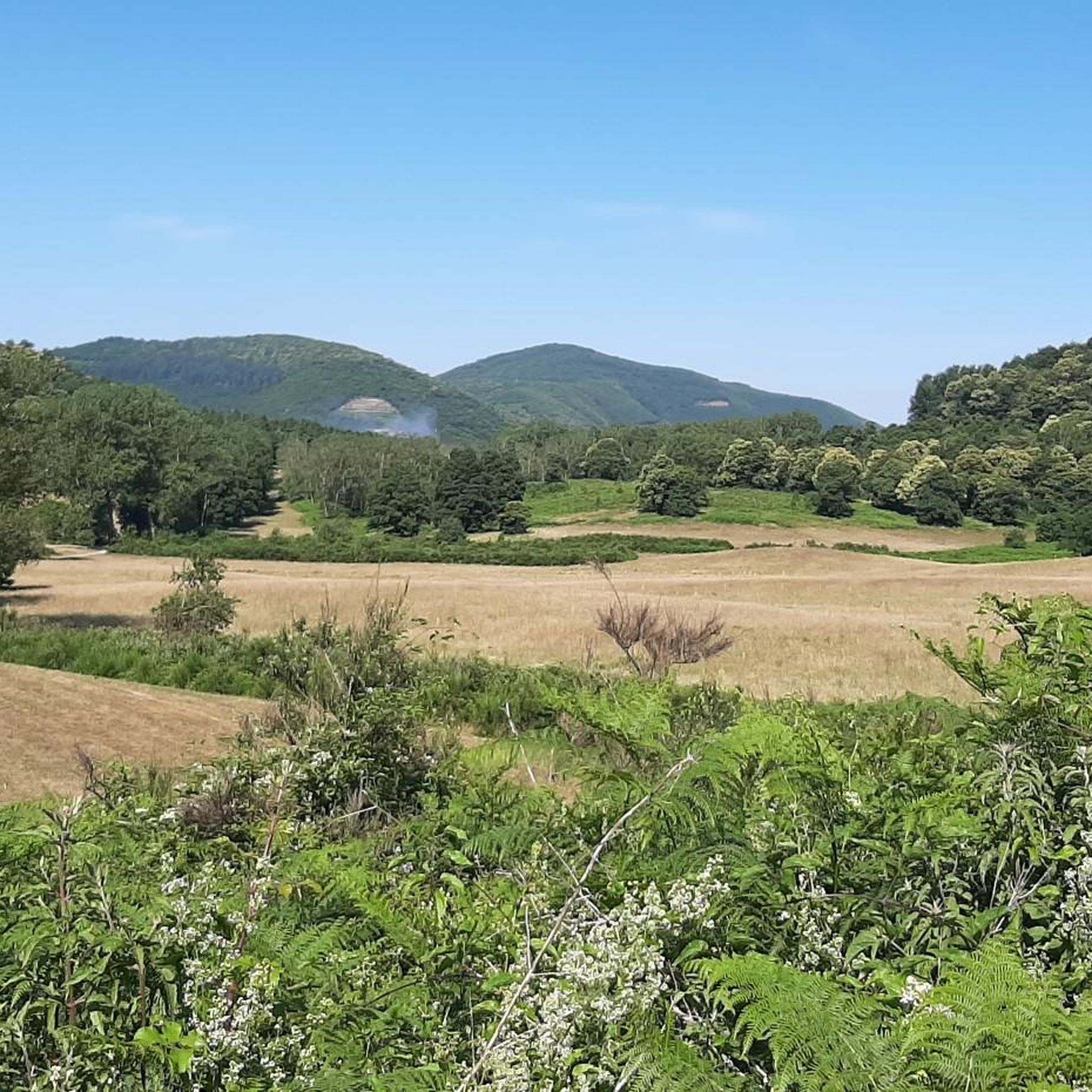
Yes, for those seeking a challenge, Grotta Boscariello is a notable option. It features a large 60-meter-long main room with a 31-meter drop, offering an uncontaminated and primordial aspect for experienced explorers.
What is the best time of year to visit the caves in the Sarno area?
Many caves, like the Pertosa-Auletta Caves, maintain a constant internal temperature of around 15°C year-round. This makes them a comfortable visit even during warmer months. However, it's always advisable to check specific cave opening times and tour availability, especially during off-peak seasons.
What should I wear when visiting caves near Sarno?
Given the constant cool temperatures inside most caves (around 15°C), it is recommended to wear closed shoes and bring a jacket or warm layer, even during warmer seasons. Paths can sometimes be damp or uneven, so comfortable, sturdy footwear is essential.
Are there hiking or cycling routes near the caves around Sarno?
Yes, the Sarno area offers various outdoor activities. You can find numerous hiking and MTB trails. For example, there are challenging MTB routes like the 'Grotta Boscariello – Tribucchi Forest Ranger Station loop' or hiking trails such as the 'Church of San Martino (Ruins) – Croce di Sarno Viewpoint loop'. You can explore more options in the Hiking around Sarno and MTB Trails around Sarno guides.
How long does it typically take to explore the major caves like Castelcivita or Pertosa-Auletta?
The duration of a visit can vary. For the Castelcivita Caves, the tourist route typically covers 1,200 meters. For the Pertosa-Auletta Caves, tours often involve a boat ride and walking sections. It's best to allow at least 1.5 to 2 hours for a guided tour of these larger cave systems.
Are there any easy-access caves or paths for beginners near Sarno?
While some caves require more experience, the Entrance to the Cave highlight near Sarno is specifically recommended for its easier path to the grotto compared to other routes, making it a good option for beginners or those seeking a less strenuous exploration.
What views can I expect from viewpoints near the caves in Sarno?
Many caves and their surrounding areas offer stunning panoramic views. From Grotta Boscariello, you can enjoy a panorama ranging from Vesuvius to Capri. The Cave of Saint Michael the Archangel also provides breathtaking views of the valley below, and Grotta di Santa Maria della Speranza offers views towards Vesuvius and the Lattari Mountains.
Most popular attractions around Sarno

Get inspired with the komoot mobile app


Explore more
Extend your search for the best caves by checking out these guides of the top ones around Sarno:
