Top 5 Caves around Lequile
Best caves around Lequile are found within the broader Salento region of Apulia, Italy. While Lequile itself is known for its historical landmarks, the immediate municipality does not feature natural caves open to the public. However, the area offers access to a variety of underground historical and religious sites, often referred to as crypt-caves, providing unique exploration opportunities. These sites showcase the rich history and geological features of the Salento area.
Best caves around Lequile
- The most popular cave is…
Last updated: June 30, 2026
Faggiano Museum
Highlight • Historical Site
Translated by Google •
Tip by

Crypt of Sant'Anna, Galatina
Highlight • Religious Site
Translated by Google •
Tip by

Sign up now to discover places like this
Get recommendations on the best single tracks, peaks, & plenty of other exciting outdoor places.
Sign up for free
Crypt of Saint Sebastian, Sternatia
Highlight • Religious Site
Translated by Google •
Tip by
Crypt of Sant'Antonio Abate, Nardò
Highlight • Religious Site
Translated by Google •
Tip by
Church and Crypt of Santa Maria della Grotta, Galatina
Highlight • Religious Site
Translated by Google •
Tip by
Start today with a free account
Your next adventure awaits.
Login or Signup
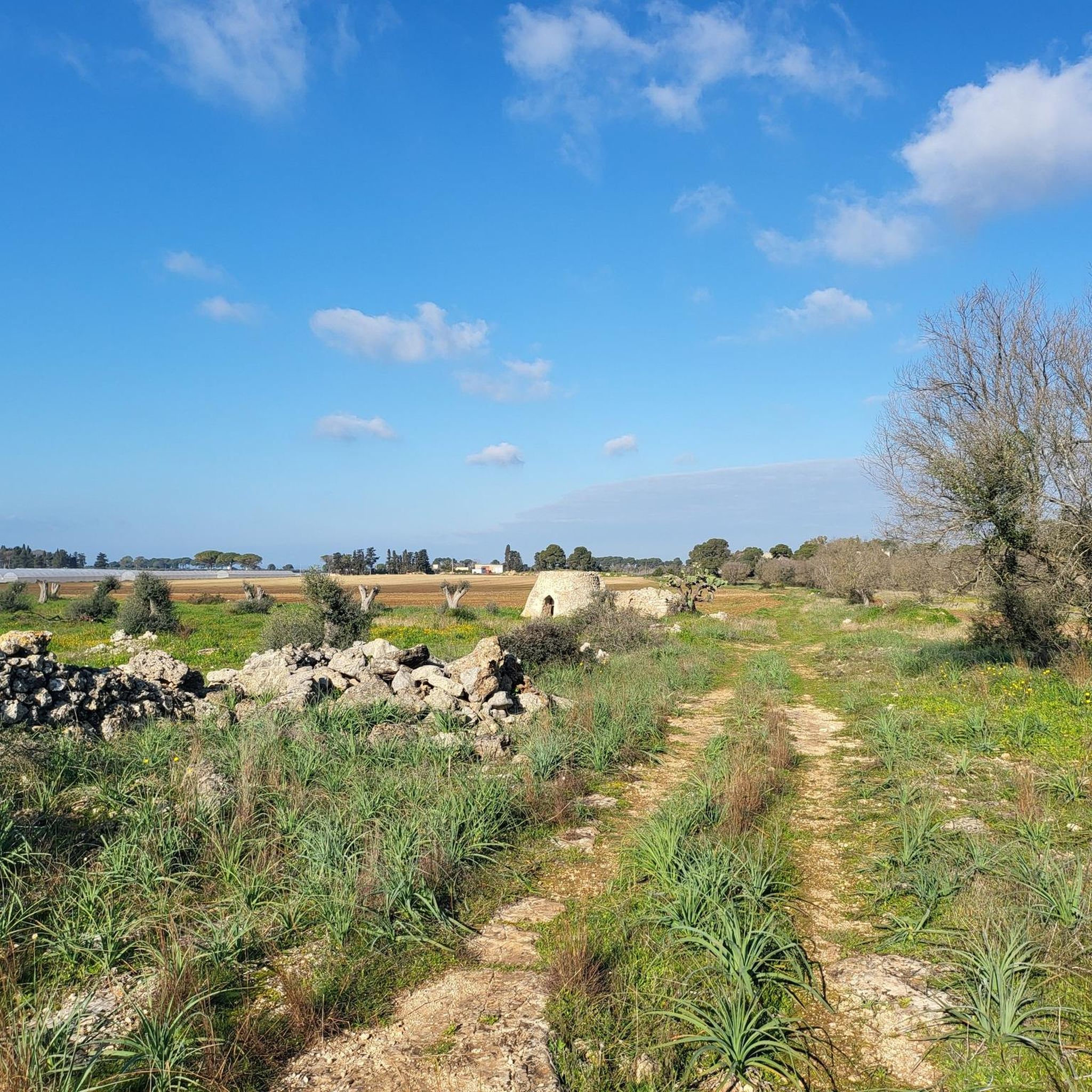
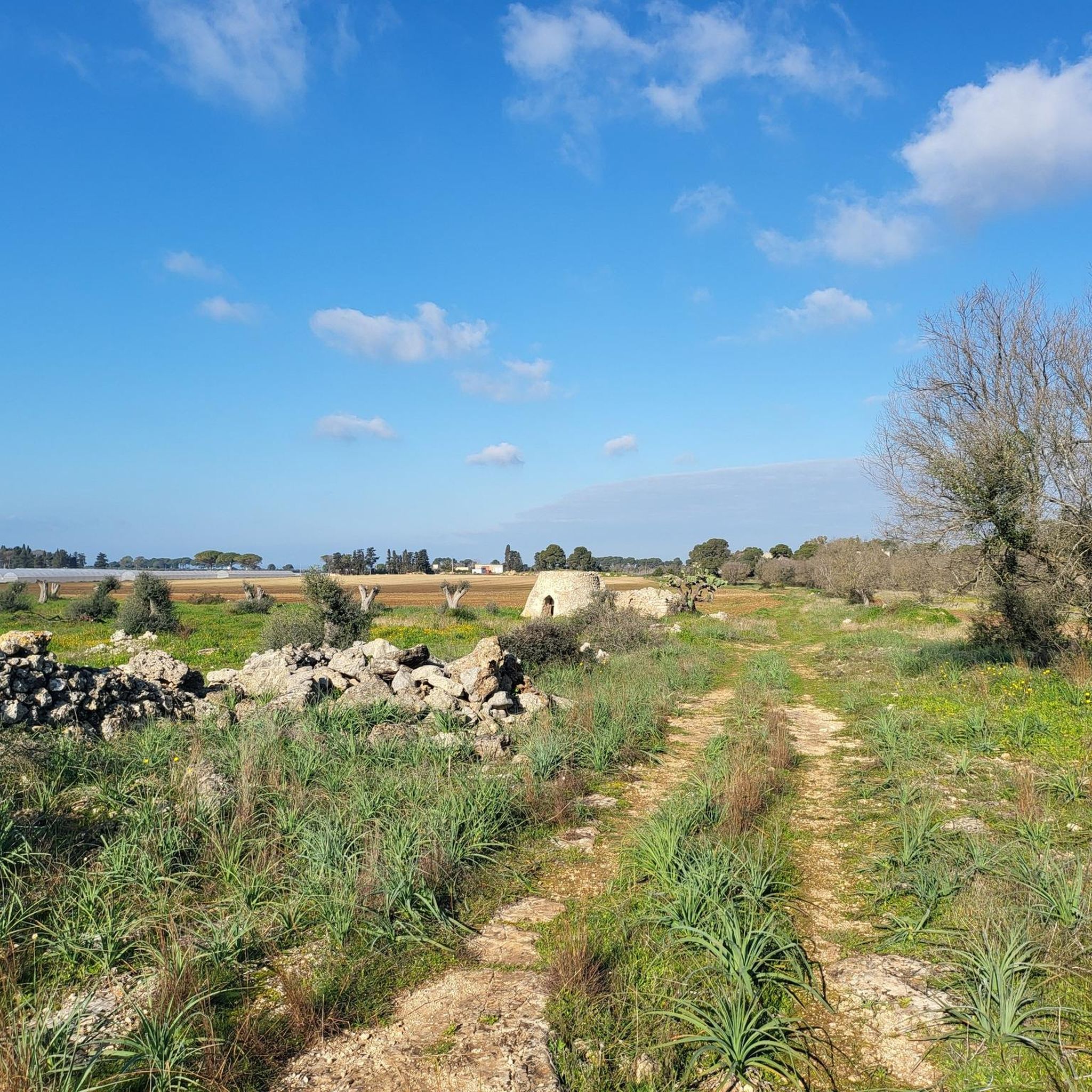
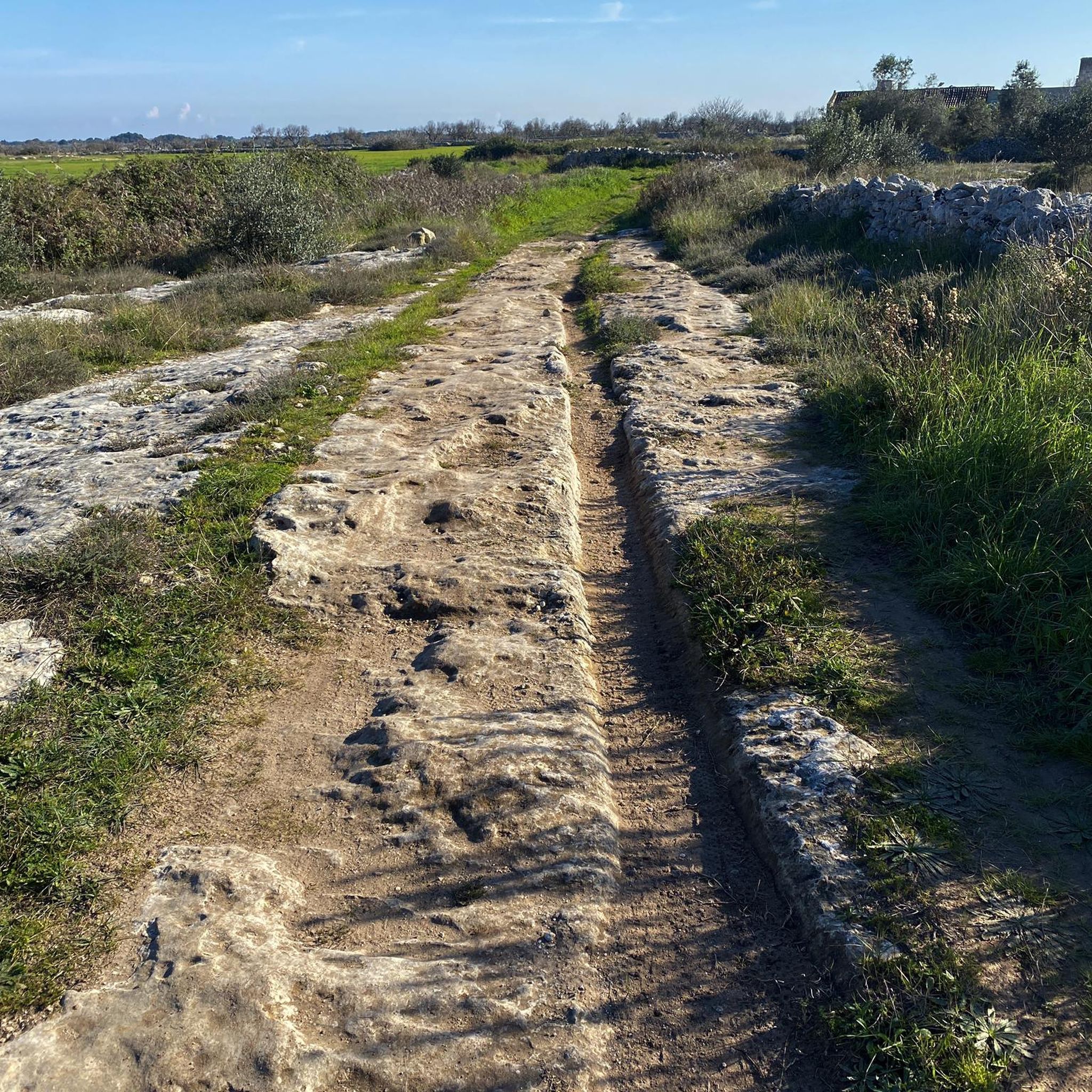
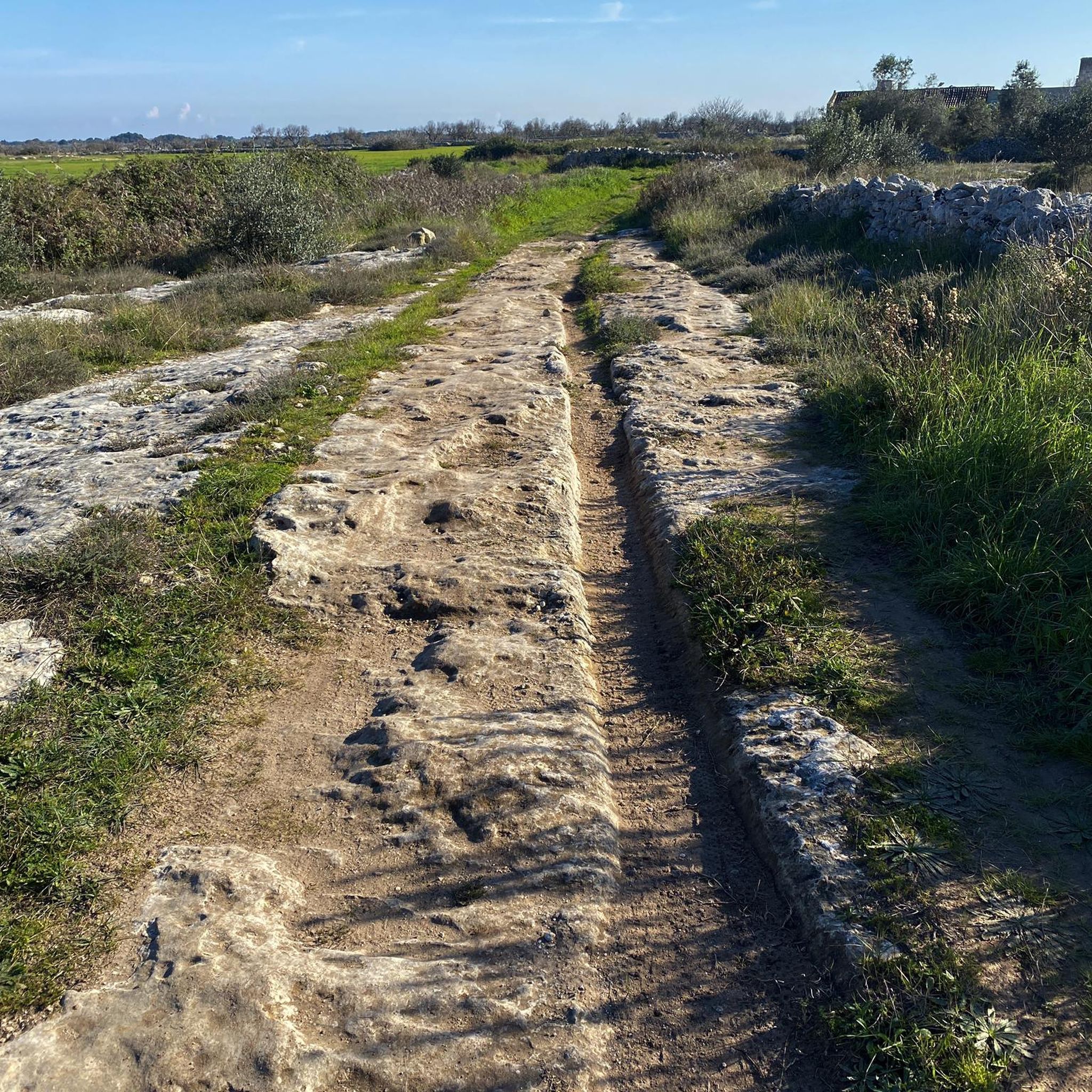

Tips from the Community

Very nice small private museum
0
0

Included in the Salento Bizantino collection komoot.it/collection/1811756/-salento-bizantino - Pours into a state of embarrassing abandonment. Yet it has a historical, artistic and cultural potential that deserves more attention. No contact points described at the entrance to the site. No indication about opening days and hours unfortunately. It appears to be at risk of collapse. https://massimonegro.wordpress.com/2012/12/13/galatina-un-appello-per-lantica-s-maria-dei-grotti/
0
0
Inserted in the Salento Bizantino collection komoot.it/collection/1811756/-salento-bizantino - Crypt normally closed, it is opened to the public around mid-July for the celebrations of the Saint (26 July). No contact point described at the entrance to the site. Unfortunately, there is no indication of opening days and times. https://massimonegro.wordpress.com/2011/12/09/galatina-la-chiesa-cripta-di-santanna/
0
0

This is the best museum in Lecce. Unique what this family presents in the house.
0
0
Posted in the Salento Bizantino collection komoot.it/collection/1811756/-salento-bizantino - Unlike what is reported by the official websites of the Municipality of Sternatia, the crypt is protected by a gate that prevents access. No information about timetables and / or contact points that help to understand when to visit is present or posted on the gate. http://www.comune.sternatia.le.it/Home/Guida-al-paese?IDDettaglio=35245
1
0
Posted in Byzantine Salento collection komoot.it/collection/1811756/-salento-bizantino - It is perhaps the most surprising point of the carnation pilgrimage route. One approaches convinced to find only a crucifix planted in the ground among the stones, and instead the treasure is hidden under it.
0
0

The "Museo Faggiano" is a private historical-archaeological building in the historical center of Lecce. It all started almost by accident in 2001, when the building's owner, Luciano Faggiano, was forced to break up the damp floors to clean sewer pipes. During the works, historical-archaeological evidence of great interest reappeared. This turned the house into a real archaeological site where you can admire more than 2000 years of history. It was also discovered that the house was once an old nunnery, which was then built around the 16th-17th centuries. century was closed. The basement rooms were made visible and accessible to visitors. You can see cisterns, a large round silos used to store grain and food in the Middle Ages. The excavations have revealed the remains of a wall structure, a tank with a circular plan, another very large cistern, a well 10 meters deep from which you can see the waters of the Idume river, a square cistern, a rectangular tank and numerous in the rock carved gorges uncovered. Among the works excavated in the rock, you can admire a small tomb of a child, a large common tomb, a stone dryer used to dry the dead and a section of underground road that connected the building to other sites. The owner's son himself tells visitors the story of the excavation that his father carried out with him, his brother and other family members. All of this was financed by the family itself. The Italian state has only seconded an archaeologist to accompany the uncovering and excavation. Neighbors of the family prefer not to dig in their homes for fear of finding archaeological remains as well. Via Ascanio Grandi, 56 - 73100 Lecce Telephone: 0832 300528 Mobile: (+39) 360722448 Email: info@museofaggiano.it
1
0
Frequently Asked Questions
What kind of underground sites can I explore around Lequile?
While Lequile itself is known for historical landmarks rather than natural caves, the immediate area offers unique exploration opportunities in underground historical and religious sites. These include ancient crypts and man-made excavations that showcase the rich history of the Salento area. For natural caves, you'll need to venture into the broader Salento region.
Which historical underground sites are most popular near Lequile?
Visitors frequently appreciate the Crypt of Sant'Anna, Galatina, a religious building and historical site that opens to the public around mid-July for the Saint's celebrations. Another significant spot is the Crypt of Sant'Antonio Abate, Nardò, known for its hidden treasures beneath the ground.
Can I visit the Faggiano Museum in Lecce, and what will I see there?
Yes, the Faggiano Museum in Lecce is a private historical site featuring archaeological evidence spanning over 2000 years. During renovations, cisterns, tombs, and underground passages were discovered, turning the house into a fascinating archaeological site. You can see remains of a wall structure, various cisterns, a 10-meter deep well, and even a small child's tomb.
Are there any natural caves in the wider Salento region that are open to the public?
Yes, the wider Salento region boasts several impressive natural caves. One of the most renowned is Grotta della Zinzulusa in Castro, accessible by land and famous for its stalactites. Also in Castro, the Grotta Azzurra is accessible by sea and known for its stunning blue reflections.
What is Grotta della Poesia and can I swim there?
Grotta della Poesia (Cave of Poetry) in Roca Vecchia is a stunning natural swimming pool recognized as one of the most beautiful in the world. It features ancient Messapian inscriptions. It is a popular spot for swimming and cliff jumping, though an admission price has been introduced to help protect the site. For more historical context, you can visit the Wikipedia page about Roca (archaeological site).
Are there any caves with prehistoric art or archaeological significance in the area?
Yes, the Grotta dei Cervi (Deer Cave) in Porto Badisco is an extremely important archaeological site due to its prehistoric rock drawings from the Neolithic Age. However, to preserve these delicate artworks, the cave is currently closed to the public. Near Castro, Grotta Romanelli is significant for its archaeological findings from the Paleolithic period.
What are the Caves of Castellana and how far are they from Lequile?
The Caves of Castellana (Grotte di Castellana) are among Europe's most remarkable karst cave systems, located a bit further north in Apulia. They are known for impressive stalactites, stalagmites, and chambers like the 'White Cave.' Guided tours of varying lengths are available, offering a journey through geological history. They are a significant drive from Lequile but well worth the visit for their natural beauty.
What outdoor activities can I do near the caves around Lequile?
The area around Lequile offers various outdoor activities. You can find numerous hiking routes, such as the easy 'Lecce Historic Center Loop' or the 'Roman Amphitheatre in Lecce – Basilica of Santa Croce loop from Lecce' which is moderate. For more options, explore Hiking around Lequile. Cycling and mountain biking routes are also available, including the 'Acaya Castle loop' for cycling and the 'Porto Selvaggio Pine Forest loop' for MTB.
Are there any family-friendly cave experiences near Lequile?
While the historical crypts near Lequile might be more suited for those interested in history, the Faggiano Museum in Lecce can be an engaging experience for families due to its unique story of discovery and accessible underground passages. For natural cave experiences, Grotta della Zinzulusa offers guided tours that are generally suitable for families.
What is the best time to visit the caves and underground sites in the Salento region?
The best time to visit the caves and underground sites in the Salento region generally depends on the type of site. For land-accessible caves like Grotta della Zinzulusa and the historical crypts, spring and autumn offer pleasant temperatures for exploration. Coastal caves like Grotta Azzurra are best visited in warmer months (late spring to early autumn) when boat tours are more frequent and sea conditions are calm. Always check specific opening times, especially for sites like the Crypt of Sant'Anna which has limited access.
Are there any other historical crypts or religious underground sites in the Lequile area?
Yes, beyond the most popular ones, the area includes the Crypt of Saint Sebastian, Sternatia, and the Church and Crypt of Santa Maria della Grotta, Galatina. However, access to these sites can be challenging, with some protected by gates and lacking clear information on opening hours. They are part of the rich 'Salento Bizantino' collection of historical sites.
Most popular routes around Lequile
Most popular attractions around Lequile

Get inspired with the komoot mobile app


Explore more
Extend your search for the best caves by checking out these guides of the top ones around Lequile:
