Top 14 Castles around Stazzema
Best castles around Stazzema are not traditional grand structures, but rather a network of historical sites reflecting the region's strategic past. Nestled in the Apuan Alps, Stazzema's historical significance lies in its defensive system of towers and fortified villages, developed around rich silver mines. These sites offer insights into ancient defensive strategies, mining heritage, and their role in various historical events.
Best castles around Stazzema
- The most popular castles is Bargiglio Tower, a historical site known as "Occhio di…
Last updated: June 30, 2026
Castelnuovo di Garfagnana
Highlight • Settlement
Translated by Google •
Tip by

Bargiglio Tower
Highlight • Historical Site
Translated by Google •
Tip by

Sign up now to discover places like this
Get recommendations on the best single tracks, peaks, & plenty of other exciting outdoor places.
Sign up for free
Ariostesca Fortress
Highlight • Castle
Translated by Google •
Tip by

Ducal Palace of Massa
Highlight • Historical Site
Translated by Google •
Tip by
Ruins of a Castle above of Peralla
Highlight • Castle
Translated by Google •
Tip by

Sign up for free to discover even more castles around Stazzema.
Sign up for free
Already have an account?
Start today with a free account
Your next adventure awaits.
Login or Signup


Tips from the Community

The Rocca Ariostesca is a medieval fortified military structure located in Castelnuovo di Garfagnana. The rocca is the symbol of the city and overlooks the central Piazza Umberto I. It owes its name to having been the seat of the Este government and to having hosted, from 1522 to 1525, as governor of the Garfagnana of the Este, the poet Ludovico Ariosto, who was succeeded in the following century by Fulvio Testi. A small outpost already existed on the site in the 10th century, but it can be said that the original structure of the Rocca as we know it today dates back to the 12th century; modified throughout the 13th century, it was significantly enlarged in the early 14th century by Castruccio Castracani, who determined an enlargement of the entire village walls. It was then Paolo Guinigi who ordered the construction of the imposing tower located in the center of the Rocca, adorned with the civic clock, which over time was also used as a prison. The terrace overlooking the square was erected in 1675, coinciding with the opening of the monumental arch of access to the city center. The internal furnishings have been lost, among which the tapestries that adorned the "Sala dei Principi" (Hall of the Princes) are known. The Rocca was damaged during the Second World War and subsequently restored. As a venue for exhibitions and cultural events, it houses the Archaeological Museum in its halls, which preserves numerous artifacts and testimonies from the prehistoric, Ligurian-Apuan, and Etruscan periods in Garfagnana.
0
0

A beautiful hike. Some trails are a bit abandoned and lack signage, but following the trail is fine. From the top of the tower, there would be a beautiful view, but we missed it due to fog and a myriad of flying ants.
0
0

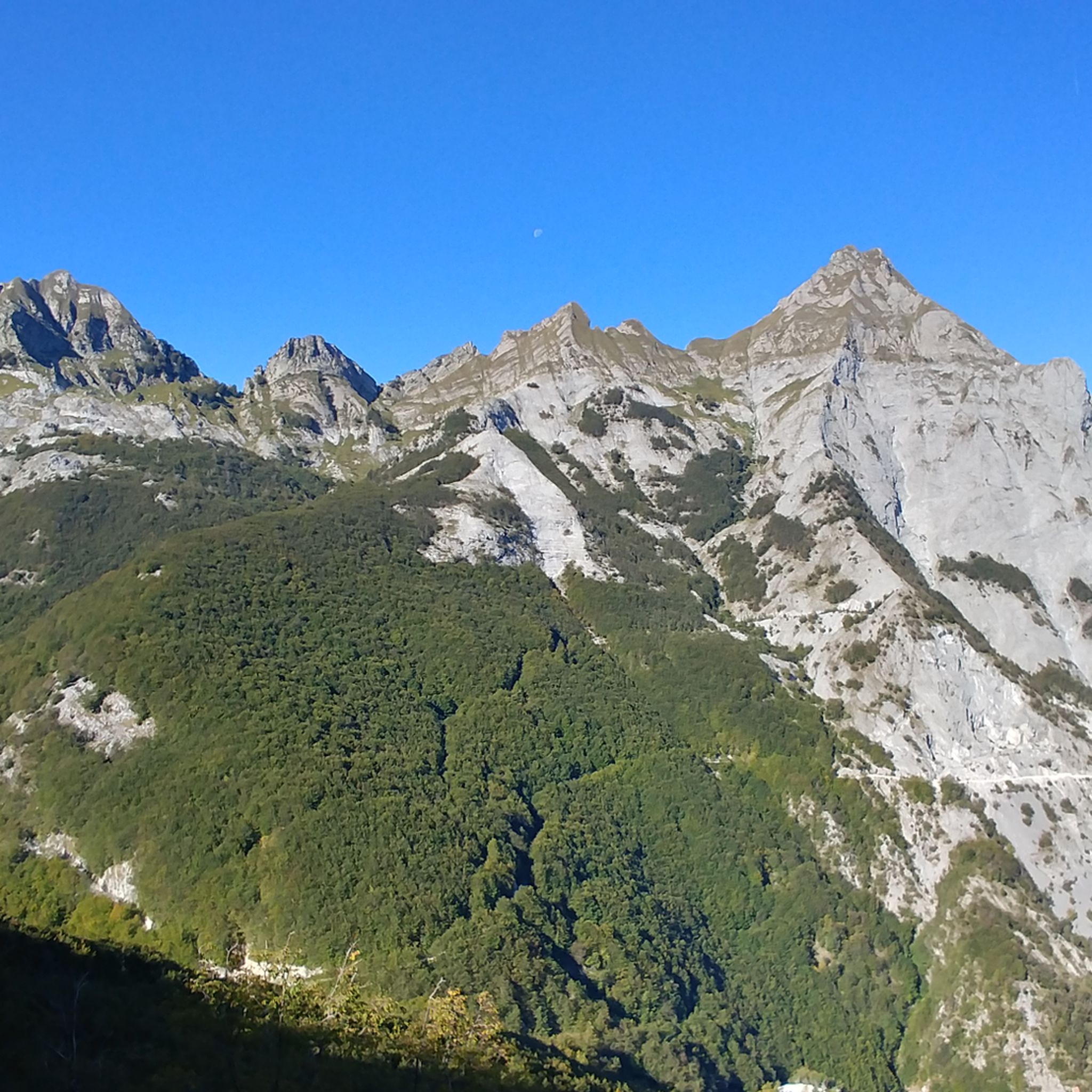
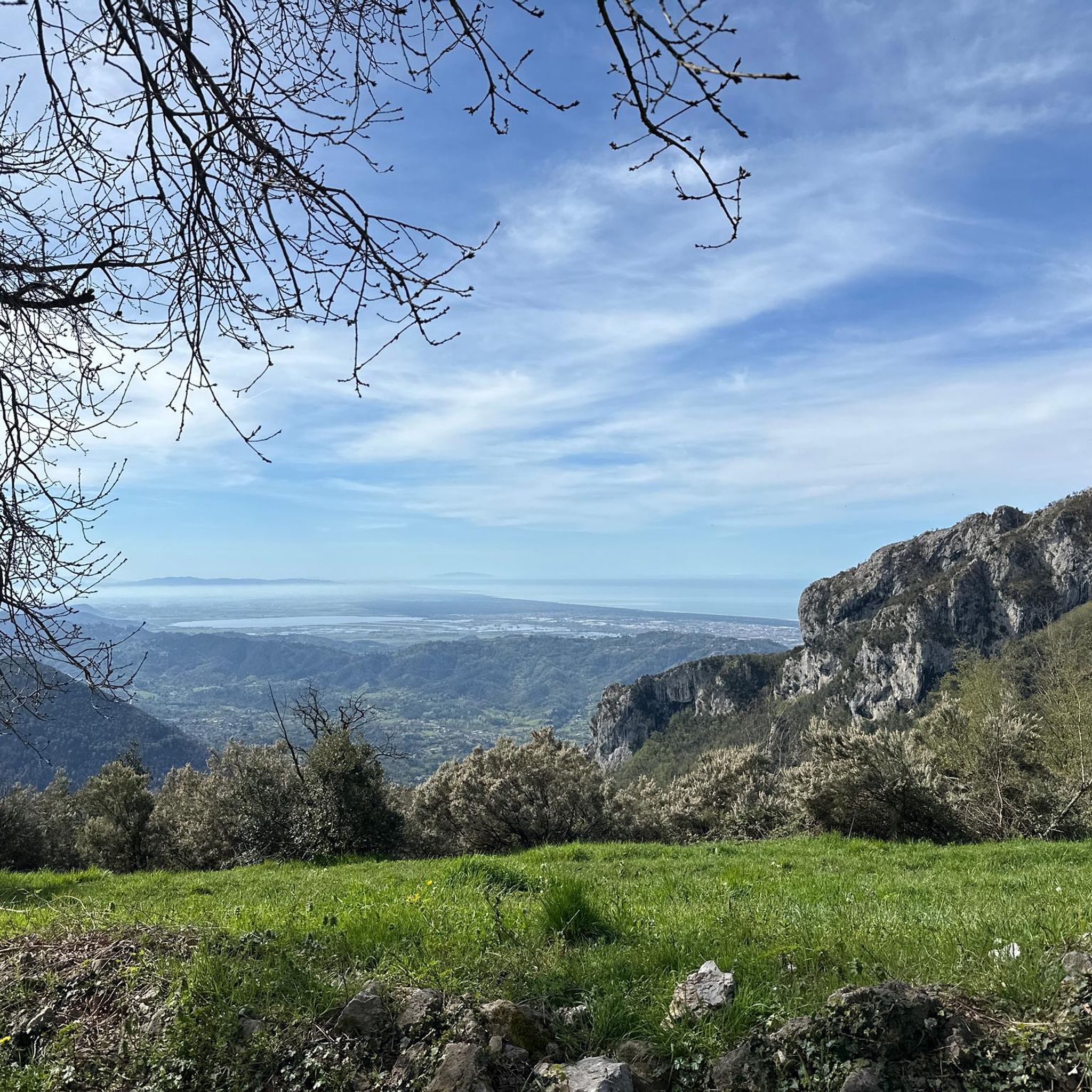
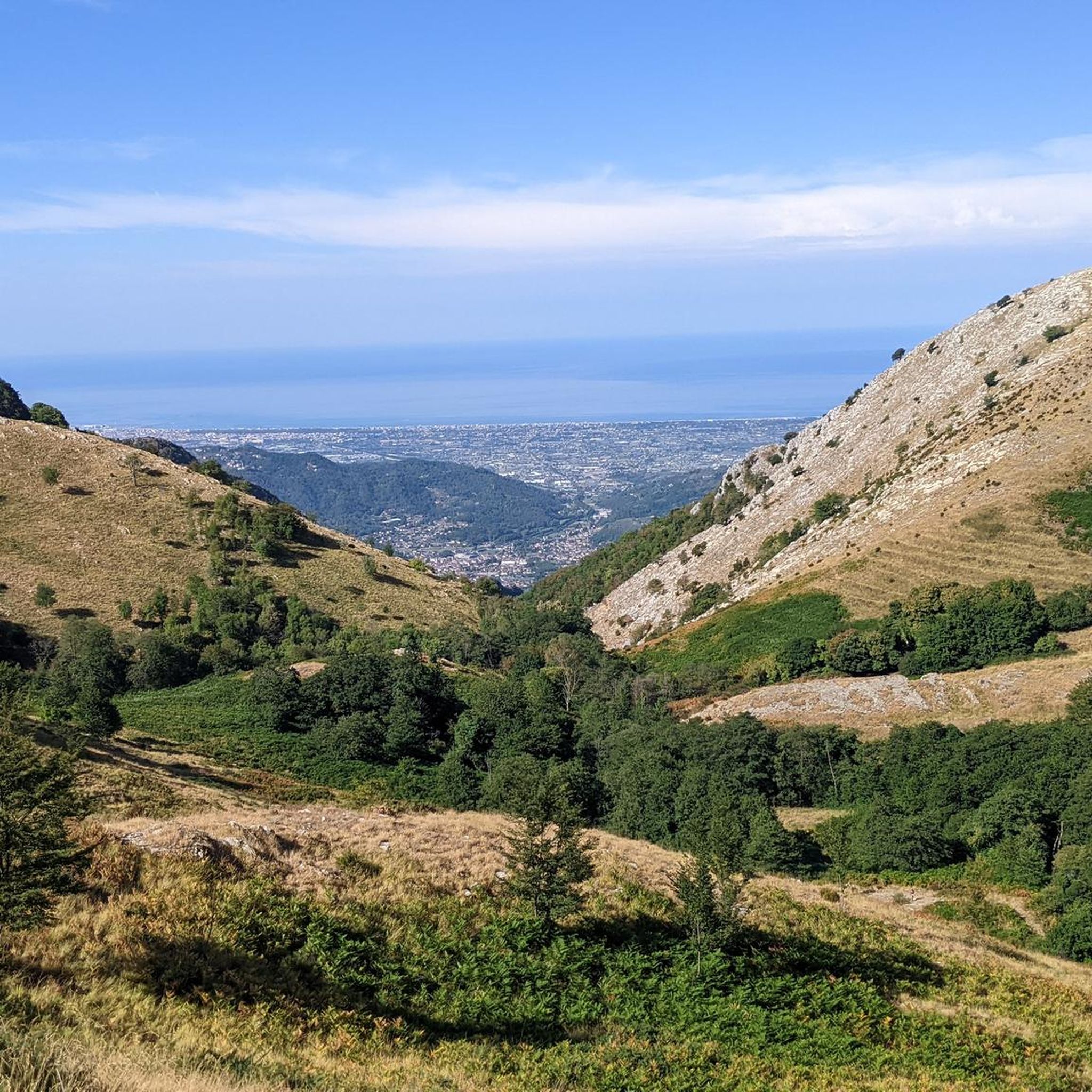
The ruins of the Tower, or Rocca, of Bargiglio stand on the top of the mountain of the same name at 866 meters above sea level at the gates of Garfagnana and the Media Valle del Serchio. Once you arrive at the Tower, it is clear why it has always been called the "Eye of Lucca": the view is panoramic at 360 degrees and offers a perfect view from the peaks of the Apuan Alps, with the Pania di Corfino clearly visible, to the numerous castles and fortresses of Garfagnana, such as the Castiglione Castle and the Mont'Alfonso Fortress. From here you can also dominate the entire Serchio Valley below, from the walls of Barga and Coreglia Antelminelli to Bagni di Lucca, up to the many towns in the Municipality of Pescaglia. And finally, in the distance to the south, the Lucca plain and then the Tyrrhenian coast. The origin of the fortification dates back to an unknown era, probably built by the Suffredinghi, one of the three potentates of Lombard origin who controlled the Serchio Valley who distinguished themselves for their tenacious resistance to the expansionism of the Municipality of Lucca, being bordered by the Este dominions of Garfagnana. It consisted of only one tower, used as an observation and control point of the vast territory, of the road that passed a little further down and of the small community that lived in the farmhouses surrounding the fortification and the ancient Hermitage of S. Bartolomeo.
0
0

The Palazzo Ducale is an important monument in Massa, located in Piazza Aranci. It was built in the mid-16th century according to the wishes of Prince Alberico I Cybo-Malaspina. Hence it is also called Palazzo Cybo-Malaspina. The impressive façade overlooking the square offers a color scheme of red and white (in the marble and stucco). Beyond the main entrance opens a large courtyard, surrounded by columns, staircases, loggias and marble portals. At the far end is a nymphaeum with a statue of Neptune riding the waves.
4
0

Castelnuovo di Garfagnana - Tea Time Sunday, the locals in the new castle are also enjoying the peace. The apostles Peter and Paul invite us into the shade of their modest prayer house (Parrocchia Abbaziale dei SS. Apostoli Pietro e Paolo). The holy water is bubbling… The tea ceremony is a feast for the eyes when the tea bag changes the water in color and scent. After a short toast we bring comfort to Don Quixote. Seated on his horse Rocinate at Rocca Ariostesca, (old city gate) he continues his battle alone… Wandering further through the empty alleys and streets, students in Teatro Alfieri manage to entertain us with a matinée. Students put their best foot forward while fellow students, with crossed fingers, encourage the main character. Exam passed It was nice to be in the new castle during our tea time. Read more experiences? Click through to https://www.komoot.com/en-gb/collection/2195535/-visit-italy-2023-regio-massa-carrara-lucca
2
0
Piazza Aranci in Massa is named after the double row of orange trees, which were planted in the early nineteenth century after the hotly debated demolition of the church of San Pietro on the orders of Countess Elisa Baciocchi, Napoleon's niece. In the beginning, sweet citrus trees were selected and strict laws were in place to ensure that tourists and passers-by did not pick the fruits, which were instead given to charities. Over time, less tasty bitter citrus fruits were planted, which turned out to be stronger in winter. Giacomo Leopardi and Giosué Carducci were equally captivated by these trees and mentioned them in letters after visiting the square.
2
1

Beautiful square with lots of orange trees around it
4
1

The area hosts the ruins of an ancient castle, of Peralla, dating back to the XIII century. What remains of the castle today is only a circular tower and pieces of the walls, in the highest part of the village.
1
0
Frequently Asked Questions
What kind of 'castles' can I expect to find around Stazzema?
The 'castles' around Stazzema are not grand, intact structures in the traditional sense. Instead, you'll discover a fascinating network of defensive towers and fortified villages. These sites reflect the region's strategic past, particularly its ancient silver mining operations and their role in various historical events, including World War II.
Which historical sites offer the best panoramic views?
For breathtaking panoramic views, consider visiting Bargiglio Tower. Known as 'Occhio di Lucca' (Eye of Lucca), its strategic position allowed it to control a vast area, offering expansive vistas from its summit.
Are there any family-friendly historical sites to visit?
Yes, several sites are suitable for families. The Ducal Palace of Massa is an impressive monument with an opulent design, and the Ariostesca Fortress in Castelnuovo di Garfagnana houses a small museum with free entry, making it an engaging stop for all ages. The village of Castelnuovo di Garfagnana itself is also considered family-friendly.
What is the historical significance of Torre dell'Argentiera?
The Torre dell'Argentiera is a site of profound historical significance, particularly known for the tragic World War II massacre that occurred nearby, commemorated by a museum. It's also part of a historical mining area, featuring chiselled galleries dating back to medieval or even older times, showcasing the region's rich mining heritage.
Can I explore ancient mining sites near Stazzema's fortified structures?
Yes, the region's defensive structures are closely tied to its mining history. Sites like Torre dell'Argentiera are located within historical mining areas and feature ancient chiselled galleries. These offer a unique glimpse into the ingenuity of past mining operations.
What outdoor activities can I do near these historical sites?
The area around Stazzema offers a variety of outdoor activities. You can find numerous hiking trails, including challenging mountain hikes and road cycling routes. For example, you can explore routes like the Monte Nona Loop Trail or the Monte Forato Natural Arch. You can find more details on these and other routes in the Hiking around Stazzema guide.
Are there any less crowded or hidden historical ruins to discover?
If you're looking for a more secluded exploration, the Ruins of a Castle above of Peralla might interest you. Dating back to the 13th century, only a circular tower and parts of the walls remain, and it can be a bit challenging to find, offering a sense of discovery.
What is the best way to reach sites like Torre dell'Argentiera?
Reaching Torre dell'Argentiera involves a dirt road only accessible on foot. Due to a lack of signposts, it is recommended to visit with someone familiar with the area to navigate effectively.
Which fortified villages played a role in World War II?
Ancient villages like Farnocchia and Pomezzana, originally fortified places, had their historical defensive structures integrated into the Gothic Line during World War II. Visiting them provides insight into their strategic importance during that period.
What do visitors enjoy most about the castles and historical sites around Stazzema?
Visitors appreciate the unique historical perspective offered by Stazzema's defensive systems, from ancient mining operations to World War II defensive lines. The panoramic views from sites like Bargiglio Tower are also highly praised, as is the charm of historical villages like Castelnuovo di Garfagnana.
Are there any historical sites with museums or exhibitions?
Yes, the Ariostesca Fortress in Castelnuovo di Garfagnana houses a small museum featuring temporary exhibitions by contemporary artists and photographers, with free entry. Additionally, the area around Torre dell'Argentiera commemorates the World War II massacre with a museum.
What kind of artifacts have been found at Torre di Monte Anchiana?
Excavations at Torre di Monte Anchiana have revealed medieval potsherds, nails, a stone cistern, and bits of glass, offering valuable insights into its past use and the daily life within its walls.
Most popular routes around Stazzema
Most popular attractions around Stazzema

Get inspired with the komoot mobile app


Explore more
Looking for the best castles somewhere else? Discover other guides around Stazzema:
