Top 9 Castles around Castelbelforte
Castles near Castelbelforte are found primarily in the surrounding Mantua region, as Castelbelforte itself does not feature any standing castles today. Historically known as "Due Castelli" (Two Castles), the town's original fortresses, Castrum Belforte and Castrum Bonefitio, were demolished by 1800. While these historical strongholds no longer exist, the wider area offers significant historical sites. The region provides a rich historical context for exploring various castles and palaces.
Best castles around Castelbelforte
- The most popular castles is Castello di San…
Last updated: June 30, 2026
Castello di San Giorgio (Mantua)
Highlight • Castle
Translated by Google •
Tip by

Ducal Palace, Mantua
Highlight • Castle
Translated by Google •
Tip by

Sign up now to discover places like this
Get recommendations on the best single tracks, peaks, & plenty of other exciting outdoor places.
Sign up for free
Rocca di Sparafucile
Highlight • Historical Site
Translated by Google •
Tip by
San Giorgio Castle, Mantua
Highlight • Castle
Translated by Google •
Tip by

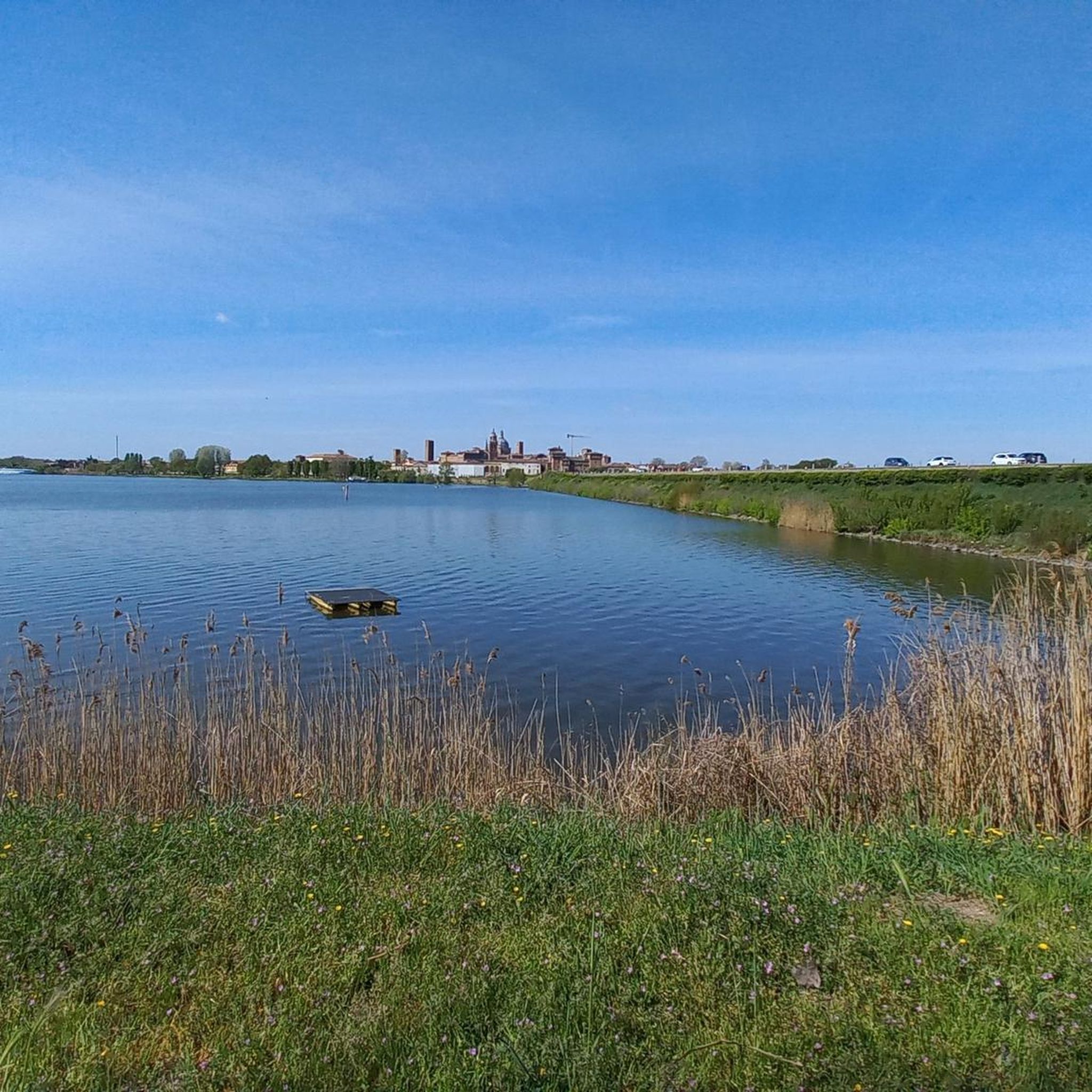
Back of the Ducal Palace – seen from the lake
Highlight • Historical Site
Translated by Google •
Tip by

Sign up for free to discover even more castles around Castelbelforte.
Sign up for free
Already have an account?
Start today with a free account
Your next adventure awaits.
Login or Signup

Tips from the Community

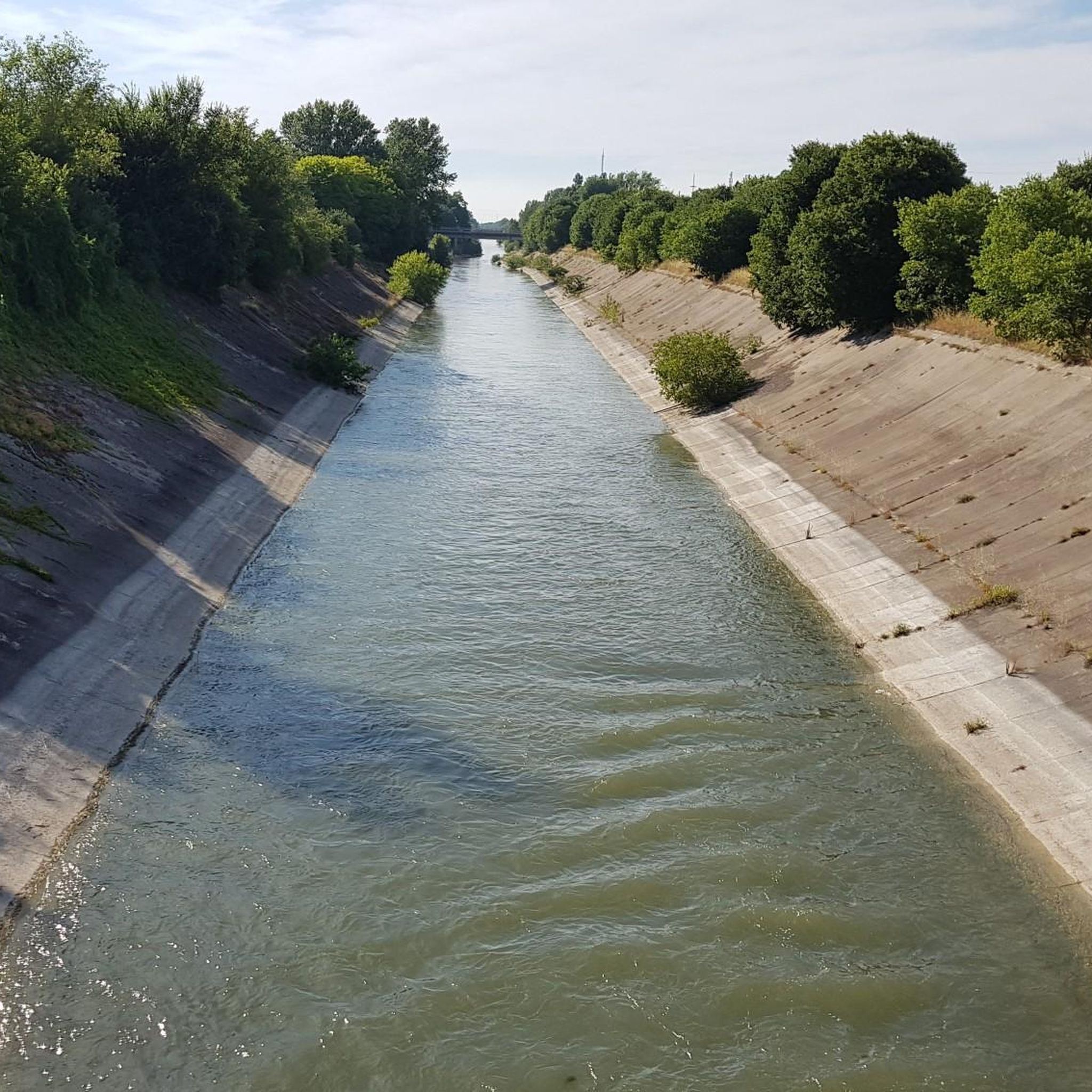
Imposing defense system in which Andreas Hofer, among others, was imprisoned and shot...
1
2
Magnificent palace surrounded by a moat...
1
0

Ducal Palace
0
0

The Ducal Palace was the main residence of the Gonzaga family, lords, marquises and finally dukes of the city of Mantua. It took the name of Royal Palace during the Austrian domination starting from the time of Maria Theresa of Austria. Distinct and separate rooms were built in different periods starting from the 13th century, initially by the Bonacolsi family and later at the instigation of the Gonzaga. It was Duke Guglielmo who commissioned the prefect of the Factories Giovan Battista Bertani to connect the various buildings in an organic form so as to create, starting from 1556, a single grandiose monumental and architectural complex, one of the largest in Europe (approximately 34,000 m²), which extended between the shore of the Lower Lake and Piazza Sordello, the ancient Piazza di San Pietro. After Bertani's death in 1576, the work was continued by Bernardino Facciotto who completed the integration of gardens, squares, loggias, galleries, exedras and courtyards, definitively establishing the appearance of the ducal residence. The interior of the palace is almost bare because once impoverished, the Gonzagas had to sell works of art (especially to Charles I of England) and furnishings, some of which were later stolen by Napoleon. The Palazzo del Capitano overlooking Piazza Sordello is the oldest building of the Ducal Palace commissioned by Guido Bonacolsi at the end of the thirteenth century. Initially built on two floors and separated from the Magna Domus by an alley, in the early 1300s it was raised by one floor and joined to the Magna Domus itself by the monumental façade with portico, which has essentially remained the same to this day. The second added floor consists of a single enormous hall (67 x 15 metres) called Dell'Armeria, also known as the Salone della Dieta, as it hosted the Diet of Mantua in 1459.
0
0
Mantua Palace
0
0

Frequently Asked Questions
Are there any standing castles directly in Castelbelforte today?
No, Castelbelforte itself does not feature any standing castles today. The town was historically known as "Due Castelli" (Two Castles) due to the presence of two fortresses, Castrum Belforte and Castrum Bonefitio, but both were demolished by 1800, leaving no traces behind. However, the wider Mantua region offers several significant historical sites and castles to explore.
Which historical castles can I visit in the Mantua region near Castelbelforte?
While Castelbelforte no longer has its original castles, the surrounding Mantua region is rich in history. You can visit Castello di San Giorgio (Mantua), a significant square-plan building with four corner towers and a moat, or the Ducal Palace, Mantua, a major architectural and cultural landmark. Another historical site is the Rocca di Sparafucile, located at the northern end of the San Giorgio bridge, serving as a historic gateway to Mantua.
What kind of historical significance do the castles near Castelbelforte hold?
The castles and palaces in the Mantua region, such as Castello di San Giorgio and the Ducal Palace, were central to the power of the Gonzaga family. They served as defensive structures, ducal residences, and administrative centers, playing a crucial role in the disputes between Verona and Mantua. These sites offer deep insights into the region's rich past and architectural heritage.
Are there family-friendly castles to visit near Castelbelforte?
Yes, several castles and historical sites in the Mantua region are considered family-friendly. Both Castello di San Giorgio (Mantua) and the Ducal Palace, Mantua are great options for families. The city of Mantua itself, with its historical center, squares, and palaces, is also a wonderful place for families to explore.
What outdoor activities can I do near the castles in the Mantua region?
The area around Mantua offers various outdoor activities, especially cycling and gravel biking. You can find numerous routes that pass by or near historical sites. For example, there are cycling routes like the "San Giorgio Castle – Ducal Palace, Mantua loop" from Castelbelforte, which is a moderate 35 km ride. You can explore more options in the Cycling around Castelbelforte guide or the Gravel biking around Castelbelforte guide.
Are there any viewpoints or natural features near the castles?
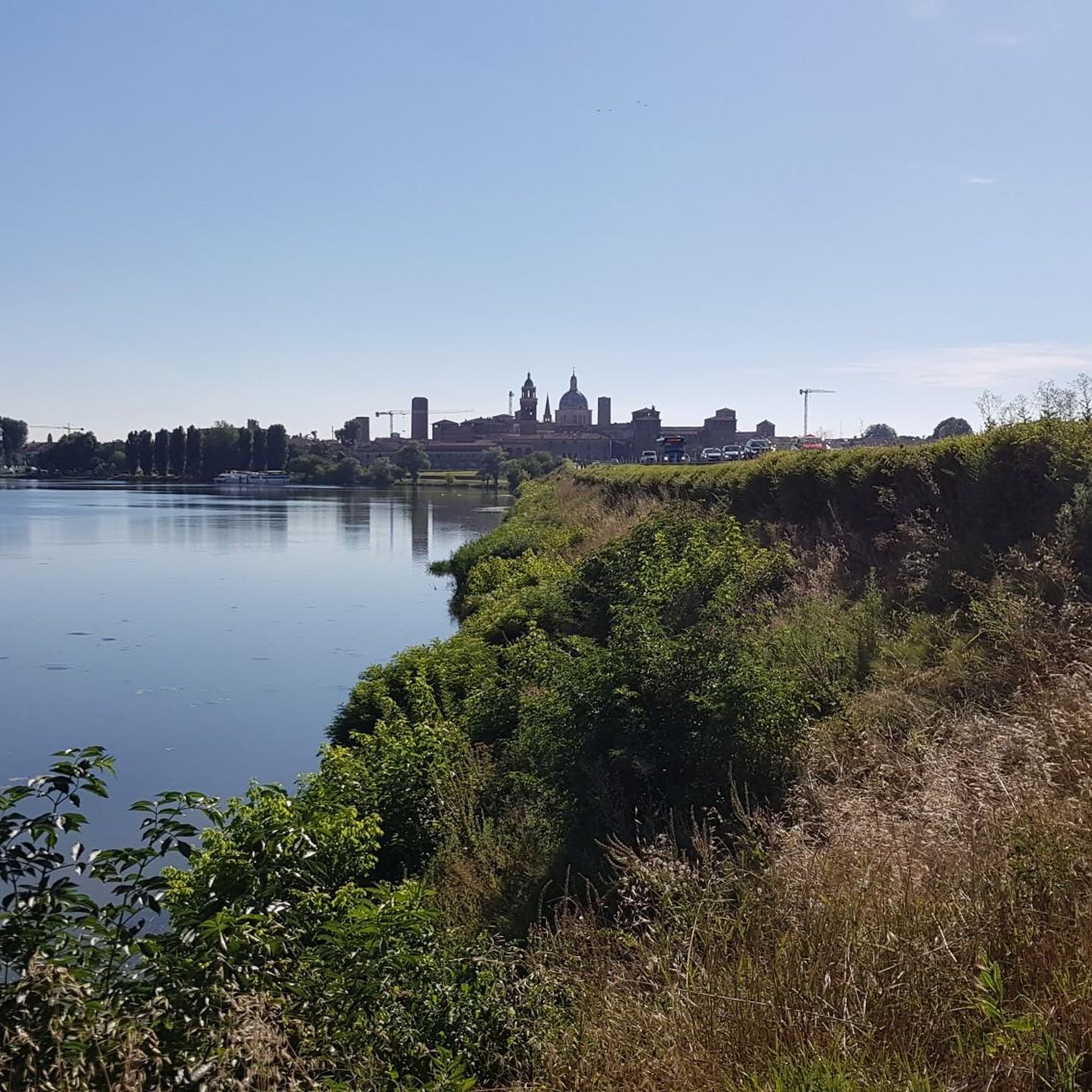
Yes, the city of Mantua is uniquely situated like a peninsula, surrounded by three lakes, offering picturesque views. The Ducal Palace is located on the shores of these Mincio lakes, providing scenic surroundings. The Rocca di Sparafucile also offers a viewpoint as it marks the historic entrance to Mantua.
What do visitors enjoy most about the castles and historical sites in the Mantua region?
Visitors frequently praise the grandeur and beauty of sites like the Ducal Palace, often calling it a 'real pearl'. The historical city center of Mantua is also highly appreciated for its wonderful squares, palaces, and overall charm. The Castello di San Giorgio is noted for its impressive architecture and historical significance.
Can I find hiking trails around the castles in the Mantua region?
While the immediate vicinity of some castles might be urban, the broader Mantua region offers opportunities for walking and cycling that can be considered light hiking. The Mincio River and its surrounding natural areas provide scenic paths. For more dedicated trails, you can look into the MTB Trails around Castelbelforte guide, which includes routes through natural reserves like Vallazza, offering a mix of nature and historical views.
What is the best time of year to visit the castles near Castelbelforte?
The Mantua region generally has a temperate climate. Spring (April-May) and autumn (September-October) are often considered the best times to visit, as the weather is pleasant for exploring historical sites and engaging in outdoor activities. Summers can be hot, while winters are cooler but still offer a unique charm for indoor castle tours.
Are there any hidden gem castles or historical sites close to Castelbelforte?
While not a 'hidden gem' in the sense of being unknown, the Rocca di Sparafucile is a fascinating historical site that might be overlooked compared to the larger Ducal Palace or Castello di San Giorgio. It holds a unique place in Mantua's history as a defensive outpost and gateway, and its connection to local folklore adds to its appeal.
How can I get to the castles near Castelbelforte by public transport?
The primary hub for visiting castles in the region is Mantua city. Mantua is well-connected by regional trains and buses. From Castelbelforte, you would typically take a local bus service to Mantua. Once in Mantua, many key historical sites like Castello di San Giorgio and the Ducal Palace are within walking distance of the city center and train station.
Most popular routes around Castelbelforte
Most popular attractions around Castelbelforte

Get inspired with the komoot mobile app


Explore more
Looking for the best castles somewhere else? Discover other guides around Castelbelforte:
