Top 9 Caves around Rota D'Imagna
Best caves around Rota D'Imagna are found within the Valle Imagna, a region characterized by significant karst phenomena and numerous underground systems. This area offers a diverse landscape of natural caves and historical sites, shaped by geological processes over time. The caves provide insight into both natural formations and historical human activity. Exploring these subterranean environments reveals unique geological features and ecological habitats.
Best caves around Rota D'Imagna
- The most popular caves is Sanctuary of Cornabusa, a religious building…
Last updated: June 30, 2026
Sanctuary of Cornabusa
Highlight • Religious Site
Translated by Google •
Tip by

Waterfall at the Source of the Enna
Highlight • Waterfall
Translated by Google •
Tip by

Sign up now to discover places like this
Get recommendations on the best single tracks, peaks, & plenty of other exciting outdoor places.
Sign up for free
Passata Mines
Highlight • Cave
Translated by Google •
Tip by

Grotta dei Partigiani
Highlight • Cave
Translated by Google •
Tip by

Carlotta's Hole
Highlight • Cave
Translated by Google •
Tip by

Sign up for free to discover even more caves around Rota D'Imagna.
Sign up for free
Already have an account?
Start today with a free account
Your next adventure awaits.
Login or Signup
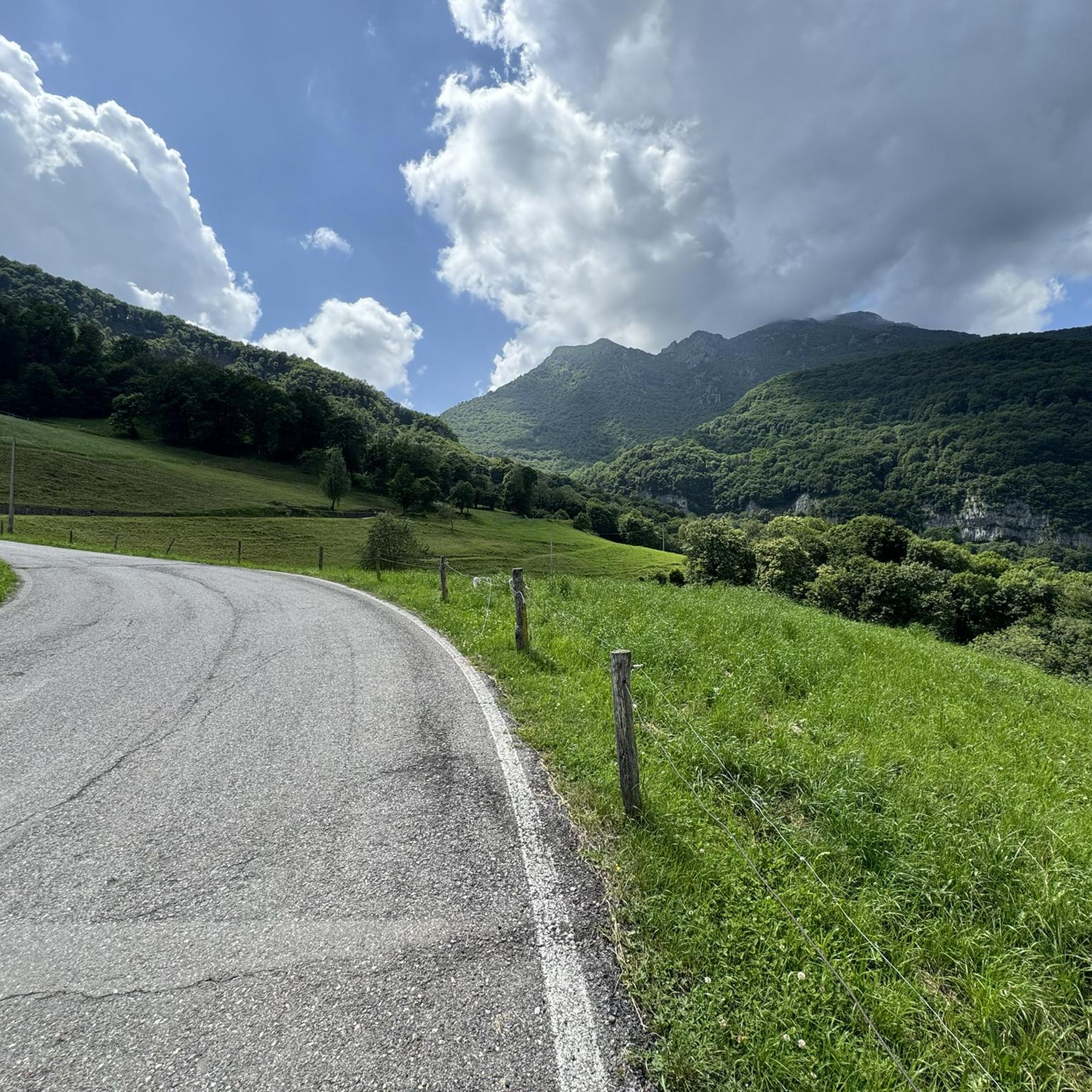
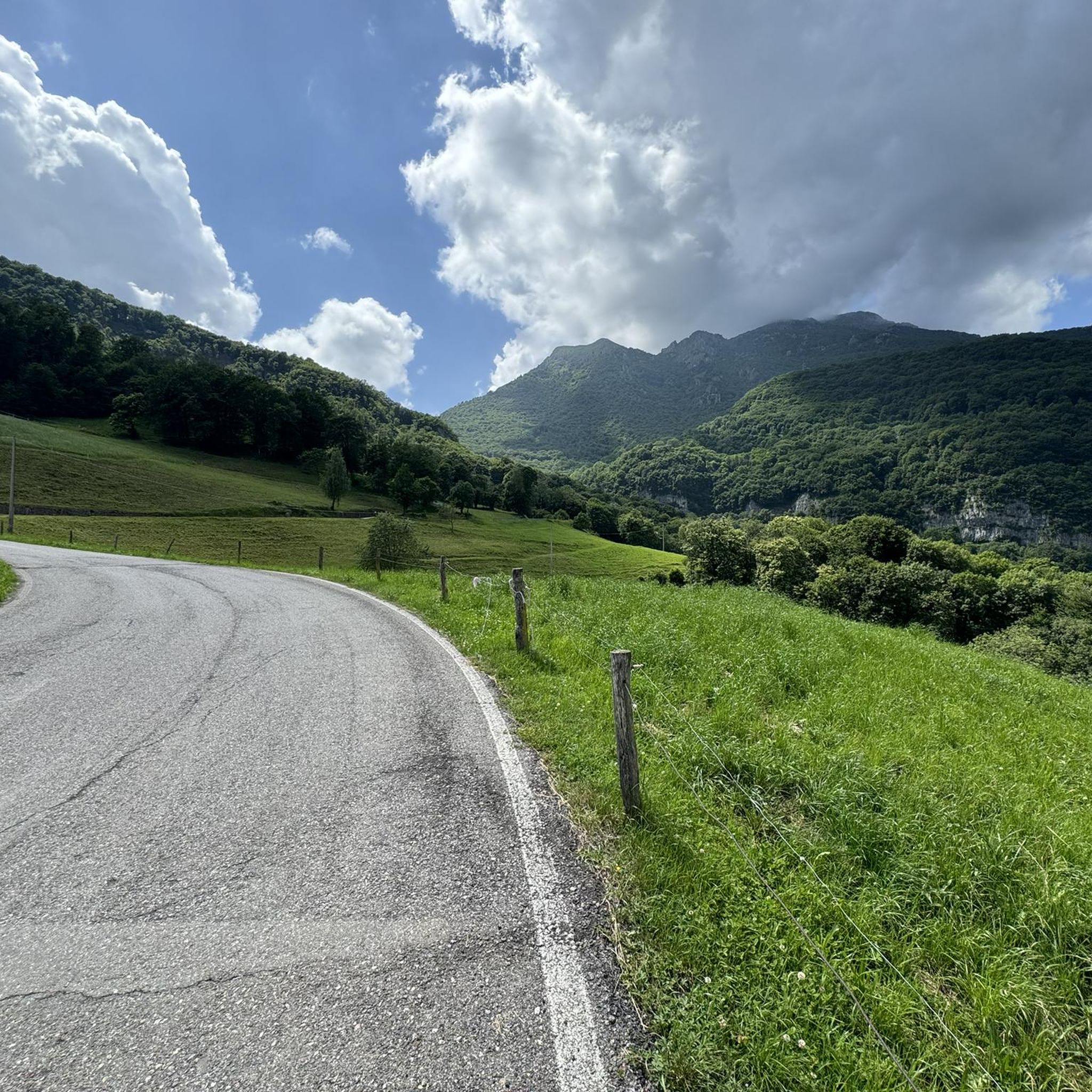
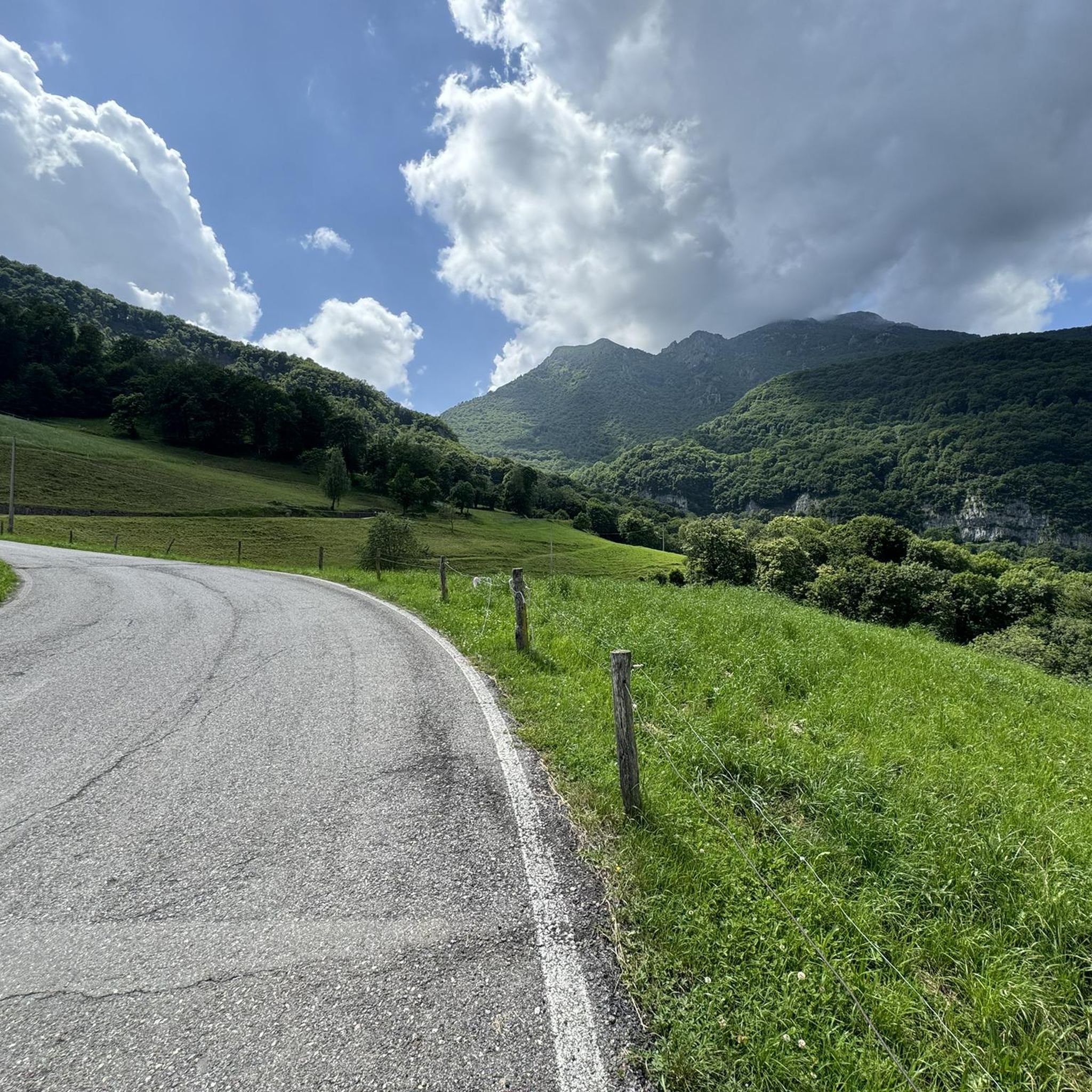


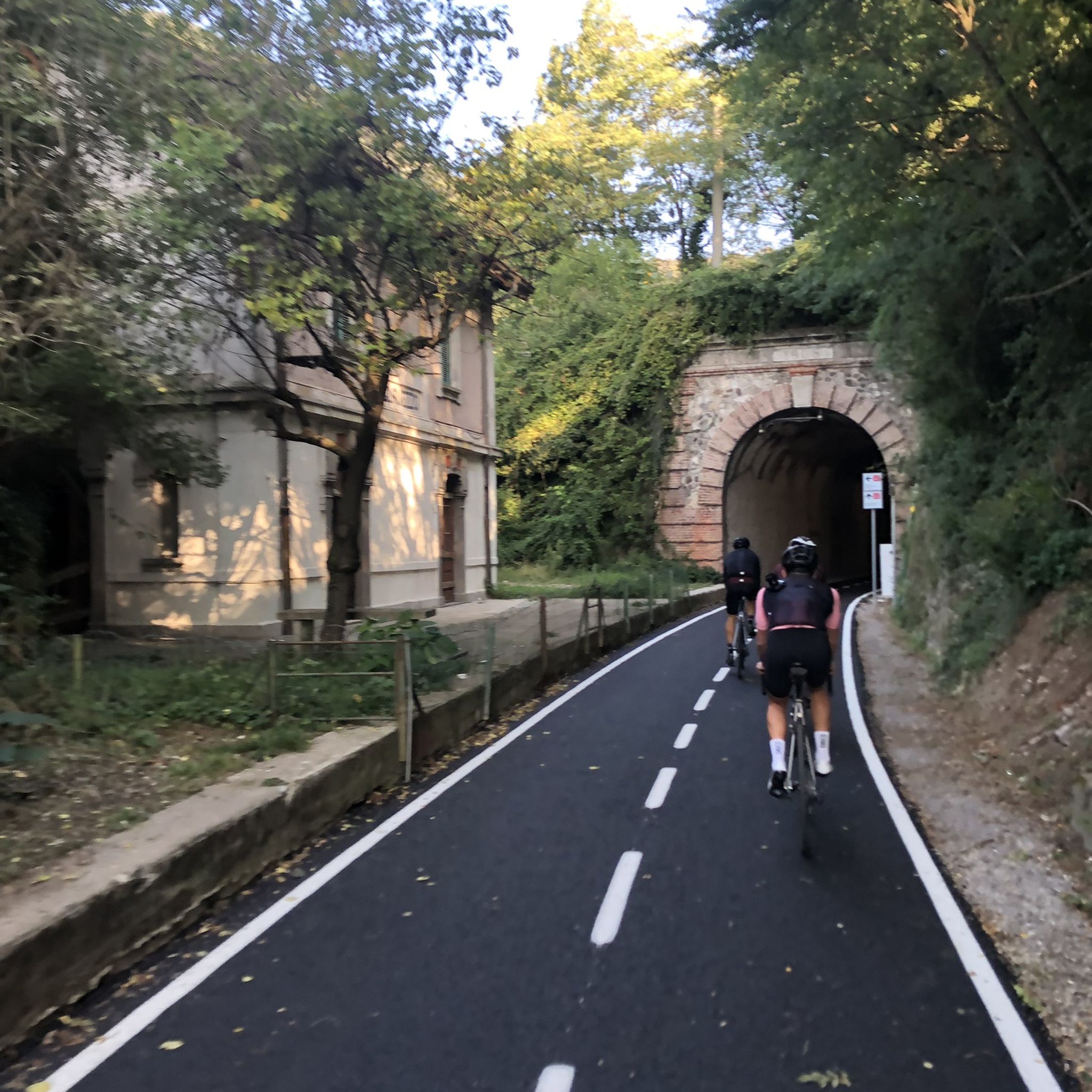
Tips from the Community

Recommended reading: https://www.ecodibergamo.it/stories/eppen/outdoor/lanello-del-resegone-un-trekking-con-vista-tra-bergamo-e-lecco-o_3409562_11/
0
0

Characteristic passage of the Caminetto or Buco della Carlotta Equipped Path. Be careful of the wet rock in the hole. Full report: https://www.ferrate365.it/vie-ferrate/sentiero-attrezzato-caminetto-buco-carlotta-resegone/
0
0

The Cornabusa Sanctuary, located in the heart of the Imagna Valley, is one of the most evocative sanctuaries in Lombardy. Built inside a natural cave, the sanctuary is dedicated to Our Lady of Sorrows, venerated in this place since the 16th century. The church has been expanded over the years, while maintaining the charm of the original place of worship carved into the rock. The sanctuary is a destination for pilgrimages and is appreciated for its spiritual atmosphere and spectacular panoramic view of the surrounding valley.
0
0

The Partisans' Cave, in Val Taleggio, is a cave semi-hidden among boulders and vegetation; to access it it is necessary to wade through a small stream fed by the water which, descending from above, generates a wonderful waterfall inside the cave. During the spring of 1945, partisans Giulio Bellaviti from Pizzino and Virgilio Arnoldi from Sottochiesa were killed here by Nazi-fascist forces. To remember this massacre, the cave has since taken the name "Cave of the Partisans".
3
0

Very scenic waterfall, located at the source of the Enna river. Going up (with caution, the area is very humid and full of moss) to the top of the waterfall, you can admire the cave from which the Enna river flows.
2
0

Mine from which galena (Lead Sulfide) was extracted. It is located 20 minutes from the Alpinisti Monzesi refuge, at the foot of Mount Resegone, where you can observe some entrances to the mine, located on three levels (one collapsed). On the way there are some structures in ruins. Located at 1225 meters above sea level, the mine is also known as "della Rolla".
0
0

The best time to admire these falls is spring, when it is normally full of water, mosses of various shades and flowers. Unfortunately not this year 😔
3
0

Frequently Asked Questions
What types of caves can I explore around Rota D'Imagna?
The Rota D'Imagna area, nestled in Valle Imagna, offers a diverse range of subterranean experiences. You can explore natural karst caves like the historically significant Tomba dei Polacchi, historical mine sites such as the Passata Mines, and unique cave-sanctuaries like the Sanctuary of Cornabusa.
Are there any caves with historical or archaeological significance in the region?
Yes, the Tomba dei Polacchi in Rota D'Imagna is particularly notable for its rich archaeological history. It served as a place of worship from the Bronze Age through the Iron Age, with discoveries including metal and bone artifacts, ceramic fragments, and a terracotta vase used for propitiatory rituals. These artifacts are now preserved at the Archaeological Museum of Bergamo.
What are some of the natural features I can expect to see in the caves?
Many caves in Valle Imagna, including the Tomba dei Polacchi, showcase magnificent subterranean formations sculpted by water over time. You'll find abundant stalagmitic flows, unique karst formations, and active cave systems. The Waterfall at the Source of the Enna also features a cave from which the river flows, offering a scenic natural spectacle.
Do I need a guide to explore the caves, and what gear should I bring?
For safety and to fully appreciate the significance of many caves, especially active systems like the Tomba dei Polacchi, guided tours are essential. The Gruppo Speleologico Valle Imagna and the Pro Loco of Rota D'Imagna can provide information on tours. Visitors should be prepared with appropriate clothing, including mountain boots or rubber boots, and long clothes that can get muddy. A change of clothes is recommended. Helmets and lamps are typically provided by speleological guides.
Are there any family-friendly caves or activities suitable for beginners?
While some caves like Carlotta's Hole are challenging, many areas offer accessible sections suitable for beginners or families. For instance, the initial 400 meters of the Tomba dei Polacchi are more accessible. The Sanctuary of Cornabusa, being a religious building inside a cave, offers a unique and less physically demanding experience for all ages.
What is the best time of year to visit the caves around Rota D'Imagna?
The best time to visit can depend on the specific cave and your interests. For scenic natural features like the Waterfall at the Source of the Enna, spring is ideal when water levels are high. For cave exploration, conditions can vary, but generally, spring and autumn offer pleasant temperatures. Winter caving is possible but requires specialized gear and experience due to colder temperatures and potentially wet conditions.
What outdoor activities can I combine with a visit to the caves?
The region around Rota D'Imagna offers numerous outdoor activities. You can find various mountain hikes, running trails, and cycling routes. For example, the Passata Mines are located at the foot of Mount Resegone, an area popular for hiking.
Are there any caves that are important for wildlife or biospeleology?
Yes, the Tomba dei Polacchi is significant from a biospeleological perspective. It serves as a vital habitat for numerous rare species of beetles and other cave-dwelling fauna, making it an important site for ecological study and preservation.
Where can I find information about guided tours for the caves?
For information on guided tours and schedules for caves like the Tomba dei Polacchi, you can contact the Pro Loco of Rota D'Imagna. The Gruppo Speleologico Valle Imagna also provides support for visiting the main caves in the valley, including Grotta Europa and Grotta Val d'Adda.
Are there any other notable caves in the wider Valle Imagna area?
Beyond Rota D'Imagna, the broader Valle Imagna is home to approximately 250 known caves. Notable examples include Grotta Europa in Bedulita, known for its large hall and abundant concretions, and Grotta Val d'Adda in Cepino, a spring cave with walls shaped by flowing water. The Sanctuary of Cornabusa is also a highly suggestive cave transformed into a sanctuary.
What is the significance of the <a href="https://www.komoot.com/highlight/4077177" target="_blank" rel="noopener">Sanctuary of Cornabusa</a>?
The Sanctuary of Cornabusa is a unique religious building located inside a natural cave. It is dedicated to Our Lady of Sorrows and has been a destination for pilgrimages since the 16th century. It offers a spiritual atmosphere and spectacular panoramic views of the surrounding Imagna Valley.
Can I visit historical mine sites in the area?
Yes, the Passata Mines are a historical cave site where galena (Lead Sulfide) was extracted. Located at 1225 meters above sea level, visitors can observe some entrances to the mine, which are situated on three levels, though one has collapsed. It's about a 20-minute walk from the Alpinisti Monzesi refuge.
Most popular routes around Rota D'Imagna
Most popular attractions around Rota D'Imagna

Get inspired with the komoot mobile app


Explore more
Extend your search for the best caves by checking out these guides of the top ones around Rota D'Imagna:
