Top 7 Castles around Malgesso
Castles around Malgesso are primarily located in the surrounding Varese region, offering insights into historical defensive structures and noble residences. The area, situated near Lake Maggiore, features a landscape that historically supported strategic fortifications. These sites provide a factual look into the region's past, from medieval strongholds to later transformations into stately homes. The historical significance of these castles contributes to the cultural landscape of the Malgesso area.
Best castles around Malgesso
- The most popular castles is Orino Fortress,…
Last updated: June 30, 2026
Visconti Castle of San Vito
Highlight • Castle
Translated by Google •
Tip by

Orino Fortress
Highlight • Castle
Translated by Google •
Tip by

Sign up now to discover places like this
Get recommendations on the best single tracks, peaks, & plenty of other exciting outdoor places.
Sign up for free
Hall of Justice, Angera Castle
Highlight • Historical Site
Translated by Google •
Tip by

Angera Lakeside Promenade
Highlight • Viewpoint
Translated by Google •
Tip by

Castellana Tower (Rocca Borromeo of Angera)
Highlight • Castle
Translated by Google •
Tip by
Sign up for free to discover even more castles around Malgesso.
Sign up for free
Already have an account?
Start today with a free account
Your next adventure awaits.
Login or Signup

Tips from the Community

Ferry available (also with bicycle)
1
0


The Castellana Tower is located in the oldest part of the castle. This point offers a fantastic view of Lake Maggiore. Opposite this lookout tower is the Torre di Giovanni Visconti on the south side of the Rocca Borromeo. This section of the castle was built in the 14th century.
0
0
Ottone Visconti, elected archbishop of Milan by Pope Urban IV in 1262, but not by the Major Chapter of the cathedral, was not able to take possession of his seat until 1277, after the victory obtained in Desio over the enemies of the Tower. In 1280, as the owner of Angera – assigned to the Milanese Church since 1162 – he had a Hall of Justice built in the Rocca, where legal and economic matters were administered. With a masterly coup, his nephew and Lord of Milan Matteo Visconti had the archiepiscopal archives (kept in the monastery of S. Radegonda) burned, with the papers regarding the possession of Angera by the Milanese Church, and claimed the inheritance of the place as a personal domain of the Viscontis, by virtue of a legendary descent of their lineage from Angleria. Between 1314 and 1316, Matteo commissioned a local fresco painter, no better known than the Maestro di Angera, to decorate the Hall of Justice with episodes of the victory of Desio and the entry of Ottone Visconti into Milan, taken from an apologetic book written by Stefanardo da Vimercate. Above the stories is the Zodiac, now only partially preserved, but with an iconographic program that can still be reconstructed. When Matteo commissioned the frescoes, the lawyers and judges of the Ambrosian Church no longer met in the Hall, but the Rocca had by then become a private seat. Why did Matteo want to decorate it so expensively? The Hall of Justice is divided into two bays with cross vaults; it is accessed through a door on the south side, in front of which was originally the judge's chair. Each side of the span enclosed two zodiac signs with their respective governing planet in a lunette, framed by a polychrome decoration – which extended to the cordoning of the sails – among the best preserved of the Lombard fourteenth century. Another peculiarity are the monstrous or extravagant figures that surround only the lunette of the second western span, taken from illustrations of naturalistic texts, such as the De natura rerum by Thomas de Cantimpré. https://www.storiadimilano.it/arte/zodiaco_angera.htm
0
0
The Church of the Purification of the Virgin Mary is the parish church of Massino Visconti in the Province and Diocese of Novara. It is part of the Vergante pastoral unit. The first mention of a Catholic church in Massino dates back to 887. The new church was built in the second half of the 16th century with three naves and was given the title of parish church during the same period, after the Church of San Michele was severely damaged by a landslide. In the first half of the 19th century, the old Romanesque bell tower was demolished and replaced with a new tower. The church's striking, west-facing façade consists of three volumes interrupted by pilasters: the main body, characterized by the main portal, is preceded by a small portico opening into a serliana in the center, while the two side wings have secondary entrances. Attached to the parish church is the stone bell tower with a square floor plan. Its cell has a single-lancet window on each side, protected by a balustrade, and is crowned by a pyramidal spire resting on a drum with an octagonal base. The interior of the building is divided into three naves, overlooking which the side chapels face. Pillars and columns support round arches, above which runs the molded and projecting entablature, upon which the vaults rest. At the end of the hall is the presbytery, raised a few steps, bordered by balustrades and housing the main altar. Several valuable works have been preserved here, including the 16th-century frescoes depicting Saint Mary of the Assumption and the Coronation of Mary, as well as the paintings on the vaults depicting the Doctors of the Church and the symbols of the Evangelists. it.wikipedia.org/wiki/Chiesa_della_Purificazione_di_Maria_Vergine_(Massino_Visconti)
0
0

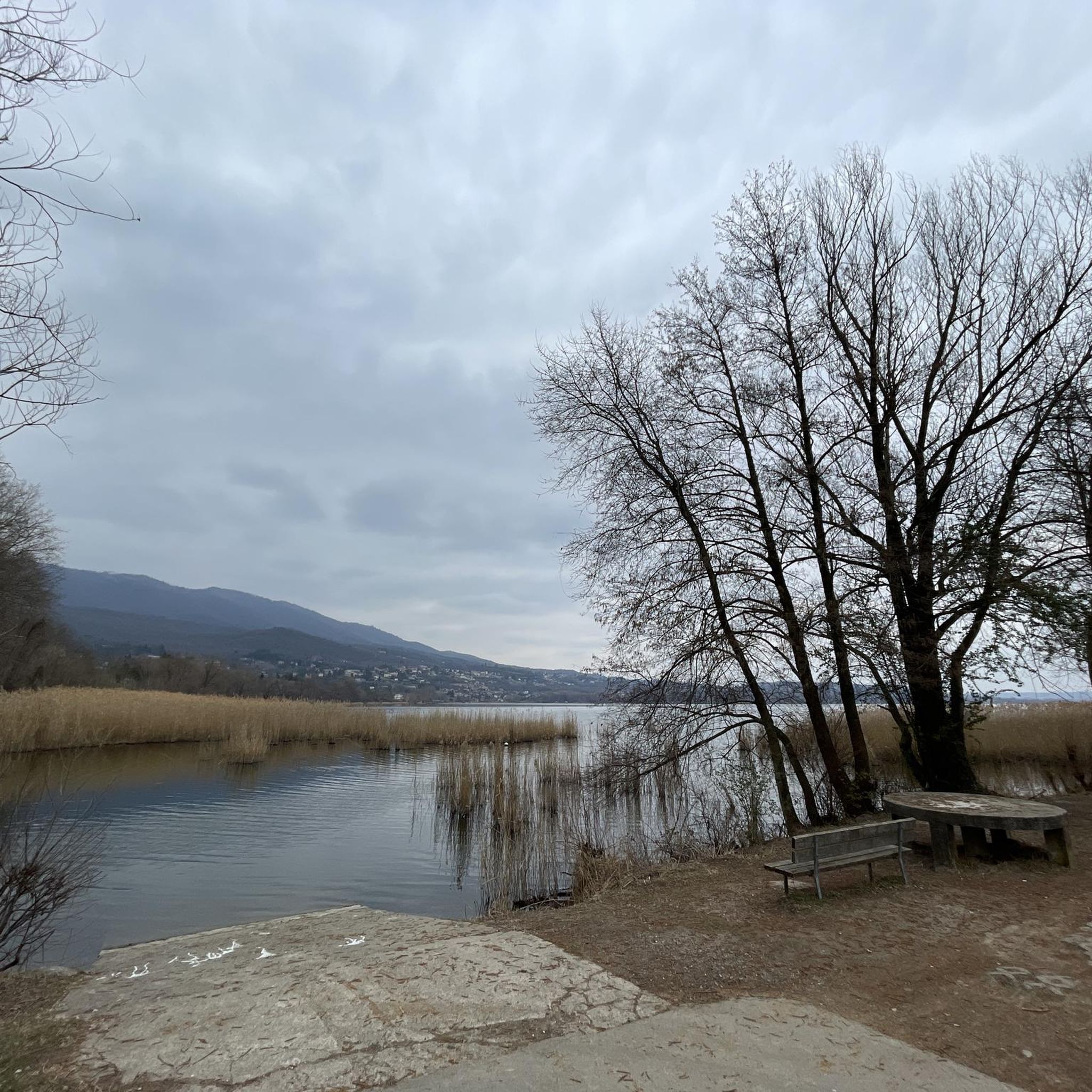
The fortress of Orino is an ancient fortress located on a rock spur from which you have an excellent view of Valcuvia.
1
0

THE ROAD ON THE LAKE THAT GOES TO ISPRA IS EXCELLENT and very panoramic
2
0

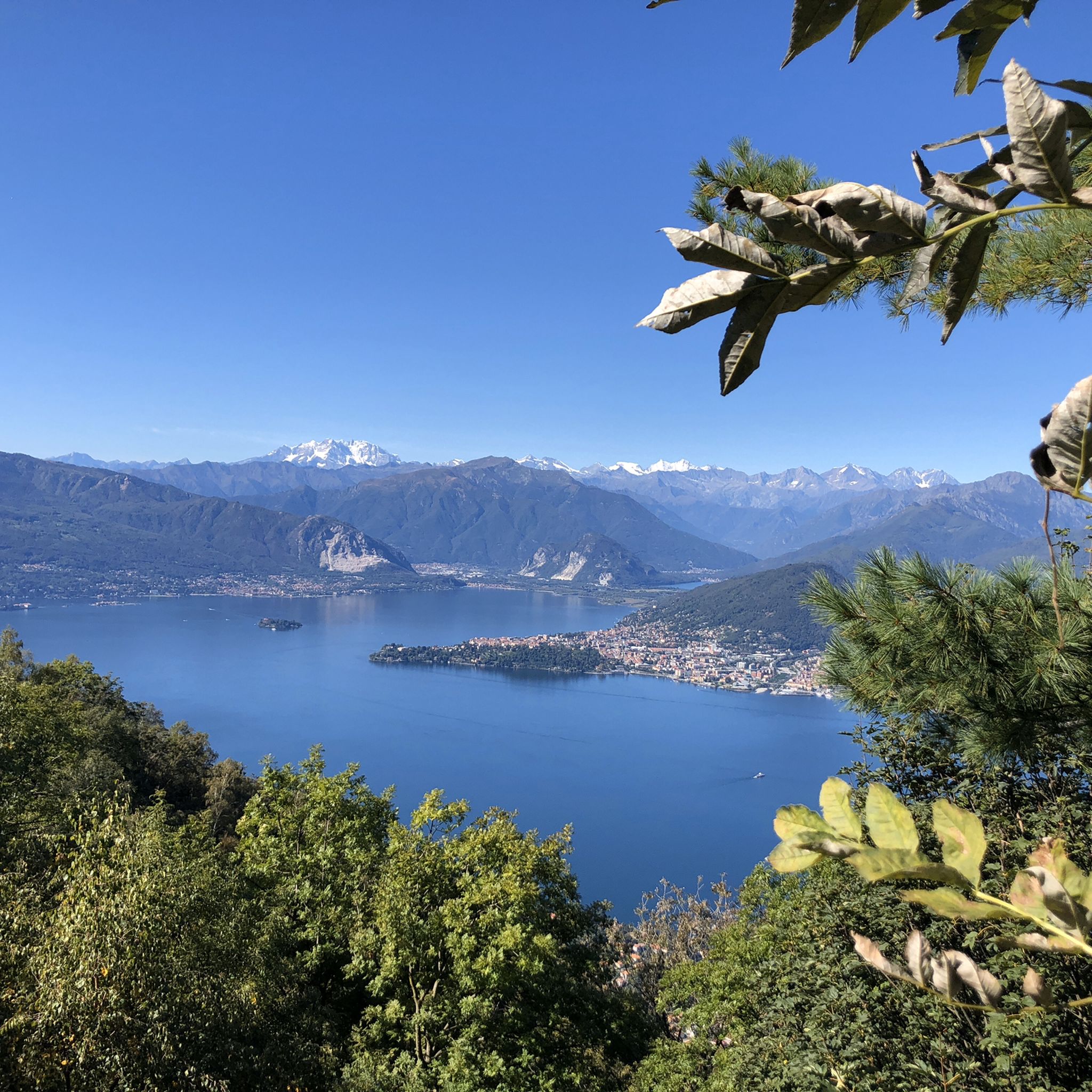
Angera is located on the south-eastern shore of Lake Maggiore and boasts a rich past, from Roman relics to Langobard architecture. The shadow of the majestic Rocca Borromea testifies to the fusion between history and modernity of the town.
3
0
Frequently Asked Questions
What are the most notable castles to visit near Malgesso?
The Varese region, where Malgesso is located, features several significant castles. Among them are the Orino Fortress, known for its excellent views of Valcuvia; the Rocca di Angera, an 11th-century medieval castle on Lake Maggiore with a doll museum; and the Visconti Castle of San Vito, which transitioned from a defensive fortress to a noble residence.
Are there family-friendly castles around Malgesso?
Yes, several castles in the area are suitable for families. The Rocca di Angera is particularly family-friendly, housing a doll museum with over 1,000 pieces that children often enjoy. The Orino Fortress is also categorized as family-friendly, offering an engaging historical site with open spaces.
What historical insights can I gain from visiting these castles?
The castles around Malgesso offer a deep dive into the region's history. For instance, the Rocca di Angera showcases its evolution from a Visconti fortress to belonging to the Borromea family, with notable frescoes and a hall of justice. The Visconti Castle of San Vito illustrates the transformation from a defensive structure to an elegant noble residence, reflecting 16th-century reconstructions and the daily life of the Visconti family.
What kind of views can I expect from the castles?
Many castles in the Varese region offer stunning panoramic views. The Orino Fortress provides an excellent vantage point over Valcuvia. From the panoramic terrace of the Rocca di Angera, you can admire Angera, Arona, and a large portion of Lake Maggiore.
Are there any ruins of castles near Malgesso worth exploring?
Yes, the region has historical ruins that highlight its strategic past. The Castle of Cuasso, known locally as Castelasc, is considered one of the most important defensive buildings in the province of Varese. While only ruins remain today, its strategic importance is evident, and its dungeon was once visible from 10 km away. You can learn more about its history on Wikipedia.
What outdoor activities are available near the castles around Malgesso?
The area around Malgesso offers various outdoor activities. You can find numerous hiking, mountain biking, and gravel biking routes. For hiking, explore trails like the Lake Varese Cycle and Pedestrian Trail or the Mills Trail. For more details on routes, visit the Hiking around Malgesso guide, the MTB Trails around Malgesso guide, or the Gravel biking around Malgesso guide.
What do visitors appreciate most about the castles in this region?
Visitors frequently highlight the historical significance and the scenic beauty of the castles. The well-preserved medieval architecture, the panoramic views over lakes and valleys, and the unique collections like the doll museum at Rocca di Angera are often praised. The strategic locations of these fortresses, offering insights into past defensive strategies, also captivate many.
How long should I plan for a visit to a castle near Malgesso?
The duration of a visit can vary depending on the castle and your interest. For a comprehensive site like Rocca di Angera, which includes a museum and extensive grounds, you might want to allocate 2-3 hours. Smaller sites like the Orino Fortress might take 1-1.5 hours to explore, including enjoying the views.
Is public transport available to reach castles from Malgesso?
While Malgesso itself is a smaller town, the Varese region has public transport options. However, direct routes to all castles might be limited. It's advisable to check local bus schedules or consider a combination of public transport and a short taxi ride for castles that are less centrally located. For specific planning, researching routes to towns like Angera or Orino would be beneficial.
Are there any castles that offer unique collections or exhibits?
Yes, the Rocca di Angera is particularly notable for its unique collections. It houses a splendid antique lathe and a doll museum with over 1,000 pieces, some dating back to the 18th century, making it a distinctive cultural experience.
Can I find cafes or pubs near the castles?
Larger castle sites, especially those in or near towns like Angera, will likely have cafes, restaurants, or pubs nearby. For example, the Rocca di Angera is situated on the Lombard shore of Lake Maggiore, a popular area with amenities. For more remote fortresses like Orino Fortress, options might be limited to nearby villages, so it's wise to plan accordingly.
Most popular routes around Malgesso
Most popular attractions around Malgesso

Get inspired with the komoot mobile app


Explore more
Looking for the best castles somewhere else? Discover other guides around Malgesso:
