Top 11 Caves around Cuveglio
Best caves around Cuveglio are primarily known for their historical and cultural significance, rather than extensive natural geological formations. The region features cave systems adapted for military use, such as those related to the Linea Cadorna, offering insights into World War I defenses. Visitors can explore sites where ancient worship and Christian pilgrimages have taken place, often incorporating cave structures. The landscape around Cuveglio also includes natural features like waterfalls, sometimes adjacent to cave entrances.
Best caves around Cuveglio
- The…
Last updated: June 30, 2026
Valganna Waterfalls and Caves
Highlight • Waterfall
We girls really enjoyed it and it was a bit scary too 😉.
The waterfall comes down like a veil, well worth seeing.
Translated by Google •
Tip by

Church of St. Anthony on the Mountain
Highlight • Religious Site
Church of San Antonio sul Monte (Porto Valtravaglia)
The origins of the church can be traced back a long way: the primitive Romanesque structures, …
Translated by Google •
Tip by

Sign up now to discover places like this
Get recommendations on the best single tracks, peaks, & plenty of other exciting outdoor places.
Sign up for free
Le Grotte di Valganna Restaurant
Highlight • Restaurant
Translated by Google •
Tip by
Rocce Rosse Fortifications (Cadorna Line)
Highlight • Historical Site
Translated by Google •
Tip by

The Canonica of San Giorgio
Highlight • Religious Site
Translated by Google •
Tip by

Sign up for free to discover even more caves around Cuveglio.
Sign up for free
Already have an account?
Start today with a free account
Your next adventure awaits.
Login or Signup

Tips from the Community

fortifications
0
0

Unfortunately, there is a lot of traffic on this scenic stretch
0
0

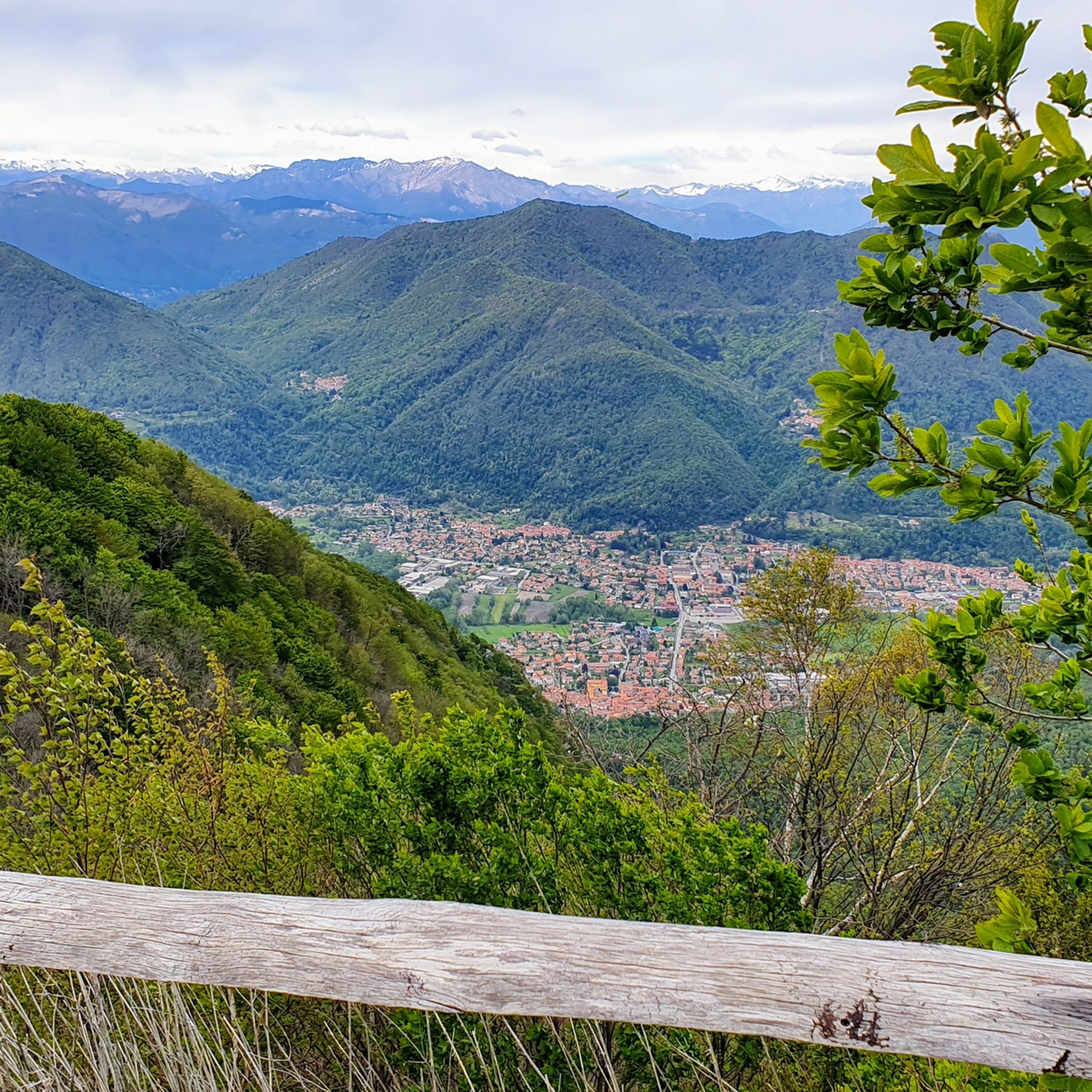
At the top of "Rocce Rosse" you'll have an amazing view: the southern part of Lago di Lugano is visible with Porto Ceresio. You can also have a picnic on the top of the rocks.
0
0

Chiesa Sant’Antonio al Monte (Porto Valtravaglia) Church of San Antonio sul Monte (Porto Valtravaglia) The origins of the church can be traced back a long way: the primitive Romanesque structures, still partially visible in the typical barrel-shaped interior, date back to around 1000/1200. In the past, on the day of San Rocco, patron of Nasca, the Naschesi would ascend to the small church in a large procession. The unique cave church, dedicated to Saint Anthony Abbot of the Desert, was also a well-known place of pilgrimage Text from the book "Municipality of Castelveccana - a land on the way".
10
1

The area is very interesting from a natural point of view due to the abundance of springs and the presence of travertine, a sedimentary rock with a porous appearance. In addition to the main waterfall, other waterfalls can be admired from the terraces and along the well-equipped paths that start behind the square. A series of information panels clarify some details. The Valganna Caves are a place very well known by the inhabitants of Varese: we are in fact on the outskirts of the capital, literally a stone's throw from the road that leads to Valganna. (Info from the internet 😉)
6
0
It's also an experience at night 😜. We girls really enjoyed it and it was a bit scary too 😉. The waterfall comes down like a veil, well worth seeing.
6
0


Possible refreshment point. Check times and availability
0
0
Frequently Asked Questions
What types of caves can I explore around Cuveglio?
The caves around Cuveglio are primarily known for their historical and cultural significance. You'll find systems adapted for military use, such as those related to the Linea Cadorna from World War I, and religious sites incorporating cave structures. There are also natural features like waterfalls that sometimes include cave elements.
Are there any natural caves with geological formations like stalactites or stalagmites?
Based on available information, the region around Cuveglio is not widely known for natural caves with extensive geological formations like stalactites or stalagmites. The most prominent cave, Grotta San Martino, is recognized more for its historical and military role than for natural karst features. For classic natural cave formations, you might need to explore other regions of Italy.
Which caves offer historical insights into the region?
For historical insights, you can visit the Rocce Rosse Fortifications (Cadorna Line), which features observation posts in caves and tunnels that were part of a World War I defensive system. The Grotta San Martino in Cuveglio also played a significant role in the Linea Cadorna.
Are there any religious sites that incorporate caves?
Yes, the Canonica of San Giorgio is a religious building that offers an element of underground exploration. Additionally, the Church of St. Anthony on the Mountain is a unique cave church that was a well-known pilgrimage site with origins dating back to 1000/1200.
Are there family-friendly cave experiences in Cuveglio?
Yes, the Canonica of San Giorgio is considered family-friendly. Visitors recommend bringing a strong flashlight for children to explore its caves or catacombs, offering a small adventure.
What natural attractions, besides caves, can I find in the area?
You can visit the Valganna Waterfalls and Caves, where the water descends like a veil, offering a scenic spot for photography. The area is also known for its abundance of springs and travertine rock formations.
What do visitors enjoy most about the caves and surrounding areas?
Visitors appreciate the combination of historical architecture and the opportunity for underground exploration, especially at sites like the Canonica of San Giorgio. The historical significance of the Cadorna Line fortifications and the scenic beauty of natural spots like the Valganna Waterfalls are also highly valued.
What outdoor activities can I do near the caves around Cuveglio?
The region offers various outdoor activities. You can explore numerous routes for gravel biking, cycling, and MTB trails. These routes often pass by natural features and historical sites, providing a great way to experience the landscape.
Are there hiking trails that lead to or near these cave sites?
Many of the cave sites and historical fortifications are accessible via hiking trails. For example, the Rocce Rosse Fortifications offer amazing views from the top, suggesting a hike is involved. You can find various MTB trails and cycling routes that traverse the area, which can also be adapted for hiking.
What is the best time of year to visit the caves in Cuveglio?
While specific seasonal considerations for the caves are not detailed, the region's outdoor attractions, including waterfalls and historical sites, are generally enjoyable during milder weather. Spring and autumn typically offer pleasant temperatures for exploring the surrounding trails and outdoor areas.
Is there a restaurant near the Valganna Waterfalls and Caves?
Yes, there is a place called Le Grotte di Valganna Restaurant. It can serve as a possible refreshment point near the waterfalls, though it's advisable to check their operating times and availability.
Most popular routes around Cuveglio
Most popular attractions around Cuveglio

Get inspired with the komoot mobile app


Explore more
Extend your search for the best caves by checking out these guides of the top ones around Cuveglio:
