Top 11 Caves around Galatone
Best caves around Galatone are located in the Salento region of Italy, featuring a diverse landscape of underground sites. This area is known for its archaeological treasures, historical industrial structures, and natural karstic formations. The region provides insights into ancient human habitation, traditional olive oil production, and unique geological features.
Best caves around Galatone
- The most popular caves is Cave of the Horse, a cave that holds significant archaeological finds. It is known for containing human and animal remains…
Last updated: June 30, 2026
Abbey of San Nicola di Macugno
Highlight • Religious Site
Translated by Google •
Tip by

Frantoio Ipogeo (Underground Olive Oil Mill)
Highlight • Historical Site
Translated by Google •
Tip by

Sign up now to discover places like this
Get recommendations on the best single tracks, peaks, & plenty of other exciting outdoor places.
Sign up for free
Cave of the Horse
Highlight • Cave
Translated by Google •
Tip by

Cave of the Venuses
Highlight • Cave
Translated by Google •
Tip by

Crypt of Sant'Anna, Galatina
Highlight • Religious Site
Translated by Google •
Tip by
Sign up for free to discover even more caves around Galatone.
Sign up for free
Already have an account?
Start today with a free account
Your next adventure awaits.
Login or Signup

Tips from the Community

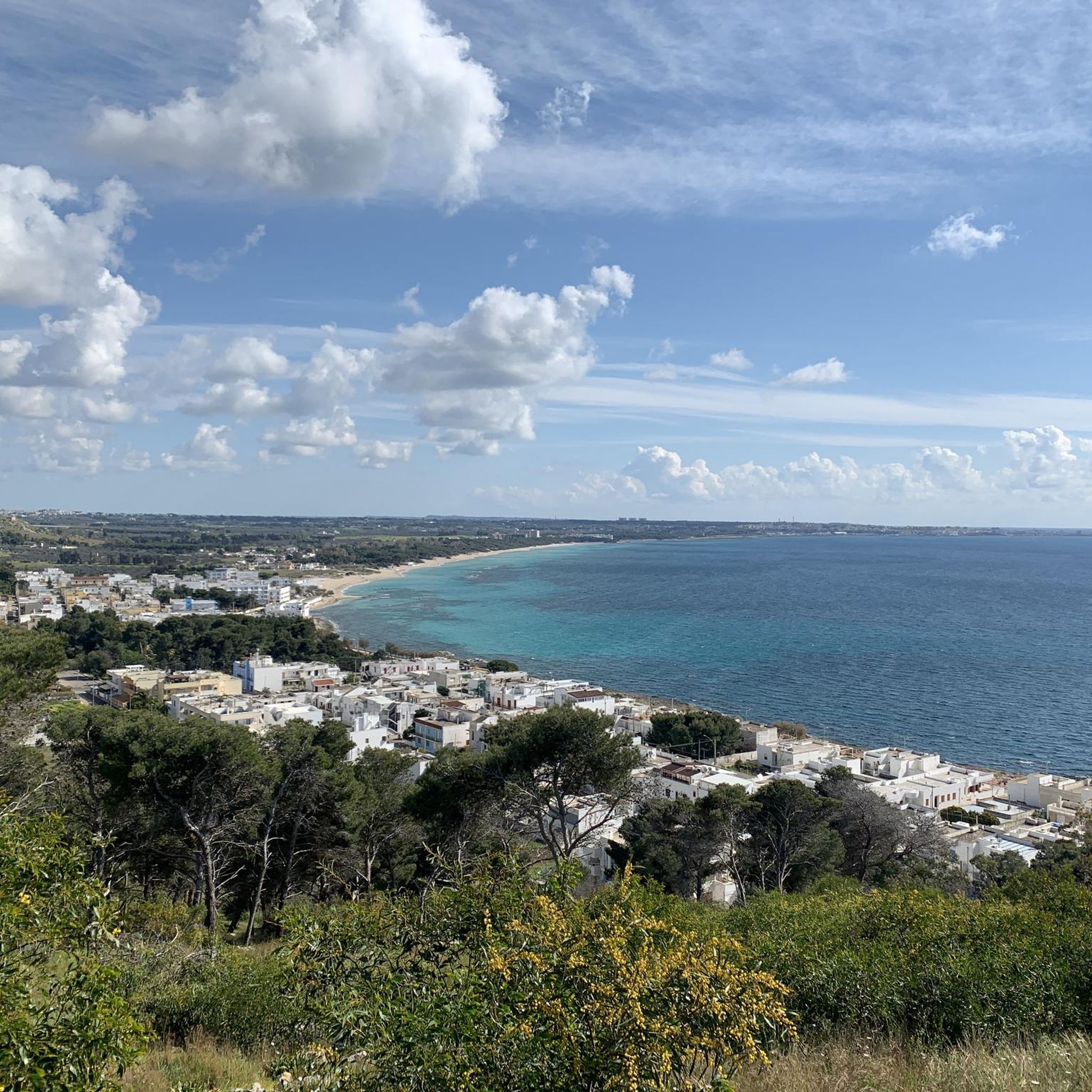
The quantity of lush greenery of the Mediterranean scrub keeps the naturalistic value of this crossed area high, so much so that you are amazed when you descend from the greenhouse on the east side, especially for the people of Tuglia who are used to peering towards the Ionian Sea. San Nicola di Macugno is its emblem, the History and the stories told that involve this place and Nature with the harmoniously integrated cultivated fields give beauty and joyfulness.
0
0

October 2023 entry €2. There is an information sheet in German
1
0
Frantoio ipogeo is an underground oil mill. The production of olive oil is presented in a small museum. A staircase leads into the vault with a temperature of around 18 degrees - well suited for storing olives and oil.
2
0

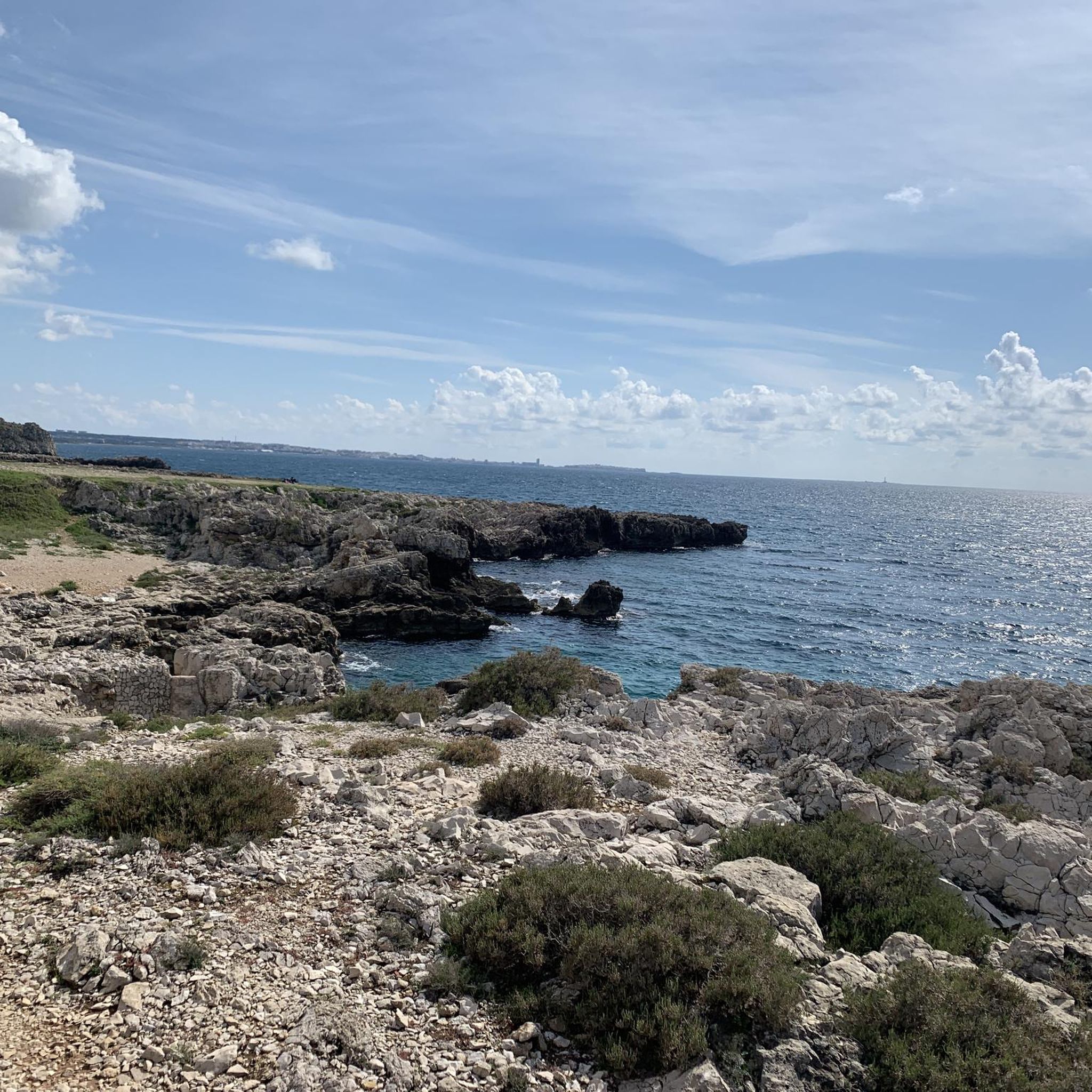
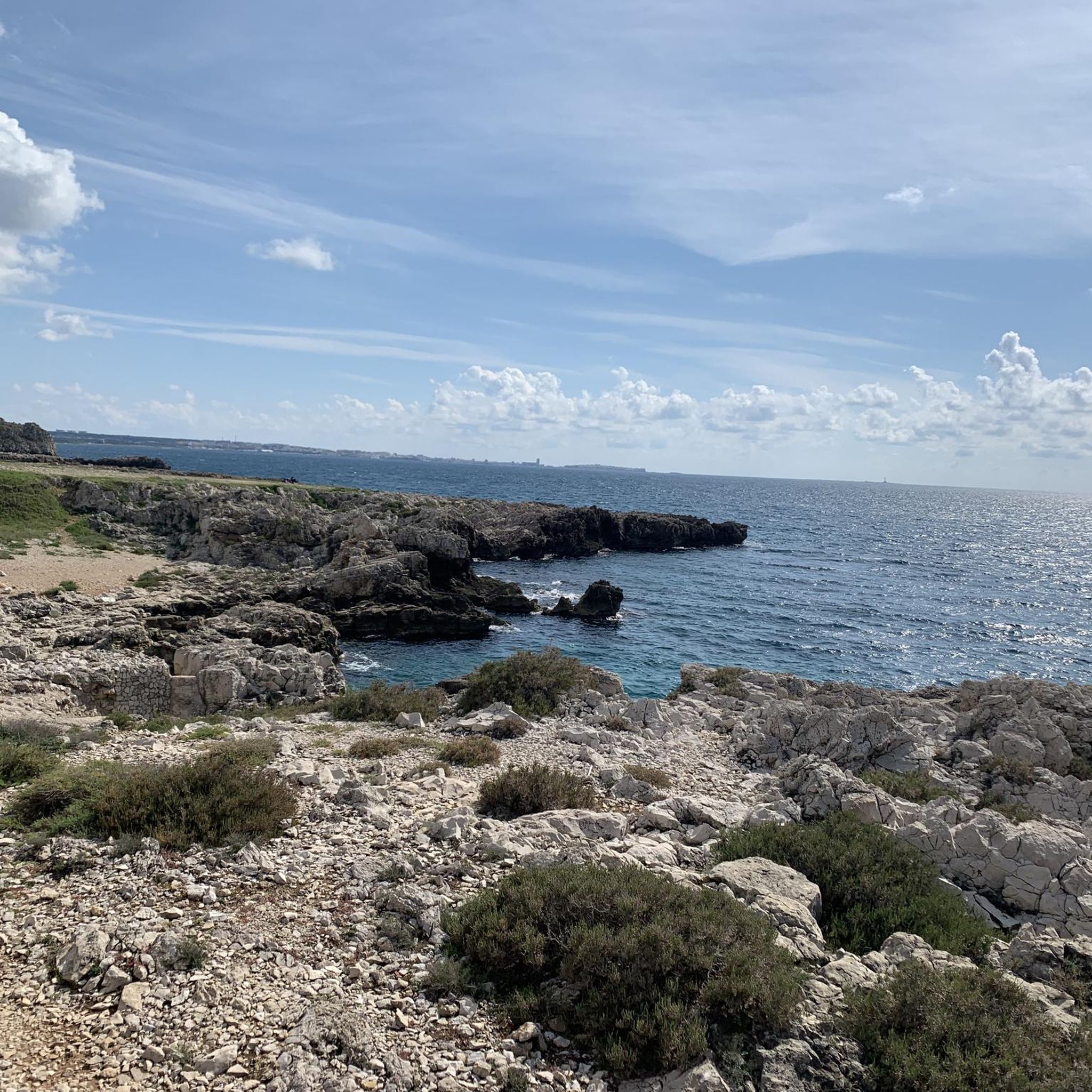
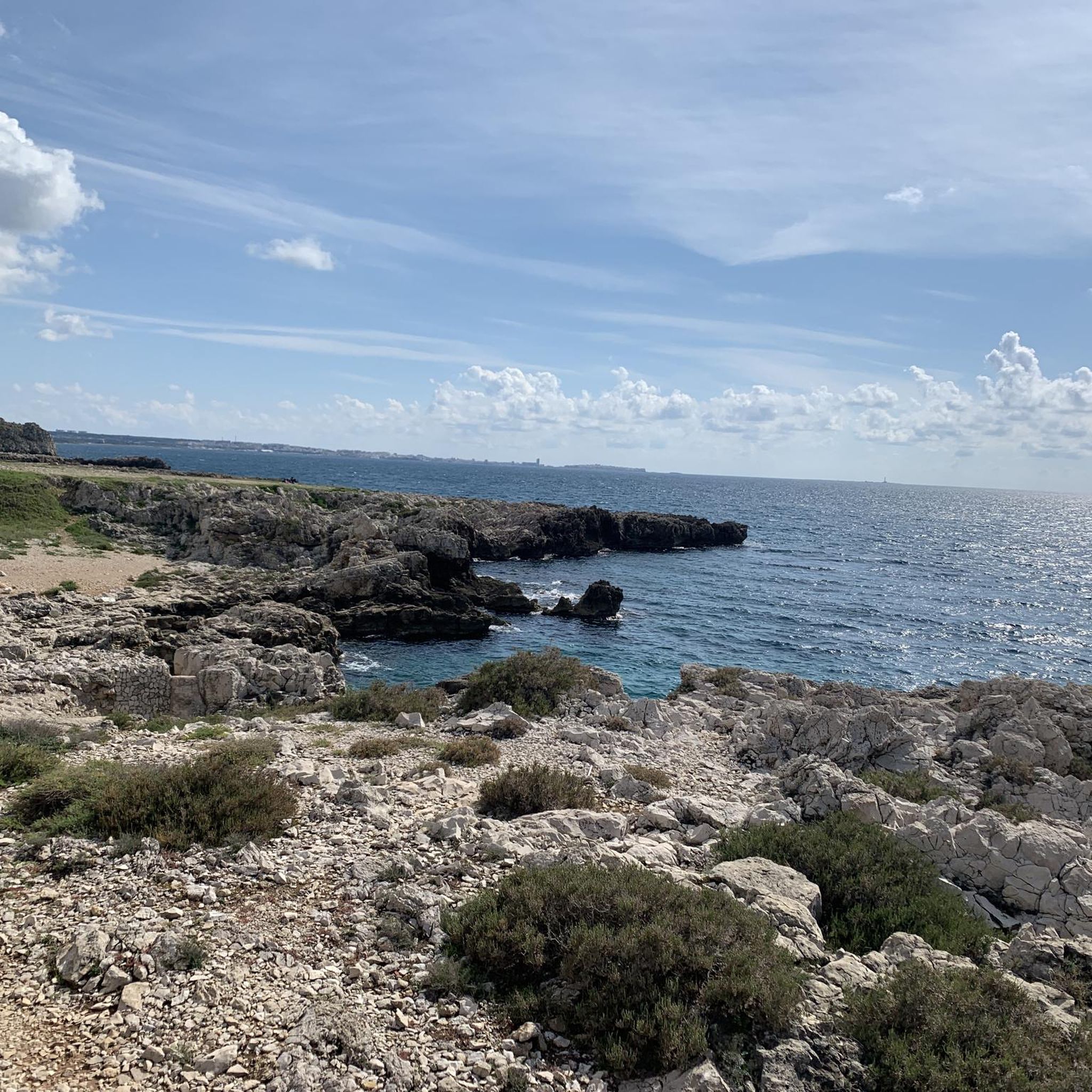
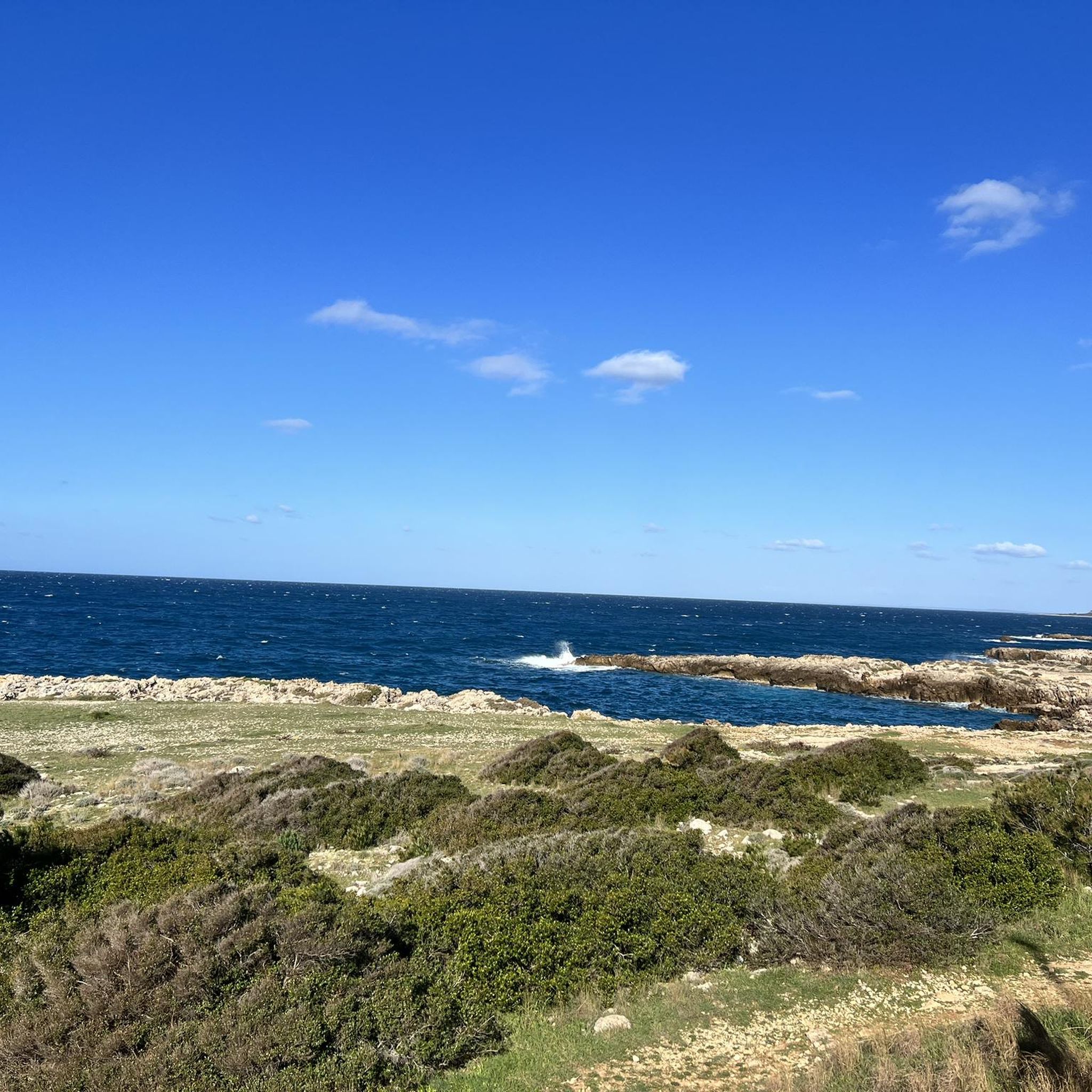
The Grotta del Cavallo is famous for the archaeological finds of human and animal remains dating back to the Paleolithic. Some of the oldest Homo sapiens in Europe, who lived around 40,000 years ago, were discovered here. The entrance to the cave is not open to the public, but there is a splendid view of the entire coast.
2
1
Inserted in the Salento Bizantino collection komoot.it/collection/1811756/-salento-bizantino - Crypt normally closed, it is opened to the public around mid-July for the celebrations of the Saint (26 July). No contact point described at the entrance to the site. Unfortunately, there is no indication of opening days and times. https://massimonegro.wordpress.com/2011/12/09/galatina-la-chiesa-cripta-di-santanna/
0
0
Inserted in a naturalistic context of absolute value, it is also worth visiting for the presence of its hypogea that are always accessible. Here is the link passionate and beautiful story of Salogentis https://www.salogentis.it/2014/11/15/labbazia-di-san-nicola-di-macugno-neviano/
0
0

Inserted in a rural context rich in historical testimonies, 100 meters above sea level, in a dominant position on the fertile “Ruga valley”, the abbey complex probably originated in the fourteenth century. Mentioned in several documents, in 1378 and 1412, which sanction its geographical belonging to the territory of Neviano and to the jurisdiction of the Neretine curia, the small village of Macugno performed a mandatory stop function for pilgrims heading to Santa Maria di Leuca, for the traders and shepherds who periodically split the hinterland along the junction of the two ports of Gallipoli and Otranto.
2
0
Today's News (02 Sep 2022): They are resuming excavations in search of traces of the Neanderthals.
1
0
Frequently Asked Questions
What are the most significant archaeological caves near Galatone?
The area around Galatone is rich in archaeological sites. The Cave of the Horse is particularly significant, known for containing human and animal remains dating back to the Paleolithic era, including some of the oldest *Homo sapiens* remains in Europe. Another important site is the Cave of the Venuses, where artifacts from Neanderthals and Cro-Magnons, including the famous "Venus of Parabita" figurines, have been discovered.
Are there any historical underground structures related to local industry near Galatone?
Yes, you can visit the Frantoio Ipogeo (Underground Olive Oil Mill). This unique historical site is an underground olive oil mill, now functioning as a small museum. It offers a glimpse into the traditional olive oil production methods of the region, showcasing how oil was produced and stored in a cool, stable environment.
Can I visit any religious sites with underground sections near Galatone?
The Abbey of San Nicola di Macugno features a 'suggestive underground part' within a beautiful naturalistic context. Additionally, the Crypt of Sant'Anna, Galatina, a religious building with historical significance, is typically opened to the public around mid-July for the celebrations of the Saint.
What natural features can I expect to see around the caves near Galatone?
The broader coastal areas near Galatone, such as Montagna Spaccata, feature numerous small, more or less submerged caves of karstic origin, offering picturesque natural beauty. The area around the Cave of the Horse also provides splendid views of the entire coast.
Are there hiking trails near the caves around Galatone?
Yes, the region offers various hiking opportunities. You can find trails that explore the natural beauty and coastal areas. For specific routes, check out the Hiking around Galatone guide, which includes routes like the 'Santa Maria Beach – The Four Columns loop'.
What other outdoor activities can I do near the caves around Galatone?
Beyond hiking, you can enjoy running and road cycling. There are several routes available, such as those listed in the Running Trails around Galatone guide and the Road Cycling Routes around Galatone guide.
Are there any family-friendly caves or activities suitable for children near Galatone?
While specific caves may have varying accessibility, the Frantoio Ipogeo (Underground Olive Oil Mill) offers an engaging historical experience that can be interesting for families. Its museum-like setting provides an educational glimpse into local heritage.
What is the best time of year to visit the caves and surrounding areas near Galatone?
The Salento region generally enjoys a mild Mediterranean climate. Spring (April-May) and Autumn (September-October) are often ideal, offering pleasant temperatures for exploring both underground sites and outdoor activities without the intense heat of summer or the cooler, wetter conditions of winter.
Is the Grotta del Cavallo accessible to the public for exploration?
The entrance to the Cave of the Horse is not open to the public for direct exploration due to its archaeological significance. However, the area around it offers a splendid viewpoint of the entire coast, making it a worthwhile stop for its scenic beauty and historical context.
What is the Grotta del Noce, and can I visit it?
The Grotta del Noce (Walnut Tree Cave), located on the outskirts of Galatone, is notable for a massive walnut tree whose roots extend deep into the cave. It also shows traces of possible small human settlements. While it offers a blend of natural wonder and historical intrigue, specific public access details may vary.
What do visitors enjoy most about the caves and underground sites near Galatone?
Visitors appreciate the diverse range of experiences, from the profound archaeological insights offered by sites like the Cave of the Horse and the Cave of the Venuses, to the historical immersion at the Frantoio Ipogeo. The natural beauty of the karstic formations and the historical depth of sites like the Abbey of San Nicola di Macugno are also highly valued.
Most popular routes around Galatone
Most popular attractions around Galatone

Get inspired with the komoot mobile app


Explore more
Extend your search for the best caves by checking out these guides of the top ones around Galatone:
