Top 13 Caves around Monfalcone
Best caves around Monfalcone are situated within the broader Karst region, which extends into the provinces of Trieste and Gorizia. This area is characterized by its unique geological formations, including numerous subterranean features. The landscape combines natural caves with historical sites, many of which are remnants from World War I. Monfalcone itself serves as a gateway to exploring these diverse underground attractions and the surrounding Karst plateau.
Best caves around Monfalcone
- The most popular caves is Austro-Hungarian Infantry Tunnel Entrance…
Last updated: June 30, 2026
Brestovec Historical Trench
Highlight • Historical Site
Translated by Google •
Tip by

Mithraeum Cave
Highlight • Cave
archeocartafvg.it
because the cave …
Translated by Google •
Tip by

Sign up now to discover places like this
Get recommendations on the best single tracks, peaks, & plenty of other exciting outdoor places.
Sign up for free
Grotta Vergine Entrance
Highlight • Cave
The fortuitous …
Translated by Google •
Tip by

Austro-Hungarian Infantry Tunnel Entrance
Highlight • Historical Site
Translated by Google •
Tip by

Monte San Michele Museum and Fortified Galleries
Highlight • Historical Site
Translated by Google •
Tip by

Sign up for free to discover even more caves around Monfalcone.
Sign up for free
Already have an account?
Start today with a free account
Your next adventure awaits.
Login or Signup
Tips from the Community

Unique example of the cult of the god Mithras in a cave, dating back to Roman times, with interesting finds. Open on Saturday mornings from 10 am to 12 pm, it is best to go with guides for explanations that are otherwise not easy to find.
0
0

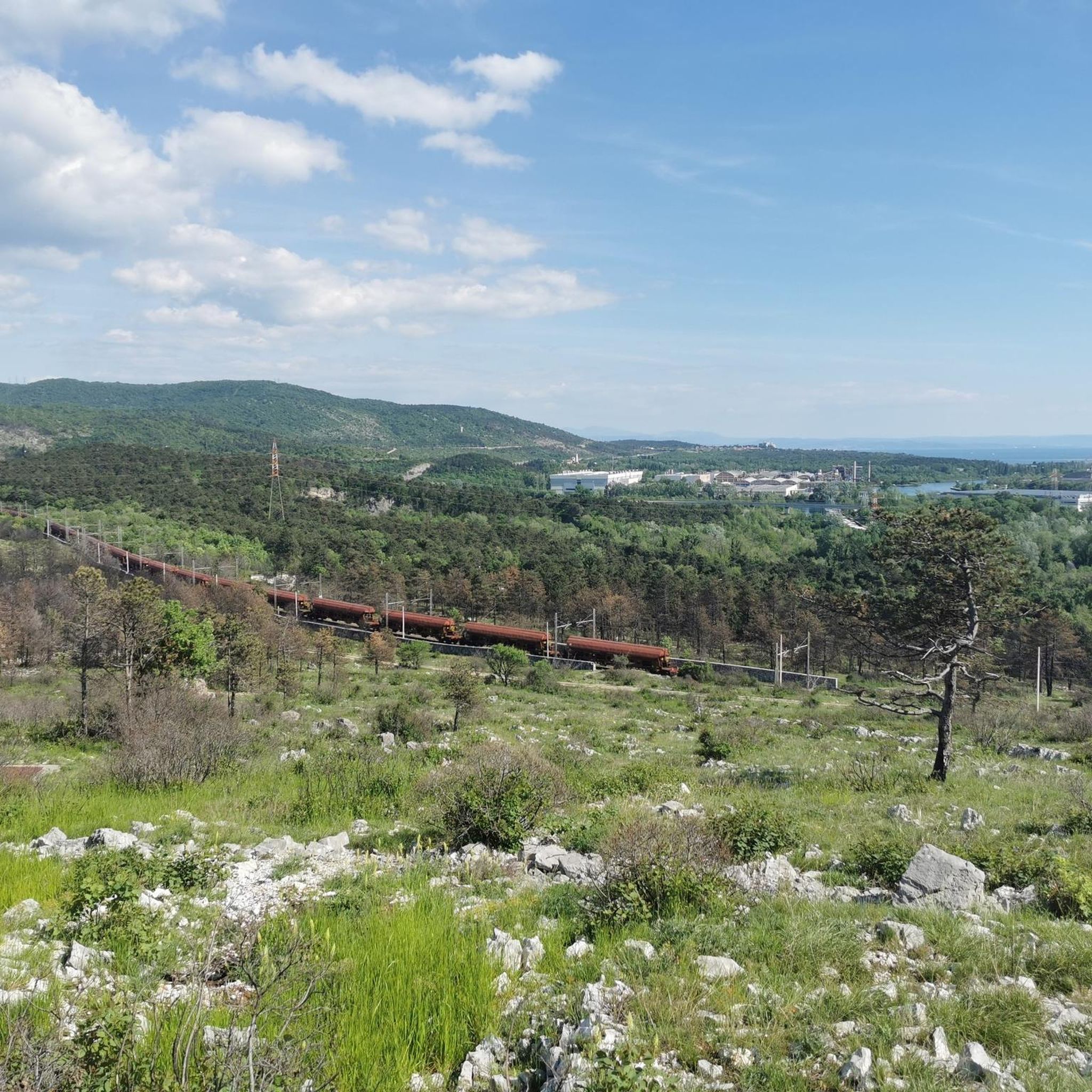
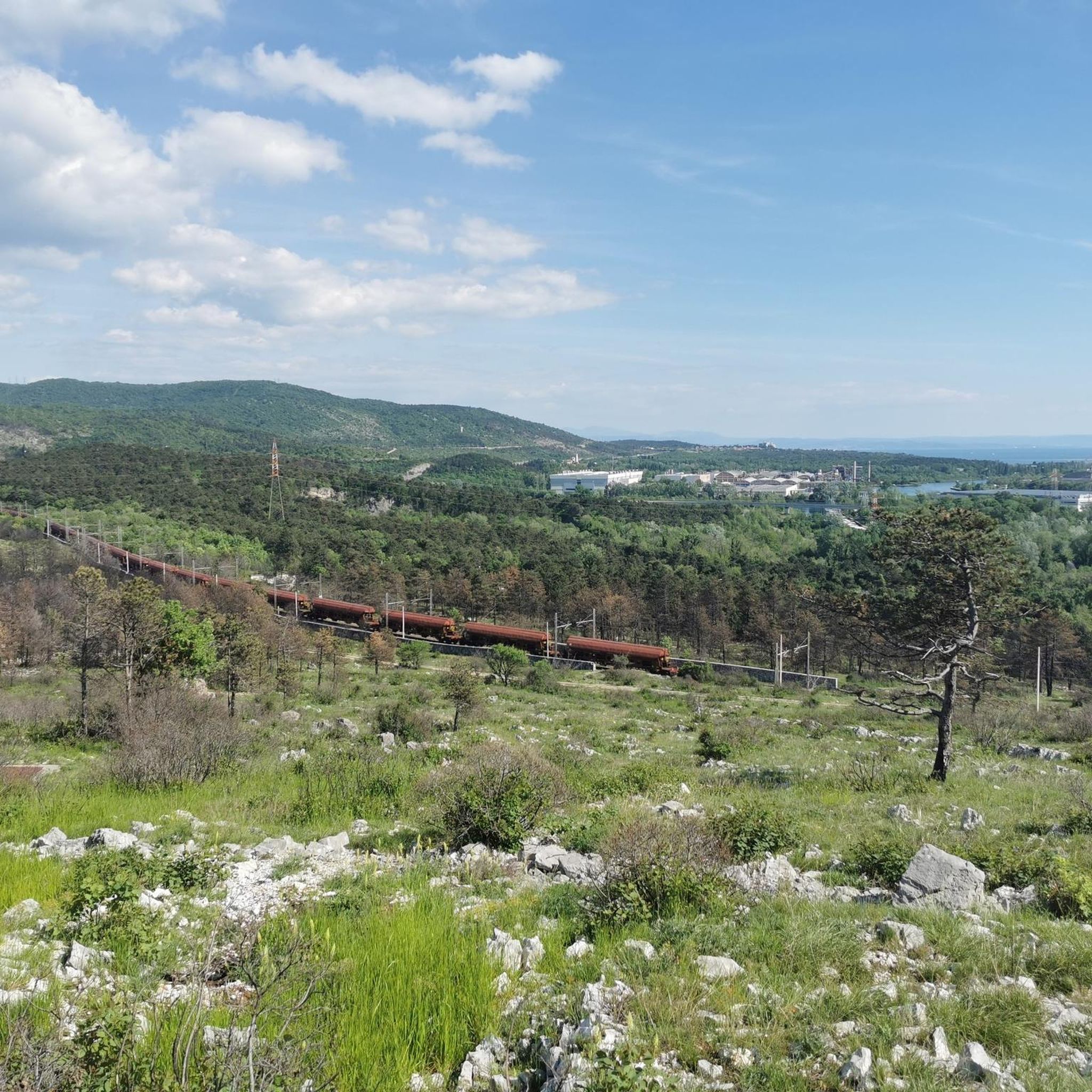
Recently restored, it allows you to explore a long stretch of trench with a fascinating underground shelter. One of the historic sites of the Karst region worth exploring.
0
0

Very well preserved remains of an ancient trench from the Great War.
1
0
Entrance to the newly opened museum under the peak of Mount San Michele.
1
0
Beautiful museum built through a tunnel that crosses the top
1
0

It's a shame it's closed and you can't get very close.
0
0


Karst cave dedicated by the Romans to the cult of the god Mithras. There are altars and sculptures of the time.
0
0
Frequently Asked Questions
What are some of the most impressive natural caves near Monfalcone?
The broader Karst region, easily accessible from Monfalcone, features significant natural caves. The Grotta Gigante near Trieste is renowned as the world's largest single-chamber tourist cave, offering a descent to 100 meters with impressive stalactites and stalagmites. Another notable natural wonder is the Grotta delle Torri di Slivia, known for its rich and magnificent columnar formations, some reaching up to 8 meters in height.
Are there any historical caves or tunnels to explore around Monfalcone?
Yes, the area around Monfalcone is rich in historical subterranean sites, particularly from World War I. You can visit the Brestovec Historical Trench, which includes a cave dug for shelter from bombing. The Austro-Hungarian Infantry Tunnel Entrance is part of a fortified line, offering a poignant historical experience. Additionally, the Monte San Michele Museum and Fortified Galleries is built through a tunnel, providing a multimedia experience integrated into the historical landscape.
What is the Grotta Vergine and what makes it significant?
The Grotta Vergine Entrance is located behind Monfalcone in the Gorizia Karst. It was discovered by Italian soldiers during World War I and used as shelter against enemy cannon fire. The cave has two entrances with stairways carved into the rock, and a plaque above the main entrance depicts a female figure. Visitors describe it as an impressive and somewhat spooky experience, recommending a flashlight for exploration.
Are there any family-friendly cave experiences in the Monfalcone area?
While many historical sites involve walking through trenches and tunnels, the Austro-Hungarian Infantry Tunnel Entrance is categorized as family-friendly. For natural caves, Grotta Gigante and Grotta delle Torri di Slivia offer guided tours suitable for families, though Grotta delle Torri di Slivia involves 200 steps and can be slippery, so comfortable shoes are essential.
What should I wear when visiting caves in the Monfalcone region?
Caves generally maintain a constant, cool temperature regardless of the outside weather. For Grotta Gigante, a jacket is advisable as it stays around 11°C. For Grotta delle Torri di Slivia, temperatures range from 3 to 9°C with high humidity, so warm layers are recommended. Comfortable shoes with good grip are essential for all cave visits, especially for sites like Grotta delle Torri di Slivia with many steps and potentially slippery paths, and for historical trenches.
How long does it take to visit the main caves?
For Grotta delle Torri di Slivia, the full visit, including a short 'agribus' ride to the entrance, lasts approximately 75 minutes. Grotta Gigante also offers guided tours, and the duration can vary, but typically allows ample time to explore the main chamber. Historical sites like the Brestovec Historical Trench or Monte San Michele Museum can be explored at your own pace, often taking an hour or more depending on your interest.
What is the best time of year to visit the caves around Monfalcone?
The constant internal temperature of caves means they can be visited year-round. However, the surrounding Karst region is most pleasant for outdoor activities and accessing cave entrances during spring (April-June) and autumn (September-October) when the weather is milder. Summer can be hot, but the cool cave interiors offer a refreshing escape. Always check specific opening hours and tour availability, as some sites may have seasonal variations.
Are there any archaeological caves in the area?
Yes, the Mithraeum Cave is a significant archaeological site. It is a Karst cave dedicated by the Romans to the cult of the god Mithras, containing altars and sculptures from that period. Unfortunately, it is not publicly accessible, and visitors can only get a small glimpse from the outside.
What outdoor activities can I combine with a cave visit near Monfalcone?
The Karst plateau around Monfalcone offers various outdoor activities. You can find numerous cycling routes, such as those in the Cycling around Monfalcone guide, including the 'Riserva Naturale Foce dell'Isonzo - loop tour'. For mountain biking, explore trails like the 'Monfalcone Fortress – Cuzzi Trench loop' from the MTB Trails around Monfalcone guide. Running enthusiasts can enjoy routes like the 'Marina Julia Beach – Canale Quarantia loop' from the Running Trails around Monfalcone guide.
What do visitors enjoy most about the historical cave sites?
Visitors appreciate the well-preserved nature of sites like the Brestovec Historical Trench, which helps them understand the living conditions of soldiers during World War I. The multimedia experience at the Monte San Michele Museum is also highly praised for being comprehensive and beautifully integrated into the surrounding historical area. The emotional impact of these sites, reflecting on past conflicts, is frequently mentioned.
Is there a cave directly in Monfalcone?
Yes, the Grotta del Diavolo Zoppo is located directly in Monfalcone. Historical records indicate it has archaeological significance, with findings of ossiferous breccia and a Neolithic deposit. However, current information suggests it is a 'meager gallery' and its accessibility for general tourism or notable natural features are limited compared to other caves in the broader region.
Are guided tours available for the major caves?
Yes, guided tours are mandatory for visiting Grotta Gigante and are available for Grotta delle Torri di Slivia. For Grotta Gigante, it is advisable to book tours in advance. The Grotta delle Torri di Slivia tours often include a short ride on an 'agribus' to the cave entrance. For historical sites, some, like the Monte San Michele Museum, have staff available to provide information.
Most popular routes around Monfalcone
Most popular attractions around Monfalcone

Get inspired with the komoot mobile app


Explore more
Extend your search for the best caves by checking out these guides of the top ones around Monfalcone:
