Top 8 Caves around Lavis
Caves around Lavis offer a diverse range of subterranean experiences within the Trentino region. While Lavis itself is known for its agricultural landscape, the surrounding areas feature notable geological formations and historical underground structures. The region's terrain, characterized by mountains and valleys, has led to the formation of natural grottos and the construction of military tunnels. These sites provide insights into both natural geological processes and historical military engineering.
Best caves around Lavis
- The most popular caves is Cave Trail…
Last updated: August 24, 2026
Cave Trail
Highlight (Segment) • Trail
Translated by Google •
Tip by

Soprasasso Military Tunnel (1915)
Highlight • Historical Site
Translated by Google •
Tip by

Sign up now to discover places like this
Get recommendations on the best single tracks, peaks, & plenty of other exciting outdoor places.
Sign up for free
Grotta del Dos del Raita
Highlight • Cave
Translated by Google •
Tip by

Monte Calisio Underground Battery and Fortifications
Highlight • Historical Site
Tip by

Molveno Caves
Highlight • Cave
Translated by Google •
Tip by

Sign up for free to discover even more caves around Lavis.
Sign up for free
Already have an account?
Start today with a free account
Your next adventure awaits.
Login or Signup

Tips from the Community


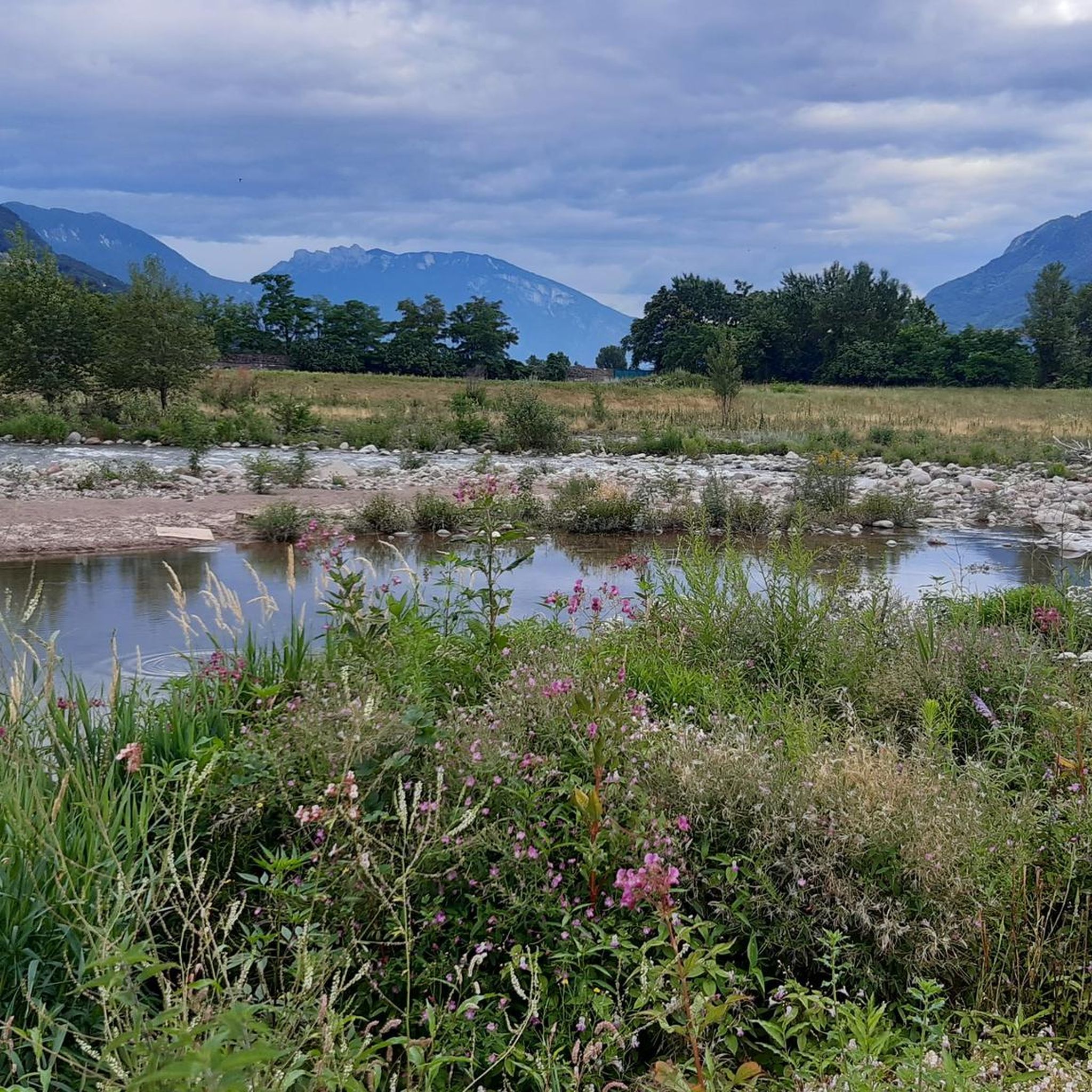
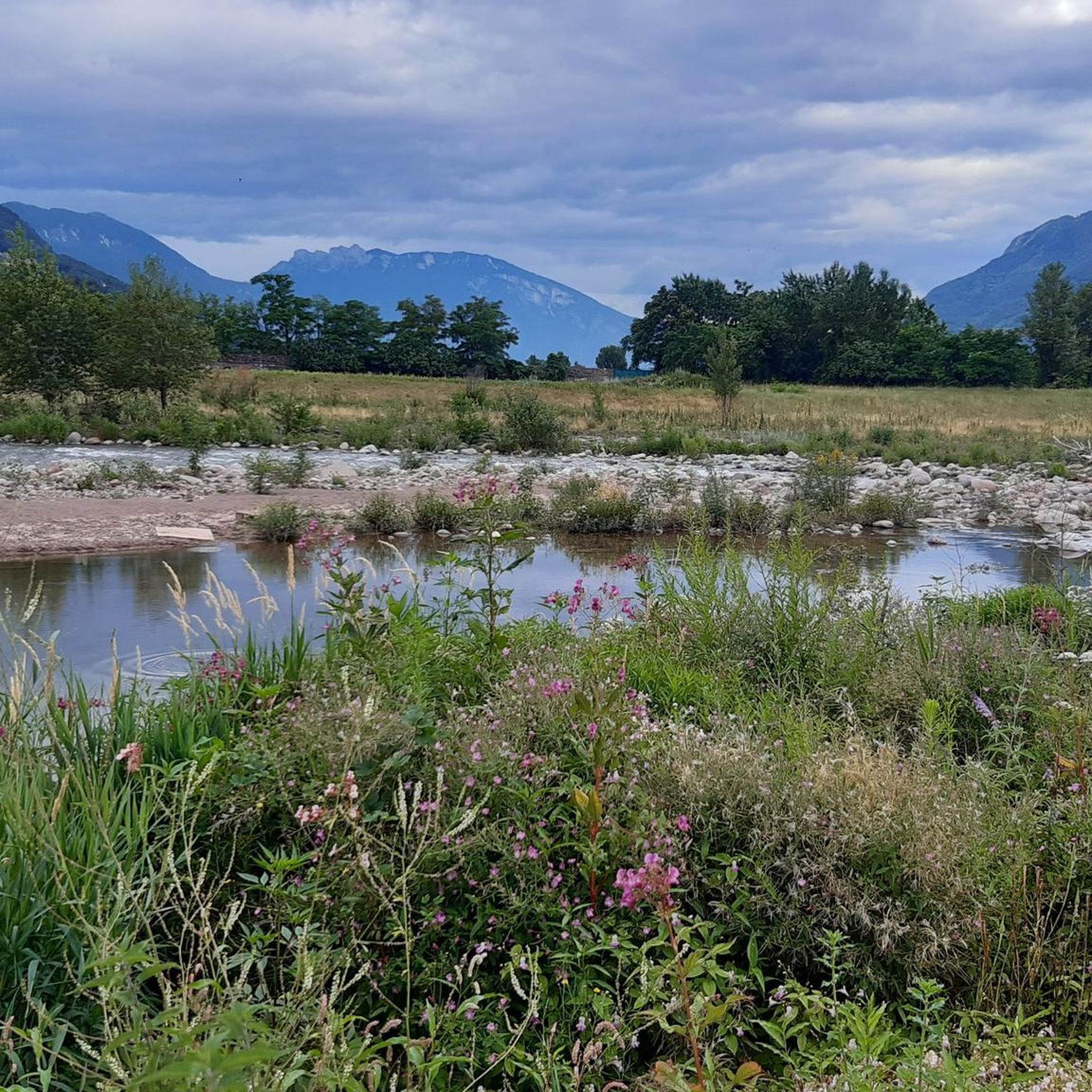
It is located on the hill above the Prati della Casara, heading towards the Canopa del Raita
0
0

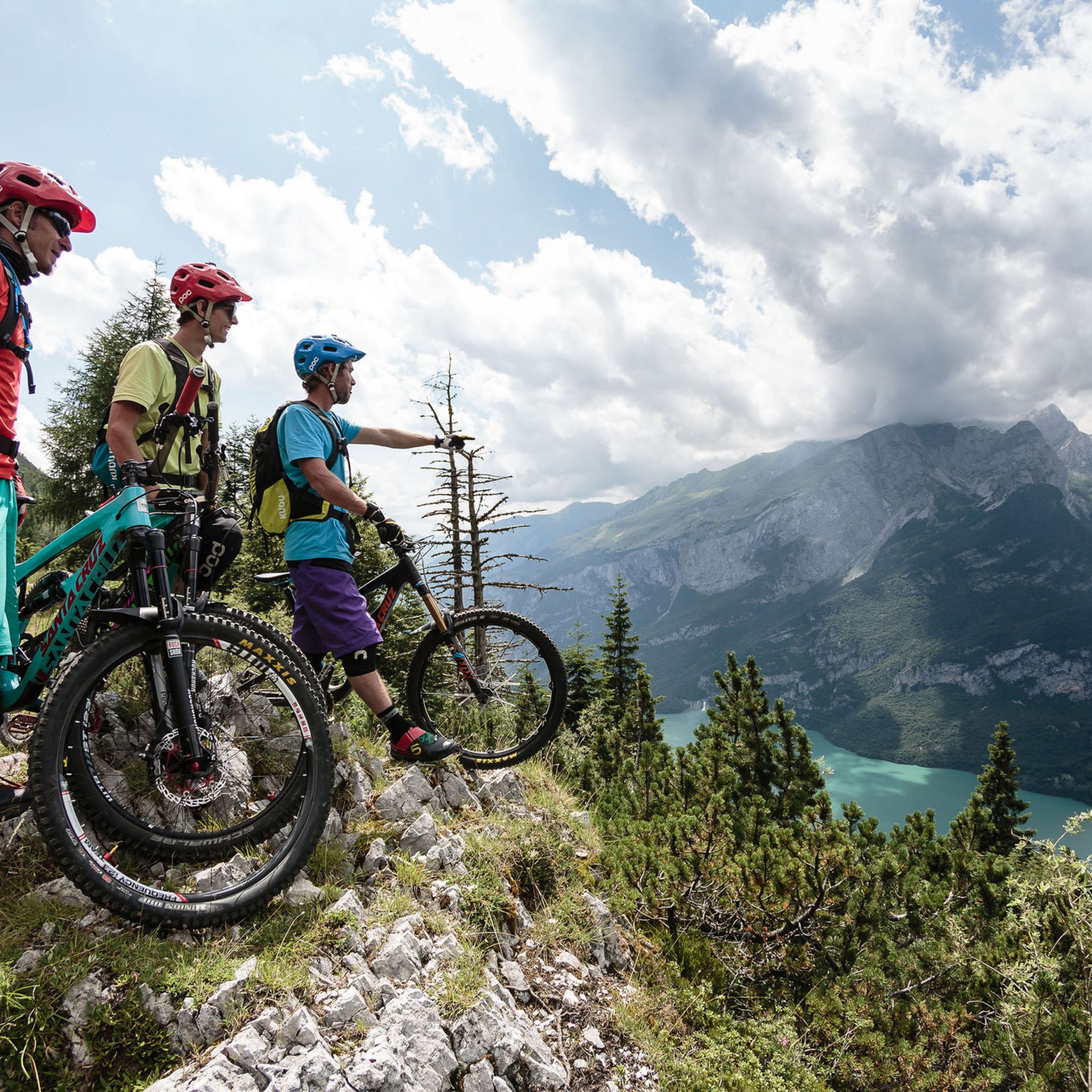
Lake Molveno 👍 View of the Brenta Dolomites
0
0

Here you can hike relatively easily in front of a great backdrop if you are in good shape
0
1

Could have been an attempt to drive a tunnel.
0
0

Unexpectedly, coming out of the woods the view opens up with a beautiful panorama, recommended especially on a clear day. The place is barren and dry, I find the contrast with the woods all around enchanting: when you return to the trees you feel even more like the forest is full of life.
0
0

A tunnel carved into the rock and reinforced with reinforced concrete, which was part of the fortifications on the Soprasasso. There are still numerous such caverns and tunnels on this mountain, some of which are in varying states of preservation. They served as camp or crew quarters.
0
0

Underground fortification of Monte Calisio, the largest and most modern in the defense system of the city of Trento during world war I
0
0
Frequently Asked Questions
What types of caves and underground attractions can I explore around Lavis?
The area around Lavis offers a mix of natural grottos, cave trails, and historical underground fortifications. You can find adventurous paths with bizarre rock formations like the Cave Trail, or explore man-made structures such as the Soprasasso Military Tunnel (1915) and the Monte Calisio Underground Battery and Fortifications.
Are there any family-friendly cave experiences near Lavis?
Yes, the Trail from the Grotta del Gigante is noted as a family-friendly option where children can enjoy climbing and exploring various scenographies and wood sculptures.
What historical significance do the underground sites around Lavis hold?
The region features significant historical military fortifications. The Soprasasso Military Tunnel (1915) was part of the fortifications on the Soprasasso mountain, used as camp or crew quarters. The Monte Calisio Underground Battery and Fortifications represents the largest and most modern defense system for the city of Trento during World War I.
What are some notable natural cave systems in the broader Trentino region?
Beyond Lavis, the broader Trentino region offers impressive natural caves. The Grotta di Patone, also known as "Bus del Diaol" (Devil's Hole), near Arco, is an intriguing horizontal cave with siphons and geological formations. Further afield, the Grotta delle Conturines in the Dolomites is famous for the discovery of *Ursus ladinicus* cave bear bones, and the Buso della Rana in Veneto is one of the largest cave systems in Northern Italy, featuring extensive passages and underground lakes.
Do I need special equipment or guidance to visit the caves?
For some natural caves like Grotta di Patone, a visit typically requires 2-3 hours and should ideally be undertaken with a speleologist or by individuals with caving experience due to its characteristics. The Grotta delle Conturines also requires guided tours due to its sensitive nature and demanding approach. For highlights like the Cave Trail, it's an adventurous path, but generally accessible.
What kind of geological features can I expect to see in the caves around Lavis?
The Cave Trail features bizarre rock formations with small and large grottos. In the wider region, caves like Grotta di Patone developed within Lias limestones, showcasing formations shaped by ancient streams. Buso della Rana is known for numerous active branches, underground lakes, chimneys, potholes, siphons, and impressive concretions.
Are there hiking trails that incorporate caves near Lavis?
Yes, the Cave Trail is an adventurous path featuring grottos and views of the surrounding mountains. Another option is the Trail from the Grotta del Gigante. For more hiking opportunities in the area, you can explore various routes listed in the Hiking around Lavis guide.
What other outdoor activities can I do near the caves around Lavis?
Besides exploring caves and hiking, the area around Lavis offers excellent opportunities for cycling. You can find numerous routes for road cycling and general cycling, allowing you to discover the scenic landscapes of Trentino.
What do visitors appreciate most about the caves and underground sites near Lavis?
Visitors often highlight the adventurous nature of paths like the Cave Trail, with its unique rock formations and scenic views. The historical significance of sites like the Monte Calisio Underground Battery also draws interest, offering a glimpse into World War I defenses. The unexpected panoramic views from spots like Grotta del Dos del Raita are also highly valued.
Is there parking available near the cave attractions?
While specific parking details for each cave are not always provided, many outdoor attractions in the Trentino region, especially those accessible by trail, typically have designated parking areas at trailheads or nearby villages. It's advisable to check local information or maps for specific parking locations before your visit.
What is the best time of year to visit the caves around Lavis?
The best time to visit depends on the specific cave. For outdoor cave trails and historical sites, spring and autumn generally offer pleasant weather for hiking and exploration. For natural caves that maintain a constant temperature, like Buso della Rana (around 12°C), they can be visited year-round, but access might be affected by snow or ice in winter for high-altitude caves like Grotta delle Conturines.
Most popular routes around Lavis
Most popular attractions around Lavis

Get inspired with the komoot mobile app


Explore more
Extend your search for the best caves by checking out these guides of the top ones around Lavis:
