Top 8 Castles around Triggiano
Best castles around Triggiano are found within the Metropolitan City of Bari, an area rich in medieval architecture and fortifications. Triggiano itself has historical roots, with its "Rione Ponte" retaining medieval structures dating back to the 14th century. The region offers a glimpse into Apulian history through its well-preserved fortresses and historical sites.
Best castles around Triggiano
- The most popular castles is Norman-Swabian Castle of Bari, a castle that was originally built by the Normans in the 12th century…
Last updated: August 24, 2026
Norman-Swabian Castle of Bari
Highlight • Castle
Translated by Google •
Tip by

Bari Swabian Castle
Highlight • Castle
Translated by Google •
Tip by

Sign up now to discover places like this
Get recommendations on the best single tracks, peaks, & plenty of other exciting outdoor places.
Sign up for free
Angevin–Aragonese Castle of Mola di Bari
Highlight • Castle
Translated by Google •
Tip by

Historic Center of Bari
Highlight • Historical Site
Translated by Google •
Tip by

Castello Angioino
Highlight • Castle
In order to defend the coast against the numerous pirate raids, Charles I of Anjou, …
Translated by Google •
Tip by

Sign up for free to discover even more castles around Triggiano.
Sign up for free
Already have an account?
Start today with a free account
Your next adventure awaits.
Login or Signup
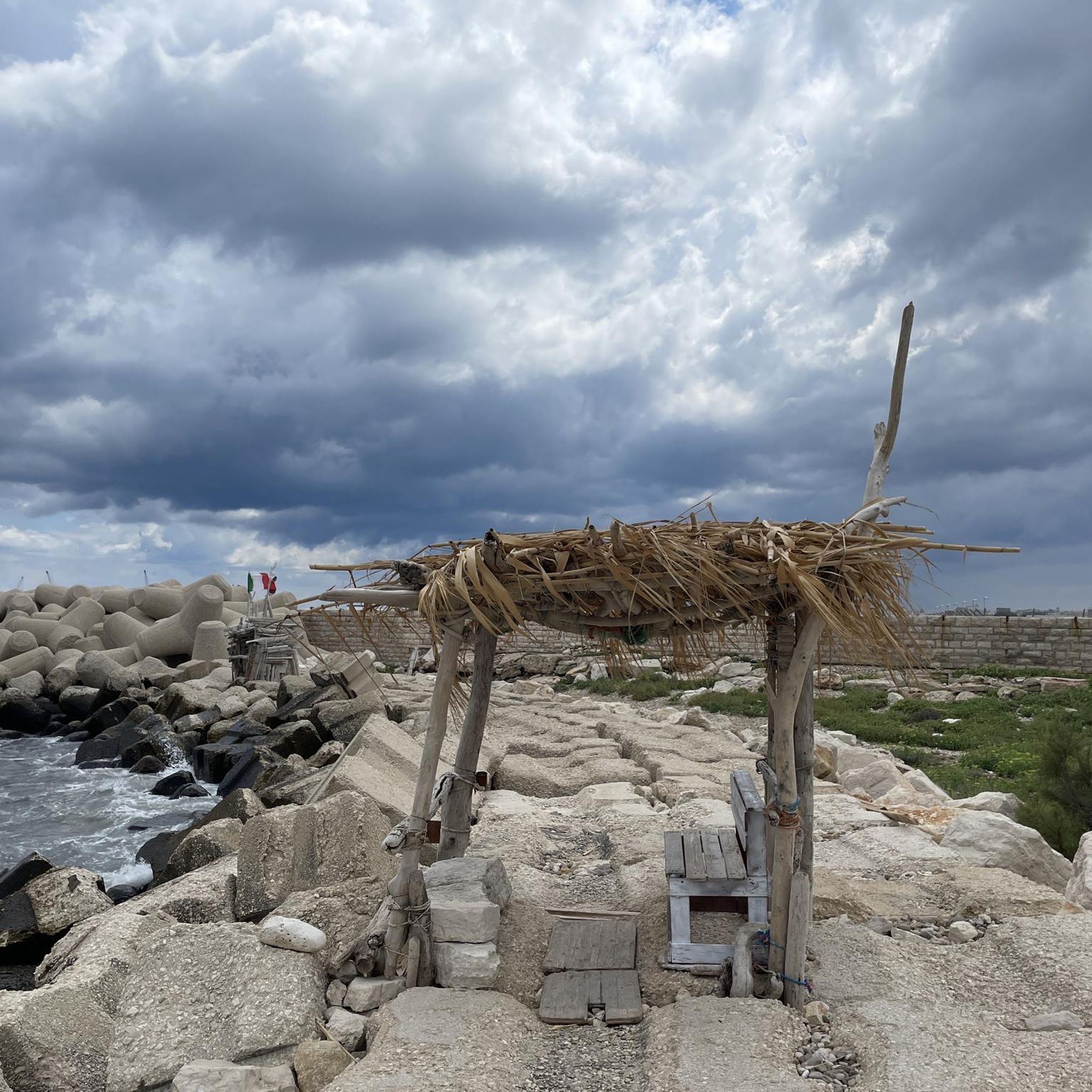
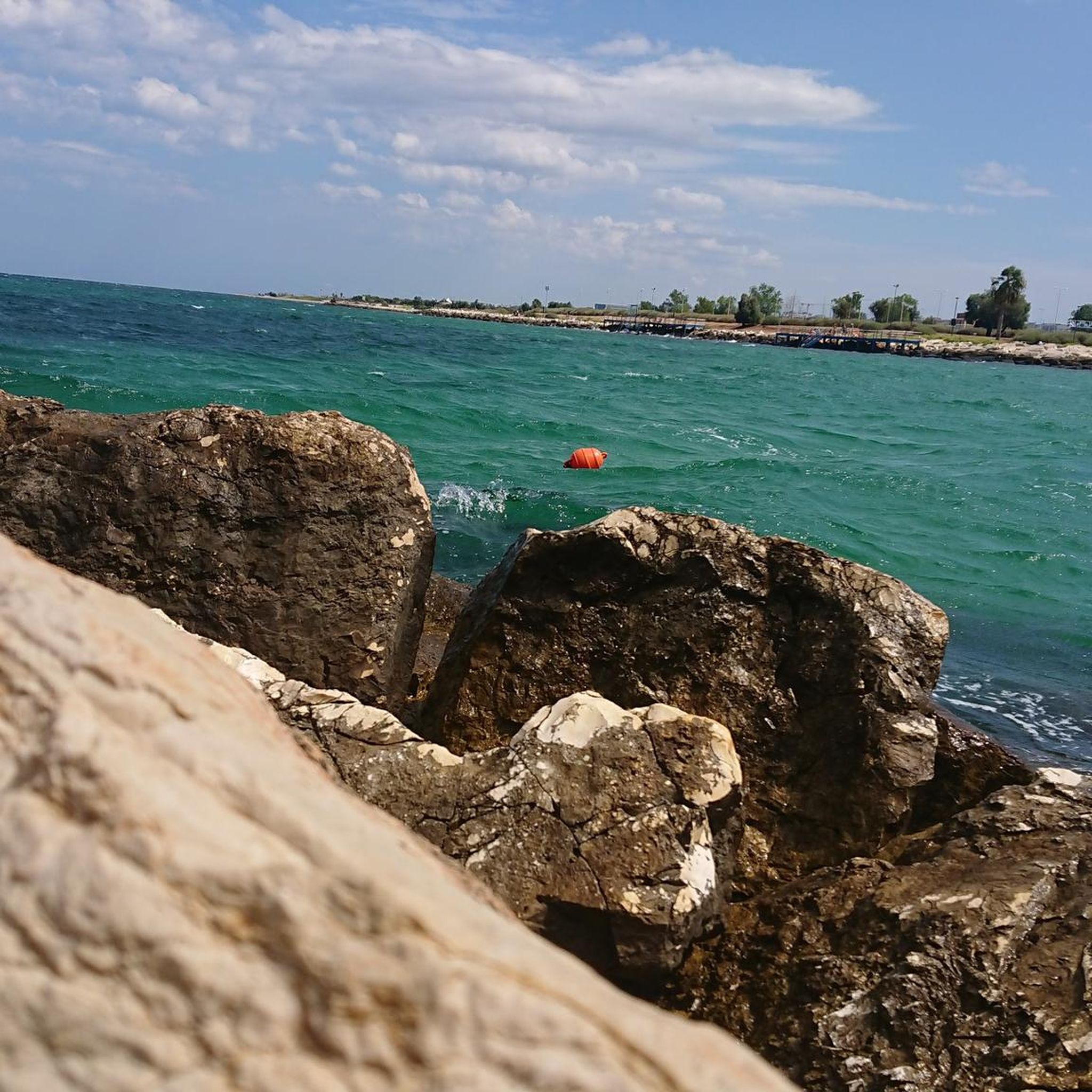
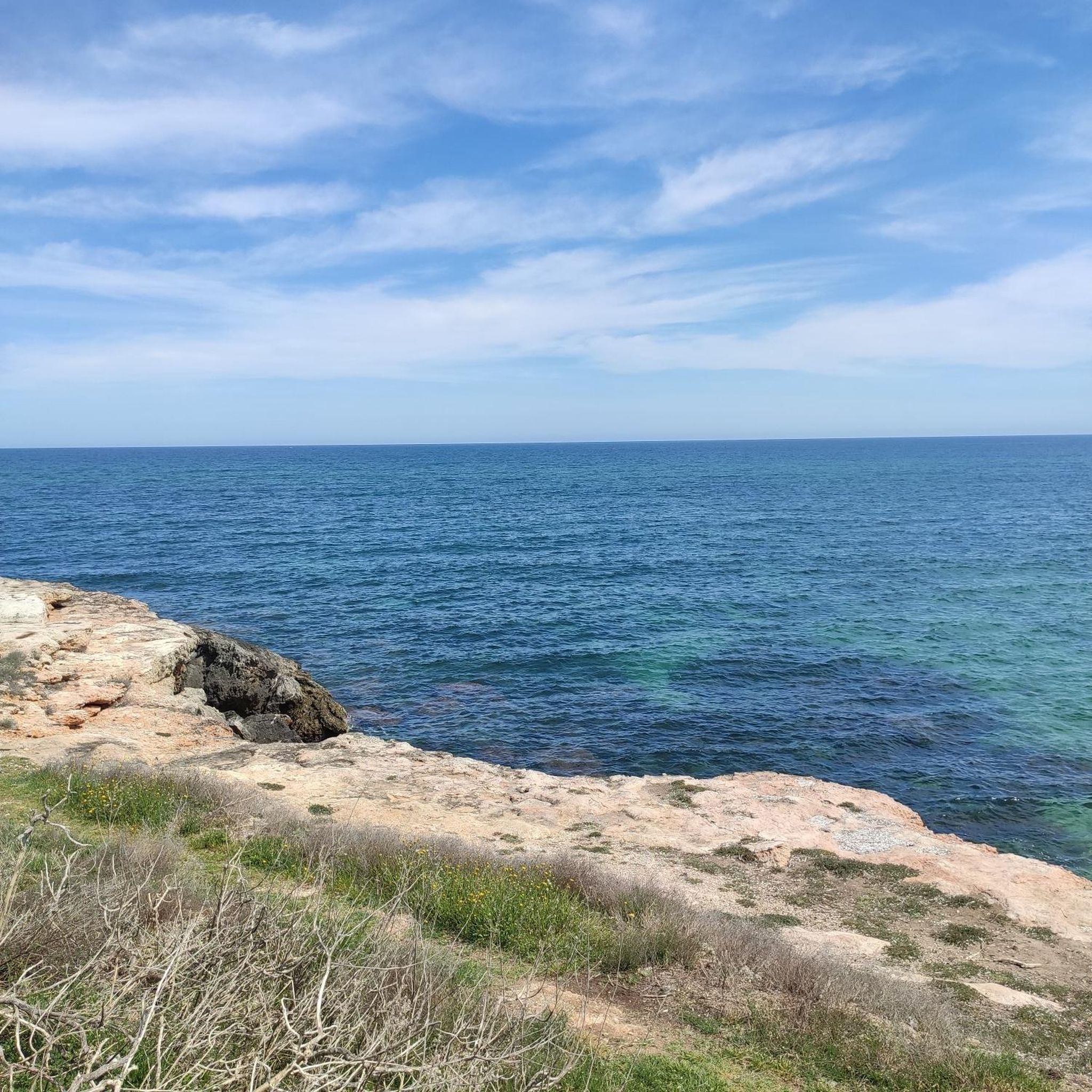
Tips from the Community

I came to hang around while waiting for the boat to Albania
0
0

spectacular medieval city
0
0

The visit is highly recommended. The exhibition is modernly designed and shows many videos and various projections.
2
0

With the singular shape of a starry polygon, the Angevin-Aragonese Castle imposingly dominates the coast of Mola di Bari.
0
0

The actual title was Castello Angioino, but Komoot has strangely translated it as Anjou Castle. In order to defend the coast against the numerous pirate raids, Charles I of Anjou, in conjunction with the reconstruction of the city, ordered the construction of a "palacium" near its walls in 1277. He entrusted the supervision of the work to the well-known "King of Carpenters", Pierre d'Angicourt and Jean da Toul. Two years later, the fortress was completed. Between the 15th and 16th centuries, the building suffered the same fate as the city and passed through the hands of various vassals; it withstood numerous attacks without ever being conquered. However, the considerable damage suffered by the fortress during the Venetian siege in 1508 required a major restoration, which was carried out a few years later.
0
0

Beautiful castle, imposing, adorns Bari🤌
1
0

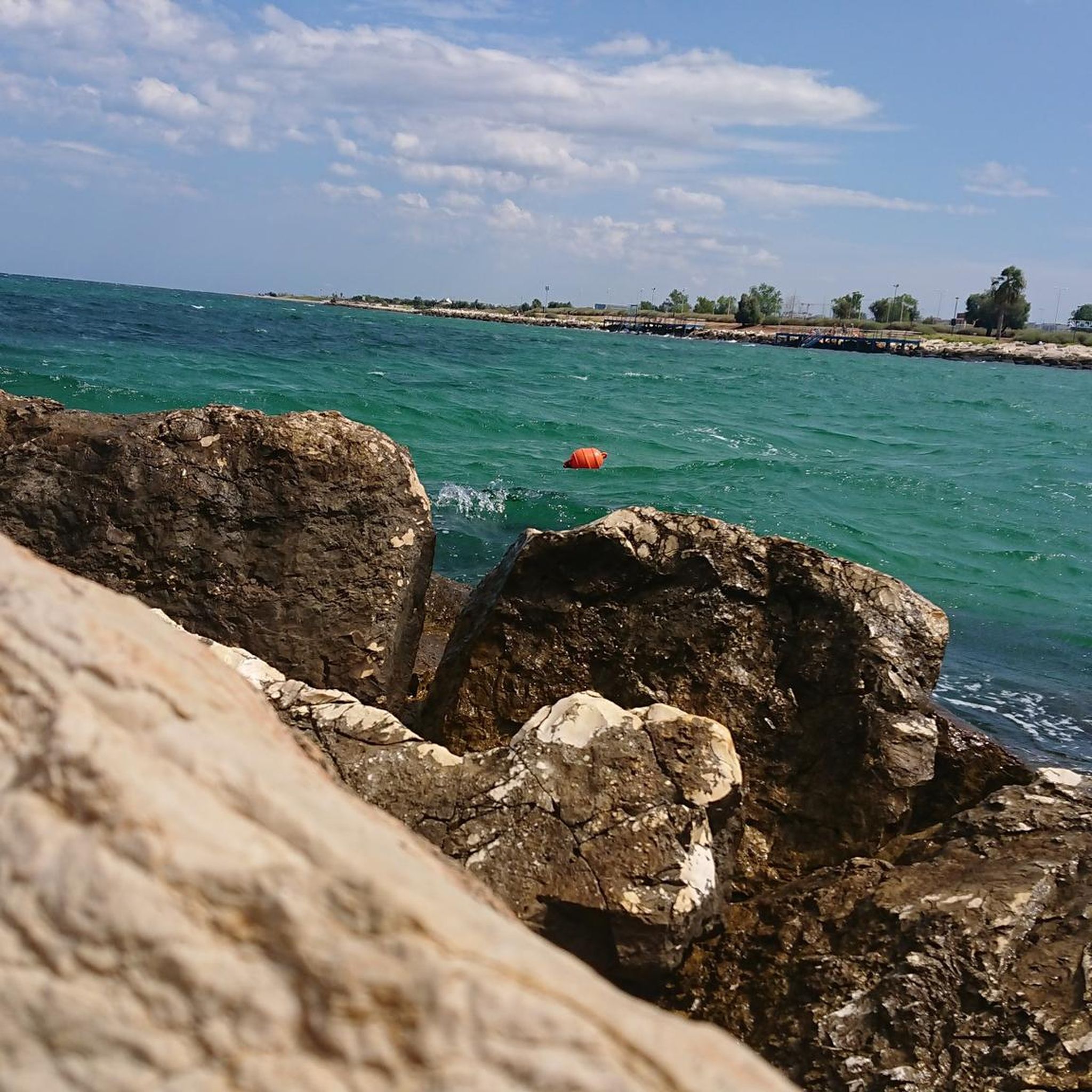
The village of Mola di Bari is a fishing-tourist town. The port is active all year round and there are many restaurants where you can taste the catch of the day. The last weekend of July the octopus festival is held and you can taste dishes based on octopus and fresh fish.
2
0

Make sure to include a trip to pasta alley in the old town to see the locals making pasta by hand.
0
0
Frequently Asked Questions
What are the most notable castles to visit near Triggiano?
The most notable castle is the Norman-Swabian Castle of Bari, an imposing fortress originally built by the Normans and later rebuilt by Frederick II. Another significant site is the Angevin–Aragonese Castle of Mola di Bari, known for its unique starry polygon shape dominating the coast. You can also explore Torre di Reddito, a 16th-century building nicknamed 'the castle' for its impressive structure.
What is the historical significance of the Norman-Swabian Castle of Bari?
The Norman-Swabian Castle of Bari is a key historical landmark. Originally a 12th-century Norman construction, it was magnificently rebuilt and reinforced by Frederick II between 1233 and 1240. It showcases a blend of architectural styles, including two original Norman towers and 16th-century Aragonese bastions, reflecting centuries of powerful dynasties.
What can I expect to see inside the Norman-Swabian Castle of Bari?
Inside the Norman-Swabian Castle of Bari, you'll find a central courtyard and massive corner towers. It functions as a museum and cultural center, hosting art exhibitions and displaying archaeological finds. Visitors can explore collections of sculpture, ceramics, and archaeological excavations in the lower levels, as well as a Gipsoteca (Plaster Cast Gallery) of Apulian Romanesque art.
Are there any medieval structures within Triggiano itself?
While Triggiano doesn't feature prominent castles, its 'Rione Ponte' (Bridge Quarter) is noted for retaining medieval structures. These buildings offer a glimpse into the town's historical depth, with origins dating back to the 14th century around a 'university'.
Are the castles around Triggiano family-friendly?
Yes, several castles are considered family-friendly. The Norman-Swabian Castle of Bari and the Angevin–Aragonese Castle of Mola di Bari are both categorized as family-friendly, offering engaging historical experiences for all ages.
What outdoor activities can I do near these castles?
The region around Triggiano offers various outdoor activities. You can find MTB trails, cycling routes, and running trails. For example, there are moderate cycling routes like the 'Dome-Shaped Stone Structure loop from Triggiano' or MTB trails such as the 'Cucuzzolo – Annunziata Trail loop from Triggiano'.
How long does it typically take to visit the Norman-Swabian Castle of Bari?
A visit to the Norman-Swabian Castle of Bari can take a few hours, depending on your interest in history and the current exhibitions. It's an extensive site with a museum, archaeological finds, and various architectural elements to explore.
What is the best time of year to visit castles near Triggiano?
The best time to visit the castles in the region, including the Norman-Swabian Castle of Bari, is typically during the spring (April-June) or early autumn (September-October). The weather is generally pleasant for exploring, avoiding the peak heat of summer and the cooler, wetter months of winter.
Is public transport available to reach the castles?
The Norman-Swabian Castle of Bari is easily accessible, located in the heart of Bari's old town, a short distance from the Cathedral and the port area. Bari has a well-connected public transport system, making it convenient to reach the castle from Triggiano or other nearby towns.
Are there any hidden gem castles or historical sites in the area?
While not a traditional castle, Torre di Reddito is an ancient 16th-century building in Triggiano, nicknamed 'the castle' due to its impressive nature. It features frescoes, a hypogeum, and a small church, offering a unique historical insight into agricultural management of the past.
What do visitors enjoy most about the castles around Triggiano?
Visitors frequently appreciate the rich history and architectural marvels of the castles. The Norman-Swabian Castle of Bari is praised for its 'millennium-long walk in the company of great emperors and queens' and its role as a cultural hub. The Angevin–Aragonese Castle of Mola di Bari is admired for its unique starry polygon shape and coastal dominance.
Can I find cafes or amenities near the castles?
Yes, particularly near the Norman-Swabian Castle of Bari, which is located in the heart of Bari's old town. This area, including the Historic Center of Bari, is bustling with restaurants, cafes, and other amenities. Mola di Bari, home to the Angevin–Aragonese Castle, is a fishing-tourist town with many restaurants.
Most popular routes around Triggiano
Most popular attractions around Triggiano

Get inspired with the komoot mobile app


Explore more
Looking for the best castles somewhere else? Discover other guides around Triggiano:
