Top 17 Castles around Bagno A Ripoli
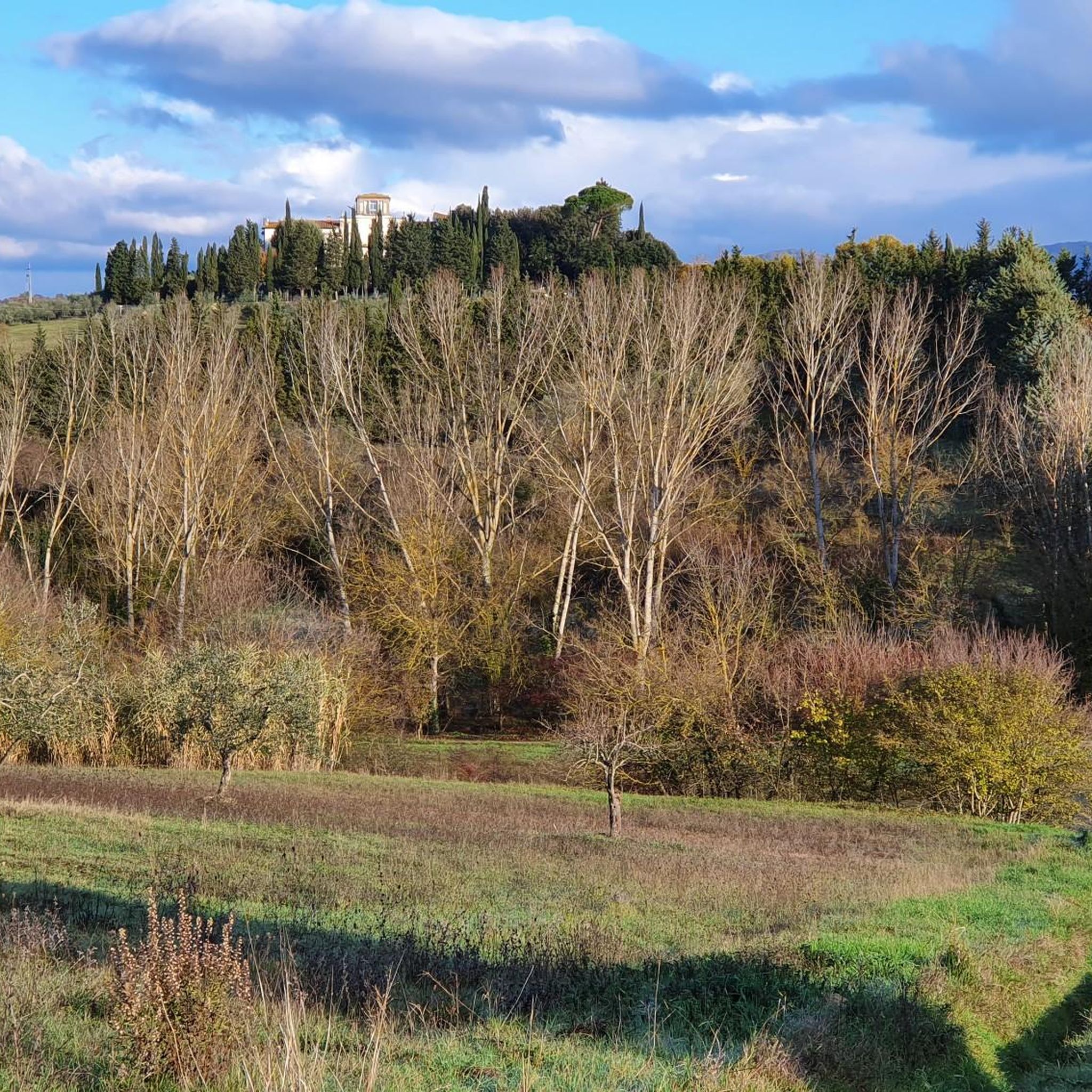
Best castles around Bagno A Ripoli offer a rich historical and scenic experience in the Florentine hills of Tuscany. This picturesque area is characterized by a blend of historical fortifications and elegant villas, some with origins tracing back to medieval castles. The landscape features olive groves, vineyards, and natural trails, providing diverse exploration opportunities. Visitors can discover ancient ruins and grand estates that reflect centuries of history.
Best castles around Bagno A Ripoli
- The most popular castles is Piazza della Signoria and the Palazzo Vecchio, Florence, a historical site that served as the city's center of political power for centuries. It is dominated by the Palazzo Vecchio, where the Medici resided, and features a famous group of sculptures.
- Another must-see spot is Palazzo Vecchio and Statue of David (Replica), a historical site and castle. This palace was originally the seat of the Parliament of the Republic of Florence and served as the political and social center of the city.
- Visitors also love Sammezzano Castle, a castle surrounded by a park built between the 16th and 19th centuries. This site is known for its rare orientalist style and is immersed in a beautiful forest.
- Bagno A Ripoli is known for true medieval castle ruins like Palazzaccio di Marcignano and Quarate Castle, alongside historically significant villas with castle origins such as Villa La Massa and Torre a Cona. The region offers a variety of historical fortifications and grand estates to explore.
- The castles around Bagno A Ripoli are appreciated by the komoot community, with more than 1200 upvotes and over 1000 photos shared by visitors.
Last updated: July 14, 2026
Piazza della Signoria and the Palazzo Vecchio, Florence
Highlight • Historical Site
Translated by Google •
Tip by

Palazzo Vecchio and Statue of David (Replica)
Highlight • Historical Site
Next to the Palazzo Vecchio is the Loggia dei Lanzi. The arcade was built between 1376 and 1382 by Benci di Cione and Simone di Francesco Talenti in the Gothic style. The building was originally used for rallies and receptions of the Republic of Florence and was later named after the mercenaries (Lanzichenecchi) Cosimo I de ’Medicis, who were housed here in the 16th century.
The Feldherrnhalle in Munich was built on the model of the Loggia dei Lanzi. Source: Wikipedia
Translated by Google •
Tip by

Sign up now to discover places like this
Get recommendations on the best single tracks, peaks, & plenty of other exciting outdoor places.
Sign up for free
Pitti Palace
Highlight • Historical Site
Translated by Google •
Tip by

Sammezzano Castle
Highlight • Castle
Too bad it is left in this state because it would have great potential.
Translated by Google •
Tip by

Twin Sequoias of Sammezzano
Highlight • Natural Monument
Translated by Google •
Tip by

Sign up for free to discover even more castles around Bagno A Ripoli.
Sign up for free
Already have an account?
Start today with a free account
Your next adventure awaits.
Login or Signup

Tips from the Community

As a plant expert and botany enthusiast, Ferdinando Panciatichi Ximenes d’Aragona designed the large green area surrounding Sammezzano Castle, approximately 65 hectares, which constitutes the current Historic Park. Around the ancient "ragnaia" (woodland) formed by a high forest of holm oaks, Ferdinando decided to place numerous rare and exotic plants. Their purpose was to serve the dual purpose of beautifying the exterior and gradually introducing visitors and guests to the wonders of the "Moorish" style of the Villa-Castle of Sammezzano. Among the exotic species introduced by Ferdinando, the most well-known are undoubtedly the majestic sequoias (Sequoia sempervirens and Sequoia gigantea), which, as demonstrated by the remarkable size they reached in just 150 years, certainly found the geological, soil, and climatic conditions favorable to their growth. Among these, the so-called "twin sequoia" stands out, as its trunk forks into two enormous vertical branches a few meters from the base. It is almost 54 meters tall and, with a circumference of 837 centimeters, the tallest sequoia in Italy. It is not only one of Italy's monumental trees, but also one of the select group of "150 trees of exceptional environmental or monumental value."
0
0

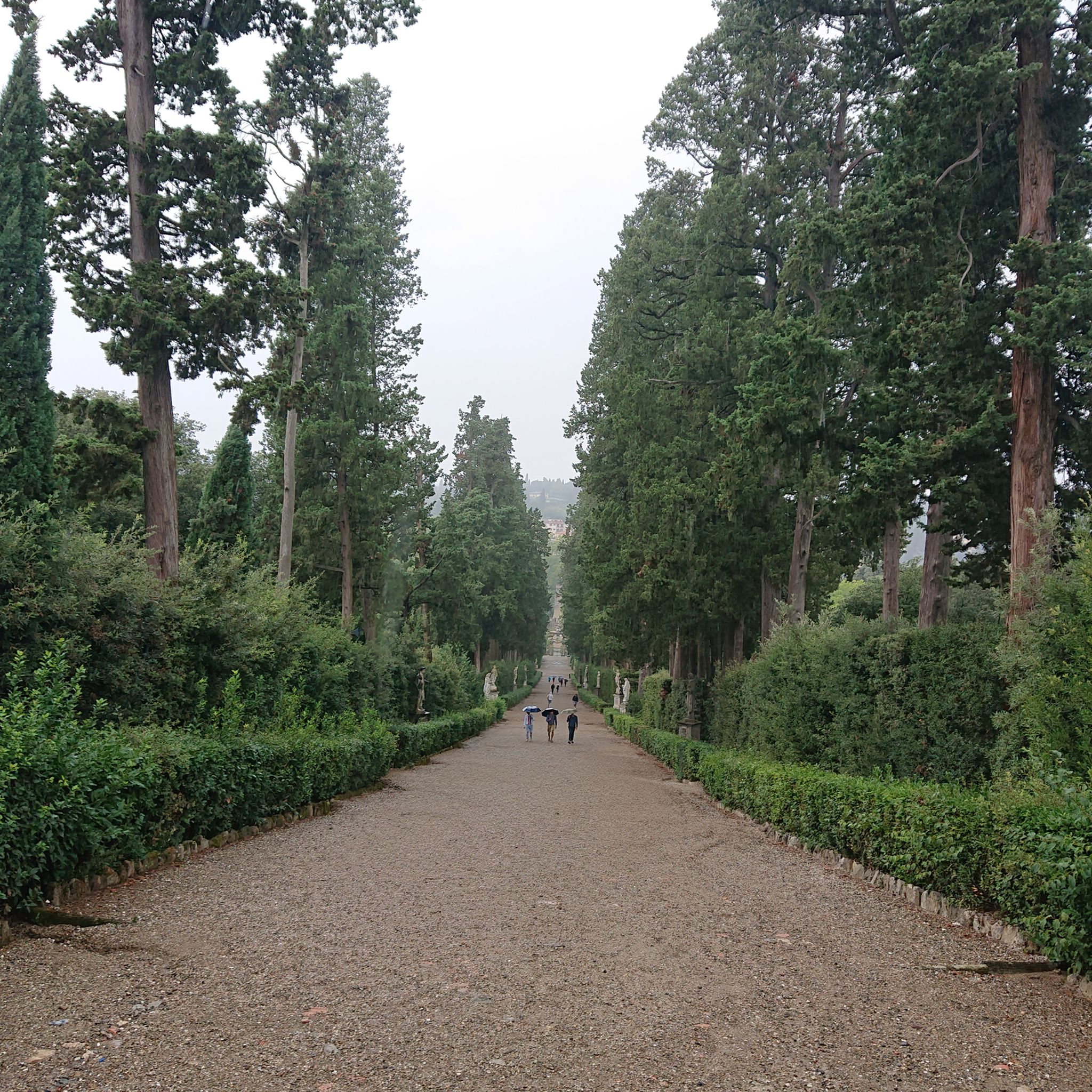
A Renaissance palace located in the Oltrarno district, in the center of Florence and former residence of the banker Luca Pitti, Palazzo Pitti was for decades the main residence of the Grand Dukes of Tuscany. Today it houses important museums with works by artists such as Titian and Raphael.
0
0

In the forest with the largest number of sequoias in Italy, these two fascinating specimens grew side by side. An information sign indicates that their circumference exceeds 8 metres, but at least 5/6 people are needed to hug them
0
0

One of Florence's most significant landmarks, the Palazzo Vecchio is a masterpiece of 14th-century civil architecture. Originally built as the seat of the city parliament and the center of secular power in Florence, this imposing palace has served various functions over the centuries. Today it serves as the city's town hall and is a must-see for any visitor who wants to experience Florence's rich history and culture. The Palazzo Vecchio impresses not only with its robust architecture and the famous tower that dominates the city's skyline, but also with its magnificent interiors decorated with precious works of art and historic frescoes. A visit offers the opportunity to delve into the past and learn more about Florence's political and social history. Of particular note is the magnificent "Salone dei Cinquecento" (Hall of the Five Hundred), the largest room in the palace used for public gatherings. Here you can find impressive murals by Vasari depicting scenes from the city's history. The private apartments of the Medici family, who lived in the palace for a time, are also of great interest. The Palazzo Vecchio stands in Piazza della Signoria, one of the liveliest and most historically significant squares in Florence, surrounded by other masterpieces of art and architecture. The square and the palace itself are the setting for many important events in Florence's history. Visitors should take the time to climb the tower of the Palazzo Vecchio, from which one can enjoy a breathtaking view of Florence and its surroundings. The climb is strenuous, but the view makes the effort worthwhile.
2
0
This central square is famous not only for its imposing buildings and elaborate statues, but also for its deep-rooted history that dates back to the Middle Ages. The square is dominated by the majestic Palazzo Vecchio, which once served as the seat of government and now houses a museum. Its battlements and sturdy tower tell stories of power, intrigue and Florence's political importance in the past. Just outside the Palazzo Vecchio stands a copy of Michelangelo's David, which seems to form a permanent sentinel, highlighting the city's artistic mastery. Another striking feature of the square is the Fountain of Neptune, a work by Bartolomeo Ammannati depicting the sea god Neptune. This impressive work of art symbolizes the Medici's power over the sea and the importance of water in Florentine culture and history. A popular gathering place for locals and visitors alike, Piazza della Signoria offers a fascinating insight into the heart and soul of Florence. It is surrounded by other important landmarks, including the Uffizi Gallery, one of the most famous art galleries in the world, making the square an unmissable destination for art lovers and history buffs.
8
0

A magnificent building with no less magnificent statues in front of it
1
0

Castle surrounded by a park built between the 16th and 19th centuries, in a rare orientalist style. A precious gem of the territory.
0
0

Sammezzano Castle is a splendid and particular residence in the province of Florence. Wanted by the Marquis Ferdinando Panciatichi Ximenes of Aragon in the 19th century, he enriched it with exotic and imaginative decorations. It is surrounded by a vast park, where you can admire rare and monumental plants, such as sequoias.
0
0
Frequently Asked Questions
What types of historical sites can I explore around Bagno a Ripoli?
The Bagno a Ripoli area offers a rich blend of historical fortifications and elegant villas. You can find true medieval castle ruins, such as Palazzaccio di Marcignano and Quarate Castle, alongside grand estates like Villa La Massa and Torre a Cona, which have origins tracing back to medieval castles. These sites reflect centuries of history in the Florentine hills.
Can I visit Quarate Castle?
Quarate Castle, first mentioned in 1098, features a prominent tower from the 12th-13th centuries and remnants of a fortified manor house. While it is now private property, its historical significance and visible medieval elements make it an interesting site to observe from the outside, especially its tower overlooking the hamlet.
What can I expect when visiting Palazzaccio di Marcignano?
Palazzaccio di Marcignano, also known as Castello di Gavignano, consists of the evocative ruins of an ancient medieval castle dating back to at least the 11th century. Much of it is covered by vegetation, but you can still recognize the perimeter of a truncated tower and remains of other structures. It offers a romantic and picturesque setting for those interested in exploring historical vestiges amidst fields and chestnut woods.
Are there other historically significant villas with castle origins in the area?
Yes, two notable examples are Villa La Massa and Torre a Cona. Villa La Massa, a grand Medici villa from the 14th century, is now a luxury hotel on the Arno River, known for its Renaissance style and elegant gardens. Torre a Cona, originally Quona Castle in 1066, is now an 18th-century villa and wine estate offering cultural heritage and modern hospitality, including wine tastings and tours.
Are there any notable castles slightly further afield but still accessible from Bagno a Ripoli?
Yes, Castello Vicchiomaggio, located in Greve in Chianti, is about 18 km from Florence and frequently associated with the broader Florentine area. This Renaissance castle, with origins dating back to the 9th-10th century, now operates as a winery and hotel, offering accommodations, wine tastings, and tours of its vineyards and historic cellars.
What outdoor activities can I do near the castles in Bagno a Ripoli?
The region around Bagno a Ripoli offers diverse outdoor activities. You can find numerous hiking trails, such as the 'Fontesanta Mountain Hut – Fontesanta Ecological Park loop' or the 'Villa Corsini at Mezzomonte loop'. For cycling enthusiasts, there are road cycling routes like the 'Consuma Pass – Lago di Londa loop'. Runners can explore trails like the 'View of the Chianti Vineyards loop'. You can find more details on these routes in the Hiking around Bagno A Ripoli, Road Cycling Routes around Bagno A Ripoli, and Running Trails around Bagno A Ripoli guides.
Are there family-friendly castles or historical sites to visit in the Bagno a Ripoli area?
While some castles are ruins or private, the broader Florentine area offers family-friendly historical sites. For instance, Piazza della Signoria and the Palazzo Vecchio, Florence, is considered family-friendly and offers a rich historical experience with impressive sculptures. The Pitti Palace also offers a family-friendly experience with its vast gardens.
What is the best time of year to visit castles and historical sites around Bagno a Ripoli?
Tuscany generally enjoys pleasant weather in spring (April-May) and autumn (September-October), making these ideal times for exploring. The temperatures are mild, and the landscapes are beautiful, with blooming flowers in spring and vibrant colors in autumn. Summer can be hot, especially in July and August, while winter can be cooler and wetter, though still offering a unique charm with fewer crowds.
What natural features or viewpoints can I find near these historical sites?
The region is characterized by picturesque Florentine hills, olive groves, and vineyards, offering scenic walks and viewpoints. For example, near Sammezzano Castle, you can find the beautiful park with the majestic Twin Sequoias of Sammezzano, which are monumental trees. Many hiking routes in the area also lead to panoramic views of the hills and surrounding landscapes.
Are there any less crowded or 'hidden gem' castles to explore near Bagno a Ripoli?
While not widely publicized, the ruins of Palazzaccio di Marcignano offer a more secluded and less crowded experience, allowing for a quiet exploration of historical vestiges amidst nature. Similarly, observing Quarate Castle from a distance provides a glimpse into medieval history without the typical tourist crowds, as it is private property.
What do visitors enjoy most about the castles and historical sites in the Bagno a Ripoli area?
Visitors appreciate the rich historical and scenic experience. The blend of ancient ruins like Palazzaccio di Marcignano and the visible remnants of Quarate Castle, combined with the grandeur of villas like Villa La Massa and Torre a Cona, offers a diverse journey through history. The komoot community particularly enjoys the picturesque settings, with over 1000 photos shared, highlighting the beauty of these sites and their surrounding landscapes.
Are there dog-friendly walking trails near the castles in Bagno a Ripoli?
Many of the natural trails and paths in the Bagno a Ripoli area, especially those leading to or around the more ruinous sites like Palazzaccio di Marcignano, are suitable for dog walking. Always ensure your dog is on a leash and that you clean up after them. For specific routes, check the Hiking around Bagno A Ripoli guide for trails that might be suitable.
Most popular routes around Bagno A Ripoli
Most popular attractions around Bagno A Ripoli

Get inspired with the komoot mobile app


Explore more
Looking for the best castles somewhere else? Discover other guides around Bagno A Ripoli:
